
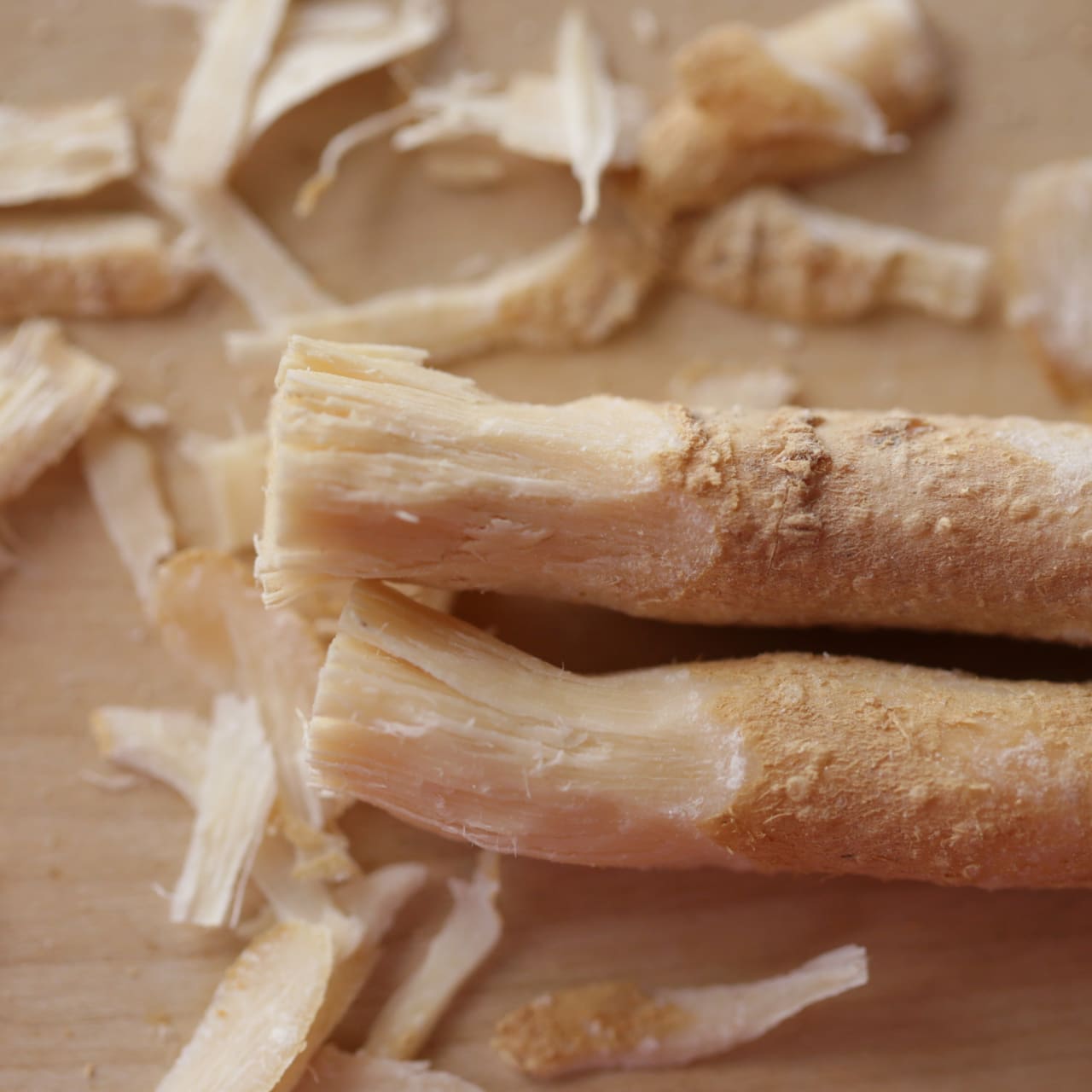
Siwak, also known as miswak, is a small stick or fibrous stem derived from the arak tree (Salvadora persica) that is used to clean the teeth and mouth. This practice is traditional in many cultures, such as in Morocco, and is considered beneficial for oral hygiene and gum health. Siwak contains natural antibacterial and astringent properties that help remove plaque, fight bacteria responsible for bad breath, and stimulate blood circulation in the gums.

Siwak: A Natural Treasure for Sparkling Teeth
Published on: Saturday, August 17, 2024, Updated on: Wednesday, November 18, 2026
Have you heard of siwak? This stick, made from Salvadora persica, has been used for thousands of years to clean teeth and support oral hygiene. Its fibres provide a mechanical action, whilst the plant contains various compounds that contribute to its properties. When used correctly, siwak can, in particular, help to remove dental plaque. Discover its properties, the different forms it comes in, and how to use it on a daily basis.
Contents
Related products
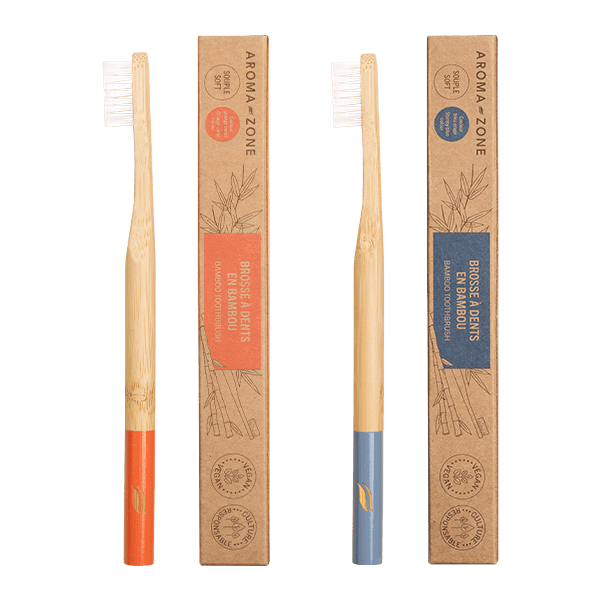
Soft Bamboo Toothbrush - 2 colours
Oral hygiene
£2.50
1 article
2 options
In brief
Siwak is touted as an effective natural alternative for oral hygiene, recognised for its cleansing properties and its ability to whiten teeth, but it does not entirely replace conventional dental care.
It is simple to use: simply chew or rub the siwak stick directly on the teeth and gums, without adding toothpaste, and it is suitable for daily use, even for children under supervision.
The article points out that whilst siwak offers real benefits, it remains important to maintain regular dental check-ups and to adapt its use in cases of sensitivity or specific oral conditions.
What exactly is siwak?
Good to know
Miswak is an excellent addition to your oral hygiene routine, but it should not necessarily replace your regular toothbrush and toothpaste. Alternating between miswak and conventional brushing helps ensure thorough and balanced cleaning.It is also important to visit your dentist regularly to assess the health of your teeth and gums and adapt your oral hygiene routine to your individual needs.
How to Use Siwak Properly for Oral Health?
Here are a few steps and tips you can follow to use siwak correctly for your oral health:
1. Choose a high-quality siwak: Make sure to buy a siwak from the arak tree (Salvadora persica) and check that it is fresh, not dried out, and free of mould.
2. Prepare the siwak: Before first use, remove about 1cm of the outer bark to expose the inner fibres. You can also trim the tip slightly to create a small toothbrush.
3. Brush your teeth: Wet the siwak fibers and use it like a toothbrush. Gently scrub your teeth and gums for about 3 to 5 minutes, using vertical up-and-down motions.
4. Clean the siwak: After each use, rinse the siwak with clean water, shake off excess water, and let it air dry.
5. Replace regularly: Just like with a traditional toothbrush, it is recommended that you replace your siwak regularly (approximately every 3 to 4 weeks) to ensure its effectiveness and hygiene.
In addition to using the siwak, don’t forget to maintain good oral hygiene by brushing your teeth twice a day with a toothbrush and toothpaste, flossing, and seeing your dentist regularly for checkups and professional cleanings.
Spotlight on our expert writer: Camille Clément

Camille specialises in writing content on the topics of beauty, health and natural wellbeing. Passionate about these subjects, she writes articles for major media outlets to help everyone look after themselves in a natural and holistic way.
Bibliography

Frequently Asked Questions
Associated tip
Oral care tips


