Subcutaneous Cyst: Causes and Symptoms?

Subcutaneous Cyst: Causes and Symptoms?


By Eloise Dubois-Gaché

Published on: Tuesday, February 11, 2025, Updated on: Friday, November 13, 2026

Sometimes inconspicuous, often troublesome, a subcutaneous cyst can appear on various parts of the body and cause some concern. Often mistaken for a simple spot, it is actually quite distinct: although usually benign, it can take time to resolve because fluid builds up under the skin, which may require appropriate treatment. Natural remedies can help reduce these small lumps and prevent them from reappearing. 

Table of contents

Related products

What Is a Subcutaneous Cyst?

A subcutaneous cyst, or cyst under the skin, is a benign growth with a cavity filled with fluid, sebum, or other substances. It develops beneath the epidermis and usually appears as a small lump under the skin that may be movable and sometimes tender to the touch. It can have various causes and compositions. Depending on their location and contents, there are two main types of cysts under the skin: epidermal cysts and dermal cysts.

Further reading: To better understand the difference between a subcutaneous cyst and an acne-related microcyst, read our dedicated article: Everything You Need to Know About Microcysts.

Epidermal Cysts

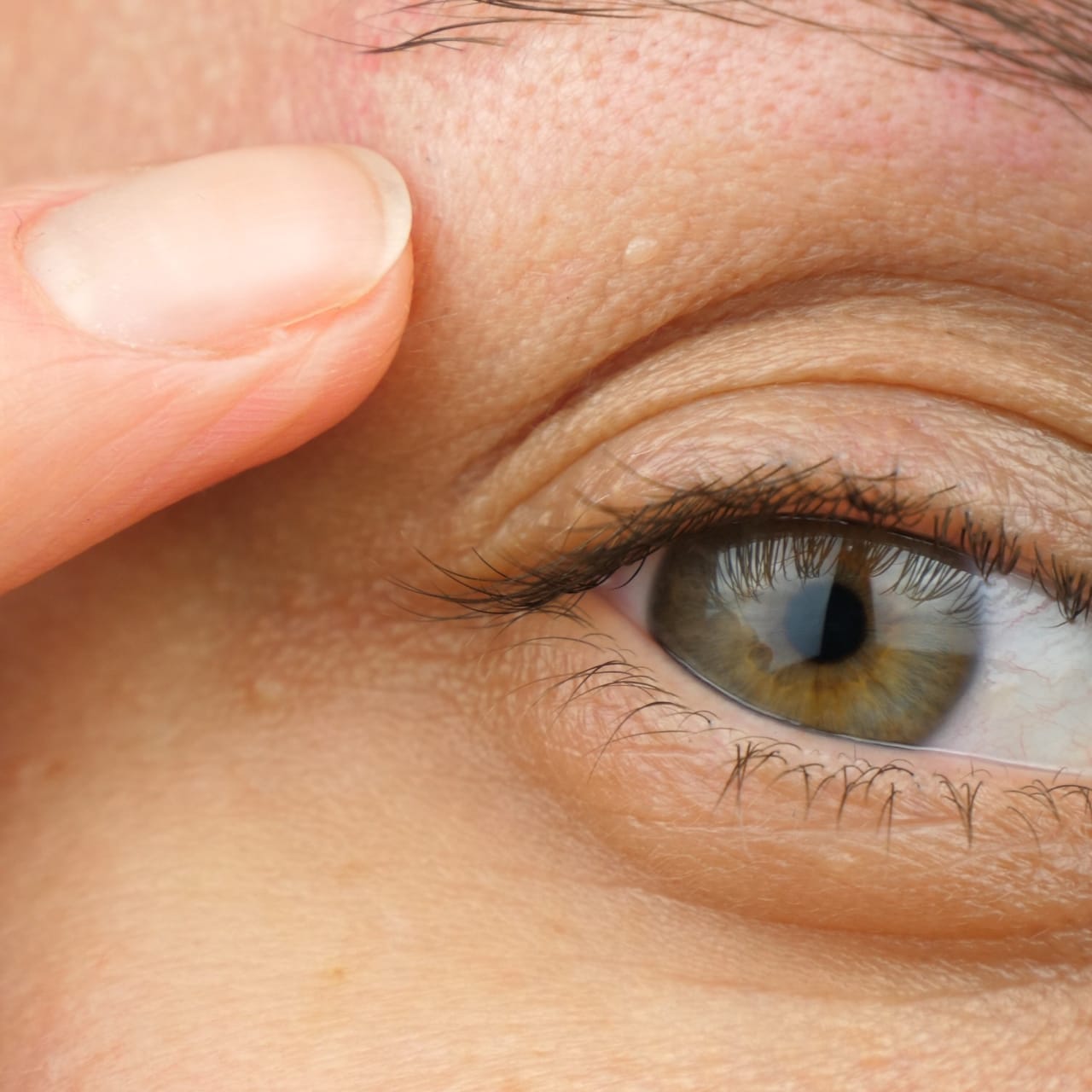
These cysts form in the epidermis, the skin's outermost layer. Composed of keratin, they result from an accumulation of dead cells trapped beneath the skin. The epidermoid cyst, the most common type, appears as a small flesh-coloured or yellowish bump, sometimes filled with a pasty substance. The best-known type of epidermal cyst is milia: tiny white micro-cysts that usually appear on the face, particularly around the eyes.

Dermal Cysts

These cysts form in the dermis, the deeper layer of the skin, and have a different composition to epidermal cysts. Unlike the latter, they are often filled with sebum, an oily substance naturally produced by the sebaceous glands. Some may also contain other types of tissue, including hair follicles or skin cells. Sebaceous cysts are the most common type in this category. It develops when the sebaceous glands become blocked, preventing sebum from draining normally. The sebum then accumulates under the skin, forming a rounded lump that feels soft to the touch.

Although they are usually painless, some cysts can become infected and very painful. Their size can vary from a few millimetres to several centimetres.

Cyst or Lipoma: What’s the Difference?

If you notice a small lump appearing on your skin, make sure it isn’t a lipoma. Often mistaken for a subcutaneous cyst, a lipoma is actually a benign fatty lump that develops under the skin. Unlike cysts, lipomas are made up of fat cells and are generally softer and more mobile to the touch. Furthermore, they are not filled with fluid and do not become infected. While a cyst can sometimes become inflamed and eventually suppurate, a lipoma remains stable and does not change unless it becomes too large or troublesome. In such cases, it can only be removed through surgery. This is why it is important to clearly distinguish between the two, as natural treatments effective for cysts will not work on a lipoma.
What Causes Subcutaneous Cysts?

Several factors can contribute to subcutaneous cyst formation. As we have seen, there are two main types: epidermal cysts and dermal cysts, and their causes therefore vary depending on their nature.

The Causes of Epidermal Cysts

Epidermal cysts result from a build-up of keratin beneath the skin. This build-up can be caused by several factors:

  • Blockage of Hair Follicles: This occurs when dead cells are not properly shed, forming a cavity filled with keratin. This phenomenon is often seen on the face, back and scalp, where epidermoid cysts are most common

  • Minor Skin Trauma: Irritation or a superficial injury, such as a cut from shaving or repeated rubbing, can disrupt cell renewal and promote the formation of an epidermoid cyst. They are frequently found in areas subject to friction, such as the neck, back, and shoulders

Causes of Dermal Cysts

Dermal cysts, such as sebaceous cysts, result from excess sebum or blocked sebaceous glands. Depending on their origin, they can appear on different parts of the body:

  • Excess Sebum and Blockages of the Sebaceous Glands: When sebum is not discharged properly, it accumulates under the skin and forms a sebaceous cyst, which frequently appears on the scalp, back and chest

  • Hormonal Imbalances: When hormones go into overdrive – whether during adolescence, pregnancy, or hormonal fluctuations – the skin often reacts by producing more sebum. This can cause the pores to become blocked, leading to the development of sebaceous cysts, particularly on the face and upper back, areas where the sebaceous glands are particularly active

  • Skin Inflammation and Infections: Chronic irritation caused by shaving, hair removal, or repeated rubbing can lead to a cyst of the ingrown hair. This type of cyst mainly develops in the armpits, the bikini line, and the beard area, where hairs tend to grow back under the skin

  • A Build-Up of Skin Debris and Hair: This is the main cause of pilonidal cysts, which often appear on the buttocks. They are particularly common in people who sit for long periods or who have dense body hair or hirsutism

  • Allergic Reactions and Localised Inflammation: Certain allergens or irritating cosmetic products can cause skin inflammation, which promotes the formation of small cysts. Although these are usually temporary, they can appear on any sensitive or reactive areas of skin

What Are the Symptoms of a Subcutaneous Cysts?

Subcutaneous cysts present with several signs, including:

  • A lump under the skin, which is movable and usually painless

  • Localised redness and swelling

  • Tenderness or pain if inflamed

  • Possible discharge of pus if the cyst becomes infected

  • A gradual increase in size

What Are the Natural Remedies for Reducing a Cyst?

When a cyst under the skin is not infected, natural remedies can help soothe the inflammation and promote skin regeneration. Here are some of our most suitable products: 

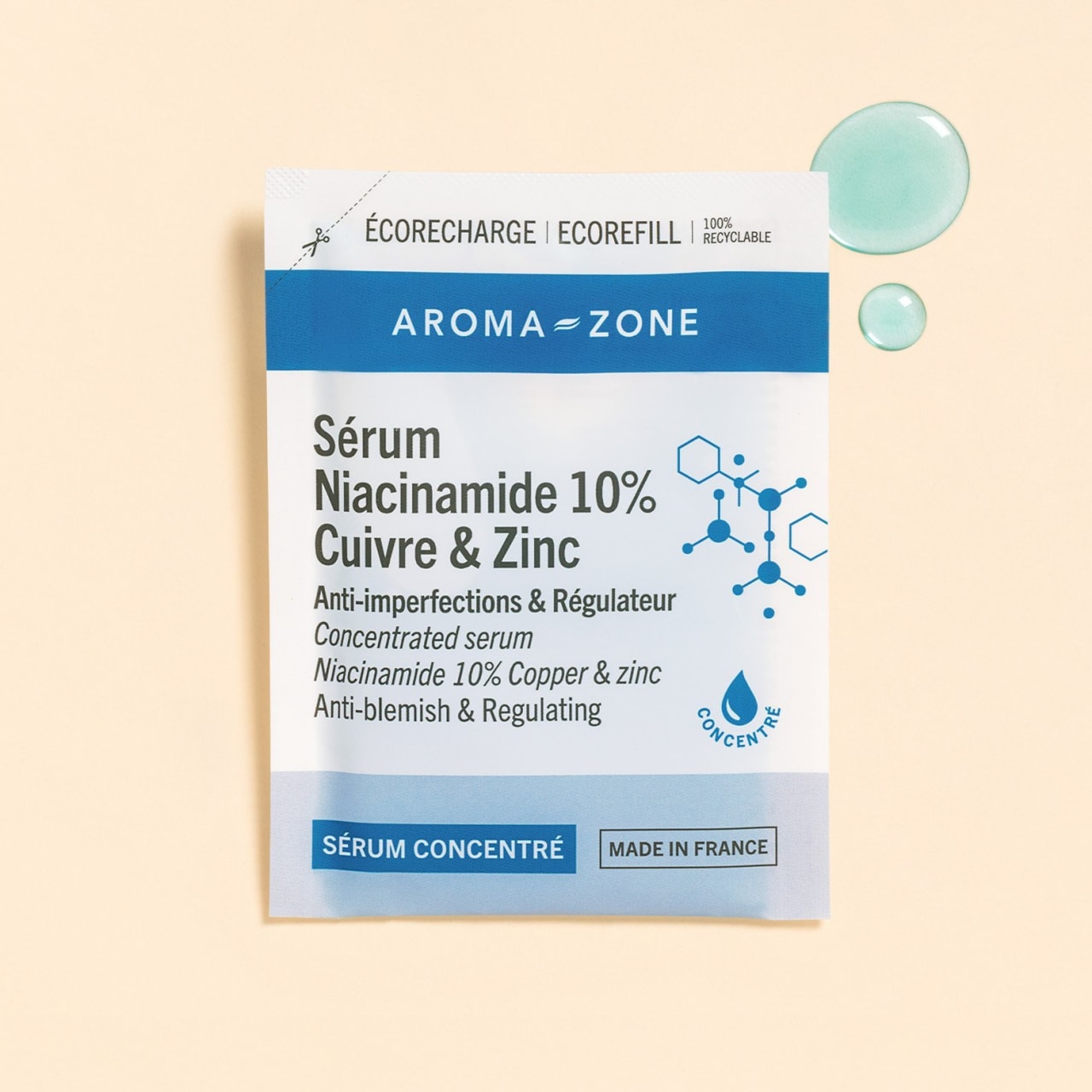
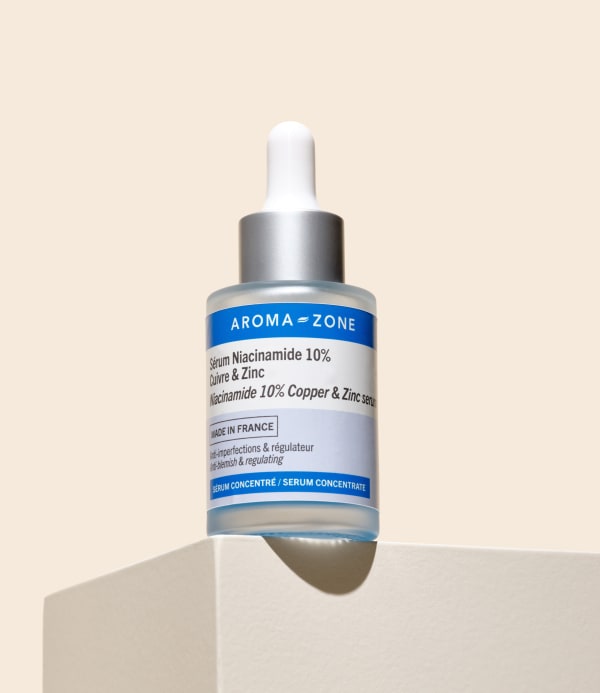
Neutral Base: Concentrated Serum with 10% Niacinamide, Copper & Zinc

Concentrated Niacinamide, Copper, & Zinc Serum: An ideal ally for skin prone to blemishes and excess sebum. Thanks to niacinamide, it helps regulate sebum production, while copper and zinc purify and soothe the skin. Apply morning and evening to clean skin to minimise inflammation and reduce the appearance of cysts.

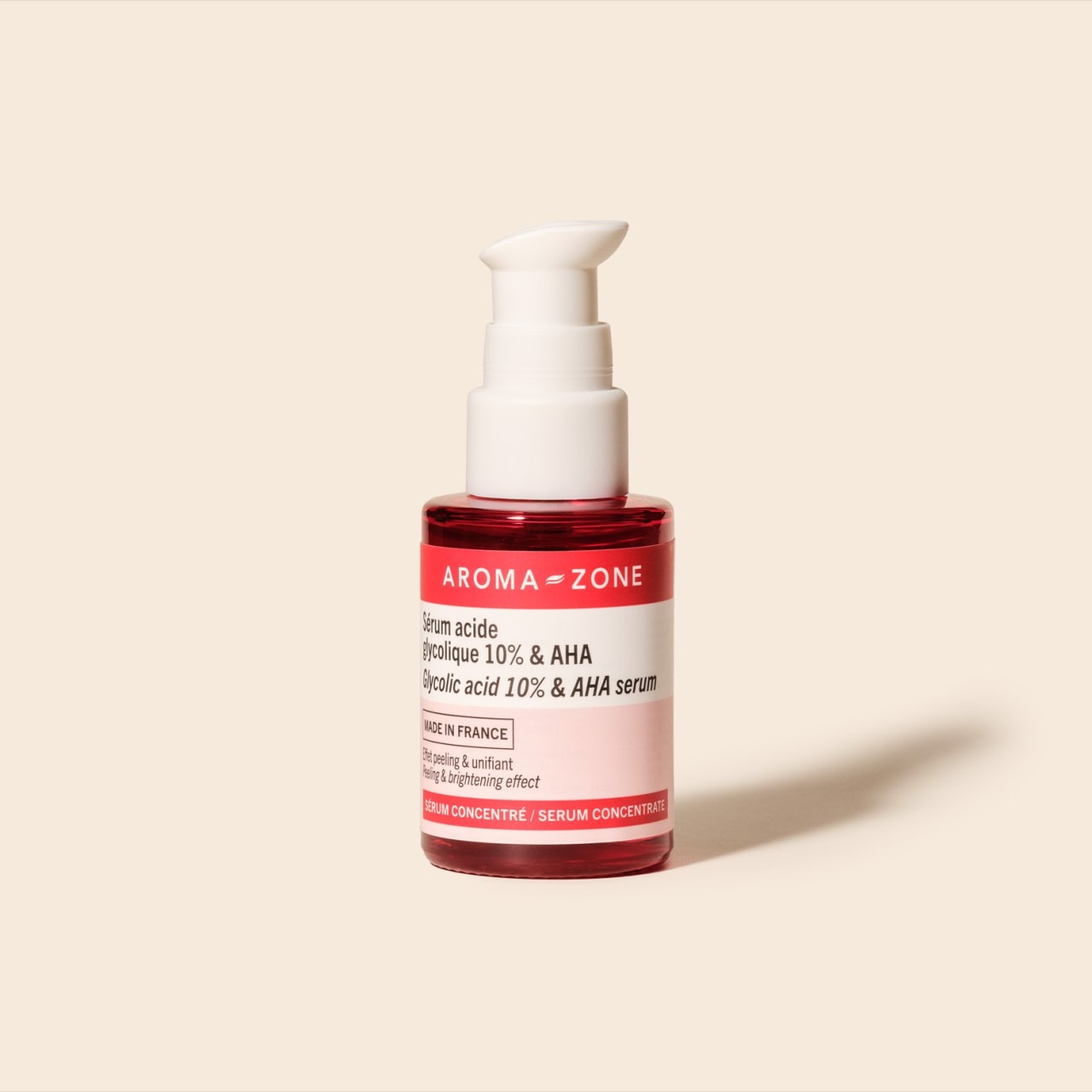
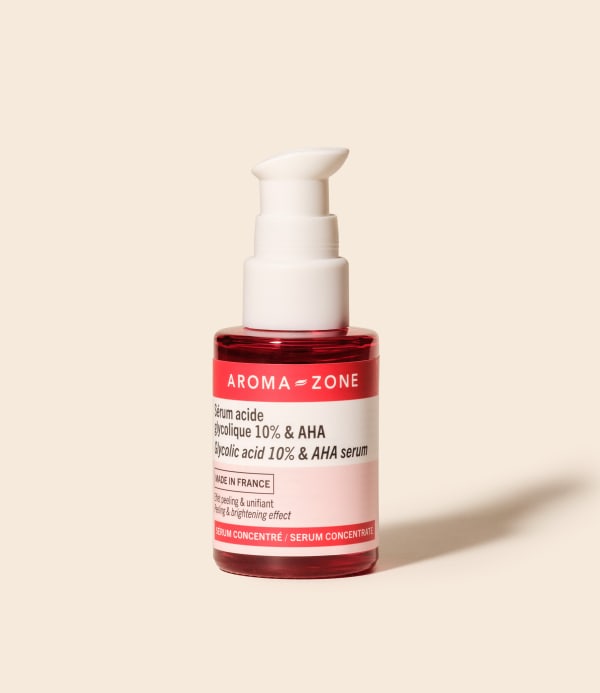
Concentrated facial serum with 10% glycolic acid & AHA

10% Glycolic Acid AHA Concentrated Serum: A gentle exfoliant, it promotes cell renewal and prevents the build-up of dead skin cells responsible for blocked pores. Applied in the evening, it refines the skin’s texture and reduces imperfections without irritating the skin

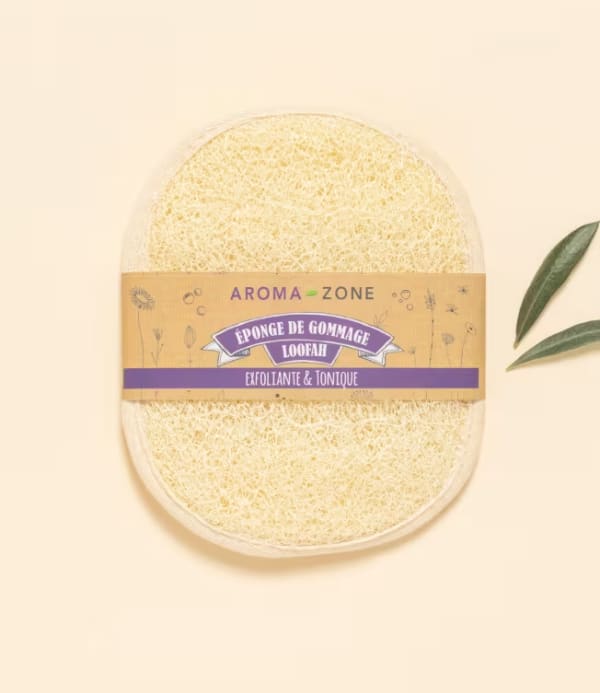
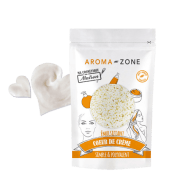
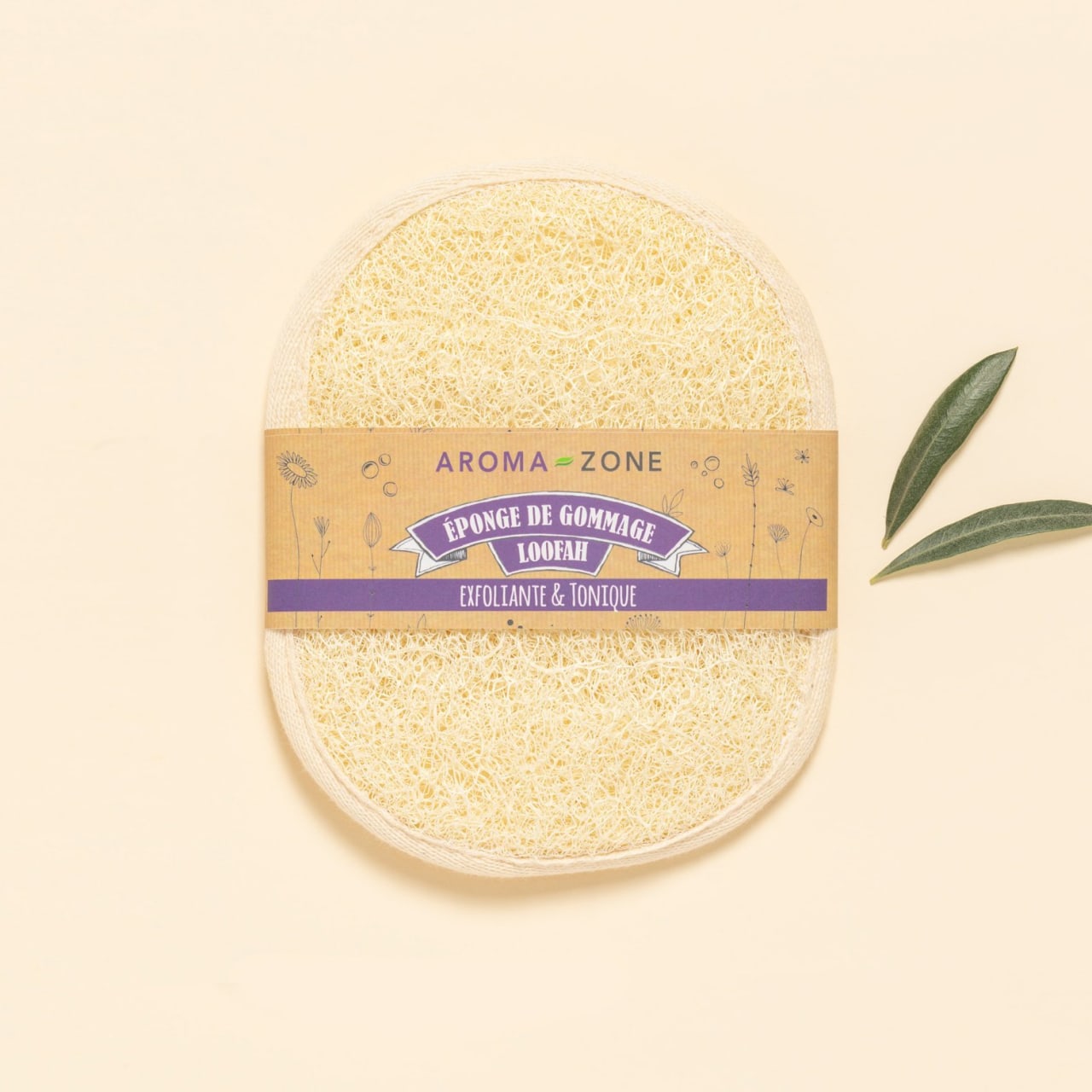
Loofah exfoliating sponge

Loofah Exfoliating Sponge: Desperate times call for desperate measures! There’s nothing quite like physical exfoliation to help the skin get rid of impurities. Thanks to its slightly rough texture, this sponge stimulates circulation, unclogs pores and reduces sebum build-up. A simple yet effective way to prevent small sebaceous cysts.

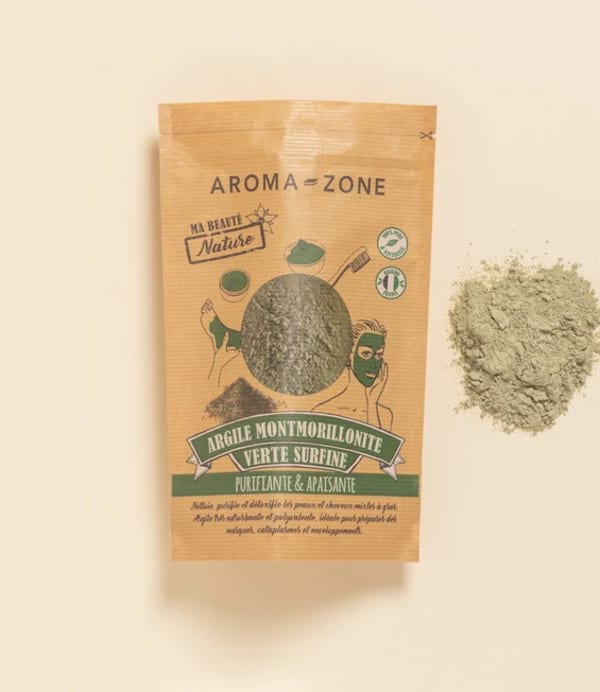
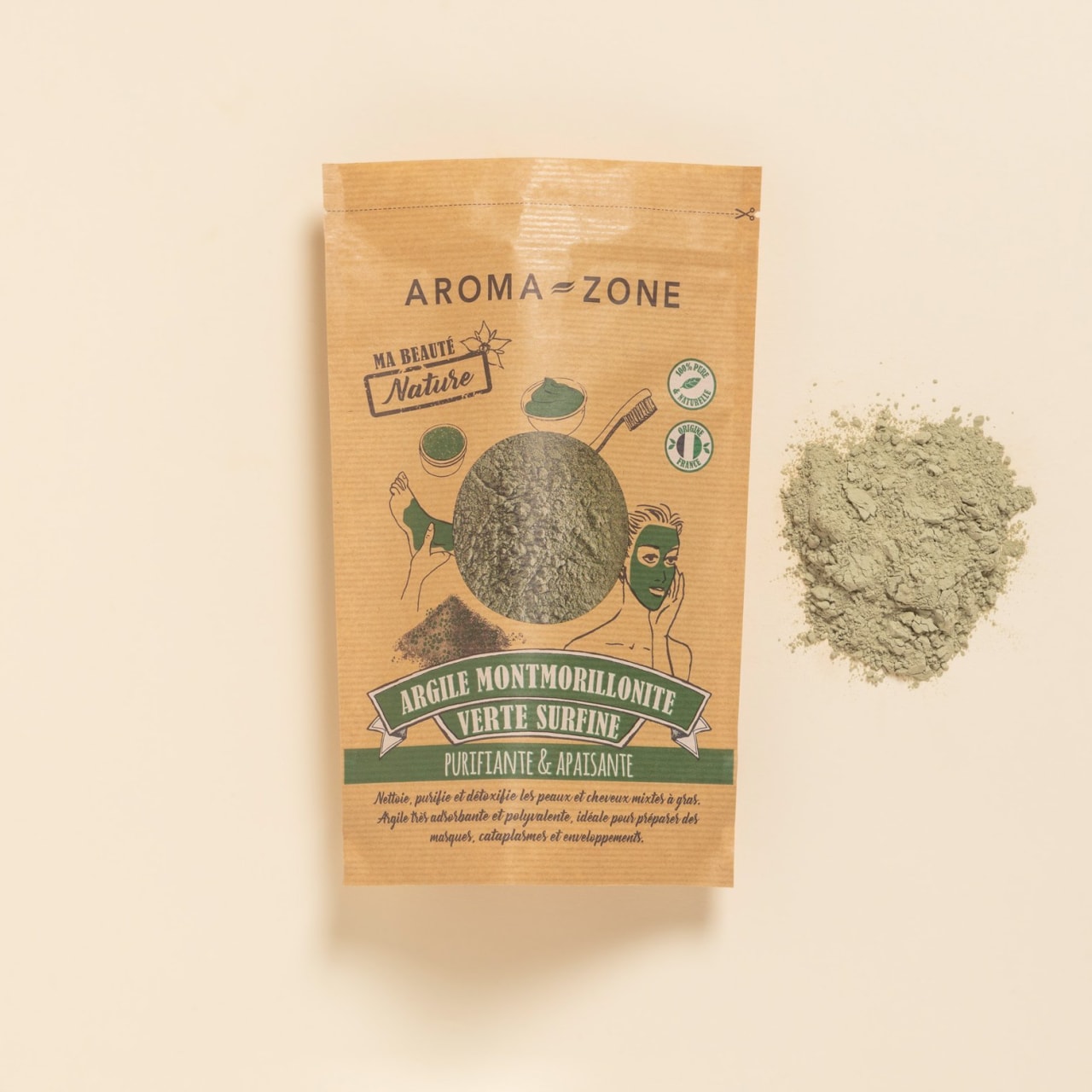
Extra-fine green montmorillonite clay (smectite)

Green Montmorillonite Clay: An absolute must-have for blemish-prone skin, green clay has absorbent, purifying, and soothing properties. It acts like a natural sponge, absorbing excess sebum and impurities whilst soothing inflammation. It helps to calm the inflammation caused by cysts under the skin.

What Routine Should You Follow If You Have a Subcutaneous Cysts?

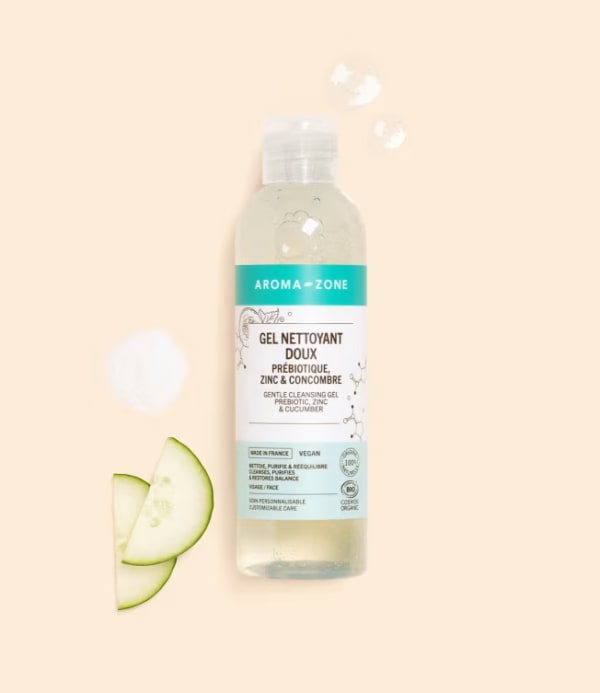
Gentle Prebiotic, Zinc & Cucumber Cleansing Gel

1. Gentle Cleansing: Gentle cleansing helps remove impurities and prevent the build-up of sebum, which can contribute to the formation of cysts. The gentle prebiotic cleansing gel with zinc and cucumber purifies the skin without irritating it, while helping to rebalance the skin’s microbiome. Use morning and evening on the affected area

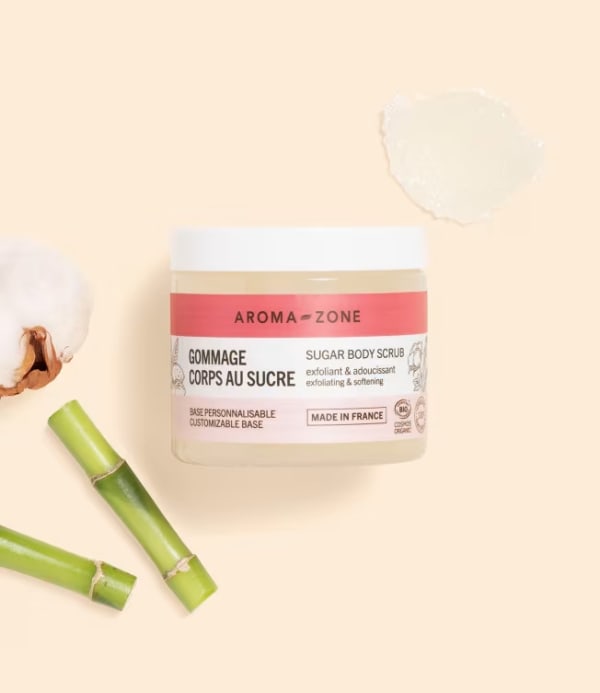
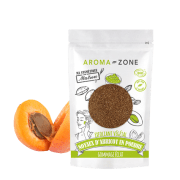
Organic sugar body scrub

2. Regular Exfoliation: Exfoliation is particularly important in the case of ingrown hairs, which are often responsible for the formation of small cysts under the skin. Use the organic sugar body scrub to remove dead skin cells and prevent pores from becoming blocked. Apply once or twice a week, paying particular attention to areas prone to cysts

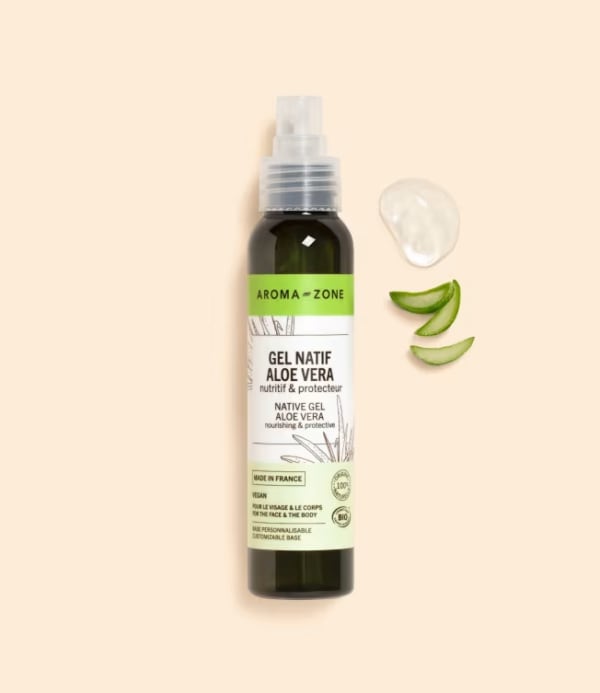
Organic Aloe Vera Gel

3. Hydration and Soothing: Well-hydrated skin heals better and is more resistant to inflammation. The Organic Aloe Vera Gel is ideal for soothing and calming the skin after cleansing or exfoliation. It also helps to gently regenerate the skin

Fancy finding out more about Aloe Vera? Discover how to look after your skin in our dedicated article.

Precautions for Use

Never pierce an inflamed cyst, as this may worsen the inflammation or cause an infection.

Test any new product on a small area of skin and wait 24 hours to check for any reaction.

If you experience severe pain or signs of infection, consult a healthcare professional.

Glycolic acid should only be used in the evening. After application, avoid exposure to the sun and apply sun protection daily for at least a week.

Expert Advice

To relieve a tender cyst, you can apply a warm compress for 10 to 15 minutes, several times a day. This technique helps to reduce inflammation and promotes the natural drainage of the cyst. Why? Because heat helps to soften the skin and stimulate circulation, which can facilitate the gradual reabsorption of the cyst without irritating the skin.

Spotlight on our expert writer: Eloïse Dubois-Gaché.

EDG.jpg

Eloïse is a certified ‘naturopathic practitioner’ by the Institut Supérieur de Naturopathie (ISUPNAT) and has been practising naturopathy for over 5 years. Thanks to her extensive experience working in various herbalist shops, Éloïse provides, where necessary, comprehensive and precise advice on herbal medicine, aromatherapy, gemmotherapy and micronutrition when drawing up a personalised lifestyle programme tailored to each individual.

Bibliography

  1. Aaron, D. M. (2023, 11 September). Skin cysts.

    MSD Manuals for the General Public. https://www.msdmanuals.com/fr/accueil/troubles-cutan%C3%A9s/excroissances-cutan%C3%A9es-b%C3%A9nignes/kystes-cutan%C3%A9s

  2. Wohlrab, J., & Kreft, D. (2014). Niacinamide – Mechanisms of Action and Its Topical Use in Dermatology.

    Skin Pharmacology and Physiology, 27(6), 311–315. https://doi.org/10.1159/000359974

  3. Green, B. A., Yu, R. J., & Van Scott, E. J. (2009). Clinical and cosmeceutical uses of hydroxyacids.

    Clinics in Dermatology, 27(5), 495–501. https://doi.org/10.1016/j.clindermatol.2009.06.023

Frequently Asked Questions

Frequently Asked Questions