
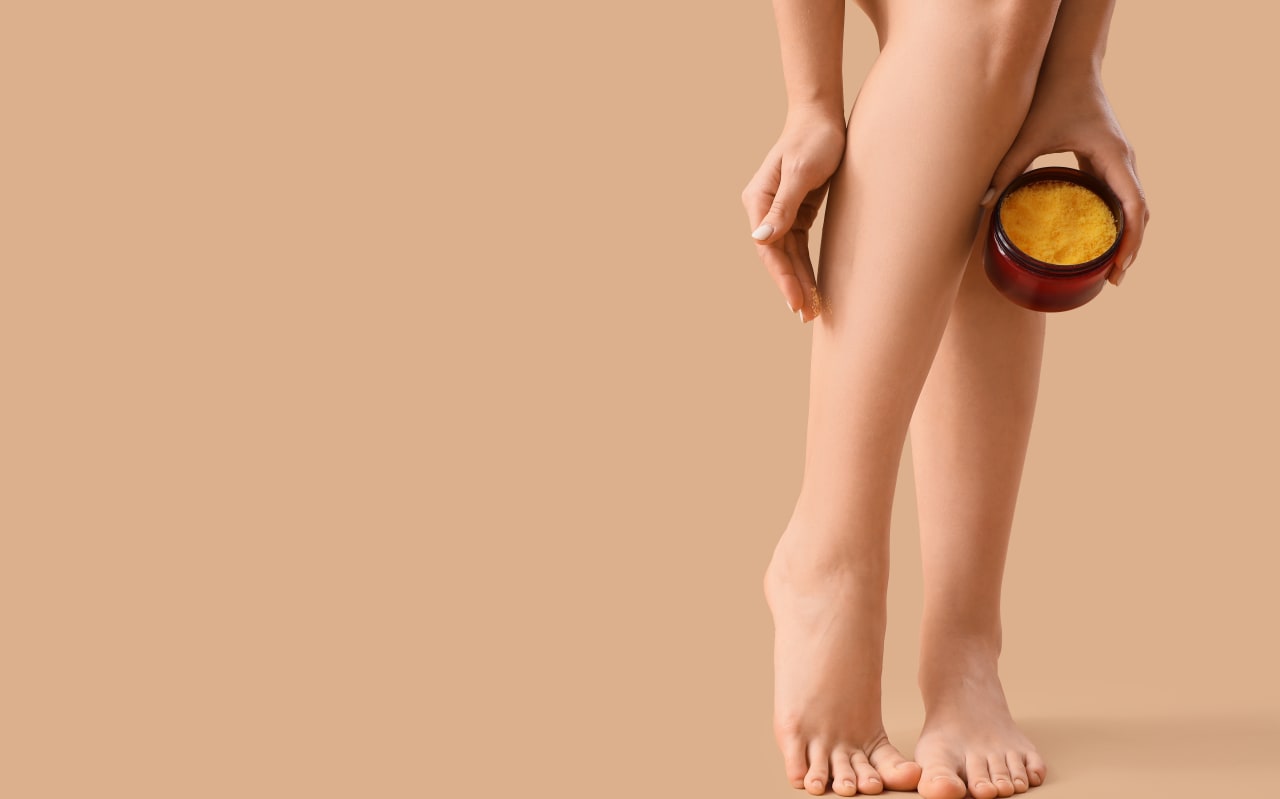
How to Soothe an Infected Ingrown Hair
Published on: Tuesday, December 26, 2023, Updated on: Wednesday, October 07, 2026
After hair removal, red spots filled with pus sometimes appear on the skin. These are ingrown hairs, which can become infected and cause painful inflammation, sometimes even leading to the formation of a cyst. Let's explore how infected ingrown hairs form and how to soothe them.
Contents
Related products
£7.00
1 article
Protective
Nourishing
£10.00
250 ml
4 options
In brief
An ingrown hair appears as inflammation, redness, or even a wound, often caused by shaving or hair removal, which can encourage the hair to grow back into the skin.
Treatment involves local disinfection, exfoliation, and applying clay to help the hair emerge. Warm compresses can help soothe inflammation and reduce pain.
The article points out that in cases of significant infection or severe pain, it is recommended to consult a healthcare professional to prevent complications.
An Infected Ingrown Hair
Sebaceous Cysts
Ingrown hairs can sometimes lead to the formation of sebaceous cysts, which are generally painless and do not cause any side effects. In such cases, removal is usually not necessary. However, repeated friction or manipulation can sometimes cause them to become infected, resulting in an infected ingrown hair. This inflammatory reaction can lead to painful swelling that may fill with pus. It is therefore important to address the infection appropriately to help prevent it from worsening.
Causes of Ingrown Hairs
Some skin types are more prone to developing ingrown hairs, particularly thick or very dry skin. Hair type also plays a role, as curly or very fine hairs can have more difficulty breaking through the skin's surface and are therefore more likely to curl back and grow into the skin. Certain hair removal methods can increase the likelihood of ingrown hairs. Waxing, epilators and multi-blade razors are more commonly associated with the appearance of ingrown hairs.
Is an Ingrown Hair Dangerous?
In general, ingrown hairs are not dangerous, but they can be particularly uncomfortable due to the skin irritation and inflammation they cause. However, an infected ingrown hair may lead to symptoms such as redness, warmth, pain and, in some cases, the formation of pus. Attempting to remove an ingrown hair incorrectly, such as piercing it with non-sterile objects or squeezing it too forcefully, can increase the risk of scarring or hyperpigmentation.
What to Do When You Have an Ingrown Hair?
When you notice an ingrown hair, your first approach should be gentle care. In most cases, it is a harmless condition that can be managed by cleansing the area with warm water and a mild soap, then gently exfoliating the skin with a mild scrub or a suitable exfoliating glove to help the hair emerge naturally. Regularly moisturising the skin can also help reduce dryness and lower the risk of future ingrown hairs.
However, you should avoid trying to remove the hair yourself by squeezing the skin, using tweezers or piercing the bump with a needle. Attempting to force the hair out or repeatedly manipulating the area with your fingers can worsen the condition and increase the risk of infection due to bacteria present on the skin and under the nails.
How to Treat an Infected Ingrown Hair?
Help relieve an infected ingrown hair:
Cleanse the affected area morning and evening with warm water and a mild soap.
Apply an antiseptic dressing or use a suitable antiseptic product to help keep the area clean.
Avoid hair removal on the affected area until it has healed.
Gently exfoliate the skin using a gentle scrub. This may help remove dead skin cells and free the trapped hair follicle.
Apply a small amount of green clay or white clay to help absorb excess moisture and encourage the hair to emerge naturally.
To soothe inflammation and reduce discomfort, apply a warm compress or a warm, damp flannel to the area for 10 to 15 minutes. This can help open the pores and soften the surrounding tissue.
Patience is often required, as the hair may take time to emerge on its own. Continue to keep the area clean daily to support healing. In general, the milder the ingrown hair, the more quickly it tends to recover.
If the infection becomes severe, painful, or does not improve, consult a doctor or dermatologist. If the ingrown hair has developed into a cyst, they can recommend the most appropriate treatment and confirm whether the problem is caused by an ingrown hair or another underlying condition.
Recurrent cysts or abscesses in areas such as the bikini line, groin, or perineum may sometimes be associated with hidradenitis suppurativa, a chronic inflammatory condition characterised by recurrent nodules and abscesses. In such cases, assessment by a dermatologist is recommended.
How to Remove a Deeply Ingrown Hair?
If you have a deeply ingrown hair, it is important not to try to remove it yourself. Instead, help it reach the skin’s surface by applying a warm compress to soften the surrounding tissue, gently exfoliating the area with a mild scrub, such as one enriched with Aloe Vera, and keeping the skin well moisturised.
If the hair has still not emerged after several days, it is advisable to consult a dermatologist. They can safely remove the hair without increasing the risk of infection, scarring or further irritation.
How to Treat an Infected Ingrown Hair?
If your infected ingrown hair has developed into a cyst, consult your GP, who can recommend the appropriate treatment and determine whether it is caused by an ingrown hair or a more serious underlying condition. Recurrent cysts in areas such as the bikini line, groin or perineum may sometimes be a sign of Hidradenitis Suppurativa. This chronic condition is characterised by recurring abscesses and nodules, and assessment by a dermatologist is recommended.
Folliculitis and Ingrown Hairs: What Natural Treatments Are Available?
The anti-inflammatory, soothing and moisturising properties of certain natural remedies may help relieve discomfort associated with folliculitis and ingrown hairs. However, they should not replace medical treatment in cases of more severe infection.
Tea Tree Essential Oil to Help Soothe an Ingrown Hair Bump
Tea Tree Essential Oil is known for its antimicrobial properties. Dilute a small amount in a carrier oil, such as Coconut Oil, and gently apply it to the affected area.
Aloe Vera to Help with an Ingrown Hair
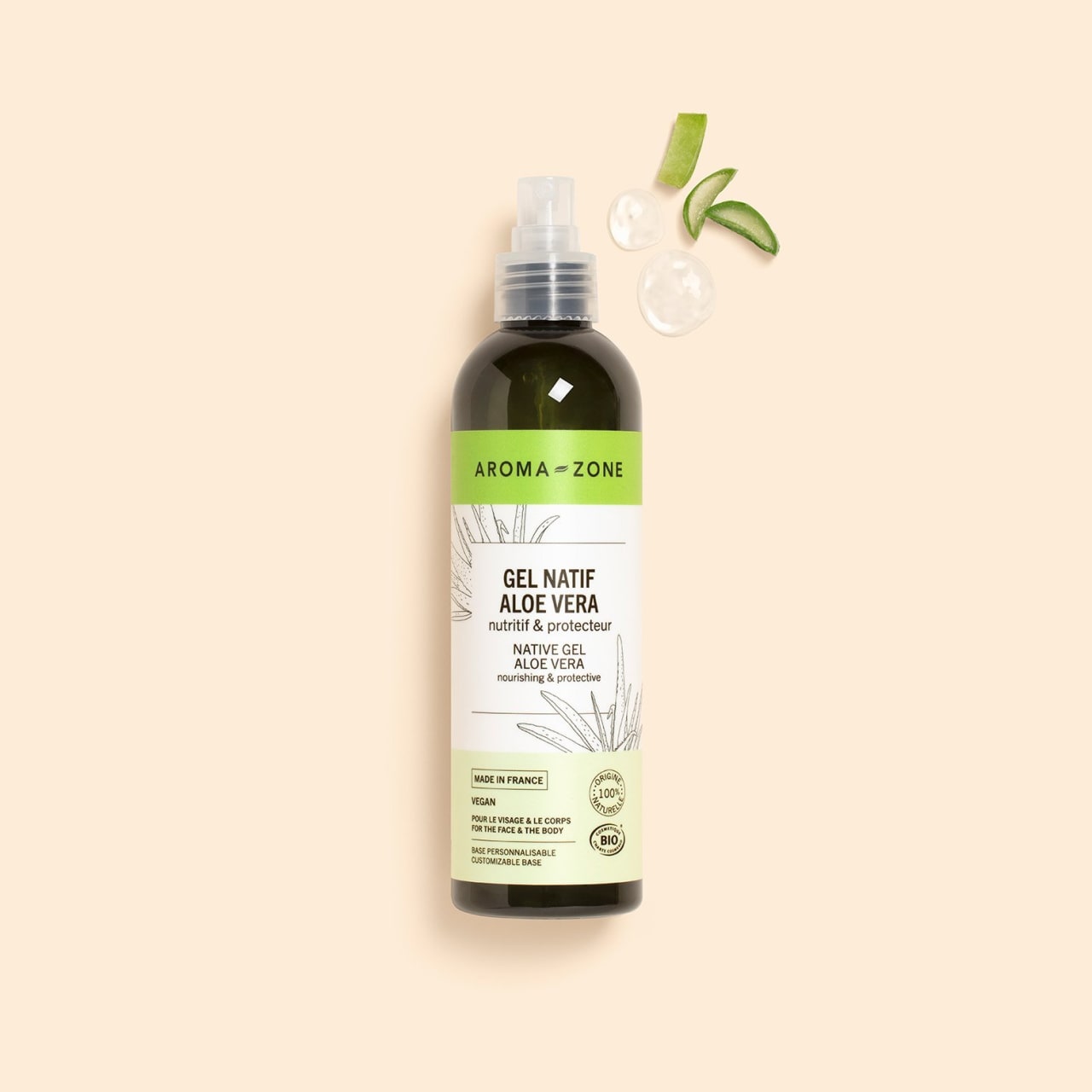
Apply Aloe Vera gel to the affected area. Aloe Vera is known for its soothing and anti-inflammatory properties, which may help calm irritation and reduce discomfort.
Oats to Help Soothe a Painful Ingrown Hair
Add colloidal oatmeal to a warm bath. The anti-inflammatory properties of oats may help soothe irritation and provide relief from discomfort.
A Honey Treatment
Honey is known for its antibacterial properties. Apply a small amount of raw honey to the affected area and leave it on for 15–20 minutes before rinsing thoroughly.
How to prevent ingrown hairs?
The best way to deal with infected ingrown hairs is to prevent them.
Always rinse your razor with warm water after use to remove any remaining hair.
Change your razor blades regularly.
Never share your razor with anyone to limit the spread of bacteria.
Exfoliate your skin to unclog pores and remove dead skin cells, which can contribute to ingrown hairs.
Apply an after-shave cream to deeply moisturize the skin.
Spotlight On Our Writer: Lauréna Valette

Lauréna is a journalist specialising in lifestyle, wellness, and psychology. Between writing articles, she travels around the world, discovering what it has to teach us.
Bibliography
Shaving products
https://www.sciencedirect.com/science/article/abs/pii/S0515370013003972
A Beautiful Body: 25 Tips and Tricks from Grandma
Maud Gaudin
Healing plants
Sophie Lacoste
Associated tips
Body Care Tips

Skin care tips
Intimate care tips
Face care tips


