Acne and adolescence: what's the link?

We've all been there: that pivotal period known as puberty, often experienced as a delicate transition between childhood and adulthood. Added to this emotional vulnerability are physical changes that can sometimes be difficult to understand, such as the appearance of blemishes linked to increased sebum production due to hormones. Fortunately, in most cases, it is possible to soothe problem skin with simple, natural steps. Here's how.

Reading time: 0 min.

What is puberty?

Puberty is a natural stage of development that marks the transition from childhood to adolescence. It is a period of physical, hormonal, and emotional changes that gradually prepare the body for sexual maturity.

Under the influence of hormones (mainly estrogen in girls and testosterone in boys), the body changes: rapid growth, development of secondary sexual characteristics, changes in the skin and sebum production, etc. It is this hormonal stimulation of the sebaceous glands in particular that promotes the appearance of acne in many adolescents.

Puberty does not begin at the same age or manifest itself in the same way in all young people. It generally starts earlier in girls than in boys and develops gradually over several years.

The main differences between girls and boys during puberty

Transformations

Girls

Boys

Average age of onset of puberty

Approximately 8 to 13 years old

Approximately 9 to 14 years old

First visible signs

Breast development

Increase in testicle size

Growth spurt

Often earlier and faster at the beginning

Later but often more pronounced

Appearance of body hair

Armpits and pubic area

Pubic area, armpits, face (beard), sometimes chest

Sexual maturation

Establishment of the menstrual cycle (first period)

Sperm production, voice change

Skin changes

Increased sebum, possible acne

Increased sebum production, often more pronounced acne

Overall duration

On average 4 to 5 years

On average 5 to 6 years

Although these benchmarks are common, every teenager develops at their own pace. These changes are part of a normal biological process, which is often accompanied by physical and emotional adjustments, sometimes with skin manifestations such as acne.

What causes acne in teenagers?

Acne is a multifactorial skin condition that is common in adolescence and results from several mechanisms acting simultaneously on the hair follicles and sebaceous glands. It appears when the skin's natural balance is altered, promoting pore blockage and the development of inflammatory reactions.

Increased sebum production

During puberty, increased androgen hormones stimulate the activity of the sebaceous glands. These glands produce more sebum, an oily substance that is naturally present on the skin's surface. When secreted in excess, sebum accumulates in the pores and causes them to become clogged, leading to many types of blemishes.

Follicle blockage and inflammatory reaction

The accumulation of sebum and dead cells in the pores creates an environment conducive to the development of certain bacteria naturally present on the skin, notably Cutibacterium acnes. Their proliferation is accompanied by a local inflammatory reaction, responsible for the redness and lesions characteristic of acne.

The influence of external factors

Certain lifestyle factors can promote or aggravate skin imbalances. Stress, certain eating habits, the use of unsuitable cosmetic products, and repeated rubbing of the skin can contribute to clogged pores or increased inflammation.

The role of individual predisposition

Sensitivity to acne varies from person to person. Genetic factors can influence sebum production, the skin's inflammatory reactivity, or the tendency for pores to become clogged, which explains why acne is more pronounced in some teenagers.

What are the symptoms of acne?

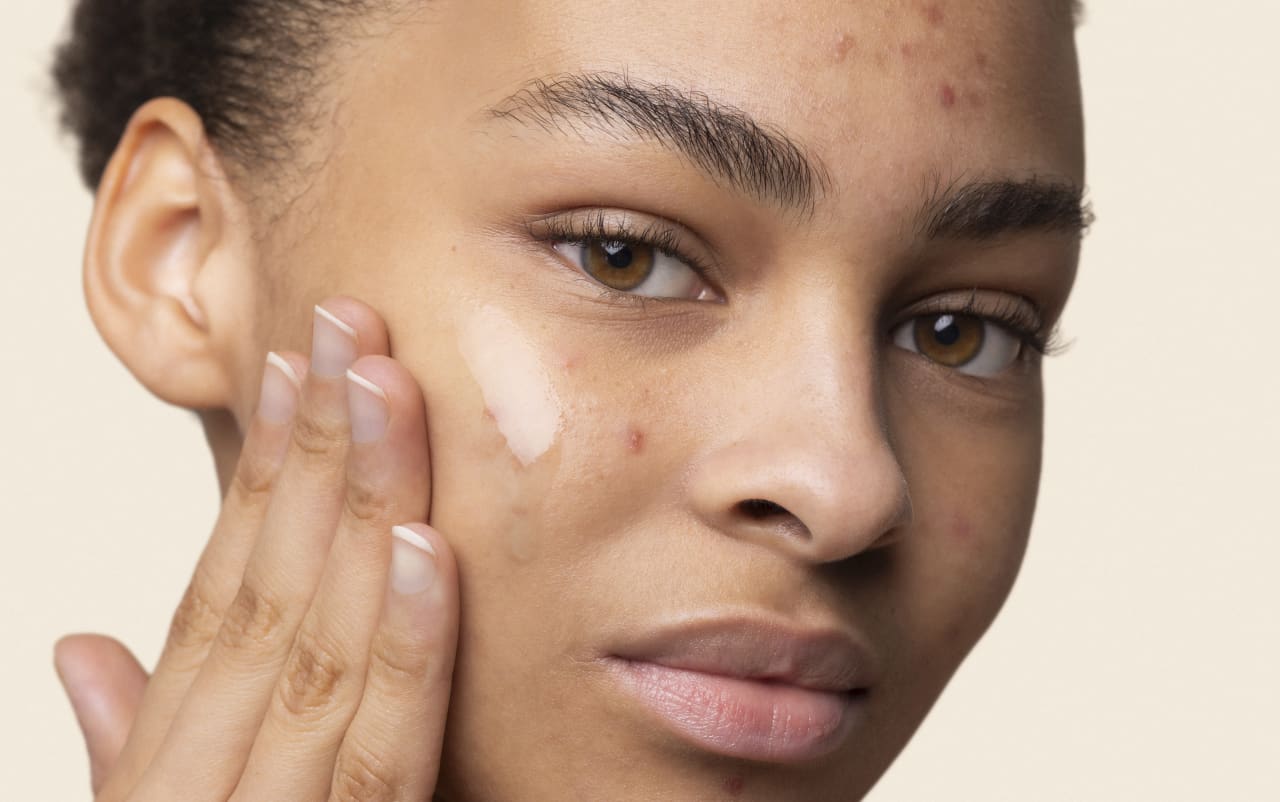
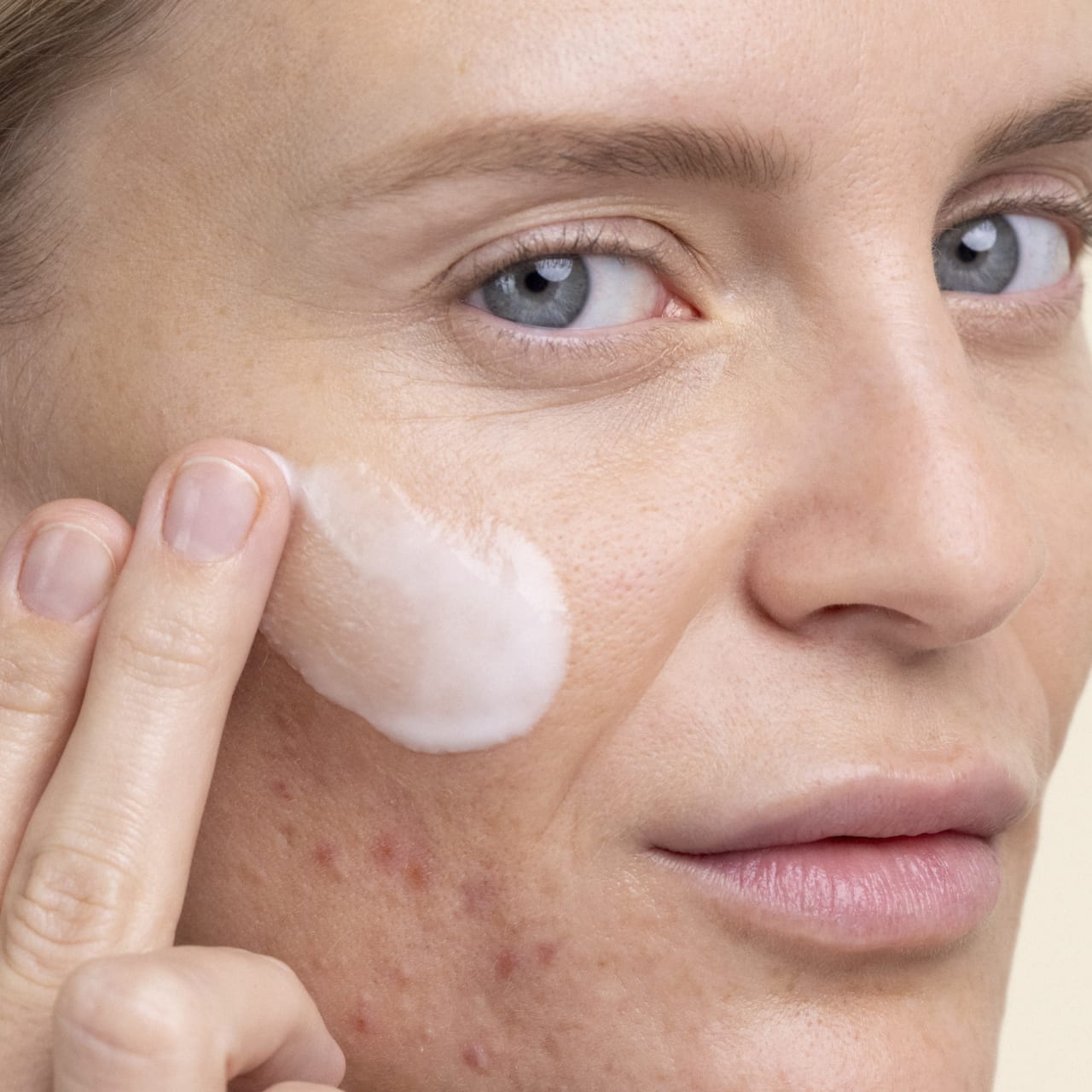
Acne manifests itself in different types of skin lesions, the appearance and intensity of which vary from one teenager to another. It most often appears on areas rich in sebaceous glands, such as the face, back, shoulders, and chest. Among the most common manifestations are:

  • Blackheads (open comedones) : clogged pores whose contents oxidize on contact with the air, forming small dark spots visible on the surface of the skin, particularly on the nose, forehead, or chin

  • Whiteheads (closed comedones): small, clear bumps under the skin, caused by a buildup of sebum and dead skin cells in a closed pore

  • Inflammatory red spots (papules): red lesions, sometimes sensitive to touch, which indicate an inflammatory reaction around the blocked follicle

  • Pustules: red spots topped with a white or yellowish tip, corresponding to the presence of inflammatory secretions

  • Nodules or cysts: deeper, larger, and sometimes painful lesions associated with more intense and deeper inflammation of the skin

  • Excess sebum and shiny skin: a shiny appearance, especially in the T-zone (forehead, nose, chin), with often more visible pores and an uneven skin texture

  • Redness and skin sensitivity: more reactive skin, with localized redness, sometimes accompanied by a feeling of heat or discomfort

  • Residual marks after pimples: pigmented spots, uneven skin texture or scars, sometimes linked to inflammation or manipulation of lesions.

Our natural and effective products

To care for your skin daily with simple, targeted steps, feel free to try our natural, comprehensive routine—easy to adopt and tailored to the needs of skin prone to imbalances:

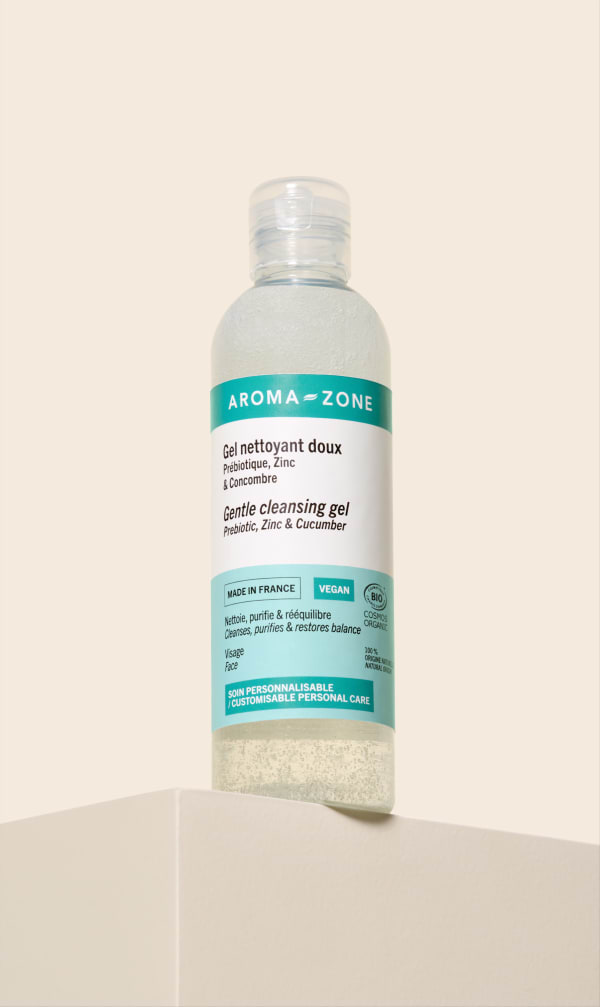
1. Gentle cleansing: Start by cleansing your face morning and evening with our Gentle Prebiotic, Zinc & Cucumber Cleansing Gel, which will help purify your skin while respecting its natural balance. Avoid contact with the eyes. Avoid contact with the eyes. In case of contact with the eyes, rinse thoroughly with clean water.


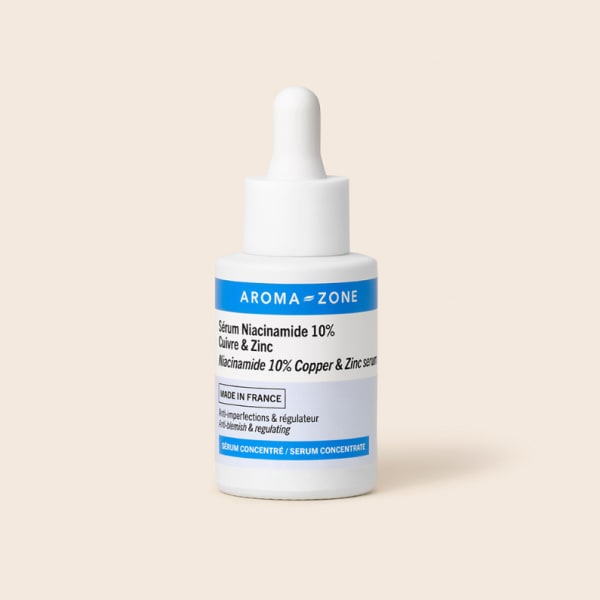
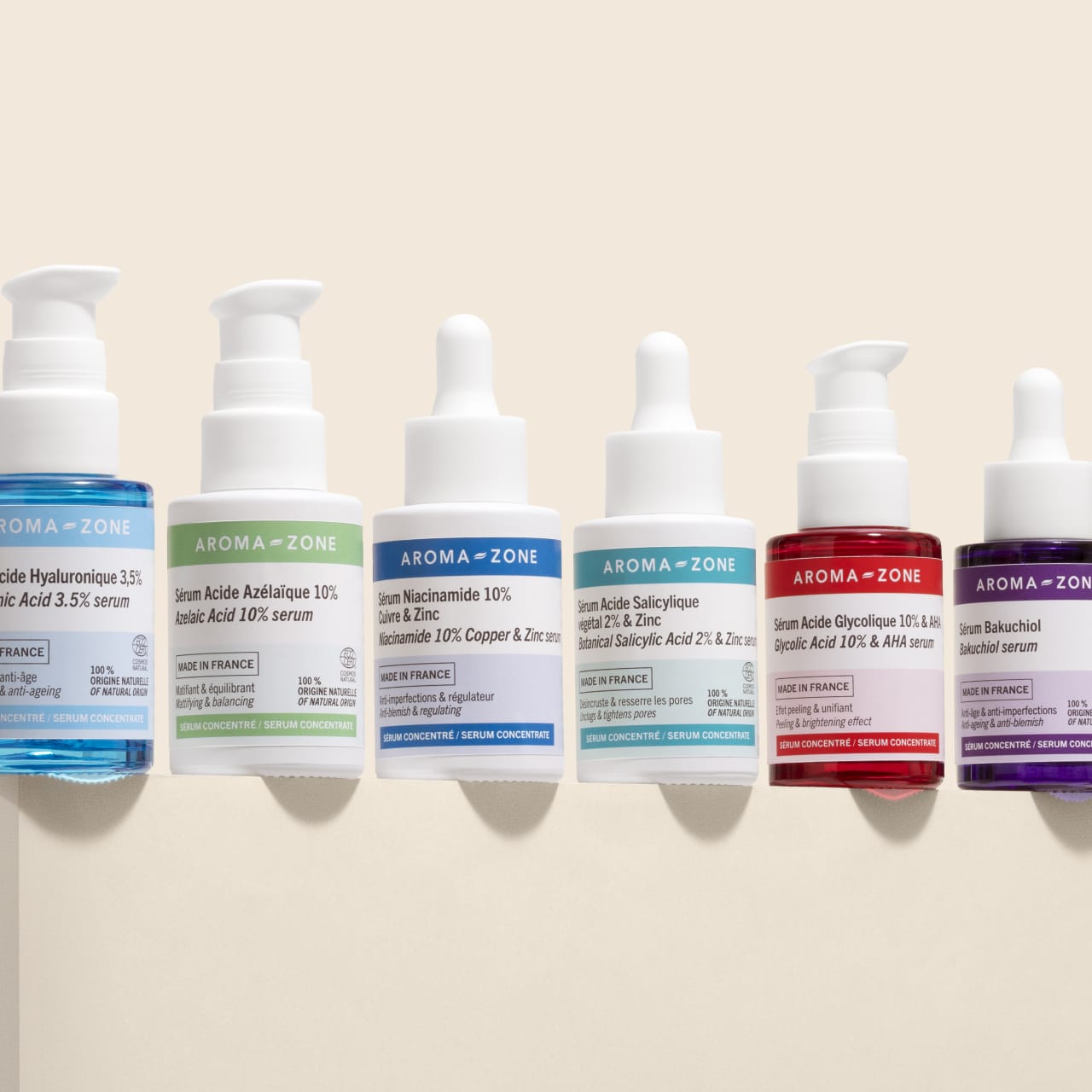
2. Target imbalances: Then apply a few drops of Concentrated Serum Niacinamide 10%, Copper & Zinc.  Lightweight and easy to incorporate into your routine, it helps to even out the complexion and improve the overall appearance of the skin. If irritation occurs, discontinue use. Keep out of reach of children. Suitable for combination to oily, non-sensitive skin prone to acne. Not suitable for skin prone to erythrocouperosis redness.

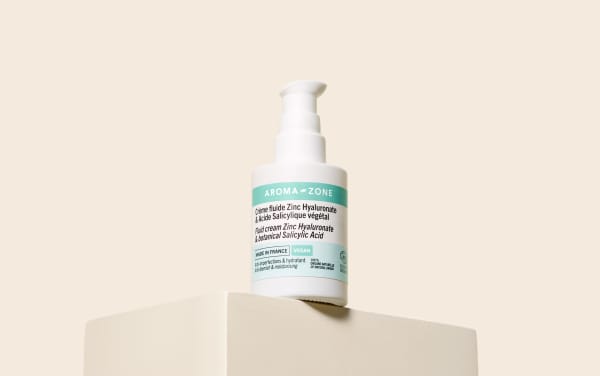
3. Moisturize without weighing down the skin : Continue with Zinc Hyaluronate & Plant-Based Salicylic Acid Fluid Cream, a fluid, non-greasy skincare product that moisturizes while leaving a feeling of freshness. Ideal for combination to oily skin. Avoid the eye area; in case of contact with the eyes, rinse immediately with clean water.

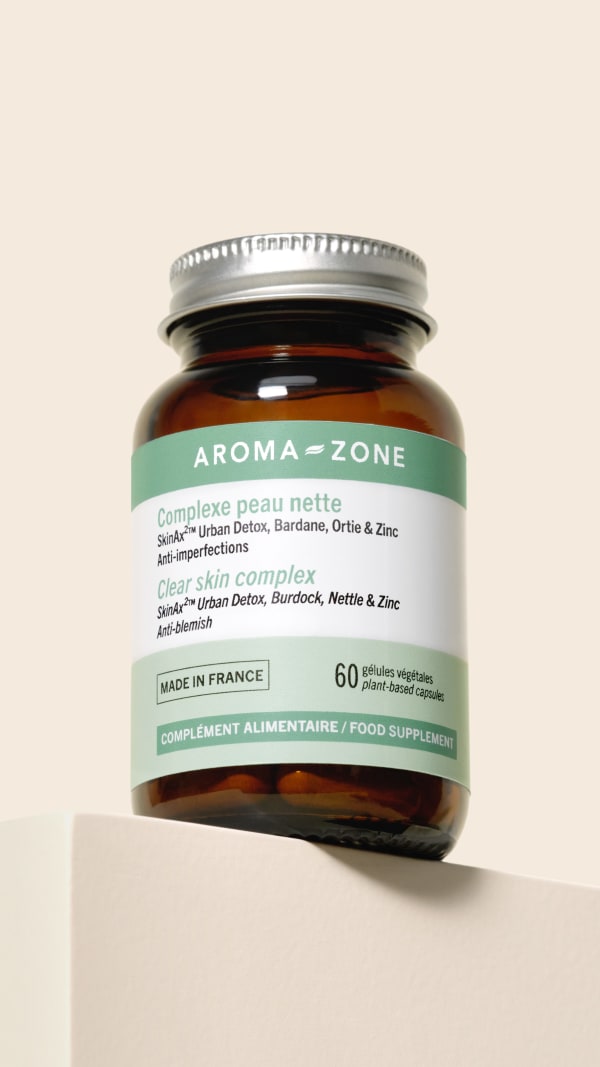
4. Act from within : The Complexe Peau Nette dietary supplement combines plant extracts, from burdock to zinc, to support the skin from within. A natural solution to support daily skin balance. Take 2 capsules per day with a glass of water. Not a substitute for a varied and balanced diet and a healthy lifestyle. Do not exceed the recommended daily dose. For adults only. Not recommended for pregnant or breastfeeding women, or in cases of heart failure or edematous renal failure. Not recommended in cases of allergy to salicylic derivatives or known cross-allergy, particularly to plants of the Asteraceae family. Keep out of reach of children.

Our selection of products

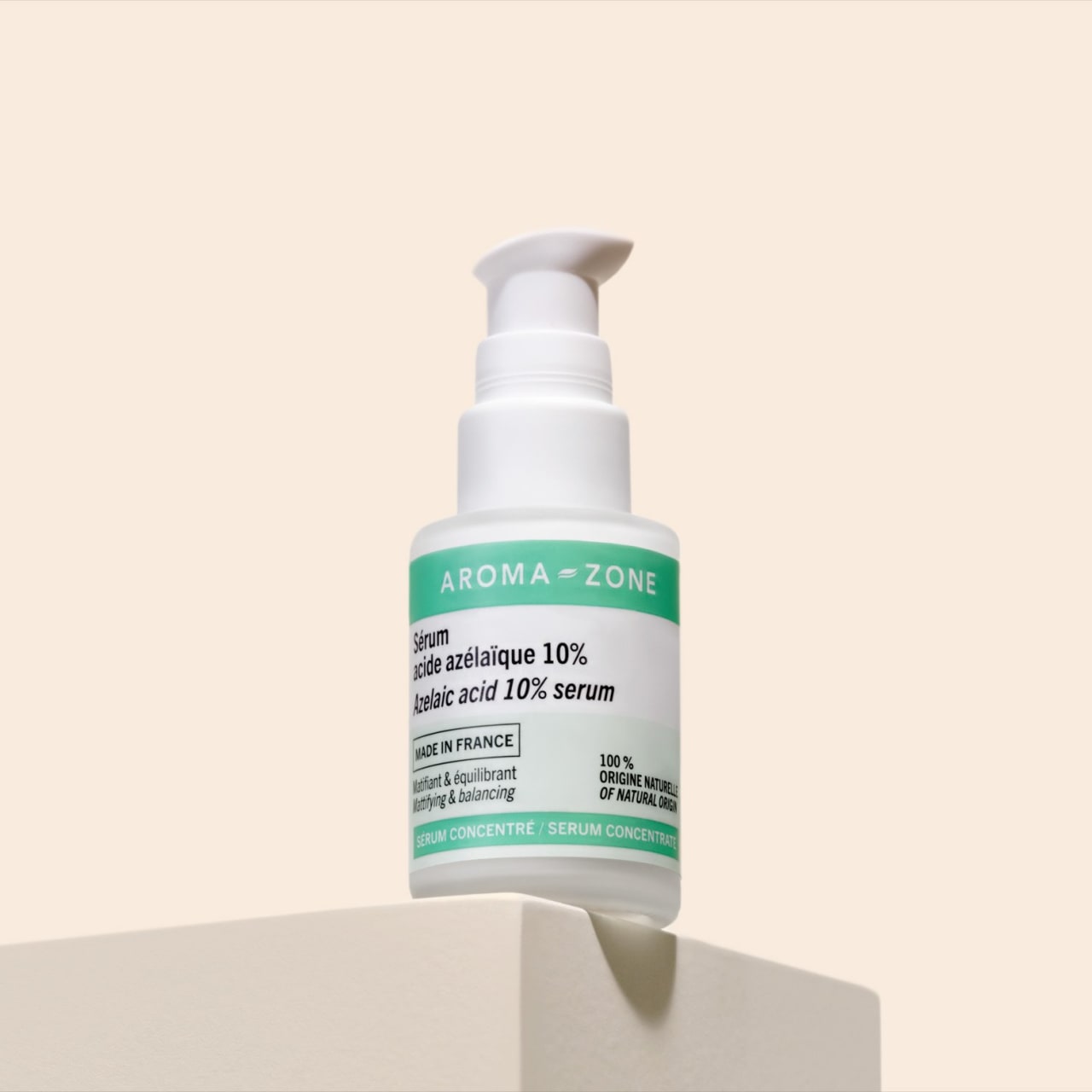
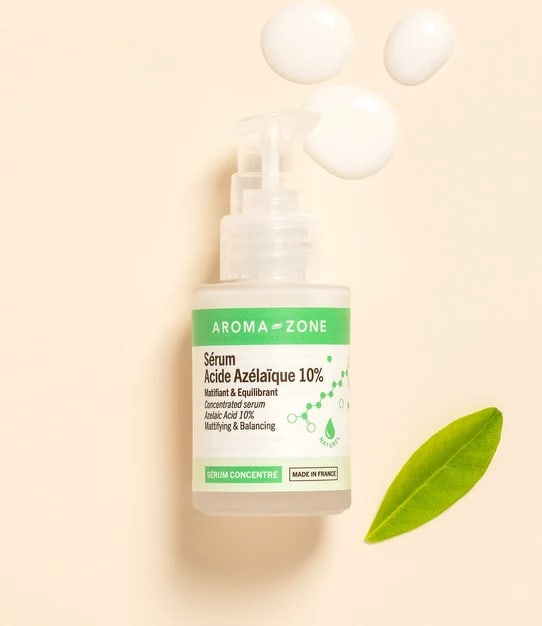
10% Azelaic Acid Serum (30 ml)

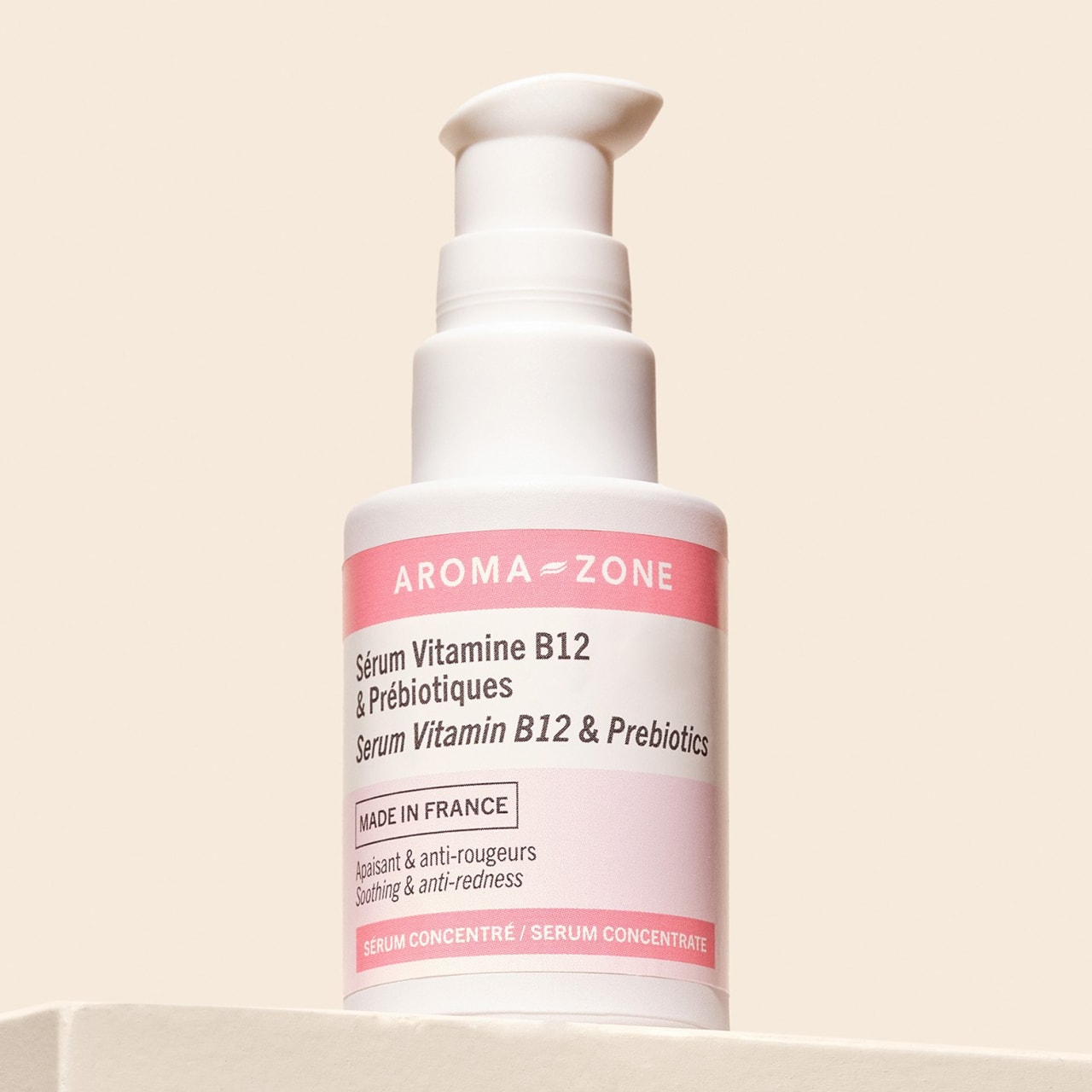
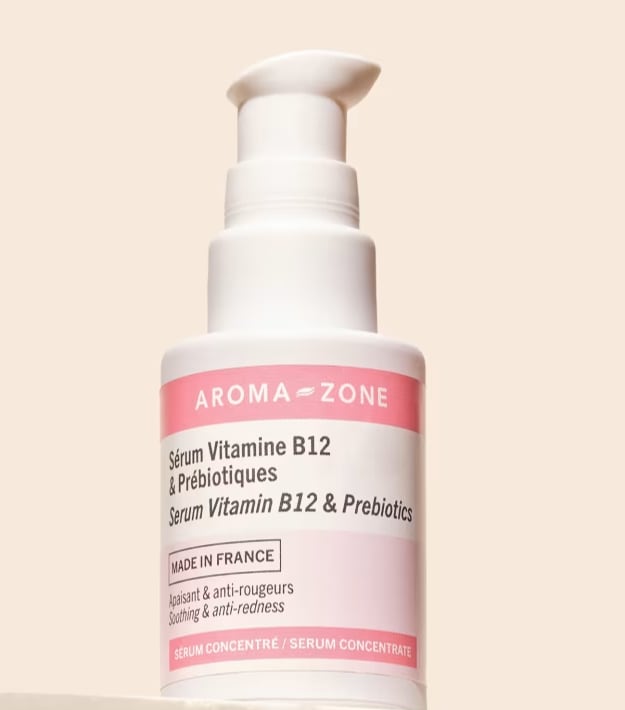
Vitamin B12 & Prebiotics Concentrated Serum (30 ml)

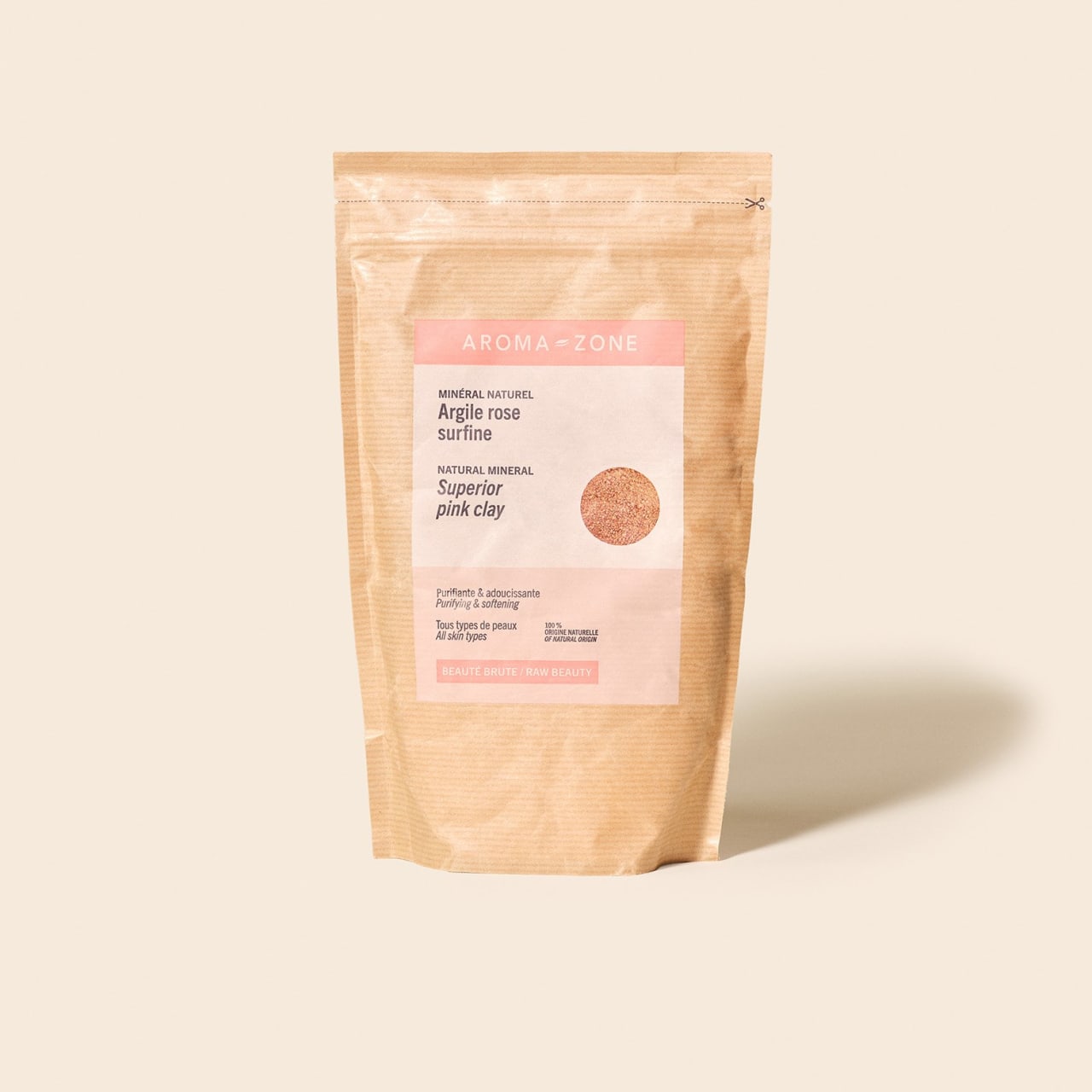
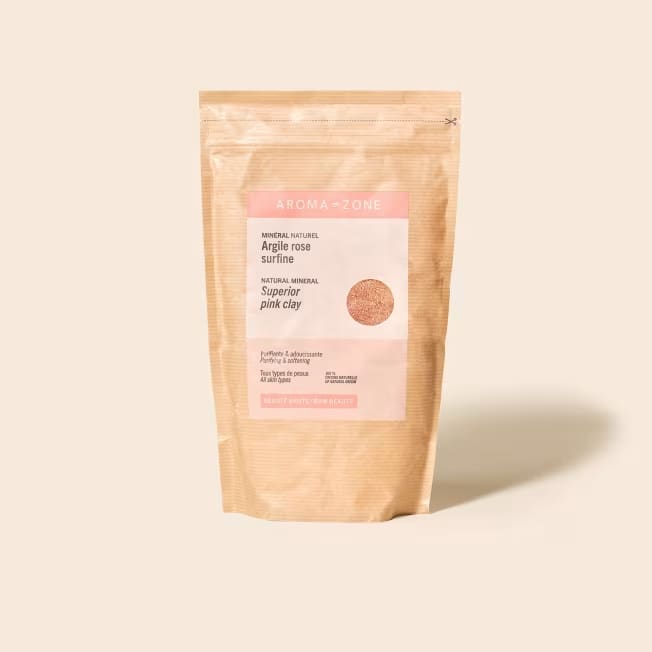
Surfine pink clay (200 g)

Active ingredient Activated charcoal (50 g)

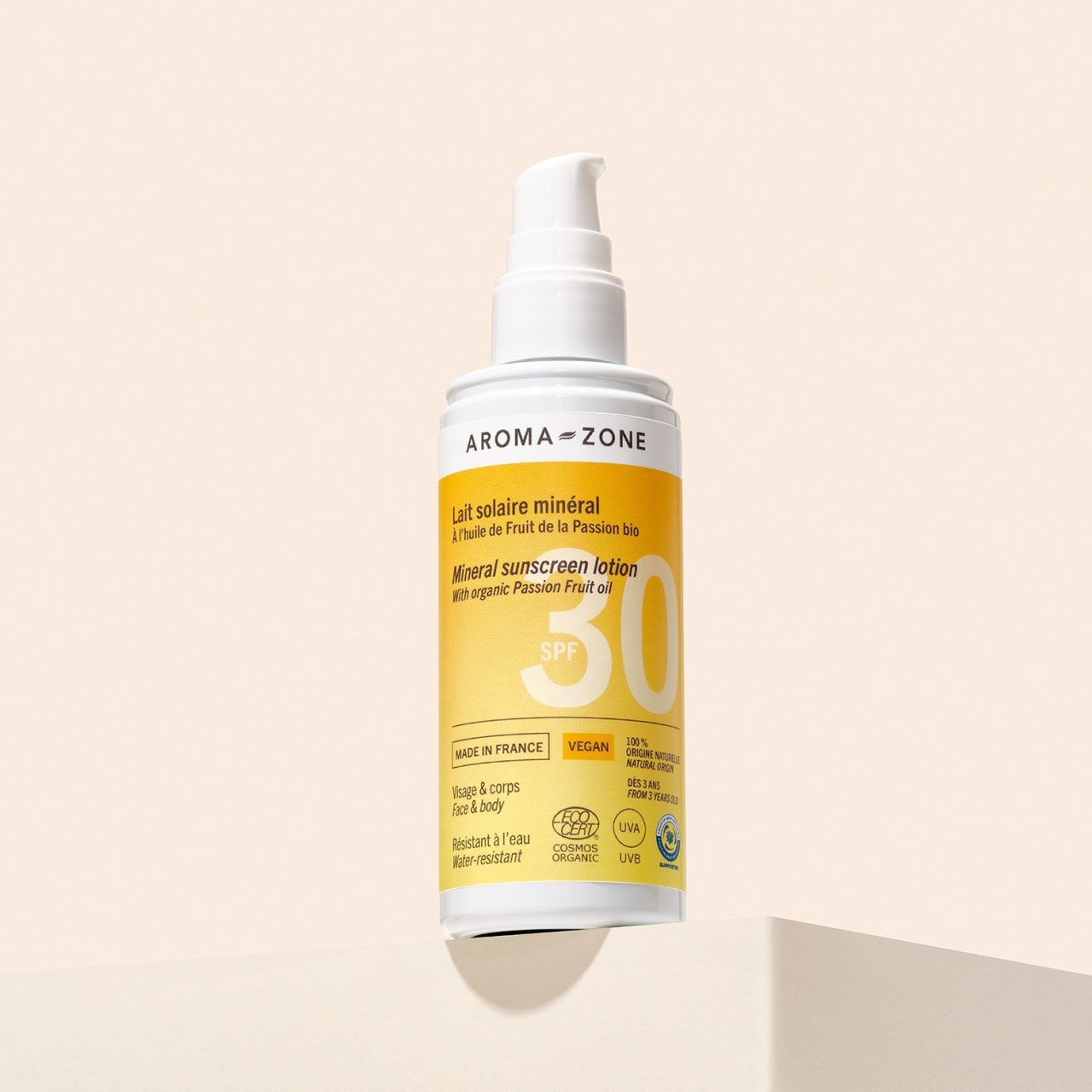
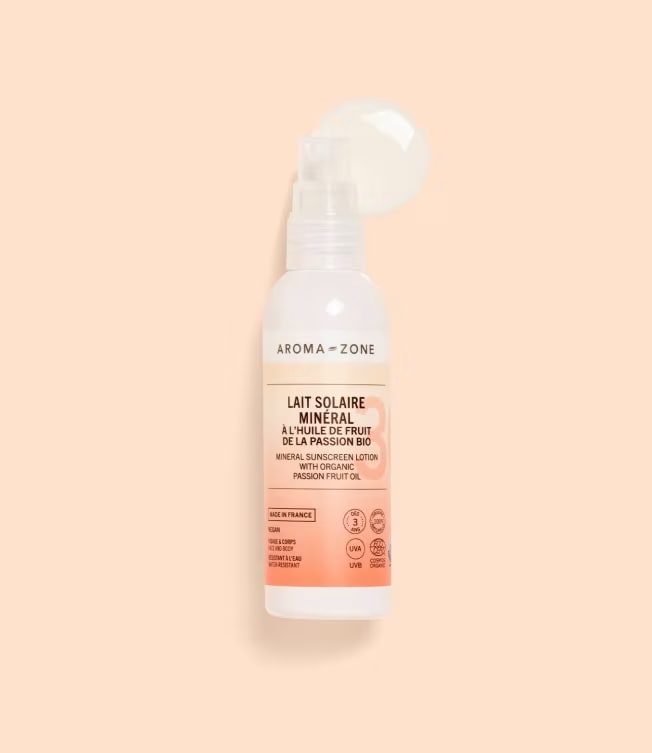
Mineral Sunscreen Lotion for Face & Body SPF 30 (100 ml)

What steps can you take to limit the appearance of blemishes?

There is no miracle solution to guarantee the total disappearance of blemishes. But in mild to moderate cases, certain habits can help limit blemishes and preserve the skin's balance.

  • Avoid touching your pimples: touching, scratching, or squeezing blackheads can irritate the skin and promote the spread of bacteria. These actions also increase the risk of residual marks.

  • Choose non-comedogenic makeup: if you wear makeup, choose products that are suitable for blemish-prone skin, which are both light and mattifying. Also remember to clean your brushes and makeup accessories regularly to remove impurities and product residue

  • Limit sun exposure: the sun can promote the appearance of pigmentation marks after acne breakouts. It is recommended to seek shade during the hottest hours of the day, wear a wide-brimmed hat, and apply appropriate sunscreen when exposed to the sun.

  • Eat a balanced diet: limiting fast sugars, ultra-processed foods, and excess dairy products can help maintain skin balance and reduce factors that contribute to blemishes.

  • Stay hydrated: drinking enough water throughout the day helps the body function properly and contributes to the overall balance of the skin

  • Get regular exercise: movement promotes circulation, helps regulate stress, and contributes to overall well-being, all of which indirectly contribute to skin balance

  • Choose clean fabrics that allow the skin to breathe: Pillowcases, towels, and clothing that come into frequent contact with the skin can accumulate sebum, sweat, and impurities. Changing them regularly and choosing lightweight materials helps reduce the risk of skin irritation.

  • Clean your phone and objects that come into contact with your face regularly: Screens and surfaces that are handled on a daily basis can accumulate bacteria, sebum, and impurities that can come into contact with the skin and promote the appearance of blemishes. Cleaning them frequently helps to limit this contact

  • Wash your hands before touching your face: Hands carry many microorganisms and impurities. Keeping them clean helps prevent them from transferring to the skin and limits the appearance or worsening of blemishes

  • Make sure you cleanse your skin gently, morning and evening: using non-abrasive skincare products suitable for young skin helps eliminate excess sebum and impurities while preserving the skin's balance

  • Thoroughly remove makeup from the skin every evening: removing makeup, impurities, and excess sebum at the end of the day helps prevent clogged pores and limits skin imbalances

  • Maintain a balanced lifestyle: getting enough sleep and managing stress effectively promote the skin's natural regeneration mechanisms and help maintain its balance.

When should you apply acne products?

Consistency is one of the key elements in caring for acne-prone skin. For teenagers, it is recommended to establish a routine as soon as the first visible signs appear: blackheads, occasional pimples, or oily skin. Early treatment generally allows for better control of blemishes and limits the risk of more pronounced inflammatory lesions or residual marks.

Ideally, the treatment should be applied twice a day:

  • In the morning: to protect the skin from external aggressions and help regulate sebum production throughout the day.

  • In the evening: after gentle cleansing, to purify the skin, soothe skin discomfort, and support the skin's natural regeneration mechanisms during the night.

Good to know: Certain natural active ingredients, such as zinc or purifying hydrosols (lavender, rosemary, etc.), are particularly suitable for daily use on young, acne-prone skin due to their balancing and gentle action.

Who should you turn to when blemishes become persistent or uncomfortable?

Acne is often a normal part of adolescence. However, when blemishes become more severe, persistent, or difficult to live with, it may be helpful to seek medical advice to assess the situation and consider appropriate treatment. Certain signs may indicate that support from a healthcare professional is recommended. This is particularly the case when acne persists for several months without improvement, when it becomes painful, highly inflammatory, or spreads to several areas of the body such as the back or chest. The presence of deep lesions, such as cysts, or visible marks and scars may also warrant a consultation. The dermatologist will assess the nature and severity of the lesions and then recommend appropriate treatment. Depending on your needs, medical treatment may be considered in addition to gentle, non-irritating care to maintain the comfort and proper functioning of your skin.

The emotional impact should not be overlooked either. When acne affects self-confidence, well-being, or quality of life, it is important not to face these difficulties alone. A doctor or dermatologist can provide support and, if necessary, refer the patient to additional support services. In certain situations, particularly when skin symptoms develop rapidly or do not improve despite usual care, more personalized follow-up may be recommended. Teenagers may also need to be listened to and supported during this sometimes sensitive period. Psychological support may then be offered to help them better cope with the daily effects of acne.

A word from the dermatologist

According to a study published in The Journal of Clinical and Aesthetic Dermatology, approximately 85% of adolescents aged 12 to 24 experience some form of acne at some point in their lives (James et al., 2016). This phenomenon is directly linked to the increase in androgen hormones during puberty, which stimulates sebum production by the sebaceous glands. The accumulation of sebum combined with a proliferation of Cutibacterium acnes promotes the appearance of inflammatory lesions. Studies have also shown that genetic factors can account for up to 80% of acne cases (Lynn et al., 2019). Appropriate treatment, combining a healthy lifestyle, gentle skin care, and natural active ingredients, can help to visibly improve the appearance of the skin in adolescents."

Dr. Agathe Aoun - Dermatologist and Venereologist

Precautions for use

Natural skincare products are generally well tolerated, but certain precautions are necessary. Avoid applying concentrated active ingredients to irritated, fragile, or damaged skin. Before using a product for the first time, test it on a small area to check for skin tolerance. Finally, if you use an exfoliating product in the evening, remember to apply sunscreen the next morning to protect your skin from UV rays.

Expert advice

We cannot stress this enough: sun protection is essential, especially if you have spots or blemishes. Even though the sun may seem to temporarily improve the appearance of the skin, it actually promotes the appearance of lasting pigmentation spots. Stay in the shade and apply sun protection that is suitable for your skin type.

Learn more

Does teenage acne always disappear with age?

In many cases, acne gradually diminishes at the end of adolescence, when hormonal balance stabilizes. However, some people may continue to have acne-prone skin into adulthood. A healthy lifestyle and regular skincare routine can generally help to reduce its severity and frequency.

Does the sun really improve acne?

Exposure to the sun may give the impression of a temporary improvement, as it slightly dries out the skin and masks redness. But this effect is often short-lived. UV rays can then stimulate sebum production and promote the appearance of pigmentation spots or new blemishes. Suitable sun protection is therefore still recommended.

How long does acne last on average in teenagers?

On average, teenage acne lasts for around 4 to 6 years, gradually improving as hormone levels stabilize, usually at the end of adolescence. However, its duration can vary from person to person depending on hormonal, genetic, and environmental factors. The key is to adopt the right habits and targeted skincare from the outset to make this period easier to live with and reduce its symptoms.

Spotlight on our specialist editor, Louise Hourcade

After graduating from ESCP in 2020, Louise launched her career as an editor in 2021. Today, she mainly writes a newsletter where she shares cultural recommendations, as well as more personal articles (dating apps, therapy and career guidance). At the same time, she writes for the media, brands and agencies on subjects such as well-being, mental health, culture and society.

Bibliography

1

Vilar, G. N., Santos, L. A., & Sobral Filho, J. F. (2015), Quality of life, self-esteem and psychosocial factors in adolescents with acne vulgaris, Anais Brasileiros de Dermatologia

DOI: 10.1590/abd1806-4841.201533726

2

Wójcik, A., Niedobylski, S., Wrona, J., Madycka, D., Wnuczek, K., Starownik, J., & Michta, K. (2024), Acne vulgaris in adolescents – the review, Quality in Sport

DOI:10.12775/QS.2024.27.55267

3

Layton, A. M., & Ravenscroft, J. (2023), Adolescent acne vulgaris: Current and emerging treatments, The Lancet Child & Adolescent Health

DOI: 10.1016/S2352-4642(22)00314-5