
As a transition phase between rest and physical exertion, a warm-up—especially a sports warm-up—refers to a series of exercises performed before physical activity. Dynamic and gradual, it progressively activates the cardiovascular, muscular, and joint systems to prepare the body and mind for the upcoming exertion. Warming up increases body temperature, stimulates blood circulation, and improves concentration. After a proper warm-up, the body is ready to perform the planned athletic activity.

Warm-Ups: What Exercises Should You Do to Properly Prepare Your Body?
Published on: Wednesday, August 13, 2025, Updated on: Wednesday, October 28, 2026
Whether you’re an amateur or experienced athlete, warming up is crucial before any workout routine. Often overlooked, it nevertheless plays a key role in physical and mental preparation for exercise. Discover how to get your body properly prepared before starting a workout.
Contents
Related products
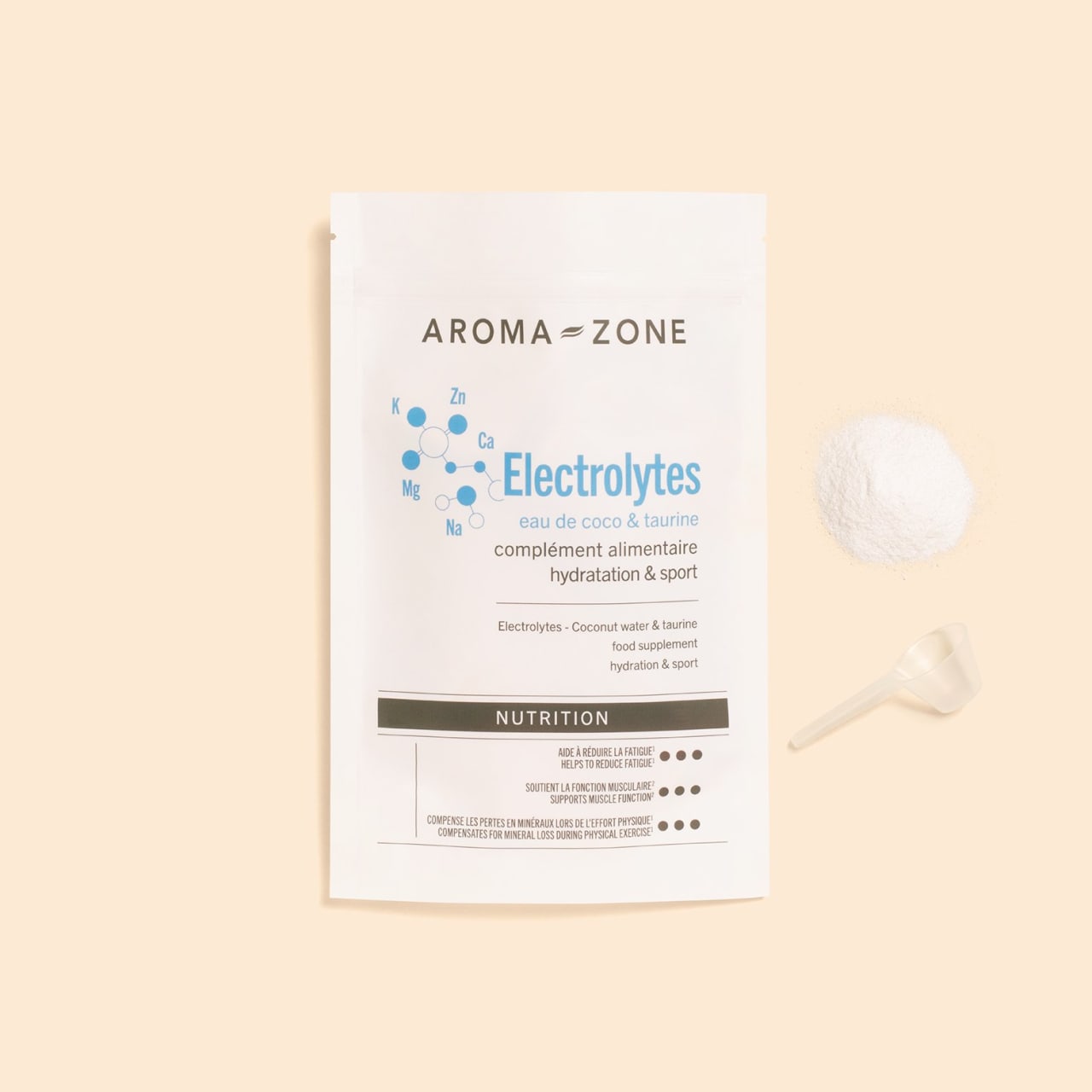
Electrolyte Powder
Moisturising
Sport
£16.00
200 g

BCAA 2:1:1
Sport
£14.00
300 g
Organic Mustard Oil
Hair strengthening
£8.50
250 ml
2 options
Organic Arnica Infused Oil
Repairing
Soothing
£5.60
£8.00
100 ml
In brief
Warming up is known to effectively prepare the body for exercise, stimulate blood circulation, improve joint mobility, and significantly reduce the risk of injury, all while optimising athletic performance from the very first minutes of training.
A structured warm-up protocol combines gentle cardiovascular exercises, joint mobilisation, and targeted dynamic movements, over a recommended duration of 10 to 15 minutes; the article provides concrete examples tailored to different sports and offers tips for adjusting the intensity based on your fitness level or the planned activity.
The article identifies at-risk groups requiring special precautions, such as people with joint conditions, as well as common mistakes to avoid to ensure a safe and truly beneficial warm-up.
What is meant by a warm-up for athletes?
Why warm up before exercising?
A sports warm-up before physical activity is essential for several reasons:
Increase in body temperature: As the name suggests, warming up allows the body to warm up before physical activity. The increase in body heat dilates blood vessels, oxygenates the organs more efficiently, and stimulates the nervous system.
Increased heart rate: It gradually increases the heart rate and prepares the cardiorespiratory system for the upcoming exertion.
Improved mobility: Muscles become more flexible, joints move more smoothly and are better lubricated, and tendons become more elastic. The body is better able to withstand physical stress.
Reduced risk of injury: preparing the muscles, tendons, and joints for exercise reduces the risk of muscle injuries (strains, tears, spasms) or joint injuries (sprains).
Improved performance: Warming up optimises the speed of the chemical reactions necessary for energy production. Muscles are more responsive and perform better.
Gradual preparation for exercise: it allows the body to gradually adapt to environmental conditions (temperature, humidity, etc.) and the specific demands of the sport being practiced.
Improved concentration: The physical ritual of warming up prepares you mentally and physically for the sport. It promotes concentration and reduces anxiety about the day’s upcoming activity. It improves reflexes and responsiveness.
The warm-up is the ideal time to become aware of your body during exercise.
Athletes: what are the benefits of warming up?
Warming up offers many benefits for athletes:
It raises body temperature and stimulates the nervous system, which improves responsiveness and coordination from the start of the session
It promotes better joint mobility and greater muscle flexibility, making movements smoother and the body more responsive
It stimulates blood circulation and muscle oxygenation, while gradually preparing the cardiorespiratory system for the intensity of the activity
It significantly reduces the risk of injury by preparing the muscles, tendons, and joints for the demands of sports
It fosters true mental conditioning, improving concentration, motivation, and confidence before exercise.
What exercises should you do during your warm-up?
A properly conducted warm-up consists of three main steps:
Phase 1: Cardiorespiratory stimulation (5 to 10 minutes)
The first step in warming up is to raise your body temperature, stimulate blood circulation, and gradually prepare your heart, lungs, muscles, and entire body for more intense exertion. Start with 5 to 10 minutes of light cardio such as brisk walking, light jogging, cycling, or jumping rope.
Phase 2: Joint and muscle mobilisation (5 minutes)
The second step aims to prepare the joints and muscles that will be used during the session using dynamic movements, active stretches, and mobility exercises. For about 5 minutes, you can do:
Head rotations : Make slow circles with your head to relax your neck muscles and mobilise your cervical spine. Be careful not to tilt your head too far back to avoid straining your neck.
Shoulder rotations: With your arms at your sides, then with your arms outstretched, make circles with your shoulders forward, then backward, to lubricate the shoulder joint.
Elbow and wrist mobilisation: Bend and then fully extend your elbows. Make small circles with your wrists, first in one direction and then the other.
Trunk rotation: With your feet firmly planted on the ground and slightly apart, gently turn your torso from left to right with your arms on your hips to engage your spine and abs.
Hip openings: Lift your leg to hip height (lower if too challenging) and perform rotations inward, then outward.
Knee rotation: With feet together and hands resting on your knees, trace circles in both directions to mobilise this sensitive joint.
Ankle mobilization: Standing on one leg with the toes pointing toward the floor, slowly rotate the foot in one direction and then the other to lubricate the ankle joint.
Leg swings: swing one leg back and forth or side to side to prepare the muscles and joints of the lower body. Do the same with the other leg.
Increasing joint range of motion, lubricating the joints, and optimising muscle elasticity help reduce the risk of injury.
Phase 3: Activity-Specific Warm-Up (5 to 10 minutes)
This is the time to perform movements similar to those of the sport you’ll be practicing, but at a moderate and gradually increasing intensity. This final step prepares your muscles and nervous system for the exact movements you’ll perform during the main workout. It stimulates nerve endings and increases muscle contraction speed. Depending on whether you plan to play a tennis match or go for a 10-km run, the final stage of the warm-up will therefore differ:
Running or track and field : perform a few progressive sprints (increasing intensity over 30 to 50 m), dynamic heel-to-bottom kicks, moderate-paced high knees, or sprint start exercises.
Team sports (football, basketball, rugby): repeat certain technical movements (passing, shooting, dribbling, ball handling, lateral movement) and organise small-sided games or technical drills with increasing intensity (ball circuits, quick passes, penalty kicks).
Combat sports: practice shadow boxing, that is, punching in the air while adopting a fighting stance. Also work on techniques with a partner at a moderate pace, or repeat movements specific to the discipline (blocks, attacks, dodges).
Strength training: Perform 1 to 2 sets of the main exercises from the strength training session with light weights (bench presses, squats, pull-ups) to activate the muscles and motor patterns involved.
Swimming or water sports: Swim a few laps at different paces, switch strokes, then gradually transition from the warm-up to the actual intensity of the session.
Having prepared for the technical and physical demands, your body and mind are ready to perform the sport of your choice.
Our natural solutions, ideal for training

Electrolytes: Electrolytes help optimise reserves of essential minerals (sodium, potassium, magnesium, calcium) and maintain proper cellular hydration from the start of exercise. They support endurance and performance throughout the workout and help prevent cramps from the very start of your training. Do not exceed the recommended daily dose. For adults only. Not recommended for pregnant or breastfeeding women. Not recommended for the elderly or those with kidney disease.

2:1:1 BCAAs: Taking 2:1:1 BCAAs before a workout helps limit muscle breakdown during intense exercise. 2:1:1 BCAAs help maintain muscle energy during the session and reduce feelings of fatigue. They stimulate muscle repair, growth, and recovery (perfect for preventing muscle soreness). This dietary supplement is particularly popular among bodybuilders. Do not exceed the recommended daily dose. For adults only. Do not use during pregnancy or while breastfeeding. Do not use for extended periods without consulting a doctor.
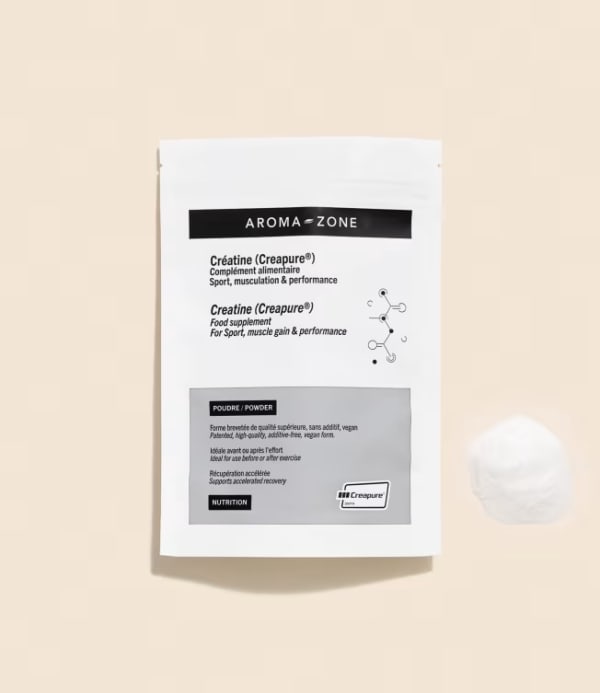
Creatine (Creapure®): Creapure® creatine supports performance during intense and repeated exertion. It helps increase the energy reserves available in the muscles, thereby improving power during the workout. This supplement is particularly popular in weight training or sports requiring short, repeated bursts of effort. Do not exceed the recommended daily dose. For adults only. Not recommended during pregnancy or while breastfeeding. Do not combine with another source of creatine. Not recommended for people with kidney disease, diabetes, or who have undergone a nephrectomy.

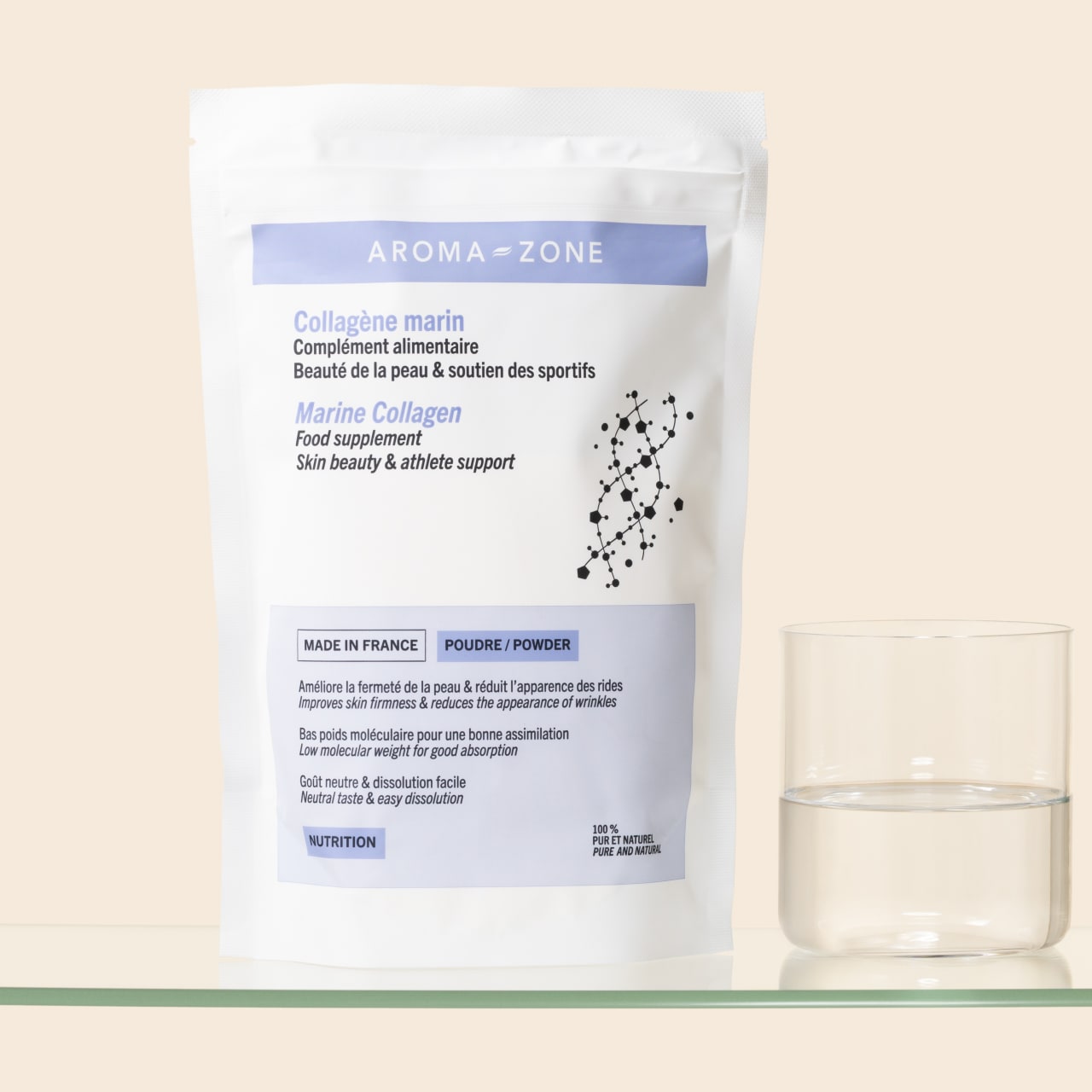
Essential Sports Duo: The Essential Sports Duo combines Marine Collagen and Vitamin C to support joint flexibility and muscle recovery. In the morning, mix 1 scoop of collagen into a glass of water or a smoothie, then add a pinch of Vitamin C to optimise absorption. Do not exceed the recommended daily dose. For adults only. Pregnant or breastfeeding women are advised to consult a healthcare professional before taking any supplements. Collagen is not recommended in cases of kidney failure or hypercalcaemia without medical advice.
Discover the Essential Sports Duo

Organic Post-Workout Body Care: This cream gel is a concentrate of natural active ingredients combining menthol with organic essential oils of Lavandin super, organic camphor rosemary, and organic Italian helichrysum, renowned for their soothing and relaxing properties. Creamy and with a melt-on-the-skin and cooling effect, this icy gel is the ideal companion for your post-workout recovery massages. Do not use on children, pregnant women or nursing mothers.
Our tips for preparing your body for physical exertion











Precautions
A warm-up should never be exhausting. The intensity should increase gradually and should not deplete the body’s reserves for the activity that follows. It’s best to start your workout immediately after the warm-up. Avoid waiting more than 10 minutes so you don’t cool down and lose the benefits of your warm-up.
Expert advice
Your warm-up should be tailored to the specific sport and weather conditions. The colder it is, the more time your body will need to raise its temperature. Extend the duration of your warm-up and gradually increase the intensity of the exercises to gradually raise your core temperature, prepare your muscles, and reduce the risk of injury.
Spotlight on Our Writer: Hélène Durand

With a dual background in literature and marketing, Hélène Durand uses her writing to explore topics that are meaningful to her: natural beauty, well-being, and a healthy lifestyle. Through her articles, she aims to share a supportive perspective and practical advice.
Bibliography
Latzka, W. A., & Montain, S. J.
(1999). WATER AND ELECTROLYTE REQUIREMENTS FOR EXERCISE. Clinics in Sports Medicine, 18(3), 513–524. https://doi.org/10.1016/s0278-5919(05)70165-4
Doma, K., Singh, U., Boullosa, D., & Connor, J. D.
(2021). The effect of branched-chain amino acids on muscle damage markers and performance following strenuous exercise: a systematic review and meta-analysis. Applied Physiology Nutrition and Metabolism, 46(11), 1303–1313. https://doi.org/10.1139/apnm-2021-0110

Frequently Asked Questions
Associated tip
Dietary supplements


