Protein is macromolecules made up of 20 different amino acids, linked together. It provides energy at a rate of 4 calories per gram and is one of the three macronutrients essential for the body’s proper functioning, alongside carbohydrates and fats.
Protein and sports: what’s the connection?
Published on: Monday, September 09, 2024, Updated on: Friday, October 30, 2026
Essential to life, protein is involved in many bodily functions. In the world of nutrition and sports, protein is the go-to nutrient for muscles. Learn more about the connection between protein and sports.
Contents
Related products
Organic Oat Protein
High in protein
£13.00
300 g
BCAA 2:1:1
Sport
£14.00
300 g
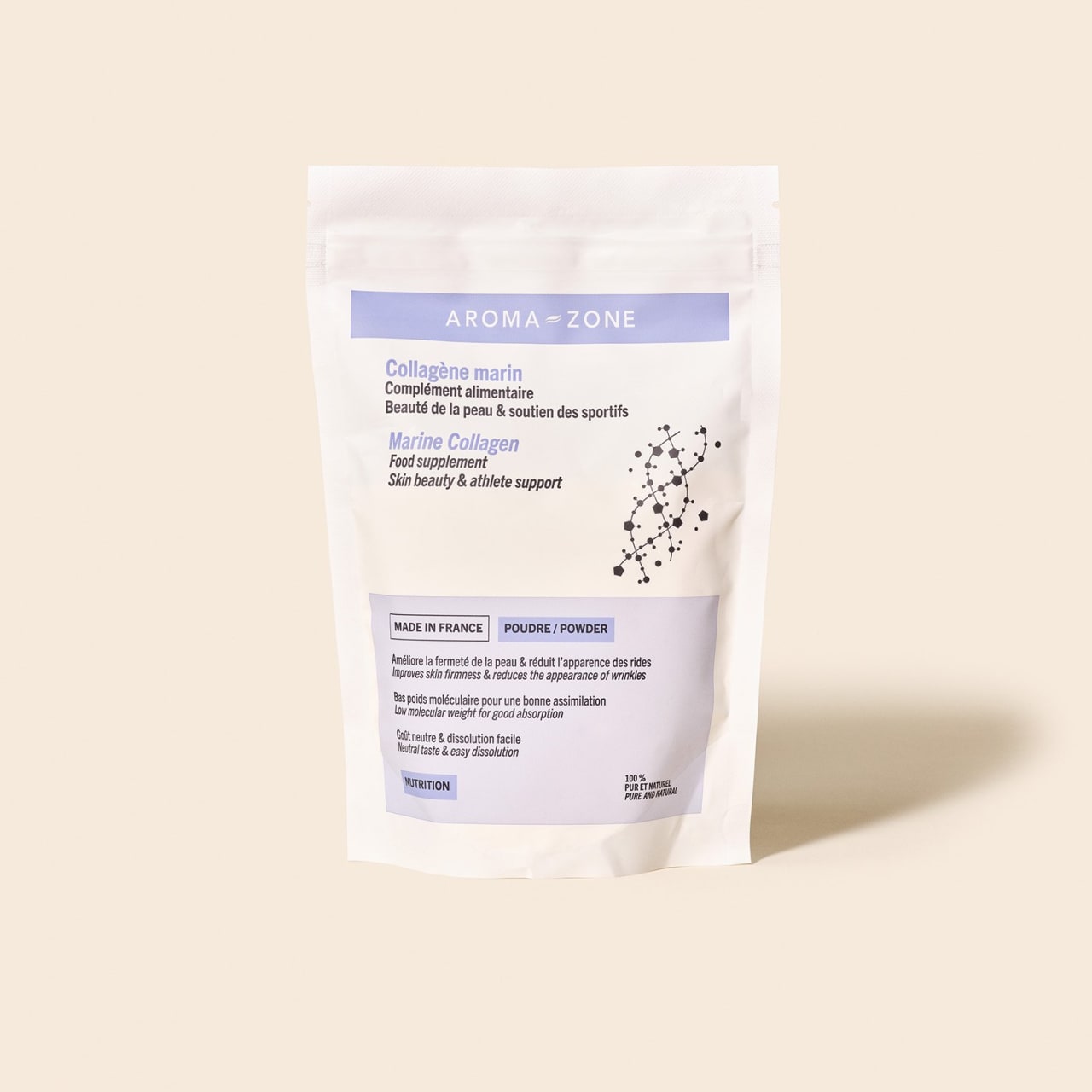
Marine Collagen
Firming
Sport
£22.00
250 g
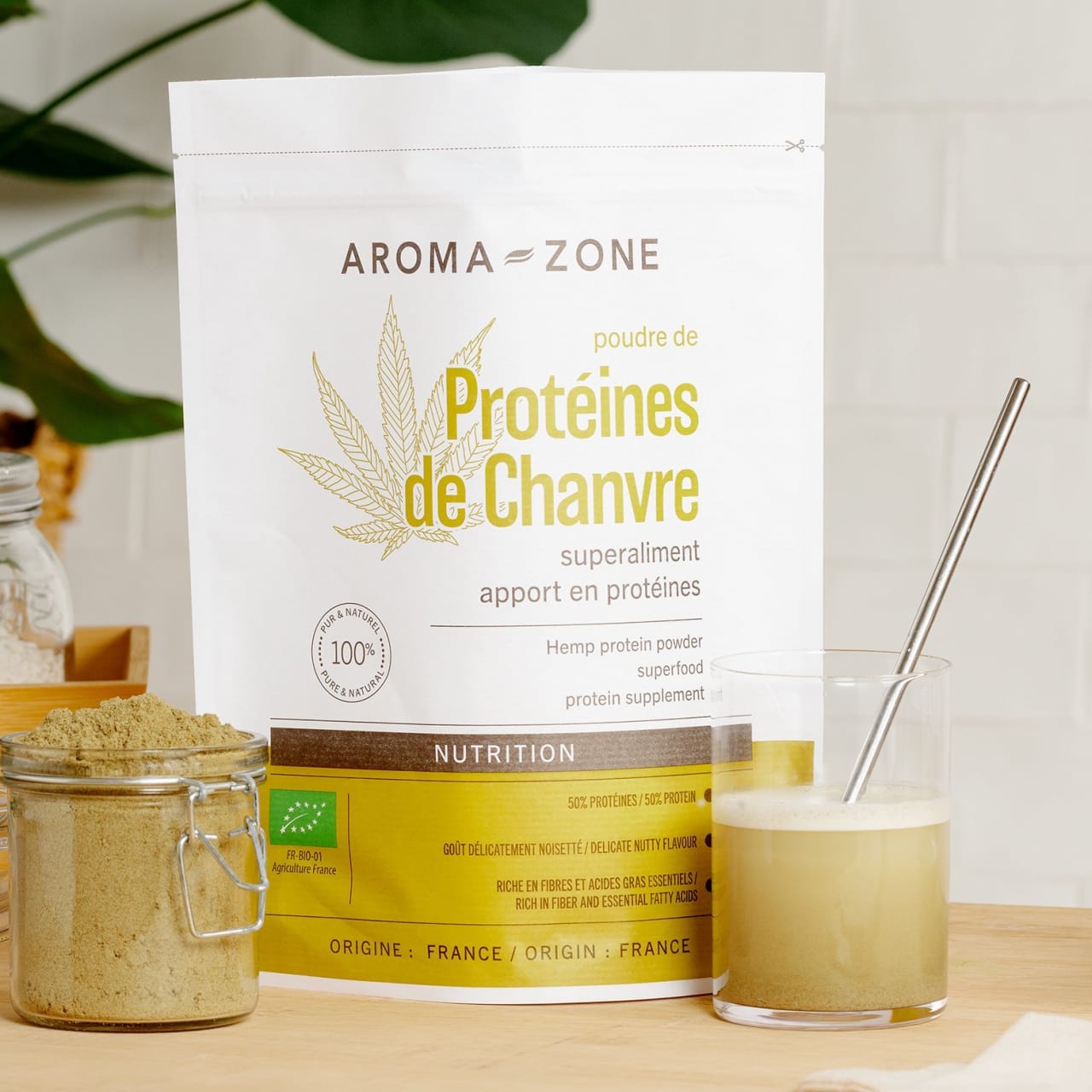
Organic Hemp Protein Powder
High in protein
£13.00
400 g
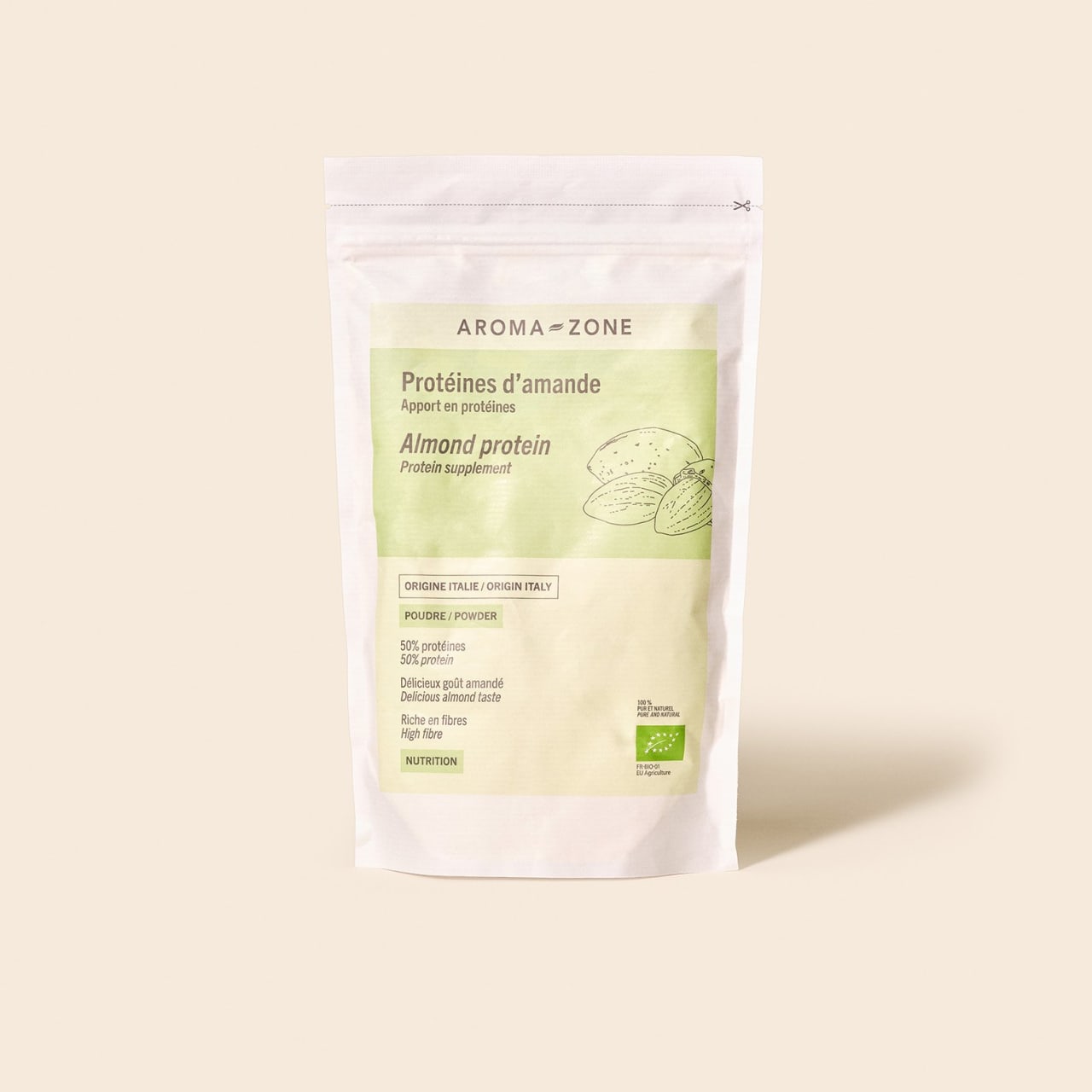
Organic Almond Protein Powder
High in protein
£14.00
300 g
Protein: what is it?
The role of protein
Protein plays many roles in the body. First and foremost, it is an essential structural component of all body tissues, such as muscles, skin, nails, hair, cartilage, bones, and blood vessel walls.
But its function doesn’t stop there; it also plays a role in:
Antibodies, playing a key role in immune defence
Enzymes, which act as catalysts and messengers in many biochemical reactions
Hormones, which serve as regulators for various bodily functions.
Protein and sports: what’s the connection?
Essential amino acids (lysine, methionine, phenylalanine, threonine, histidine, valine, leucine, isoleucine) are crucial because the body cannot produce them. Among them, the BCAAs (leucine, isoleucine, and valine) are particularly important for muscle repair. During exercise, muscle fibres undergo micro-tears, and protein—thanks to an adequate intake of essential amino acids—helps rebuild this tissue.
For athletes, consuming BCAAs or protein powder can improve recovery and muscle growth. Studies show that a protein-rich snack before exercise prevents fasting and optimises performance, while protein after exercise promotes recovery.
In the long term, an adequate daily protein intake protects muscle mass, limits catabolism, and maintains the balance between muscle mass and body fat. Lean body mass, which burns energy even at rest, contributes to stable weight and improves performance, particularly in endurance sports or weight-class sports.
In addition, protein is satiating, helping to balance the diet, whether for athletes or people looking to lose weight.
What are the benefits of protein for athletes?
In summary, protein plays a crucial role for everyone, and especially for athletes:
It provides a supply of essential amino acids and BCAAs
It optimises performance before, during, and after exercise
It supports the production of certain hormones, which are essential for regulating metabolism and muscle growth
It promotes satiety
It helps prevent catabolism, thereby supporting muscle growth (anabolism)
It strengthens the immune system.
Sources of protein
In terms of diet, there are two types of protein:
Animal-based: meat, fish, and eggs. Animal protein is considered complete because it contains all the essential amino acids.
Plant-based: grains, legumes (lentils, chickpeas), nuts (walnuts, almonds), seeds, and soy products (tofu, tempeh). Plant-based protein is often incomplete, but it provides other nutritional benefits. To obtain all the amino acids, simply combine legumes with grains or nuts.
When it comes to dietary supplements, there are several options available to you:
Protein powders of animal origin (milk, egg) or plant origin (almond, hemp...)
Amino acids: BCAAs, EAAs, and single-ingredient products
In various forms: capsules, drinks, high-protein snacks… We always recommend choosing natural products that are easy to incorporate into your daily routine.
Check out our ground meat recipes to support your muscle mass.
Why do athletes need to consume protein?
Protein is essential for everyone and one of the keys to athletic performance. In fact, protein is used to build muscle, as well as to repair and grow muscle mass. Depending on the type of physical activity, it also helps improve muscle strength. It promotes better recovery and limits muscle loss during periods of injury, rest, or weight loss, for example.
What natural solutions are there to boost your protein intake?
Choose 100% pure and natural products, free from artificial flavours and additives, and discover all the Aroma-Zone options available to boost your protein intake.
Spotlight on our plant-based protein powders
All of them can be mixed into your drinks, shakes, and smoothies or incorporated into your favourite baking recipes. These complete superfoods all offer a minimum plant-based protein content of 50 g per 100 g, along with fibre, a small amount of carbohydrates, and high-quality fats. Easy to digest, delicious, and featuring a high-quality, detailed amino acid profile, you’ll quickly incorporate them into your routine. They’re suitable for athletes, vegetarians, and vegans.
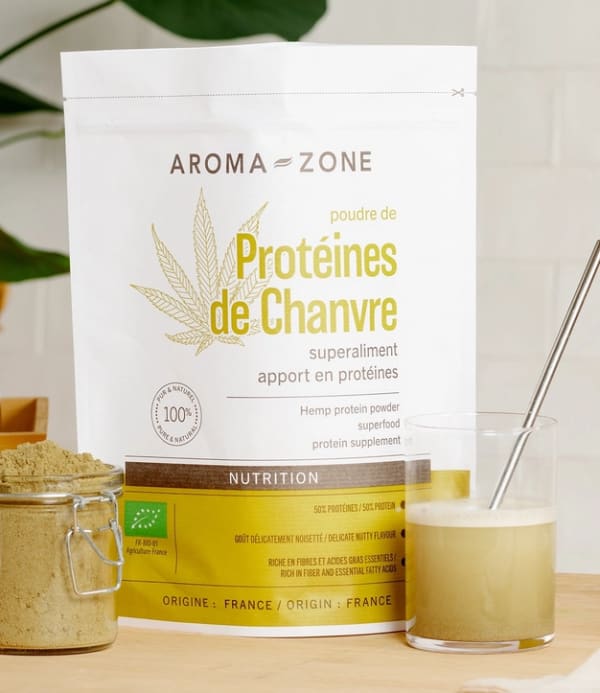
Organic Hemp Protein
Made from organic hemp seeds grown in France, this organic hemp protein powder provides an ideal source of digestible, high-quality plant-based protein, thanks to its comprehensive amino acid profile. With a high protein content of 50%, complemented by a significant amount of fibre and essential fatty acids, this powder is an excellent choice for athletes, vegetarians, and vegans, or simply to boost your protein intake.
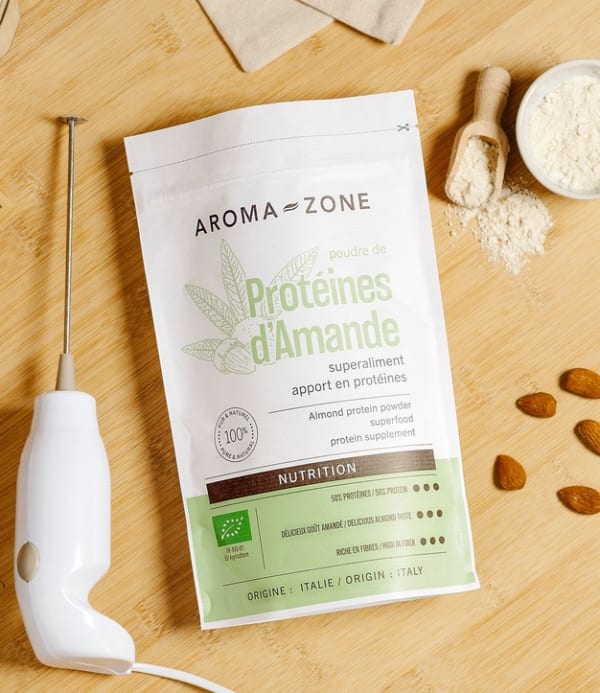
Organic Almond Protein
Deliciously sweet and nutty, this organic almond protein powder is a 100% plant-based alternative for making protein shakes and boosting your protein intake. Made from organic almonds grown in Italy and produced using a cold-press process, these high-quality almond proteins are ideal for athletes, vegetarians, vegans, or as part of a high-protein diet.
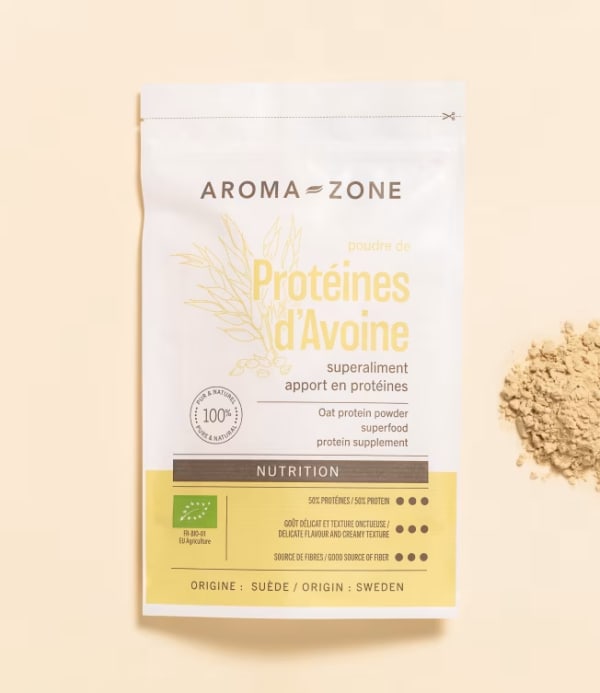
Organic Oat Protein
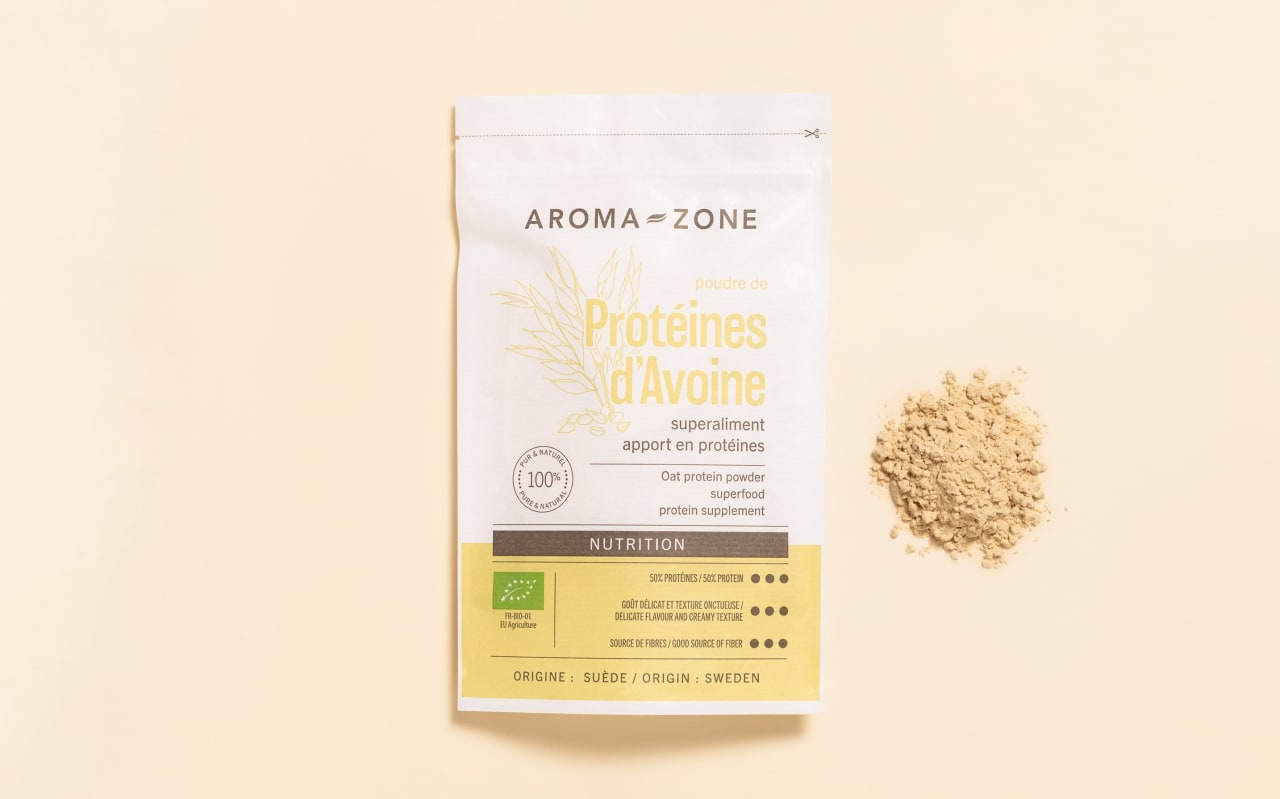
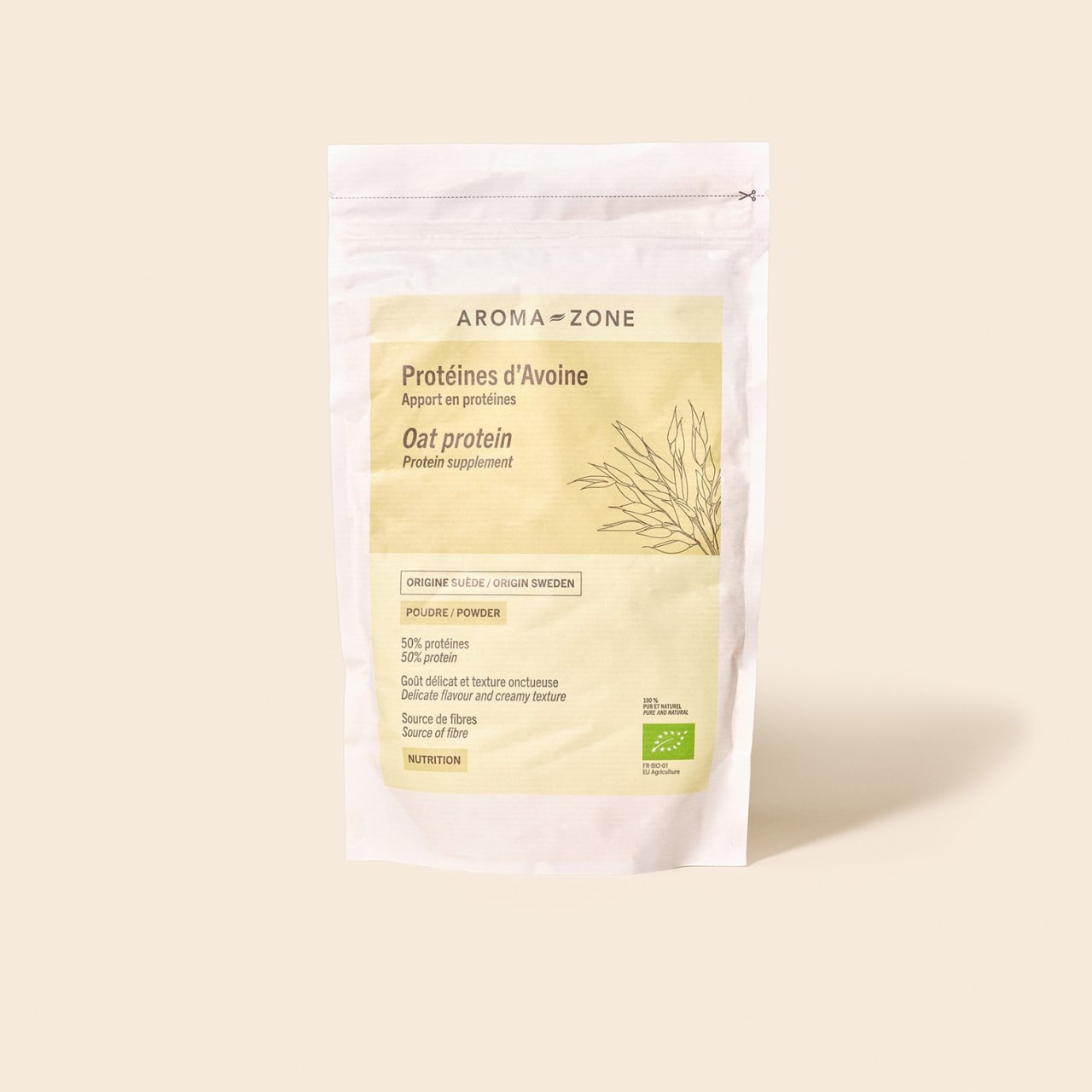
Made from organic oat bran grown in Sweden, this high-protein powder (50%) is ideal for athletes, vegetarians, and vegans. This 100% plant-based organic oat protein powder is a perfect alternative for making protein shakes or supplementing your plant-based protein intake. A great source of fibre, this powder can easily be added to your cookies, desserts, soups, or smoothies and promotes healthy digestion.
Spotlight on our sports supplements
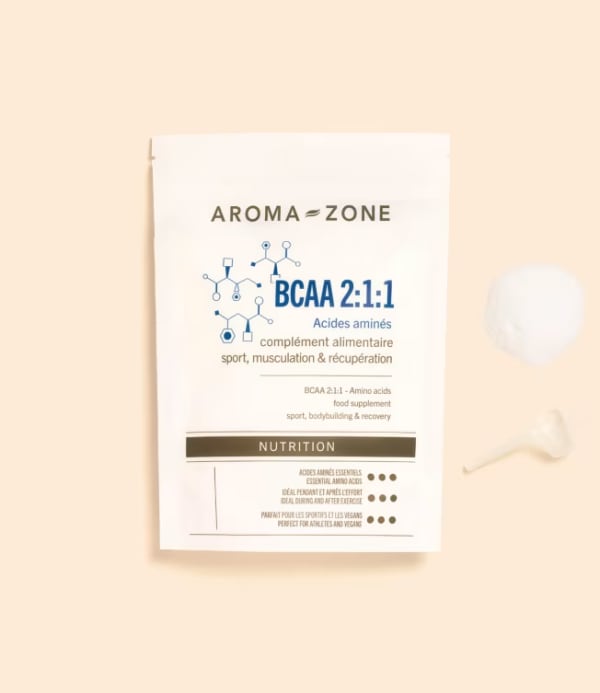
BCAA: The Natural Plant-Based Formula
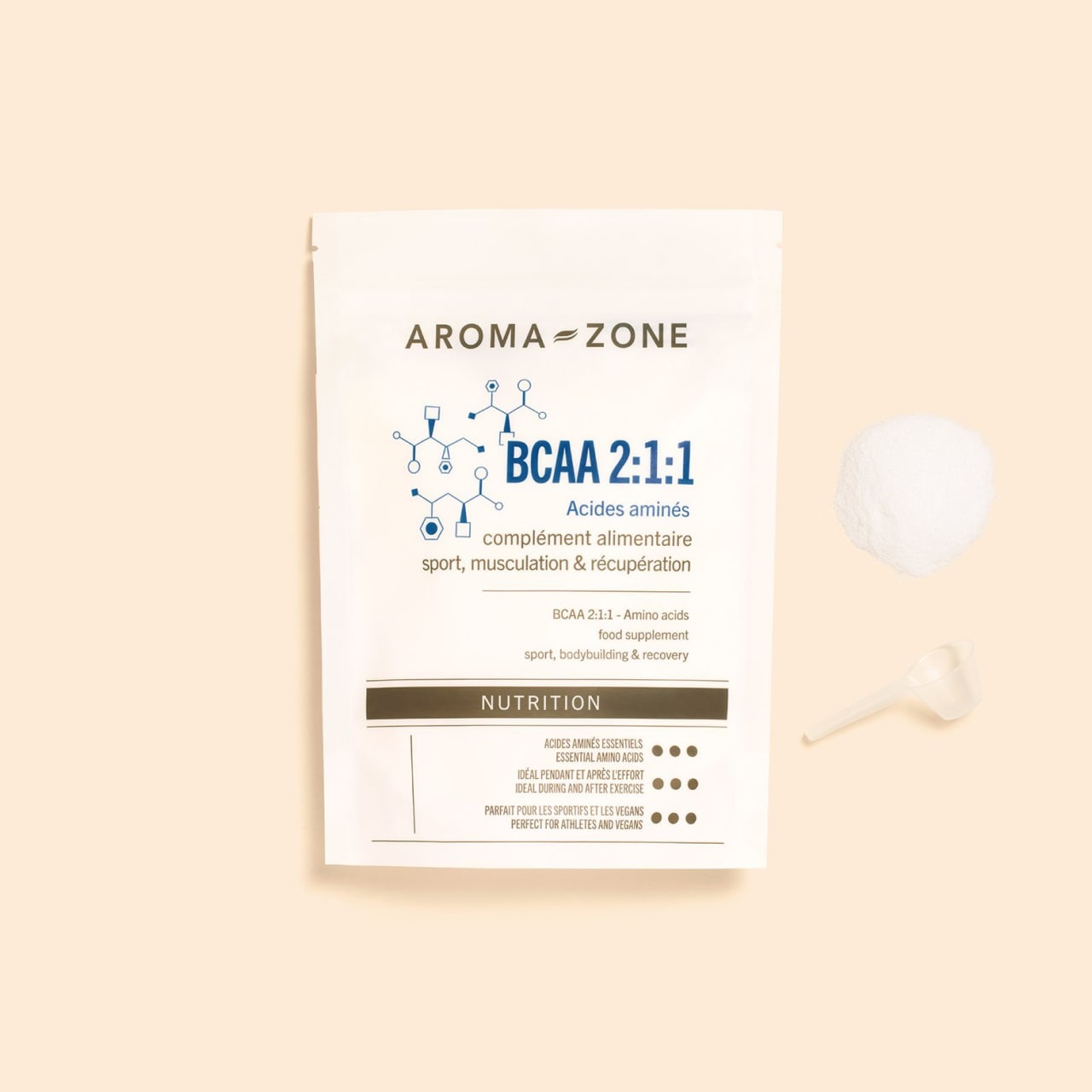
Our plant-based BCAA powder formula is suitable for all athletes and vegans looking to supplement their intake. With an ideal 2:1:1 ratio—twice as much leucine as valine and isoleucine—1 scoop equals 5 g of BCAAs and dissolves in 500 ml of water. The drink can be consumed before, during, and after exercise, or at any time of day as part of a vegan diet.

Marine Collagen Powder
Our Marine Collagen supports muscle mass and helps maintain healthy bones. It is also highly valued for its skin-beautifying properties. Made from 100% premium-quality hydrolysed marine collagen and manufactured in France, it is suitable for men and women who engage in regular and intense exercise, in cases of injury, during recovery, and for all skin types. It can be used as an intensive treatment, a maintenance regime, or a "beauty" regime, at a dose of 2.5 to 10 g per day.
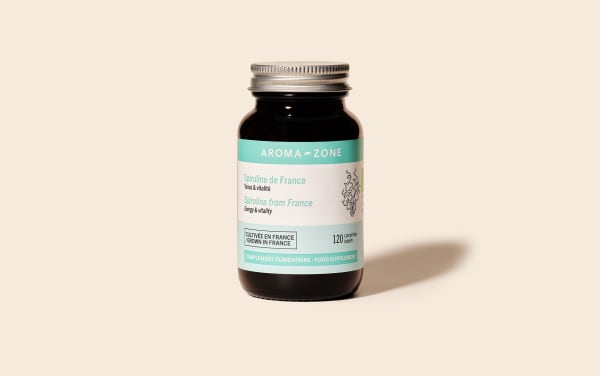
Spirulina from France
Spirulina contains 60 to 70% protein, helping to meet the nutritional needs of athletes. Take 3 to 10 tablets daily, with a glass of water. It is recommended to start the regime by taking 3 Spirulina tablets daily for a few days, then gradually increase the dose to 5–6 tablets daily, or up to 10 tablets daily if needed (athletes, people with iron deficiency, etc.).
Discover our Organic French Spirulina - 120 tablets - dietary supplement
How should you consume protein?
How much?
Protein should account for between 15% and 27% of total daily caloric intake. Nutritional recommendations range from 0.8 g to 1.2 g of protein per kg of body weight per day. For athletes, recommendations range from 1.2 g to 2.2 g per kg of body weight. When the goal is to gain muscle mass, the range is typically between 1.6 g and 2.2 g per kg, maximum.
Examples: A professional basketball player weighing 98 kg who wants to build muscle mass should consume approximately 1.8 x 98 = 176 g of protein per day. A fitness enthusiast weighing 55 kg who wants to maintain her muscle mass should consume approximately 1.5 x 55 = 82.5 g per day.
When?
Very recently, the myth of the 30-minute “metabolic window” after exercise has been debunked by various studies. Ultimately, it is your total daily protein intake that matters for reaping its muscle-building benefits! Here’s what you can focus on to meet your needs: consistent intake throughout the day and a sufficient total intake by varying your sources.
Our natural protein recipes




Precautions
Excess protein can be harmful to the body. Beyond 2 g of protein per kg of body weight per day, it tends to dehydrate and acidify the body, leading to bone loss or kidney problems in the short or long term. Ensure a reasonable intake and don’t hesitate to seek advice from a dietitian specialising in sports nutrition.
Marine collagen: Not recommended for individuals with kidney failure without medical advice. Pregnant or breastfeeding women are advised to consult a healthcare professional before taking any supplements.
BCAA: Do not use during pregnancy or while breastfeeding. Do not use for extended periods without consulting a doctor.
Spirulina from France: For pregnant and breastfeeding women, consult your doctor. Not recommended for people with phenylketonuria, haemochromatosis, high uric acid levels, or muscle or liver conditions. Contains phycocyanin, which may cause an allergic reaction.
Expert advice
When you exercise regularly, carbohydrates are essential! Muscle glycogen stores provide the energy needed for exercise and help conserve protein, thereby limiting the breakdown of amino acids during exercise. Remember that your well-being depends on a balanced overall diet. No single food or nutrient can meet all your needs on its own.
Spotlight on our nutrition writer, Raquel Barros

Raquel was always passionate about nutrition and well-being, and above all, her love of good food and desire to share that knowledge led her to pursue a career in dietetics. With a BTS qualification in sports nutrition, she discovered the world of natural solutions, including dietary supplements and oligotherapy, while working in various pharmaceutical laboratories. In recent years, she has expanded her work to include nutritional counselling and article writing, combining her interest in nutrition with her passion for sharing knowledge. Women’s health, anti-inflammatory diets, sport, and balanced nutrition are among her favourite topics.
Bibliography
Protein and Amino Acids for Athletes. Journal of Sports Sciences
The effects of protein supplements on muscle mass, strength, and aerobic and anaerobic power in healthy adults: A systematic review. Sports Medicine, 2015
CIQUAL - Food Composition Table
Nutrition for Athletes: From Health to Performance, Amphora Publishing, by Dr. Cascua and Véronique Rousseau