

Our top-rated skincare products to support the body’s natural defences
Published on: Friday, October 23, 2026, Updated on: Thursday, November 12, 2026
Every year, as winter approaches, the same question arises: how can we help our bodies cope with the cold? A hectic pace of life, too few hours of sleep, a lack of daylight, cold and damp: our natural defences are under a lot of strain, and many people turn to aromatherapy and dietary supplements as a preventative measure. Vitamins, minerals, herbs and essential oils can indeed provide valuable support for the immune system, provided they form part of a holistic approach to health and wellbeing. In this article, we present our selection of top-rated products, feedback from the Aroma-Zone community, and expert commentary on the subject to help you make an informed choice.
Contents
Related products
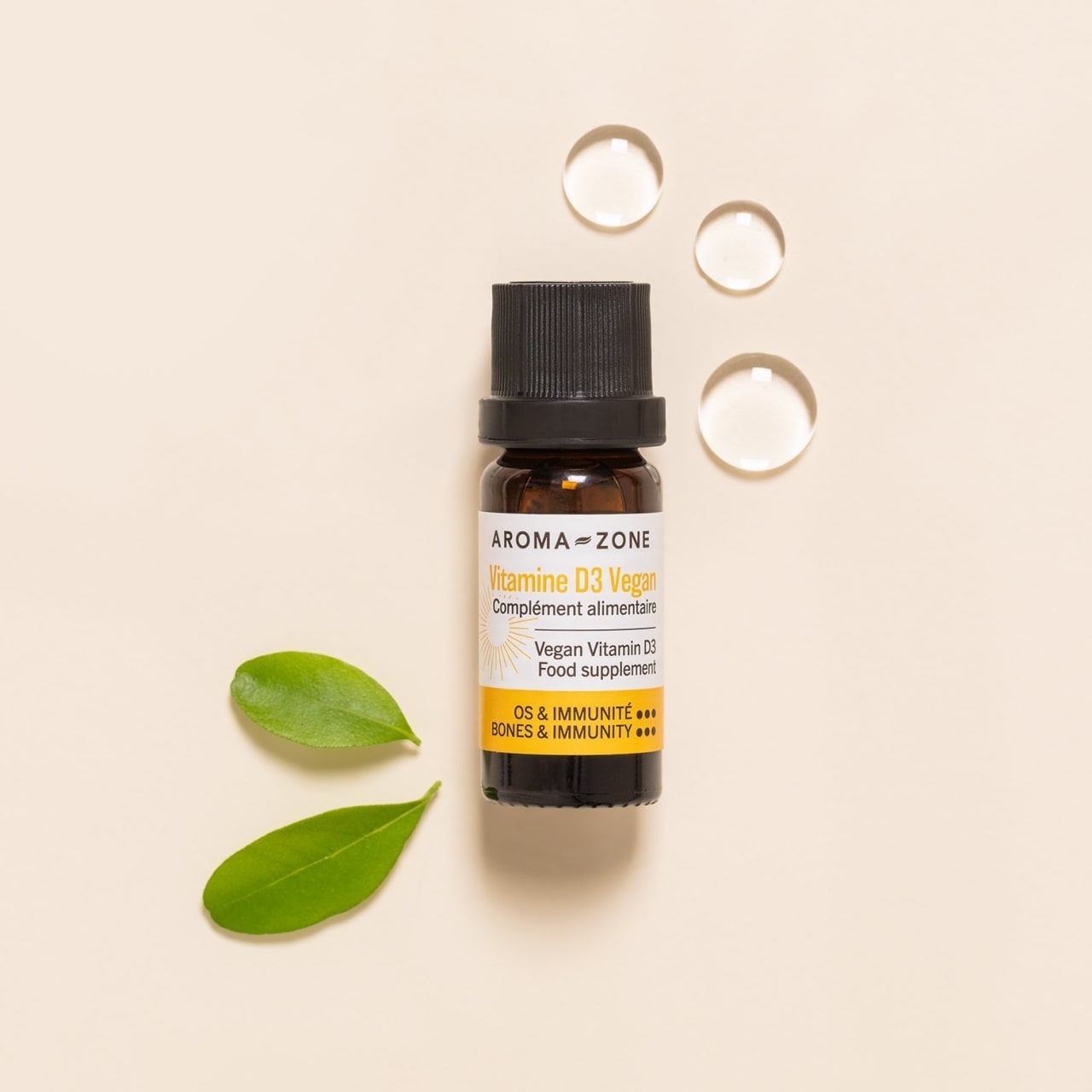
Natural defenses
Bone health
£10.00
10 ml
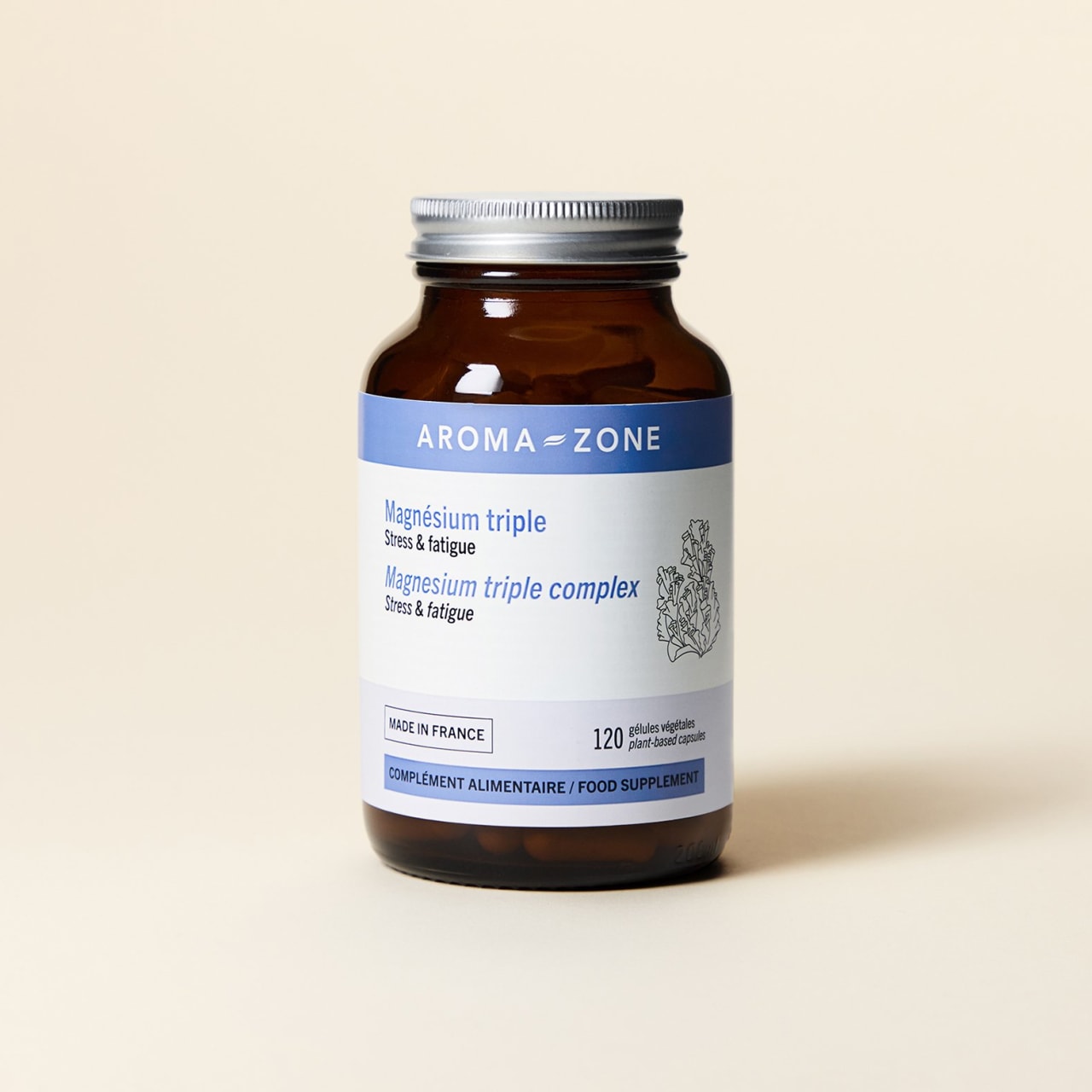
Vitality
Stress
£15.00
article
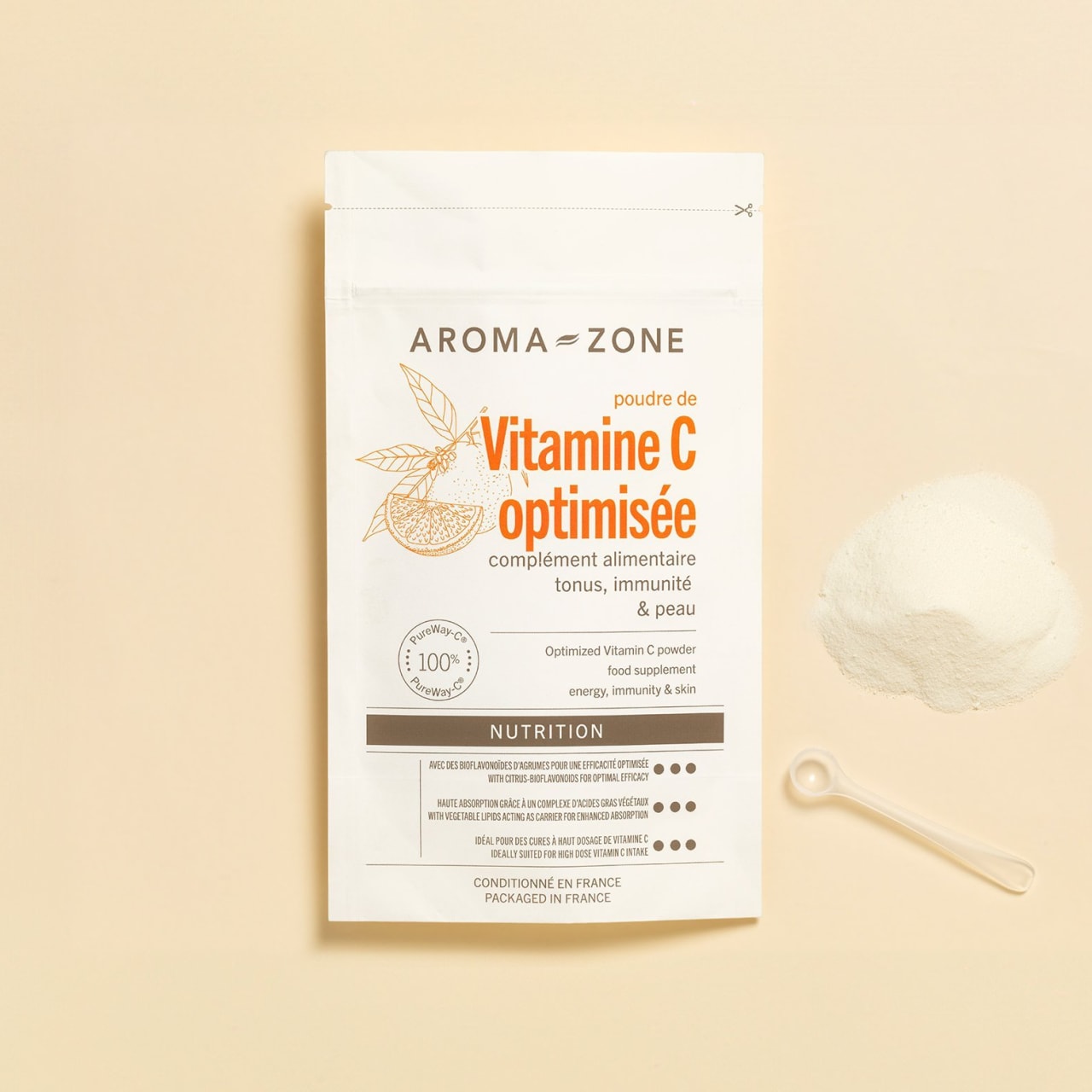
Vitality
£16.00
150 g
In brief
The body’s natural defences rely on an overall balance, in which sleep, diet, physical activity and stress management play a central role.
Certain nutrients, such as vitamin D, vitamin C and zinc, contribute to the normal functioning of the immune system, whilst plants such as echinacea are traditionally used to support the body during the winter months.
This article offers a selection of our top-rated products to support your natural defences, which you can tailor to suit your needs.
Why do our natural defences sometimes need a boost?
Essential support
Our natural defences sometimes need a helping hand, for one simple reason: their proper functioning depends on factors that vary throughout the year. These factors include: vitamin and mineral intake, exposure to sunlight, sleep quality, age and stress levels.
The immune system has significant micronutrient requirements
The immune system is one of the body’s most energy-intensive systems. To produce and renew its cells, it constantly uses energy and numerous micronutrients: vitamins A, C, D, B6, B9 and B12, zinc, iron, copper, selenium (1). When these intakes are slightly or severely inadequate, the immune response becomes less effective (2).
Winter reduces our vitamin D intake and weakens our mucous membranes
In winter, in our latitudes, sunlight is no longer sufficient for the skin to produce enough vitamin D, and the reserves built up during the summer gradually dwindle (3). At the same time, cold, dry air weakens the mucous membranes in the nose and throat, which form the body’s first line of defence. Finally, spending time indoors encourages the spread of viruses (4).
Lack of sleep and stress weaken the immune response
When we sleep, the body strengthens its immune response. Consequently, a build-up of short or poor-quality nights’ sleep reduces its effectiveness (5). Prolonged stress, which triggers the release of cortisol, has the same weakening effect on the body’s defences, as do a sedentary lifestyle or a diet low in fruit and vegetables.
Natural defences change with age
Over the years, the immune system changes: it produces fewer new defence cells and reacts more slowly to a threat it has not yet encountered (6). This natural and gradual process explains why we often recover more slowly after the age of 60.
At the same time, the skin produces less vitamin D when exposed to sunlight, and vitamin and mineral intake tends to decrease as appetite wanes (3). However, diet and lifestyle remain just as important: at any age, they help to maintain the effectiveness of the body’s natural defences (6).
Supporting your body therefore depends first and foremost on your lifestyle habits. Supplements to support the body’s natural defences can complement this approach, particularly during the colder months or when feeling tired, although they cannot, on their own, replace a balanced diet, sufficient sleep and regular physical activity, ideally outdoors.
Products for natural defences: which natural active ingredients are most effective?
The most effective natural active ingredients
The natural active ingredients most highly recommended for boosting the body’s natural defences are vitamin D, vitamin C and zinc (1). These are complemented by traditional winter remedies: plants such as echinacea, bee products and essential oils.
With such a wide range of products on offer, it’s not always easy to know where to start. Our advice: start by identifying your needs. A lack of sunshine, persistent tiredness or a period of stress do not all require the same solution.
Also remember to check the precautions for each treatment, particularly if you’re on medication, or if you’re pregnant or breastfeeding.
Needs | Related products |
Lack of sunshine, cold season | Vitamin D contributes to the normal functioning of the immune system. Many defence cells have receptors for vitamin D: in its active form, it acts both on the body’s first line of defence, which reacts immediately, and on the ‘specialised’ defence system, which learns to recognise each invader (7). The skin produces it when exposed to sunlight, which explains why intake is often insufficient between autumn and spring (3). The best known: plant-based vitamin D3 (seaweed, lichen), cod liver oil |
Fatigue, loss of energy | Vitamin C contributes to the normal functioning of the immune system and helps reduce fatigue. It strengthens the body’s defences, such as the skin and mucous membranes, supports the development of defence cells and helps them reach where they are needed, then neutralise microorganisms (2, 8). The body cannot produce or store it: it must be supplied every day. The best known: vitamin C, acerola, spirulina |
Mineral intake | zinc contributes to the normal functioning of the immune system and protects cells against oxidative stress. It acts like a conductor: it transmits signals that activate and regulate defence cells, and a lack of zinc promotes inflammation (9). Iron, copper and selenium also play a part in the body’s natural defences, particularly in the renewal and protection of immune cells (1). The best known: zinc, iron, selenium |
Support during winter | Certain plants have long been used to support the body as the cold weather sets in. Echinacea, the best known of these, owes its benefits to its high content of natural compounds, such as chicoric acid and polysaccharides, which have been studied for their role in the body’s response to external stresses (10). It is taken as a short course of treatment as soon as the cold and damp set in. The best known: echinacea, elderberry, thyme, chaga |
Tradition from the hive | Bee products have been part of traditional winter remedies since ancient times. Propolis is the most iconic of these: bees produce it from resins collected from tree buds and bark, to which they add their own enzymes. It acts as a shield for them, sealing the openings of the hive and maintaining a healthy environment, whilst heat and humidity would otherwise encourage the growth of microorganisms. Rich in polyphenols with antioxidant properties, it is valued as a course of treatment during seasonal changes. Royal jelly and honey complete this trio from the hive, traditionally associated with the cold season. The best known: propolis, royal jelly, honey |
Stress, recovery | Sleep is when the body strengthens its immune response. Repeatedly having nights that are too short or of poor quality over time fuels inflammation and weakens the body’s natural defences (5). Prolonged stress has a similar effect. Magnesium helps reduce fatigue and supports the normal functioning of the nervous system: it helps you sleep better and cope with busy periods. The best known: magnesium, ashwagandha |
Respiratory comfort | Certain essential oils are used in winter to aid breathing and purify the air in living spaces. What they have in common is their high content of 1,8-cineole, an aromatic compound with a fresh, camphor-like scent that gives them their decongestant effect. They can be used in three ways: diffused throughout the home, inhaled (a few drops on a handkerchief or in a bowl of hot water), or massaged onto the chest and upper back, always diluted in a vegetable oil. As they are concentrated, they require caution and are not recommended for pregnant women, young children or people with asthma. The best known: ravintsara, eucalyptus radiata, niaouli |
Microbiota and the immune system | The gut is one of the body’s main entry points, and the billions of bacteria that inhabit it – the microbiota – are in constant communication with the immune system. They help to train the immune system, strengthen the gut barrier and support the body’s response to unwanted microorganisms (13). Probiotics – live microorganisms – and prebiotics – fibres that nourish them – help to maintain the balance of this flora. The best known are: probiotics, prebiotic fibres (inulin, acacia), and fermented foods |
Natural defences skincare: our 10 top-rated products
The highest-rated active ingredients
The products for supporting the body’s natural defences that have received the highest ratings from the Aroma-Zone community are vitamin D3, vitamin C, echinacea, propolis, zinc, spirulina, chaga, magnesium and the essential oils of ravintsara and eucalyptus radiata.
We’ve put together a selection of Aroma-Zone skincare products to support your natural defences throughout the cold season. Each one addresses a specific need: it’s up to you to choose the one that suits your situation. We advise you to read the precautions for use before using any product.
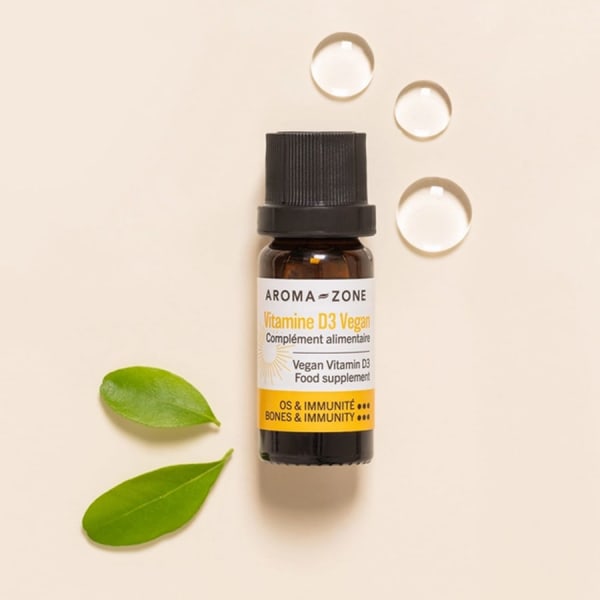
Vegan Vitamin D3 dietary supplement
Extracted from seaweed and available in the D3 form, which is best absorbed by the body, this vitamin D contributes to the normal functioning of the immune system and the maintenance of normal bones. It is particularly recommended between October and March, when there is limited sunlight. Presented in a neutral-tasting oil, it is taken in drops: take 5 drops a day, equivalent to 2,000 IU, placed in a teaspoon. One bottle provides a two-month course of treatment.
Do not exceed the recommended daily dose. This supplement is not suitable for children under 3 years of age; for children aged 3 and over, seek advice from a healthcare professional before giving any supplements, as you should also do if you are pregnant or breastfeeding.
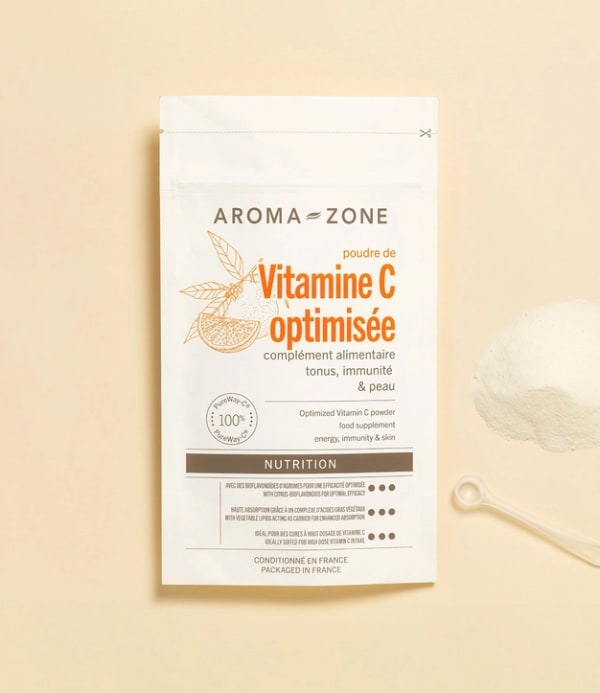
Optimised Vitamin C dietary supplement powder
Vitamin C contributes to the normal functioning of the immune system and helps reduce tiredness. This formula combines vitamin C with plant-based lipids and citrus bioflavonoids, ensuring good absorption and digestive tolerance. Dissolve 1 measuring spoon (500 mg) in a glass of water, fruit juice or a smoothie, and drink immediately.
Do not exceed the recommended daily intake. This supplement is for adults only; if you are pregnant or breastfeeding, seek advice from a healthcare professional before taking any supplements.
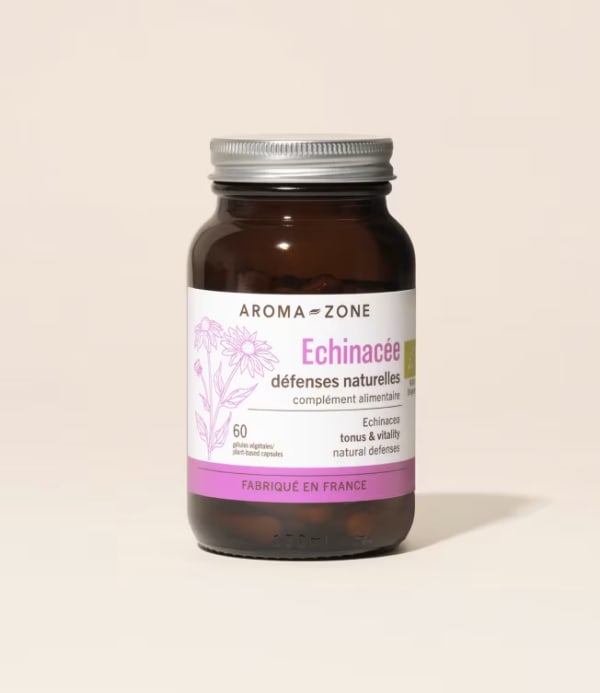
Organic Echinacea dietary supplement
Used for centuries by Native American peoples, purple echinacea is the star plant of winter. This formula combines a concentrated extract of the aerial parts with root powder, and has a guaranteed chicoric acid content. It is designed for those who wish to face winter and changes in temperature with confidence. Take 2 capsules a day, to be swallowed with a glass of water. One jar provides a month’s supply.
Do not exceed the recommended daily dose. This supplement is not recommended for children under 12, pregnant or breastfeeding women, or for those with an immune system disorder or taking medication that affects the immune system. It is also not recommended in cases of known cross-allergy, particularly to plants in the Asteraceae family.
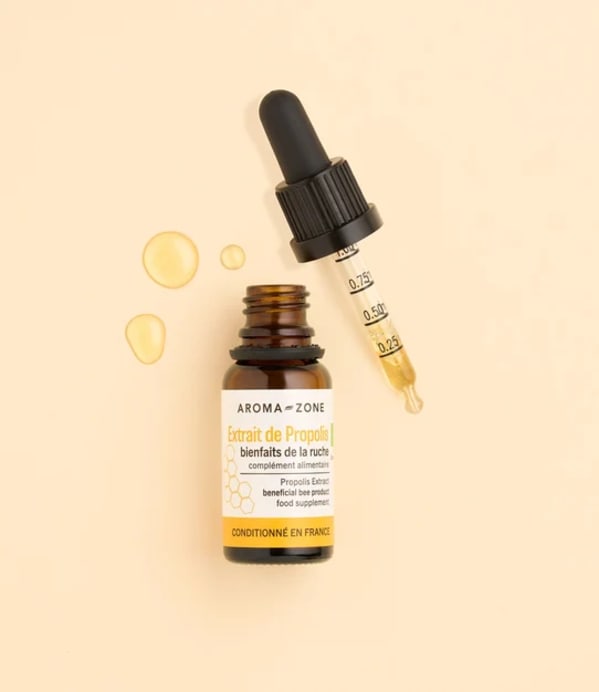
Organic Propolis Extract dietary supplement
Propolis, a resin collected by bees to protect the hive, has been a traditional part of winter skincare since ancient times. This organic brown propolis extract, which is alcohol-free, sugar-free and preservative-free, guarantees a polyphenol content of 12 mg/ml. It can be taken neat or diluted in a glass of water during seasonal changes. One bottle lasts for 20 days.
Do not exceed the recommended daily dose. Unless advised by a doctor, this supplement is not recommended for people allergic to bee products, pregnant or breastfeeding women, or children under 6 years of age. Prolonged use, beyond three weeks, is not recommended.
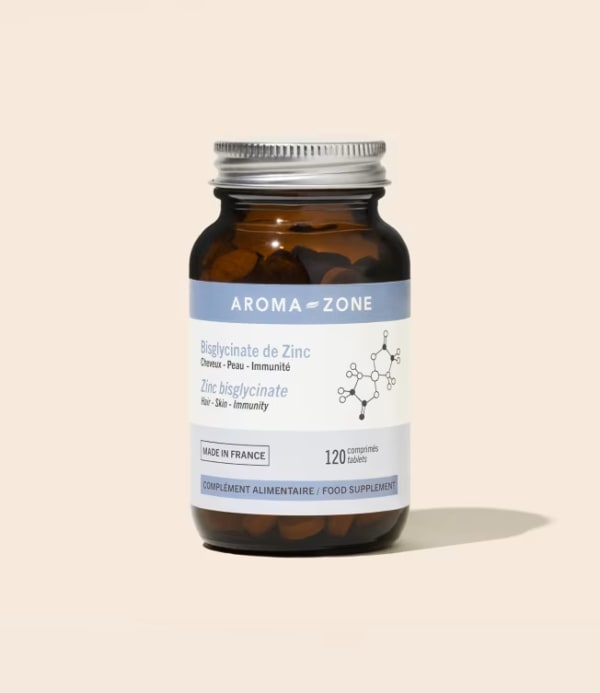
Zinc Bisglycinate dietary supplement
Zinc contributes to the normal functioning of the immune system and helps protect cells against oxidative stress. It is available here in the bisglycinate form, which is very well absorbed, and one tablet provides 100 per cent of the recommended daily intake. It is particularly suitable for vegetarians and vegans, whose intake is often lower. Take one tablet a day, with a glass of water.
Do not exceed the recommended daily dose. This supplement is for adults only and should be taken for no longer than a few weeks or months. If you are pregnant or breastfeeding, seek advice from a healthcare professional before taking any supplements.
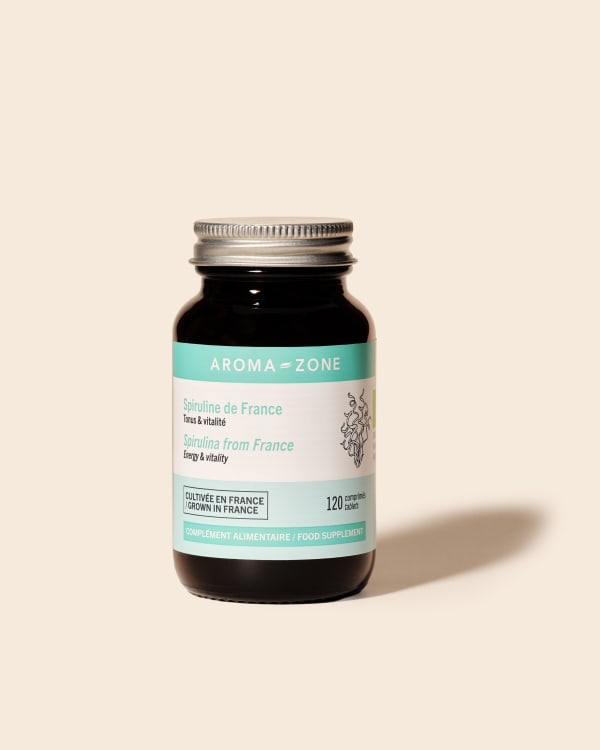
Spiruline France Organic dietary supplement
Grown in France and cold-pressed without additives, this spirulina is rich in protein and a source of iron and vitamin B12 – two nutrients that help support the body’s natural defences. It is recommended for temporary fatigue and to supplement the diets of vegetarians. Start with 3 tablets a day, then gradually increase to 5 or 6 tablets, to be swallowed with a glass of water.
Do not exceed the recommended daily dose. This supplement is for adults only; pregnant or breastfeeding women should seek advice from their doctor. Spirulina is not recommended for people suffering from phenylketonuria, haemochromatosis or high uric acid levels, or those with muscle or liver conditions. It contains phycocyanin, which may cause an allergic reaction.
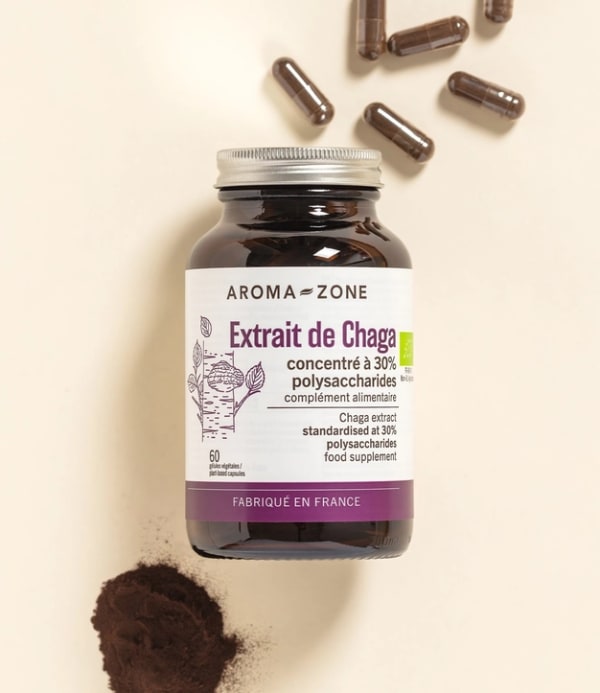
Organic Chaga Extract dietary supplement
A mushroom found in boreal forests that grows on birch trees, chaga has been consumed as a decoction for hundreds of years by the peoples of Siberia and Northern Europe, who use it as a general tonic. This organic extract, obtained using water and no solvents, is concentrated to 30% polysaccharides. Take 1 to 2 capsules a day, to be swallowed with a glass of water. One jar provides a two-month course of treatment.
Intended for adults only and not recommended for pregnant or breastfeeding women, chaga is not a substitute for medical treatment. It is not recommended in cases of kidney stones, gout, allergy to mushrooms or birch, or when taking anticoagulants. Consult your doctor if you have type 1 diabetes, an autoimmune disease or are taking medication.
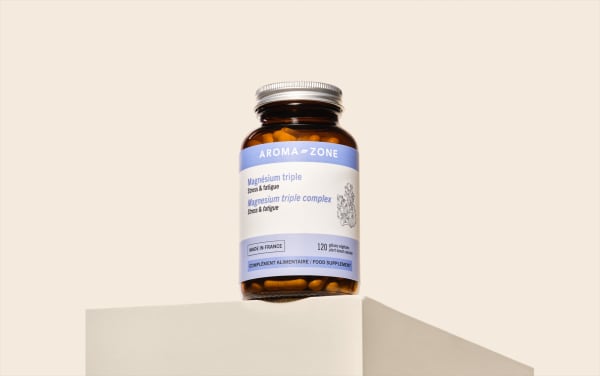
Magnesium Triple dietary supplement
Stress and fatigue take their toll on the body’s natural defences. Magnesium helps reduce fatigue and supports the normal functioning of the nervous system. This formula combines three forms of magnesium (bisglycinate, marine magnesium and organic sea lettuce extract) to ensure effective absorption. Take 1 to 3 capsules a day, with a glass of water; 3 capsules meet your daily requirements.
For adults only. Magnesium may have a laxative effect in some people. Seek advice from a healthcare professional if you are pregnant, breastfeeding or have a thyroid condition, as the formula contains a small amount of iodine.
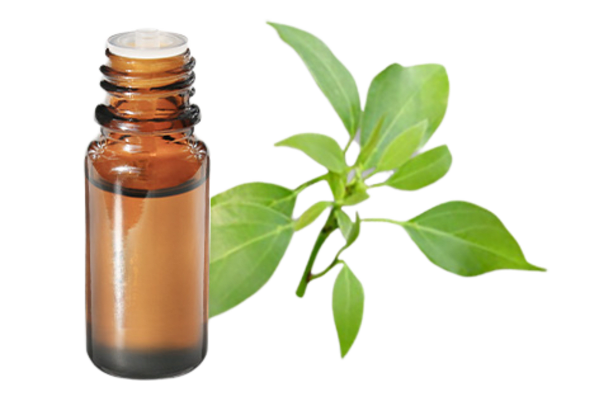
Organic Ravintsara Essential Oil
Ravintsara, meaning ‘good leaf’ in Malagasy, is a key essential oil in aromatherapy and the highest-rated in this selection. Rich in 1,8-cineole, it is traditionally used in winter to support the body’s natural defences and clear the airways, making it an essential for the colder months. It can be used in three ways: diffused in living areas to purify the air, by inhalation (a few drops on a handkerchief or in a bowl of hot water), or massaged onto the chest and upper back, always diluted in a carrier oil.
It should be avoided during the first three months of pregnancy, in children under 6 years of age and in people with asthma, and must not be taken orally whilst on medication without medical advice. Carry out a patch test on the inside of your elbow 48 hours before first use.
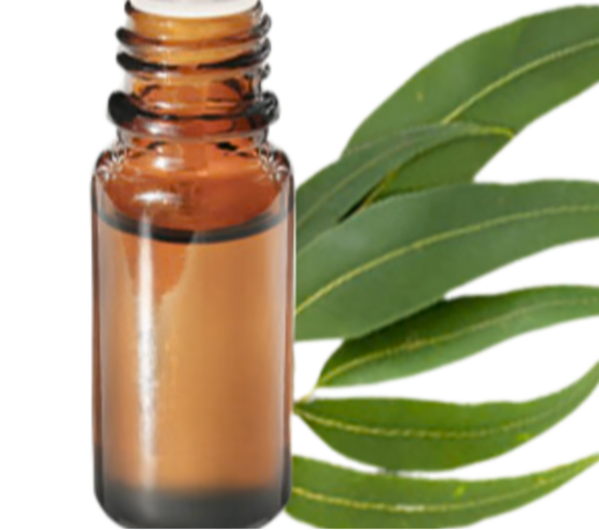
Organic Eucalyptus radiata essential oil
Refreshing and invigorating, Eucalyptus radiata essential oil is traditionally used to promote healthy breathing and support wellbeing during the winter months. It can be used for inhalation, in a diffuser or diluted for massage. Always diluted, this essential oil is best used on the skin, in a diffuser or for inhalation, avoiding contact with the eyes and mucous membranes. It is not recommended for pregnant or breastfeeding women, children under 6 years of age, or people with asthma or epilepsy, and must not be taken orally whilst on medication without medical advice. Carry out a patch test on the inside of your elbow 48 hours before first use.
What our community are saying
At Aroma-Zone, feedback from our community complements the work of our experts and confirms the effectiveness of our skincare products in supporting the body’s natural defences in real-life situations:
Gisèle, 12 September 2026, on chaga, magnesium and vitamin D supplements.
“During my visit to Aroma Zone, I received a very warm welcome and excellent advice. All the dietary supplements I chose have given me the sense of well-being I was hoping for. I’ll definitely be buying more!”
Marion, 28 September 2026, on Optimised Vitamin C.
“I’d now like to be notified when the ‘Optimised Vitamin C’ product is back in stock. I use it alongside marine collagen and can confirm that the results are impressive – it’s out of stock because it’s such a hit!!!”
Our experts’ advice
A word from a doctor of nutrition and scientific consultant
As regards vitamin D, no specific time of day for taking it has been shown to enhance its effectiveness. However, as it is fat-soluble, it is recommended that it be taken with a meal containing fat to aid absorption (11). Vitamin C can also be taken at any time of day. Although no data is available on this matter, if you are particularly sensitive to it, avoid taking it late in the day to minimise the risk of stimulation in the evening. Furthermore, as a precaution, people prone to digestive problems may prefer to take it with a meal to avoid any gastric irritation. As regards echinacea, there is no robust clinical evidence to recommend a preferred time of day for taking it. The key is to follow the recommended dosage and method of administration. To combat the common cold, the European Medicines Agency recommends starting to use certain preparations of Echinacea purpurea at the first signs of symptoms, without exceeding ten days’ treatment (12).
Lila Bouber, PhD in Nutrition and Scientific Consultant
Precautions
Dietary supplements are not a substitute for a balanced diet or a healthy lifestyle. Furthermore, the recommended daily doses must not be exceeded under any circumstances. Avoid combining products containing the same vitamins or minerals, and seek advice from a healthcare professional if you are pregnant, breastfeeding or taking any medication. The same applies if you wish to give them to a child.
Essential oils are powerful natural concentrates. Please refer carefully to the intended uses and precautions for use on each product information sheet. Store them in a suitable glass bottle, away from light and air. Keep out of reach of children. Do not use in pregnant or breastfeeding women, or in children under 6 years of age. Avoid contact with the eyes and mucous membranes. Please consult the general safety information sheet for essential oils as well as the specific information sheet for each essential oil.
Spotlight on Our Writer: Louise Hourcade

A 2020 graduate of ESCP, Louise began her career as a writer in 2021. Today, she mainly shares her thoughts in an intimate newsletter, where she writes cultural recommendations as well as more personal articles (on dating apps, therapy and career guidance). Alongside this, she writes for media outlets, brands and agencies on topics such as wellbeing, mental health, culture and society.
Bibliography
Gombart AF, Pierre A, Maggini S. A Review of Micronutrients and the Immune System–Working in Harmony to Reduce the Risk of Infection. Nutrients. 2020;12(1):236.
https://doi.org/10.3390/nu12010236
Calder PC, Carr AC, Gombart AF, Eggersdorfer M. Optimal Nutritional Status for a Well-Functioning Immune System Is an Important Factor to Protect against Viral Infections. Nutrients. 2020;12(4):1181.
https://doi.org/10.3390/nu12041181
Souberbielle JC, Massart C, Brailly-Tabard S, Cavalier E, Chanson P. Prevalence and determinants of vitamin D deficiency in healthy French adults: the VARIETE study. Endocrine. 2016;53(2):543-550.
https://doi.org/10.1007/s12020-016-0960-3
Moriyama M, Hugentobler WJ, Iwasaki A. Seasonality of Respiratory Viral Infections. Annual Review of Virology. 2020;7:83–101.
https://doi.org/10.1146/annurev-virology-012420-022445
Besedovsky L, Lange T, Haack M. The Sleep-Immune Crosstalk in Health and Disease. Physiological Reviews. 2019;99(3):1325–1380.
https://doi.org/10.1152/physrev.00010.2018
Aiello A, Farzaneh F, Candore G et al. Immunosenescence and Its Hallmarks: How to Oppose Ageing Strategically? A Review of Potential Options for Therapeutic Intervention. Frontiers in Immunology. 2019;10:2247.
https://doi.org/10.3389/fimmu.2019.02247
Charoenngam N, Holick MF. Immunologic Effects of Vitamin D on Human Health and Disease. Nutrients. 2020;12(7):2097.
https://doi.org/10.3390/nu12072097
Carr AC, Maggini S. Vitamin C and Immune Function. Nutrients. 2017;9(11):1211.
https://doi.org/10.3390/nu9111211
Wessels I, Maywald M, Rink L. Zinc as a Gatekeeper of Immune Function. Nutrients. 2017;9(12):1286.
https://doi.org/10.3390/nu9121286
David S, Cunningham R. Echinacea for the prevention and treatment of upper respiratory tract infections: A systematic review and meta-analysis. Complementary Therapies in Medicine. 2019;44:18–26.
https://doi.org/10.1016/j.ctim.2019.03.011
Dawson-Hughes, B., Harris, S. S., Lichtenstein, A. H., Dolnikowski, G., Palermo, N. J., & Rasmussen, H. (2015). Dietary fat increases vitamin D-3 absorption. Journal of the Academy of Nutrition and Dietetics, 115(2), 225–230.
https://doi.org/10.1016/j.jand.2014.09.014
European Medicines Agency. (2015). European Union herbal monograph on Echinacea purpurea (L.) Moench, herba recens (EMA/HMPC/48704/2014 Corr.).
https://www.ema.europa.eu/en/documents/herbal-monograph/final-european-union-herbal-monograph-echinacea-purpurea-l-moench-herba-recens_en.pdf
https://fr.trustpilot.com/reviews/6aa565f3731d5199e6a8fc9d
https://fr.trustpilot.com/reviews/6aba9f01d19d81972b28a4f9

Frequently Asked Questions
Associated tip

Immune defenses


