
Urinary tract infections occur when bacteria (most commonly Escherichia coli, a bacterium naturally found in the digestive tract) enter the urinary tract, causing symptoms that can sometimes be painful. The infection can affect one or more parts of the urinary system, including the bladder, ureters, kidneys, and urethra. Urinary tract infections are generally more common in women due to the anatomy of their urinary system. The shorter distance between the urethra and the anus makes it easier for bacteria to travel up to the bladder. However, men can also develop urinary tract infections, which may sometimes be associated with prostatitis (a painful inflammation of the prostate).

Our Natural and Fast Remedies for Urinary Tract Infections
Published on: Friday, December 22, 2023, Updated on: Friday, October 02, 2026
Burning during urination, frequent and foul-smelling urine, and pain in the lower abdomen are among the discomforts that can signal a urinary tract infection, which requires prompt attention. In this guide, we give you the keys to understanding urinary tract infections: their causes, symptoms and risks. We also share all our natural solutions and old-fashioned remedies to quickly relieve symptoms. Finally, we offer some tips and habits to help prevent urinary tract infections.
Contents
Related products
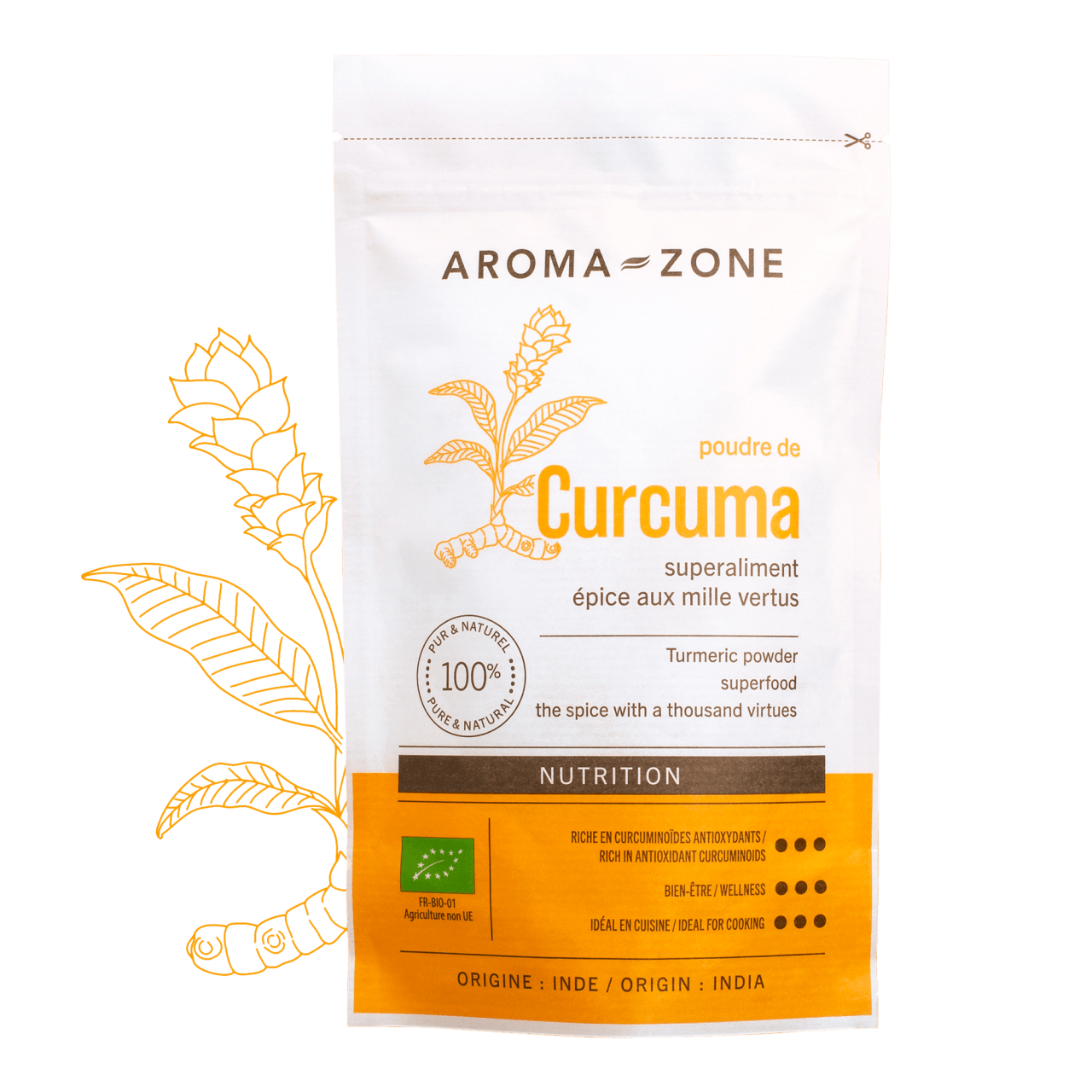
Organic Turmeric Powder
Rich in antioxidants
£4.00
100 g

Vegan Vitamin D3
Natural defenses
Bone health
£10.00
10 ml

Zinc Bisglycinate - 120 Tablets
Skin
Hair
£9.00
49.5 g

Optimised Vitamin C Powder
Vitality
£16.00
150 g
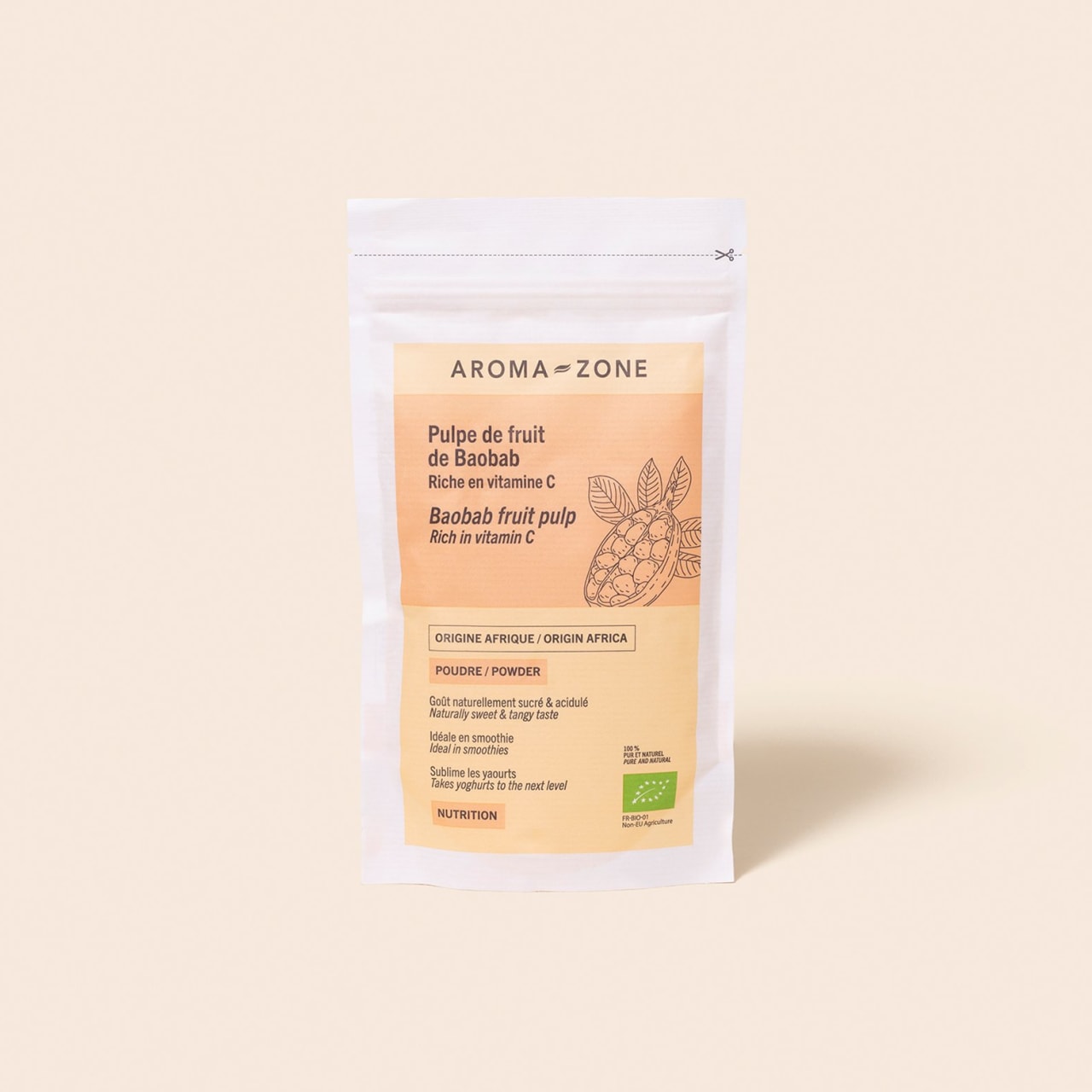
Organic Baobab Fruit Pulp Powder
Rich in vitamin C
£9.00
150 g
What Is a Urinary Tract Infection?
Urinary Tract Infection: What Are the Symptoms?
The symptoms of a urinary tract infection can vary, but they generally include:
A burning sensation when urinating
This is one of the first characteristic signs of a urinary tract infection. A burning sensation (or intense stinging) may be felt when you urinate.
Frequent urge to urinate
If you have a urinary tract infection, you may feel a strong urge to urinate more frequently than usual, even when your bladder is empty.
Cloudy or foul-smelling urine
Cloudy urine, a change in color, or a strong odor can also be signs of a urinary tract infection.
Pelvic or abdominal pain
You may experience pain in the lower abdomen, a feeling of heaviness, or even cramps if you have a urinary tract infection.
General weakness and fatigue:
A urinary tract infection can drain your body’s energy and cause general weakness.
Fever, nausea:
In more severe cases, a urinary tract infection may be accompanied by fever and/or nausea. If the infection is left untreated, there is a risk of developing pyelonephritis. The fever may then become high, accompanied by pain in the kidneys, and prompt treatment with appropriate antibiotics becomes necessary.
Symptoms associated with urinary tract infections, as well as their severity, can vary depending on the type of infection and the area of the urinary system affected. If you experience one or more of these symptoms, we recommend consulting a healthcare professional so they can make an appropriate diagnosis.
How to Get Rid of a Urinary Tract Infection Quickly: Natural Solutions and Traditional Remedies
To quickly relieve the symptoms of a urinary tract infection, several home remedies and natural solutions are available to you. Here is our selection:
Water
Staying well hydrated is essential when dealing with a urinary tract infection. Drinking enough water — around 2 litres per day — helps support the elimination of bacteria through urination and may help relieve discomfort and irritation during urination.
Herbal Teas
The medicinal properties of herbal teas can help soothe the urinary tract. They are also beneficial for their preventive as well as curative effects. In the event of a urinary tract infection, we recommend opting for an infusion of:
Cranberry (Vaccinium macrocarpon) : By limiting the adhesion of bacteria to the bladder wall, it is an excellent remedy for urinary tract infections.
Chamomile (Matricaria chamomilla): its anti-inflammatory, antiseptic, and powerfully soothing properties can alleviate symptoms such as a burning sensation during urination and help fight the bacteria responsible for urinary tract infections.
Thyme (Thymus vulgaris): With antibacterial, anti-inflammatory, antispasmodic, soothing, and immune-boosting properties, this infusion is particularly effective for urinary tract infections.
Cherry Stems (Prunus cerasus): Particularly effective for supporting kidney function, cherry stems relieve symptoms and help flush out bacteria
Blackcurrant Leaves (Ribes nigrum): a powerful anti-inflammatory and diuretic, this infusion relieves spasms and promotes the elimination of the germs responsible for urinary tract infections.
Heather (Calluna vulgaris) or Bearberry (Arctostaphylos uva-ursi): these two plants are particularly effective for relieving urinary tract disorders. They promote kidney function and have powerful antiseptic properties.
Meadowsweet (Filipendula ulmaria): Soothing and anti-inflammatory, this plant is the go-to remedy for relieving urinary tract issues.
Directions: To prepare your tea, add a generous teaspoon of the dried herb of your choice to the equivalent of a large cup of simmering water and let steep for 10 to 15 minutes. Strain and drink two to three cups a day.
Essential Oils
Some essential oils have antibacterial, anti-inflammatory, soothing, and immune-supporting properties. They may therefore be considered as complementary natural options to help relieve certain symptoms associated with urinary tract discomfort. Some commonly used essential oils include:

Mountain savory essential oil (Satureia montana): antibacterial, antiviral, and a powerful immunostimulant, this essential oil is ideal for treating urinary tract infections.

Tea tree essential oil (Melaleuca alternifolia): a powerful antibacterial, antiviral, and antifungal agent, it fights the bacteria responsible for urinary tract infections

Linalool Thyme Essential Oil (Thymus vulgaris): highly concentrated in linalool, this essential oil is antibacterial, antiviral, antispasmodic, and immunostimulant.

Tarragon Essential Oil (Artemisia dracunculus): anti-inflammatory and antispasmodic, it relieves inflammation and pain associated with urinary tract infections.

Roman Chamomile Essential Oil (Chamaemelum nobile): its powerful anti-inflammatory, soothing, and calming properties help relieve pain and irritation during a urinary tract infection.
Instructions:
To use essential oils for a urinary tract infection: dilute 1 drop of the essential oil of your choice in 9 drops of a mild carrier oil and massage your lower abdomen 3 times a day for 7 days.
Warning: Never apply essential oil to your mucous membranes or intimate areas. These essential oils are not recommended for pregnant or breastfeeding women, nor for children under 3 years of age (6 years for tarragon and mountain savory essential oils).
We recommend testing your blend on the inside of your elbow before use to ensure no adverse reactions occur.
Superfoods
Certain foods classified as “superfoods” due to their nutritional composition can be beneficial in cases of urinary tract infections. For example, you might try:
Cranberry: This small red berry is often used for urinary tract comfort. It is thought to help prevent bacteria from adhering to the bladder walls, which may support the body’s natural elimination of bacteria through urination. Cranberry may therefore help reduce discomfort associated with urinary tract infections. For best results, choose pure, organic, unsweetened cranberry juice. As a preventive measure, around 250 ml of cranberry juice per day may be consumed as part of a 3- to 6-month course. If used during an episode of urinary discomfort, intake may be adjusted according to individual needs and tolerance.
Turmeric: A powerful anti-inflammatory, antioxidant, and immune booster, turmeric supports your immune system against urinary tract infections. You can choose to consume it raw or sprinkle it on your dishes in the form of organic turmeric powder. You can also steep it for about ten minutes in simmering water to enjoy it as a herbal tea, two to three times a day.
Garlic: Known for its antiviral, bacteriostatic, and immune-supporting properties, garlic is traditionally used as a natural remedy to help support the body during urinary tract discomfort. It can be incorporated into your diet in several ways: eaten raw in meals, consumed as juice, added as dried garlic powder to dishes, or taken in capsule form.
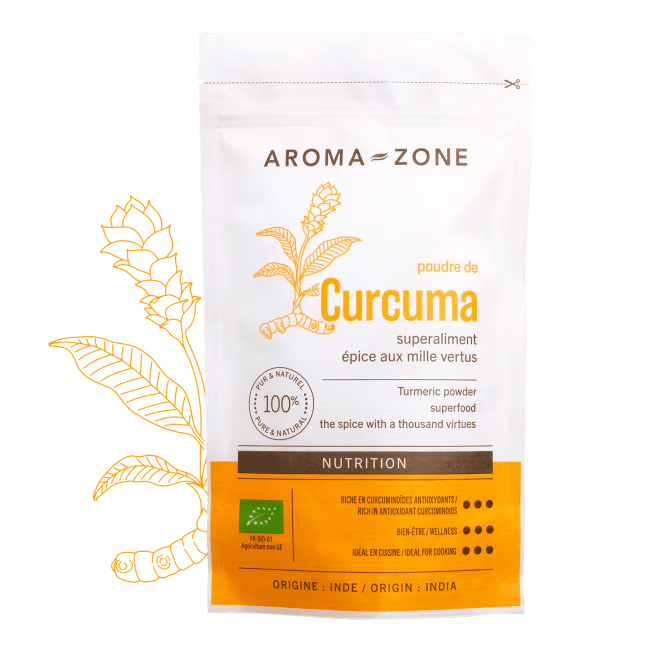
Organic Turmeric Powder
A spice with countless benefits, Turmeric powder is a staple of Ayurvedic tradition and is now widely recognised for its many properties and its richness in anti-inflammatory and antioxidant compounds.
Ethically sourced from small producers in southern India, this high-quality organic Turmeric powder will enhance your dishes with its distinctive flavour and beautiful golden colour.
Baking Soda
Baking soda may also be used as a natural option to help relieve certain symptoms, thanks to its alkalising properties. You can dilute one teaspoon of baking soda in a glass of water and drink this mixture once or twice a day.

Baking Soda (sodium bicarbonate)
A true multi-purpose essential, baking soda, also known as sodium bicarbonate, can be used in cosmetics, cooking, household cleaning, and gardening. It is an alkaline pH adjuster that helps increase the pH of your preparations.
Use it in your bath bomb, toothpaste, and deodorant recipes, in cooking as a raising agent, or around the home as a laundry whitener, scouring powder, deodoriser, and all-purpose cleaner. A must-have for any natural lifestyle routine!
Dietary Supplements
Certain dietary supplements, such as specific probiotics or vitamin C, can be beneficial for restoring the bladder’s flora or supporting immunity during a urinary tract infection. We would like to remind you that it is essential to consult a healthcare professional if symptoms persist for more than two days or if you develop a fever.

Optimized Vitamin C Powder - 150 g - Dietary Supplement
For this Vitamin C powder, we have selected the high-quality PureWay-C® grade, known for its high absorption by the body and good digestive tolerance. This is thanks to the combination of vitamin C with a complex of plant-based lipids and citrus bioflavonoids.
Ideal for supporting immunity before winter or during periods of temporary fatigue, vitamin C is an essential dietary supplement that can be used daily or as part of a short-term boost course.
Our Natural Tips to Help Prevent Urinary Tract Infections
To help prevent urinary tract infections, we recommend adopting a few simple and natural daily habits, including:
Stay hydrated: This is the first step in prevention. Drinking at least 1.5 to 2 litres of water per day helps support the elimination of bacteria through urination.
Maintain good intimate hygiene: We recommend gentle daily intimate cleansing with clear water or very mild, pH-neutral products to help preserve the natural flora. Always remember to wipe from front to back after using the toilet to avoid transferring bacteria from the anus to the urethra.
Choose cotton underwear: Opt for cotton underwear, which is more breathable and gentle on intimate areas. Avoid clothing and underwear that are too tight.
Urinate regularly: Try to urinate regularly throughout the day and avoid holding in urine when you feel the need to go.
After sexual intercourse: Remember to urinate after intercourse to help flush out any bacteria that may have entered the urinary tract.
Support regular bowel movements: Maintaining regular transit can also help prevent urinary tract infections. Constipation may increase pressure on the bladder and promote prolonged contact with intestinal bacteria, which can contribute to the risk of infection.
Adopt a balanced diet: Include a variety of nutrient-rich foods as part of a healthy diet. Fresh aromatic herbs (parsley, chervil, basil, dill, thyme, etc.), garlic, ginger, turmeric, green vegetables (celery, fennel, green beans, etc.), and certain fruits (avocado, banana, pineapple, raisins, dried dates, etc.) can all be part of a balanced eating routine.
Include cranberry: Cranberry juice is often used as part of urinary tract wellness routines. It may help support urinary comfort by limiting bacterial adhesion to the bladder walls. Choose pure, organic, unsweetened cranberry juice for the best quality.
Causes of Urinary Tract Infections
The causes of a urinary tract infection are numerous and can vary depending on a person’s gender, age, and overall health. Among the main causes are:
Bacteria:
The most common cause is the migration of bacteria, particularly Escherichia coli, from the digestive tract to the bladder.
Female anatomy:
In women, the urethra is shorter and closer to the anus, which makes it easier for bacteria to travel up to the bladder.
Prostate inflammation:
In men, prostatitis can contribute to the development of a urinary tract infection (and vice versa).
Urinary problems:
Urinary retention or incomplete voiding can promote the growth and multiplication of bacteria in the bladder and create an environment conducive to urinary tract infections.
Lifestyle-related risk factors:
Constipation, insufficient hydration, poor personal hygiene, use of birth control, diabetes, hormonal disorders, urinary system disorders, pregnancy, or sitting for long periods of time can increase the risk of urinary tract infections.
Immune system disorders:
A weakened immune system can also make it easier for urinary tract infections to develop.
Sexual intercourse:
It can promote the migration of bacteria to the bladder.
The Risks of a Urinary Tract Infection
Although most urinary tract infections are mild, complications can occur if they are not treated properly. The risks associated with an untreated urinary tract infection can be serious. If the infection spreads, it may lead to pyelonephritis, a potentially severe inflammation of the kidneys. Pregnant women should also be particularly vigilant, as some urinary tract infections may increase the risk of premature birth.
Recurrent infections can damage the kidneys, leading to more serious problems. It is therefore essential to take preventive measures and seek prompt treatment for any urinary tract infection.
Spotlight on Our Naturopathic Writer: Stéphanie Catrysse

Stéphanie Catrysse is a naturopath (certified by the FENA), a wellness massage and lymphatic drainage practitioner, and a personal development coach. She is passionate about alternative medicine and practices a holistic approach to health.


Frequently Asked Questions
Associated tips

Intimate care tips

Intimate care tips

Hormonal balance


