
It often starts with an irresistible itching or tingling sensation in the genital area (the vulva, comprising the labia majora and labia minora), sometimes extending to the vagina and cervix. Although very unpleasant, this itching in the genital area, also known as vulvar pruritus, is in most cases harmless.
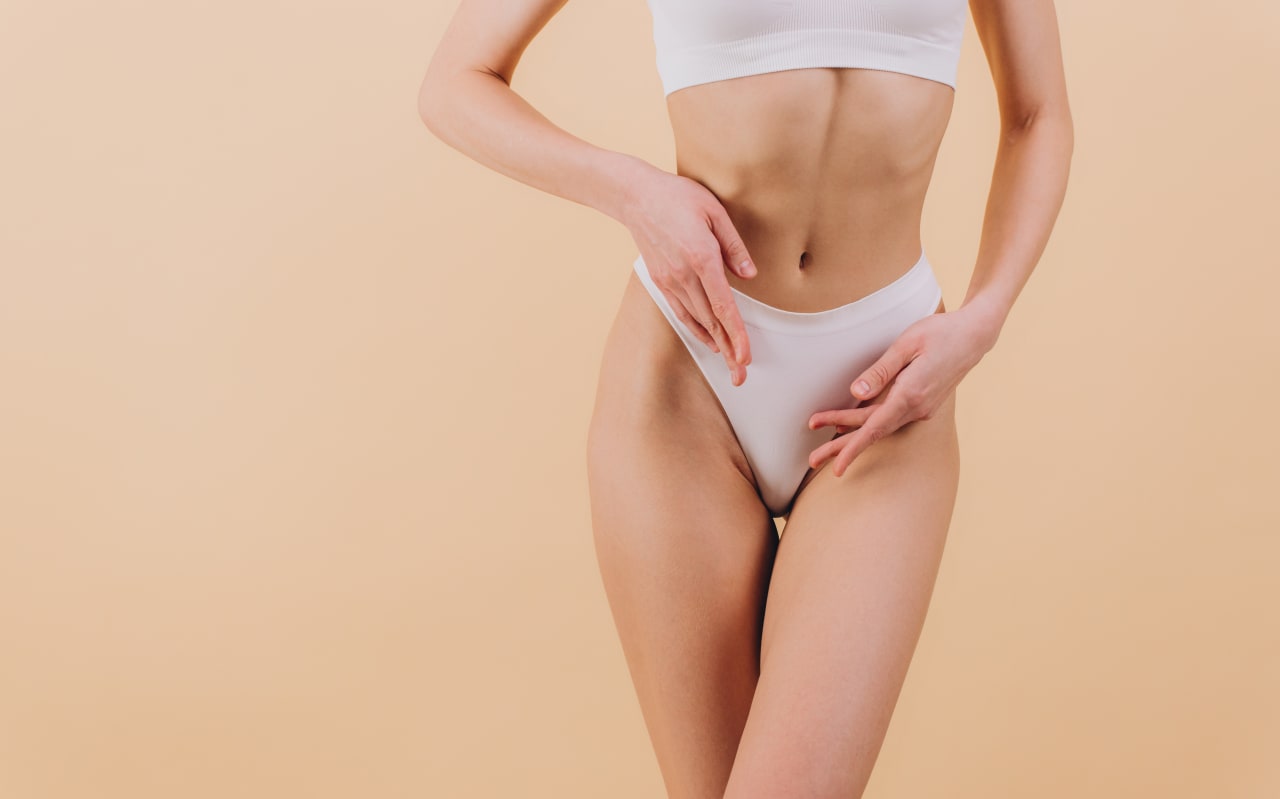
Traditional remedies to soothe intimate itching
By The Aroma-Zone editorial team
Published on: Wednesday, October 18, 2023, Updated on: Wednesday, October 07, 2026
Tingling sensations, irritation, discomfort… Often uncomfortable or even painful, intimate itching can have a variety of causes. While they are no substitute for a visit to a health professional, natural remedies can provide temporary relief. Here's a look at some of the traditional tricks for feeling comfortable again in intimate areas.
Contents
Related products
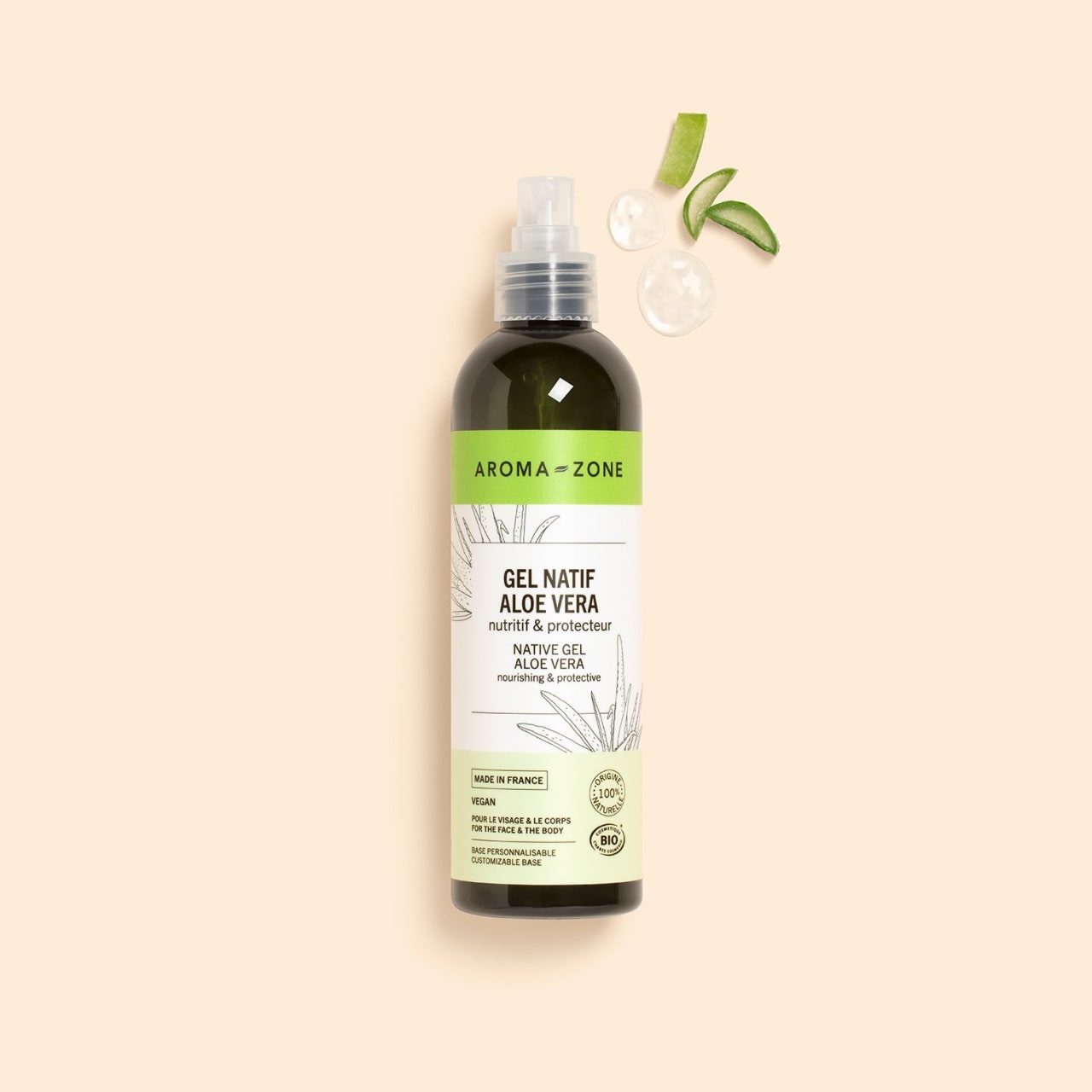
Organic Native Aloe Vera Gel
Protective
Nourishing
£10.00
250 ml
3 options
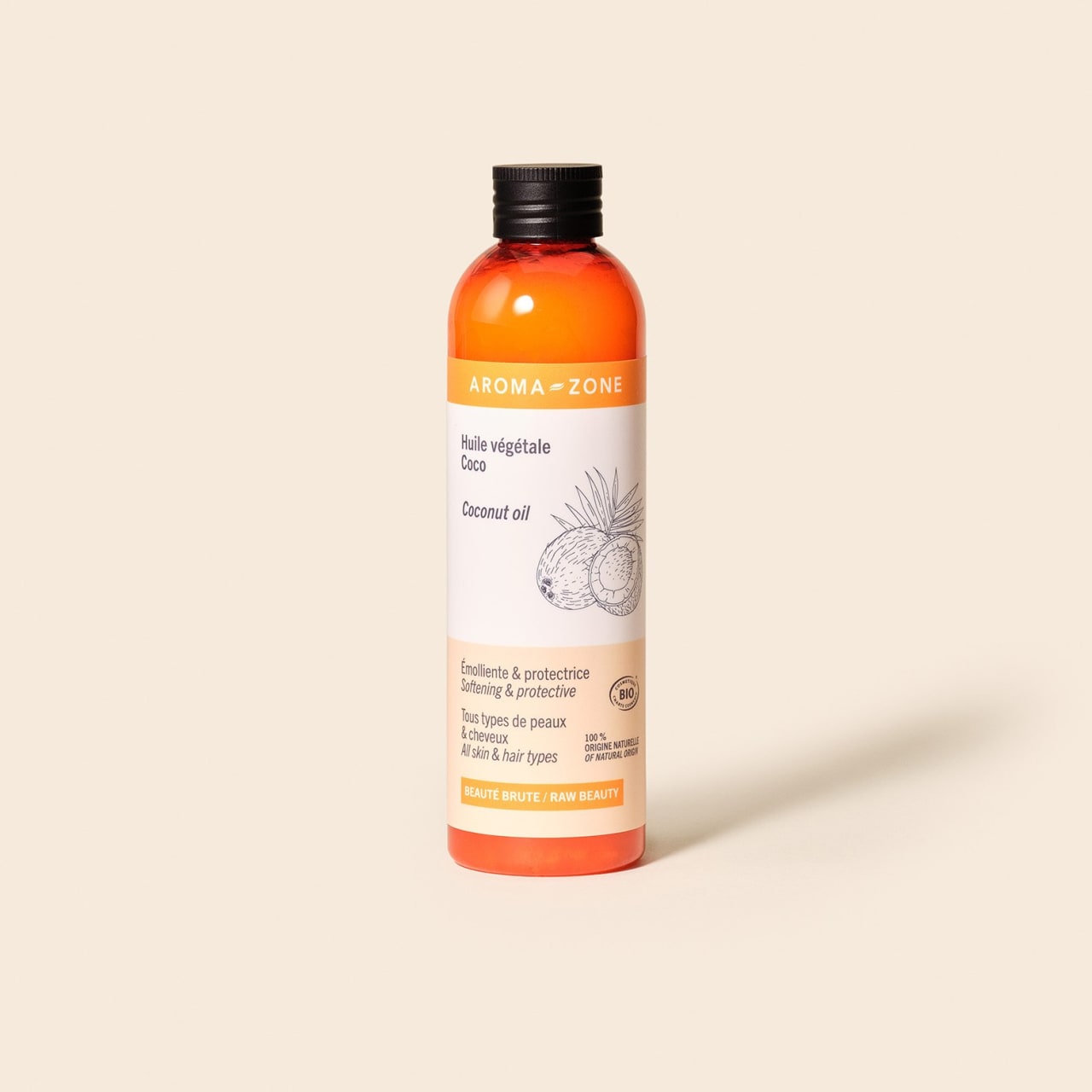
Organic Coconut Oil
Nourishing
Protective
£8.00
250 ml
3 options
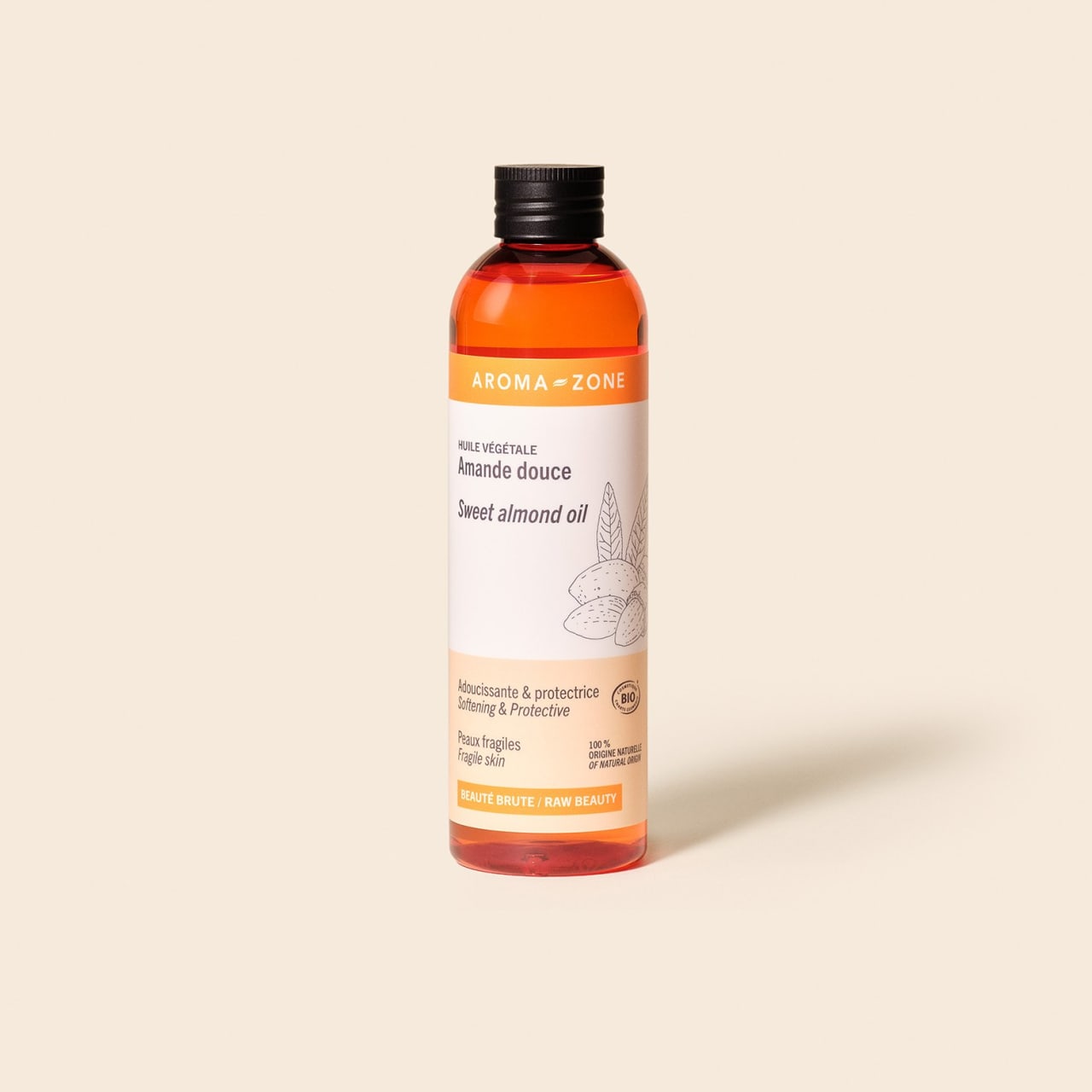
Organic Sweet Almond Oil
Protective
£13.00
250 ml
2 options
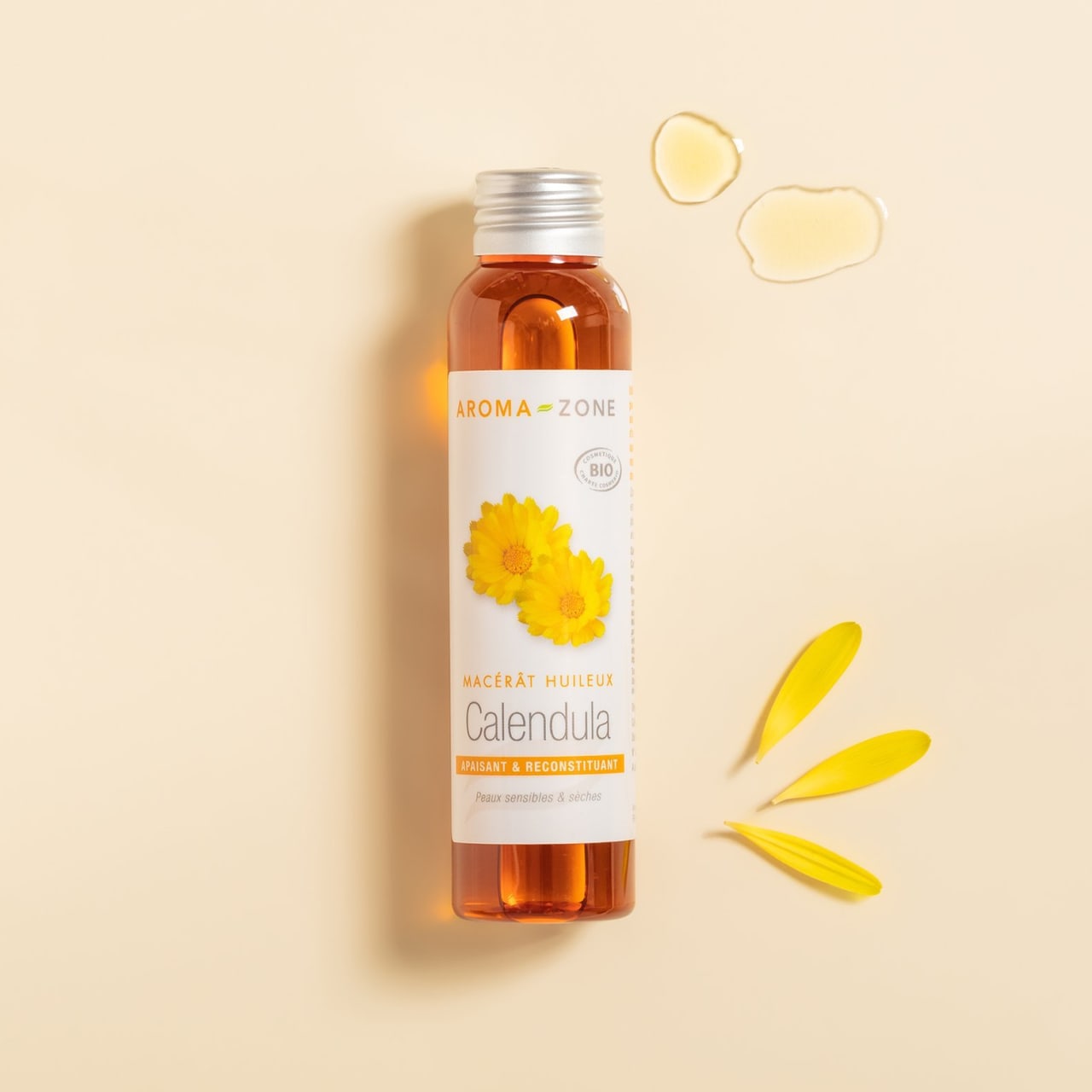
Organic Calendula Infused Oil
Soothing
£6.50
100 ml
2 options
In brief
Les démangeaisons intimes peuvent souvent être soulagées par des remèdes naturels, comme les bains d'avoine, les cataplasmes d'aloe vera ou l'huile de coco.
L’article recommande de privilégier des soins doux comme les huiles végétales et d’adopter des gestes d’hygiène adaptés, tels que le port de sous-vêtements en coton.
Des précisions sont apportées dans l’article sur l’importance de consulter un professionnel de santé en cas de symptômes persistants, de douleurs ou de pertes vaginales abondantes et inhabituelles.
What is intimate itching and when should you seek medical advice?
What are the main causes of intimate itching?
Vaginal yeast infection: These are caused by a yeast infection. They develop when the body’s defences are weakened or compromised. In conditions that favour their growth (heat, moisture, acidic pH), the fungi proliferate and can cause significant discomfort. Vulvovaginal thrush causes itching and irritation. It can also lead to the production of white discharge. (1)
STIs, sexually transmitted infections: chlamydia, gonorrhoea, mycoplasma, syphilis, herpes… these are caused by pathogenic microorganisms (bacteria, viruses, yeast). Transmitted through skin-to-skin contact during sexual intercourse, these infections can lead to vulvar itching or bacterial vaginosis.
Hormonal imbalances: Hormones play a vital role in regulating women’s genital health. Menstrual cycles, pregnancy or the menopause can upset the balance of the vaginal flora, leading to vaginal dryness, skin sensitivity and irritation.
Skin irritation: Unsuitable hygiene products and synthetic underwear can also cause skin reactions and itching. Shaving, hair removal, sanitary tampons and repeated rubbing can irritate the skin and cause itching.
Diabetes can cause vaginal dryness, thereby increasing the risk of fungal infections and yeast infections.
Natural remedies to relieve intimate irritation
When should you seek medical advice?
If you experience persistent itching, a burning sensation, pelvic pain or heavy or unusual vaginal discharge (curdled milk-like appearance, pungent odour), it is essential to make an appointment with a healthcare professional.
General precautions
Ensure you use solutions with a pH close to that of the vaginal mucosa (i.e. slightly acidic). Vegetable oils, for example, do not alter the pH of the vagina, which helps to maintain good vaginal health. For other solutions, a pH between 4 and 5 preserves the vagina’s acidity and maintains the health of the microbiota.
Aloe vera poultice
As soon as the first signs of irritation appear, apply a small amount of aloe vera gel to the mucous membranes. Its healing and anti-inflammatory properties relieve itching and reduce inflammation.
Soothing and moisturising, Aloe vera gel is ideal for sensitive skin. Given its well-known healing, moisturising and anti-inflammatory properties, combined with its potential oestrogenic effect, aloe vera gel has been studied in comparison with oestrogen-based vaginal creams. These studies have shown that aloe vera gel can be just as effective as oestrogen-based vaginal creams in managing vaginal atrophy in postmenopausal women, for example. (2)(3)
Oatmeal baths for itching
A cereal with a thousand virtues, colloidal oat powder can be added to bath water. Soak for 15 to 20 minutes to soothe the itching. (4)
Coconut oil, a natural lubricant
It protects the vagina and mucous membranes and can also be used as a lubricant during sexual intercourse. With its antifungal and antibacterial properties, it is also effective against yeast infections. Use for intimate hygiene with a soaked flannel. (5)
Remember to wear cotton underwear
Replace your synthetic underwear with cotton knickers – preferably organic – a natural material that allows the mucous membranes to breathe more easily.
Bibliography
The Essential Oils Home Remedy Guide J Axe, J Rubin, T Bollinger - 2020
https://books.google.fr/books?hl=fr&lr=&id=iEFUEAAAQBAJ&oi=fnd&pg=PT7&dq=+vaginal+thrush+home+remedy&ots=L0NXo9ak8v&sig=7sdhJTFTzuXtH94LUK1p9aqf87c&redir_esc=y#v=onepage&q=vaginal%20thrush%20home%20remedy&f=false
Genital infections in girls
https://link.springer.com/chapter/10.1007/978-2-8178-0358-6_10
Loss infection in women
https://dspace.univ-adrar.edu.dz/jspui/handle/123456789/7907



