
Menopause is a natural stage in a woman’s life, marked by the permanent cessation of menstrual cycles due to the gradual decline in hormone production (estrogen and progesterone). It typically occurs around age 50, but the age of onset can vary. This transition is sometimes accompanied by physical or emotional symptoms such as hot flushes, night sweats, sleep disturbances, increased fatigue, dry skin or vaginal dryness, or changes in body shape. In the long term, declining oestrogen levels can weaken bone density and increase the risk of osteoporosis, making it essential to ensure an adequate intake of calcium and Vitamin D. It can also affect the cardiovascular system, making a balanced diet, regular physical activity, and a healthy lifestyle important. Menopause is not a disease, but a period of transformation that requires special attention to preserve overall well-being, vitality, and long-term health.

Menopause Diet: Building Your Weekly Meal Plans Step by Step
Published on: Thursday, September 25, 2025, Updated on: Wednesday, October 28, 2026
Are you looking for a weekly meal plan as part of a special menopause diet? At this stage of life, diet and nutrition becomes a true ally in maintaining your balance. When planned well, meals can help you better manage hormonal fluctuations, energy levels, and weight. What nutritional choices should you make to feel good every day? This guide offers simple, natural guidelines to help you plan your meals with confidence, day after day.
Contents
Related products
Natural defenses
Bone health
£10.00
10 ml
Vitality
£7.00
200 g
What is Menopause?
Why Follow a Diet Tailored to Menopause?
A menu tailored to menopause is based on simple, varied meals rich in key nutrients. The goal isn’t to restrict, but to support the body during this hormonal transition. Each day includes sources of lean protein, fibre, healthy fats, and essential micronutrients such as calcium, Magnesium, or Vitamin D. Planning your meals for the week helps you better manage your appetite, energy levels, and any discomforts associated with this time. This type of meal plan provides a stable foundation for regaining balance, without frustration or overindulgence. Here are the main benefits of such a meal plan:
Managing Your Weight During Menopause
The natural decline in oestrogen can slow down your metabolism and contribute to weight gain, particularly around the abdomen. A menopause-friendly diet, rich in fibre, high-quality protein, and low-glycemic-index foods, helps regulate satiety and prevent blood sugar fluctuations. The goal here is to restore a balanced relationship with food, without excessive restrictions.
To Balance Your Nutritional Intake
As we age, our nutritional needs change: calcium, magnesium, omega-3s, and Vitamin B9 and Vitamin D play a key role in maintaining vitality. A well-planned weekly menu helps prevent deficiencies while providing the nutrients essential for the body’s optimal functioning. This rebalancing can be achieved simply, using seasonal and minimally processed foods.
To Reduce Discomforts Associated with Hormonal Changes
Hot flushes, sleep disturbances, and fatigue are common menopausal symptoms. Some menopausal symptoms may be supported through dietary and lifestyle choices. Incorporating certain nutrient-rich foods into your diet can help support overall well-being during this transition. Combined with adequate hydration and a consistent routine, a balanced diet may help you maintain your well-being during this natural stage of life.
What Benefits Can You Expect from a Weekly Meal Plan Designed for a Menopause-Friendly Diet?
A weekly meal plan designed to support menopause can contribute to better overall balance. Among the observed benefits:
Better hormonal regulation aiming for balance, particularly through intake of omega-3s, magnesium, and calcium
More stable appetite and satiety management limiting cravings and snacking
Support for muscle mass through protein distributed evenly throughout the day
Smoother digestion aided by fibre and adequate hydration
Improved sleep quality with light evening meals rich in calming nutrients
A daily energy boost by preventing deficiencies and blood sugar imbalances
Who Is This Type of Dietary Programme For?
Every woman experiences menopause differently. This type of dietary programme allows you to better address specific needs according to the stages of your hormonal life. It offers a flexible, natural, and adaptable framework, tailored to different situations:
For Women in Perimenopause
Premenopause, or perimenopause, marks the first signs of hormonal changes, including fatigue, menstrual irregularities, and localised weight gain. A balanced diet at this stage helps prevent imbalances and maintain a healthy energy level. It’s also an ideal time to establish sustainable eating habits.
For Women in Established Menopause
Once menopause is confirmed, the body enters a new phase. The need for calcium, magnesium, Vitamin D, and essential fatty acids becomes a priority. A structured eating plan helps support metabolic functions, reduce certain discomfort (digestion, sleep), and maintain vitality in daily life.
For Those Who Want to Prevent Weight Gain
Even without any specific discomfort, it’s common to notice changes in body shape starting around age 45–50. A well-planned weekly menu, rich in fibre, plant-based proteins, and low-glycemic-index foods, helps stabilize weight naturally, without a strict diet. It offers simple guidelines for eating better, without frustration.
Which Foods Should You Prioritize to Support Menopause?
During menopause, food choices play a central role in maintaining the body’s balance. Certain food groups are particularly beneficial to meet the specific needs of this period:
Lean Proteins
Protein is essential for maintaining muscle mass, which often weakens with age. Prioritize: eggs, legumes, fish, poultry, and tofu. These help strengthen tissues, promote satiety, and prevent loss of muscle tone. Spread out throughout the day, they contribute to a more stable body composition and better recovery.
Fibre
Fibre aids digestion, regulates bowel movements, and helps maintain blood sugar balance. It is found in fresh fruits, seasonal vegetables, legumes, and wholegrains (oats, quinoa, brown rice, etc.). In addition to supporting gut flora, it contributes to a lasting feeling of fullness, which is essential for limiting snacking and maintaining digestive comfort.
Healthy Fats
Contrary to popular belief, high-quality fats are essential for hormonal balance. Omega-3s, found in flaxseeds, walnuts, and small fatty fish, support cognitive and cardiovascular function. Extra virgin olive oil, almonds, hazelnuts, and other nuts and seeds round out this intake of beneficial fats. When incorporated in moderation, they promote satiety and a healthy glow.
What Foods Should You Avoid During Menopause?
Rather than banning foods, the goal is to identify which ones to limit to better support your body during menopause. Certain more inflammatory foods can exacerbate hormonal imbalances, disrupt digestion, or promote weight gain. Reducing your intake of these foods helps you better manage your energy levels, sleep, and digestive comfort:
Fast-acting sugars found in pastries, sugary drinks, or processed cereals, can cause fluctuations in blood sugar, increase fatigue, and trigger cravings
Ultra-processed foods often high in additives, salt, and saturated fats, disrupt nutritional balance and promote low-grade inflammation
Excess saturated fats found in deli meats, fried foods, or prepared meals, can impair lipid metabolism and worsen certain cardiovascular issues
Caffeine and alcohol, when consumed in excess, can disrupt sleep, exacerbate hot flashes, or upset hormonal balance
The goal is not exclusion, but conscious moderation, favoring more natural, gentle, and nourishing alternatives.
What Eating Routine Should You Adopt to Support Menopause?
Example of an ideal, balanced breakfast | Oatmeal porridge with chia seeds, yoghurt, and chocolate chips A spoonful of almond butter Fresh seasonal fruit Organic matcha tea This complete breakfast helps you start the day with energy, stability, and a feeling of fullness. Oatmeal provides complex carbohydrates, which help prevent blood sugar spikes. Chia seeds and nuts are rich in fibre, omega-3s, and plant-based protein, promoting satiety and digestive comfort. Almond butter and dark chocolate chips, rich in magnesium, support healthy nervous system function—a valuable boost during periods of temporary fatigue, stress, or sleep disturbances, which are common during menopause. Fresh fruit adds vitamins and antioxidants to this meal, while yoghurt provides calcium. Finally, matcha tea, a mild natural stimulant, helps you stay focused without feeling jittery throughout the morning. |
Example of a suitable lunch | Fatty fish (sardines, mackerel) or grilled tofu Steamed seasonal vegetables (spinach, carrots, broccoli, cabbage, etc.) A serving of wholegrain starch (quinoa, sweet potato, brown rice, buckwheat) Extra virgin olive oil for dressing Fresh seasonal fruit 15 to 20 minutes of sun exposure or a Vitamin D supplement This lunch combines high-quality protein, soluble fibre, complex carbohydrates, and healthy fats to support energy levels and metabolic balance during menopause. Fatty fish helps maintain muscle mass and supports the nervous system. Vitamin D plays a central role here in facilitating calcium absorption. Moderate sun exposure (15 to 20 minutes a day) is often sufficient, but if levels are insufficient, supplementation may be considered. |
Example of a light and satisfying dinner | Seasonal vegetable broth with legumes (red beans, lentils, chickpeas, etc.) Wholegrain bread slices with sesame paste or a piece of cheese Seasonal berries Relaxing herbal tea or hot beverage without sugar This dinner offers a soothing and easily digestible way to end the day. Cooked vegetables aid digestion while providing gentle fibre. Sesame paste (tahini), rich in healthy fats and calcium, promotes satiety while supporting bone health. Finally, a relaxing herbal tea helps release tension and promotes restful sleep, which is essential for hormonal well-being. |
How Can You Adapt This Sample Menu for the Entire Week?
To adapt a sample menu for the entire week, the key is to think in terms of major food groups rather than set recipes. The idea is to maintain a stable structure, including protein, fibre, complex carbohydrates, and healthy fats, while varying the sources to benefit from a broader nutritional range. Alternating protein types (fish, poultry, legumes, eggs, etc.), diversifying vegetables according to the seasons, and varying wholegrain starchy foods helps prevent monotony and nutritional deficiencies. Balance is also built on distribution: make sure to include a source of calcium and Vitamin D daily, limit ultra-processed foods, and adjust portion sizes based on hunger, activity level, and individual needs. Finally, maintaining some flexibility, for example, by allowing yourself more social meals, promotes long-term adherence and overall well-being.
What Natural Solutions Can Complement a Weekly Menopause Diet Menu?

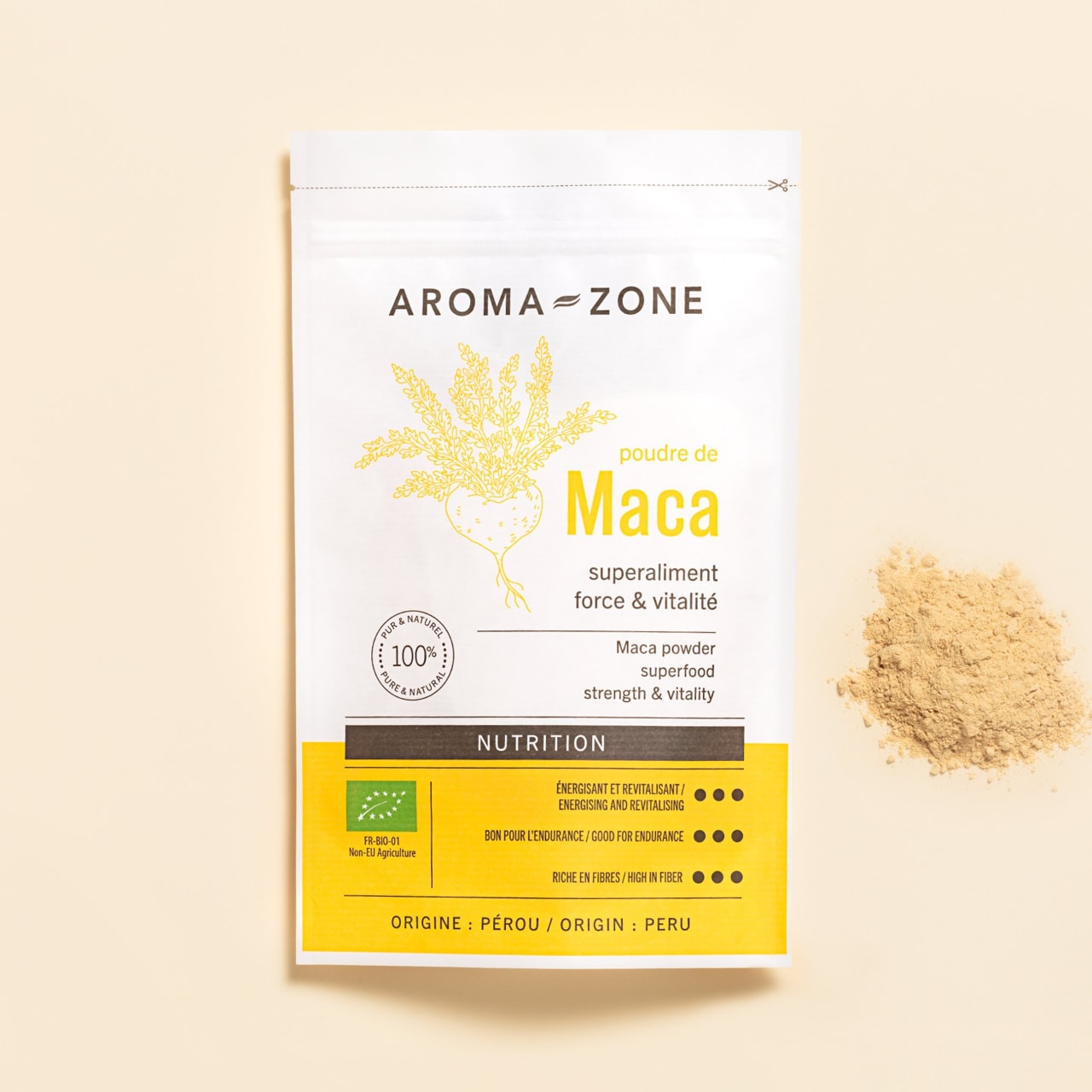
Organic Chia Seeds: highly valued for their nutritional qualities and their effect on digestion, these small seeds, rich in fibre and essential omega-3 fatty acids, are also a valuable source of protein. Additionally, these mucilaginous seeds have the unique property of swelling when exposed to liquid, allowing you to create unique gel-like textures in your recipes. Add 1 to 3 teaspoons of chia seeds (whole or ground) per day (maximum 15g) to your culinary preparations, including breads, cookies, yoghurt, and muesli. Do not exceed 15g of chia seeds per day (about 1.5 to 2 tablespoons).

Organic Matcha Green Tea: With its beautiful green color and grassy, herbal flavor, this Japanese Matcha green tea is enjoyed as a wellness beverage as well as in cooking and consumed for its many health benefits. Packed with powerful antioxidants such as catechins and EGCG, this tea, nicknamed “green gold," is renowned for preserving skin beauty and preventing the effects of natural ageing. Rich in caffeine, Matcha tea is a tonic and revitalizing beverage that perfectly complements your weight-loss regimens. Take 1 teaspoon and stir into a cup of hot water (75°C), ideally using a Matcha whisk (Chasen), or incorporate it into your sweet or savory recipes. Contains caffeine (2.3g/100g). Not recommended for children or pregnant or breastfeeding women.

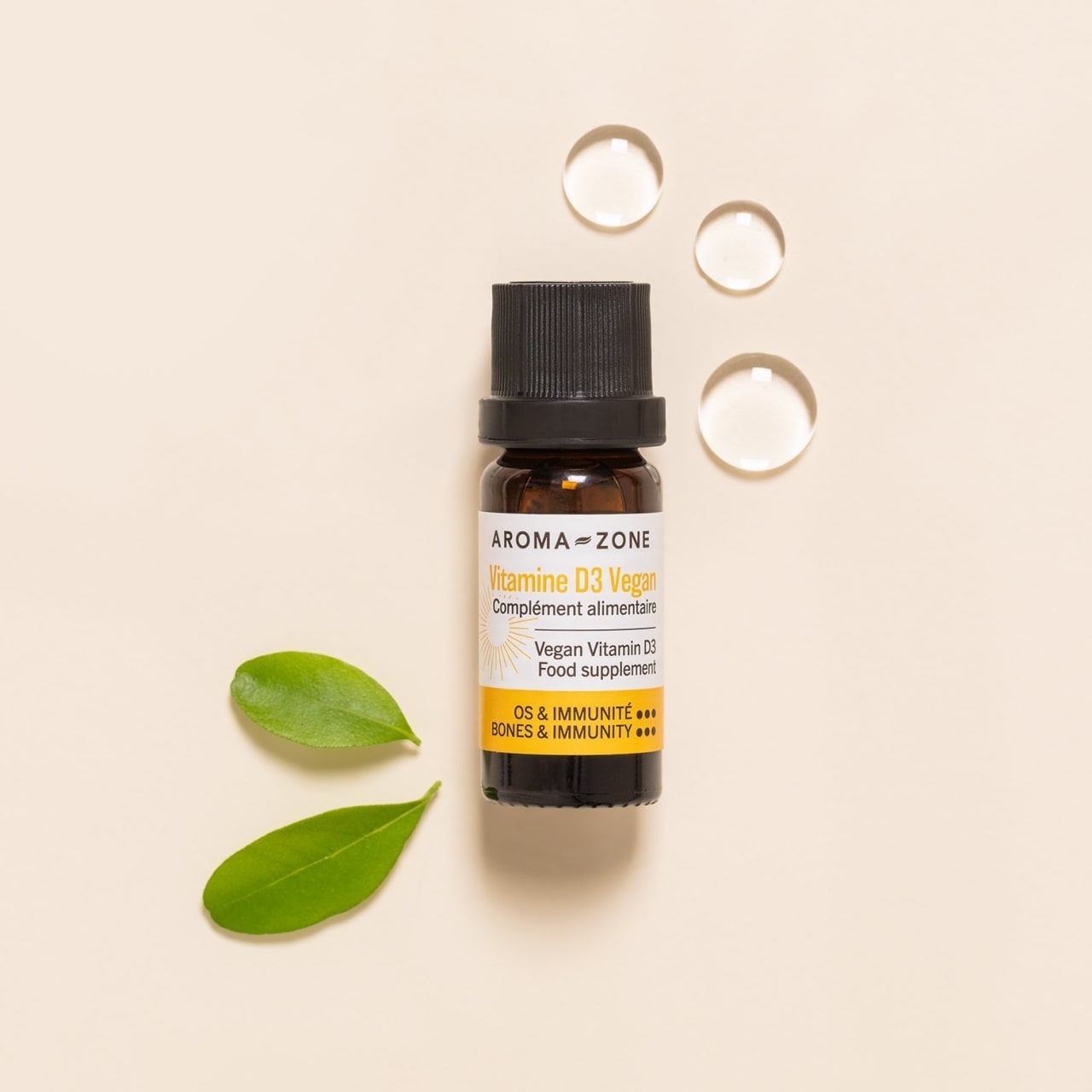
Vegan Vitamin D3: Highly concentrated in naturally sourced, vegan Vitamin D3, this dietary supplement is recommended in particular to support immunity and preserve bone health. Known as the "sunshine vitamin," Vitamin D is particularly recommended when sun exposure is limited. This algae-derived Vitamin D is available in the D3 form, which is best absorbed by the body, and comes as a neutral-tasting oil, dosed in drops for easy intake and free of unnecessary additives. Take 5 drops daily (2000 IU).

Organic Chamomile Dreams Herbal Tea: prized for its mild and comforting taste, Organic Chamomile Dreams herbal tea is perfect for enjoying in the evening to unwind and set the stage for a good night’s sleep. Composed of a blend of organic herbs selected for their relaxing properties and recognized benefits for sleep, its rounded, floral notes of chamomile work wonders to soothe the day’s tensions.
Our Recipes to Try at Home







Precautions
A weekly menu designed for menopause, even when balanced, should be tailored to individual needs and circumstances. Certain practices, particularly if they are too restrictive or poorly supervised, may lead to nutritional imbalances or fatigue. It is best to avoid diets that are very low in calories or completely exclude certain food groups, as they may make it more difficult to meet nutritional needs. Take care with dietary supplements: although they are natural, certain active ingredients may have contraindications, particularly with certain medical treatments or hormone-related conditions. Consult a healthcare professional if you have any doubts, relevant medical history, or unusual symptoms such as persistent fatigue, digestive problems, or significantly disrupted sleep.
Finally, everyone responds differently. Listen to your body, make changes gradually, and follow your own pace when adopting new eating habits.
Expert Advice
During menopause, diet becomes a valuable tool for well-being, provided it is tailored to your needs and consistent. There’s no need to completely overhaul your habits overnight: it’s better to start with simple adjustments, such as cutting back on ultra-processed foods, prioritising whole foods, and establishing a steady eating routine. The key is to stay attuned to your body and your needs: every woman experiences this period differently. A balanced weekly menu, rich in fibre, plant-based proteins, healthy fats, and micronutrients, can truly make a difference. Combined with good sleep, gentle physical activity, and moments of calm, it helps restore a lasting balance, without frustration.
Spotlight on Our Nutrition and Food Expert, Marie-Anne Vion

Faced with digestive disorders such as IBS and SIBO, Marie-Anne turned to nutrition and natural solutions. Passionate about wellbeing, she is now studying dietetics and nutrition. She shares her expertise through articles that offer accessible advice and insights. Drawn to the brand's natural approach, she helps promote a balanced diet and self-reliance in health matters.
Bibliography
INSERM: https://www.inserm.fr/c-est-quoi/jveux-du-soleil-cest-quoi-la-vitamine-d/#:~:text=En%20attendant%20d'en%20savoir,par%20jours%20est%20g%C3%A9n%C3%A9ralement%20suffisant
ANSES: https://www.anses.fr/fr/content/confinement-assurer-un-apport-suffisant-en-vitamine-d-grace-lalimentation
Ameli: https://www.ameli.fr/assure/sante/themes/menopause/symptomes-diagnostic
Ameli: https://www.ameli.fr/assure/sante/themes/menopause/vivre-lors-menopause#:~:text=Eat%20fish%2C%20vegetables,processed)%20and%20simmered%20in%20sauce


Frequently Asked Questions
Associated tips

Article of the day


