Weight gain during the menopause: what are the solutions to focus on?

Weight gain during the menopause: what are the solutions to focus on?


By Hélène Durand

Published on: Monday, September 01, 2025, Updated on: Wednesday, October 28, 2026

The menopause marks a major milestone in women’s lives. As a time of significant emotional and physical upheaval, it is accompanied by numerous symptoms, which can include weight gain. The distribution of body fat does indeed change in one’s fifties, and fat tends to accumulate around the abdomen.This can be a time when your self-confidence takes a hit, and understanding the phenomenon of weight gain during the menopause and the natural solutions available to combat it can help you cope better with this complex life stage.

Contents

Related products

What is the menopause?

The menopause is a natural process that marks the irreversible end of ovulation and menstrual cycles in women. It results from the ovaries ceasing to produce oestrogen and progesterone. Generally occurring between the ages of 45 and 55, the menopause is medically defined as the complete absence of periods for at least 12 consecutive months. It unfolds in three phases:

  • Perimenopause (or premenopause) : the phase preceding the menopause during which hormone production begins to fluctuate. Menstrual cycles become irregular. It can last for several years before the menopause proper.

  • Menopause: the phase in which periods have completely stopped for 12 months, a sign that the ovaries have ceased to function.

  • Post-menopause: the phase following the menopause during which ovarian activity has ceased permanently. A new hormonal balance is established and some symptoms associated with the menopause may stabilise.

The menopause is a period of major hormonal changes, the symptoms of which vary from one woman to another. Among the most common are: hot flushes, night sweats, sleep disturbances, feelings of tiredness, mood swings, reduced libido, loss of bone density, difficulty concentrating, dry skin and, the subject of this article, weight gain.
Why is weight gain usually associated with the menopause?

The menopause very often leads to weight gain in women. The causes are:

Changes in body fat distribution : the drop in oestrogen, combined with increased lipoprotein lipase activity in the abdominal region, redistributes adipose tissue. Fat is now stored mainly in the abdominal and visceral areas.

A slower metabolism: with age, the basal metabolic rate slows down, meaning the body burns less energy and fewer calories at rest. This reduced energy expenditure leads to fat accumulation and weight gain, even without any change in eating habits.

Loss of muscle mass : ageing, as well as the hormonal imbalance caused by the menopause, leads to a decline in muscle quality and function. This phenomenon promotes fat gain at the expense of muscle.

Cravings: postmenopausal women are particularly prone to fluctuating emotional states (stress, mood swings) and sleep disturbances, which encourage episodes of emotional eating. If left unchecked, these cravings increase calorie intake and can make weight loss difficult. Furthermore, cortisol, the stress hormone, promotes fat storage.

Disturbed satiety: fluctuations in certain hormones, such as leptin and ghrelin, can disrupt the feeling of fullness. Partly due to fatigue, appetite tends to increase, leading to a rise in daily calorie intake.

Water retention: A drop in oestrogen and progesterone disrupts the body’s fluid balance and promotes the accumulation of water and sodium in the tissues. Water retention contributes to a feeling of heaviness and weight gain.

What are the associated symptoms?

Weight gain during the menopause is distinctive:

  • Androideal fat distribution : fat storage shifts from the gynoideal pattern (thighs and buttocks) to the androideal pattern (abdominal area). Weight gain therefore occurs particularly around the stomach, at the expense of the rest of the body.

  • Increased waist circumference: the shift of fat towards the tummy alters the figure and widens the waist.

  • Feeling of heaviness: some women notice visible swelling and a feeling of heaviness linked to water retention.

  • Muscle loss: from the age of 50 onwards, muscle mass and strength decline significantly. This is known as sarcopenia. This phenomenon accentuates physical changes and promotes fat storage at the expense of muscle.

  • Decline in self-esteem: physical changes and weight gain often affect self-confidence and can lead to anxiety or unsettled feelings.

What natural solutions are there to avoid ‘bloating’ during the menopause?

Weight gain linked to the menopause is not inevitable: certain natural solutions can be a great help in everyday life.

Herbal teas to aid drainage and digestion

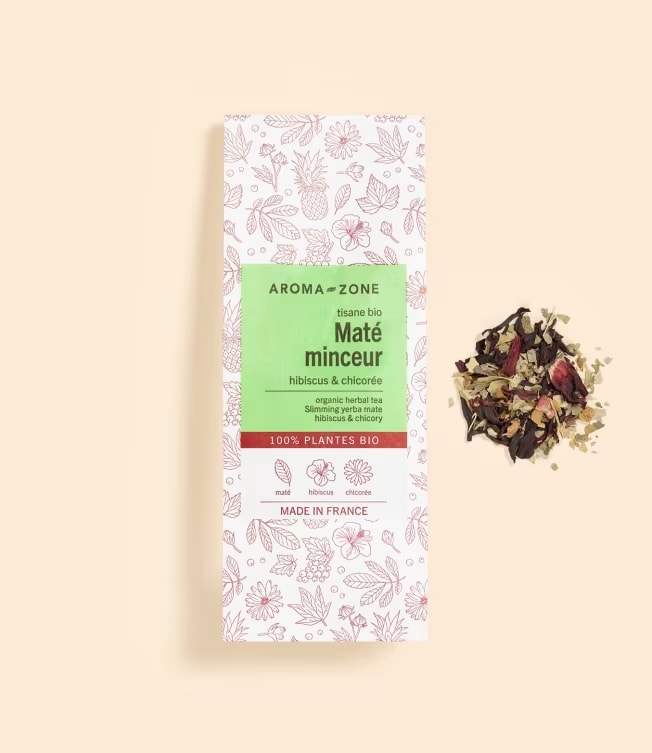
Organic Slimming Maté Herbal Tea

Our Slimming Maté Herbal Tea combines herbs with draining, diuretic and digestive properties. Mate stimulates the metabolism and reduces the intestinal absorption of glucose, whilst hibiscus and blackcurrant leaves help eliminate water and toxins; pineapple and chicory support digestion and bowel function. This blend helps to detoxify the body, prevent water retention and bloating, whilst providing a feeling of lightness.

Discover the Organic Slimming Mate Herbal Tea

Dietary supplements

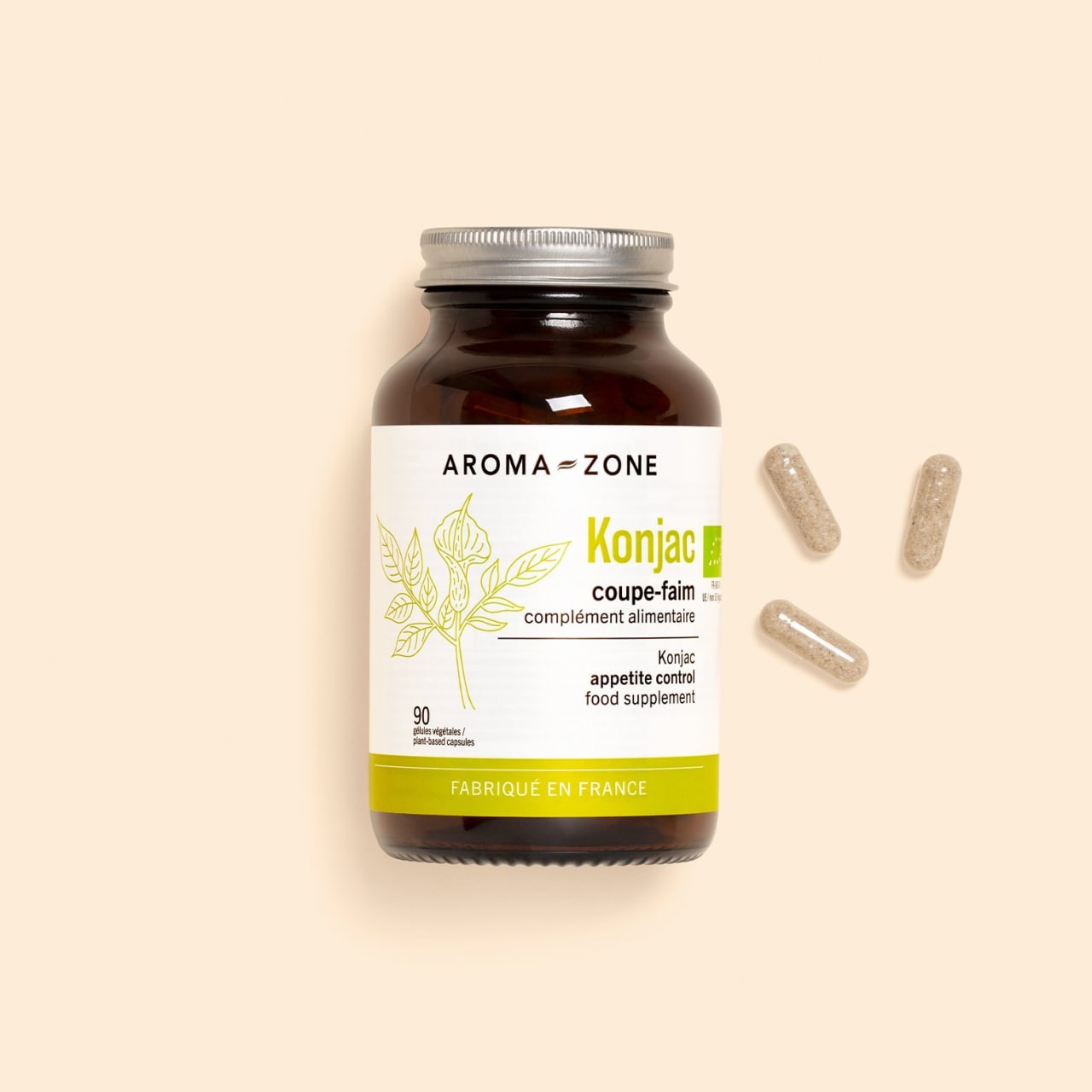
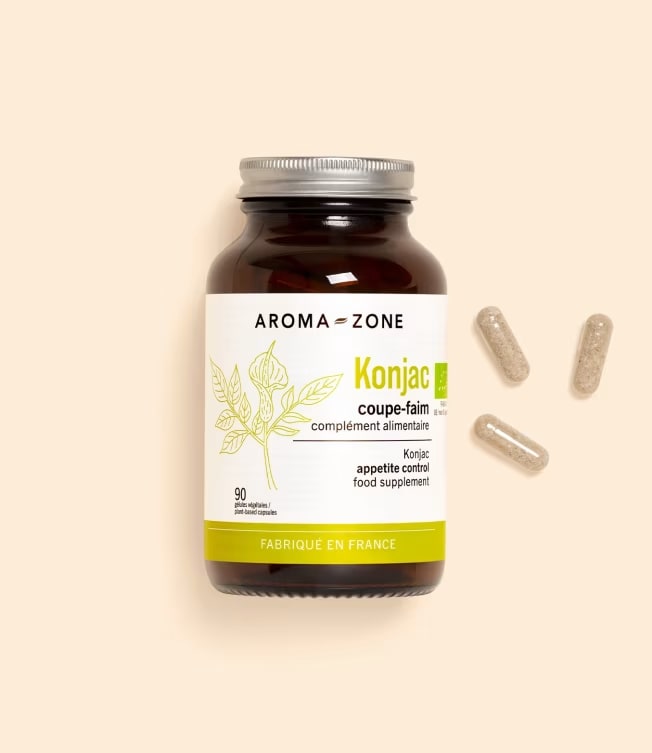
Organic Konjac Appetite Suppressant – 90 capsules – Dietary supplement

The Konjac dietary supplement increases feelings of fullness and reduces appetite. Thanks to its high glucomannan content – a natural fibre that swells in the stomach on contact with water – it helps to reduce cravings and calorie intake whilst promoting regular bowel movements and better digestion. A natural appetite suppressant, Konjac also helps to stabilise blood sugar levels and reduce the body’s absorption of sugars and fats. Take 2 capsules before the day’s three main meals – breakfast, lunch and dinner – with one or two large glasses of water. To ensure Konjac is fully effective, it is important to drink plenty of water whilst taking it. Also remember to stay well hydrated throughout the day. Not recommended for pregnant or breastfeeding women. Not recommended for those with difficulty swallowing. Take separately from any other medication.

Discover the Organic Konjac Appetite Suppressant – 90 capsules – Food supplement

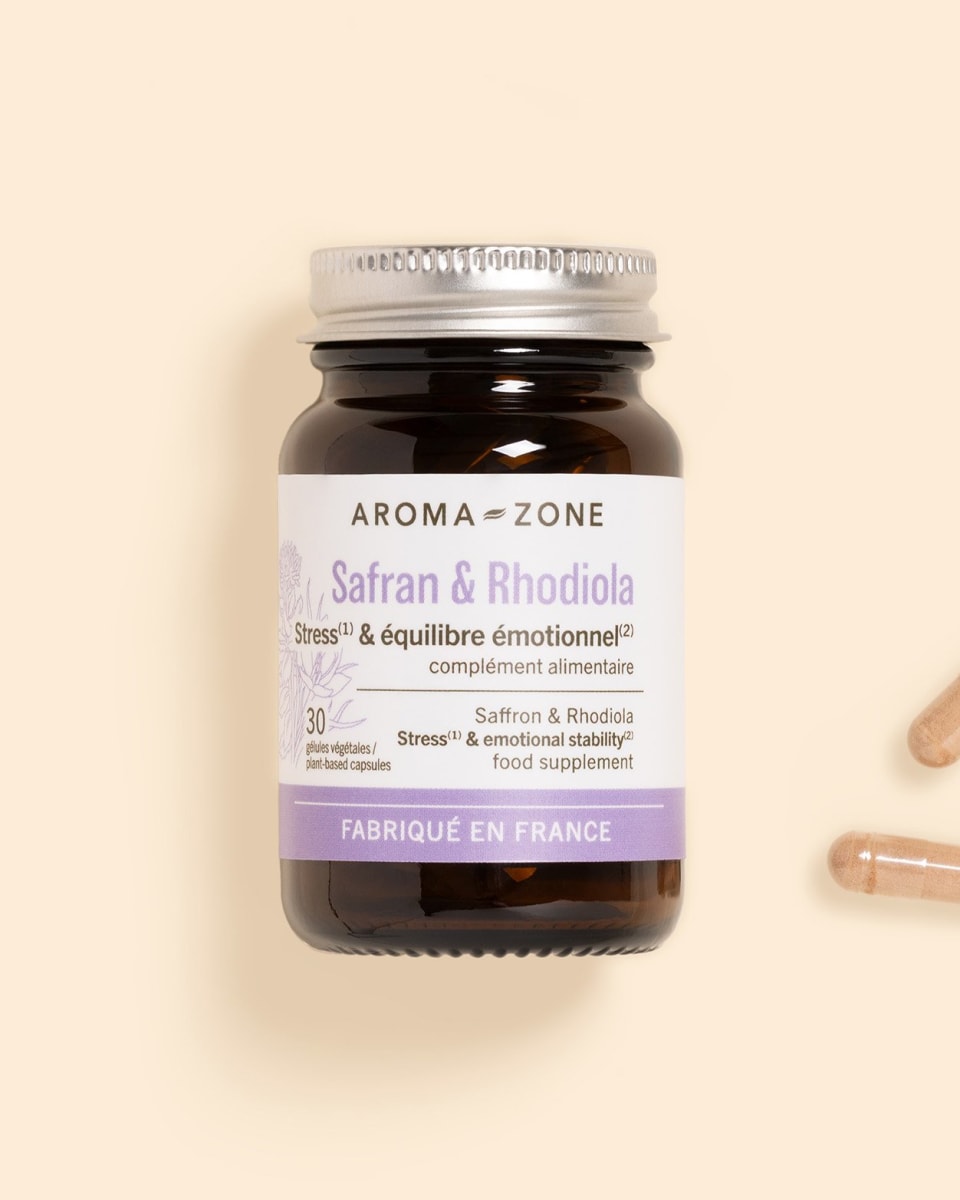
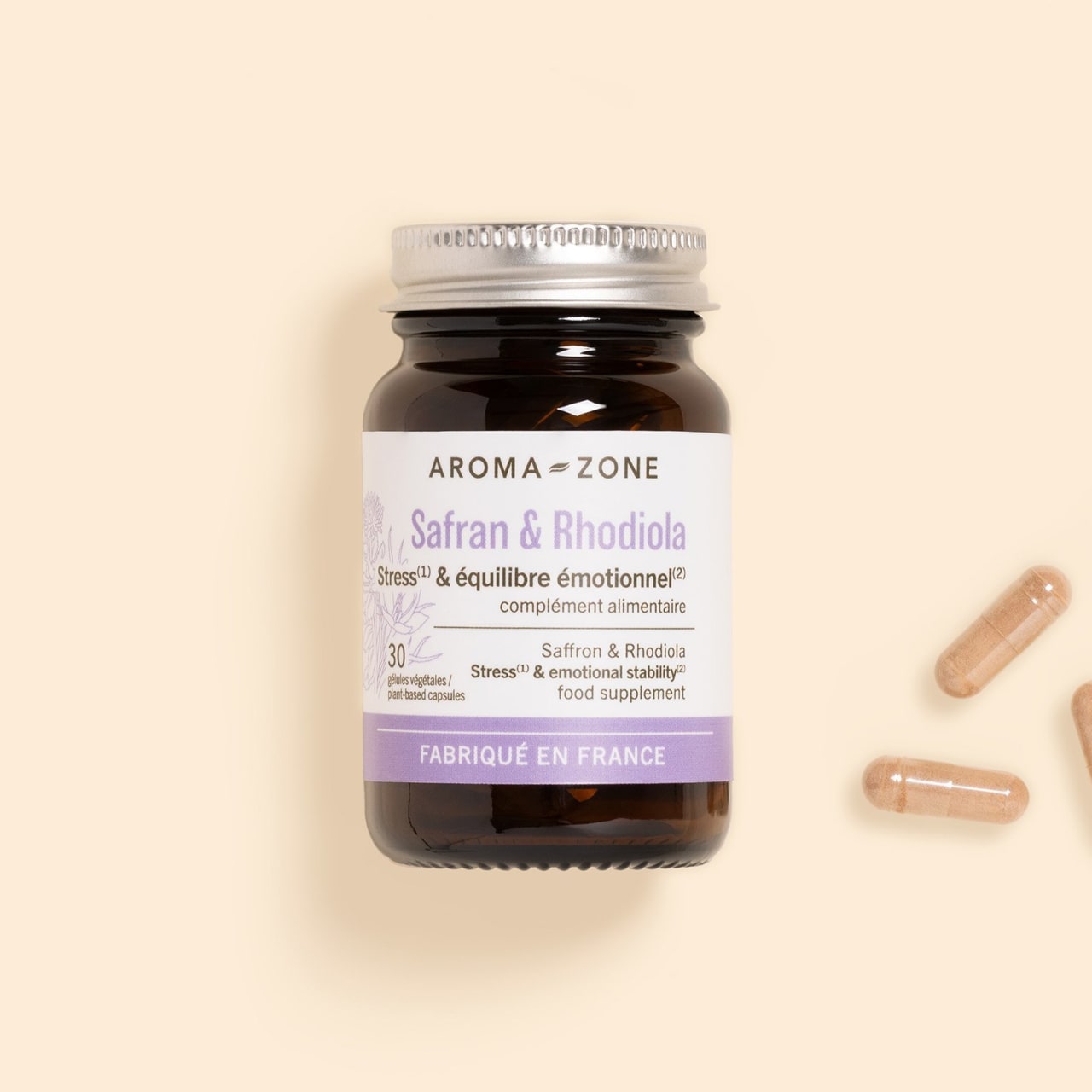
Saffron & Rhodiola – 30 capsules – Dietary supplement

The Aroma-Zone Saffron & Rhodiola dietary supplement also helps with weight management. Rhodiola is an adaptogenic herb that supports the body’s response to stress and regulates the production of cortisol, which is involved in the storage of abdominal fat. By reducing anxiety, fatigue and mood swings – which are often the causes of snacking and emotional eating – Rhodiola boosts energy levels and supports stamina and vitality, thereby making it easier to engage in regular physical activity, which is essential during the menopause to limit weight gain. Take 1 capsule a day, with a glass of water. Do not use during pregnancy or whilst breastfeeding. Not recommended for people taking antidepressants.

Discover Saffron & Rhodiola – 30 capsules – Food supplement

How can you prevent weight gain during menopause?

Weight gain during the menopause can be effectively prevented by taking a few simple steps:

  1. Increase your intake of fibre and vitamins: prioritise fruit, vegetables, whole grains and pulses to improve digestion, regulate bowel movements and reduce chronic fatigue

  2. Opt for foods rich in phytoestrogens: the structure of these foods, such as soya, resembles that of natural oestrogens and helps to relieve the symptoms of the menopause

  3. Prioritise lean proteins: such as fish, eggs and pulses, to maintain muscle mass

  4. Limit fast-acting sugars: saturated fats, ultra-processed foods, sugary drinks and alcohol promote fat storage around the abdomen

  5. Stay well hydrated: drinking 1.5 litres of water a day helps combat water retention and reduces hormonal cravings

  6. Get at least 150 minutes of moderate-intensity exercise per week: brisk walking, cycling, swimming and any other endurance sport boost your metabolism and help create an energy deficit. The type of physical activity should be gradual and tailored to your preferences

  7. Include two weekly strength-training sessions: resistance exercises maintain muscle tone and mass, and help control weight

  8. Prioritise flexibility exercises: balance exercises and activities known to reduce stress, such as yoga or Pilates, help to get the body moving whilst calming the mind

  9. Establish a bedtime routine : switch off screens at least 1 hour before bed, dim the lights and create a calm atmosphere in your bedroom to encourage peaceful sleep and restorative rest. A rested body and mind are less prone to emotional eating and appetite disturbances

  10. Practise relaxation exercises: meditation, deep breathing and paced breathing exercises are recommended for managing stress and preventing eating disorders

  11. Take some time for yourself: even just a few minutes of quiet time, reading or a walk in nature can calm your mind and help you recharge your batteries.

Our healthy recipes to help you through the menopause

Precautions

In the event of rapid or symptom-related weight gain, it is recommended that you seek support from a healthcare professional for personalised care.

Expert advice

Physical changes, such as weight gain, changes in body shape and a reduction in muscle mass, are natural and inevitable as we get older. Being kind to yourself, prioritising comfort, exercise and health rather than strict control over one’s figure, allows us to embrace this stage of life with greater serenity. The menopause can be an opportunity to find a new balance and to listen more closely to your own body.

Spotlight on Our Writer: Hélène Durand

FEATURED PHOTO – Hélène Durand_Ok

With a dual background in literature and marketing, Hélène Durand uses her writing to explore topics that are meaningful to her: natural beauty, well-being, and a healthy lifestyle. Through her articles, she aims to share a supportive perspective and practical advice.

Bibliography

  1. Geneva Foundation for Medical Education and Research, Weight fluctuations during the menopause

    January 2024

  2. Ameli, Menopause: what are the health implications?

    June 2025

  3. Medical Journal of the Geneva University Hospitals, Weight Gain During the Menopause: Physiology and Implications

    March 2024

Frequently Asked Questions

Frequently Asked Questions