How do you make homemade laundry detergent?

How do you make homemade laundry detergent?


By The Aroma-Zone editorial team

Published on: Thursday, August 04, 2022, Updated on: Thursday, October 29, 2026

Reading time: ++4 min

There are various reasons why you might want to make your own laundry detergent, including considerations about its effectiveness, price, impact on skin and ethics. Every year in France, the average household uses 40 litres of commercial washing powder, which is often packed with synthetic fragrances and irritants (1). With a few simple ingredients and a bit of organisation, you can also make your own natural washing liquid in under 20 minutes. From recipes to measurements, find all our tips in this article.

Contents

Related products

Why make your own washing detergent?

Given the number of brands available in supermarkets, you might wonder whether there’s any point in making your own laundry detergent. Here are a few points to add to any thoughts you may already have on the matter.

Fewer unwanted substances for your skin

Conventional washing powders or liquids often contain preservatives, texture enhancers and synthetic fragrances that can irritate sensitive skin. According to the National Consumer Institute, some commercial formulations still contain allergens identified under European regulations (2). By making your own laundry detergent, you know exactly what it contains, helping to reduce your skin’s exposure to unnecessary or potentially irritating substances.

Complete control over the ingredients

This is one of the most tangible benefits of homemade laundry detergent: you choose each ingredient, you control the quantities, and you can tailor your recipe to your needs. Whether you have sensitive skin, a baby at home or a known allergy to a specific ingredient, you can customise the formula to suit you. You can also choose whether or not to add fragrance.

Is homemade laundry detergent really effective?

Yes, provided you measure out your ingredients correctly and follow a few simple rules. Marseille soap is a well-known cleaning agent that cuts through grease and removes most everyday stains. Combined with soda crystals, it boosts the cleaning power of your laundry detergent.

For more stubborn stains such as wine, blood or sweat, pre-washing or soaking the laundry in sodium percarbonate before putting machine washing is recommended.

The key to successful laundry washing is accurate measurements and making sure the ingredients dissolve completely, to avoid leaving residue on your laundry.
What are the benefits of making your own laundry detergent?

  • Transparent ingredients: You know exactly what’s in it

  • An attractive price: Homemade washing detergent costs between €0.50 and €1 per litre, compared with €3-€8 for conventional products

  • Unlimited customisation: You can adapt the recipe to suit your skin or laundry

  • Doing your bit for the planet: You can refill the same container each time you make a batch, reducing the plastic waste generated by shop-bought products. For a durable container, opt for glass

  • Quick to make: most recipes take just 15-20 minutes

  • A fun activity: You can make your own mixtures with your children, provided they are supervised by an adult and are wearing suitable protective equipment, such as gloves.

Take a closer look at our tips for natural home cleaning.

What ingredients are essential for homemade laundry detergent?

Before you start making your own, it’s important to understand the role of each ingredient. Not all of them do the same thing, and some shouldn’t be mixed together.

catalogue_marseille-soap-flakes_1_1

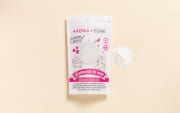
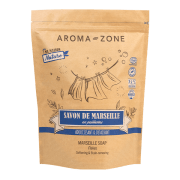
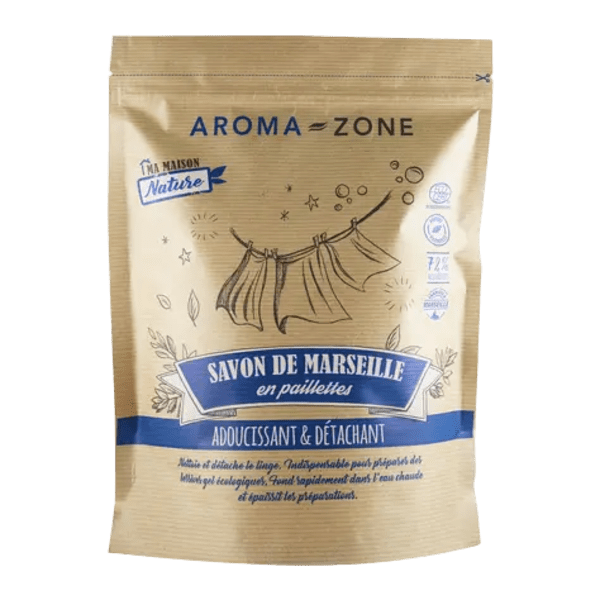
Marseille soap

Marseille soap forms the basis of most homemade laundry detergent recipes. Marseille soap flakes clean, remove grease and tackle everyday dirt. If you use washable nappies, choose a soap without added glycerine, as this can clog the absorbent layer.

If you have hard water, feel free to reduce the amount of Marseille soap slightly to avoid the ‘soap film’ that can form on your laundry. This is a whitish deposit caused by the soap. If it occurs, you can add a glass of white vinegar to your washing machine’s fabric softener compartment to minimise the effect.

Precautions: Keep out of reach of children; do not swallow. Avoid contact with eyes.

Discover our palm-free Marseille soap flakes

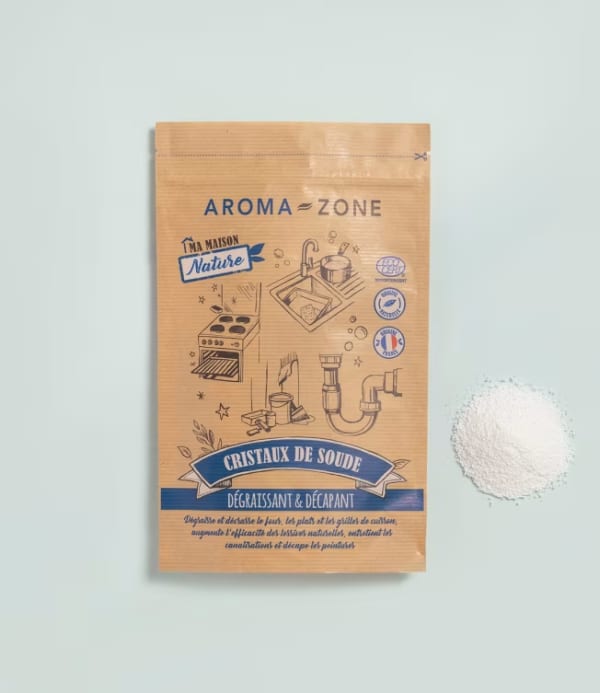
Soda crystals – Eco-detergent

Soda crystals

Soda crystals boost the cleaning power of your laundry detergent by raising the pH of the wash water. They help dissolve grease and neutralise unpleasant odours.

Precautions: Soda crystals can irritate the skin and eyes. Wear gloves when handling them and keep out of reach of children.

Discover our Ecodétergent soda crystals

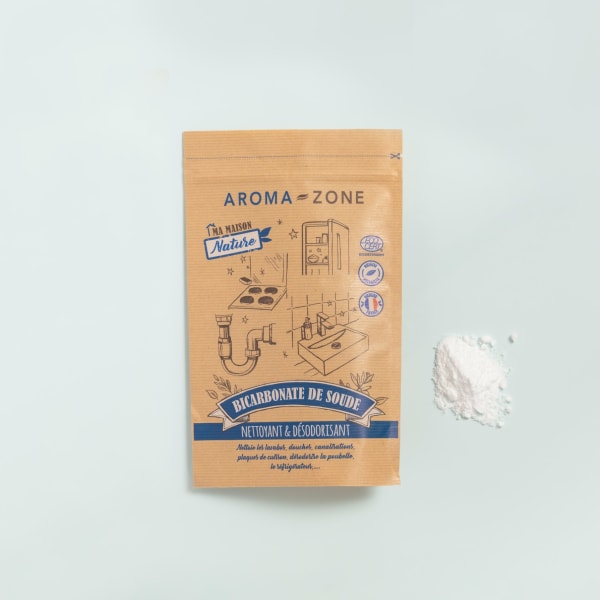
Bicarbonate of soda Ecodétergent 500g

Bicarbonate of soda

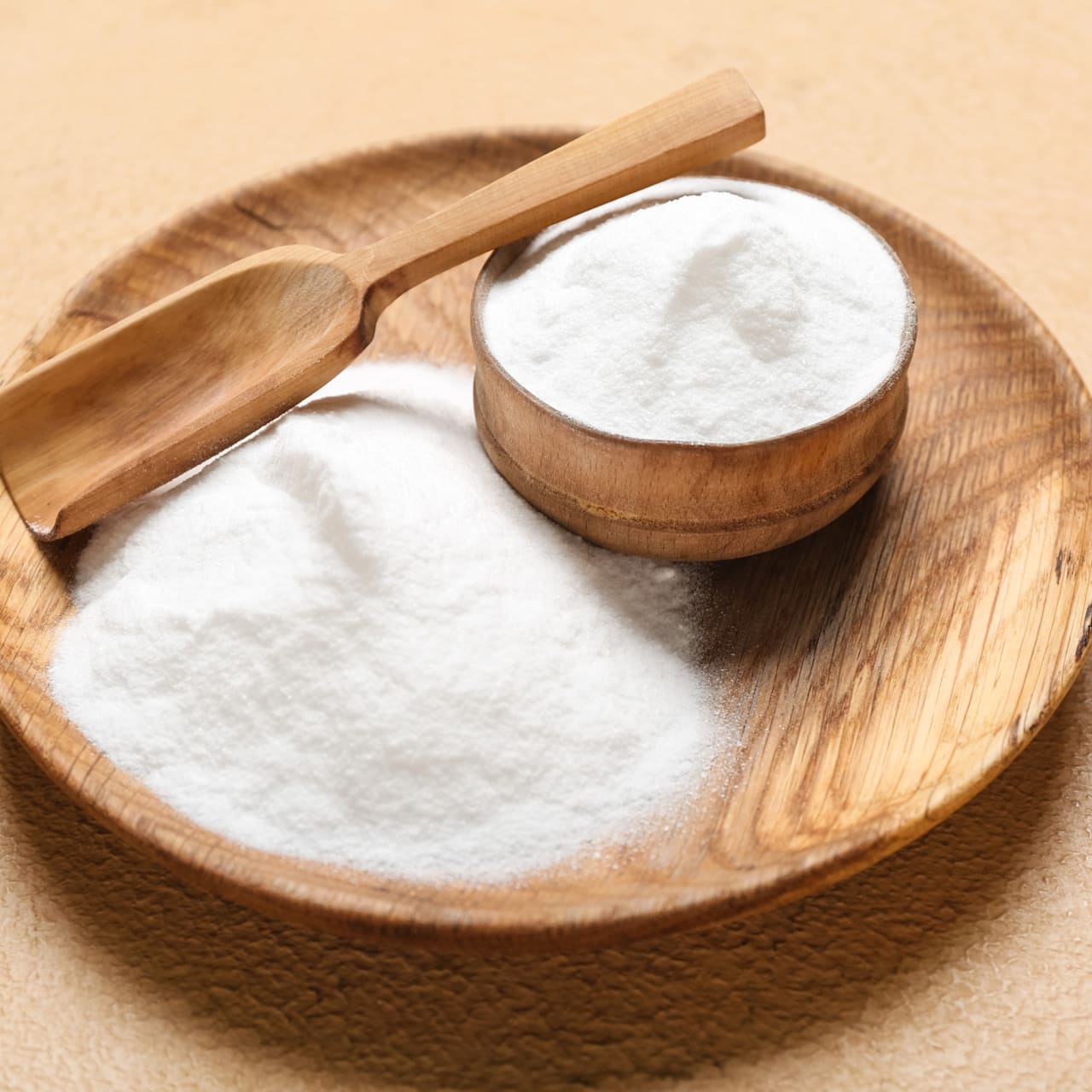
An essential ingredient in DIY household products, bicarbonate of soda is a natural deodoriser. It complements the action of soap against stubborn odours and helps rinse away any soap residue left on the laundry.

Precautions: Do not confuse bicarbonate of soda with soda crystals. Bicarbonate of soda is gentler, but also less effective as a detergent. Keep out of reach of children and avoid contact with the eyes.

Discover our Ecodétergent bicarbonate of soda

Sodium percarbonate

Sodium percarbonate is ideal for whitening laundry. It tackles organic stains such as tea, coffee, wine, blood and grass. On contact with hot water, it releases active oxygen, which gives it its whitening and stain-removing properties.

Precautions: Do not use on pale-coloured or delicate fabrics such as silk or wool, as it may cause fading.

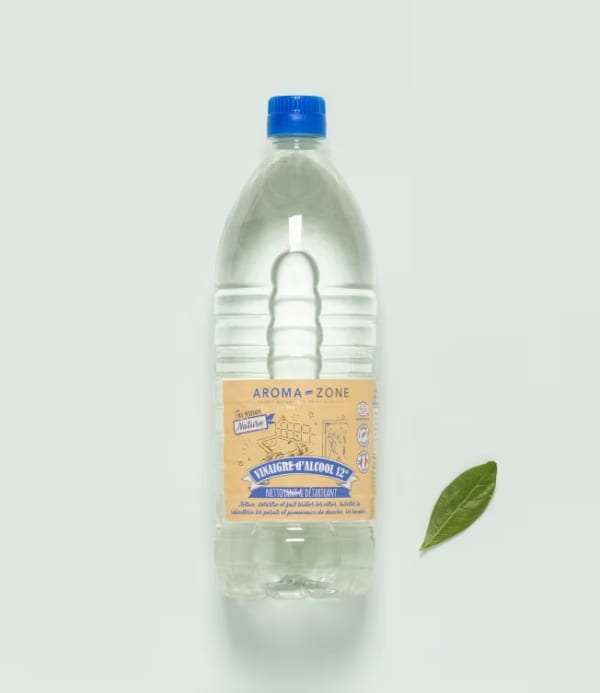
12° Alcoholic Vinegar Eco-detergent

White vinegar

White vinegar can be used as a natural fabric softener. Add it directly to the designated compartment of your washing machine. It helps dissolve limescale and soap residue, leaving laundry softer. Never mix white vinegar directly with soap or soda crystals when preparing your detergent. The acid in the vinegar neutralises the alkaline action of the other ingredients, rendering the mixture ineffective.

Precautions: Keep out of reach of children. Avoid contact with eyes and skin. Do not use at the same time as products containing chlorine, such as bleach.

Discover our 12° Ecodétergent spirit vinegar

How to make an effective homemade laundry detergent

Now that we’ve covered the main ingredients, here’s how to make your own laundry detergent.

  1. Heat some water. It doesn’t need to boil. A temperature of 60–80°C is sufficient

  2. Add the soap flakes and stir until they have dissolved completely

  3. Add the powder mixture. Stir in the soda crystals and bicarbonate of soda

  4. Add fragrance, if desired. A few drops of essential oil or extract can scent your detergent. Be aware that some fragrances may stain fabrics. Essential oils should only be handled by adults. Avoid contact with the eyes

  5. Leave to cool, then transfer to a clean, airtight container. Ideally, use a glass container to ensure the washing powder keeps well

  6. Shake well before each use. The detergent may separate into layers when left to stand.

  7. Use 1 to 2 tablespoons for a concentrated wash, or 1 glass (approximately 120ml) for a more diluted wash. Adjust the quantity according to the size of the load and how dirty the laundry is.

Spotlight on our essential accessory for decanting your homemade products

These two stainless steel funnels are perfect for transferring your serum refills and DIY mixtures into bottles. They can be used with creams, fine powders, vegetable oils and liquids. Thanks to their complementary sizes, designed to fit narrow necks, these stainless steel funnels ensure smooth pouring from bowl to container. They make filling containers easier and help prevent spills.

Good to know: It’s perfectly normal for the detergent to set or separate into several layers after a few days. This is due to the Marseille soap, which tends to solidify again. Simply give your container a good shake between uses.

Storage: Your homemade laundry detergent will keep for around 3 to 6 months in an airtight container, away from light and heat. Powdered detergent will keep for up to 12 months if stored away from moisture.

Remember to label your containers with the date of manufacture and the ingredients. Keep out of reach of children.

Which homemade laundry detergent should you choose for your laundry?

To make your own effective laundry detergent, here are our top recipes for getting your washing spotless.

Recipe 1: Traditional Marseille soap laundry detergent

This is the simplest recipe, requiring the fewest ingredients. It’s ideal if you’re new to making your own laundry detergent. The quantities below make 1 litre.


Here’s how to do it:

  1. Place the Marseille soap flakes and soda crystals into a 1-litre bottle

  2. Top up the bottle with 900 mL of hot tap water

  3.  Close the bottle and shake vigorously for one minute

  4. Shake again every 15 minutes until it has cooled completely.

Check out our recipe homemade liquid laundry detergent for the washing machine

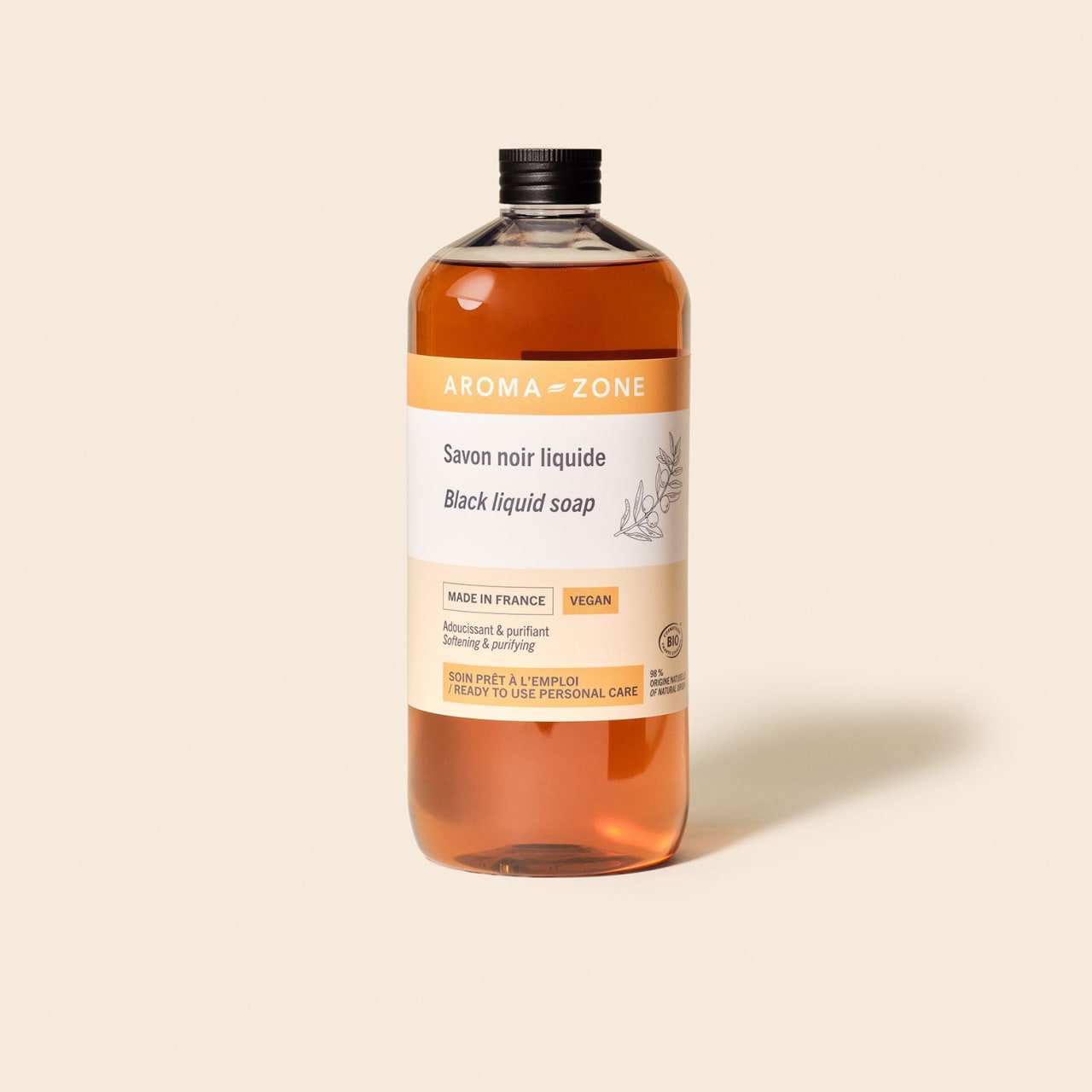
Good to know: You can replace Marseille soap with concentrated black household soap.

Recipe 2: Laundry detergent for delicate fabrics

This homemade laundry detergent made with Marseille soap is perfect for cleaning and caring for delicate fabrics whilst being gentle on your hands. The quantities given are for 1 litre of detergent.

Here are the steps to follow:

  1. Add the required amount of hot water (around 80°C) to a container

  2. Add the Marseille soap flakes and SLSA, stirring until dissolved

  3. Leave the mixture to cool

  4. Once the mixture has cooled, blend until smooth

  5. Add the natural fragrance Fée Muguet and stir well

  6. Transfer the laundry detergent to its storage container.

Discover our recipe for homemade hand-wash detergent for delicate laundry with lily of the valley .

Recipe 3: Hand-wash detergent

Ideal for delicate fabrics, small loads of laundry or garments whose colours may run, this hand-washing detergent can also help remove small stains from your fabrics. it is perfect for a gentle clean without irritating your hands. Follow Recipe 1 or use a recipe based on Aleppo soap. Then proceed as follows:

  1. Wet the laundry, using lukewarm water for delicate fabrics

  2. Rub the detergent into the fabric

  3. Rinse thoroughly with clean water

  4. Gently wring out the fabric, then dry as usual.

Recipe 4: Delicately fruity laundry detergent

Sometimes you may want to change the scent of your washing liquid, adding a fresh, fragrant touch. This homemade washing liquid is ideal for machine washing and suitable for the whole family. The quantities below make 1 litre of washing liquid

Method

  1. Dissolve the flakes in hot water

  2. Add the soda crystals and stir until completely dissolved.

  3. Transfer the mixture to its final container

  4. Leave to cool

  5. Once the mixture has cooled, add the essential oils. Avoid contact with the eyes. Keep out of reach of children. Follow the instructions for use

  6. Shake vigorously to mix the laundry liquid thoroughly.

We recommend using one glass (approximately 120 ml) per wash. Keep out of reach of children.

Recipe 5: Bicarbonate of soda-based washing powder

Ideal as a dry alternative, this washing powder is quick to make and has a long shelf life. Here are the ingredients.

Mix all the ingredients together in a large bowl until you have a smooth mixture. Transfer to an airtight jar, ideally made of glass. Use 2 to 3 tablespoons of washing powder per wash. Adjust the quantity according to load size and how dirty the laundry is.

Which laundry detergents are best for which skin types?

Sensitive and reactive skin

If your skin is prone to irritation, opt for a simple recipe containing Marseille soap and soda crystals. Avoid adding fragrance. White vinegar is a relatively neutral option for fabric softening. Bicarbonate of soda can also help neutralise soap residue, making it a useful addition.

Atopic skin

Skin prone to eczema requires extra care. Avoid perfumes, fragrances and colourings in your laundry detergent. Use an additional rinse cycle in the washing machine to remove any residue. Choose the simplest version of Recipe 1.

If your skin continues to react despite these precautions, consult a dermatologist to identify any specific allergens.

Baby’s skin

Infants’ skin is thinner and more permeable than adults’ skin. For baby clothes, use a fragrance-free formula without sodium percarbonate. Pure Marseille soap combined with a small amount of soda crystals should be sufficient. Rinse thoroughly.

For more delicate items, hand washing remains the best option.

How to pre-treat stains before washing

Pre-treating stains before putting clothes in the washing machine can improve the results. Here are some approaches to try, depending on the type of stain.

  • Everyday stains: Food, mud and dust can often be treated by rubbing damp Marseille soap or black soap directly into the stain before machine washing

  • Organic stains: For example, tea, coffee, wine, blood, sweat or grass. Dab the stain with a mixture of sodium percarbonate (1 to 2 tablespoons per litre of lukewarm water). You can also soak the clothes directly for at least 30 minutes. Take care with delicate colours as sodium percarbonate can cause fading

  • Greasy stains: For oil, butter or sauces, blot up as much excess as possible with kitchen paper, then rub Marseille soap into the stain before washing

  • Delicate fabrics: For greasy stains on silk or wool, try using clay on the dry fabric. Sprinkle it over the stain, leave it for several hours, then brush gently.

How to make your own linen water

To add a lovely scent to your laundry whilst ironing, you can make your own linen water:

  • Simple ironing water: Replace half the demineralised water in your iron with a hydrosol of your choice, such as lavender, orange blossom or geranium

  • Starch spray: Dissolve 1 teaspoon of cornflour in 150 ml of hot water. Transfer to a spray bottle and spray onto the laundry before ironing.

These mixtures should be used on the same day. They do not keep for more than 24 hours.

Tip: To clean and descale your steam iron, fill the water tank with 1 to 2 tablespoons of diluted white vinegar. Iron a tea towel or a plain piece of fabric, such as a towel, until the tank is empty. Take care with your eyes: the steam may cause irritation.

How to make your own natural fabric softener

To keep your laundry soft and your towels fluffy, white vinegar is still the simplest solution.

  • In the washing machine: Pour 1 to 2 spoonfuls of white vinegar into the fabric softener compartment. You can add 10 to 30 drops of your chosen fragrance to scent your laundry

  • Hand wash: Add 1 to 2 spoonfuls of white vinegar to the rinse water, along with a few drops of fragrance if desired.

Our recipes

Our step-by-step guide to making your own washing powder at home

Bibliography

  1. ADEME, ‘Household products to be used with caution’, 2025,

    https://agirpourlatransition.ademe.fr/particuliers/amenager-maison/entretenir/precaution-produits-menagers

  2. National Consumer Institute, ‘Laundry detergents: an overview of their composition’, 2016,

    https://www.inc-conso.fr/content/lessives-le-point-sur-leur-composition

  3. ANSES, ‘Dangers of household products: improving consumer information’,

    http://www.anses.fr/fr/content/dangers-des-produits-menagers-renforcer-linformation-des-consommateurs

Frequently Asked Questions

Frequently Asked Questions