
Ants are attracted to food, water and potential shelter that our homes can offer them. They are particularly active in the spring and summer, as they search for food sources for their colony. When they find a source in our homes, they leave behind a scent trail, called a pheromone, which guides other members of their colony to the same source. This often leads to a rapid and persistent infestation.
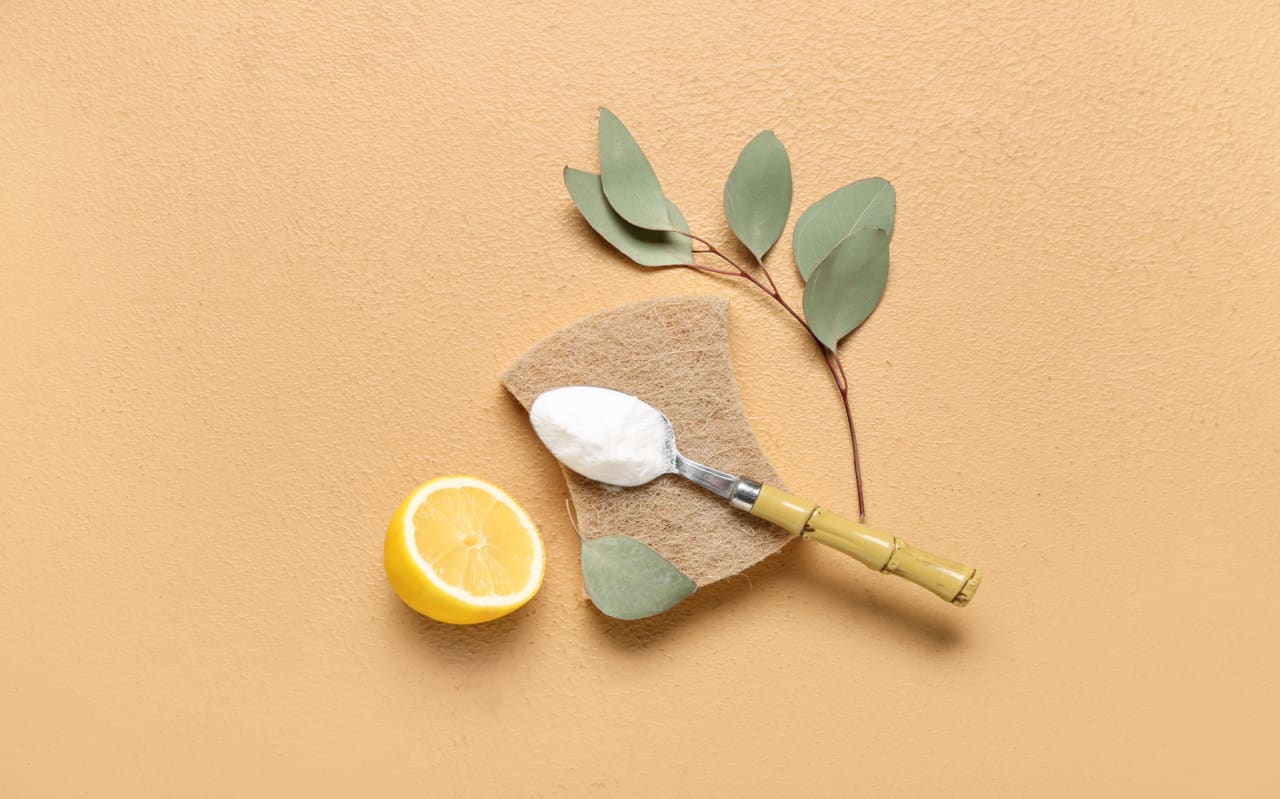
Home Remedies for Ants in the House
Published on: Thursday, April 11, 2024, Updated on: Wednesday, September 30, 2026
As temperatures rise, ants make their return and can become invasive. Beyond the unpleasant sight of seeing them crawling around our homes and outdoor spaces, they can also cause property damage. In this short guide, we share all our natural tips for effectively getting rid of ants, while protecting your health, that of your pets, and the environment. Also discover our tips for preventing their proliferation and keeping them away for good.
Contents
Related products
£4.50
5 ml
In brief
In short:
Ants mainly come into the house in search of food, water or shelter, especially as temperatures rise.
To keep them away naturally, there are several solutions available, such as white vinegar, lemon, cinnamon, coffee grounds or certain essential oils, which should be applied to their trails and entry points.
To prevent them from returning, it is important to clean surfaces regularly, store food properly and seal any cracks or openings through which they can enter.
Why do ants come into the house?
Good to know: contrary to popular belief, the presence of ants is neither unusual nor cause for alarm. It simply means that your home is full of accessible food sources. Identifying the source is more effective than tackling the ants directly.
How to get rid of ants? Our natural remedies
To eliminate ants naturally, while protecting your health, your pets’ health, and the environment, here are our top 8 solutions and home remedies:
A mixture of baking soda and sugar: Mix baking soda with granulated sugar and sprinkle the mixture near areas where you’ve seen ants. The sugar attracts the ants, while the baking soda disrupts their digestive system, leading to their death.
White vinegar: Spray pure white vinegar or vinegar diluted with water on areas where ants are present. Vinegar also disrupts pheromones, which disorients the ants and prevents them from finding their way back.
Diatomaceous earth: Sprinkle diatomaceous earth in areas where ants are moving. This abrasive substance dries out their bodies and leads to their death. Diatomaceous earth, composed of fossilised algae particles rich in silica, is effective against ants. Its microscopic abrasive particles damage the ants’ exoskeleton and absorb the insects’ internal fluids, causing them to dehydrate and eventually die.
Cinnamon: Sprinkle ground cinnamon along ant trails or at the edges of entry points to deter them from approaching.
Lemon: Rub affected surfaces with lemon peels or spray lemon juice diluted with water to repel ants.
Coffee grounds: Sprinkle coffee grounds directly near entrances and windows to keep ants away. The strong smell of coffee masks pheromones and discourages ants from venturing into your home.
Hot water: Pour boiling water over ant nest entrances to kill them instantly and deter others from venturing in.
Essential oils: Peppermint, lemongrass, lavender and tea tree essential oils are effective natural repellents against ants. To use them: In a spray bottle, mix a few drops of your chosen essential oil with an emulsifier such as natural soap or alcohol, then add water. Spray this mixture around entry points and infested areas to repel ants.
How to make a natural ant repellent?
Here is our easy recipe for ant powder made with baking soda:
How do lemon and coffee grounds act as ant repellents?
To understand how effective these home remedies are against ants in the house, it’s important to understand ant biology. Ants’ antennae are highly developed sensory organs. They detect chemical molecules in their surroundings and send these signals directly to their brains. By way of comparison, an ant’s olfactory system contains 4 to 5 times more odour-sensitive receptors than that of most other insects (1).
This is why strong odours, such as lemon, work well against ants. By spraying a strong or acidic odour, you overwhelm these cells. This blocks their olfactory navigation system and thus disrupts their memory of the path marked by pheromones.
Our tips for blocking ants’ entry points
For a home remedy against ants to be effective, you need to follow the ants’ trail back to where they’re coming in. Here’s a step-by-step guide to taking effective action.
Step | Tip |
1. Observe | Follow the ants’ trail for a few minutes to locate their entry point. |
2. Identify | Look for cracks, worn window seals, pipe penetrations or poorly sealed ventilation grilles. |
3. Seal | Seal with silicone sealant or replace the damaged seal. |
4. Check | Check these areas again after cleaning or after it has rained: odour traces may fade, and new clues may appear elsewhere. |
Good to know: this is a step that’s often overlooked, yet it tackles the problem at source without the need for additional products. A scented repellent may divert ants from one path, but as long as the entry point remains open, another trail will eventually form elsewhere.
How can you stop ants from coming back into your home?
Once you’ve kept the ants at bay using your home remedy, a few good habits can help you avoid further trouble with them.
Store food: in airtight containers, including packets of food that have already been opened.
Wipe up crumbs and sugary residue: after every meal, both on the worktop and on the floor. It’s these food scraps that attract ants.
Seal any cracks: around windows, skirting boards and pipe penetrations. Be careful not to block any ventilation openings, as these are important for a healthy home.
Keep an eye on damp areas: water remains one of the main factors that attract ants. Do not allow water to stand or leak in your home.
Reapply natural repellents: their effectiveness diminishes over time, due to rain or when the affected surfaces are cleaned.
Precautions for use
These home remedies for ants in the house are designed to keep ants at bay, not to treat a major infestation. If the colony persists or if you suspect an invasive species, don’t hesitate to seek advice from a qualified professional.
If you’re using essential oils in your recipes, always make sure to dilute them. If you’re treating surfaces at floor level, bear in mind that children and pets may come into contact with the solution.
Essential oils are powerful natural concentrates. Please refer carefully to the intended uses and precautions for use on each product information sheet. Store them in a suitable glass bottle, away from light and air. Keep out of reach of children. Do not use on pregnant or breastfeeding women, or on children under 6 years of age. Avoid contact with the eyes and mucous membranes. Please consult the general safety information sheet for essential oils as well as the specific information sheet for each essential oil.
Expert tip
To prevent ants from returning, it’s essential to keep your home clean and tidy. Remove food crumbs, seal food containers tightly, and fix small water leaks to eliminate potential sources of attraction.
Spotlight on Our Naturopathic Writer: Stéphanie Catrysse

Stéphanie Catrysse is a naturopath (certified by the FENA), a wellness massage and lymphatic drainage practitioner, and a personal development coach. She is passionate about alternative medicine and practices a holistic approach to health.
Bibliography
Luc Passera (2023) – The production and role of pheromones in ants (Futura Science)
Amal Chacko (2024) – The Efficacy of Dry Peppermint Leaves as an Ant Repellent
https://digitalcommons.odu.edu
Harlan et al. (2021) – An Analysis of Household Products as Ant Repellents
https://instars-ojs-tamu.tdl.org/instars/article/view/359

Frequently Asked Questions
Associated recipe
Associated tip

Aromatherapy advice


