An odour eliminator is a product or solution designed to eliminate unpleasant odours by neutralising the molecules responsible for these unpleasant smells. Unlike air fresheners, which mask odours, odour eliminators eliminate them at the source.

What are the most powerful odour eliminators for the home?
Published on: Thursday, June 20, 2024, Updated on: Wednesday, September 30, 2026
Unpleasant odours can turn a cosy home into a place to avoid. Whether it’s lingering kitchen smells, pet odours or musty smells, effectively neutralising them is essential for maintaining a healthy and welcoming atmosphere. How and with which natural products can you eliminate stubborn odours? Find the powerful odour eliminator that’s right for you.
Contents
Related products
£7.00
250 ml
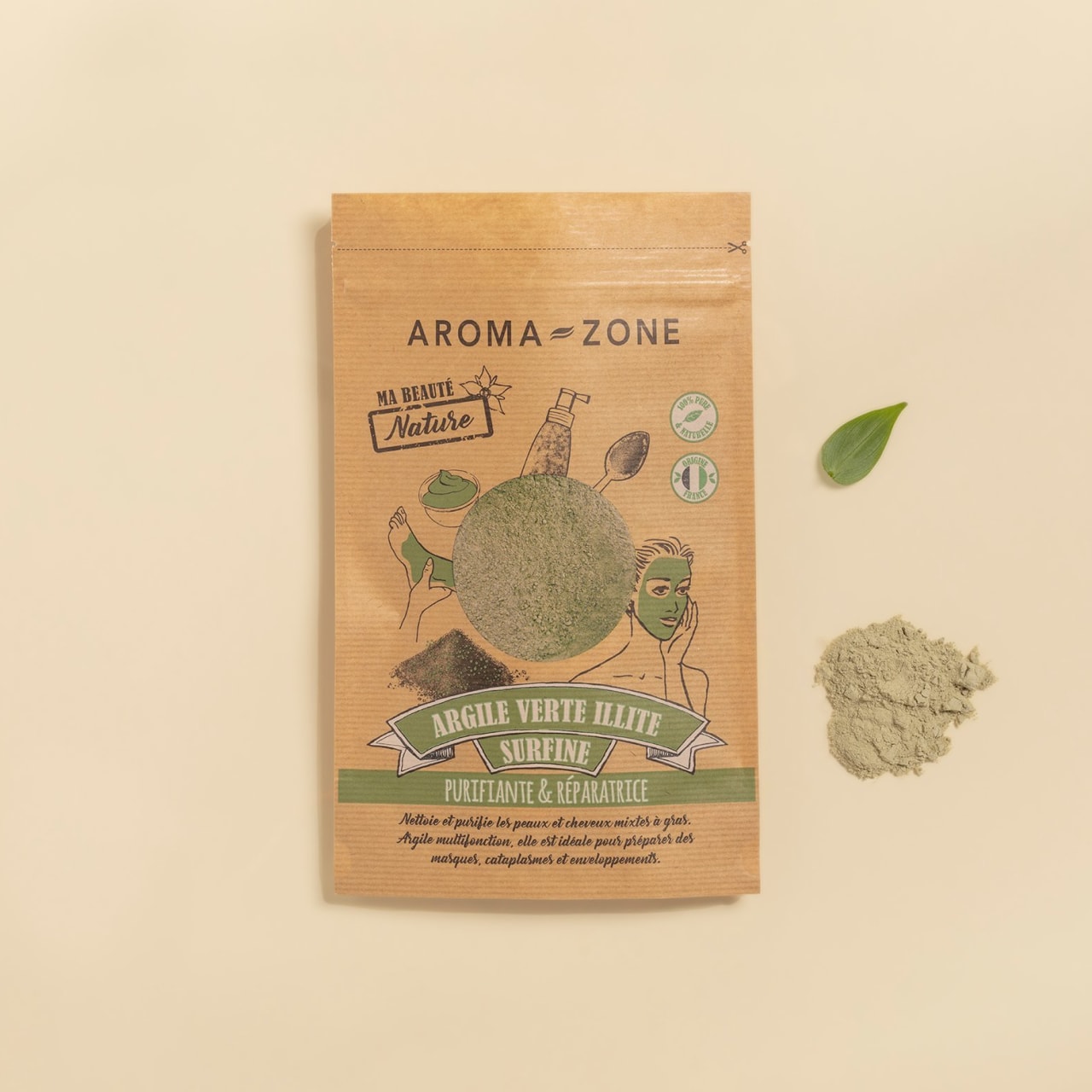
Superfine Green Illite Clay
Cleansing
Anti-blemishes
£5.50
500 g
What is an odour eliminator?
Where can bad odours come from?
The first thing to do before trying to neutralise bad odours is to identify the main cause.
Poor hygiene: Poor hygiene is the primary cause of bad odours. Trash cans that aren’t emptied often enough, or food that has forgotten or spilt and isn’t cleaned up immediately, can rot and give off unpleasant odours. Accumulated dust, especially if it’s damp, can smell bad. Sponges, mops and brooms can also become sources of odours if they aren’t replaced or washed regularly.
The presence of animals: Pets such as dogs, though adorable, can become significant sources of bad odours, whether due to their fur, their marking habits, or their litter. Pet hair can absorb odours and spread them throughout the house. A pet that isn’t bathed often enough can also develop a dirty or even greasy coat odour. Finally, indoor accidents or poorly maintained litter boxes can emit very pungent odours.
A plumbing issue: Plumbing problems can also be a major source of unpleasant odours. Poorly maintained pipes can cause sewer odours in the home. As they accumulate, food scraps, hair and other organic debris can clog pipes and cause foul odours. Dried-out traps can allow sewer and septic tank odours to escape. Additionally, leaks that aren’t detected in time can lead to stagnant moisture, which causes mould and, consequently, odours.
High humidity: Excessive humidity is a breeding ground for mould and fungi, which are sources of unpleasant odours. Daily activities such as cooking, showering, and drying laundry can produce water vapour that, without adequate ventilation, condenses and causes moisture problems. Roof leaks or water seeping through the walls can also introduce moisture into the home.
Why can bad odours be a problem?
Bad odours aren’t just unpleasant; they can also trigger a chain of undesirable reactions. A home that repeatedly smells bad is a sign of unsanitary conditions, which can affect the health of its occupants by causing allergies, more frequent infections, and other health issues. Bad odours and their causes (dampness, poor hygiene, etc.) can also attract insects and rodents, further worsening the unsanitary conditions in your home.
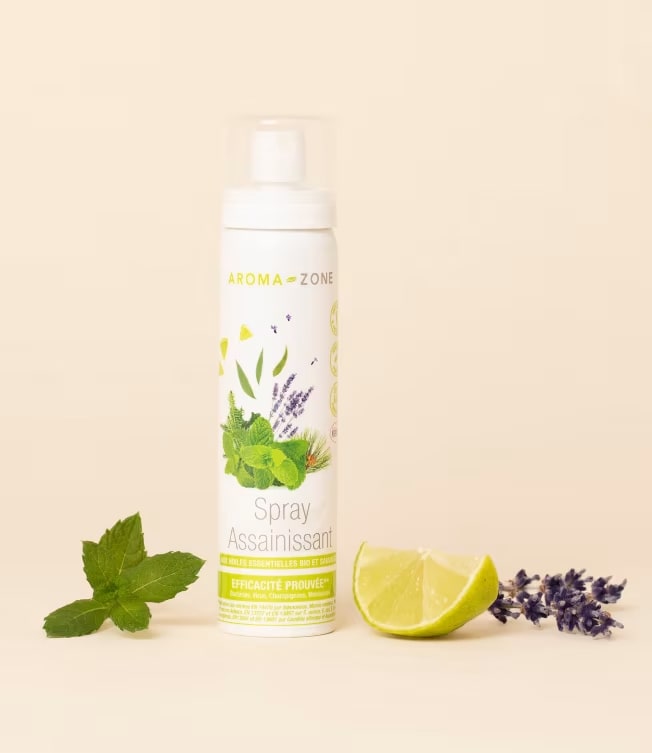
Spotlight on our sanitising spray
If you’re looking for a 100% natural and effective spray to purify the air in your home, we recommend our purifying air freshener spray with essential oils. It eliminates bacteria in the air to create a healthy and fresh atmosphere.
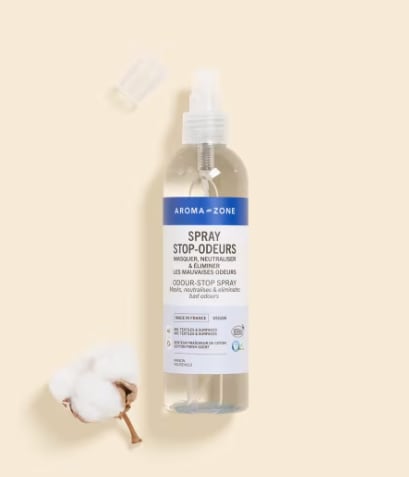
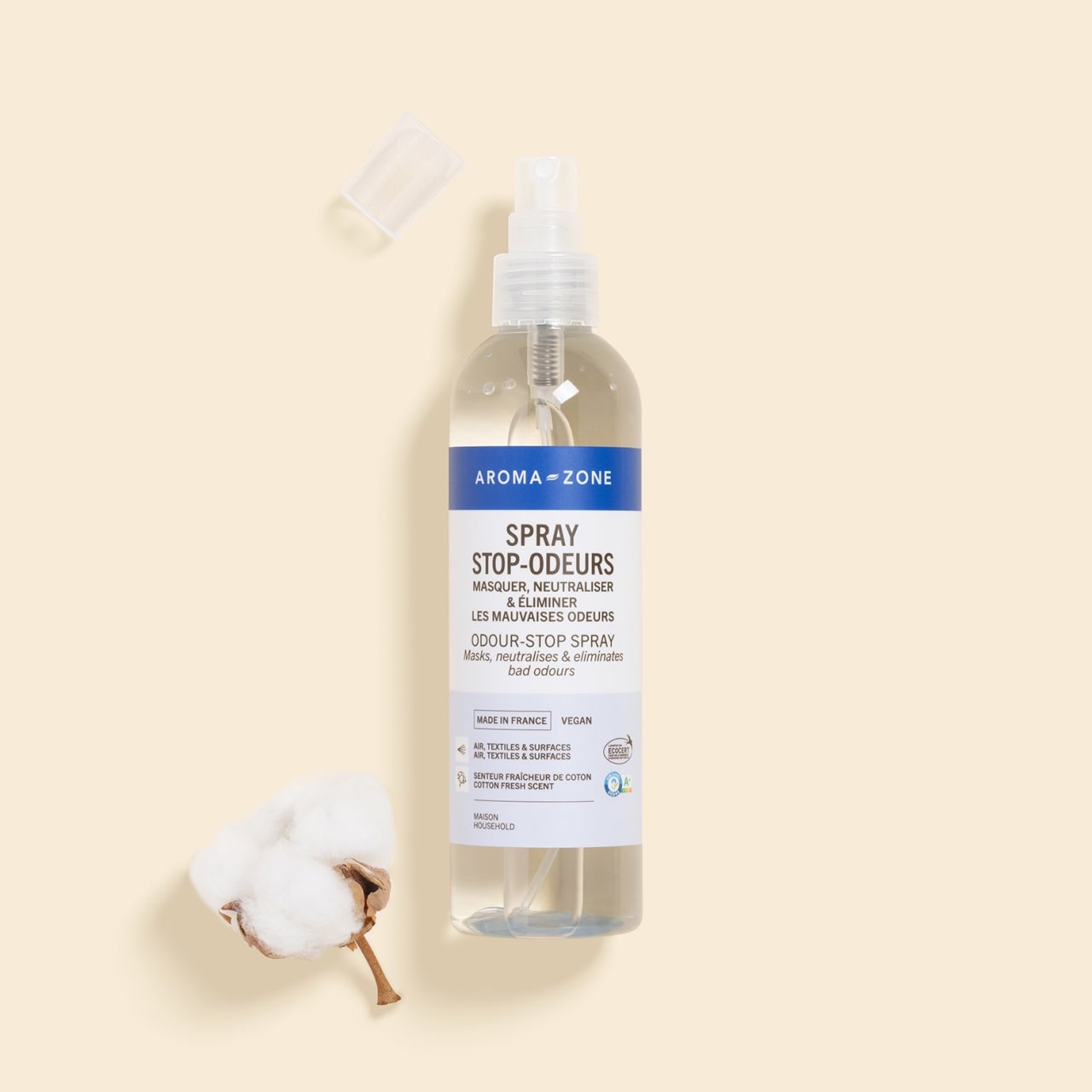
Spotlight on the Odour-Stop Spray
Eliminate unpleasant odours from your rooms and fabrics with this 100% natural spray featuring a floral scent of fresh laundry. Its patented, biodegradable technology quickly and effectively neutralises all types of unwanted and stubborn everyday odours: tobacco, trash, bathrooms... Certified Air Label Score A+, this spray guarantees very low emissions into indoor air.
What are the best natural odour eliminators?
Odour eliminators can be odour neutralisers that use various mechanisms—such as chemical reactions, antimicrobial action, or oxidation—to effectively eliminate unpleasant odours. They can also work through absorption, meaning they capture and neutralise the molecules responsible for bad odours. In both cases, they are excellent solutions for improving air quality in a simple and natural way.
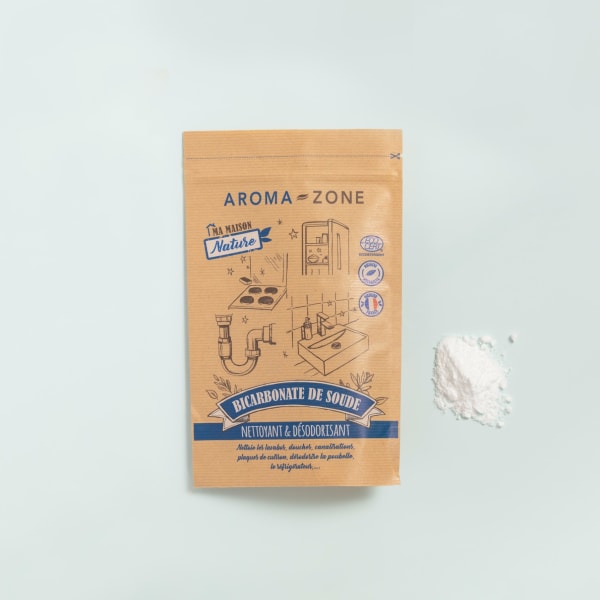
Baking soda: baking soda reacts with acids and bases to neutralise odours. Place a bowl of baking soda in the refrigerator, sprinkle it on carpets before vacuuming, or put some at the bottom of trash cans.
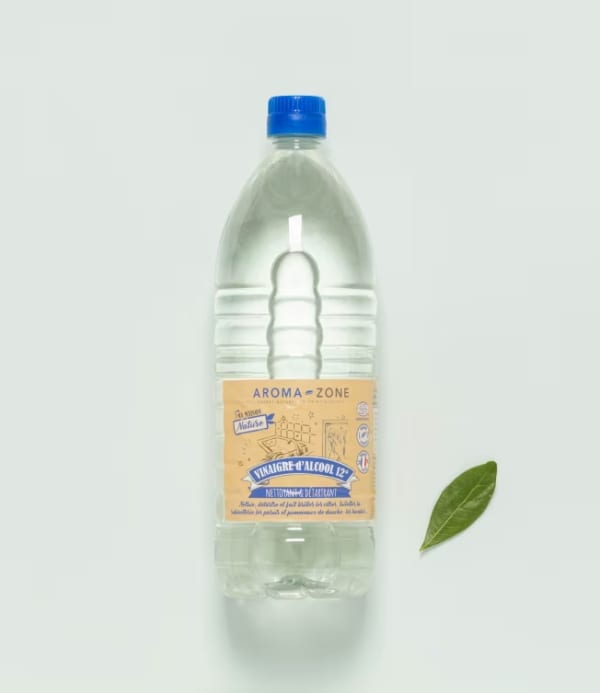
White vinegar: White vinegar is a mild acid that can neutralise both acidic and alkaline odours. In addition to neutralising odours through a chemical reaction, it also has antimicrobial properties. Use diluted white vinegar to clean kitchen and bathroom surfaces, or add it to your laundry detergent to neutralise odours in clothes.
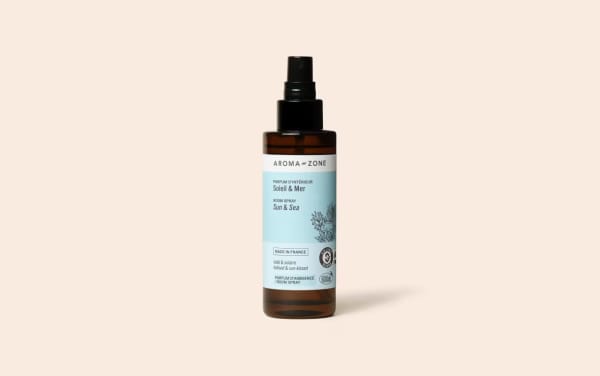
Check out other powerful odour eliminators:
Hydrogen peroxide: Hydrogen peroxide (H₂O₂) is a powerful oxidising agent used to disinfect and neutralise odours. Its aqueous solution is called hydrogen peroxide. Use it to clean and deodorise surfaces, or add it to laundry detergent to whiten and deodorise clothes.
Ozone: Ozone (O₃) is an oxidising gas that breaks down odour-causing molecules in the air. Use ozone generators in enclosed spaces (with caution) to treat the air and eliminate odours. To find them, visit stores specialising in air purification.
Zeolite: Zeolite is a natural mineral with a microporous structure capable of trapping odour molecules. Use zeolite bags in small rooms, closets, or cars to absorb odours.
Silica gel: Silica gel is often used as a desiccant for moisture and mould, but it can also absorb odours and odour-causing molecules. Place silica gel packets in drawers, closets, or shoe boxes, and you can say goodbye to moisture stains and stubborn odours.
What routine should you adopt to keep your home smelling fresh?
A few preventive measures are highly effective for controlling odours in your home:
Ventilate daily: ventilate every room every day for at least 15 to 30 minutes to refresh the air and eliminate stagnant odours. Don’t forget to ventilate less-used areas as well, such as basements or closets.
Clean weekly: Vacuum and clean floors, furniture and surfaces at least once a week to remove dust and food residue that can cause unpleasant odours. Clean appliances like the fridge, oven and microwave regularly, and be sure to throw out expired food. Empty trash cans regularly and clean them to prevent garbage odours.
Wash textiles regularly: Wash clothes, sheets, towels and other textiles frequently to prevent odours from sweat and moisture. Don’t forget to wash curtains, sofa covers and cushions, and rugs—items that are often overlooked.
Get rid of cooking odours immediately: Remember to run the range hood during and after cooking to eliminate food odours. You can also place bowls of white vinegar in the kitchen during and after cooking to absorb strong odours.
Control humidity levels: Use dehumidifiers in areas most affected by moisture, such as bathrooms and basements, to prevent mould growth. Make sure these areas are well-ventilated after each use to avoid moisture buildup.
Expert advice
Did none of the tips above work to get rid of odours in your home? Contact a plumbing or home maintenance professional to figure out what’s going on.
Spotlight on Our Writer, Laura Almeras

Laura is a health, beauty and lifestyle writer. Passionate about travel and gastronomy, she shares all her nutritional advice on how to combine pleasure with wellbeing. Through her articles, she is committed to providing you with meaningful information and practical advice to nourish your body and mind.
Bibliography
https://www.labelleadresse.com/conseils-astuces/maison/maison-saine/maison-maison-saine-desodorisants-naturels
https://www.aroma-zone.com/info/fiche-technique/livre-ma-maison-au-naturel-daroma-zone
https://gel-de-silice.com/comment-retirer-lodeur-de-renferme-des-livres/#:~:text=Silica%20gel%20for,silicagel%20or%20silica%20gel.