
Herbal tea is a hot drink made by steeping plants in water. Unlike tea, it is generally caffeine-free, so you can drink it at any time of day. Herbal teas can be made from leaves, flowers, roots or even fruit, and are traditionally used for their health benefits. Each plant has its own properties and releases active compounds as it steeps, giving the drink its own distinct characteristics.
Fighting a Cold with Herbal Tea: Is It an Effective Solution?
Published on: Thursday, November 07, 2024, Updated on: Friday, November 06, 2026
Got a cold? When the temperature drops, our bodies are put to the test, and cold viruses can spread easily. Symptoms can range from simple nasal congestion to more intense aches and pains that can disrupt our daily lives. Fortunately, nature offers plenty of options, such as comforting herbal teas and traditional home remedies, which may help ease these symptoms and support our natural defences. In this article, discover our tips for preparing herbal teas, soothing your cold, and getting your energy back.
Contents
Related products
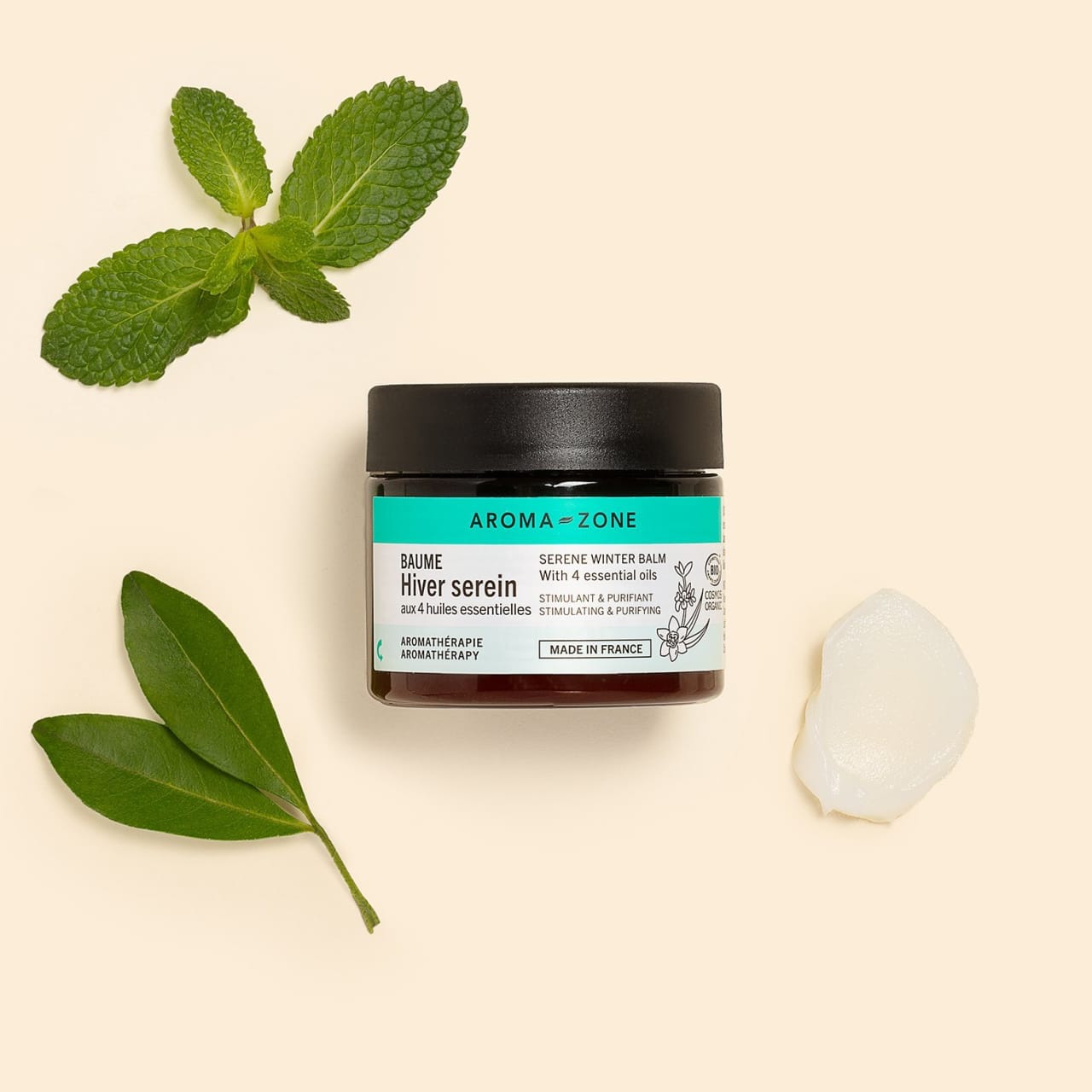
Winter Serenity Aromatherapy Balm
Respiratory tract well-being
£6.00
40 g
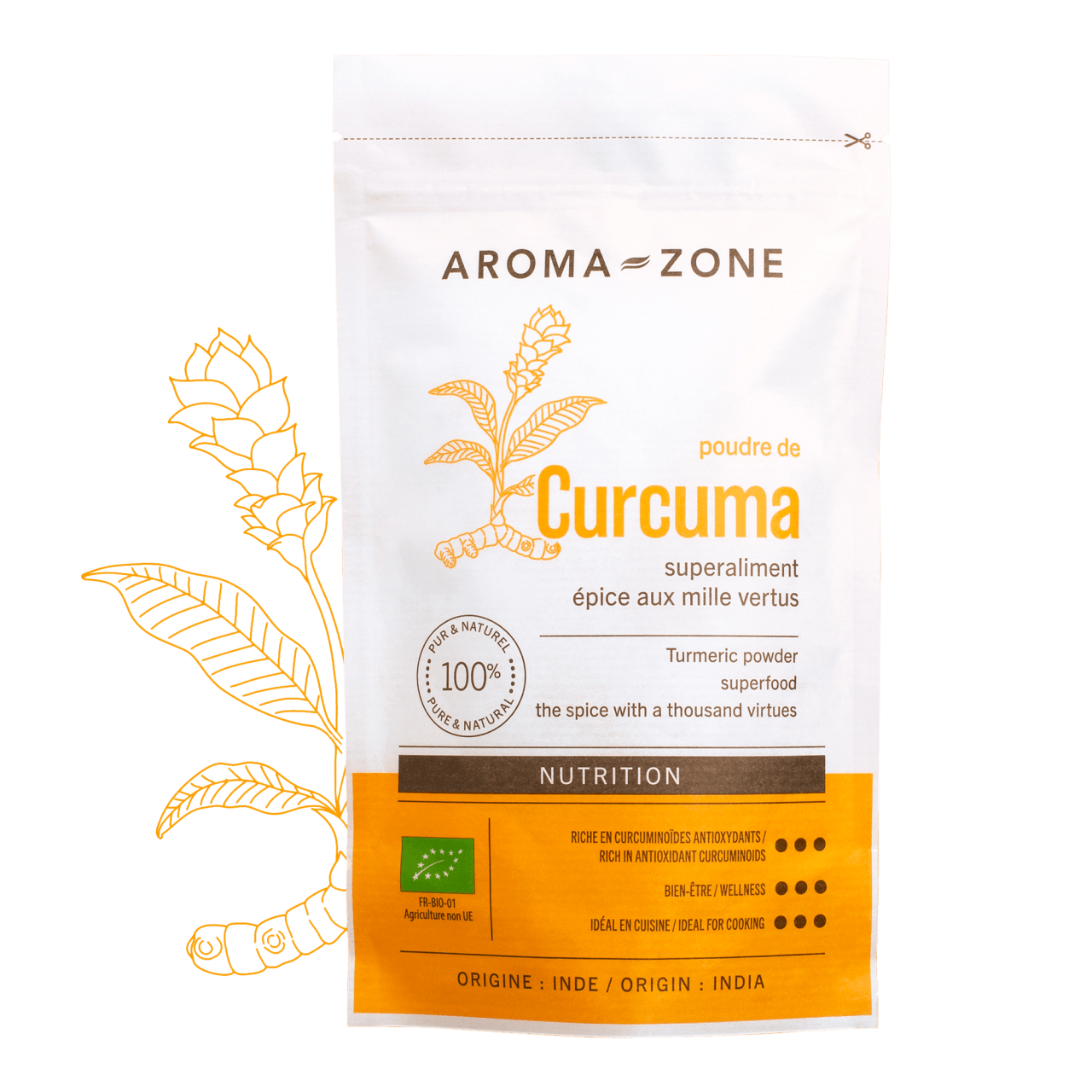
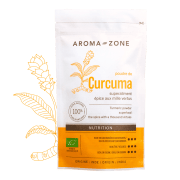
Organic Turmeric Powder
Rich in antioxidants
£4.00
100 g
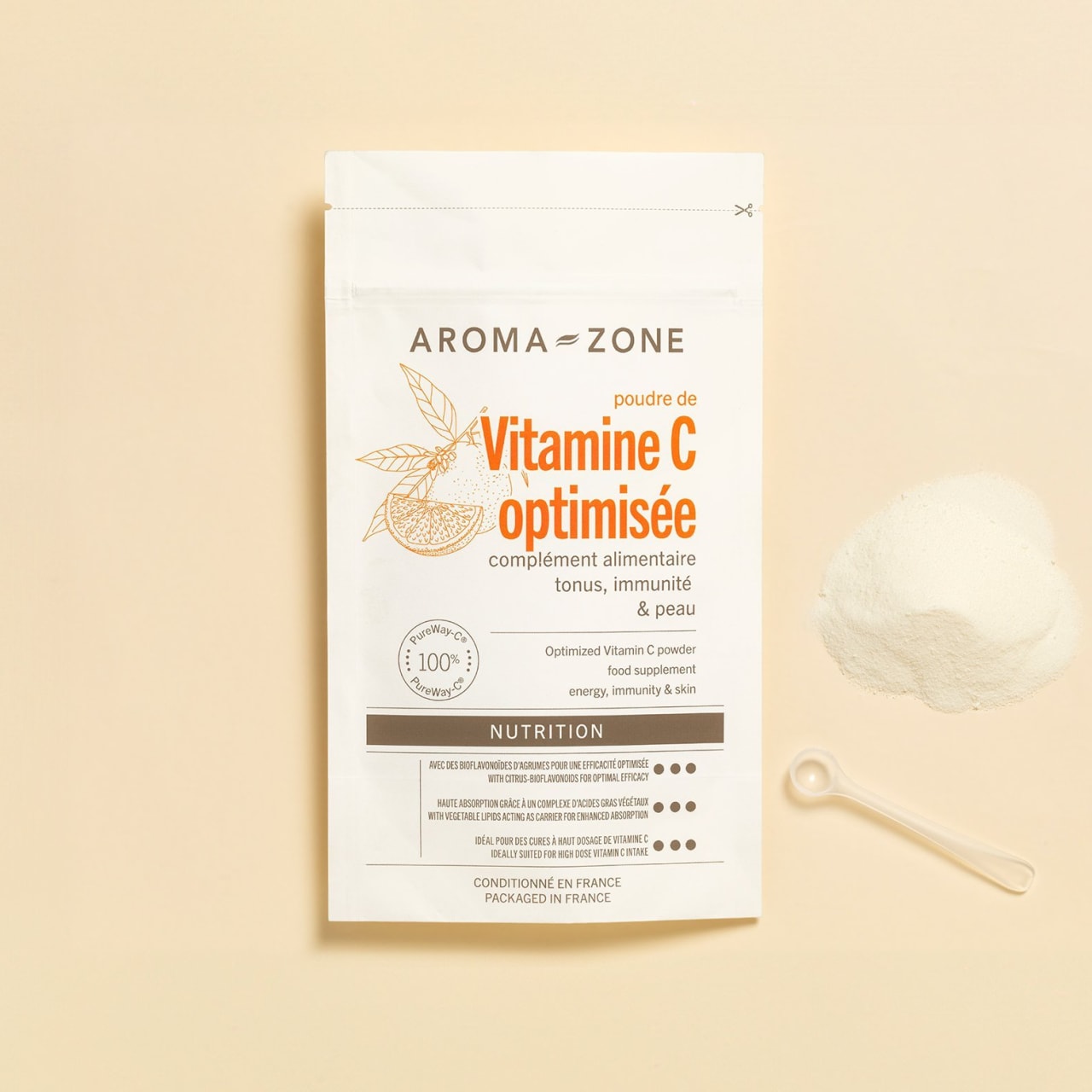
Optimised Vitamin C Powder
Vitality
£16.00
150 g
What Is Herbal Tea?
Why Drink Herbal Tea?
Herbal tea is more than just a way to relax. It offers genuine health benefits, particularly during the colder months. The warmth of the drink promotes well-being, while the plants used support various aspects of our health. By drinking herbal teas, you help your body cope better with the rigours of winter and naturally boost your immunity.
What Are the Benefits of Herbal Tea?
Herbal teas offer a range of benefits, which are particularly useful when you have a cold:
Soothing and relaxation: Certain plants, such as Chamomile, promote calm and reduce stress, which is essential for a good night’s rest.
Hydration: By drinking herbal teas, you increase your fluid intake, which is vital for maintaining good hydration in the body.
Antioxidant effect: Certain plants, such as rosemary and hibiscus, are rich in antioxidants and protect the body’s cells against the effects of free radicals.
Digestive support: Herbal teas made from peppermint or ginger, for example, help to relieve nausea and aid digestion.
Detoxifying effect: Certain plants, such as dandelion, help to eliminate toxins that have built up in the body.
Anti-inflammatory properties: Ginger and turmeric, for example, have anti-inflammatory properties that can soothe irritated airways.
Which herbal teas help with a cold?
When symptoms appear, several herbal teas can help relieve the discomfort:
Thyme
A natural antiseptic, Thyme is particularly effective at combating respiratory infections. It helps clear the airways, thereby relieving a cough and reducing inflammation of the mucous membranes. Thyme also has antimicrobial properties, which support the immune system in its fight against pathogens. To prepare it, steep a teaspoon of thyme in a cup of simmering water for 10 minutes. Strain and drink two to three times a day.
Ginger
Warming and invigorating, ginger promotes blood circulation and soothes the chills often associated with a cold. Its anti-inflammatory and antioxidant properties help to reduce a sore throat and soothe muscle aches. Ginger also strengthens the immune system, providing better defence against infections. For an effective infusion, grate a small amount of fresh ginger and leave to infuse for 10 to 15 minutes in very hot water. Add a little honey and/or lemon if required.
Chamomile
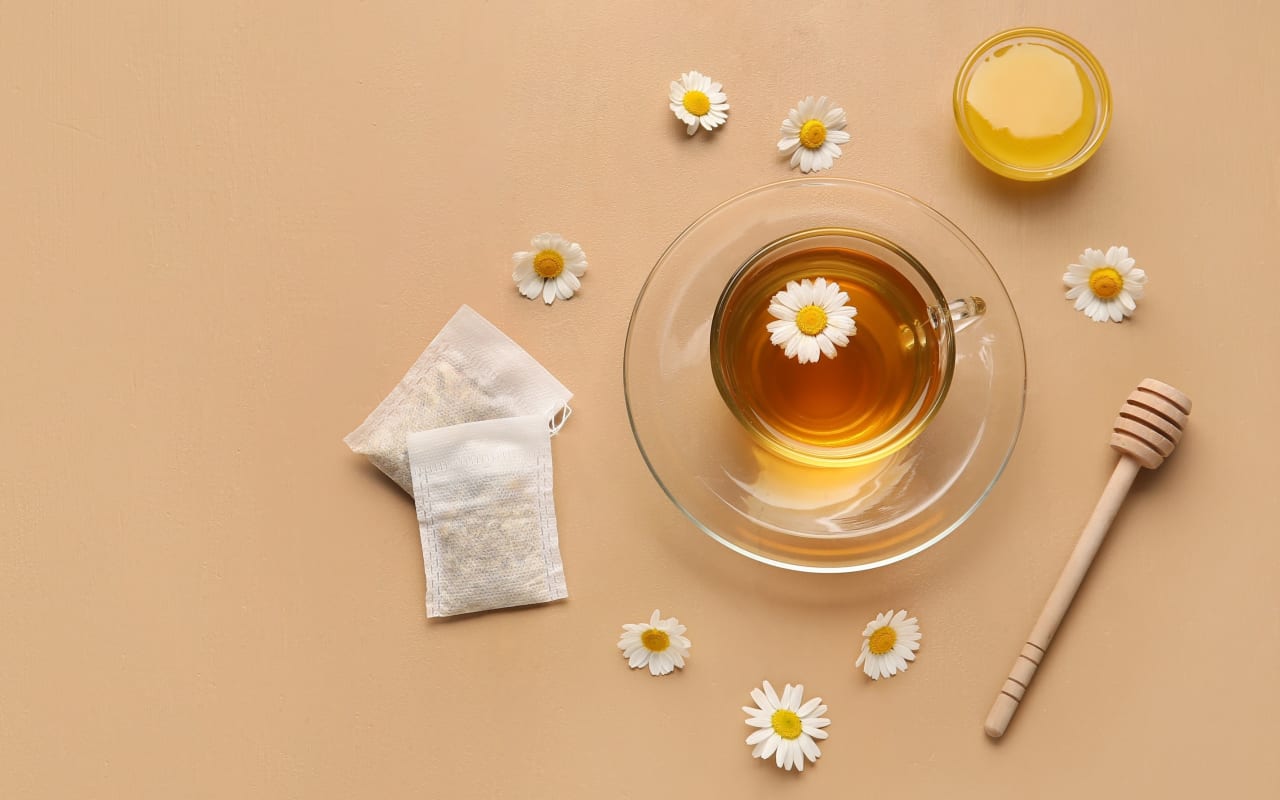
Soothing and gentle on the respiratory system, chamomile is ideal for soothing a sore throat and promoting better sleep, which is essential for recovering from a cold. Its anti-inflammatory properties also help to reduce mild congestion and headaches often associated with a cold. Steep a teaspoon of dried chamomile flowers in a cup of hot water for 10 minutes.
Echinacea
Echinacea is recognised for its immune-boosting benefits, making it ideal for prevention or at the first signs of a cold to support the body’s natural defences. As well as boosting immunity, this plant helps to reduce the duration and severity of symptoms by combating mild viral infections. To enjoy its benefits, steep a teaspoon of Echinacea root or leaves in very hot water.
Herbal Teas and Colds: What Is the Link?
When you have cold symptoms, certain plants can boost your immunity and provide antibacterial and antiviral benefits. Furthermore, the warmth of herbal tea not only helps relieve chills but also soothes the throat and clears the airways, which helps with a cough and a blocked nose. Herbal teas also help with hydration, which is key to promoting a speedy recovery from a cold.
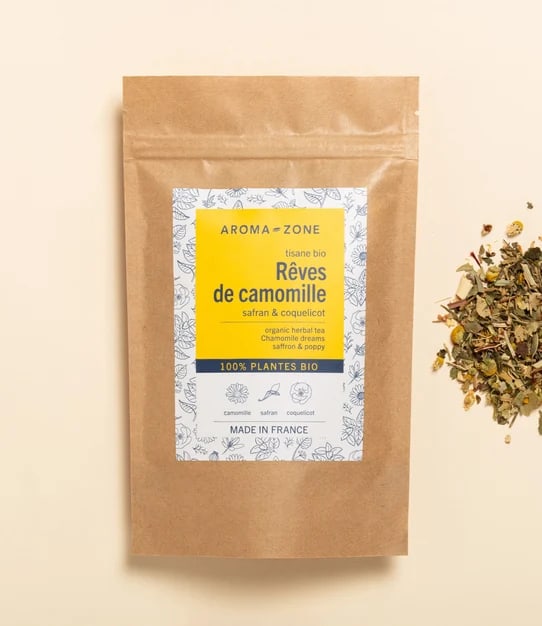
Organic Camomile Dreams Herbal Tea
Loved for its mild, comforting flavour, the organic Rêves de Camomille herbal tea is ideal for enjoying in the evening for a moment of relaxation. Made from a blend of organic herbs selected for their relaxing, soothing and antispasmodic properties, which can help relieve period cramps, chamomile tea is a classic remedy for period pain. Pour hot water over one or two teaspoons of dried chamomile flowers. Leave to infuse for a few minutes, then drink slowly.
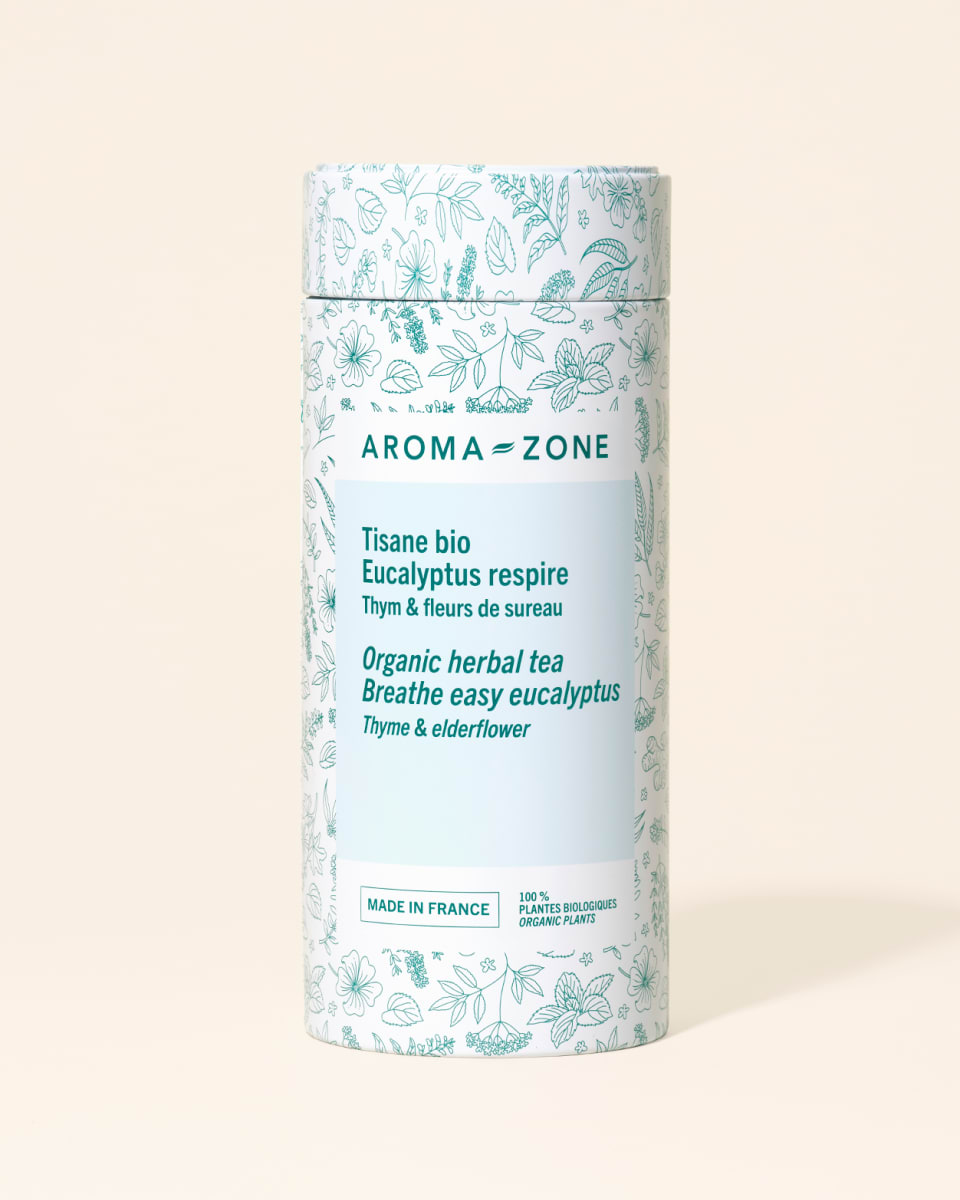
Organic Eucalyptus Respire Herbal Tea
Take a deep breath with Eucalyptus Respire organic herbal tea. This blend combines the intensity of blue gum eucalyptus with the freshness of peppermint, the potency of thyme, the sweetness of elderflower, the camphor-like notes of sage and the spicy character of ginger. An ideal blend of botanicals to see you through the colder months and offer a comforting break in your daily routine.
Which herbal teas are best for the flu?
When you’ve got the flu, certain herbal teas can help soothe symptoms and support the immune system.
Elderflower: Rich in antioxidants and antiviral compounds, elderflower is an essential herb for combating the flu. It helps reduce fever, soothes a sore throat and boosts the body’s natural defences. An elderflower tea is ideal for treating chills and aching muscles.
Cinnamon: Known for its warming and antibacterial properties, cinnamon promotes sweating and thus helps the body eliminate toxins. It is particularly useful for treating fever and fatigue.
Liquorice Root: With expectorant and anti-inflammatory properties, it soothes an irritated throat and thins bronchial secretions, thereby making breathing easier.
Hyssop: Traditionally used to relieve respiratory ailments, this plant, with its antiseptic and decongestant properties, helps to clear the airways and soothe a cough.
To make a anti-flu infusion , steep for 10 minutes in a cup of simmering water:
1 teaspoon of dried elderflowers,
1 small cinnamon stick,
1 piece of grated fresh ginger,
1 teaspoon of honey to sweeten and enhance the soothing effect.
Drink this infusion 2 to 3 times a day to support your body whilst you have the flu.
What Other Natural Remedies Can Help Relieve a Cold?
As well as herbal teas, there are a few simple natural remedies that can also help relieve the symptoms of a cold:
Our Natural Remedies
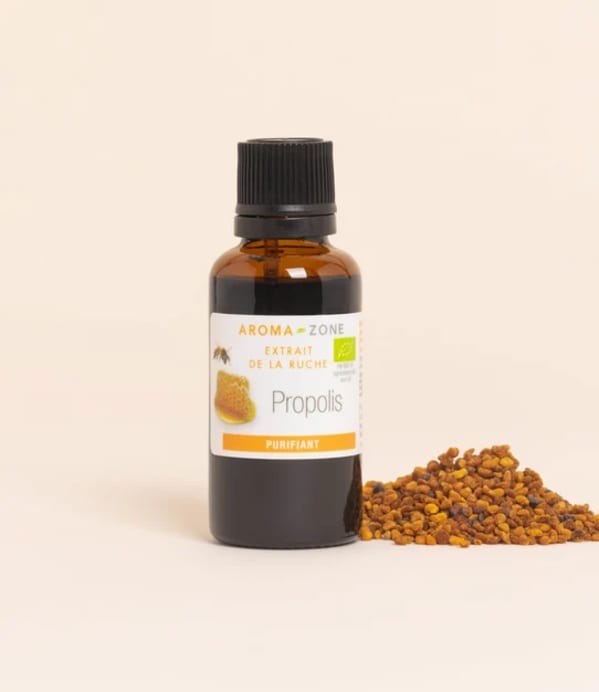
Propolis, with its antibacterial and antiviral properties, boosts the body’s natural defences. Take 1 pipette a day, diluted in a glass of water, to soothe a sore throat and support the immune system.

Vitamin C: Vitamin C boosts the immune system and helps combat the fatigue associated with a cold. A daily dose of 500 mg, diluted in a glass of water, is recommended to support the body.
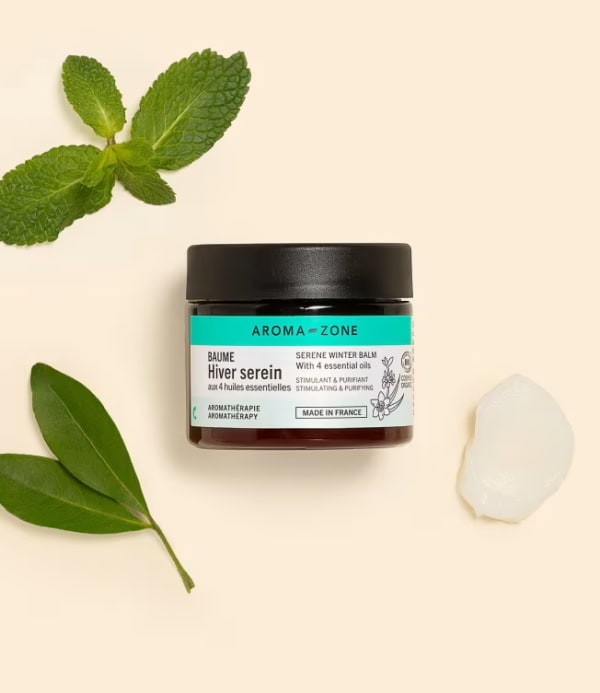
The Winter Serenity Aromatherapy Balm: This chest balm, enriched with organic essential oils of Eucalyptus radiata, ravintsara, thymol-rich thyme and turpentine, promotes respiratory wellbeing. Massage it into the chest and neck to clear a blocked nose and soothe minor winter ailments.
Our Traditional Home Remedies

Steam inhalation
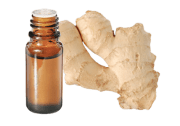
Steam inhalation helps to clear the airways by loosening mucus. Add a few drops of eucalyptus essential oil to a bowl of hot water, cover your head with a towel, and breathe in the steam for 5 minutes.
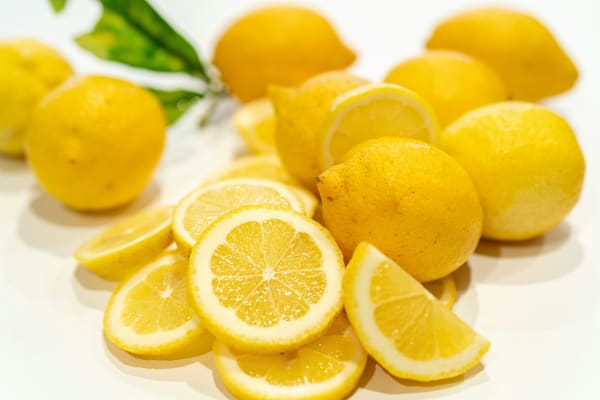
Honey and lemon
Honey and organic lemon, when brewed as a tea, make a soothing combination for a sore throat. Mix a spoonful of honey and the juice of half a lemon into hot water for a comforting drink to be taken several times a day.


Precautions for use
Herbal teas are natural, but they do require some precautions. Certain plants may interact with medication or cause allergies. As a precaution, seek advice from a healthcare professional, particularly if you are taking medication or are pregnant.
Expert advice
Don’t forget to look after yourself by getting plenty of rest, staying well hydrated and eating balanced, vitamin-rich meals. These simple steps will help your body recover and cope with the discomfort of a cold.
Spotlight on Our Naturopathic Writer: Stéphanie Catrysse

Stéphanie Catrysse is a naturopath (certified by the FENA), a wellness massage and lymphatic drainage practitioner, and a personal development coach. She is passionate about alternative medicine and practices a holistic approach to health.
Bibliography
Mammari N, Albert Q, Devocelle M, Kenda M, Kočevar Glavač N, Sollner Dolenc M, Mercolini L, Tóth J, Milan N, Czigle S, Varbanov M, on behalf of the Oemonom. Natural Products for the Prevention and Treatment of the Common Cold and Viral Respiratory Infections. Pharmaceuticals (Basel). 2023.
https://www.emerald.com/insight/content/doi/10.1108/NFS-08-2019-0263/full/html

Frequently Asked Questions
Associated tips

Respiratory and ENT comfort tips

Respiratory and ENT comfort tips


