
The onion (Allium cepa) belongs to the Amaryllidaceae family, the same as garlic and leeks. Native to Central Asia, it has been cultivated for millennia for its nutritional properties, but also for its medicinal benefits. Composed of more than 80% water, it is also a valuable source of fibre, vitamins, minerals, and antioxidants. Among its active compounds, quercetin—a flavonoid with anti-inflammatory properties—and sulfur compounds give onions recognised benefits for supporting the immune system and promoting respiratory health. Furthermore, its high content of vitamin C helps strengthen the body’s natural defences. Its purifying properties, recognised since ancient times, make it a valuable ally in preventing and alleviating infections.

Onions and Colds: What Are the Benefits?
Published on: Wednesday, October 23, 2024, Updated on: Wednesday, September 30, 2026
Onions, a staple in our kitchens, are not just ingredients used to spice up our meals. Did you know they can also offer health benefits, particularly when you have a cold? In this article, discover how onions can be a natural ally in relieving cold symptoms, their various uses, and other complementary remedies to help you get through this time with ease.
Contents
Related products

Liquid Propolis Extract
Natural defenses
£7.00
20 ml

Vegan Vitamin D3
Natural defenses
Bone health
£10.00
10 ml
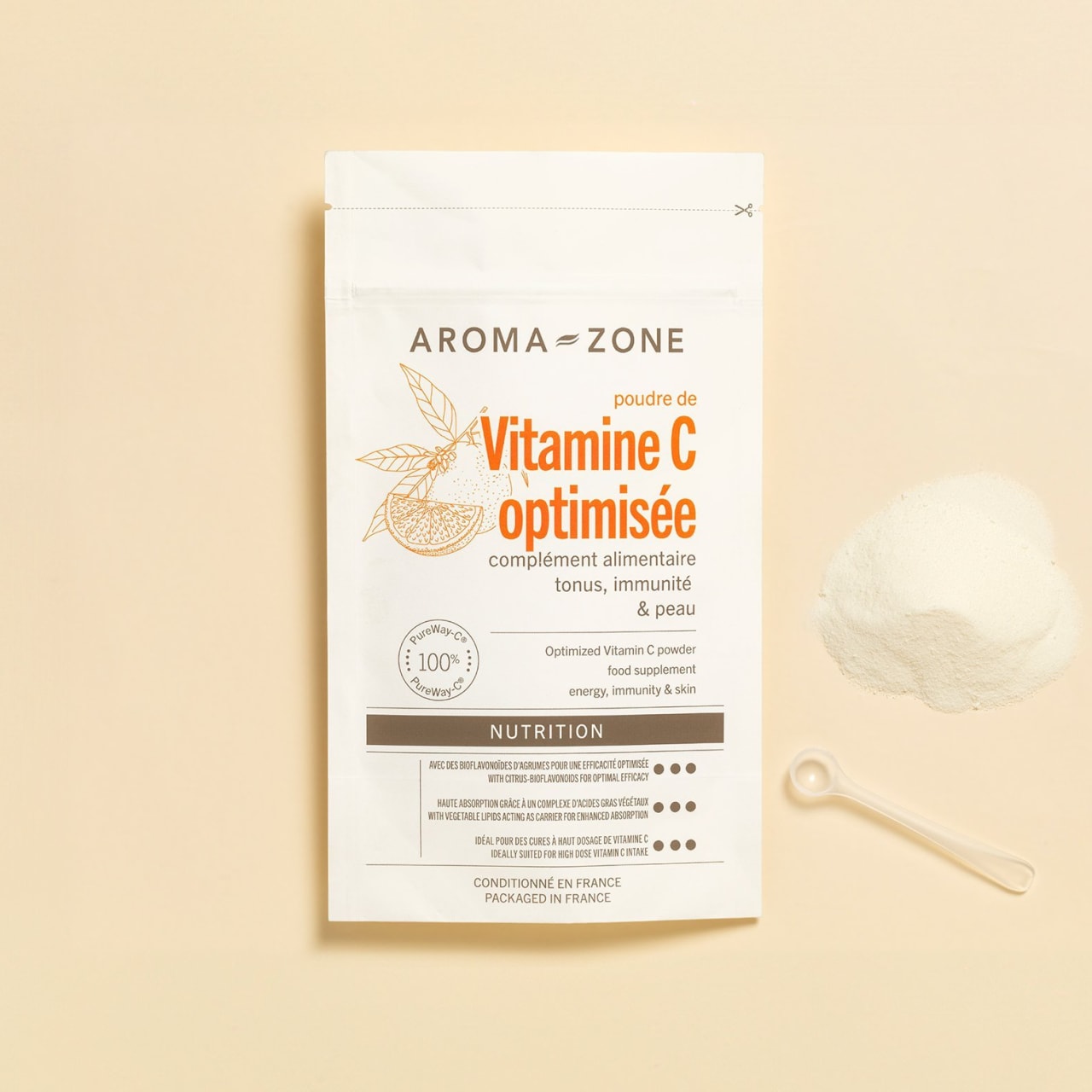
Optimised Vitamin C Powder
Vitality
£16.00
150 g
Onions: definition and properties
What are the benefits of onions?
Onions offer numerous health benefits, including:
Boosting the immune system: Thanks to their high vitamin C and antioxidant content, onions support our natural defences against seasonal infections.
Anti-inflammatory effects: Flavonoids, such as quercetin, help reduce inflammation and are therefore beneficial for relieving symptoms of infections like the common cold.
Antibacterial and antiviral action: The sulfur compounds in onions have antimicrobial effects that can help eliminate certain bacteria and viruses.
Expectorant properties: Onions help clear mucus, thereby relieving congested airways in cases of colds or coughs.
Improved blood circulation: Its sulfur compounds help thin the blood, thereby improving circulation and reducing cardiovascular risks.
Digestive support: Onions promote the production of gastric juices, thereby aiding digestion while helping to maintain a balanced gut microbiota.
Onions and colds: what’s the connection?
Onions, thanks to their many properties, are often cited as an effective natural remedy for relieving cold symptoms.
But what is the real connection between onions and this seasonal infection? The common cold is caused by viruses, primarily the rhinovirus, which affect the upper respiratory tract. When a virus invades the body, our immune system reacts by triggering an inflammatory response. This results in symptoms such as a runny nose, cough, sore throat, or fatigue.
But then, why eat onions when you have a cold? Onions contain antioxidants, such as quercetin, which have anti-inflammatory properties. These compounds can help reduce inflammation in the respiratory tract and alleviate symptoms such as congestion. Additionally, their sulfur compounds act as antimicrobials, which in turn support the immune system.
Onions and colds: how to use them?
Here’s how to use onions to naturally relieve cold symptoms:
Raw onions: Raw onions are rich in quercetin, a flavonoid with anti-inflammatory properties, as well as vitamin C, which is essential for supporting immunity. Add fresh onions to your salads or dishes to enjoy their antibacterial benefits and strengthen your natural defenses.
Onion syrup: This traditional remedy is easy to prepare. Slice an onion thinly, add honey or sugar, and let it sit for several hours. You’ll end up with a natural syrup that can be taken by the spoonful several times a day to soothe a cough and clear the airways.
Onion tea: Boil onion slices in water for 10 minutes. Strain and drink this tea while hot to soothe a sore throat, reduce nasal congestion, and boost your immune system.
Onion poultice: Crush a slightly warmed (but not cooked) raw onion and place it in a thin cloth or compress. Apply this poultice to the chest for about 20 to 30 minutes to help clear the bronchial tubes and relieve coughing. Light heating activates the sulfur compounds without degrading their properties.
Place an onion in the bedroom: You can also place a halved onion in the bedroom overnight. The onion releases sulfur compounds into the air, which are known to purify the environment and help clear the airways.
What are the natural remedies for relieving a cold?
When a cold sets in, many natural remedies can help relieve symptoms and support the body. Here are some effective solutions you can incorporate into your routine when you have a cold:
Our natural solutions

Propolis:
Propolis is a natural product produced by bees to protect the hive from pathogens. It is rich in polyphenols, which give it antimicrobial and immunostimulant properties. Useful for boosting the immune system and soothing throat irritation, it can be taken as a dietary supplement, especially during seasonal changes and when you have a cold.
To use it, dilute a few drops in a glass of water and consume it regularly, especially as winter approaches, to strengthen your natural defenses and soothe throat irritation.
Discover our Organic Propolis Extract - 20 ml - Dietary Supplement

Vitamin C
Another key element for supporting the immune system is vitamin C, which helps reduce fatigue and strengthen the body against infections. In its optimised form, it is easily absorbed by the body. Vitamin C can be taken as a preventive measure or at the first signs of a cold to help shorten the duration of symptoms.
It dissolves easily in water or fruit juice and can be incorporated into a daily routine to maintain good immune health.
Discover our Optimised Vitamin C Powder - 150 g - Dietary Supplement

Gargling with Himalayan pink salt:
Himalayan pink salt is rich in minerals and essential trace elements, making it particularly effective for gargling. By mixing a teaspoon of salt into a glass of warm water, you create a natural solution that helps disinfect the throat, reduce inflammation, and soothe irritation.
Used several times a day, this remedy helps relieve sore throats associated with colds while supporting the healing of irritated tissues.
Our grandmother’s remedies
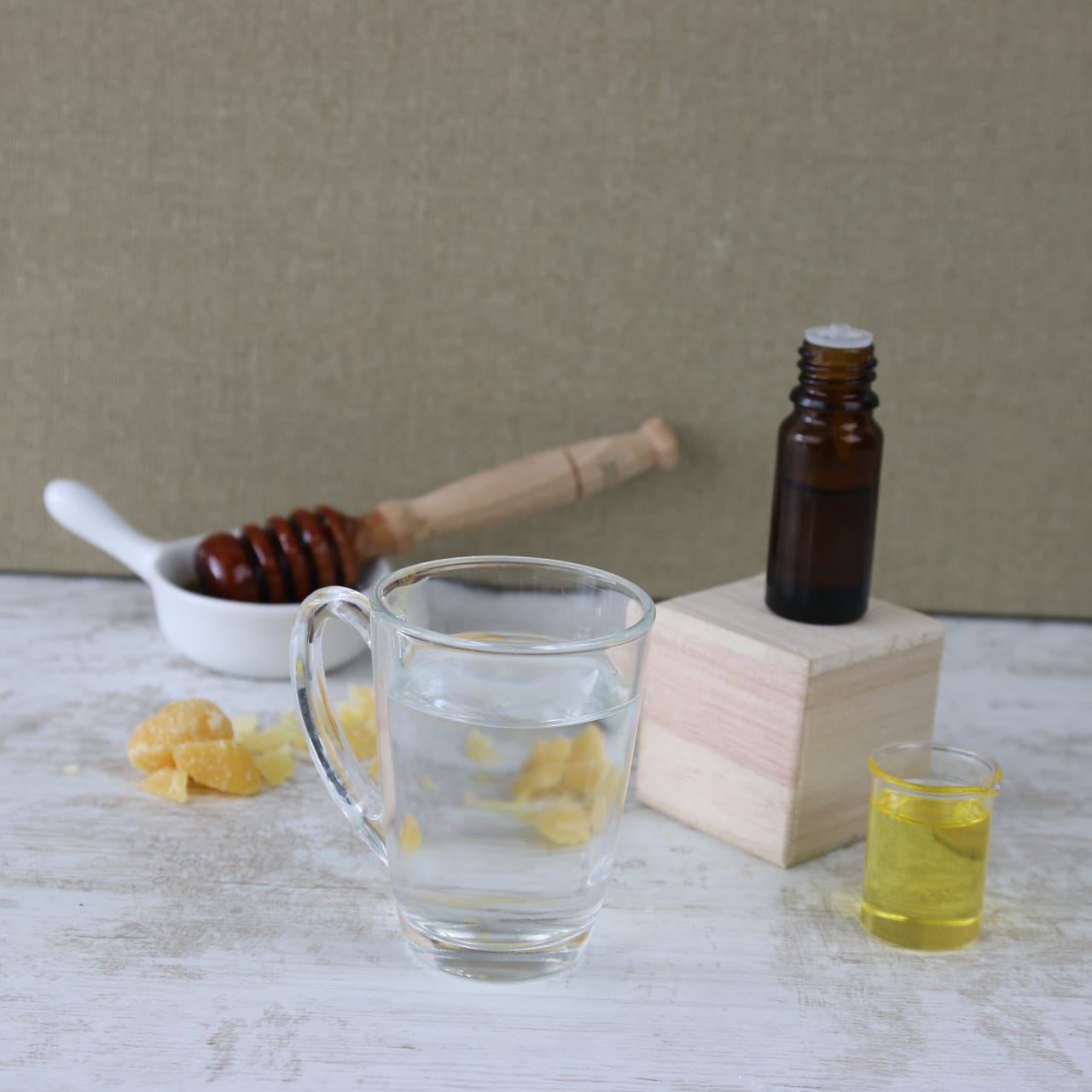
Ginger and honey tea: Ginger has anti-inflammatory properties, while honey soothes the throat. This tea is ideal for calming a cough and promoting blood circulation. Boil a few slices of ginger in about a cup of water, add a spoonful of honey, and drink this mixture several times a day.
Steam inhalations: Inhaling steam helps clear the airways. Adding thyme or mint, which have antiseptic properties, enhances the effect. Pour hot water into a bowl, add the herbs or an essential oil (optional), and inhale the steam under a towel for 10 minutes.
Hydration: Hydration is essential for thinning secretions and soothing the mucous membranes. Drink water, herbal teas, or soups regularly to help your body eliminate toxins. Herbal teas made with thyme, known for its antiseptic and expectorant properties, or chamomile, with its soothing effects, can be particularly beneficial.
Related recipes at AZ

Precautions
Here are the precautions to consider before using natural remedies like onions to relieve a cold. The sulfur compounds they contain can cause stomach irritation in sensitive individuals, especially those with a history of digestive issues. If you are taking medication, we recommend consulting a healthcare professional before using onion-based remedies to avoid any interactions or adverse effects.
Additionally, limit your consumption of raw onions, which can irritate the throat, especially if you already have a cough. If symptoms persist or worsen, do not hesitate to consult a doctor to rule out any complications.
Expert tip
Remember to ventilate your home regularly, even in winter. Fresh, circulating air helps limit the spread of viruses and improves your respiratory well-being.
Spotlight on Our Naturopathic Writer, Stéphanie Catrysse

Stéphanie Catrysse, naturopath (certified by FENA), wellness massage practitioner, lymphatic drainage therapist and personal development advisor.
Passionate about natural medicine, she practises with a holistic approach to health.
Bibliography
"Quercetin. Monograph." Kelly GS. Altern Med Rev. June 2011
"Onions work wonders. Their therapeutic and practical benefits" Céline Hess Halpem

Frequently Asked Questions
Associated recipe
Associated tip

Dietary supplements


