Turmeric: benefits, properties and expert advice

You’re surely familiar with turmeric’s flavor and visual appeal as a spice in your dishes, but did you know it’s also valued for its natural health benefits? This precious orange-fleshed rhizome is a powerful natural antioxidant. It aids digestion, protects the liver, and boosts immunity. It’s used in both cooking and cosmetics, not to mention its benefits for our well-being. Discover turmeric, its history, and its properties. We’ll explain how to use it and share some recipes for cooking and beauty masks.

Reading time: 0 min.

What is Turmeric?

Turmeric, also known as Curcuma or Indian Saffron, is a herbaceous plant with large green leaves in the Zingiberaceae family that can grow up to 1 metre high. It grows in fertile soil and needs plenty of sunshine.

Its cylindrical, fleshy rhizomes (underground stems) are renowned for their typical orange-yellow colour, their rich composition and their valuable properties.

In particular, they contain phenolic compounds called curcuminoids (mainly curcumin at over 90%), which give the rhizomes their orange colour, are the plant's active ingredient and give it its powerful anti-inflammatory and antioxidant properties.

It also contains vitamins (C, E, B1, B2, B3, B6, K), minerals and trace elements (Iron, Manganese, Magnesium, Calcium, Potassium, Copper, Phosphorus, etc.), fibre, essential oil, quinoids, sesquiterpenes and monoterpenes, alkaloids, steroids, etc.

The rhizomes are used as a colouring agent, acidity regulator, preservative, spice (food use), cosmetic agent and as a valuable health ingredient (medicinal use).

Its anti-inflammatory, antioxidant, digestive, stimulating, fluidifying, regenerating and protective properties act on all areas: osteo-articular, muscular, digestive, hepatic, cardiovascular, etc. It is therefore referred to as a 'functional food' or 'superfood'. Its bioavailability and therapeutic action are optimised when Turmeric is combined with pepper (piperine).

An essential oil can also be obtained from Turmeric rhizomes.

The origin and history of the Turmeric plant

Turmeric is native to South-East Asia, grown in India, China, Thailand, Sri Lanka, Cambodia and Indonesia, and has been part of the culinary traditions of these countries for thousands of years. Used fresh or dried and ground (to obtain the spice known as Curcuma), the rhizome of Curcuma is added to many Asian dishes for its gustatory, nutritional and medicinal qualities, as well as its preservative properties. It is a key plant in Ayurvedic medicine in India.

Turmeric is also used in religious ceremonies and is considered a sacred spice by Hindus.

Its name comes from Sanskrit: "kunkuma", then "kurkum" in Persian and finally from Arabic: "kourkoum", which originally meant "Saffron".

It was used to create dyes for cave paintings and later folk costumes.

The first written records of Turmeric date back more than 4,000 years, and it was first used in Ayurvedic medicine to treat numerous ailments, before being adopted by traditional Chinese and Arab medicines.

It was originally cultivated in India from ancient times, then spread to the surrounding Asian countries and the Pacific islands before arriving in tropical Africa, North Africa and finally Spain. It was introduced into France around the 18th century.

Turmeric represents a real economic stake in Asia, particularly in India, which alone accounts for 94% of the world's production.

In Asia, Turmeric is used in many traditional dishes, including curries, dahls, chutneys, etc. In Europe, it is used to colour mayonnaises, mustards, margarines, etc. and is now classified as a food additive, known as "E100" colouring agent.

What are Turmeric's uses?

Turmeric has many uses:

  • in cooking as a spice, for its characteristic fragrant, floral and spicy flavour and its ability to add warm colour to your dishes.

  • in cosmetics for its anti-inflammatory, smoothing and antioxidant benefits for skin and hair.

  • in phytotherapy (natural health) in the form of a course of treatment for its anti-inflammatory, digestive, antioxidant, regenerative, protective and immunostimulant therapeutic properties.

Turmeric is used fresh, in powder form, in tablets, in capsules (particularly in the form of 'Optimised Curcumin') and as an essential oil.

The benefits of turmeric

Turmeric has numerous health benefits:

The anti-inflammatory benefits of Turmeric: The curcuminoids contained in Turmeric, particularly Curcumin, have powerful natural anti-inflammatory properties. This gives Turmeric the power to relieve inflammation in all areas of your body: digestive, osteo-musculo-articular, respiratory, cutaneous, uro-genital, cardiovascular, etc. Turmeric relieves pain and inflammation naturally, helping rheumatic diseases (osteoarthritis, arthritis, etc.) and muscular pain, bronchopulmonary inflammation and asthma, oral inflammation (gingivitis, mouth ulcers), skin inflammation (eczema, psoriasis), polycystic ovary syndrome (PCOS) and allergies, for example. It is also very useful in cases of exercise-related pain, and optimises recovery after exercise.

The antioxidant and immuno-stimulant benefits of Turmeric: Turmeric is also an excellent antioxidant, thanks once again to the curcuminoids it contains, particularly Curcumin. It protects the body's cells against premature ageing, oxidative stress and free radicals. Turmeric also has antibacterial, antimicrobial and antiseptic properties, ideal for fighting infections and protecting and strengthening the immune system. It's an excellent remedy for preventing aches and pains when the seasons change, for example.

The cardiovascular benefits of Turmeric: Turmeric has a cholesterol-lowering effect on the body. It increases the metabolism of cholesterol (particularly LDL cholesterol, you know: the one known as "bad cholesterol") and stimulates bile secretions to help digest dietary cholesterol with its choleretic action. Turmeric prevents cholesterol-related disorders such as atherosclerosis, hypercholesterolaemia, metabolic syndrome and all the risk factors for cardiovascular pathologies.

The benefits of Turmeric for the skin: Turmeric is effective for relieving and healing skin conditions such as acne, eczema, psoriasis and allergies, etc. Used both internally and externally, it calms inflammation, regulates sebum production, unclogs pores and limits the proliferation of bacteria. Its antioxidant action helps combat skin ageing and promotes the regeneration of skin cells. It protects your skin from daily external aggressions such as pollution, UV rays, the cold and chemical products. It is also renowned for its skin-brightening properties, thanks to the vitamin C it contains. Vitamin C helps fade skin spots, brighten the complexion and keep skin firm and rich in collagen. It soothes and promotes the healing of minor skin lesions.

The digestive benefits of Turmeric: Turmeric is an excellent remedy for the entire digestive system. It helps prevent and relieve stomach, liver, pancreas, gall bladder and intestinal problems. It calms stomach inflammation, gastritis, acid reflux, ulcers, heartburn and belching. It relieves nausea and aids digestion. It can help stimulate the appetite (aperitif). Turmeric calms intestinal inflammation, flatulence, bloating, constipation and diarrhoea. Curcumin also balances the intestinal flora by reducing the presence of pathogenic strains in the intestine and encouraging the growth of "good bacteria". Turmeric is particularly beneficial for the liver, helping to eliminate toxins and protect liver cells. It is beneficial in cases of liver crisis or liver disorders.

Worth noting

The World Health Organisation (WHO) and the European Commission (EC) have recognised Turmeric's effectiveness in treating digestive disorders (dyspepsia).

Natural digestive support

It is known to promote digestive comfort, especially after meals. It can help:

  • Stimulate digestion, especially in cases of heaviness or slow digestion

  • Support healthy liver function by aiding bile secretion

  • Reduce temporary digestive discomfort associated with a diet that is too rich or unbalanced

Regular consumption can thus help restore a feeling of lightness, particularly after a heavy meal or during periods of dietary imbalance.

Joint and muscle well-being

Turmeric is traditionally used to support flexibility and mobility. Incorporating it into your daily diet is particularly beneficial:

  • As we age, when natural flexibility tends to decline

  • For active individuals or athletes, whose joints and muscles are regularly strained

It thus supports the body’s efforts to maintain mobility, particularly during recovery phases following intense physical exercise.

Cognitive support

Studies suggest that turmeric may play a role in preventing neurodegenerative diseases such as Alzheimer’s by reducing inflammation and oxidative stress in the brain.

An ally over time

Finally, the antioxidants naturally present in turmeric help preserve the body’s key functions, particularly as part of the natural aging process. When consumed as part of a healthy lifestyle, it can help maintain vitality and overall balance.

Effects on skin and hair

Some preliminary data suggest that turmeric may be beneficial for the skin, particularly in addressing issues such as redness, itching, blemishes, or skin aging. Its use is also mentioned in the context of scalp care, particularly in relation to certain problems like hair loss. This scientific information is provided for informational purposes only and does not constitute authorized health claims.

How should Turmeric be used?

Turmeric can be eaten in a variety of ways, depending on your preferences:

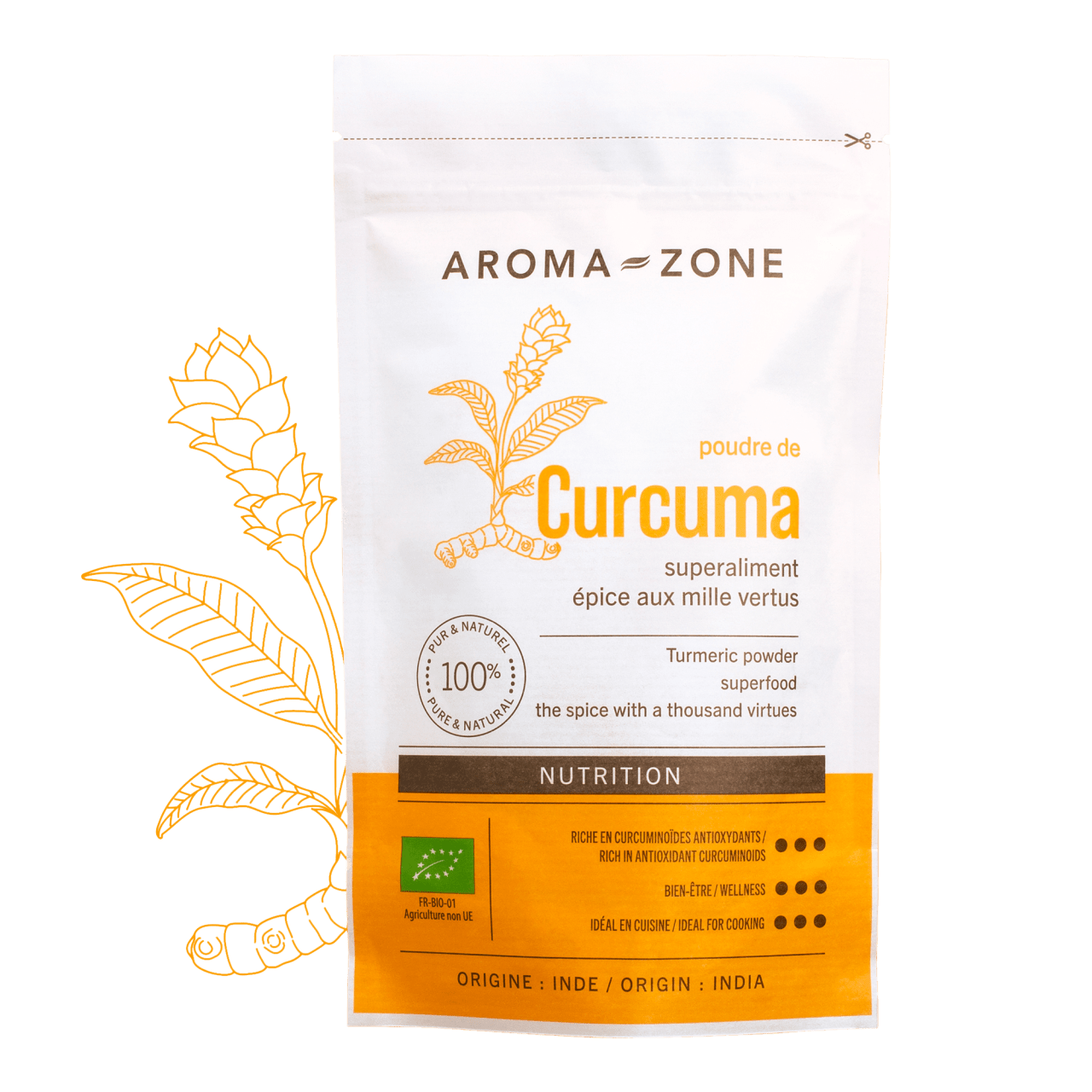
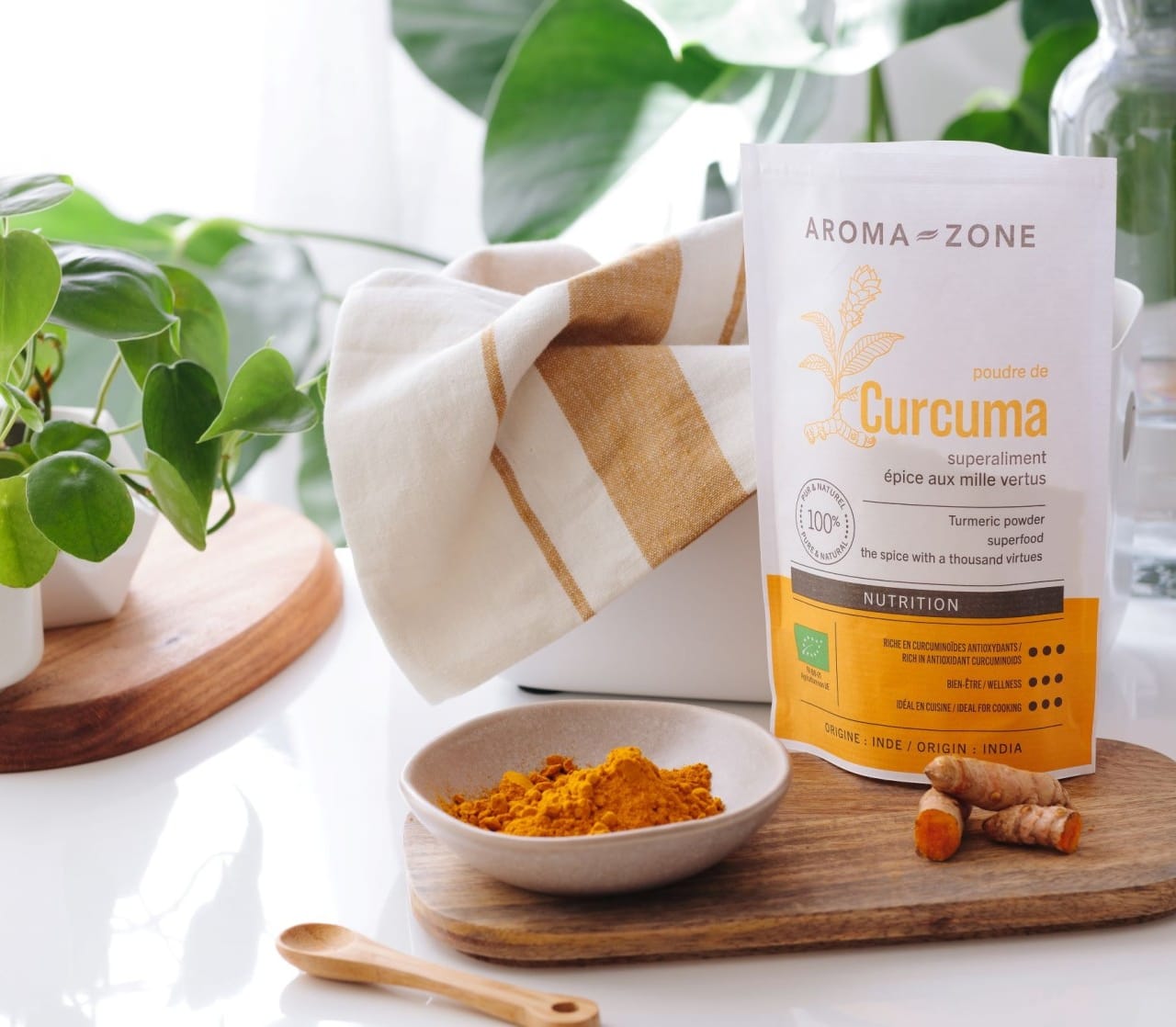
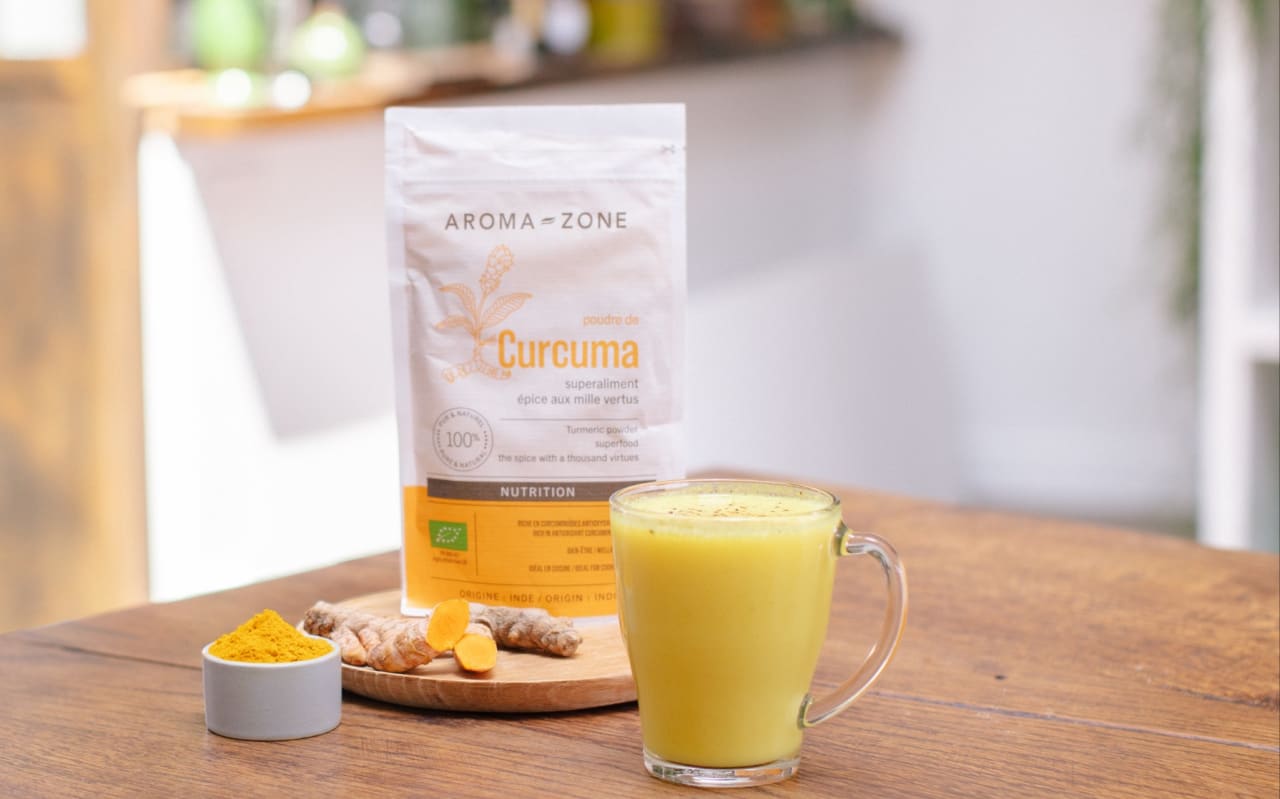
Focus on ORGANIC Turmeric Powder

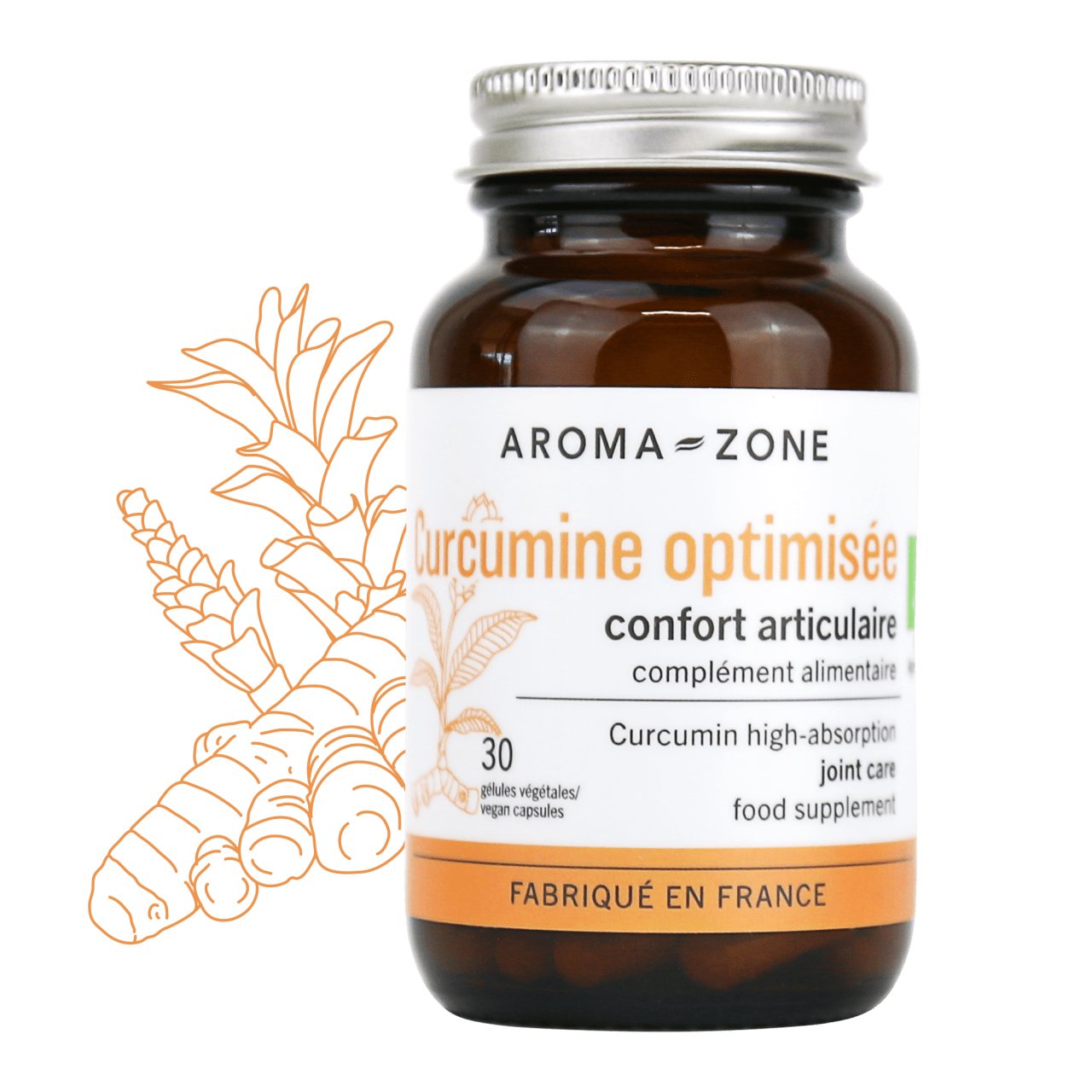
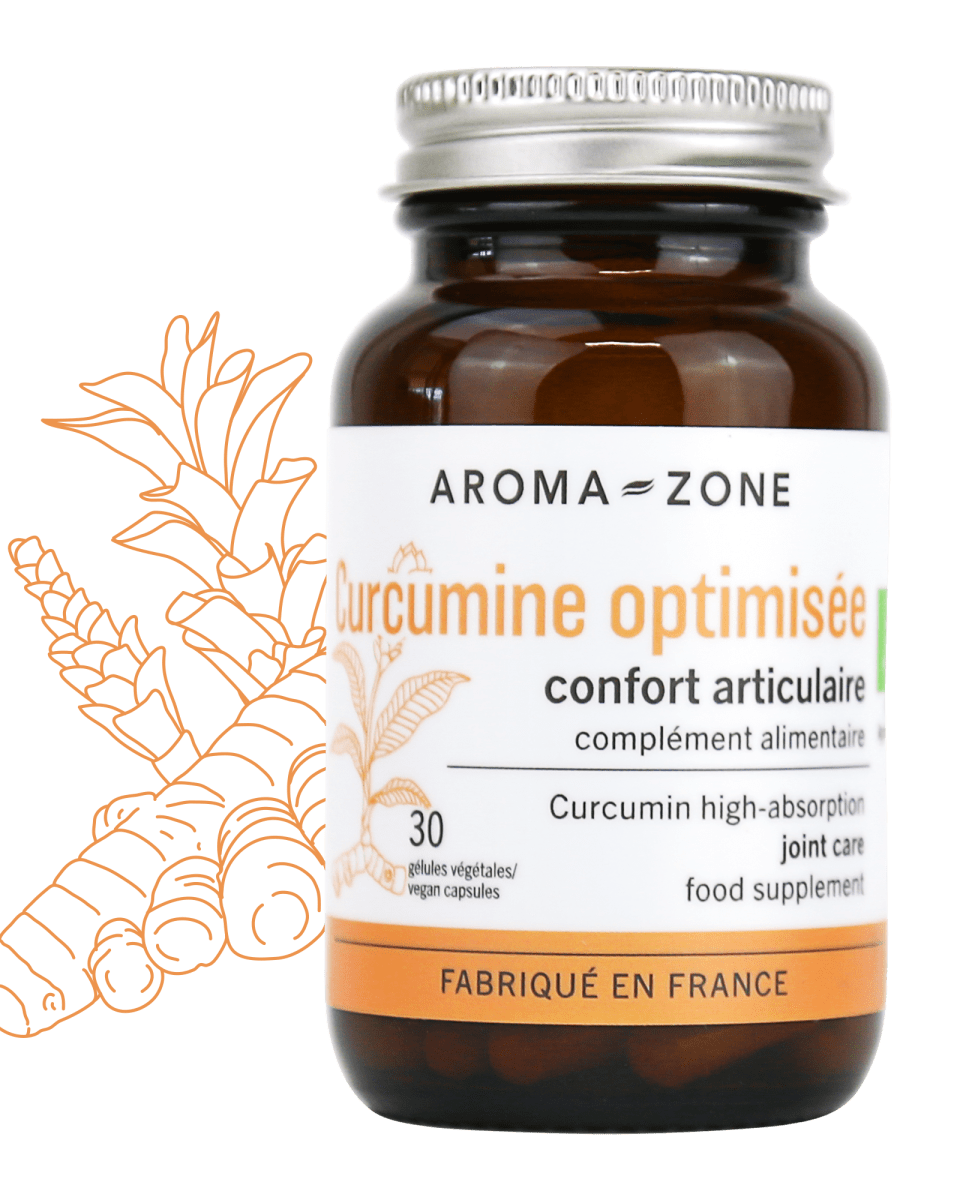
Focus on ORGANIC Optimised Curcumin - 30 capsules - food supplement

Our natural Turmeric recipes

Don't hesitate to add small touches of freshly grated or powdered Turmeric to your everyday recipes to enjoy its benefits and savour its delicious spicy flavour. Here are a few recipes you can make with Turmeric:

Turmeric infusion/decoction

To make yourself a good Turmeric infusion, nothing could be simpler: infuse the Turmeric in your cup of simmering water for around ten minutes, add the spice of your choice if you like, or lemon juice and honey, and enjoy! You can drink 1 to 2 cups a day for 2 weeks, then take a break for a week and start again for another 2 weeks to benefit from the properties of Turmeric as a cure.

You can also add a piece of fresh Turmeric to the equivalent of a large cup of water, bring to the boil and then turn off the heat. Leave to infuse for around ten minutes. Your decoction is ready! You can drink it in the same way as the infusion.

A fresh citrus and Turmeric juice

There's nothing like a good fresh homemade juice made from ORGANIC fruit to fill up on vitamins and minerals, take advantage of all their benefits and give yourself a little boost at any time of day:

Squeeze the juice from the lemon and orange, peel your piece of Turmeric and blend it into your citrus juice. You can also add a carrot for a juice that's even more concentrated in antioxidants, or a piece of fresh ginger for its anti-inflammatory and stimulating qualities. It's ready! If the taste is too concentrated, add water to taste.

Honey with Turmeric

To benefit from the healing, immunostimulant, analgesic, antibacterial and antioxidant properties of honey combined with the virtues of Turmeric, you can make your own Turmeric honey. It couldn't be simpler: mix 10g of powdered Turmeric (one tablespoon) into 100g of pure, organic honey until smooth. You can also add a teaspoon of Ginger if you like, to add its anti-inflammatory, eupeptic, analgesic and anti-oxidant properties.

Enjoy a teaspoon of this blend every day to boost your immune system, fight inflammation, combat winter ailments, soothe your digestive system, soften your throat and delight your taste buds. Add some to your herbal tea, toast, yoghurt or compote. Store in an airtight container away from light, heat and moisture.

Turmeric is a beneficial ingredient for beautiful skin and hair. You can incorporate it into your homemade mask recipes. Here are a few ideas:

Turmeric, honey and Aloe vera mask

Mix all the ingredients evenly before gently applying the mask evenly to your face, avoiding the eye area. Leave on for 5 minutes before rinsing off gently with lukewarm water. You can use this mask once or twice a week to moisturise, soften, balance and brighten your skin, soothe minor inflammations, fight blackheads, heal acne and eczema and fade pigmentation spots.

Turmeric and yoghurt mask

Mix the two ingredients together and apply the mask to your face. You can also add a spoonful of honey to soften and promote its healing action. Leave on for 5 minutes and rinse off with clean water. Your skin will be soft, radiant, moisturised and smoothed.

Turmeric scalp mask

Mix all the ingredients well and apply the mixture to your scalp, separating each strand to massage gently. Leave for 10 to 20 minutes before rinsing thoroughly with warm water and shampooing gently as usual. This treatment cleanses your roots, stimulates hair growth, calms inflammation and combats irritation (dandruff, itching, etc.)

What are the contraindications to taking Turmeric?

Contraindications of Turmeric

Turmeric is contraindicated in cases of:

  • allergies

  • liver problems

  • pathology of the bile ducts (stones, obstructions, etc.)

  • stomach or duodenal ulcers

As a precaution, the European Medicines Agency (EMA) advises against using Turmeric food supplements during pregnancy or while breastfeeding and in children under 18. However, it is not contraindicated when used sensibly as a spice in dishes.

Expert advice

With its powerful orange pigments, Turmeric can stain your fingers or your skin. If you find any yellow marks on your skin, wash it thoroughly once, twice or three times with warm water and mild soap. If you have very fair skin and the colour is not easily fading, you can use a gentle scrub or exfoliation to remove the colour completely. Before applying a face mask, do a small test in the crease of your elbow to check that it doesn't stain your skin and that there are no allergic reactions.

Find out more

Is it useful to combine it with other ingredients?

Yes, it is often enhanced when combined with ingredients like black pepper (piperine) or fats, which can improve the absorption of its active compounds. The turmeric-honey synergy is also a powerful remedy to support healing, prevent bacterial growth, and promote digestive well-being.

Is it good to take turmeric every day?

Yes, it can be incorporated into your daily diet—as a powdered spice or fresh root—as part of a varied and balanced diet. However, it’s recommended to be mindful of the amounts used and to take regular breaks, especially if consuming it as part of a treatment regimen.

Why combine turmeric and ginger, and what are their benefits?

These two roots are complementary and rich in natural active ingredients. Together, they support digestive comfort, contribute to the body’s vitality, and provide significant antioxidant benefits. Their spicy flavor also makes them a perfect pairing for wellness recipes such as herbal teas or golden milk.

Focus on our Naturopathic editor, Stéphanie Catrysse

Stéphanie Catrysse is a naturopath (certified by the FENA), a wellness massage and lymphatic drainage practitioner, and a personal development consultant. 

Passionate about alternative medicine, she practices a holistic approach to health.

Bibliography

1

10Daily JW, Yang M, Park S. Efficacy of Turmeric Extracts and Curcumin for Alleviating the Symptoms of Joint Arthritis: A Systematic Review and Meta-Analysis of Randomized Clinical Trials. J Med Food. 2016 Aug;19(8):717-29. doi: 10.1089/jmf.2016.3705. PMID: 27533649; PMCID: PMC5003001.

2

Lopresti AL, Smith SJ, Rea A, Michel S. Efficacy of a curcumin extract (Curcugen™) on gastrointestinal symptoms and intestinal microbiota in adults with self-reported digestive complaints: a randomized, double-blind, placebo-controlled study. BMC Complement Med Ther. 2021 Jan 21;21(1):40. doi: 10.1186/s12906-021-03220-6. PMID: 33478482; PMCID: PMC7818735.

3

Nunes YC, Mendes NM, Pereira de Lima E, Chehadi AC, Lamas CB, Haber JFS, Dos Santos Bueno M, Araújo AC, Catharin VCS, Detregiachi CRP, Laurindo LF, Tanaka M, Barbalho SM, Marin MJS. Curcumin: A Golden Approach to Healthy Aging: A Systematic Review of the Evidence. Nutrients. 2024 Aug 15;16(16):2721. doi: 10.3390/nu16162721. PMID: 39203857; PMCID: PMC11357524.

4

NSES, Adverse effects associated with the consumption of dietary supplements containing turmeric. June 27, 2022.

5

Vaughn AR, Branum A, Sivamani RK. Effects of Turmeric (Curcuma longa) on Skin Health: A Systematic Review of the Clinical Evidence. Phytother Res. 2016 Aug;30(8):1243-64. doi: 10.1002/ptr.5640. Epub 2016 May 23. PMID: 27213821.

6

Curcumin and obesity. BioFactors

7

Hewlings, S., & Kalman, D. (2017). Curcumin: A review of its Effects on Human health. Foods,

8

Rasyid, A., Rahman, A. R. A., Jaalam, K., & Lelo, A. (2002). Effect of different curcumin dosages on human gallbladder. Asia Pacific Journal of Clinical Nutrition

9

Neuroprotective effects of curcumin in neurodegenerative diseases. Foods