
What are the health risks associated with Turmeric?

Turmeric, the colourful spice that livens up your meals, is also an ingredient with a host of health benefits. Its anti-inflammatory, antioxidant, digestive, protective and blood-thinning properties make it an useful food supplement. As with any food supplement, it is important to follow the dosage and contraindications.

In this article, we explain the dosages you need to follow to consume Turmeric safely and optimally, and what its potential side effects could be.

By The Aroma-Zone editorial team

Reading time: +4 min.

What is turmeric?

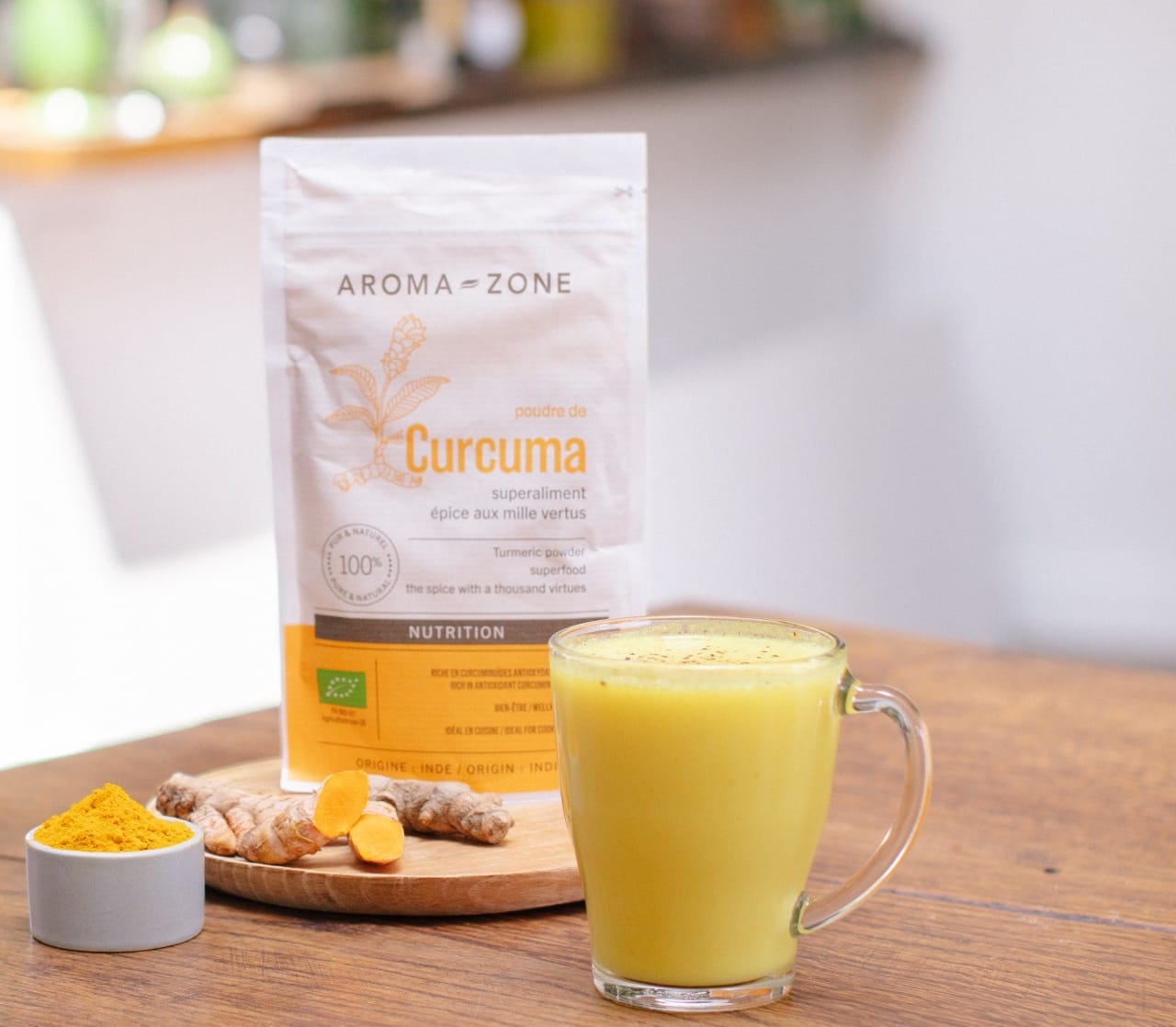
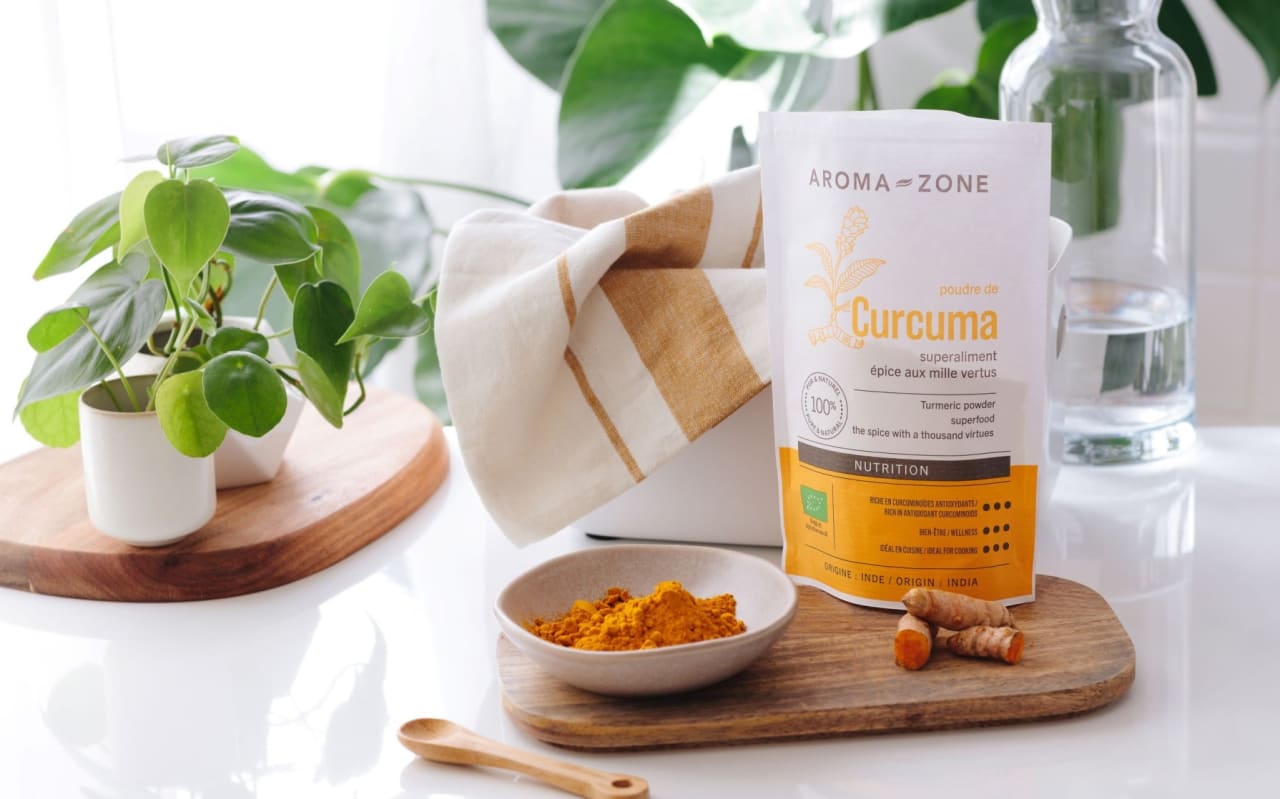
Turmeric, also known as Indian Saffron, is a herbaceous plant with large green leaves, part of the Zingiberaceae family that can grow up to 1 metre high. It is native to South-East Asia and thrives in fertile, sunny soil. Its fleshy, cylindrical underground stems, known as rhizomes, are used for their typical orange-yellow colour, spicy flavour and medicinal properties. Turmeric has been part of Asian culinary, traditional, religious and medicinal culture for thousands of years. Over the years, it has spread throughout the world, becoming a spice in its own right, a food colouring agent, a natural preservative and a "functional food", i.e. a foodstuff with interesting medicinal properties that can be consumed as a food supplement, occasionally or as a course of treatment.

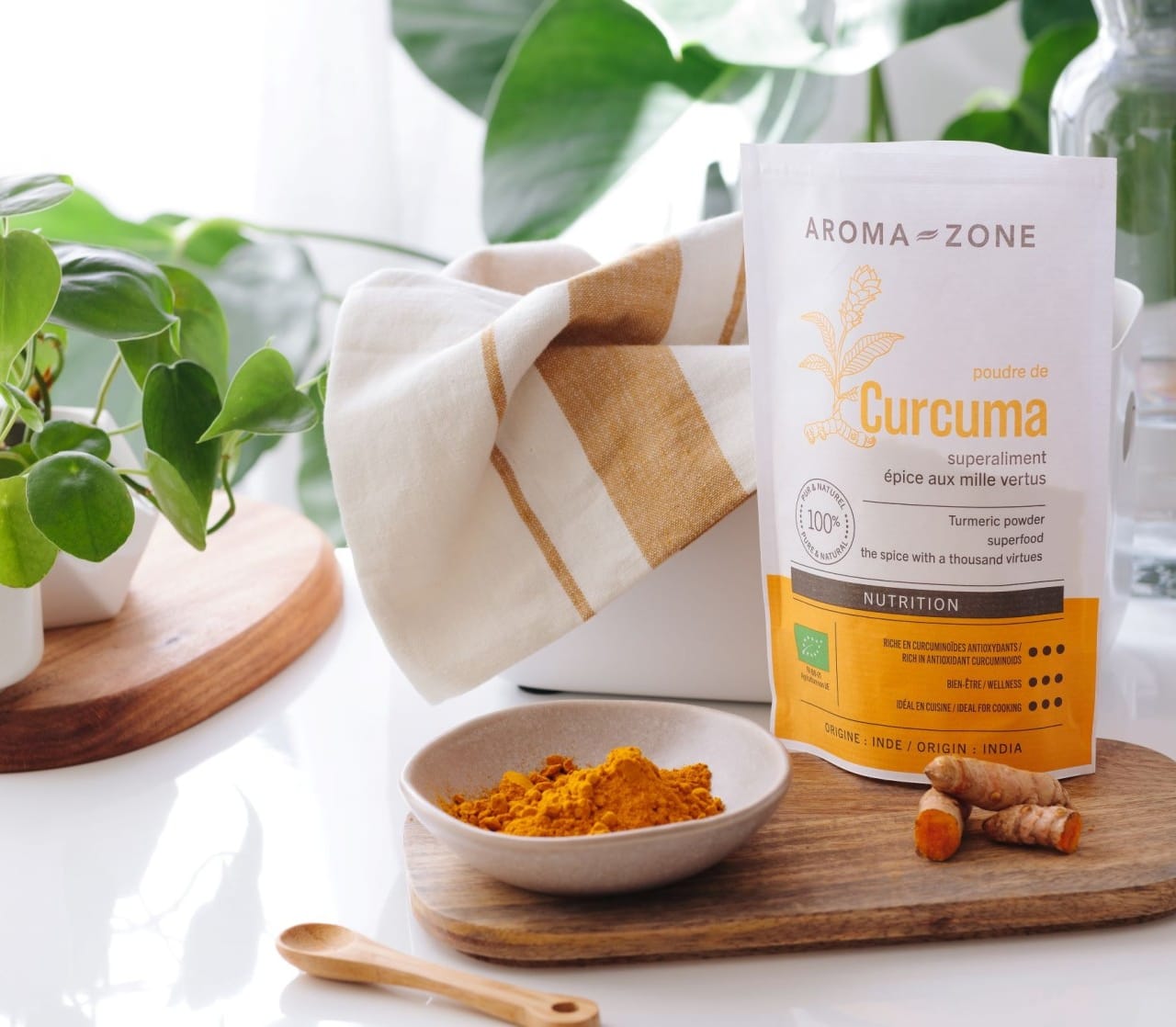
Used fresh or dried and ground into powder, the Turmeric rhizome contains precious molecules called curcuminoids (the majority of which are curcumin), which give it its characteristic yellow-orange colour and its powerful anti-inflammatory, antioxidant, digestive, stimulant, fluidifying and protective properties. Turmeric is also rich in vitamins (C, E, B1, B2, B3, B6, K) and minerals and trace elements (Iron, Manganese, Magnesium, Calcium, Potassium).

Is turmeric dangerous?

Turmeric has very few side effects when taken in the recommended doses.

However, if ingested in high doses, it can cause yellow stools, flatulence, heartburn, dry mouth, skin rashes, headaches and even nausea, vomiting and diarrhoea.

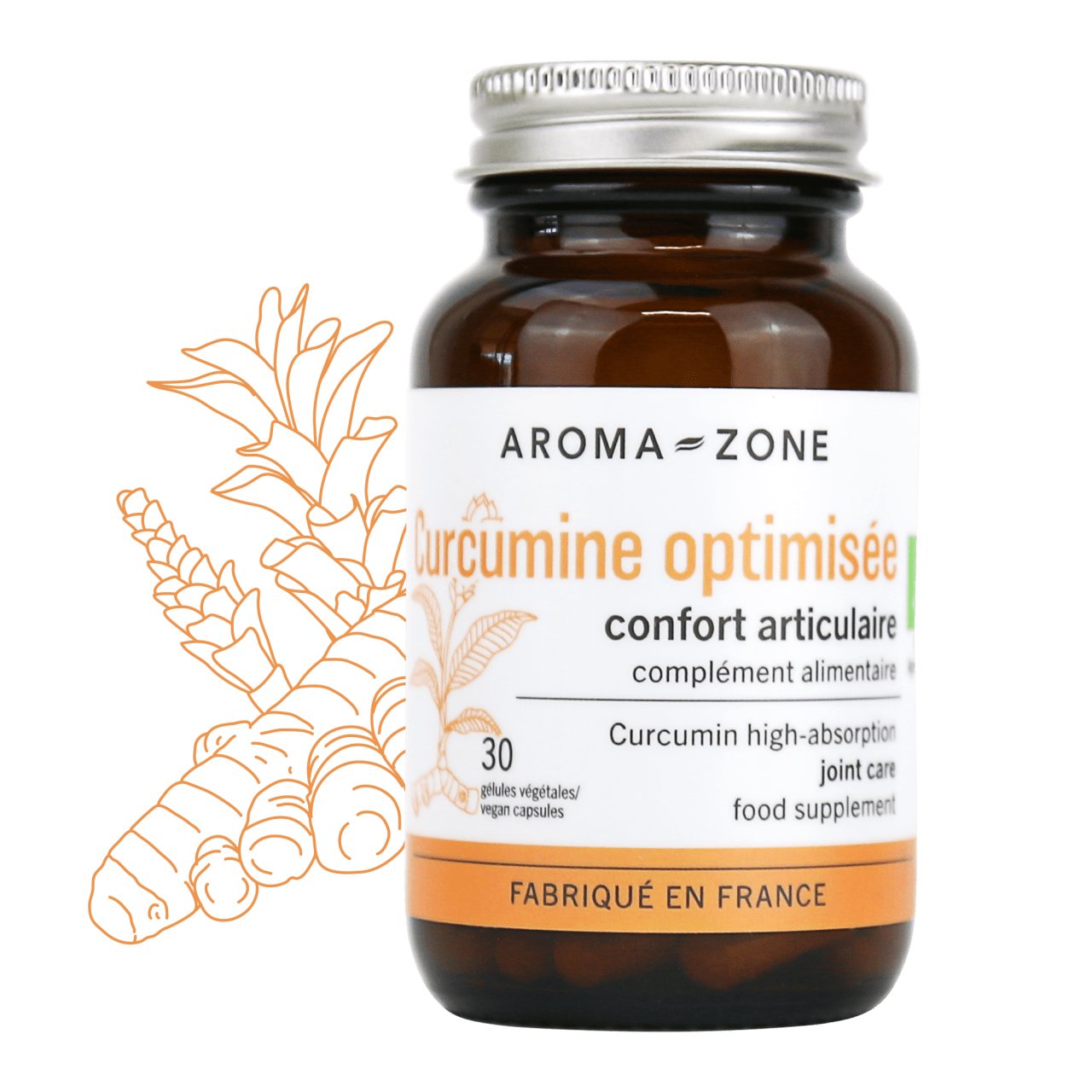
Turmeric is often combined with piperine (extracted from black pepper) to increase the bioavailability of its precious curcuminoids, so that they can be absorbed by the body. This combination can be very irritating to the digestive tract and can lead to intestinal permeability over the long term. Other natural formulations with no side effects have been developed, such as our Aroma-Zone ORGANIC Optimised Curcumin food supplement.

Are there any contraindications to taking turmeric?

Contraindications of Turmeric

Turmeric is contraindicated in cases of:

  • allergies

  • liver problems

  • pathology of the bile ducts (stones, obstructions, etc.)

  • stomach or duodenal ulcers

Interactions of Turmeric with medicines

  • Anticoagulants

Turmeric may have certain interactions with anticoagulant drugs (blood thinners). If you are taking this type of treatment, we advise you to ask your doctor for advice before taking Turmeric.

This also applies to the combination of Turmeric with plants with anticoagulant properties such as Gingko, Ginseng, White Willow, Ginger, Eleutherococcus, etc.

  • Anti-inflammatories

Due to its strong anti-inflammatory properties, Turmeric can potentially interact with other anti-inflammatory drugs.

  • Antibiotic, anti-tumour, anti-cancer or immunosuppressive treatments

If you are undergoing immunosuppressive, anti-tumour, chemotherapy or radiotherapy treatment, we recommend that you do not consume Turmeric before, during or after the days of treatment.

Turmeric and the liver: contraindications

Turmeric: a hepatoprotector

Turmeric is often described as a liver protector thanks to its antioxidant and choleretic properties. Once again, the curcuminoids it contains are largely responsible for this. In fact, ESCOP (European Scientific Coordination on Phytotherapy) recognises the use of Turmeric in the symptomatic treatment of mild digestive disorders and minor biliary problems.

It stimulates the secretion of bile from the gall bladder and then from the liver, making digestion easier and relieving the role of the liver.

Turmeric and the liver: contraindications

In the event of liver or bile duct pathology, consumption of Turmeric in the form of food supplements should be avoided, particularly because of its choleretic action.

Dangers of turmeric: it's all a question of dosage

According to the EFSA (European Food Safety Authority), the recommended daily intake of curcumin in food is 180 mg per day for an adult weighing 60 kg. According to ANSES (the French National Agency for Food, Environmental and Occupational Health and Safety), the daily intake should not exceed 153 mg per day for an adult weighing 60 kg.

These dosages correspond to dietary use.

In the case of specific therapeutic needs (for a precise action on health), for example a digestive or anti-inflammatory action, higher doses of curcumin are required for optimal efficacy.

Dosage depends mainly on the form of turmeric you choose to take:

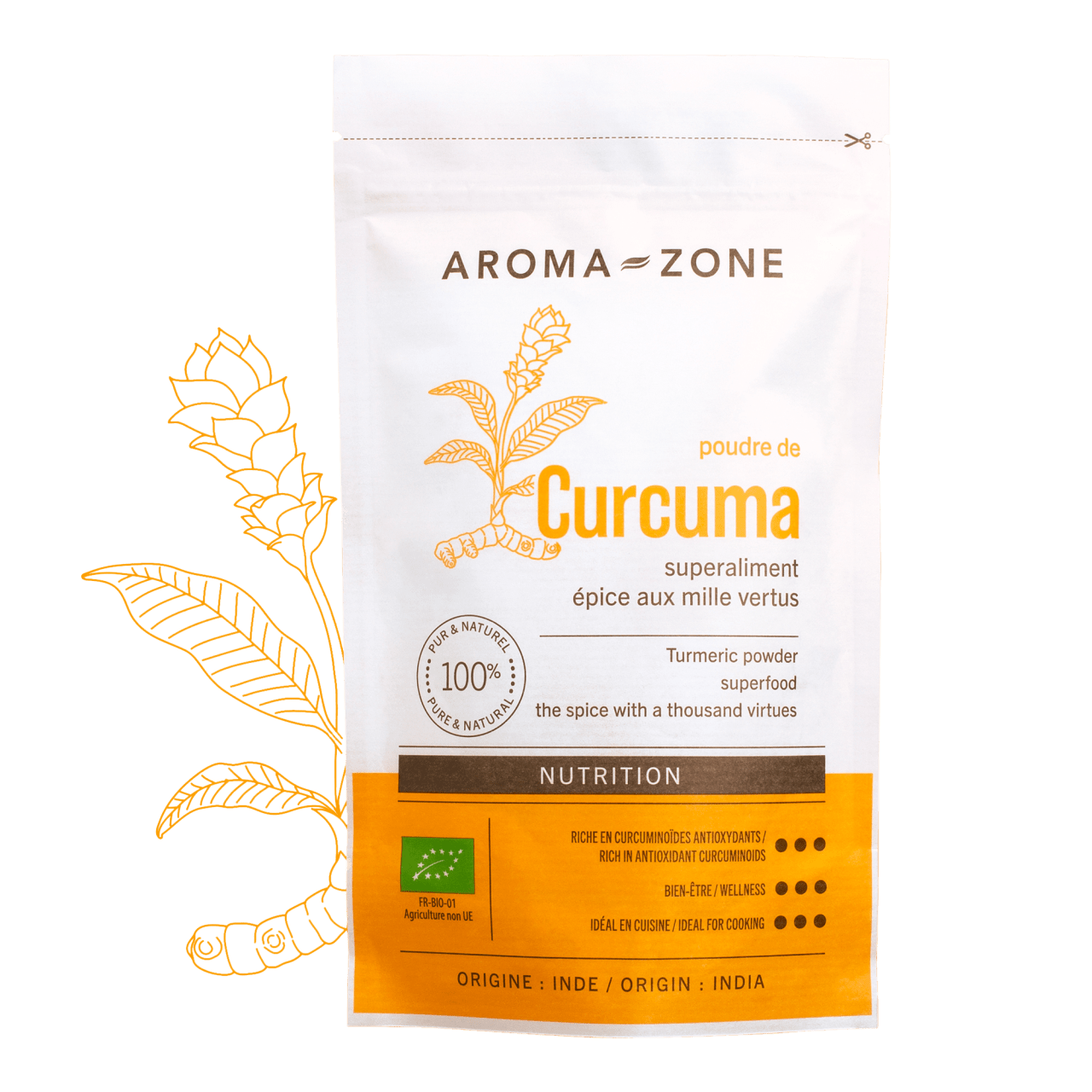
  • As a powder: between 1.5 and 3g (i.e. ½ to 1 teaspoon) a day, sprinkled over your dishes or in your juices, smoothies, fruit purées, etc.

  • As an infusion: 1 to 2g of dried turmeric rhizome powder to infuse in a cup of simmering water, 1 to 2 cups a day.

  • Capsules: we advise you to always follow the recommendations on the label of your food supplement, as the dosage depends on the concentration of Turmeric per capsule and the process used to manufacture them.

For conventional turmeric rhizome powder capsules: 1 to 3g per day

For turmeric capsules with optimised curcumin: 300 mg per day, i.e. 1 capsule (always check the dosage indicated by the manufacturer of your product).

What research says about turmeric

  • The EMA: The European Medicines Agency considers the use of turmeric to relieve "difficult digestion" to be "traditional". It recommends a maximum treatment duration of two weeks.

  • WHO: The World Health Organisation recognises as "clinically justified" the use of turmeric in "difficult digestion with hyperacidity and flatulence". It recognises as "traditional" its use in the treatment of "gastric ulcers, arthritis, painful or irregular menstruation, diarrhoea and skin problems".

  • COMMISSION E: Commission E of the German Ministry of Health recognises the use of turmeric in the "treatment of digestive disorders".

  • ESCOP: The European Scientific Coordination on Phytotherapy recognises the use of turmeric in "the symptomatic treatment of mild digestive disorders and minor biliary problems".

  • On the subject of food supplements containing curcumin: After examining the scientific data, the European health authorities (EFSA, European Food Safety Authority and the European Commission) issued an opinion in 2018 on certain health claims made by food supplements containing curcumin. They ruled that these products cannot claim to contribute to normal joint function. It is now forbidden to mention this effect for food supplements containing curcumin.

Find out more

Is turmeric harmful to the liver?

In France and Italy, around 35 cases of hepatitis - the causes of which are thought to be linked to the consumption of turmeric-based food supplements - have been reported over the last ten years.

At the time, the health authorities warned of the need for vigilance when using turmeric-based food supplements.

Turmeric is potentially dangerous for the liver when consumed in very high doses.

As with any food supplement, it is therefore important to follow the recommended dosage.

Is there a risk of overdosing with optimised curcumin-based supplements?

The curcumin contained in turmeric is not very bioavailable, meaning that it is poorly absorbed by the body, as it passes in micro-quantities into the bloodstream and is rapidly eliminated. Certain forms of food supplements with 'optimised' bioavailability have emerged in recent years. These are based on specific formulas using 'encapsulation' of curcumin or its combination with piperine (extracted from black pepper), a micelle, nanoparticles or a phytosome. These new formulas are not dangerous as such, but it's the dosages that can be. In fact, many Turmeric food supplements with 'optimised curcumin' are labelled with little or no indication that this is a non-standard formula, requiring a very specific daily dosage that differs from conventional turmeric powder capsules. The risk of overdosing is therefore considerably increased.

Our Aroma-Zone ORGANIC "optimised curcumin" food supplement follows a clinically studied dosage and one capsule a day is enough to provide 300 mg of ORGANIC TurmiPure Gold ® Curcuma, 95% concentrated in curcuminoids.

It is based on a patented process for encapsulating curcuminoids in a 100% natural plant matrix, composed of Quillaja saponaria extract (Panama wood), Acacia gum and Sunflower oil. This micro-encapsulation enables the curcuminoids to be transported directly into the bloodstream. Assimilation is therefore optimal.

Is Turmeric carcinogenic?

Turmeric is renowned as an 'anti-cancer' ingredient thanks to its many medicinal properties. It is thought to slow down the development of certain types of cancer by restricting the formation of metastases and promoting the cell death of tumour cells) as a complement to chemotherapy and radiotherapy. It is also thought to help reduce the side-effects of these treatments.

However, its action remains complementary and unproven.

In addition, we advise against consuming Turmeric on the day of chemotherapy or radiotherapy treatment, as well as for a few days before and after. It could interfere with or even reduce the action of chemotherapy and interact with the oxidising effect of radiotherapy.

Turmeric is also not recommended in the case of cancer requiring hormone therapy, as its action could reduce its effectiveness.

Turmeric: is it suitable for use during pregnancy?

As a precaution, the European Medicines Agency (EMA) advises against supplementation (taking a food supplement) during pregnancy or while breastfeeding. However, it is not contraindicated when used sensibly as a spice in dishes.

Bibliography

1

Adverse effects associated with the consumption of dietary supplements containing turmeric | ANSES - French Agency for Food, Environmental and Occupational Health & Safety. (n.d.).

2

Safety of tetrahydrocurcuminoids from turmeric (Curcuma longa L.) as a novel food pursuant to Regulation (EU) 2015/2283. EFSA Journal, 19(12), e06936.

3

Turmeric - herbal medicine - VIDAL. (n.d.). VIDAL.