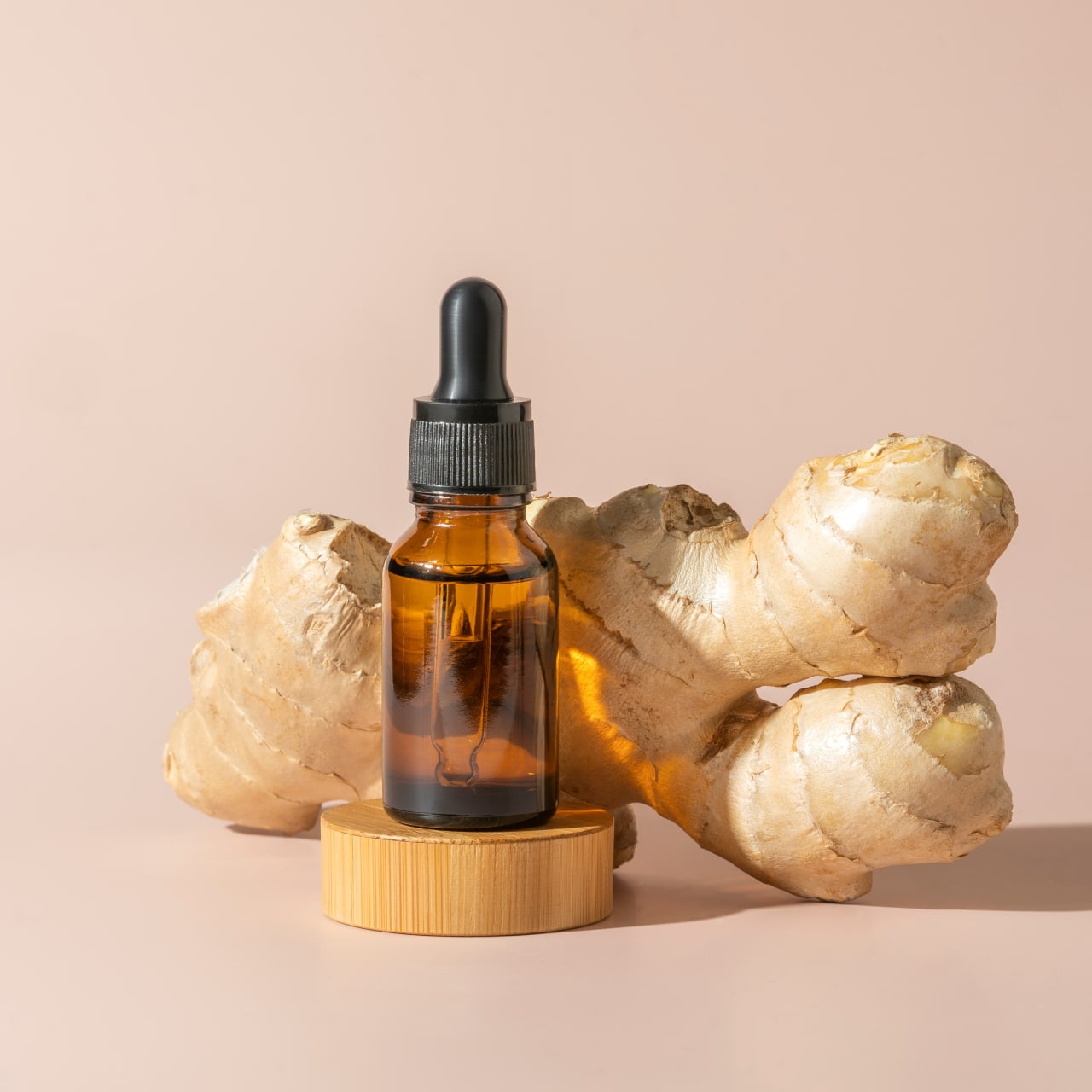
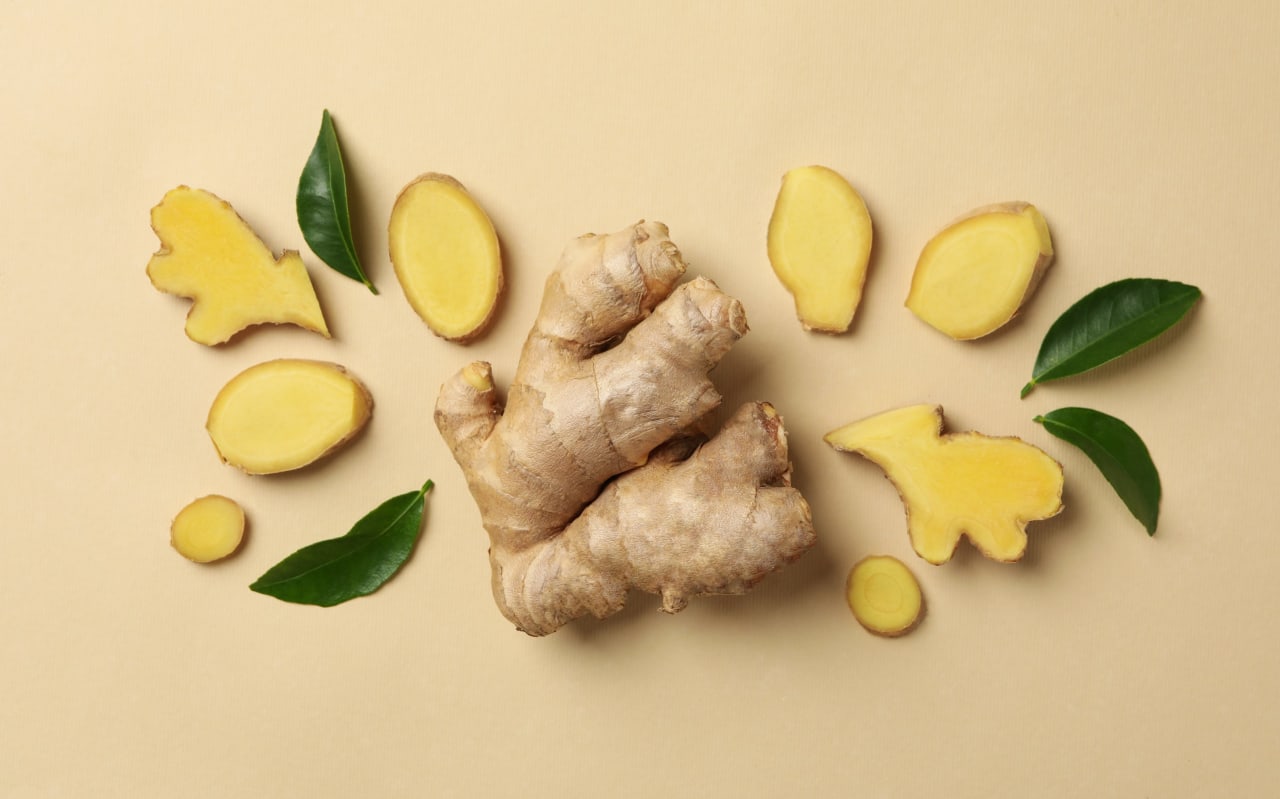
Ginger (Zingiber officinale) is a tropical plant native to Southeast Asia. The plant's rhizome, a knobbly root with a spicy, pungent flavour, is used. Its high content of active compounds, such as gingerols, shogaols and zingerone, gives it antioxidant, anti-inflammatory, digestive and antiviral properties. Ginger has been used in traditional medicine for over a thousand years, particularly in Ayurvedic and Chinese medicine, to relieve various ailments, including respiratory disorders.
Ginger: An Effective Remedy for Colds?
Published on: Friday, October 25, 2024, Updated on: Wednesday, October 28, 2026
Ginger, recognised for centuries for its therapeutic properties, is often hailed as a natural ally against colds. But does it really help ease the symptoms of this common infection? Let’s explore ginger’s properties, how it acts on colds, and how to work it into your routine to support your immune system against the virus.
Contents
Related products
Winter Serenity Aromatherapy Balm
Respiratory tract well-being
£6.00
40 g
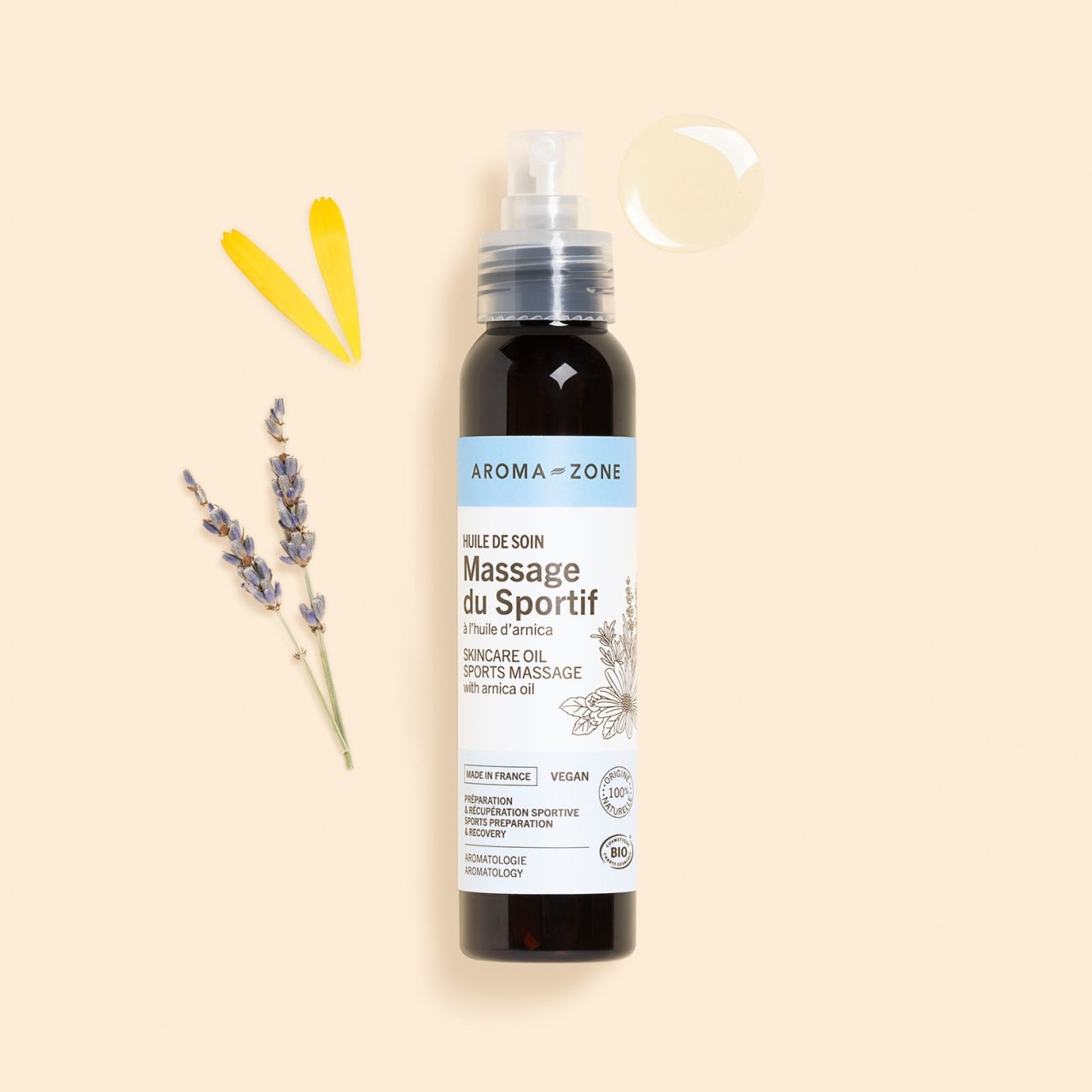
Sports Massage Oil
Soothing
£11.00
100 ml
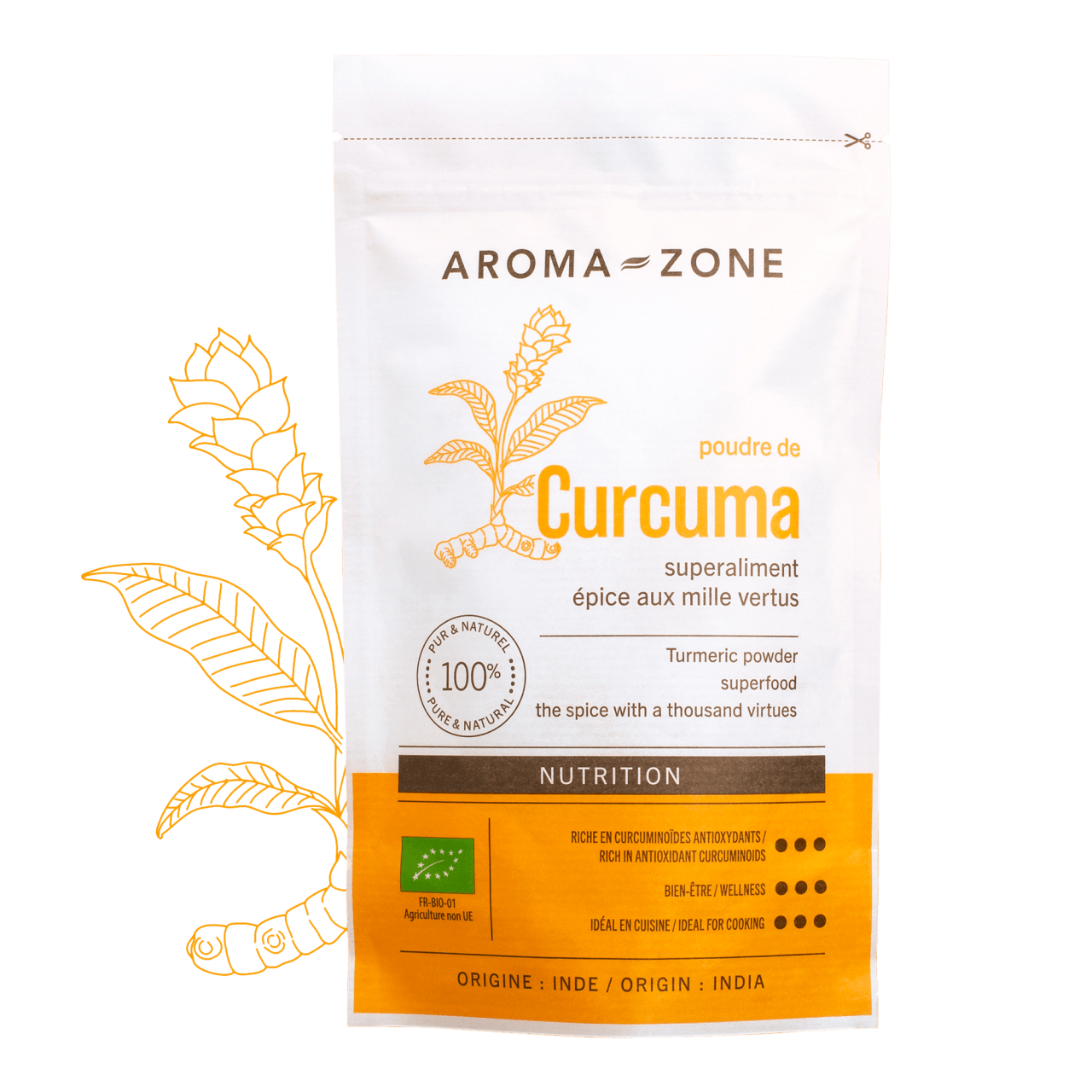
Organic Turmeric Powder
Rich in antioxidants
£4.00
100 g
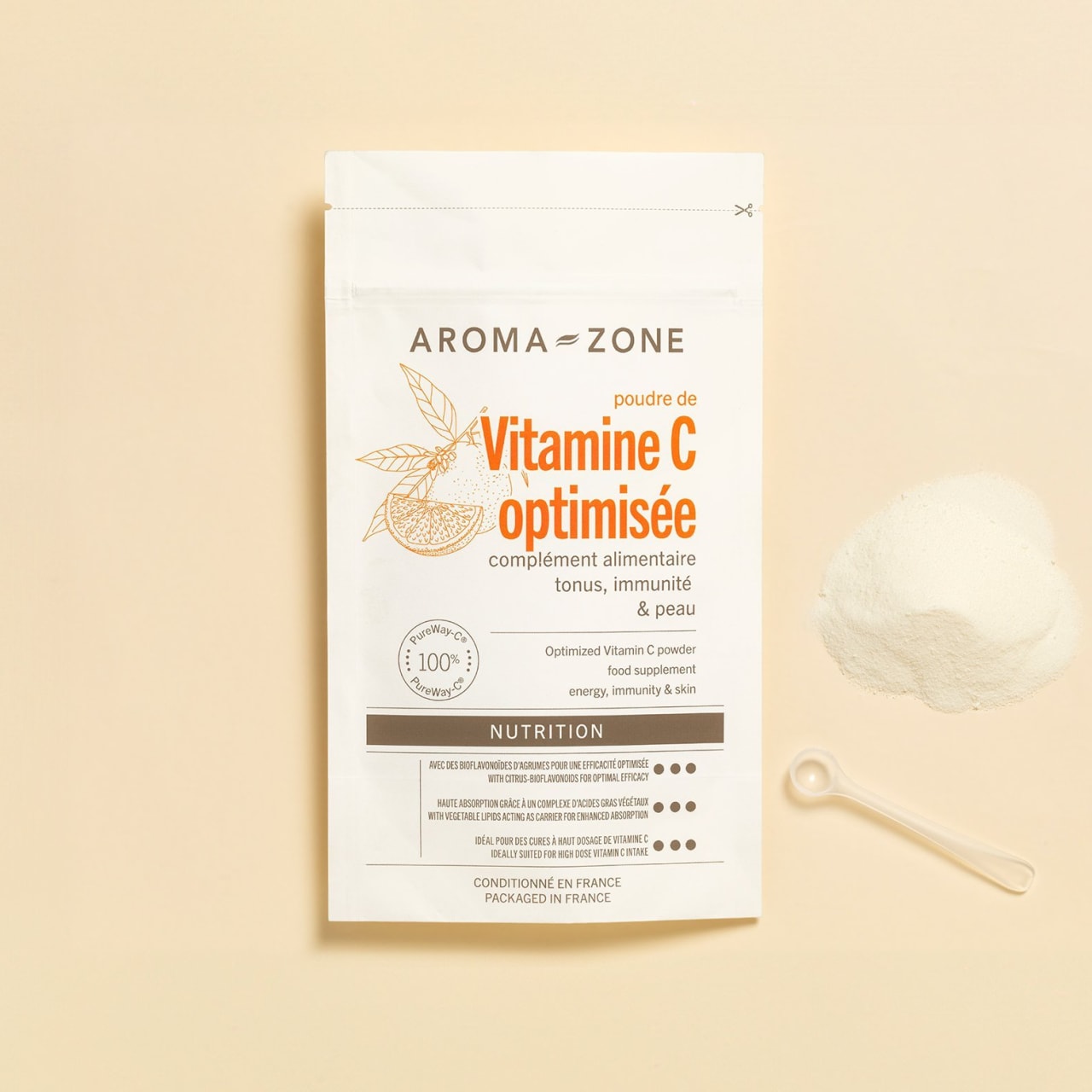
Optimised Vitamin C Powder
Vitality
£16.00
150 g
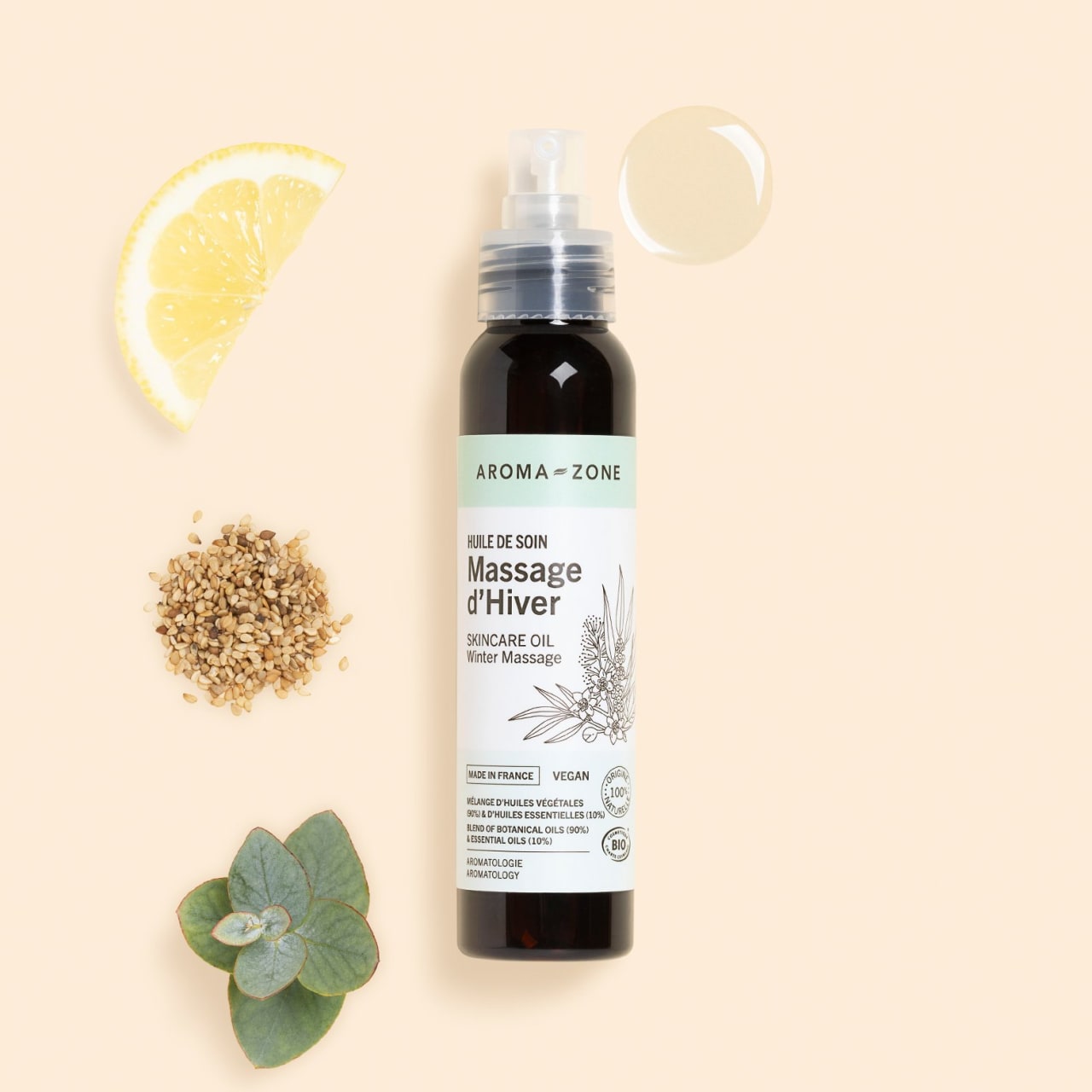
Winter Massage Oil
Soothing
£11.00
100 ml
What Is Ginger?
Why Use Ginger?
Ginger is used in many situations because of its many benefits. In the case of a cold, for example, its ability to stimulate blood circulation, support the immune system and its warming properties make it particularly useful. Furthermore, its anti-inflammatory properties help to reduce discomfort in the respiratory tract. Beyond the common cold, ginger is an excellent natural remedy for nausea, digestive problems, migraines, and period pain, as well as for relieving joint or muscle pain after physical exertion.
What Are The Benefits of Ginger?
Here are the main health benefits of ginger:
Anti-inflammatory: Gingerol, its active compound, helps reduce inflammation, which is particularly useful for soothing sore throats associated with the common cold.
Antioxidant: It neutralises free radicals in the body, thereby helping to strengthen the immune system.
Immune-boosting: Its antiviral and antibacterial properties help fight infections.
Natural expectorant: It helps clear mucus from the airways.
Warming: Ginger helps to warm the body, which can be soothing when suffering from chills caused by a cold.
Digestive aid, antiemetic: It stimulates the production of digestive enzymes, thereby promoting better digestion and reducing bloating. It relieves nausea, which can sometimes accompany a cold.
Ginger: An Effective Remedy for the Common Cold?
Ginger isn't a miracle cure, but it can help relieve certain cold symptoms and shorten their duration. Thanks to its anti-inflammatory properties, it helps soothe throat inflammation, which is often painful and uncomfortable. As a natural expectorant, ginger helps clear mucus, easing blocked airways and making it easier to breathe.
Its warming properties are also especially helpful when you have chills and feel cold, which are common during a cold. It stimulates blood circulation, which supports the body’s healing process. At the same time, its antiviral and antibacterial compounds strengthen the body’s natural defences, helping it to fight off the infection more effectively.
Whether consumed as herbal teas, concentrated juices (such as ‘ginger shots’) or even added to hot meals, ginger offers greater comfort during the acute phase of the illness.
How to Use Ginger for a Cold
You can incorporate ginger into your routine in various ways to relieve cold symptoms:
Ginger tea: Ginger tea is one of the most popular ways to consume ginger. To make it, simply steep a few slices of fresh ginger in simmering water for 10 to 15 minutes. For an even greater effect, add lemon and honey for additional antiseptic and throat-soothing benefits. We recommend drinking 1 to 3 cups per day.
Ginger juice or shot: A concentrated ginger juice, often called a “ginger shot”, is a powerful option for boosting the immune system. You can make this juice by juicing fresh ginger with a little lemon and a pinch of turmeric, then adding a spoonful of honey if required. Drink this mixture in small quantities, but it is very effective at boosting the immune system.
Ginger on your plate: You can also add ginger directly to your dishes, such as soups or broths, to benefit from its warming and anti-inflammatory properties whilst nourishing your body.
How to Relieve a Cold Naturally
Like ginger, there are several other natural remedies that can help you manage the symptoms of a cold more effectively:
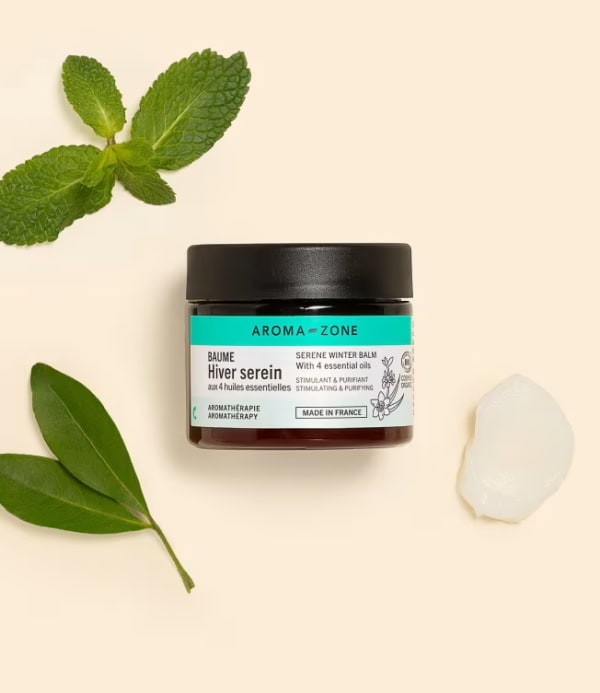
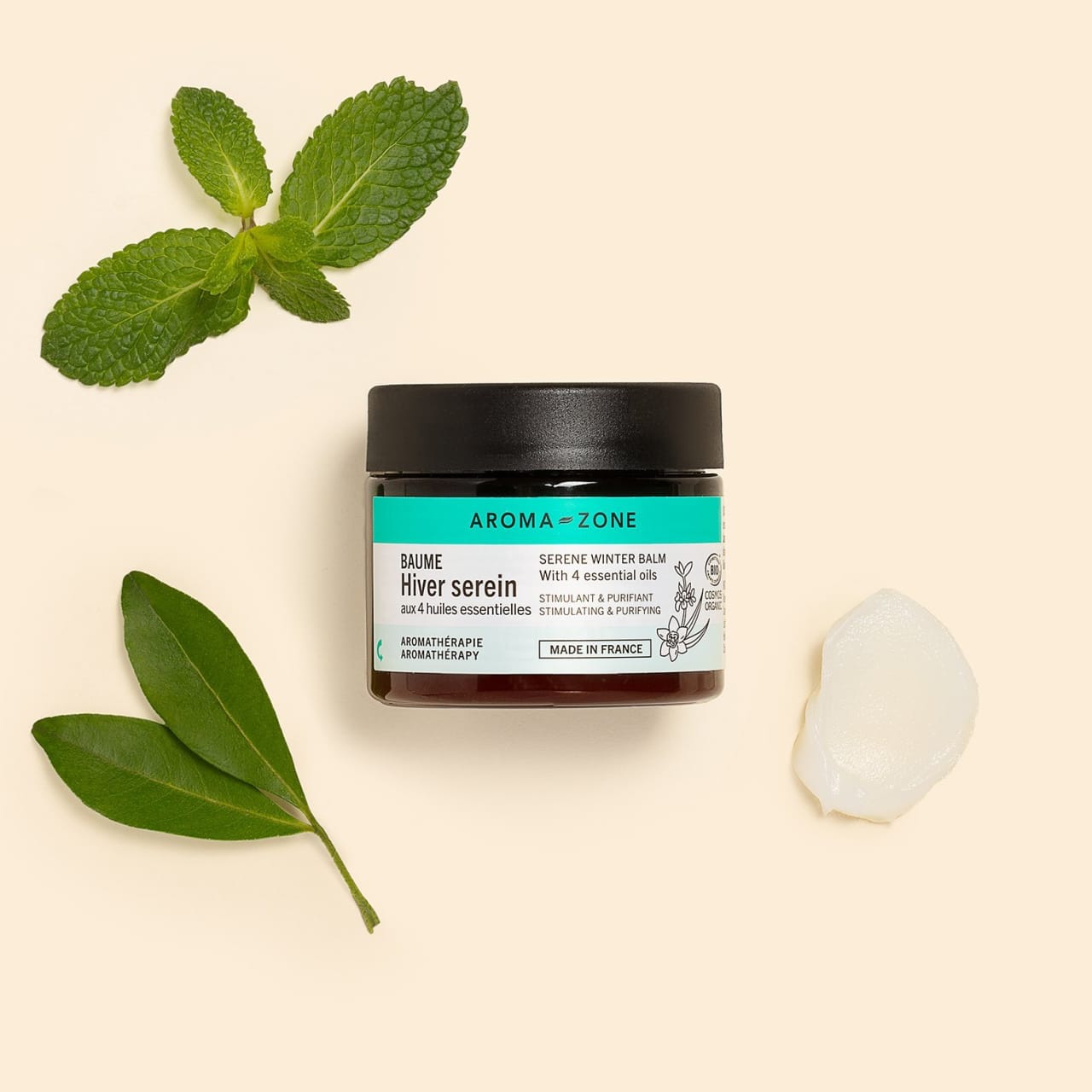
The Serene Winter Aromatherapy Balm with 4 Essential Oils: This balm combines essential oils of Eucalyptus radiata, Ravintsara, Thymol thyme and Turpentine to clear congestion and open up the airways. Applying it to the chest and upper back helps to relieve winter ailments and make breathing easier.
Directions for use: Massage into the chest, neck or back.
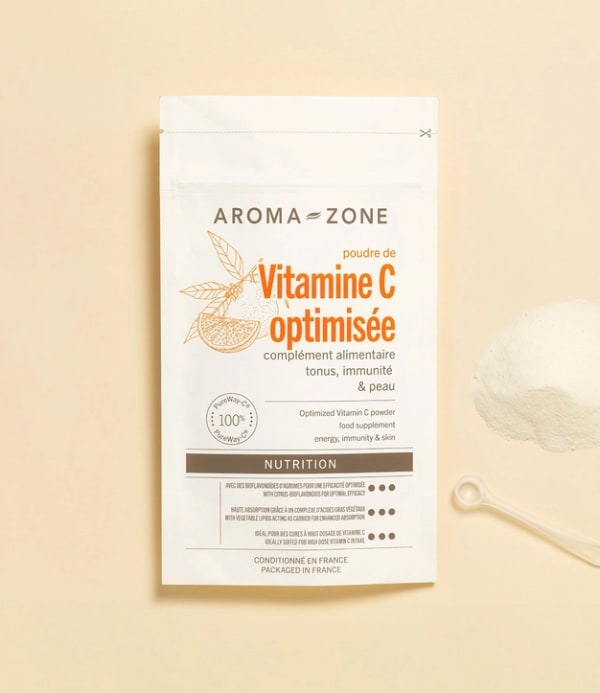
Optimised vitamin C powder: Vitamin C strengthens the immune system and helps combat fatigue. It protects cells against oxidative stress, a key factor in aiding recovery from a cold.
Directions: Take 1 to 2 measuring spoons per day, dissolved in a glass of water or juice, divided between morning and evening.
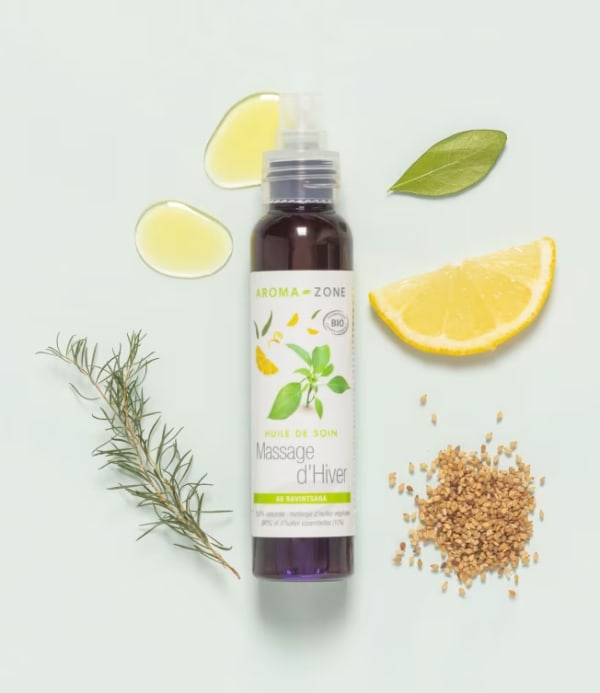
The Winter Massage Care Oil: This oil, enriched with essential oils of Ravintsara, tea tree and Eucalyptus radiata, provides a stimulating massage that boosts the body’s natural defences and helps clear the airways. Ideal for soothing tired muscles when you have a cold, it leaves the skin feeling soft and moisturised.
Directions for use: Massage onto the chest and upper back for a soothing sensation.
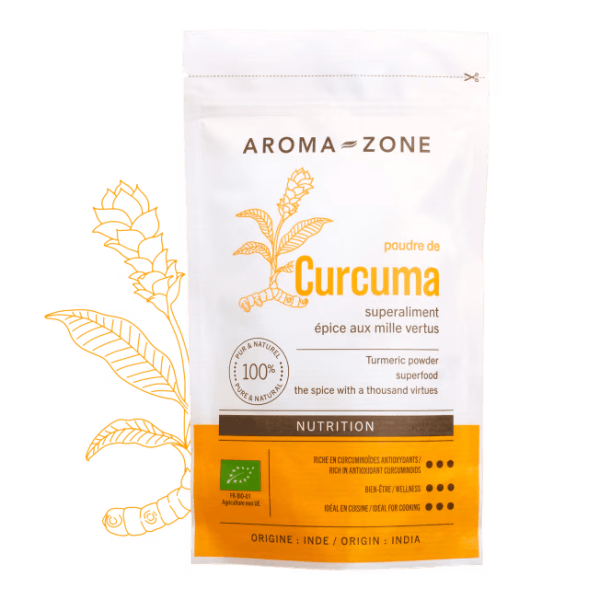
Organic turmeric powder: Known for its anti-inflammatory properties, turmeric helps to reduce inflammation associated with the common cold. It also supports healthy digestion, which is often disrupted when you’re ill, and can be added to hot drinks such as golden milk for a soothing effect.
Directions: Add ½ to 1 teaspoon to your dishes or drinks.
Related recipes at AZ

Precautions for use
Before consuming ginger, it is important to bear in mind a few precautions:
Excessive consumption can lead to side effects such as heartburn or mouth irritation.
Ginger may interact with certain medicines, particularly blood thinners. We therefore advise you to consult a healthcare professional before using it regularly, especially if you are taking any medication or have specific health conditions.
Pregnancy and breastfeeding: Consult a healthcare professional before consuming large quantities of ginger.
Expert Advice
Don’t forget thyme tea! To relieve cold symptoms, steep a few sprigs of fresh thyme or a teaspoon of dried thyme in hot water for 10 minutes. Its antiseptic properties help to clear the airways. If needed, add a little honey or some fresh lemon juice to sweeten the taste and enhance the soothing effect.
Spotlight on Our Naturopathic Writer: Stéphanie Catrysse

Stéphanie Catrysse is a naturopath (certified by the FENA), a wellness massage and lymphatic drainage practitioner, and a personal development coach. She is passionate about alternative medicine and practices a holistic approach to health.
Bibliography
Ali BH, Blunden G, Tanira MO, Nemmar A. Some phytochemical, pharmacological and toxicological properties of ginger (Zingiber officinale Roscoe): a review of recent research. Food Chem Toxicol. February 2008.
Chan, E. W. et al., Antioxidant and anti-inflammatory properties of ginger for respiratory health. Current Pharmaceutical Design, 2019.