
Autumn asks a bit more of the body than people tend to give it credit for: shorter days, a bigger temperature swing between morning and evening, more time spent indoors with the windows shut.
None of that's a reason to reach for a quick fix, but it is exactly the kind of seasonal shift that's traditionally marked with a change in aromatherapy ritual, lighter, brighter oils give way to warmer, more grounding ones as the year turns.
What these oils can genuinely offer
It’s worth saying plainly: essential oils can’t replace medical advice or medication. What they can do is play a part in general wellbeing, bringing a sense of ritual and comfort as the season turns, a scent reached for because it feels right for the time of year.
If you’re feeling genuinely under the weather, or something feels like more than the usual seasonal tiredness, a GP or pharmacist is always the better person to talk to.
A few autumnal scents, for a warmer feel
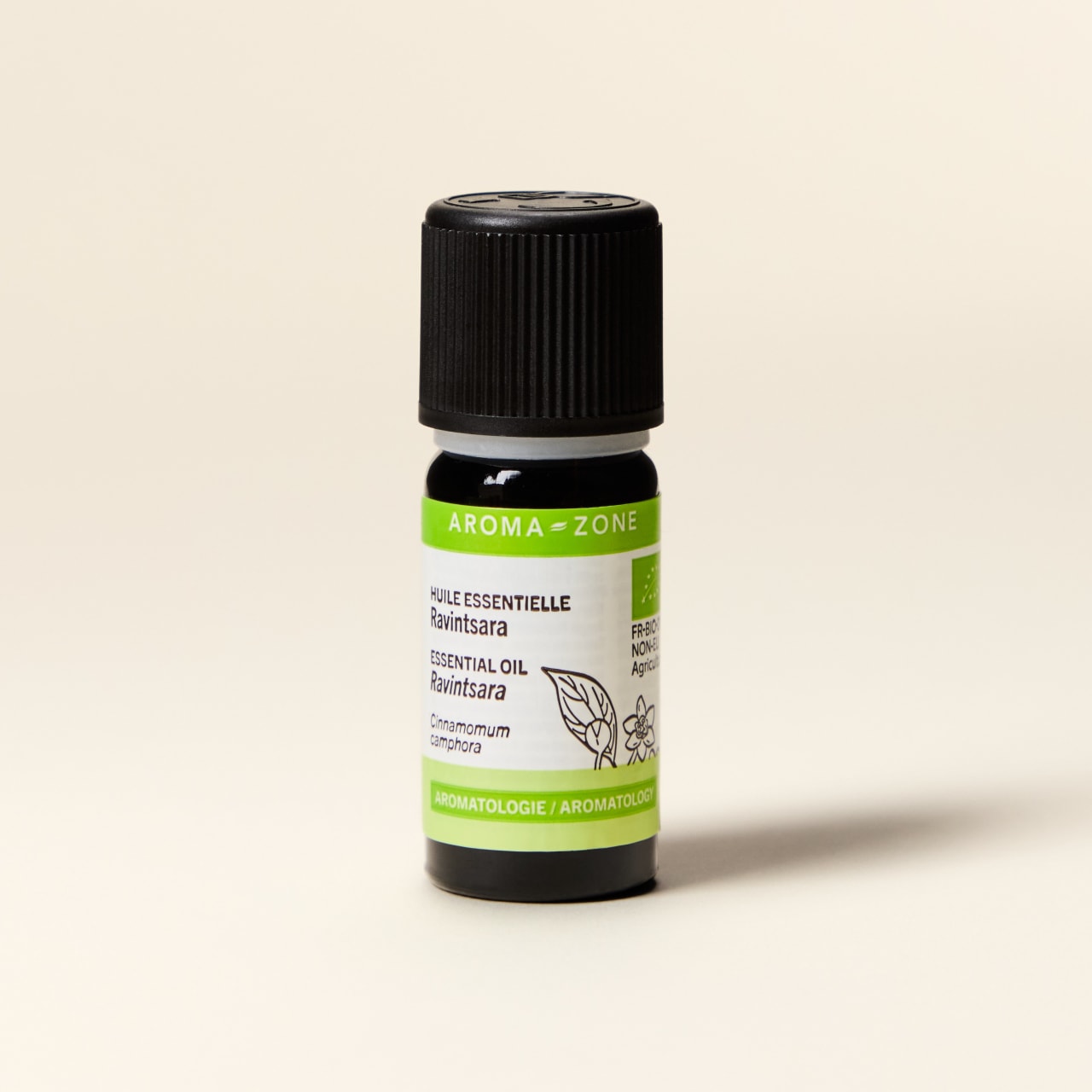
Organic Ravintsara Essential Oil is probably the best-known name in French aromatherapy for this time of year, traditionally reached for as the weather turns. Aroma-Zone's guide to Ravintsara covers its traditional reputation and how it's typically used in more depth.
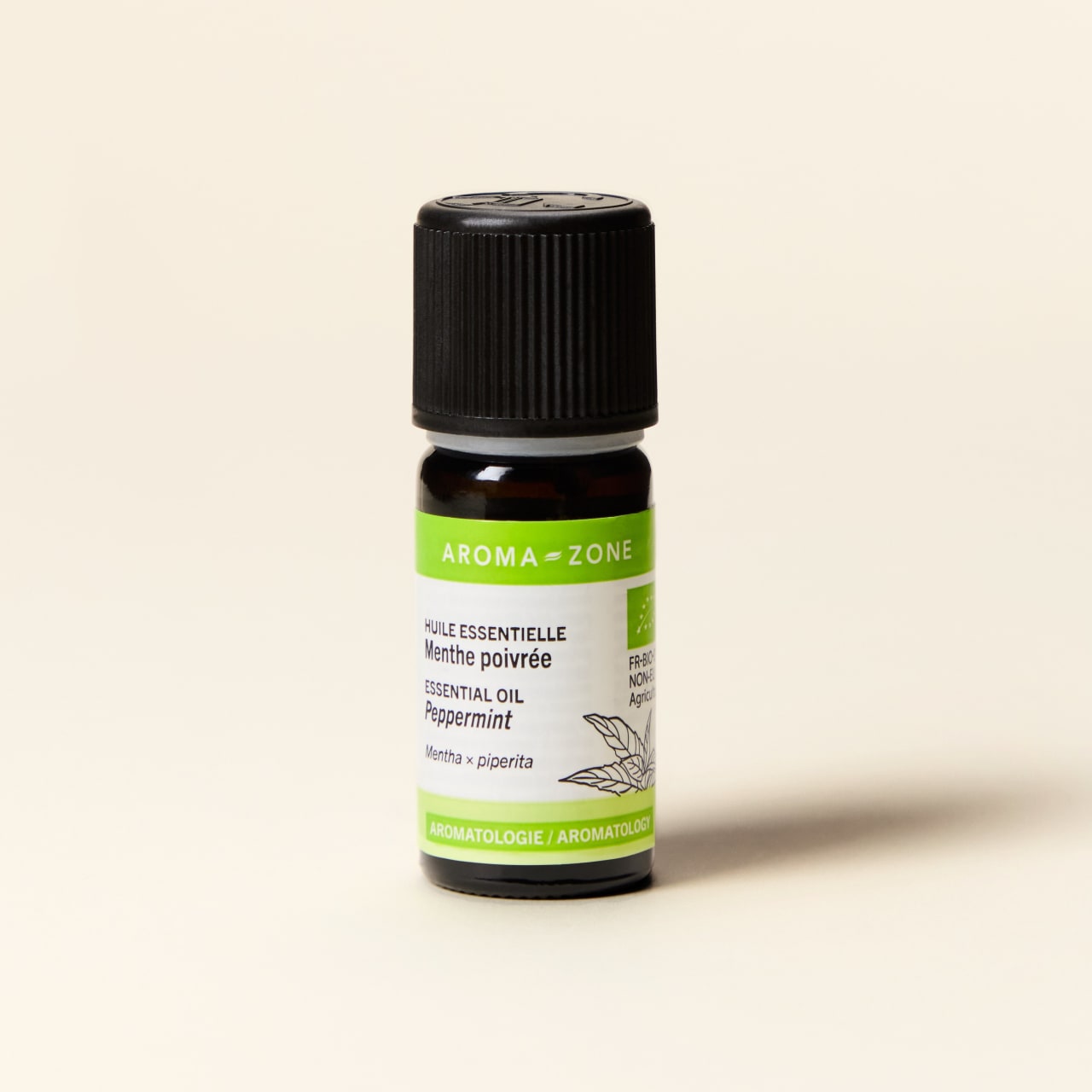
Organic Peppermint Essential Oil has a cooling, invigorating scent, often reached for when a room (or a morning) needs a bit of a lift. It's also one of the more tightly restricted oils, not suitable in pregnancy, for children under 6, for anyone with epilepsy, or diffused around the elderly. The guide to Peppermint has the full precautions.
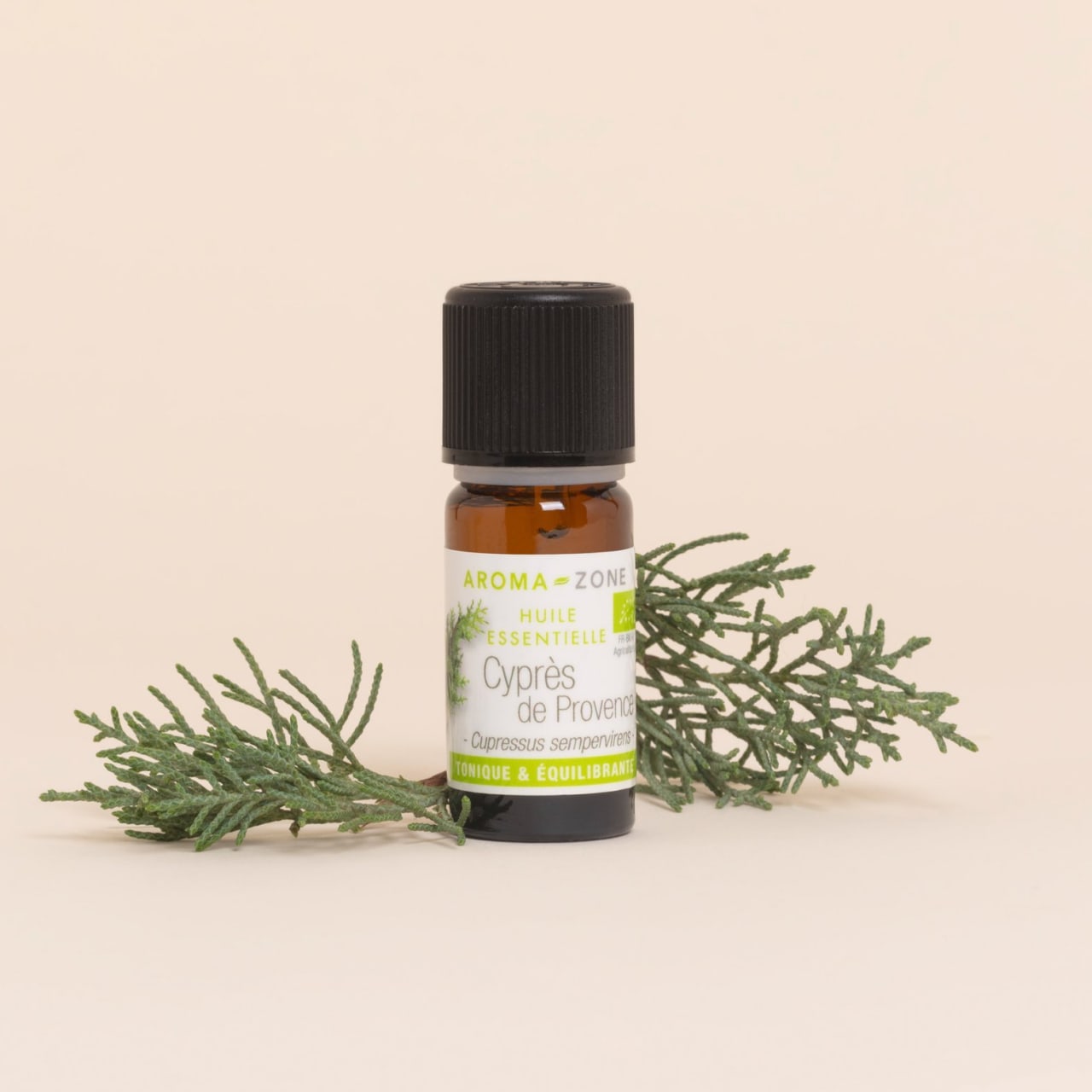
Organic Provençal Cypress Essential Oil brings a woodier, more grounding note, the kind of scent that suits the move from summer brightness into autumn's lower light.
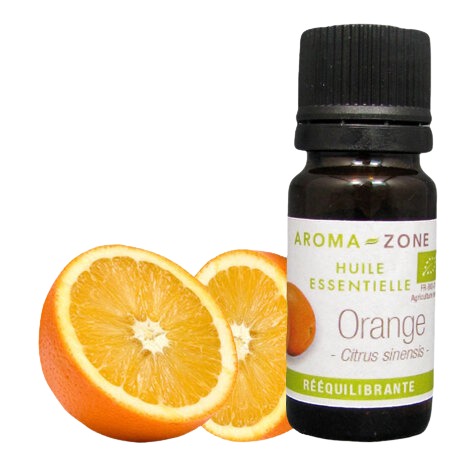
Citrusy essential oils like Organic Sweet Orange Essential Oil or Grapefruit Essential Oil both bring a warmer, comforting citrus scent, a nice contrast to shorter days. Worth knowing citrus oils like these can increase
skin’s sensitivity to sunlight, not a huge concern given fewer autumn hours of direct sun, but worth keeping in mind if applied to skin before any daytime outdoor exposure.
Celery Essential Oil has a long-standing place in French herbal tradition, an earthier, more unusual note than the rest of the selection.
Lovage Essential Oil, distilled from the root rather than the leaf, carries a similarly earthy, grounding character, another one with deep roots in French herbal practice.
Using essential oils this autumn
There’s more than one way to bring these into a routine, and which one suits best really depends on what you’re after.
Diffusion
The simplest and lowest-risk way to use any of these. A few drops in a diffuser as the evenings draw in is enough to notice, whether that’s first thing in the morning or as part of winding down in the evening. Fifteen to thirty minutes at a time is plenty, there’s no need to run a diffuser all day for the scent to do its job.
On the skin, properly diluted
Essential oils should never be applied neat, always dilute first in a vegetable oil, our carrier oils selection has plenty of options depending on how rich or light you’d like the finish. A couple of drops diluted into a teaspoon of carrier oil like argan, apricot or oat is generally enough for something like a chest or temple rub, and a patch test on the inside of the elbow is worth doing before using anything new, particularly with Peppermint given its restrictions.
A quick inhalation
A drop on a tissue or handkerchief, held a short distance from the nose for a moment, is a simple way to reach for a scent on the go, no diffuser required.
In the bath
If you’d like to work one into an evening soak. Essential oils don’t dissolve in water on their own, so a few drops need to be mixed into a dispersant, a splash of milk, a neutral bath oil, or a specific bath dispersant, before going into the water, otherwise they’ll sit on the surface and risk irritating skin directly.
Whichever method you choose, the same basics apply throughout: none of these should be used undiluted on the skin, taken internally, or used around the eyes or mucous membranes.
If something specific is bothering you
If what's actually on your mind is a cough, a blocked nose, or feeling run down more generally, that's worth its own dedicated reading rather than a quick product pick.
Aroma-Zone's own guides go into proper depth supporting the body through winter more generally. Our wellbeing issues selection is also a more targeted place to start than this page if there's a specific concern driving the search.


