Testosterone levels fluctuate throughout life and can be influenced by several factors. While a decline occurs naturally with age, other lifestyle-related factors can cause a hormonal imbalance.
1. Age and Hormonal Fluctuations
In men, testosterone begins to decline gradually starting at age 30, with a loss of about 1% per year. In women, the decline is more gradual but can accelerate after menopause, leading to a loss of energy and a decrease in sexual desire.
2. Diet and Smoking
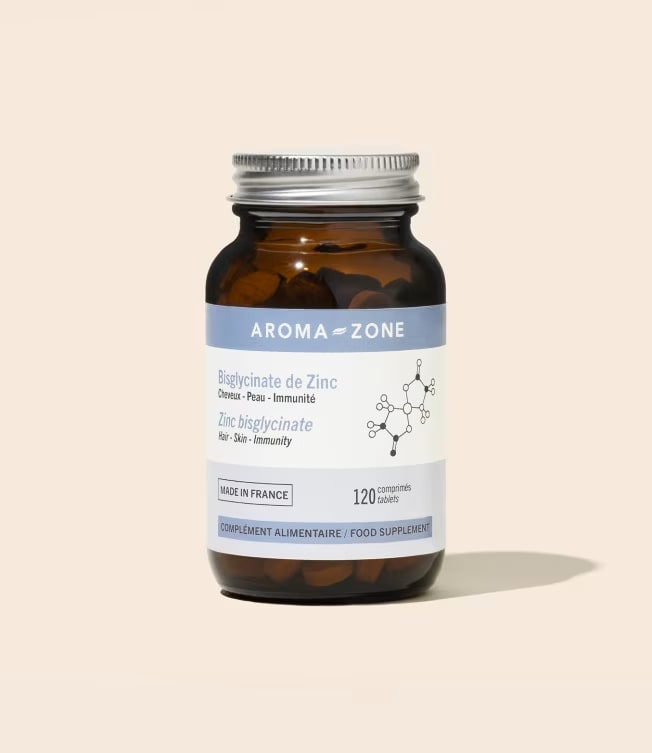
A diet that is too high in sugar, ultra-processed foods, and unhealthy fats can disrupt hormone production. A lack of essential nutrients such as zinc, magnesium, or healthy fats (found in fatty fish, avocados, and nuts) can also hinder testosterone production. Similarly, excessive alcohol consumption directly affects testosterone production by disrupting the functioning of the liver and hormone-producing glands. Smoking, meanwhile, has a negative effect on blood circulation, which can indirectly impact hormone production and overall vitality.
3. Stress and Excess Cortisol
Chronic stress leads to excessive production of cortisol, a hormone that, in excessive amounts, blocks testosterone production. Thus, constant stress and pressure can disrupt hormonal balance.
4. Lack of Sleep
Restorative sleep is essential for testosterone production. Insufficient rest, less than six hours a night, frequent awakenings, or poor sleep quality, disrupts hormonal balance, leading to fatigue, low energy and decreased motivation.
5. A Sedentary Lifestyle and Lack of Physical Activity
A lack of physical exercise, particularly weight training or intense workouts, reduces the natural stimulation of testosterone. A sedentary lifestyle also promotes fat accumulation, which converts some of the testosterone into oestrogen, exacerbating the imbalance.
6. Exposure to Endocrine Disruptors
Certain chemical compounds found in plastics, cosmetics, or pesticides can interfere with hormone production. Prolonged exposure to these substances can contribute to a drop in testosterone and a general hormonal imbalance.
A decline in testosterone is not inevitable. Identifying these factors allows you to take action by adjusting your lifestyle to maintain optimal levels and preserve energy, vitality, and well-being.