Which Foods Contain Vitamin E?

Which Foods Contain Vitamin E?


By Raquel Barros

Published on: Monday, December 02, 2024, Updated on: Thursday, October 29, 2026

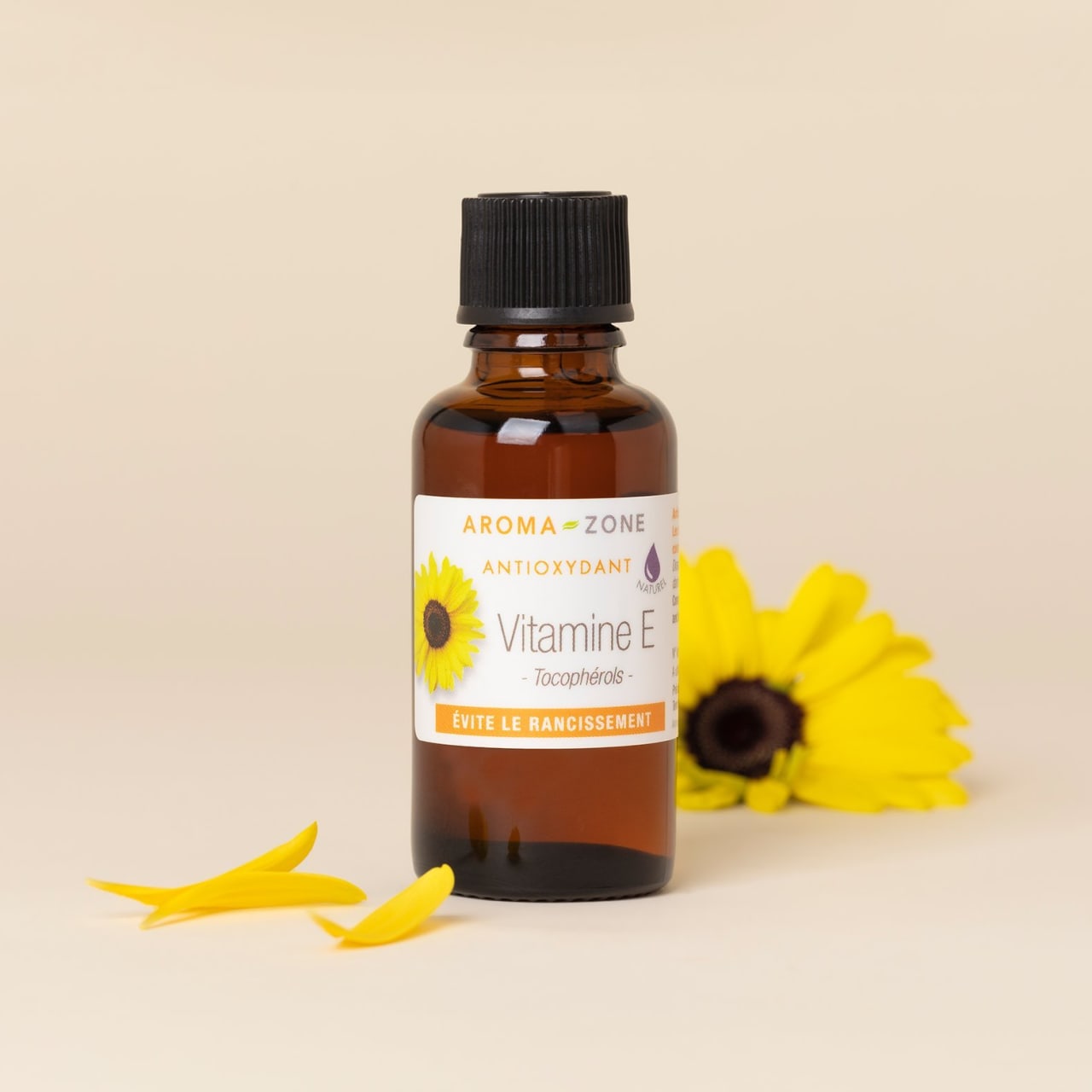
Vitamin E, also known as tocopherol, is an important vitamin and an antioxidant that helps protect our cells. It may also help limit premature ageing and reduce inflammation in the body and skin. Discover the foods rich in vitamin E and the benefits of this micronutrient.

Contents

Related products

What Is Vitamin E, or Tocopherol?

Part of the family of fat-soluble vitamins, alongside vitamins A, D and K, vitamin E exists in a total of eight different forms, divided into two groups: 

  • Tocopherols (alpha-tocopherol, beta, gamma and delta)

  • Tocotrienols (alpha-tocotrienol, beta, gamma and delta).

Alpha-tocopherol is the form naturally most abundant in our food and drink. Vitamin E protects fats from oxidation. It is therefore essential for the homeostasis of our cell membranes, which are composed of cholesterol, amongst other things. Its role as an antioxidant is important for the body, brain function, and maintaining healthy skin by neutralising free radicals. It is therefore very often described as an ‘anti-ageing vitamin’, and rightly so. It is particularly important for older people, athletes and smokers.
The Health and Beauty Benefits of Vitamin E

Vitamin E has many benefits: 

  • Supports the immune system: It helps combat free radicals that weaken the immune response to infections; vitamin E enhances the activity of lymphocytes and macrophages. It also helps increase immune cell production, optimising the body’s ability to fight infections.

  • Supports fertility: It improves sperm quality, prostate function and blood circulation in the uterus and ovaries, which can increase the chances of fertilisation.

  • Improved skin hydration and healing: It promotes better skin hydration to keep it soft and smooth and protect it against damage caused by the sun, particularly by ultraviolet (UV) rays. It also helps regenerate damaged tissue and reduce skin inflammation, mainly through its beneficial effect on collagen production.

  • Muscle health: Finally, it protects muscles from damage caused by oxidative stress produced during training, contributes to faster recovery and may prevent age-related muscle degeneration by reducing inflammation (a biological process known as sarcopenia).

Which Foods Contain Vitamin E?

Various foods, many naturally high in fat, can help meet our daily vitamin E needs when eaten regularly as part of a balanced diet.

Vegetable Oils

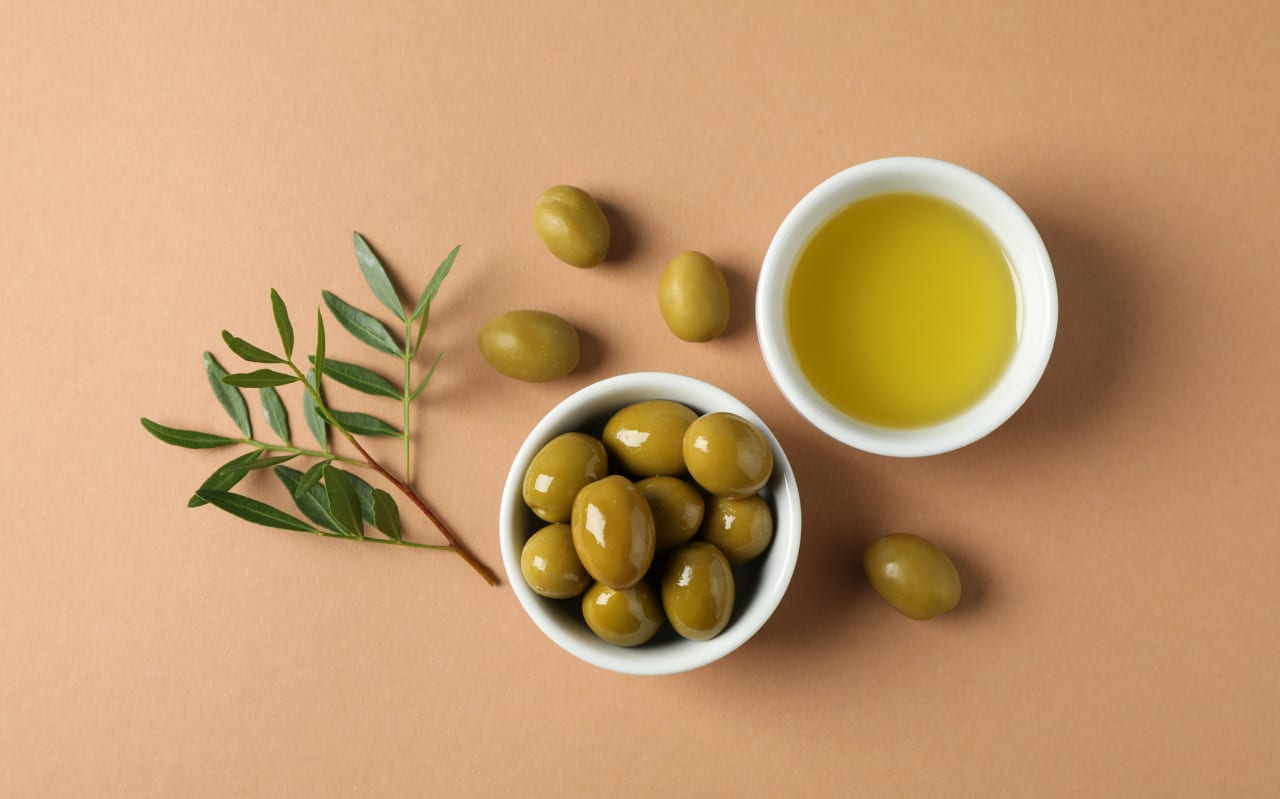
Wheat germ oil, sunflower oil, walnut oil, hazelnut oil, rapeseed oil, olive oil 

Oilseeds

Sunflower seeds, walnuts, hazelnuts, pine nuts, almonds, peanuts

Fruits

Avocado, mango, blackcurrants and dried fruit

Vegetables

Spinach, lamb’s lettuce, watercress, peppers and asparagus 

Food

Cod liver oil, sardines, eel, eggs (particularly egg yolks), butter and margarines 

Plant-Based Foods Rich in Vitamin E

Vitamin E and Diet: The Recommended Daily Intake

Recommended daily intakes of vitamin E vary between countries and with age and sex. For example, in France, the current nutritional guidelines recommend:

  • For adult women: 9mg/day

  • For adult men: 10mg/day

What Are the Symptoms of a Vitamin E Deficiency?

Although vitamin E deficiency is rare, it can occur with fat malabsorption, an unbalanced diet (severe low-calorie diets, bariatric surgery, etc.), or certain rare genetic disorders. Various signs may indicate a potential vitamin E deficiency: 

  • Muscle weakness

  • Difficulty moving, uncoordinated movements

  • Nervous system disorders

  • Vision problems

  • A weakened immune system

  • Liver problems 

  • Skin irritation

  • Dry skin

  • Difficulty healing

How to Prevent a Vitamin E Deficiency

  1. Eat foods rich in vitamin E: Vegetable oils (sunflower, olive, wheat germ), nuts (almonds, hazelnuts), seeds (sunflower, pumpkin) and green vegetables (spinach, broccoli).

  2. Avoid fat deficiencies: Vitamin E is fat-soluble; an insufficient intake of healthy fats can reduce its absorption.

  3. Limit excessive alcohol and tobacco consumption: These substances can reduce the absorption of vitamin E and increase the body’s requirements.

  4. Monitor certain medical conditions: Conditions such as coeliac disease or cystic fibrosis can lead to poor fat absorption and, consequently, a vitamin E deficiency.

  5. Take supplements if necessary: If you are on a restrictive diet or suffer from malabsorption, consult a healthcare professional to assess whether you need a supplement.

Our Aroma-Zone recipes rich in vitamin E to make at home

Precautions for use

Cosmetic products rich in vitamin E should be stored away from heat, light and moisture, and preferably in a dry place (at room temperature).

Expert Advice

By varying the vegetable oils you use and adding nuts and seeds to your meals, your vitamin E intake should be sufficient. For example, eat the following over the course of a day: half an avocado, one spoonful of rapeseed oil, two eggs and five almonds. If taking a dietary supplement, opt for a dose of less than 0.1 mg per day to avoid any risk of overdose, which can lead to fatigue and blood clotting disorders. In cosmetics, vitamin E is safe and effectively protects the skin and hair from dehydration and the signs of ageing.

Spotlight on our nutrition writer, Raquel Barros

RAQUEL.jpg

Raquel was always passionate about nutrition and well-being, and above all, her love of good food and desire to share that knowledge led her to pursue a career in dietetics. With a BTS qualification in sports nutrition, she discovered the world of natural solutions, including dietary supplements and oligotherapy, while working in various pharmaceutical laboratories. In recent years, she has expanded her work to include nutritional counselling and article writing, combining her interest in nutrition with her passion for sharing knowledge. Women’s health, anti-inflammatory diets, sport, and balanced nutrition are among her favourite topics.

Bibliography

  1. ANSES, Nutritional References for Vitamins and Minerals, 2021.

  2. Brigelius-Flohé, R., & Traber, M. G. (1999). “Vitamin E: Function and Metabolism”. The FASEB Journal, 1999.

  3. Kim, M., et al. – Can Low-Dose Dietary Vitamin E Supplementation Reduce Exercise-Induced Muscle Damage and Oxidative Stress? A Meta-Analysis of Randomised Controlled Trials – Nutrients, 2022.

  4. Evans, H. M., & Bishop, K. S., Dietary Factor Essential for Reproduction.

  5. Traber, M. G., & Atkinson, J. – “Vitamin E: Antioxidant and Nothing More”. Free Radical Biology and Medicine, 2007.

  6. Pelle, E., & Maes, D., ‘Photoageing and the Effects of Antioxidants’, Journal of Cosmetic Dermatology, 2012.

  7. Thiele, J. J., Hsieh, S. N., & Ekanayake-Mudiyanselage, S., Vitamin E: A Critical Review of Its Current Use in Cosmetic and Clinical Dermatology, 2005.

Frequently Asked Questions

Frequently Asked Questions

Associated tips