History
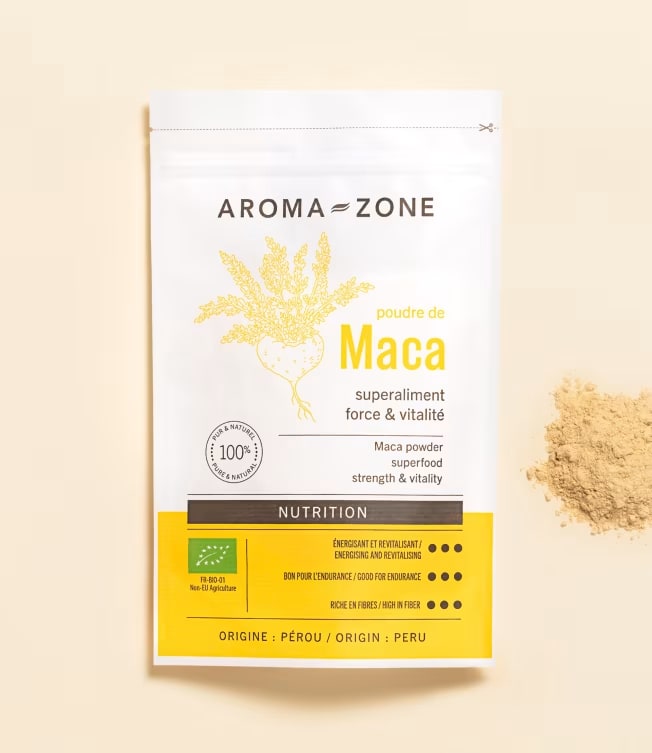
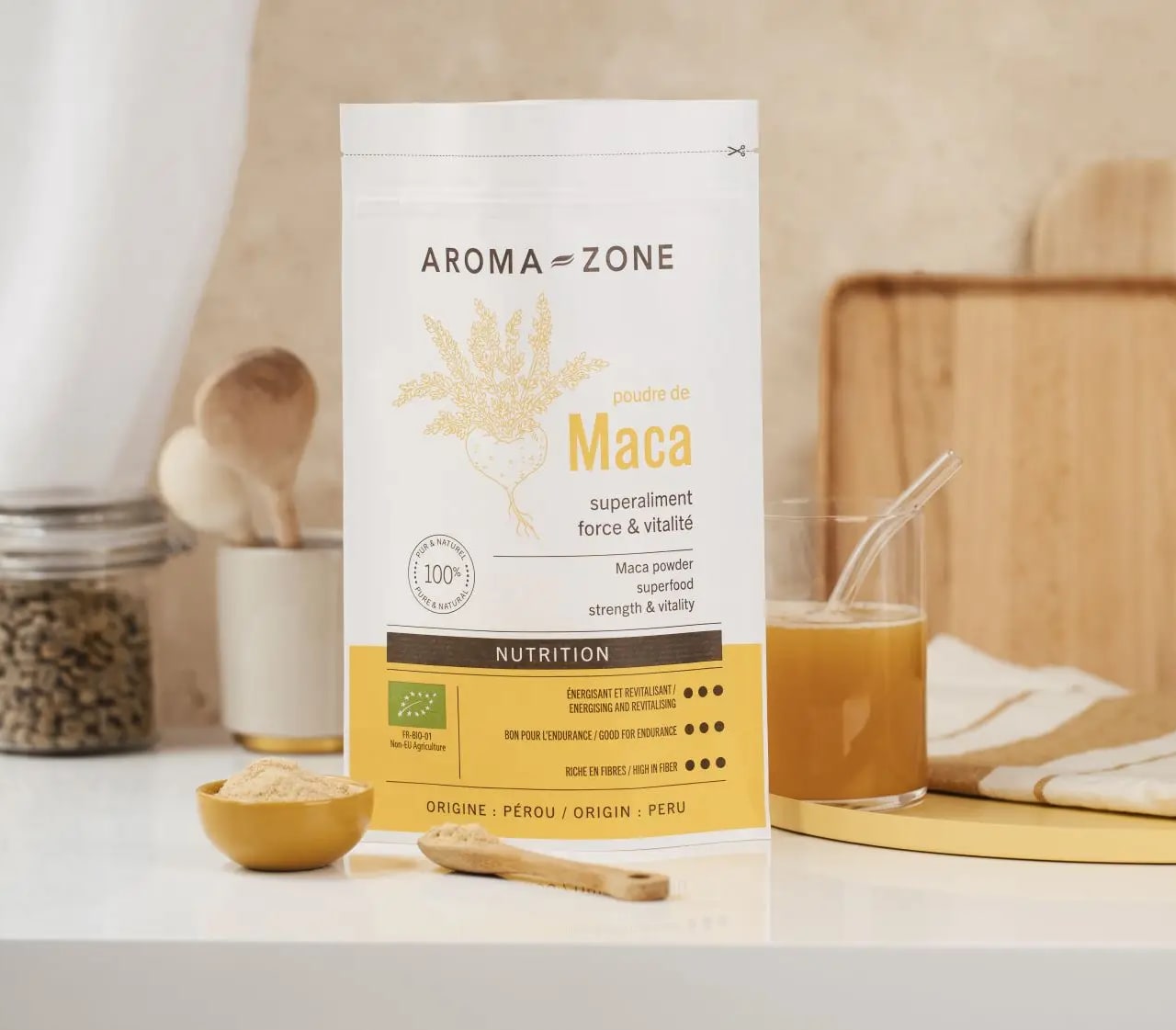
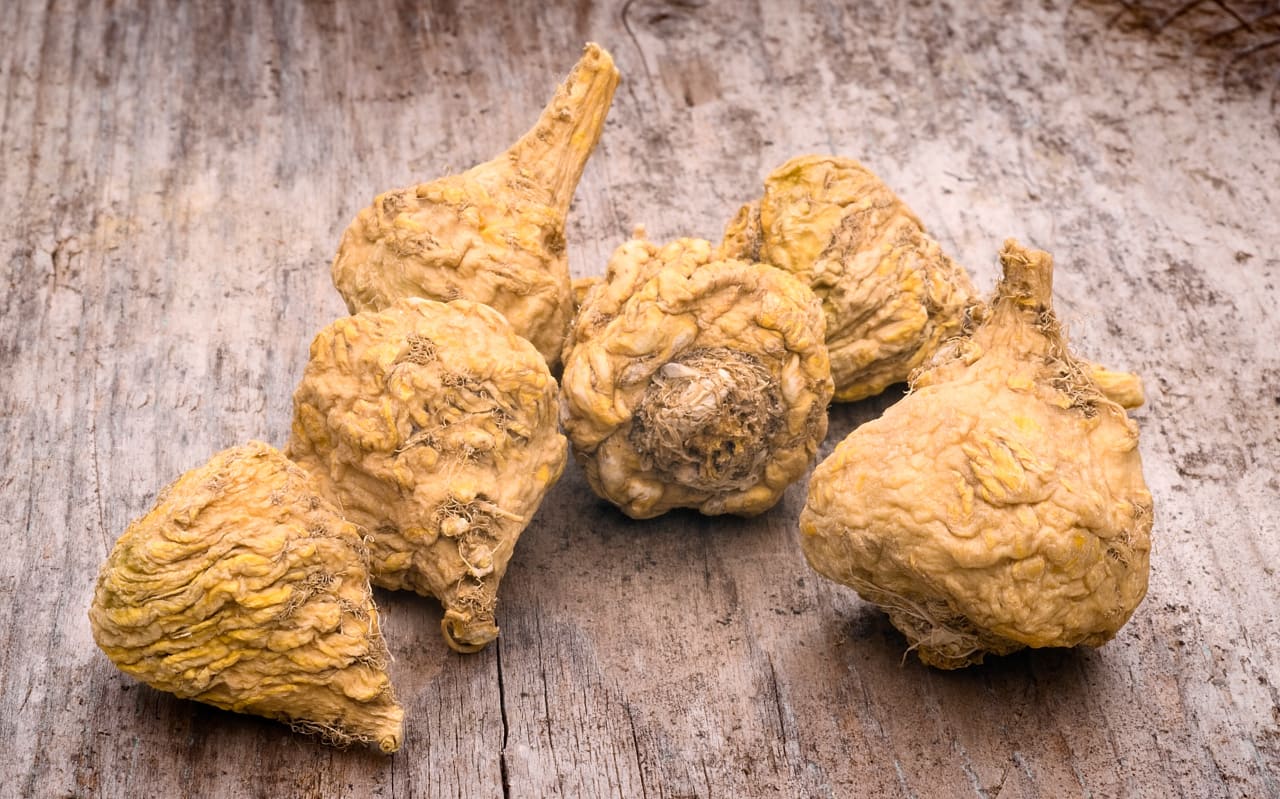
The cultivation of the maca plant dates back more than 2,000 years in the central Andes of Peru. The maca plant is a turnip-shaped tuber belonging to the cruciferous family, which includes radish, that grows on the high plateaus of the Andes in Peru and Bolivia. Thriving in harsh climatic conditions, including low temperatures and high altitudes, maca is highly resilient. A sacred plant to the Incas, it was an important part of their diet and was eaten fresh or dried. Maca is still treasured by Andean communities, and its dried tubers can be stored for years. It is also known as 'Peruvian ginseng'.
According to indigenous accounts, maca possessed significant nutritional properties, including the ability to improve fertility. Until the end of the 17th century, women consumed maca to treat infertility. Today, maca is recognised as an adaptogen used to aid recovery, boost overall resilience, and enhance physical and mental performance.
Composition of Maca
The chemical composition of maca varies depending on growing conditions, the parts of the plant used, and post-harvest processing. It contains:
Antioxidants, such as catechins, glucosinolates, polyphenols, and flavonoids
Macamides and glucosinolates (rich in sulphur), which are chemical markers of Maca’s bioactivity
Proteins
Fibre
Vitamins (B1, B2, B12, C, D, and E) and minerals (iron, calcium, copper, zinc, and potassium)