
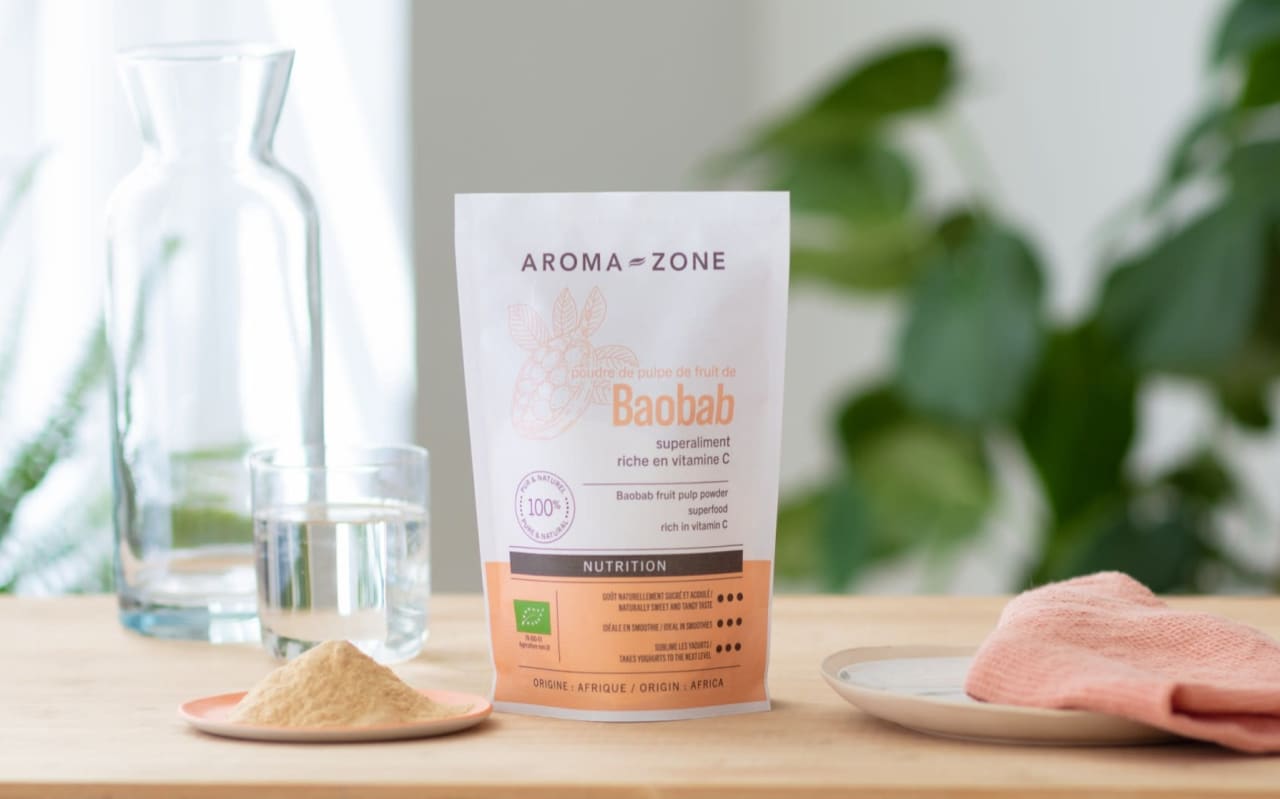
What are the benefits of baobab powder?
By The Aroma-Zone editorial team
Published on: Tuesday, February 21, 2023, Updated on: Wednesday, September 30, 2026
Baobab fruit pulp powder is now finding its way into superfood ranges all over the world.
But do you know where it comes from, how it's produced and what its benefits are?
With Aroma-Zone, find out more and discover recipes based on baobab fruit pulp powder, so that this superfood no longer holds any secrets for you.
Contents
Related products
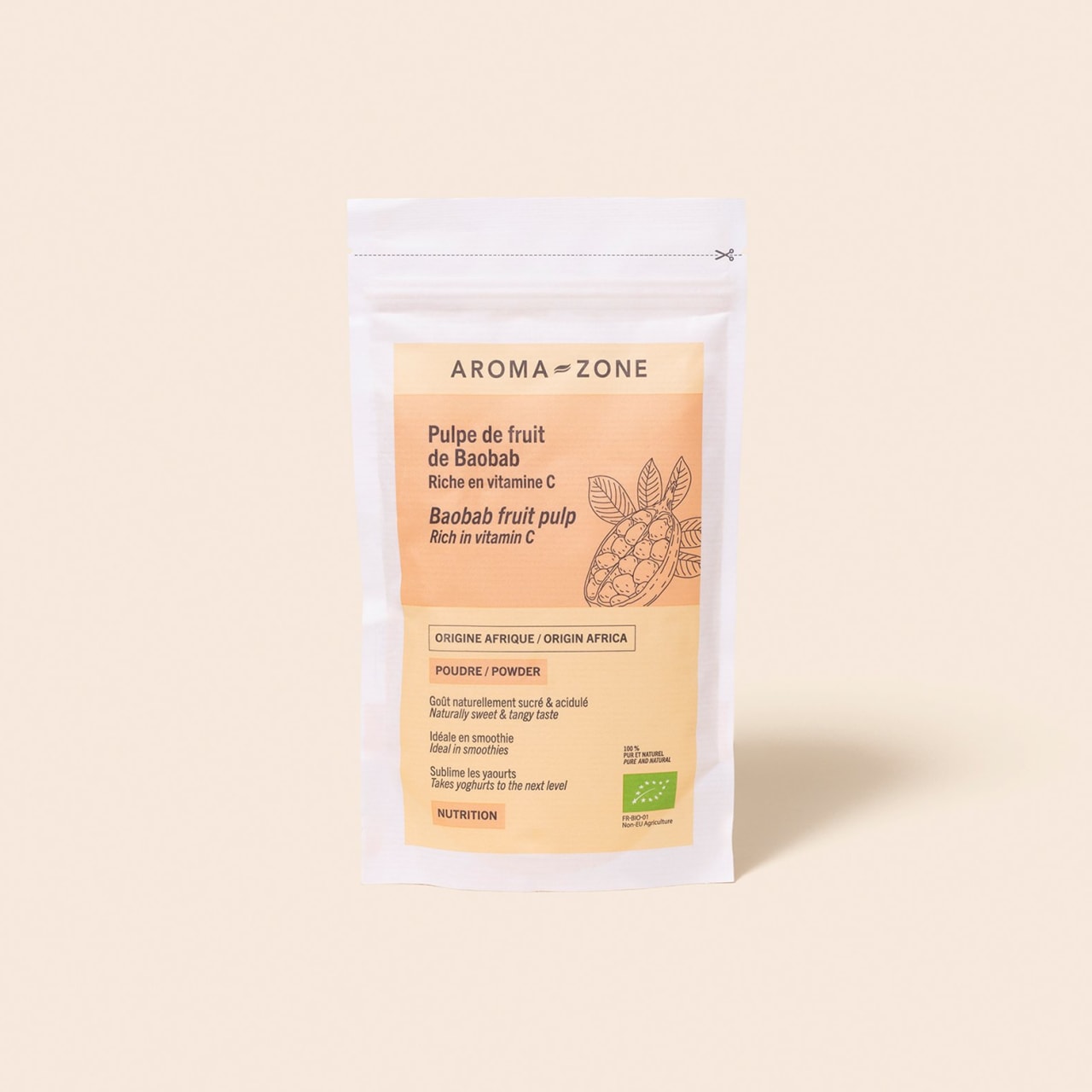
Rich in vitamin C
£9.00
150 g
Hair strengthening
£4.00
100 g
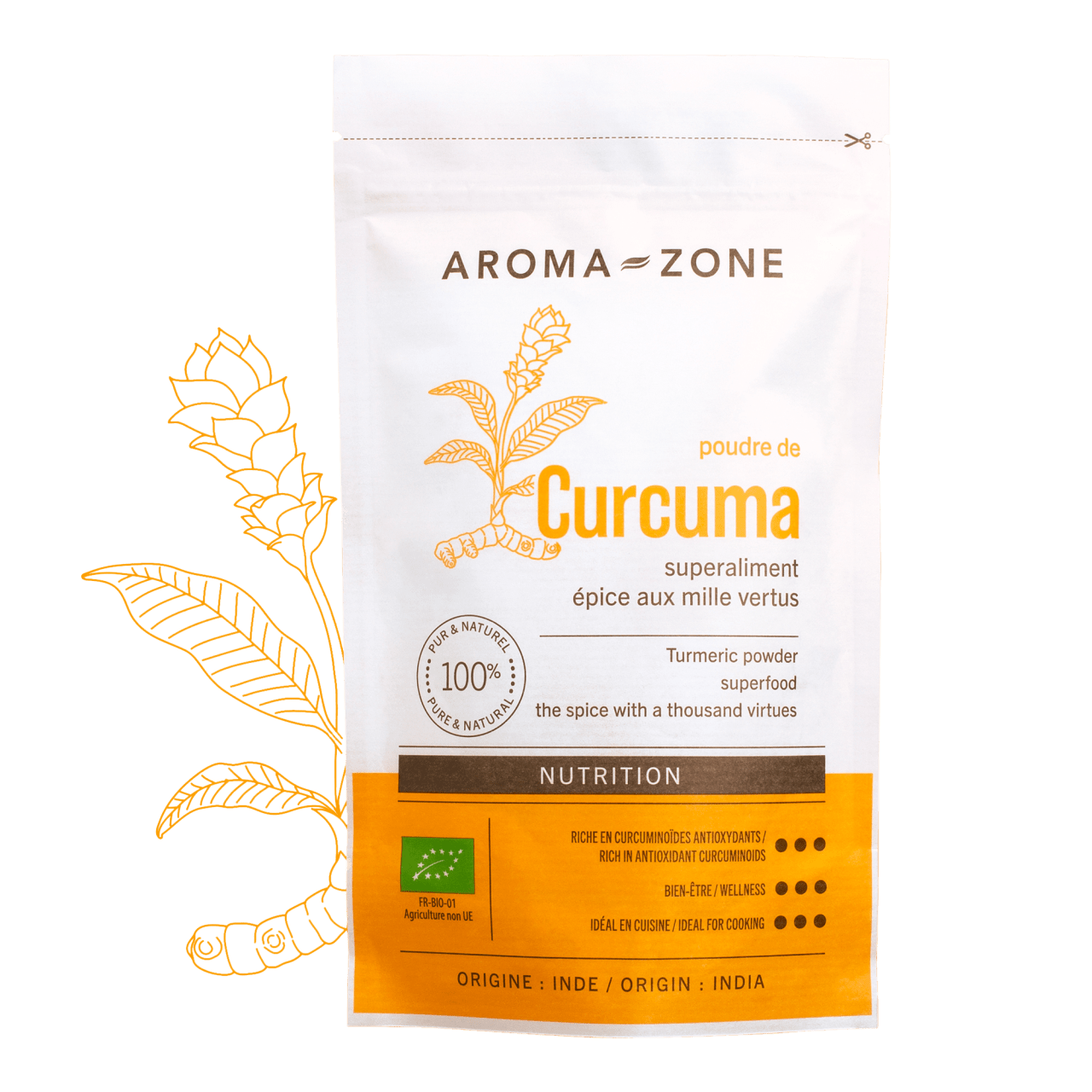
Rich in antioxidants
£4.00
100 g
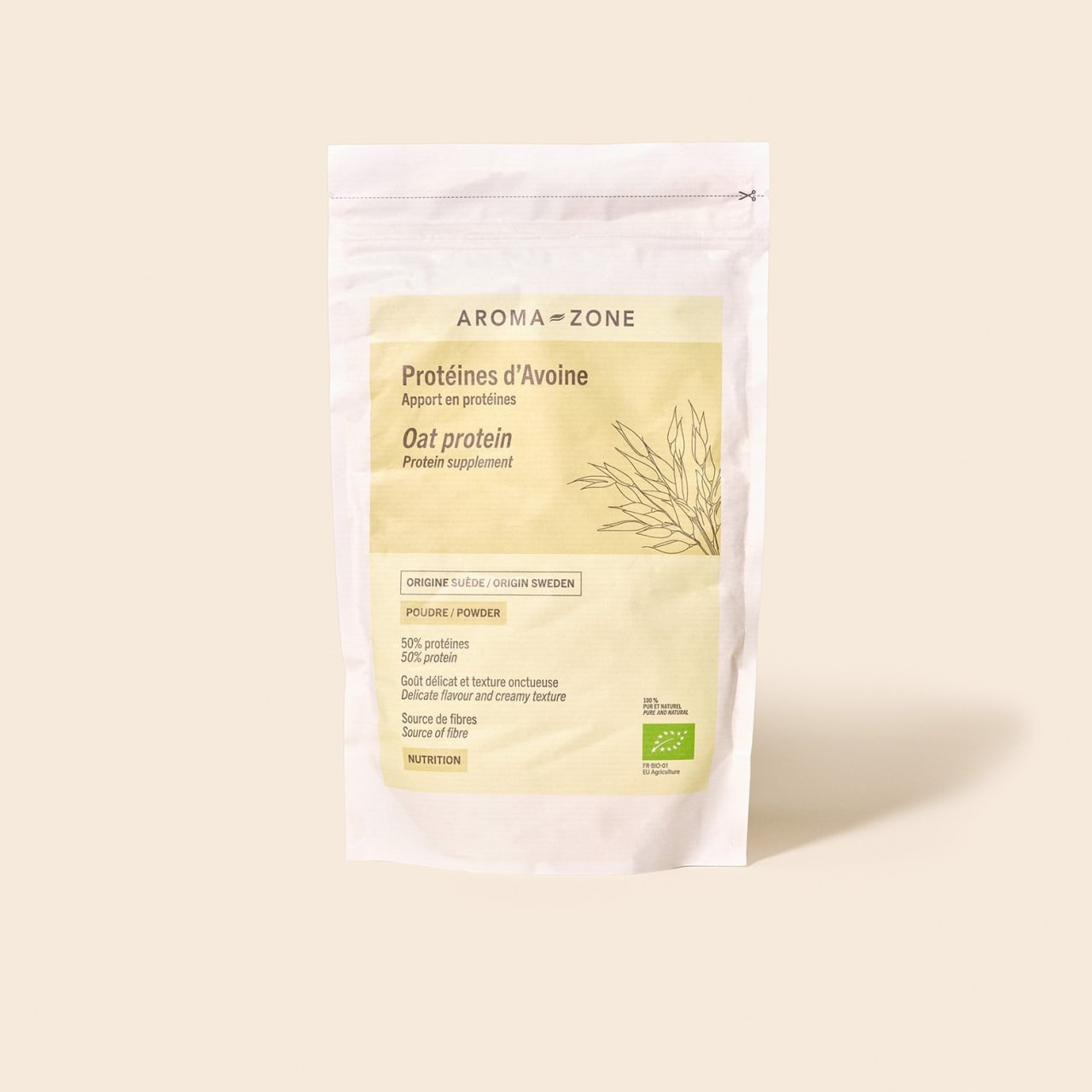
High in protein
£13.00
300 g
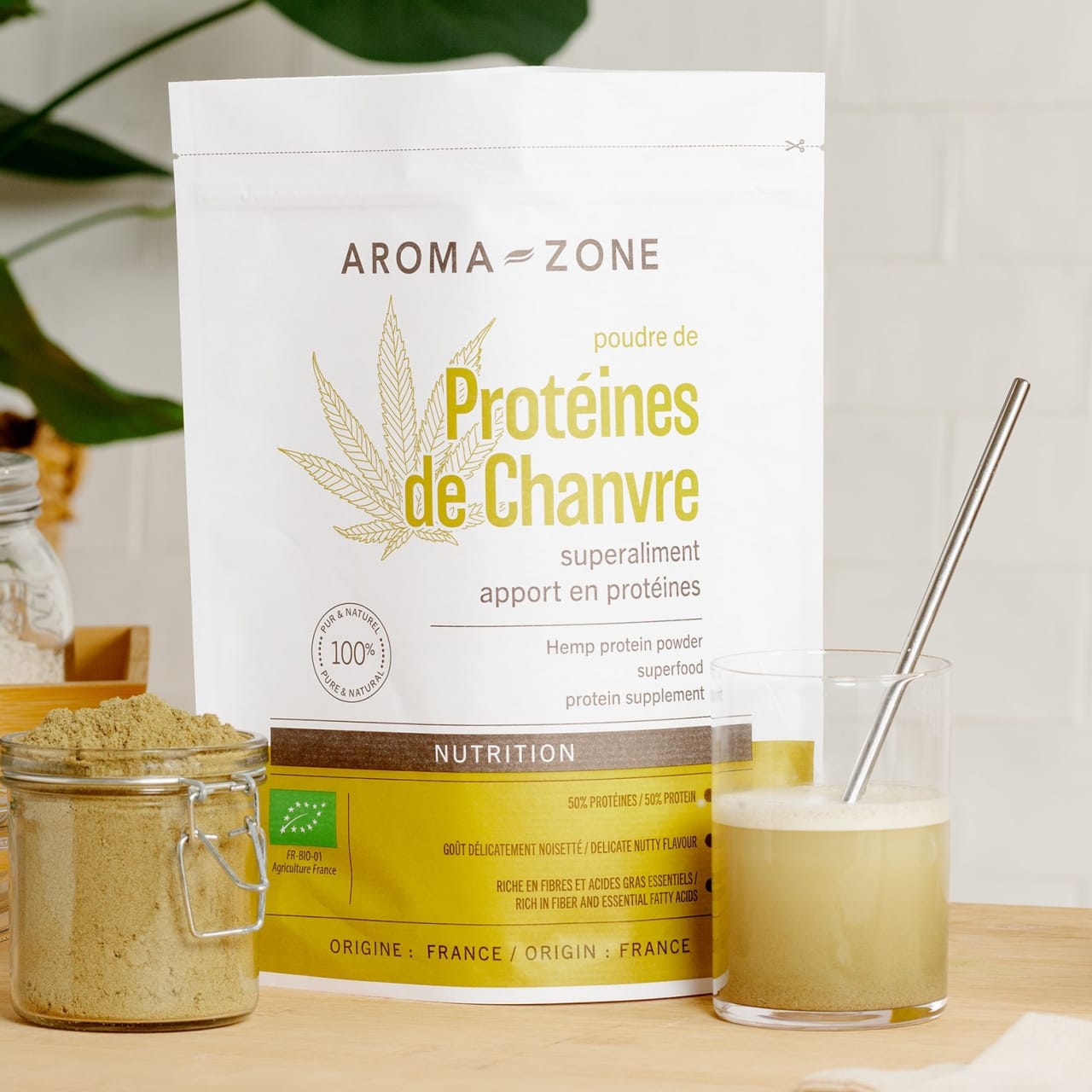
High in protein
£13.00
400 g
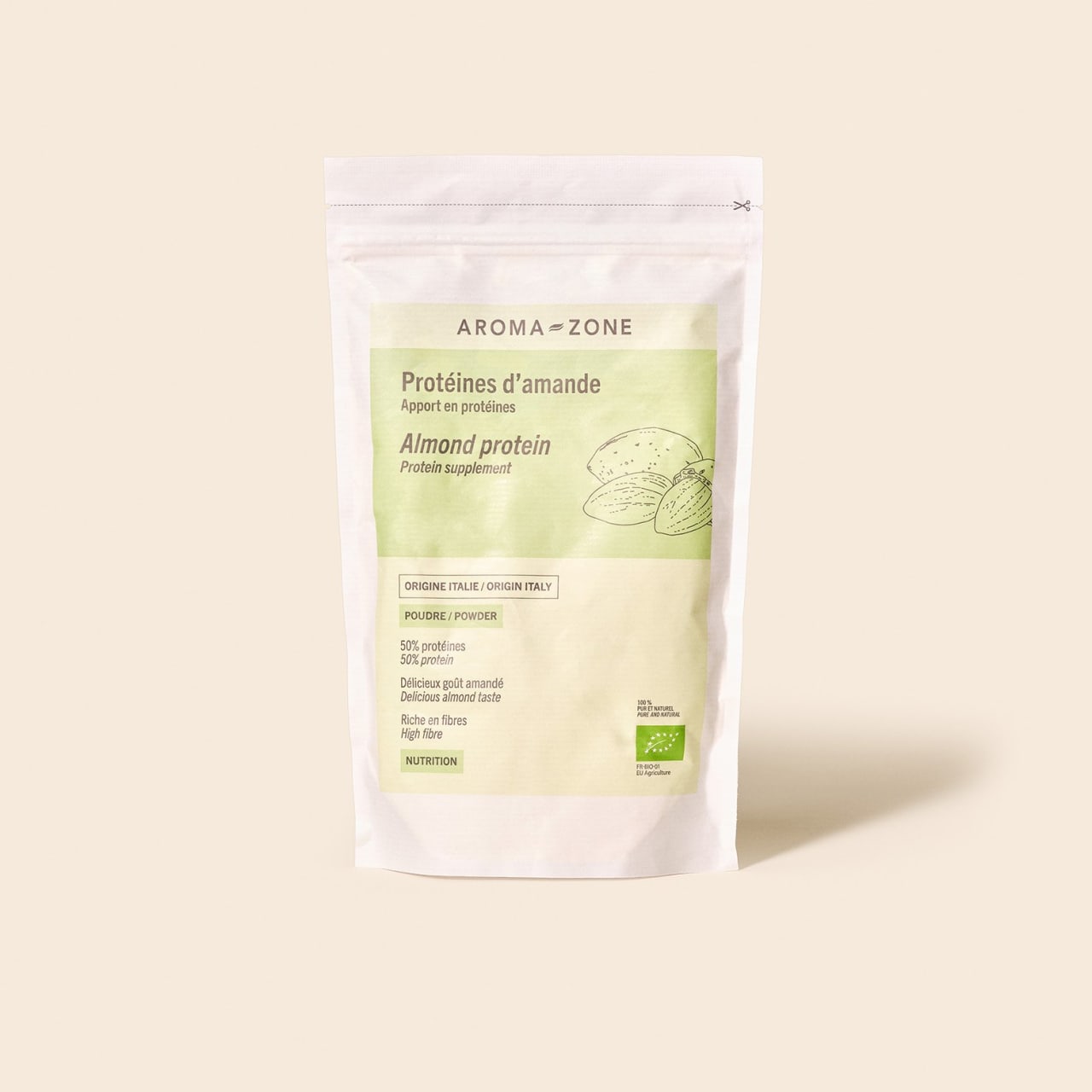
High in protein
£14.00
300 g
What are the benefits of baobab powder?
Highly nutritious, baobab pulp powder is extremely invigorating and stimulating for the body. Rich in vitamin C, one of the benefits of baobab pulp powder is that it boosts the immune system by providing the nutrients it needs to function properly. It also helps prevent nutritional deficiencies.
What's more, it's rich in fibre, which makes it a great support aid for intestinal well-being. Its many benefits include:
Baobab powder and hair: When taken internally, it is an antioxidant superfood ideal for dull, tired skin, sensitive and mature skin, as well as for growing and strengthening nails and hair. Externally, baobab powder can be used to make moisturising masks for the skin and hair, helping to combat the signs of skin ageing.
Baobab powder and pregnancy: Lastly, baobab powder is a superfood suitable for use during pregnancy and breastfeeding, periods when the need for vitamin C, calcium, potassium, magnesium and protein increases considerably. Baobab powder has many virtues.
Does baobab fruit pulp powder make you slim? Tasty and healthy, baobab powder can help you replace added sugar in your yoghurts and drinks. In this way, it can be a daily slimming and well-being aid. Low in calories and high in fibre, it's a great alternative to cane sugar and its substitutes, with the added benefit of other benefits. Highly nutritious, it can also, albeit more subtly, help you to feel full more quickly.
How should baobab powder be used?
Baobab powder has the advantage of having a very pleasant, slightly sweet, acidic taste, capable of appealing to a wide range of people.
Stimulating, it is ideal for making hot and cold drinks, smoothies, porridges or yoghurts at breakfast time.
However, vitamin C is destroyed above 60°C, so it's best to use it uncooked.
For example, you could :
Add 2 teaspoons to a glass of water, fruit juice, smoothie, yoghurt or sweetened food;
or sprinkle 2 teaspoons of baobab fruit pulp powder into your muesli;
or add 2 teaspoons of baobab fruit pulp powder to your dishes and salads.
To feel the benefits of baobab fruit pulp, you need to consume it every day for at least a few weeks.
What are the contraindications to using baobab powder?
Strictly speaking, baobab powder hasno contraindications or side effects.
This superfood can be used by everyone, especially by people recovering from illness.
The only reservation is that baobab powder should be consumed in moderation. Its high fibre and potassium content can have undesirable effects if ingested in excess.
The recommended dose is 1 to 3 teaspoons a day, i.e. 5 to 15 grams maximum.
The baobab, a mythical tree
The baobab, Adansonia digitata, is a sacred, slow-growing African tree with an exceptional longevity, estimated at up to 2,000 years. It can reach a remarkable height (up to around twenty metres), as well as a huge girth (up to around 30 metres).
A member of the Bombacaceae family, its name comes from the Arabic bu hibab, meaning "fruit with many seeds". It goes by several other names: tree of life, thousand-year tree, pharmacist tree, calabash tree, Senegalese calabash tree, in reference to its tart fruit, which is a favourite with monkeys, and its status as the Senegalese emblem.
The African baobab has a bulbous trunk and pendulous flowers, unlike other baobab species which have upright flowers. In villages, it is used as a palaver tree, where people gather to talk or listen to the teachings of storytellers.
What is the history of baobab powder?
The pulp of the baobab fruit is traditionally used in Senegal to make a refreshing drink called bouye.
This preparation, which has astringent properties, not only acts as an anti-diarrhoeal but also as a general tonic, helping to fight infections.
Another traditional use of baobab fruit pulp is to formulate moisturising masks to combat the signs of skin ageing.
What is baobab fruit pulp?
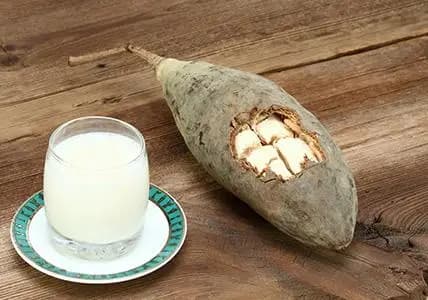
Baobab fruits are edible. The pulp, which is naturally dry in the fruit when ripe, is acidic and can be ground into a powder.
The composition of the beige powder obtained is very interesting:
Rich in antioxidants;
Contains 6 to 10 times more vitamin C than oranges;
Remarkably high in calcium and potassium (with significant magnesium content);
Contains fibre and protein.
At Aroma-Zone, we would like to offer you organic baobab fruit pulp powder fruit pulp powder, sourced in Africa.
The baobabs harvested are wild trees growing in a pollution-free area. The fruit dries naturally on the tree during its ripening period. They are harvested by hand between January and March.
To obtain the powder, the calabashes are broken and the precious pulp is extracted by hand, separated from the seeds and fibres in which it is entangled, then crushed and sieved to remove the remaining fibres.
Each batch of baobab pulp powder is also analysed by an independent laboratory (heavy metals, pesticides, benzopyrenes, microbiology) to guarantee the absence of contaminants.
Bibliography
Frequently Asked Questions
Associated recipes

Associated tips
Nutrition tips
Nutrition tips
Nutrition tips

Nutrition tips

Nutrition tips

Nutrition tips


