
A serum is a cosmetic product, often with a light formula and a high concentration of active ingredients, designed to finish off a skincare routine. It is applied after cleansing and before day or night products. Its slightly jelly-like, watery texture is quickly absorbed by the skin and can be applied under a thicker or richer skincare product. The active ingredients in a serum are selected to target one or more specific problems. For example, a vitamin C serum contains vitamin C, or one of its derivatives, to protect the skin, even out skin tone, fade spots and combat the signs of ageing.
Benefits and use of Vitamin C for the face
Published on: Tuesday, December 20, 2022, Updated on: Wednesday, September 30, 2026
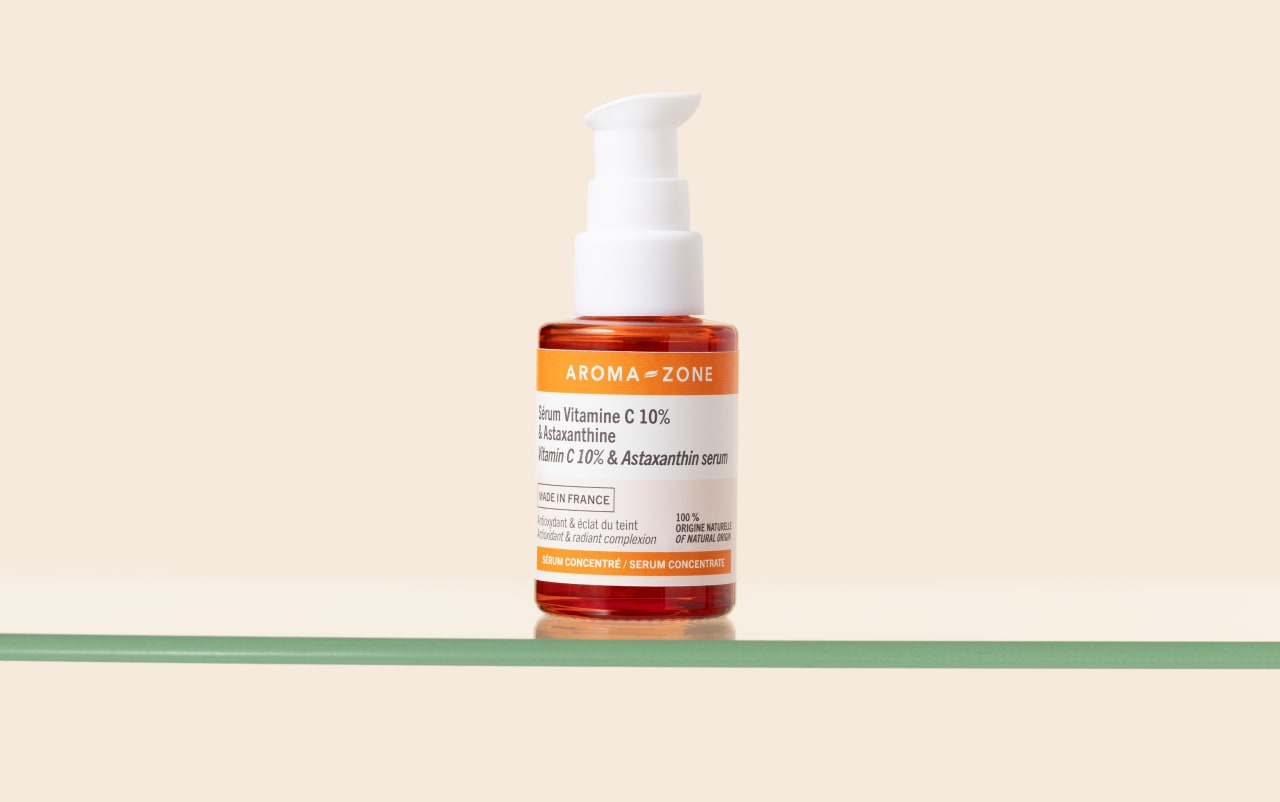
Because vitamin C is an active ingredient with a proven track record in cosmetics, it is only natural that our serum offers you all of its benefits. But do you know why it's good to include vitamin C in your skincare routine? To find out, take a look at the composition of our vitamin C facial serum with us.
Marie Dehlinger, expert cosmetologist, explains vitamin C and its benefits for the face.
Contents
Related products
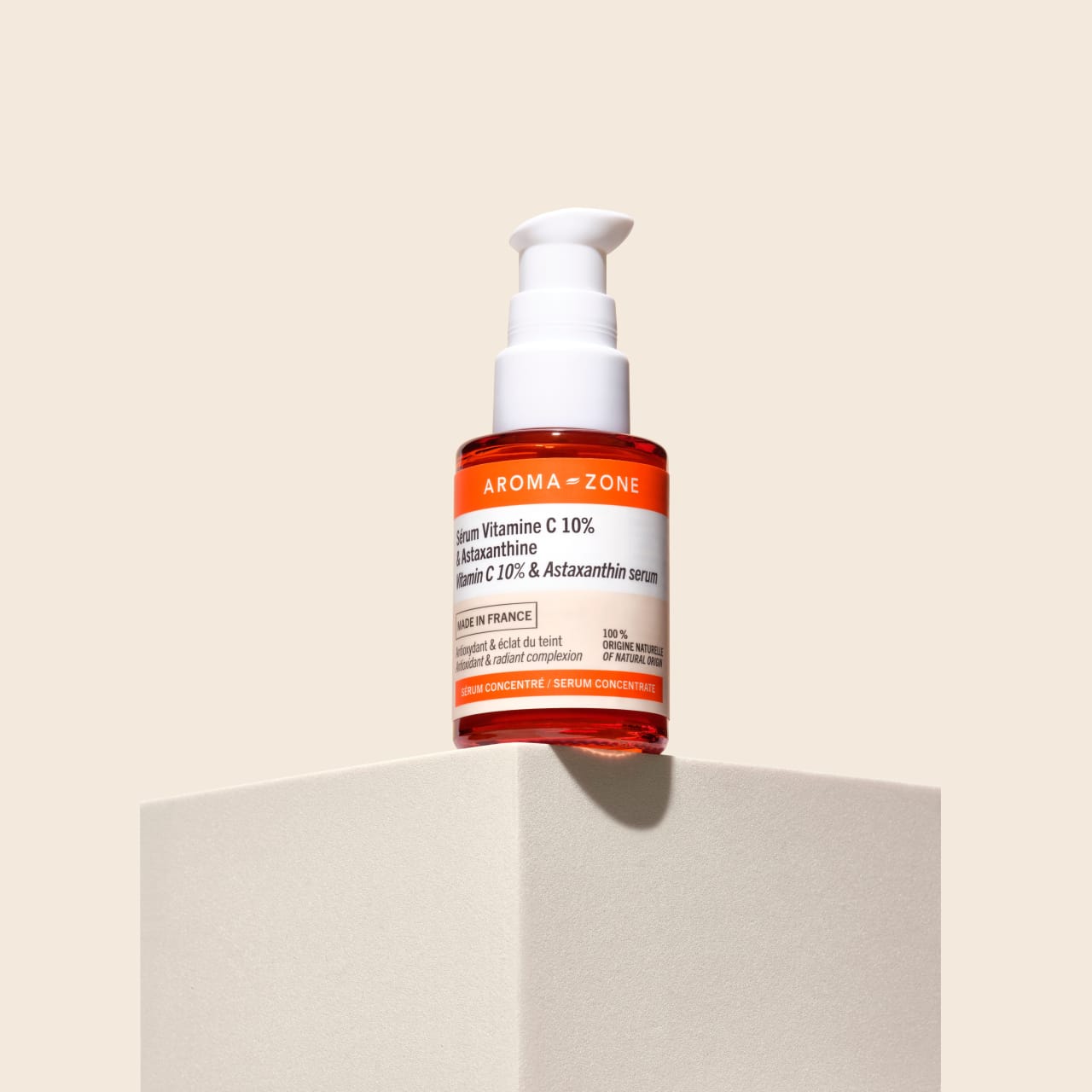
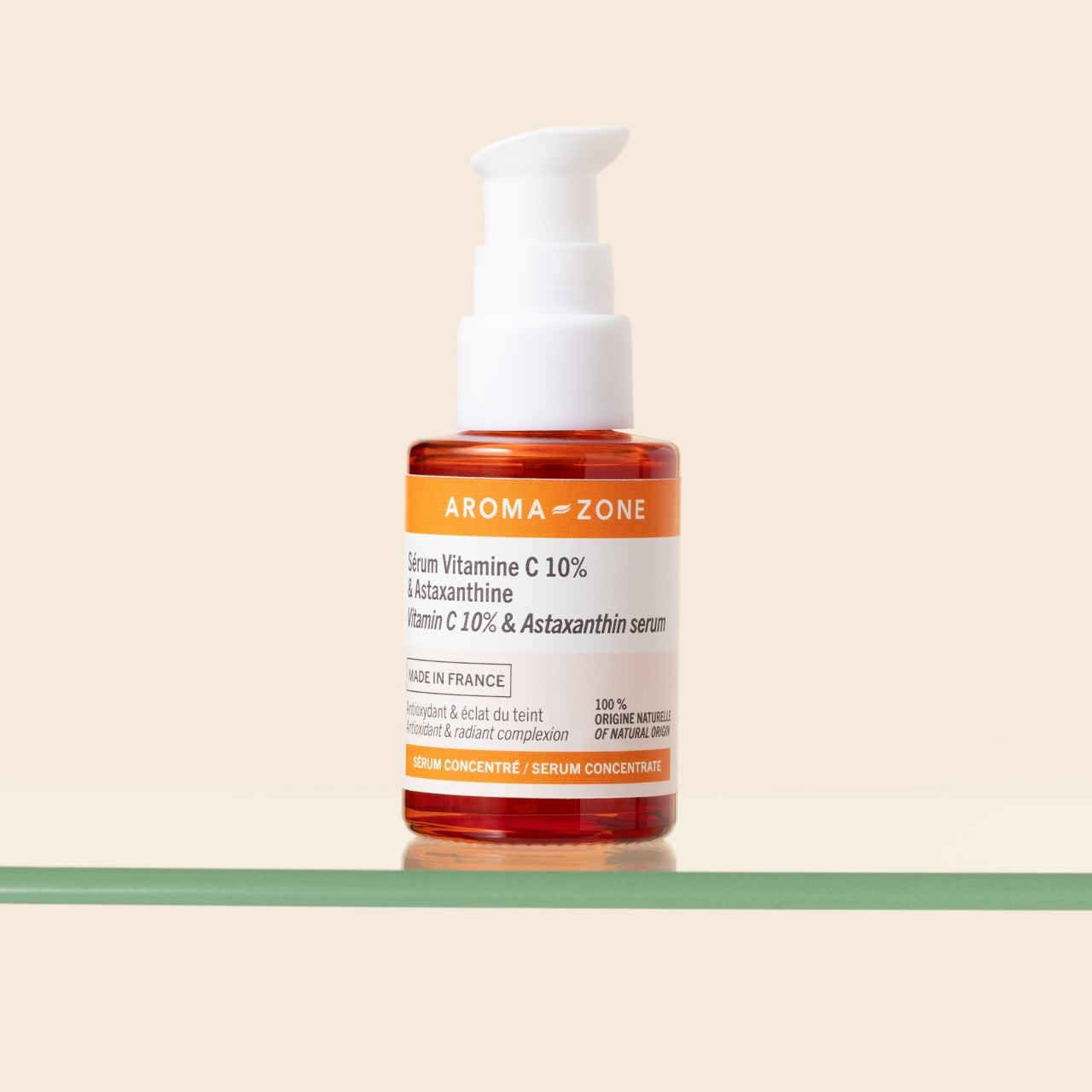
Vitamin C 10% & Astaxanthin Serum
Radiant complexion
Antioxidant
£9.00
30 ml
2 options
Ascorbic Acid Pure Vitamin C Active Ingredient
Radiant complexion
Antioxidant
£4.00
10 g
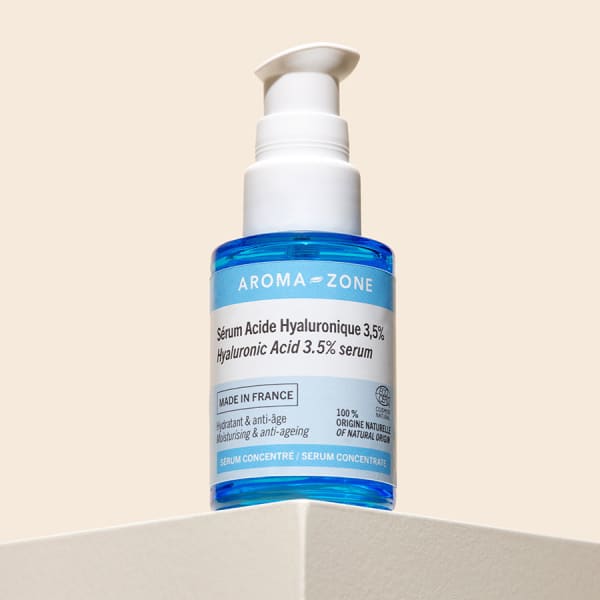
Hyaluronic Acid 3.5% Serum
Moisturising
Plumping
£6.50
30 ml
3 options
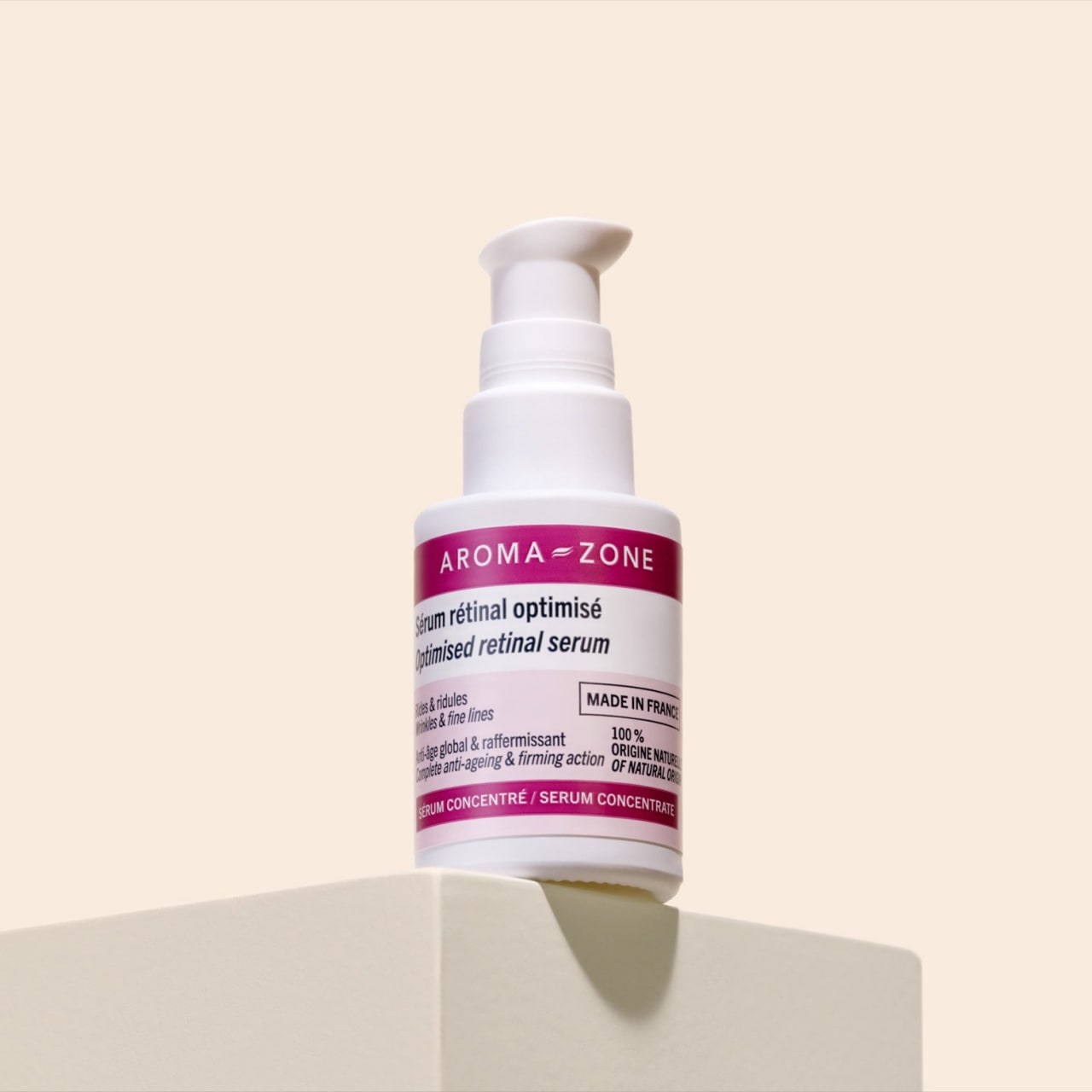
Optimised Retinal Serum
Anti-ageing
Anti-wrinkle
£9.00
30 ml
2 options
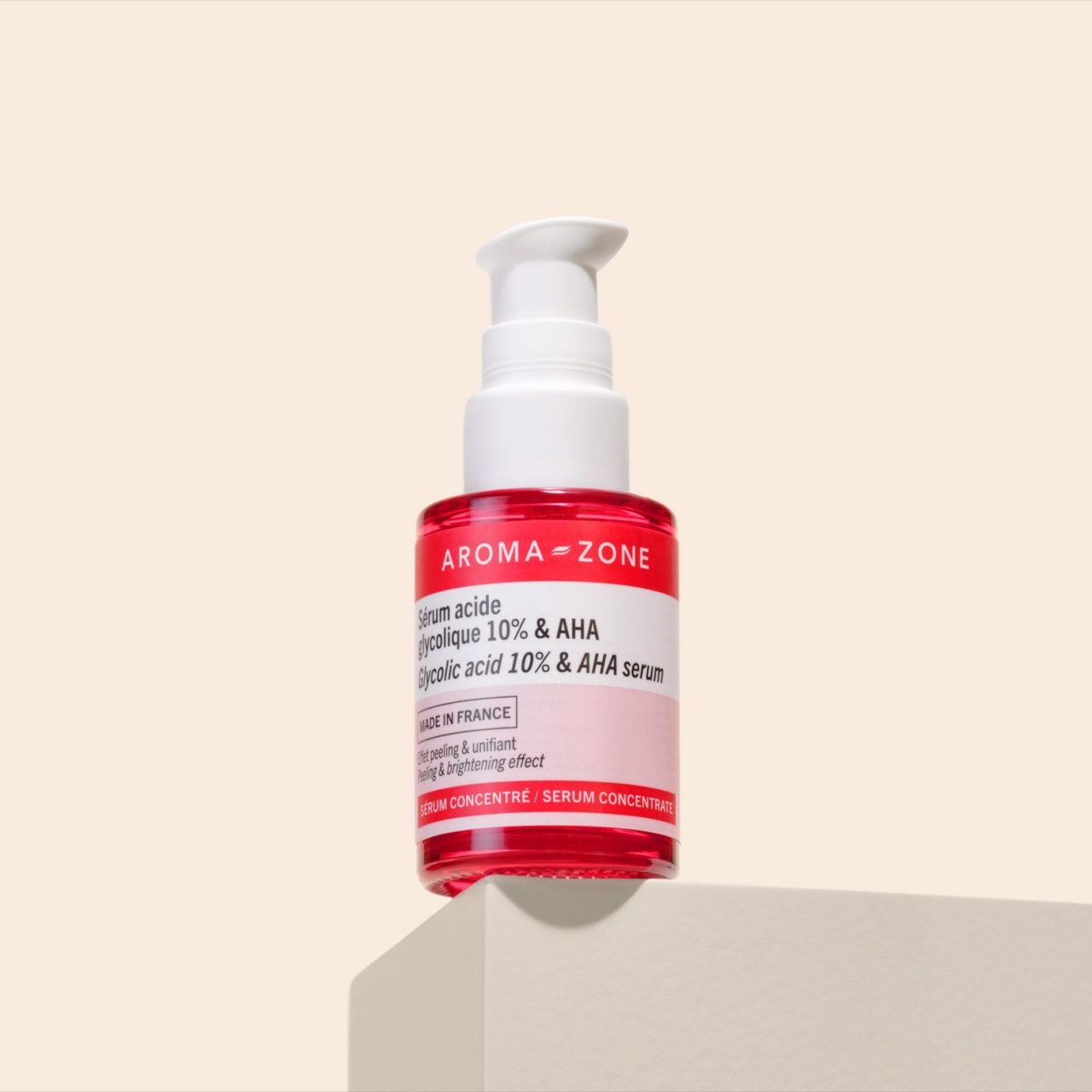
Glycolic Acid 10% & AHA Serum
Exfoliating
Peeling effect
£8.00
30 ml
3 options
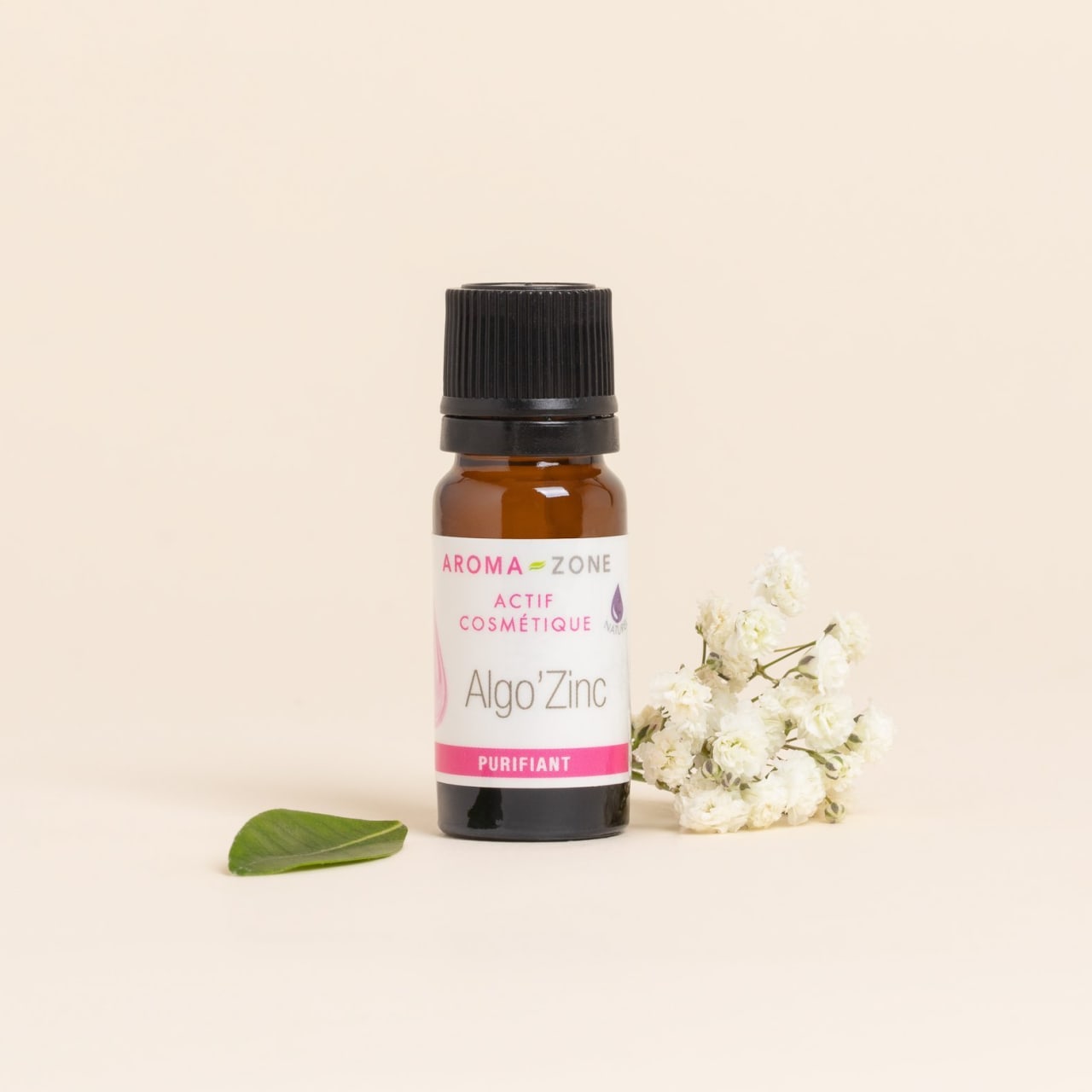
Algo'Zinc Active Ingredient
Purifying
Sebum-regulating
£4.50
10 ml
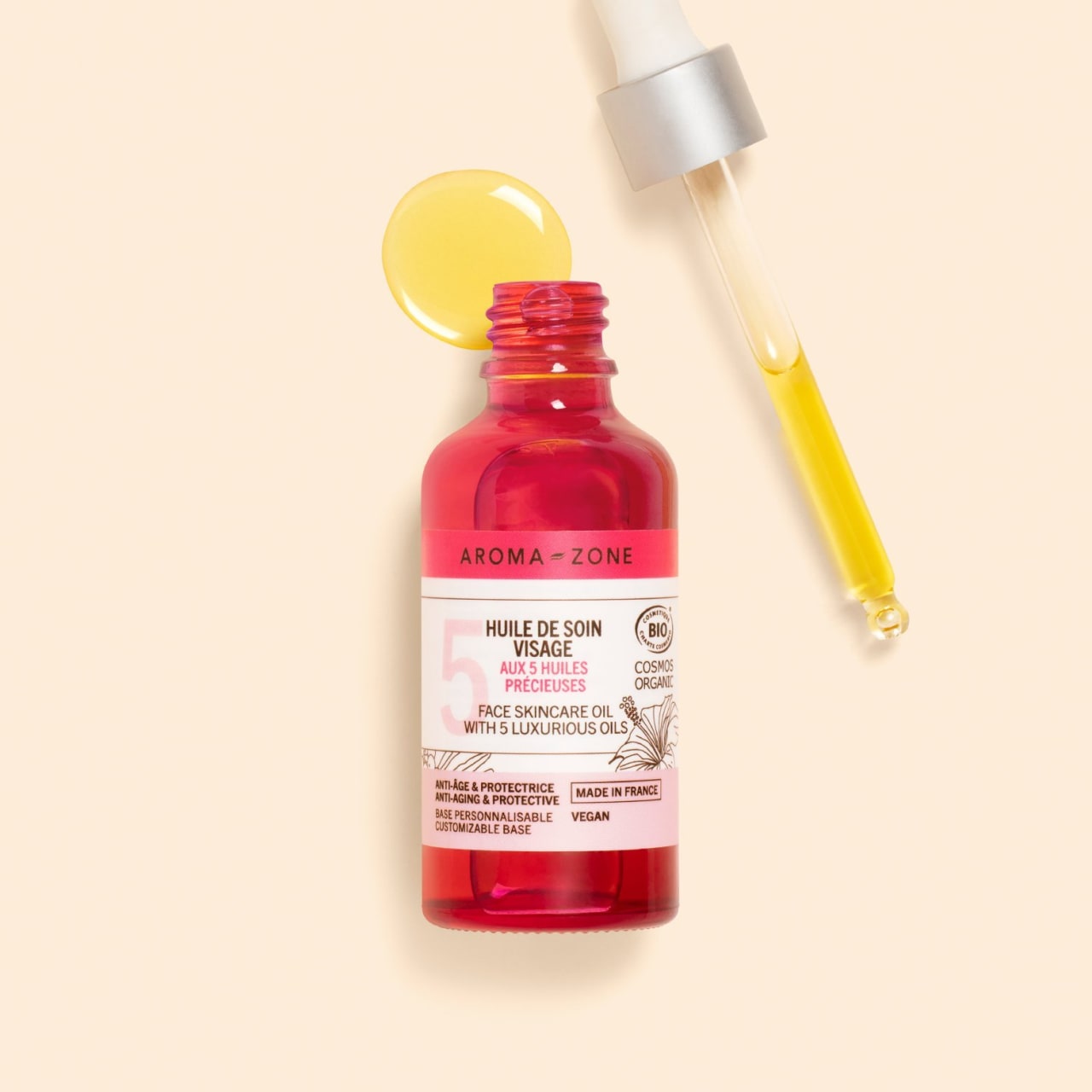
Face Oil With 5 Luxurious Oils
Protective
Anti-ageing
£8.50
50 ml
2 options
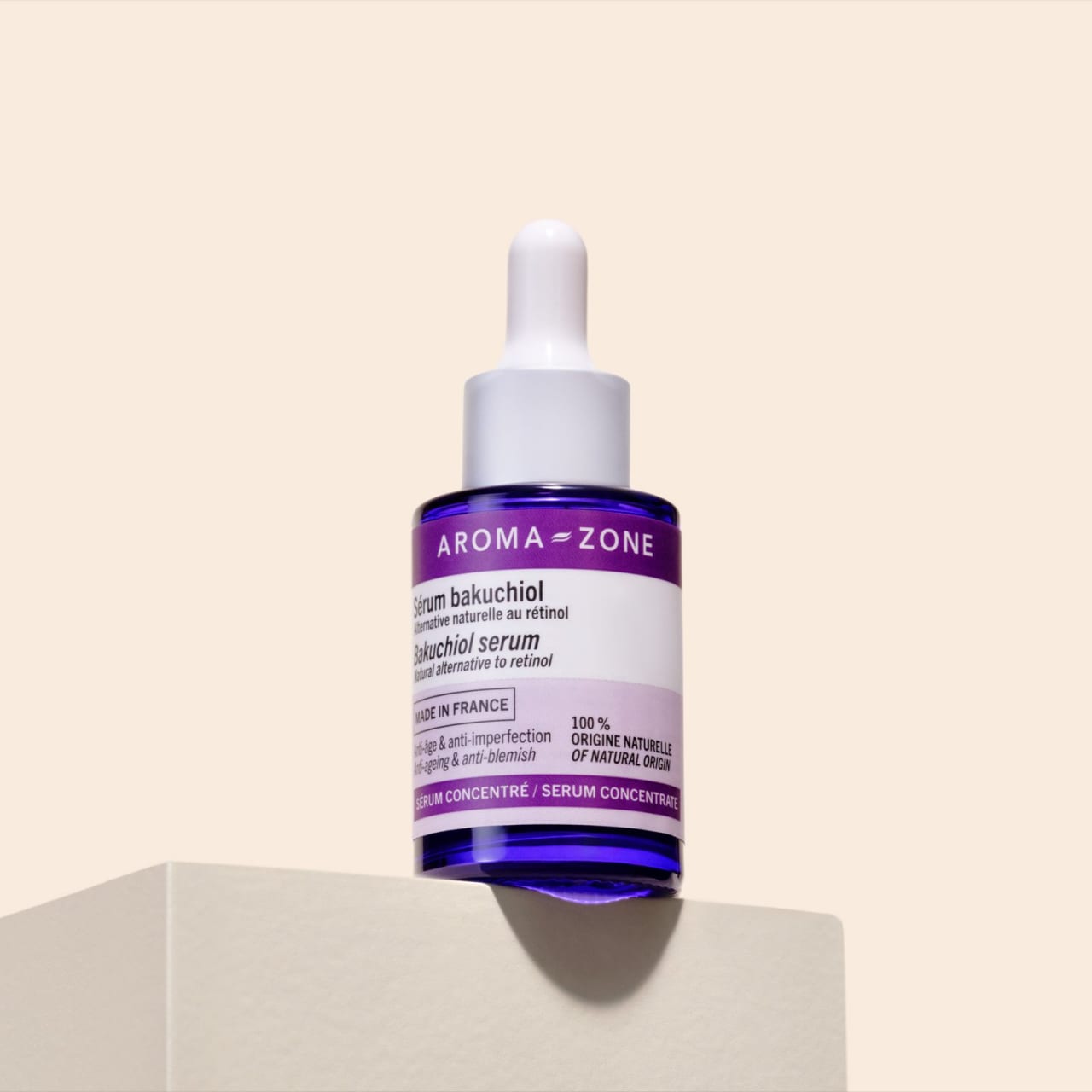
Bakuchiol Serum
Anti-ageing
Anti-blemishes
£9.00
30 ml
2 options
What is a vitamin C serum?
What are the benefits of a vitamin C serum?
A vitamin C serum finishes off a skincare routine by providing the skin with additional vitamin C. Even if you consume enough vitamin C through your diet, the skin is always the last to benefit, and this can be insufficient during intense oxidative stress. It is also impacted during prolonged sun exposure. For example, one hour's exposure to the sun consumes 50% of the skin's stock of antioxidants. UV rays cause a chain reaction in the skin, forming free radicals that destroy its components, such as collagen and elastic fibres, leading to wrinkles.
Vitamin C protects the skin from the effects of pollution and the sun, even at low concentrations. When the concentration is higher, vitamin C stimulates collagen synthesis, a constituent of the dermis, the deepest part of the skin. It, therefore, improves skin firmness. Conversely, it reduces skin pigment synthesis and melanin, and combats spots for a more even complexion.
What type of skin is a vitamin C serum suitable for?
Vitamin C serums are versatile and suitable for a wide range of skin types. They can be incorporated into your skincare routine for visible benefits.
They are particularly beneficial for mature skin, as vitamin C stimulates collagen synthesis, improving skin firmness and helping to reduce the appearance of fine lines and wrinkles.
Skin prone to pigmentation spots and hyperpigmentation can also benefit from vitamin C, as it inhibits melanogenesis, helping to fade existing spots and prevent the appearance of new ones. What's more, vitamin C offers effective protection against the damaging effects of free radicals, making it a valuable go-to for all skin types exposed to the sun, pollution or oxidative stress.
Vitamin C also has significant benefits for acne-prone or blemish-prone skin. By combating free radicals, it can help reduce skin inflammation and diminish blemishes. Also, the oxidation of lipids in sebum by free radicals generates irritating molecules, which can exacerbate skin problems.
Composition of our vitamin C serum
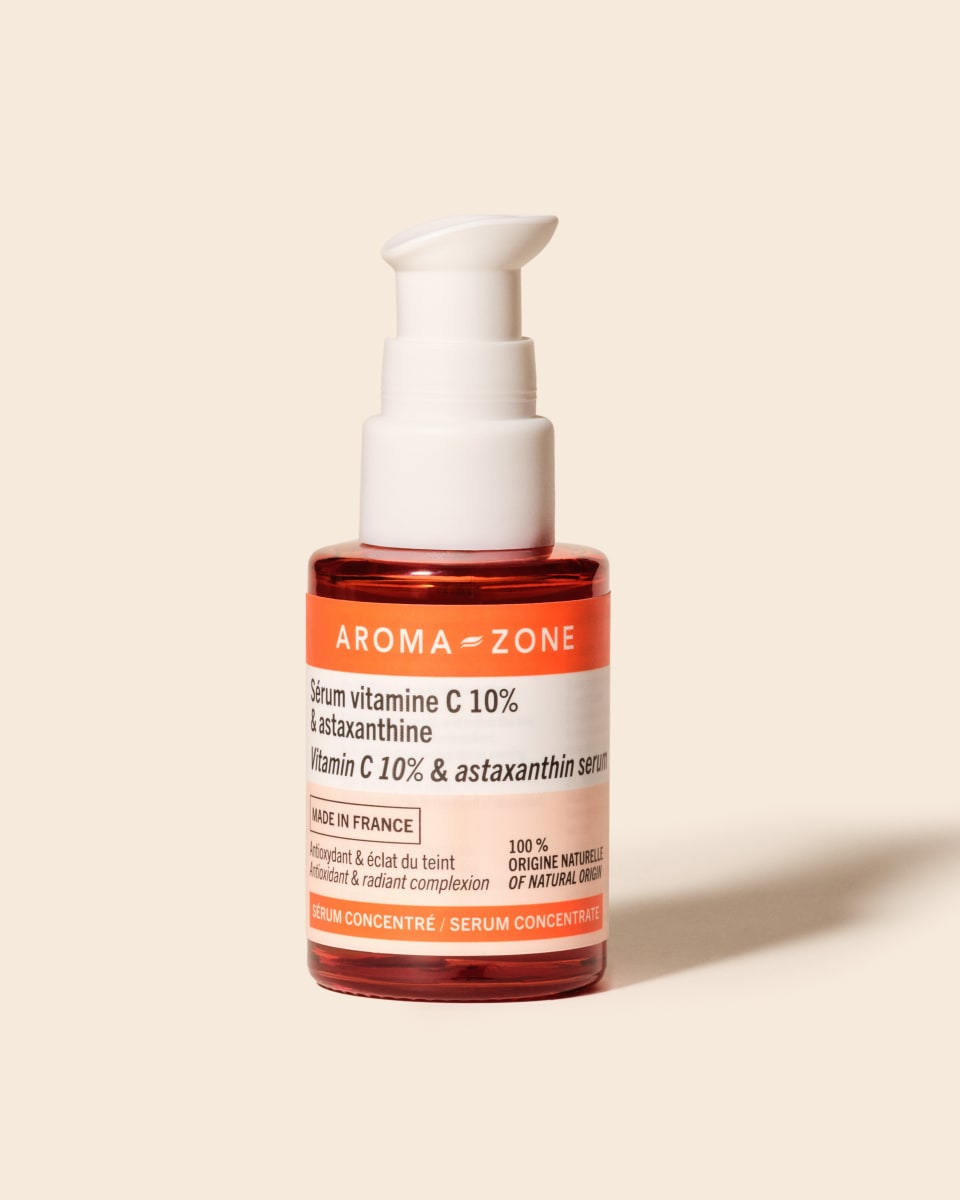
As we've seen, vitamin C is a fantastic active ingredient for the skin. But this effectiveness comes with drawbacks. The ascorbic acid molecule is unstable, especially when mixed in an aqueous base (water-based, like many cosmetics are, especially serums).
It degrades rapidly, particularly in the presence of light and heat, making it ineffective. It can be stabilised by adjusting the pH (acidity) of the product, but as the pH is quite low (<4, whereas the skin has a pH of around 5.5), there is a risk of irritation, particularly for sensitive skin.
That's why we chose a vitamin C derivative, ascorbyl glucoside, which is more stable in a serum, resulting in a serum with a pH close to that of the skin, for greater tolerance. On contact with the skin, ascorbyl glucoside is transformed into ascorbic acid, which is then absorbed and made available.
As vitamin C is never as effective as when it's part of a team. We've chosen to combine it with another highly antioxidant active ingredient: astaxanthin, extracted from the microalgae Haematococcus pluvialis. This red pigment is a member of the carotenoid family, like β-carotene (found in carrots) and lycopene (found in tomatoes).
Its name probably doesn't ring a bell, but you've probably seen it before: it's what gives pink flamingos, salmon and certain prawns their characteristic colour! But it's not to give our serum a pretty colour that we've included it in the formula, but for its formidable antioxidant power.
It is, in fact:
100 times more antioxidant than vitamin E.
770 times more antioxidant than co-enzyme Q10.
1500 times more antioxidant than curcumin.
Astaxanthin is, therefore, the perfect choice in the fight against the effects of ageing, the sun, UV rays and smoking. It also protects the skin from the effects of oxidative stress.
A bit like a team of superheroes, vitamin C and astaxanthin are more effective together. The special feature of antioxidants is that they work when combined. So, our serum is not just a vitamin C serum! Not only is it one of the highest doses of vitamin C on the market (10%), but its combination with astaxanthin is unique!
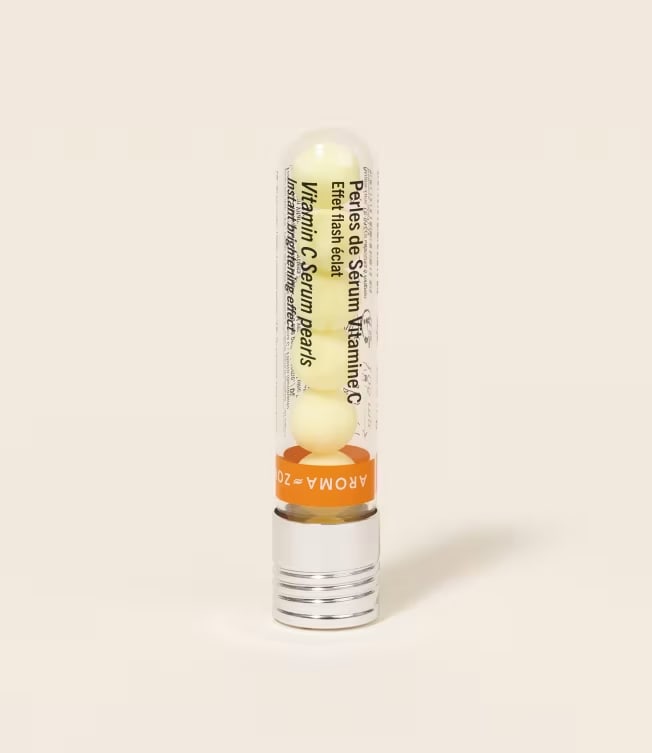
What is the concentration of vitamin C?
You may sometimes see a percentage of vitamin C indicated on the product or in brand communications. This corresponds to the concentration (quantity) of vitamin C (or vitamin C derivative, as in our serum) in the finished product. With vitamin C, the higher the percentage, the more effective the product is (if it's well formulated), but also the more irritating it can be. You can, therefore, find vitamin C serums with concentrations of 5 to 10% (sometimes 15 to 20%, but this is rare). For our vitamin C facial serum, we have chosen a concentration of 10% to combine effectiveness and tolerance, so that all skin types can use it.
How often should I use a vitamin C serum?
Our vitamin C serum, which can be used by pregnant and breast-feeding women, is designed to be applied 1 to 2 times a day. It can, therefore, be incorporated into your morning and/or evening skincare routine. However, it is most effective in the morning, as it helps the skin to combat oxidative stress throughout the day when it is most exposed. Applying it in the evening will help it to rebuild its antioxidant capital.
How should I store my vitamin C serum?
Vitamin C is a powerful active ingredient, but it can be sensitive to light and oxidation. To preserve the effectiveness of your vitamin C serum, it is essential to take a few precautions. First of all, store the bottle in a cool, dark place, preferably away from direct sunlight. The bathroom is not the ideal place, as variations in temperature and humidity can alter the stability of the vitamin C. So, make sure you store your serum in a cool, dry place.
Also, close the bottle carefully after each use to prevent air from getting in, which helps to prevent oxidation. If your serum comes in a pipette bottle, make sure you tighten the cap to prevent leaks.
Finally, use your serum regularly to avoid it going unused for long periods. Keeping vitamin C fresh is essential to maximise its benefits. By following these storage tips, you can make the most of your vitamin C serum and maintain its antioxidant power for radiant skin.
What precautions should be taken?
Test a small area of your skin before use to check for allergic reactions.
If you feel any discomfort, use less frequently.
Avoid the eye area.
Keep out of reach of children.
Always use a sun cream after application.
Article written by Marie Dehlinger, our cosmetology expert
As a trained scientist with a degree in cosmetics regulation, I love sharing and explaining the science behind cosmetic products. I've made a career out of it, with a particular focus on promoting and explaining science to the general public.

Associated tips
Nutrients, Vitamins, Minerals & Antioxidants
Face care tips
Natural actives


