
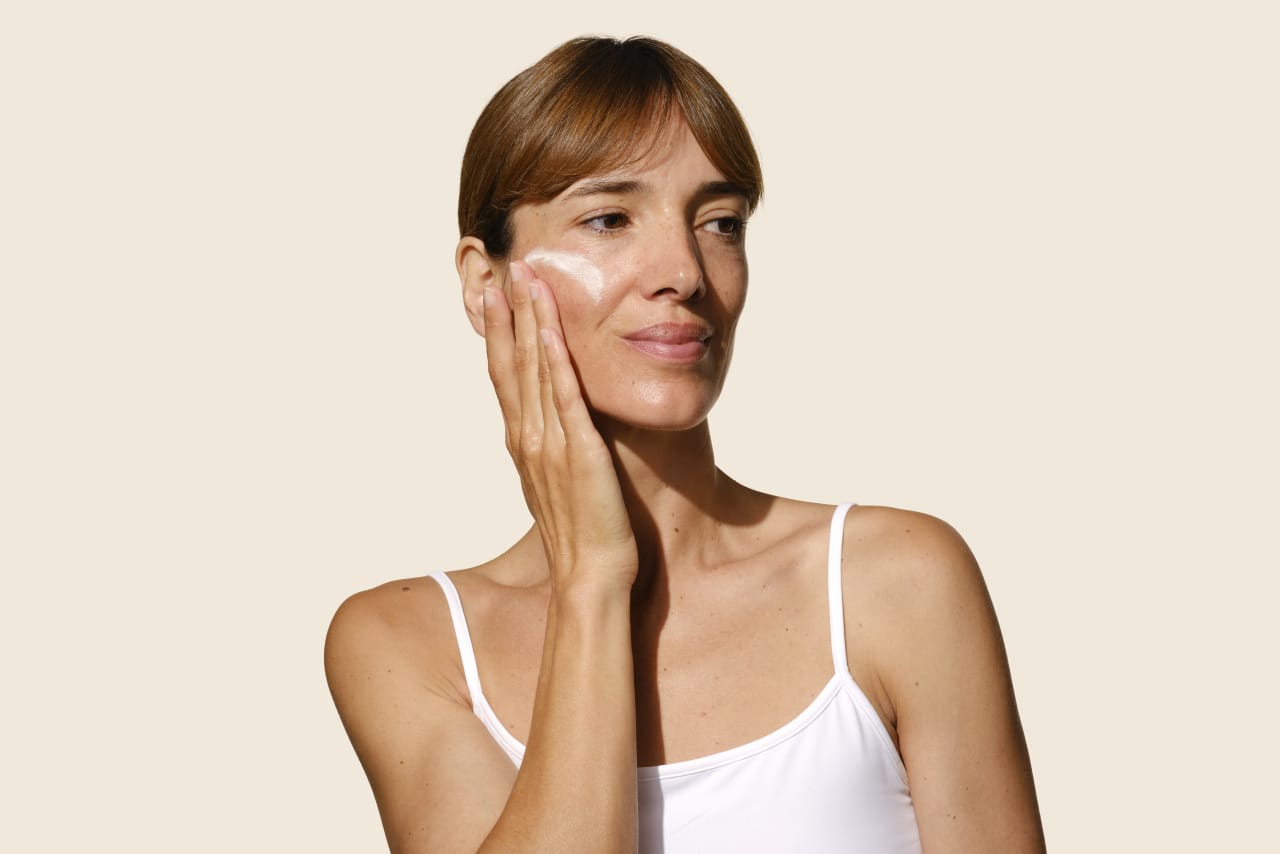
Should you exfoliate dry skin?
Published on: Monday, August 31, 2026, Updated on: Friday, October 09, 2026
You’re keen to exfoliate your dry skin, and that’s perfectly understandable if you love that ‘baby-soft’ feeling you get after exfoliating. However, you’re unsure, as you’ve heard conflicting advice. For some people, it’s unthinkable to subject skin that’s too dry to exfoliation. For others, on the contrary, exfoliation is the best way to remove dead skin cells. In truth, neither side is entirely right nor entirely wrong. As is often the case when dealing with living organisms, there is a whole context to consider in order to determine the best course of action. In this article, you’ll find our clear and nuanced answer, backed by science.
Contents
Related products
Anti-ageing
£3.00
10 ml
Exfoliating
Peeling effect
£8.00
30 ml
4 options
£14.50
article
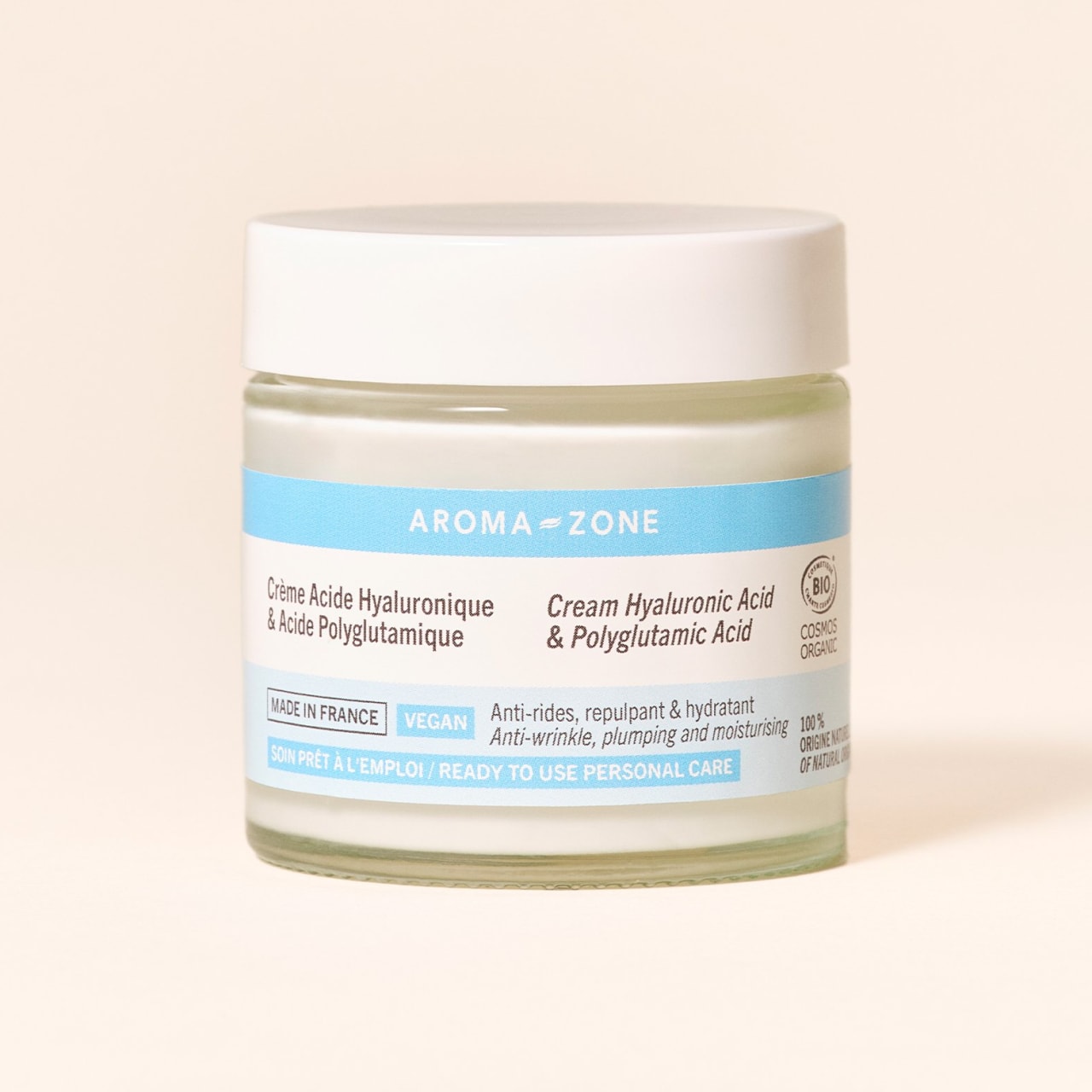
Plumping
Moisturising
£10.00
50 ml
In brief
It is possible to exfoliate dry skin, provided you adopt a gentle approach that is kind to the skin.
Exfoliation is not essential for dry to very dry skin: it does not ‘solve’ the problem of dryness on its own.
The exfoliating agents most widely recognised for their benefits on dry skin are not necessarily found in grainy scrubs.
Is it true that you shouldn’t exfoliate dry skin?
No, it is perfectly possible to exfoliate dry skin by using a gentle exfoliation technique.
Don’t worry: you can certainly treat yourself to a scrub if you fancy it, even if you have dry skin. It’s natural to have your doubts, as at first glance it doesn’t seem like a very sensible idea to irritate skin that’s already experiencing skin barrier issues.
dry skin is in fact the result of a compromised skin barrier, characterised by a deficiency in intercellular lipids in the stratum corneum and structural abnormalities, which increases water loss through the skin and reduces the skin’s ability to retain moisture.
Xerosis (dry skin) therefore implies a compromised barrier function. However, exfoliation can, in some cases, cause further damage to the stratum corneum and make the skin barrier even more permeable. With less protection, the skin is therefore at risk of becoming dehydrated even more quickly (2).
Nevertheless, the American Academy of Dermatology seeks to reassure the public. It is indeed possible to exfoliate dry skin or sensitised skin, provided you opt for a gentle approach (3) that preserves the skin barrier as much as possible.
Should you avoid grainy scrubs on dry, delicate skin?
Yes, mechanical exfoliants are often considered too harsh for dry skin.
For dry skin, the most important thing isn’t the exfoliation itself, but how it’s carried out. And when it comes to gentleness, the grains in mechanical exfoliants aren’t the best choice. Their repeated rubbing can damage the stratum corneum (4), which is already compromised.
The same applies to mechanical exfoliation techniques without granules, such as brushes or exfoliating sponges. Some experts advise against, for example, dry brushing on eczema-prone skin to avoid aggravating the condition (5).
If you absolutely must use a mechanical method, a damp washcloth seems to be the most suitable option for dry skin (3).
How can you exfoliate dry skin without irritating it?
It is recommended that you prioritise skin tolerance when choosing a scrub and exercise moderation when exfoliating.
A permeable skin barrier means a risk of irritation. And it is precisely here that exfoliation can cause problems for dry skin if not carried out correctly. Below are a few precautions you can incorporate into your exfoliation routine to minimise any unpleasant surprises as much as possible. As all skin types are different – even within the broad category of dry skin – we nevertheless advise you to remain attentive to any signs of discomfort your skin might show during exfoliation.
Steps | The right techniques |
Preparing for exfoliation | A few days beforehand, try to moisturise your stratum corneum and reduce water loss by using a combination of humectants and lipids. On the day, simply use a gentle cleanser before exfoliating. |
Type of exfoliation | Opt for a very gentle chemical exfoliation. Conversely, avoid scrubs with overly abrasive grains and chemical exfoliants that are too harsh. |
Choice of active ingredients | Urea and lactic acid are among the few keratolytic active ingredients (i.e. exfoliants) that are also recognised as beneficial for dry skin, mainly due to their moisturising effect (6), (7). |
Technique | Apply very light pressure when exfoliating, avoiding going over the same area several times. When rinsing, use lukewarm water (neither hot nor cold) and pat your skin dry gently with a towel, without rubbing. |
Frequency | There is no ideal frequency: adjust your monthly or weekly exfoliation routine to what your skin seems able to tolerate without reacting. The more intense the exfoliation, the less frequently it should be carried out (3). |
Post-exfoliation care | Moisturise thoroughly with a restorative balm or a rich cream to strengthen your skin barrier immediately after exfoliating. |
Our conclusion, based on the scientific literature
Myth or fact?
Myth. It’s perfectly fine to exfoliate your dry skin if you feel like it. You just need to follow a few simple rules designed to optimise skin comfort both during and after exfoliation.
What’s true
Dry skin can be more reactive than other skin types during exfoliation
Exfoliation can worsen the condition of dry skin if it is not well tolerated
Gentle exfoliation can be suitable for dry skin.
What is false
Dry skin does not need exfoliating any more than other skin types
Exfoliating dry skin does not necessarily make it any drier or any less dry
Chemical exfoliants are not a cure-all for this skin type.
Food for thought
If you have dry skin, removing dead skin cells is neither the only way nor the best way to achieve smoother, softer skin.
There are many misconceptions about exfoliating dry skin. For example, it is often claimed that exfoliation is essential for ridding dry skin of dead skin cells and, in the process, optimising the absorption of subsequent skincare products. Nothing of the sort has yet been proven.
In fact, the scientific literature does not consider exfoliation to be an ‘anti-dryness’ treatment. Although this may seem counter-intuitive given that these products are designed to remove dead skin cells, in reality, it is primarily hydration that helps to tackle flaky skin.
This is precisely the benefit of certain skincare products that manage to improve surface hydration whilst normalising flaking (the main issue with dry, rough skin) (8). And properly hydrated skin is, in fact, skin that flakes less.
A dermatologist’s view
How often should you exfoliate dry skin? Which exfoliating ingredients are best suited to dry skin?
It is possible to exfoliate dry skin if it has a ‘hyperkeratotic’ appearance, i.e. a rough or thickened texture. However, mechanical exfoliation should be avoided as it may aggravate the condition or cause inflammation. Mild chemical exfoliants are permitted: lactic acid, urea and low-concentration AHAs. The frequency should be adjusted according to tolerance and results, up to once a day if necessary.
Dr Reyhan Amode, dermatologist and member of the Aroma-Zone College of Dermatologists
Which exfoliator is best for dry or dehydrated skin?
Make your own homemade scrub
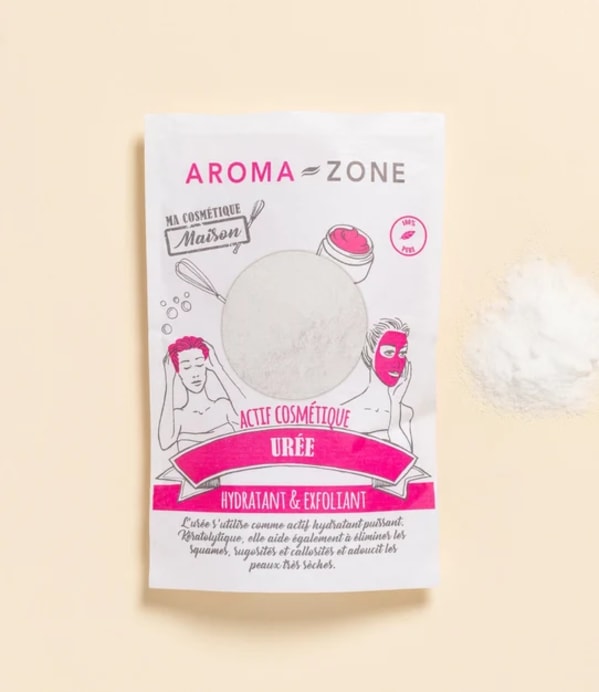
Active ingredient: Urea: A key ingredient for dry, very dry or atopic skin, it helps both to retain moisture and to promote the renewal of corneocytes. With excellent skin tolerance, it can be used to formulate an exfoliating cleansing gel, a body cream to combat rough, flaky skin, or a gentle facial lotion. Recommended concentration: 5–10 per cent.
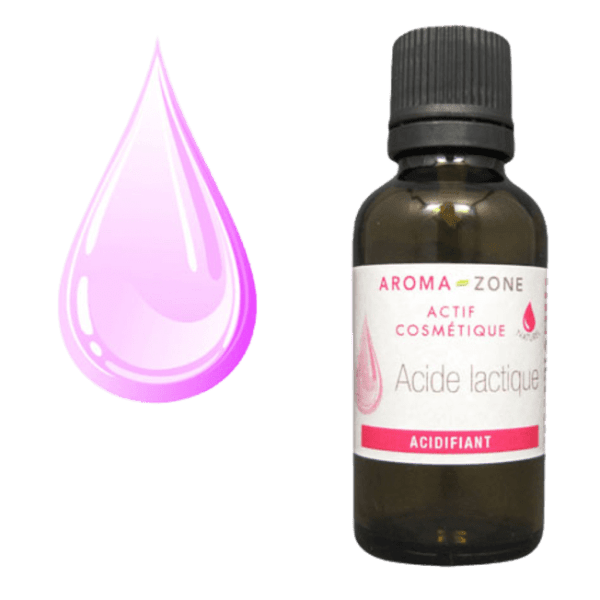
Lactic acid: Renowned for its remarkable affinity with the skin’s surface, it helps remove dead skin cells and provides additional moisturising benefits, making it ideal for dry skin. It can also be used to lower the pH of your homemade skincare products. Recommended dosage: add drop by drop depending on the desired pH.
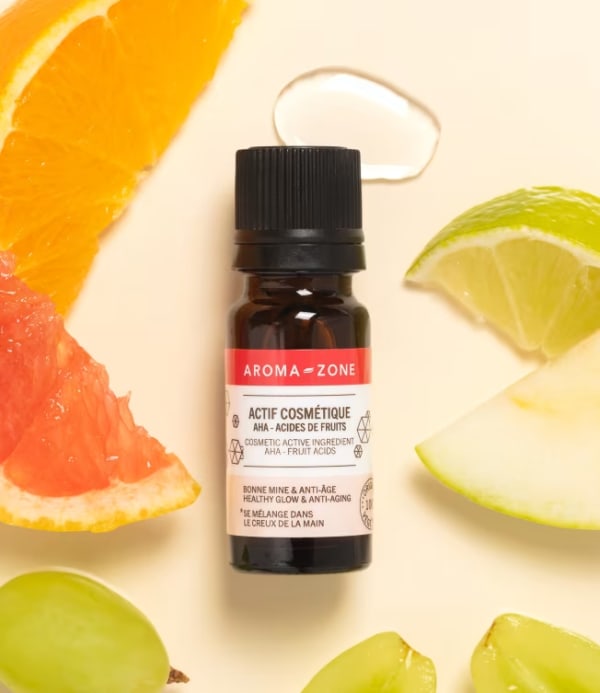
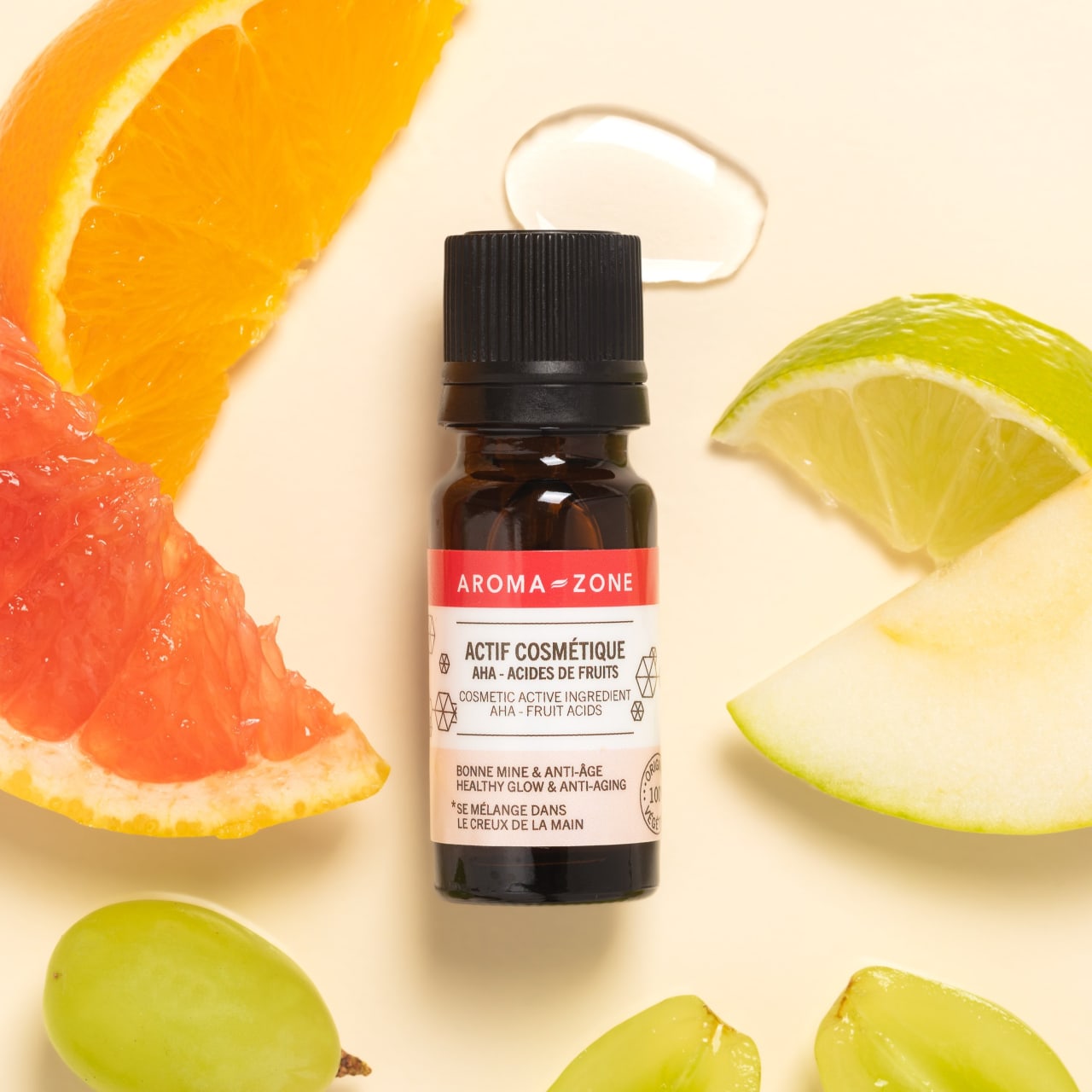
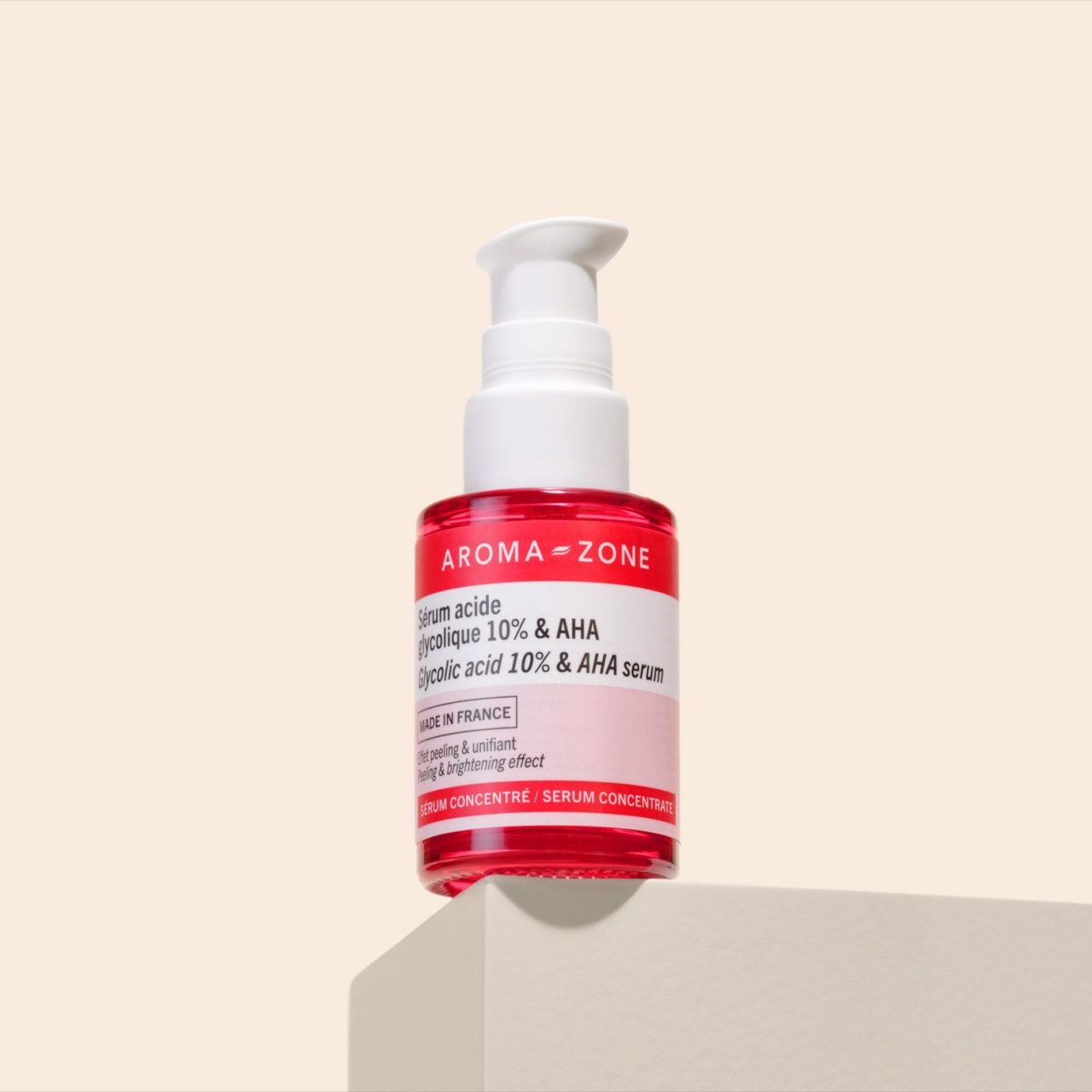
Active ingredient: AHA fruit acids: AHAs promote cell renewal and exfoliation to smooth the skin’s texture, restore the complexion’s radiance and minimise the appearance of dark spots and imperfections. They can be used as an active ingredient in DIY cosmetic formulations or simply mixed with a neutral cream or a suitable serum for a quick treatment. Use them at a concentration of 1–5 per cent for regular application, and 5–10 per cent for an occasional exfoliating effect in an aqueous formulation.
Choose a ready-to-use exfoliating product
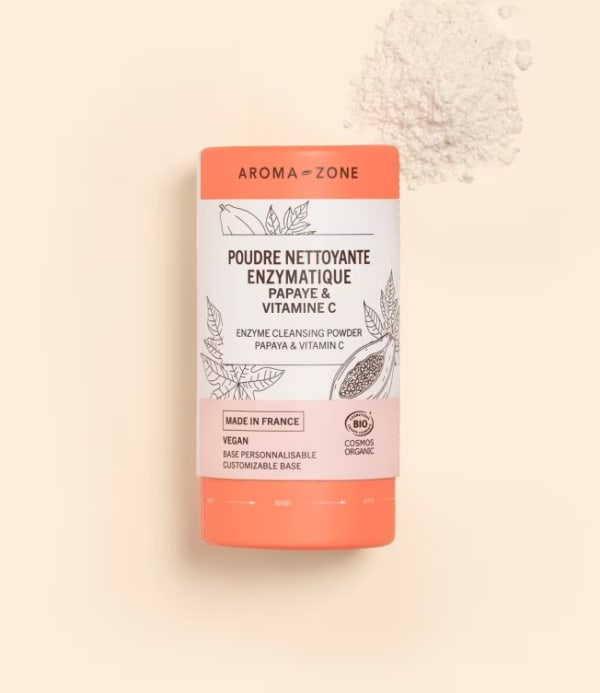
Papaya & Vitamin C Enzymatic Cleansing Powder: Both a cleanser and an exfoliator, this grain-free powder gently exfoliates the skin without causing any discomfort or irritation. On contact with water, it transforms into a creamy lather that leaves the skin feeling soft and comfortable. For a deep exfoliation, leave it on for 1 to 3 minutes before rinsing.
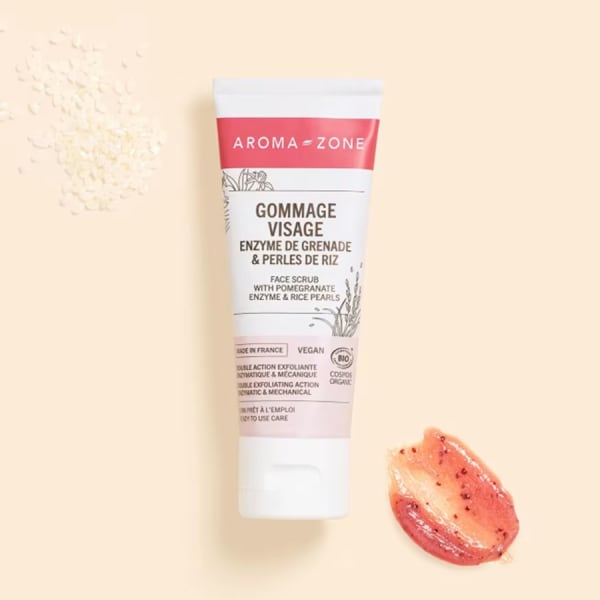
Pomegranate Enzyme & Rice Pearl Facial Scrub: It combines enzymatic and mechanical exfoliation in a gel texture infused with protective plant oils. Suitable for all skin types, it has been proven to strengthen the hydrolipid barrier and reduce water loss, whilst leaving the skin visibly nourished, soft and radiant.
Look after your skin after exfoliating
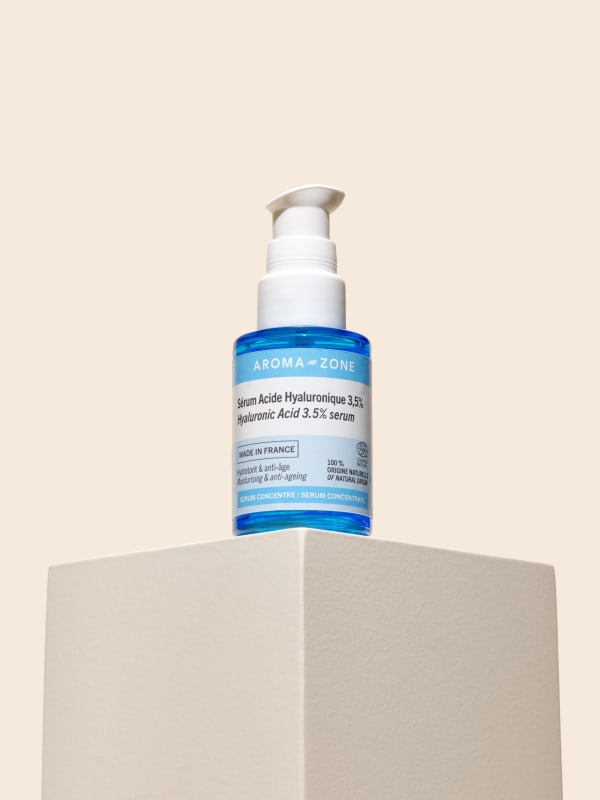
3.5% Concentrated Hyaluronic Acid Serum: This serum boasts one of the highest concentrations of hyaluronic acid on the market, an active ingredient renowned for its moisturising, smoothing and plumping properties. It absorbs instantly without leaving any residue or causing tightness, leaving the skin feeling revitalised.
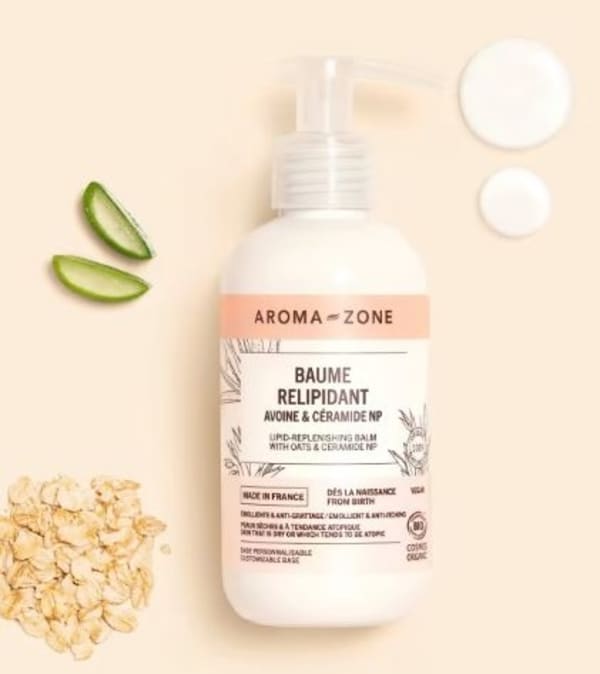
Oat & Ceramide NP Lipid-Restoring Balm: Suitable for use on the face and body, it instantly soothes redness and tightness, reduces itching and restores the skin’s appearance. Its high-tolerance lipid-restoring formula is particularly suitable for dry and sensitive skin.
Precautions
Cosmetic treatments, including exfoliants, should only be used on healthy skin. In cases of xerosis, the skin may unfortunately be damaged. If you find yourself in this situation, consult a dermatologist before using any skincare products on your skin.
Focus on Our Writer: Hélène Betoux

Hélène Betoux is a French beauty journalist specialising in web media. Every day she writes tips, advice, and guides to help consumers choose the right beauty products. With a strong interest in natural, organic, and clean cosmetics, she analyses and shares trends and innovations in the sector.
Bibliography
Harding CR, Watkinson A, Rawlings AV, Scott IR. Dry skin, moisturisation and corneodesmolysis. Int J Cosmet Sci. 2000 Feb;22(1):21-52.
doi: 10.1046/j.1467-2494.2000.00001.x. PMID: 18503460.
Fluhr JW, Moore DJ, Lane ME, Lachmann N, Rawlings AV. Epidermal barrier function in dry, flaky and sensitive skin: A narrative review. J Eur Acad Dermatol Venereol. May 2024;38(5):812–820.
doi: 10.1111/jdv.19745. Epub 22 December 2023. PMID: 38140732.
How to safely exfoliate at home, American Academy of Dermatology Association,
https://www.aad.org/public/everyday-care/skin-care-secrets/routine/safely-exfoliate-at-home [online, accessed 27 August 2026].
Kikuchi K, Shigeta S, Numayama-Tsuruta K, Ishikawa T. Vulnerability of the skin barrier to mechanical rubbing. Int J Pharm. 25 September 2020;587:119708.
doi: 10.1016/j.ijpharm.2020.119708. Epub 31 July 2020. PMID: 32739393.
Lauren Hewett, Will This Make Me Flare? 9 Self-Care Tools and Trends Reviewed by a Dermatologist, National Eczema Association, 16 December 2022,
https://nationaleczema.org/blog/will-this-make-me-flare-9-self-care-tools-and-trends-reviewed-by-a-dermatologist/ [online, accessed 27 August 2026].
Lodén M, von Scheele J, Michelson S. The influence of a humectant-rich mixture on normal skin barrier function and on once- and twice-daily treatment of foot xerosis. A prospective, randomised, evaluator-blind, bilateral and untreated-control study. Skin Res Technol. November 2013;19(4):438–45.
doi: 10.1111/srt.12066. Epub 22 March 2013. PMID: 23521561.
Fluhr JW, Muguet V, Christen-Zaech S. Restoring skin hydration and barrier function: mechanistic insights into basic emollients for xerosis cutis. Int J Dermatol. June 2025;64 Suppl 1:5–12.
doi: 10.1111/ijd.17790. Epub 15 April 2025. PMID: 40231699.
Draelos ZD, Hall S, Munsick C. A 14-day controlled study assessing qualitative improvement with 15% lactic acid and ceramides in skin moisturisation and desquamation. J Clin Aesthet Dermatol.
August 2020;13(8):E54–E58. Published online 1 August 2020. PMID: 33178384; PMCID: PMC7595367.

Frequently Asked Questions
Associated tips
Natural actives
Natural actives


