Aroma-Zone plant-based Salicylic Acid Active Ingredient

Aroma-Zone plant-based Salicylic Acid Active Ingredient


By Delphine Duc

Published on: Monday, March 30, 2026, Updated on: Tuesday, September 15, 2026

Reading time: ++4 min

PURIFYING EXFOLIANT

The exfoliant that purifies the skin

Here is your go-to active ingredient for skin prone to blackheads, enlarged pores and uneven texture. Thanks to its exfoliating action, this powerful plant-based active ingredient removes dead skin cells, unclogs pores and accelerates cell renewal. Say goodbye to blackheads and comedones—skin becomes clearer, brighter, and more even-toned. 

Contents

Related products

Plant-based Salicylic Acid Aroma-Zone profile

INCI Name: Salix Nigra Bark Extract

NATURAL / SYNTHETIC: Naturally derived active ingredient

VEGAN - CERTIFICATIONS

BIOCHEMICAL COMPOSITION

Salicylic acid is a phenolic beta-hydroxy acid. In cosmetics, its small size allows it to easily penetrate the epidermis. Its anti-inflammatory properties attracted the interest of chemists early on, though they modified it due to its unpleasant taste. This resulted in a new molecule, acetylsalicylic acid, better known as “aspirin.”

TRACEABILITY & SUSTAINABILITY

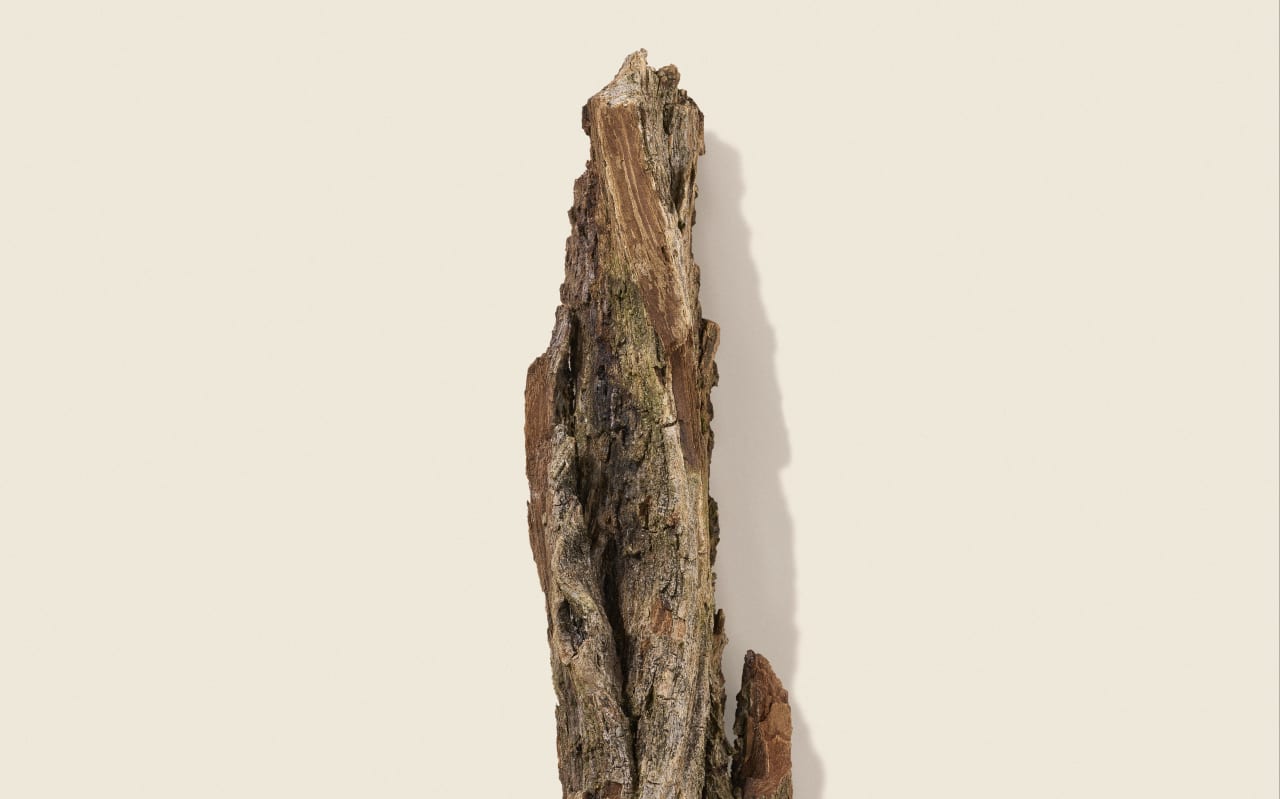
The plant-based salicylic acid used at Aroma-Zone is extracted from black willow bark.

Plant-based Salicylic Acid: what effect does it have on the skin?

Plant-based salicylic acid is a natural compound found in several plants, including willow and meadowsweet. With its exfoliating action, it unclogs pores, regulates excess sebum, and reduces skin imperfections. Skin imperfections, such as dark spots or marks left by old blackheads, are reduced, and skin texture is refined. Another benefit is that exfoliating the skin’s surface cells stimulates epidermal regeneration: collagen levels increase and wrinkles are reduced.

Salicylic acid also possesses anti-inflammatory activity thanks to its inhibitory effect on cyclooxygenases, enzymes involved in the synthesis of inflammatory mediators. This property gives it soothing effects that are particularly valued for relieving the discomfort and tightness associated with blackheads. However, since this effect is primarily intended to support skin comfort, it is not recommended to use this active ingredient on extremely sensitive skin. 

Plant-based Salicylic Acid: scientifically proven efficiency

Subjects with mild to moderate acne who used a cleanser containing 2% salicylic acid for 8 weeks saw their blemishes decrease without any drying effect. The treatment is effective and well-tolerated.

Skin tolerance

A Note from Adeline Nalin, Head Pharmacist and Toxicologist at Aroma-Zone

Adeline Nalin blouse

“The use of salicylic acid derived from black willow (Salix nigra) is considered gentler than synthetic salicylic acid. In fact, black willow does not naturally contain “pure” salicylic acid but rather natural salicylates (salicin and derivatives), which are precursors to salicylic acid. These precursors are less irritating. Salicylic acid derived from black willow thus has a gentler, more moderate action and is therefore better tolerated. Since its action is gradual, the skin barrier remains more stable and the risk of reactions (such as irritation and redness) is reduced. The impact on the skin barrier is thus more gentle.”

Adeline Nalin - Head Pharmacist and Toxicologist

A safe ingredient for your health

A Note from Our Aroma-Zone Toxicologist

“Black willow extracts are often better tolerated than pure salicylic acid; however, people allergic to salicylates or aspirin should avoid it. Even though plant-based salicylic acid is well-tolerated, particularly by sensitive and acne-prone skin, it remains a powerful active ingredient that should be introduced gradually by adjusting the dosage, especially during the first use. Salicylic acid itself also has keratolytic properties; although it is gentle, it is advisable not to use it at the same time as other exfoliating products to avoid a cumulative effect that could weaken the skin barrier. It should be used with caution on highly reactive skin. Its use is restricted to adults and adolescents aged 12 and older.”

Adeline Nalin - Head Pharmacist and Toxicologist

Portrait_dermato_Dima_Haidar

A Note from the Dermatologist

“Thanks to its keratolytic properties, salicylic acid helps dissolve sebum and dead skin cells, thereby reducing pimples, microcysts, and blackheads. It is therefore perfectly suited for oily or blemish-prone skin. For best results, start by gradually introducing it into your routine, preferably in the evening, 2 or 3 days a week, and don’t forget to apply sunscreen the next morning.

A few points to keep in mind. Don’t overdo it: using it too often can dry out your skin. Avoid mixing it with other exfoliants to prevent any risk of irritation. Salicylic acid is not recommended for pregnant women or for dry or irritated skin.”

Dr. Dima Haidar - Dermatologist

Formulation focus with the Aroma-Zone R&D laboratory

Salicylic acid is regulated in Europe, with a limit of 2% in leave-on skincare products. This is the concentration used at Aroma-Zone to ensure its keratolytic effect. It is also used at lower concentrations in certain formulas for its antimicrobial properties.

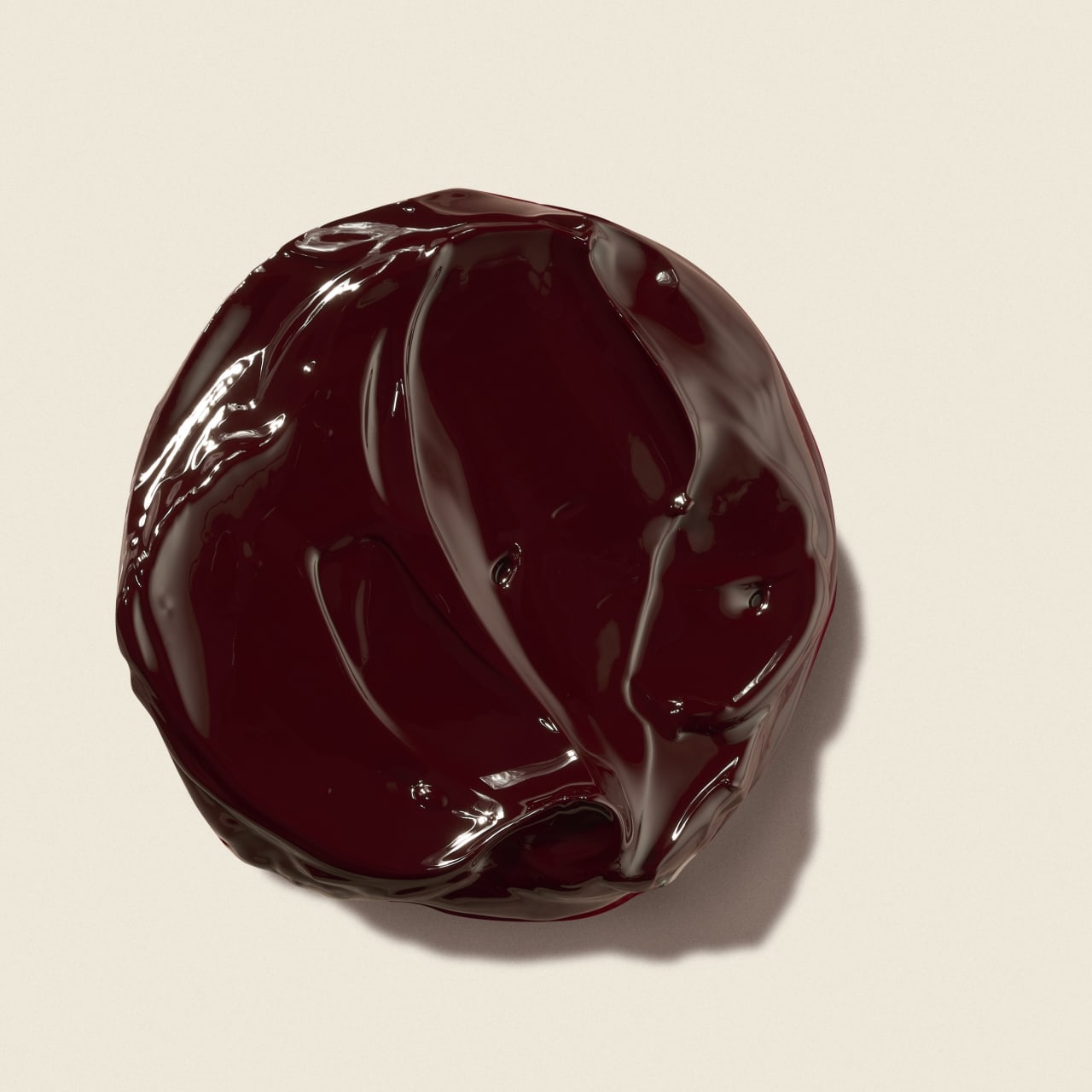
Our salicylic acid is derived from black willow bark. This plant-based form has an interesting characteristic in formulations: it naturally provides viscosity, eliminating the need for unnecessary gelling agents and resulting in a stable and effective texture.

For which skin types?

It is suitable for combination to oily skin, blemish-prone skin, dull skin, and damaged skin.

For oily skin

Salicylic acid is particularly effective at regulating excess sebum, unclogging pores, and preventing the appearance of blackheads and comedones. It helps mattify the T-zone and reduce shine, for a clearer, more even complexion.

For acne-prone skin

Thanks to its purifying and soothing properties, it helps reduce blemishes and calm acne-related redness. Used regularly, it promotes better skin balance and gradually reduces inflammation.

For combination skin

The active ingredient helps balance oily areas (forehead, nose, chin) while gently exfoliating drier areas. It provides a smoothing effect and evens out skin texture without drying it out.

For thick skin or skin with enlarged pores

By removing dead skin cells, it refines skin texture and visibly reduces the appearance of enlarged pores. The complexion looks more even, and the skin becomes softer and more radiant.

For sensitive skin

Although it is gentler than other exfoliants, this active ingredient should be used with caution on sensitive skin: preferably at a low concentration and avoiding frequent use. It is important to monitor the skin’s tolerance before gradually increasing the frequency of use.

Which concerns does this address?

The skin concerns addressed include blackheads and comedones, excess sebum, lack of radiance, uneven skin tone, and hyperpigmentation spots.

What plant-based Salicylic Acid does for the skin

It purifies the skin and unclogs pores, helps eliminate blackheads, reduces blemishes, minimizes uneven skin tone, stimulates skin regeneration, and leaves the skin smoother and softer.

In fact, this active ingredient offers multiple benefits: 

  • Gentle exfoliation: it removes dead skin cells from the skin’s surface and promotes cell renewal

  • Deep-cleansing action: by purifying the pores, it helps limit the buildup of sebum and impurities

  • Prevention of blackheads: it reduces the formation of comedones and helps maintain healthier, more balanced skin

  • Sebum regulation: it balances sebum production, helping to prevent excess shine and blemishes

  • Purifying action: helps limit the bacterial growth responsible for skin imperfections

  • Supports cell renewal: it promotes epidermal regeneration for smoother, softer skin

  • Improved skin texture: helps refine skin texture and restore radiance and evenness to the complexion

  • Correction of irregularities: it helps fade pigment spots, fine lines, and minor surface imperfections.

Plant-based Salicylic Acid : an essential ingredient for the skin

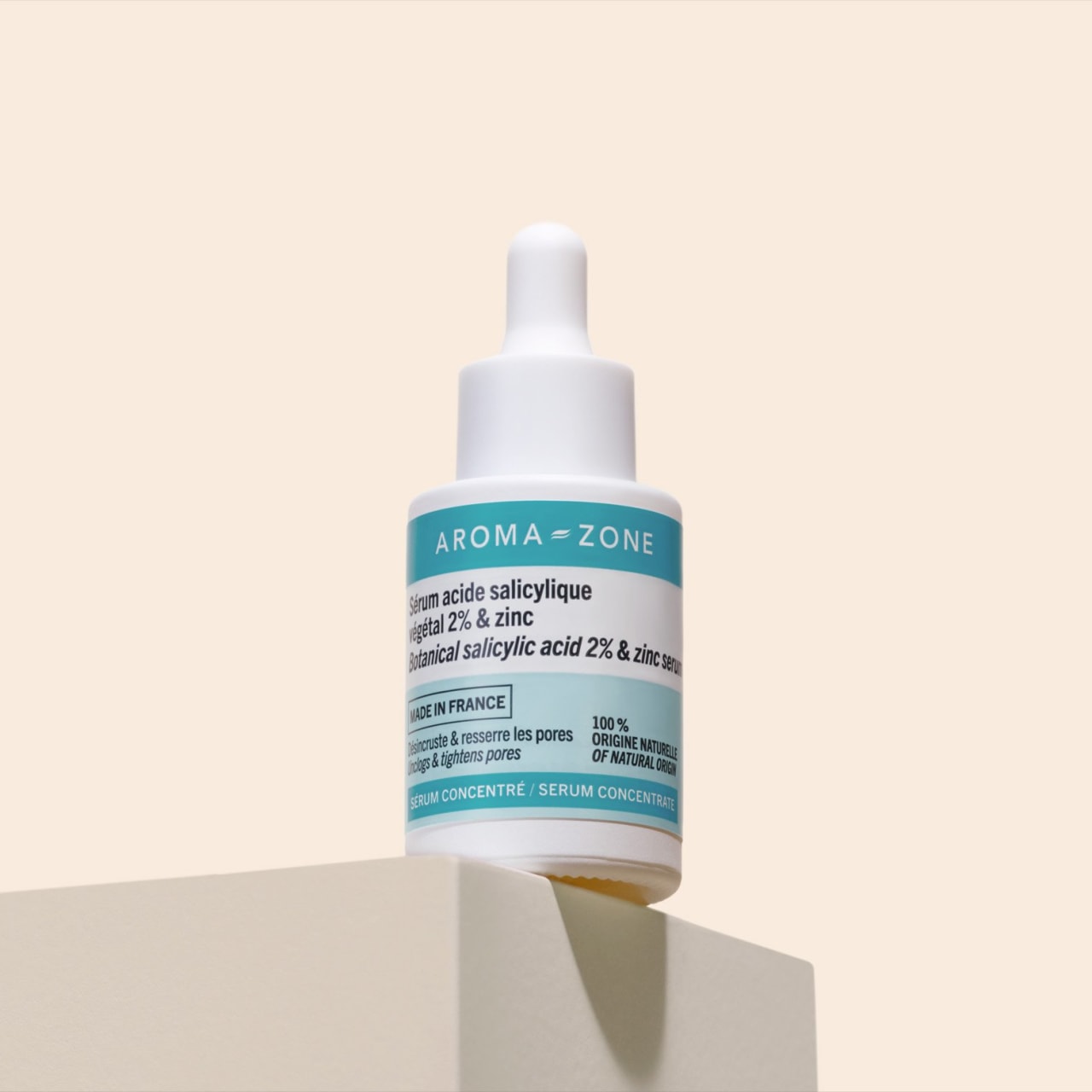
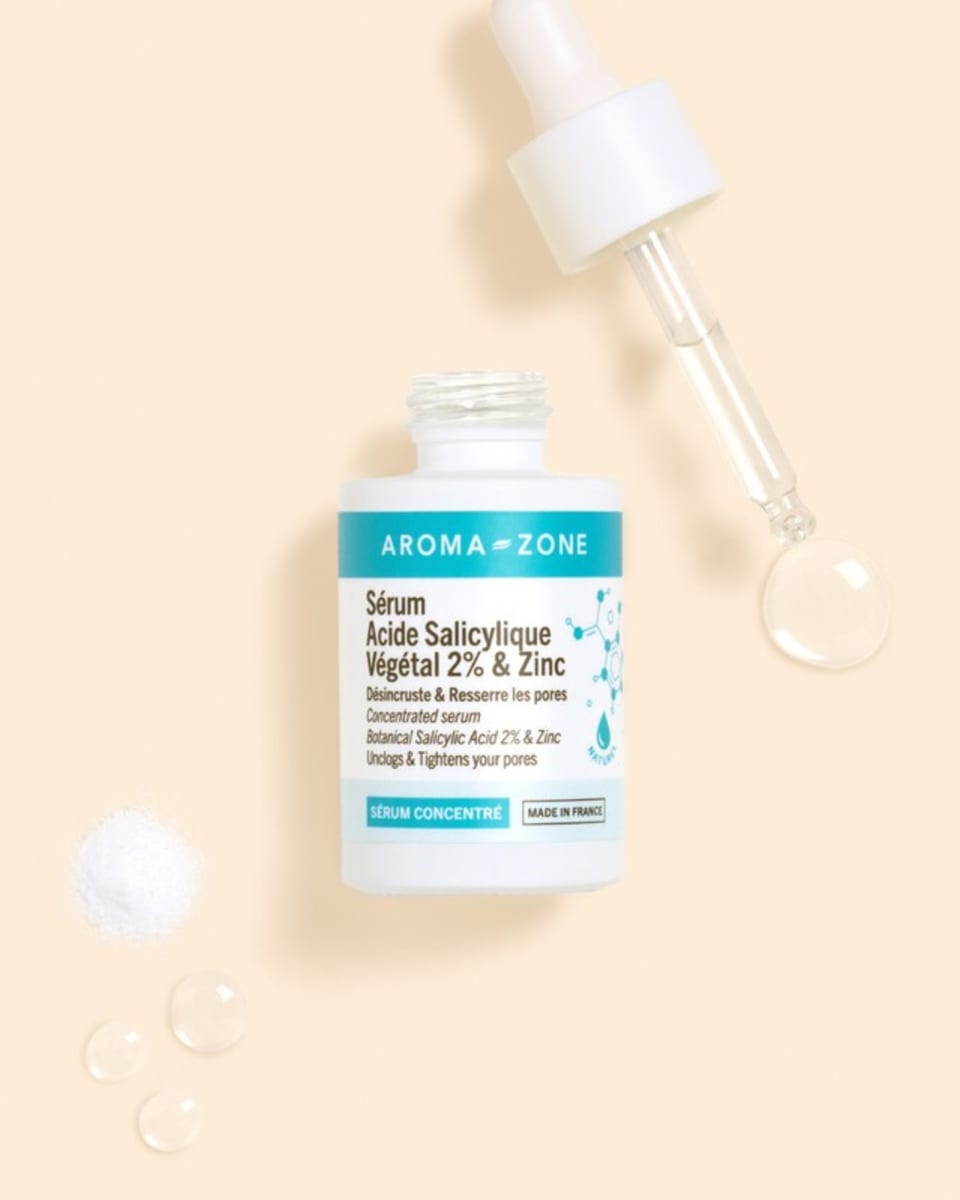
Concentrated Serum with 2% Salicylic Acid & Zinc

2% Salicylic Acid & Zinc Concentrated Serum: this multi-action serum reduces pore size and appearance while fighting blemishes. Purifying and keratolytic, this complex of plant-based salicylic acid, mushroom extract, and zinc regulates excess sebum, unclogs pores, and prevents the appearance of blackheads. This serum leaves the skin purified and the skin texture refined, without a drying effect.

Discover our 2% Salicylic Acid & Zinc Concentrated Serum
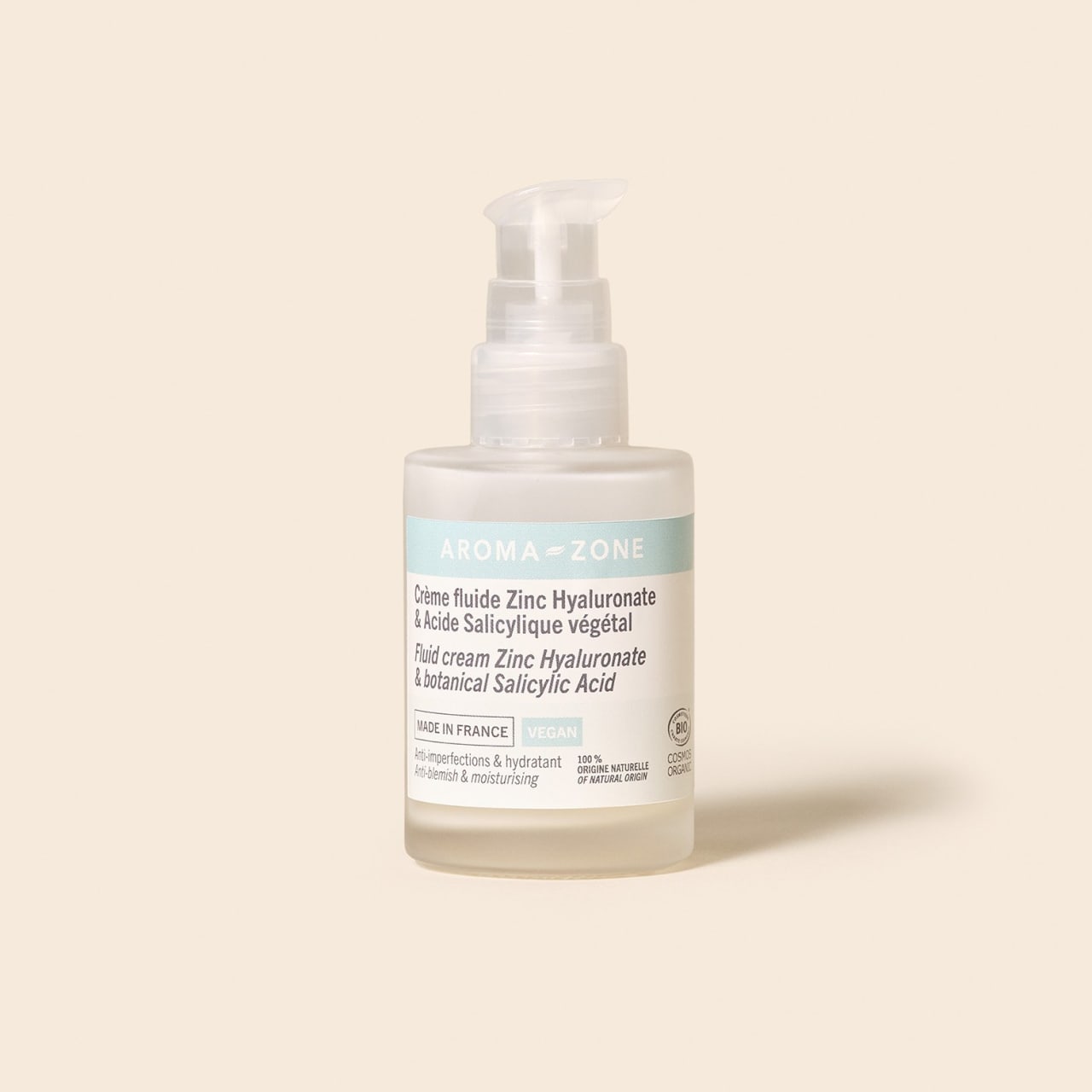
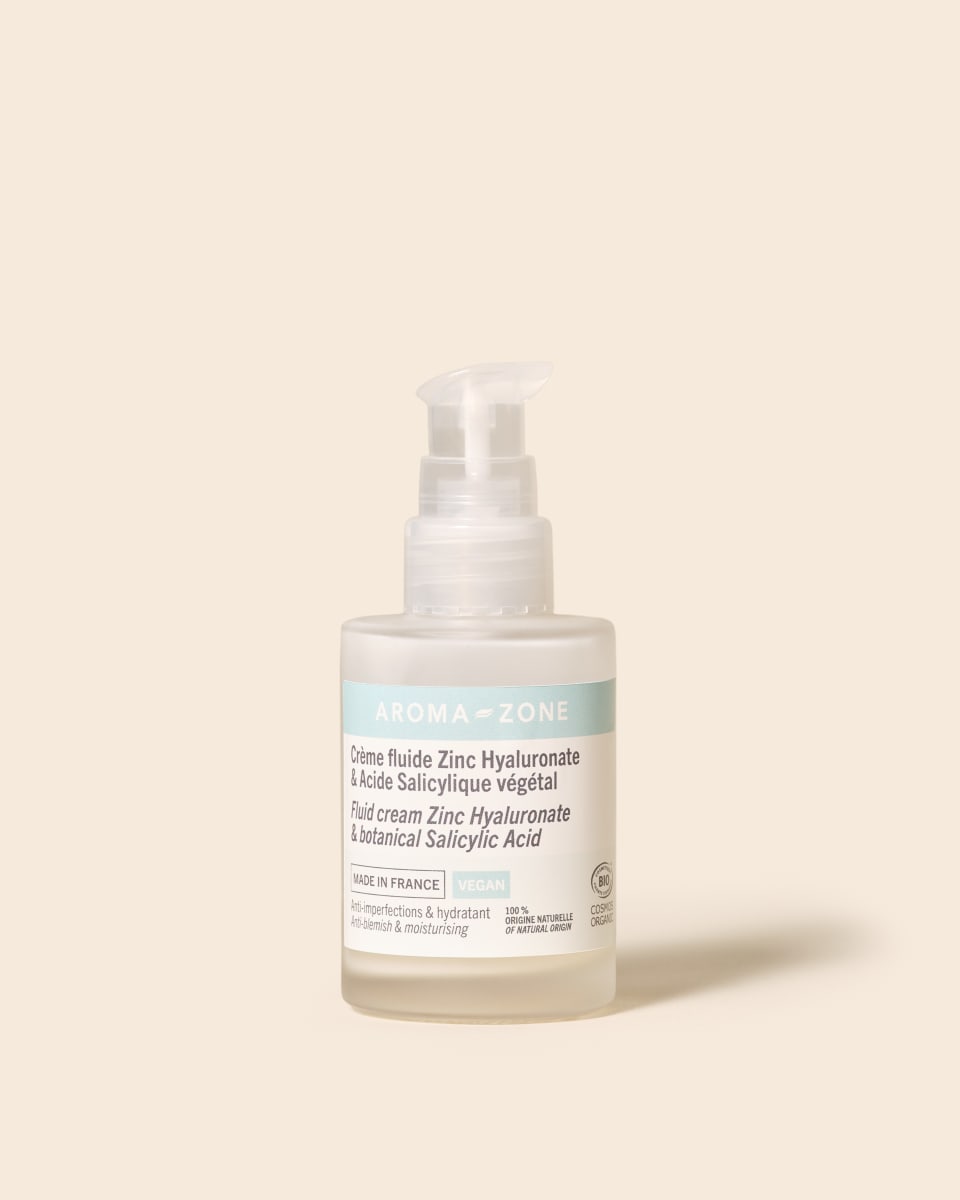
Zinc_Hyaluronate_&_Plant-Based_Salicylic_Acid_Fluid_Cream

Fluid Cream with Zinc Hyaluronate & Plant-Based Salicylic Acid

Zinc Hyaluronate & Plant-Based Salicylic Acid Fluid Cream: This organic purifying fluid cream rebalances, mattifies, and hydrates the skin while reducing imperfections. Concentrated in Zinc Hyaluronate and Salicylic Acid, it targets blackheads, tightens pores, stimulates cell renewal, and soothes inflammation. Free of fragrance and essential oils, it is suitable for oily, blemish-prone, or acne-prone skin.

Discover our Zinc Hyaluronate & Plant-Based Salicylic Acid Fluid Cream

FAQ

Spotlight on our specialist writer, Delphine Duc.

Delphine Duc 02.jpg

I'm Delphine Duc, a biological engineer specialising in cosmetology, and I've been passionate about the field of cosmetics for almost 10 years. I started making my own homemade cosmetics using Aroma Zone products to tackle my skin problems. Eventually, I decided to train as a cosmetologist and ultimately to create a bespoke cosmetics brand to address everyone’s individual skin concerns.

Bibliography

  1. SKINCARE, The Skin, an Aroma-Zone publication by La Plage

  2. Arif, T. Salicylic Acid as a Peeling Agent: A Comprehensive Review. Clinical, Cosmetic and Investigational Dermatology 2015, 8, 455–461.

    https://doi.org/10.2147/CCID.S84765

  3. 2. Liu, Y., Dan, Y., Yang, J., et al. (2025), Clinical efficacy of a salicylic acid–containing gel on acne management and skin barrier function: A 21-day prospective study, Journal of Cosmetic Dermatology

    doi: 10.1111/jocd.70353

  4. Randjelovic, P.; Veljković, S.; Stojiljković, N.; Sokolovic, D.; Ilić, I.; Laketić, D.; Randjelović, D.; Randjelović, N. The Beneficial Biological Properties of Salicylic Acid. Acta Facultatis Medicae Naissensis 2015, 32, 259–265.

    https://doi.org/10.1515/afmnai-2015-0026

  5. Wiśniewska, J.; Klasik-Ciszewska, S.; Duda-Grychtoł, K. Salicylic Acid and Its Use in Cosmetology. Aesthetic Cosmetology and Medicine 2023, 12 (3), 91–95. Woodruf. A Double-Blind, Placebo-Controlled Evaluation of a 2% Salicylic Acid Cleanser for Improvement of Acne Vulgaris. Journal of the American Academy of Dermatology 2013, 68 (4), AB12.

    https://doi.org/10.1016/j.jaad.2012.12.052