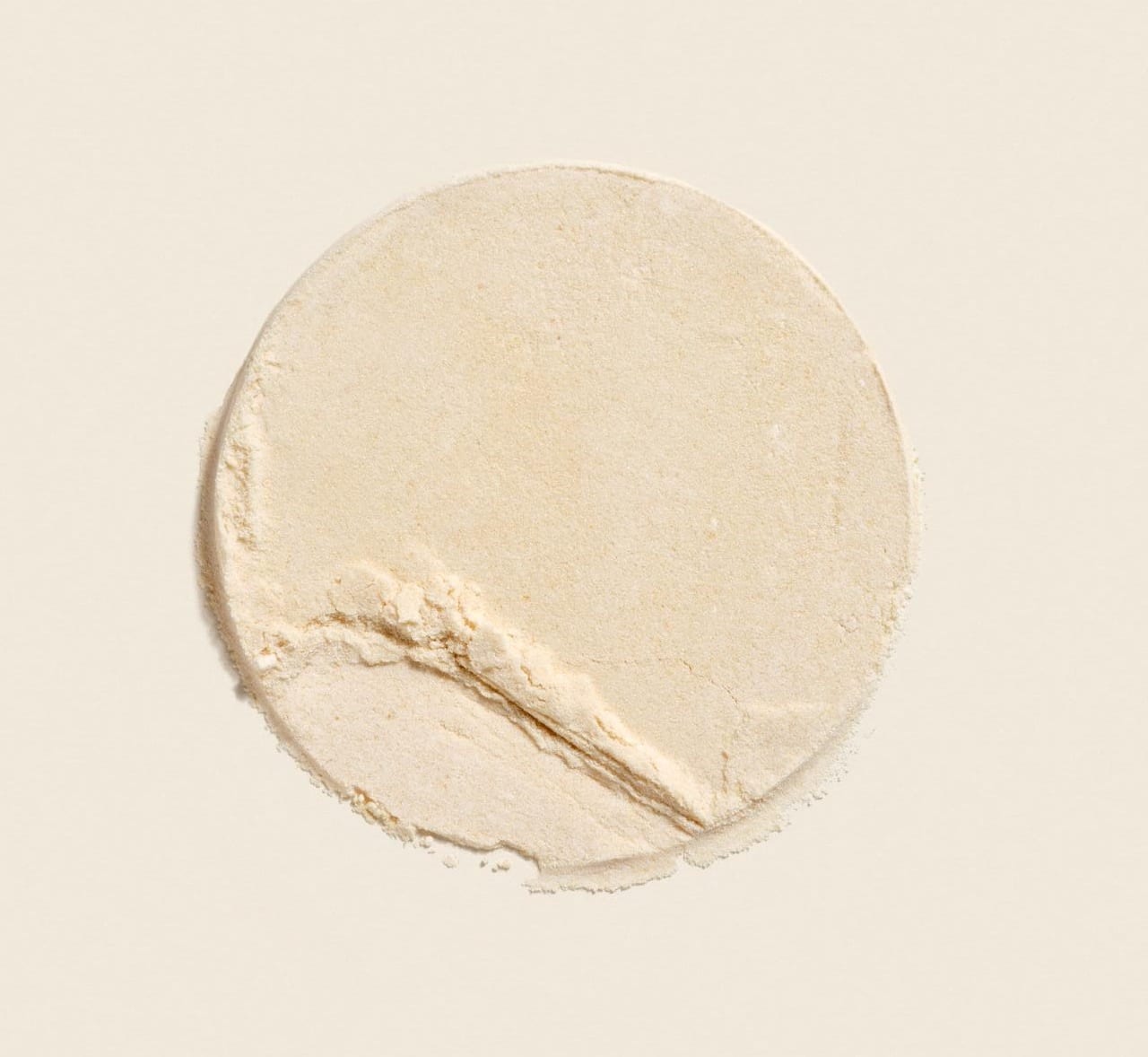
Aroma-Zone Phytic Acid Active Ingredient

GENTLE EXFOLIANT RADIANCE EVENING


The natural active ingredient that smooths the skin’s texture whilst being gentle on sensitive skin


Reading time: 0 min.

Phytic Acid Aroma-Zone Profile

INCI Name: Phytic Acid

NATURAL / SYNTHETIC: Natural origin

VEGAN - CERTIFICATIONS

METHOD OF OBTAINING

Obtained from cereals and natural plant fibres, phytic acid is extracted from the grains of plants rich in phytates.

BIOCHEMICAL COMPOSITION

Phytic acid is a naturally occurring acid found in certain seeds and cereals. It has the ability to bind certain minerals, which explains its antioxidant properties as well as its stabilising role in formulations.

SUSTAINABILITY & TRACEABILITY

Phytic acid: What Effect Does It Have on the Skin?

Phytic acid is a multifunctional active ingredient recognised for its gentle and gradual effects on the skin. It helps remove dead skin cells from the surface, thereby smoothing the skin’s texture and restoring the complexion’s radiance.

It also helps to improve the evenness of the complexion by reducing the appearance of pigmentation irregularities, whilst providing antioxidant protection against oxidative stress.

It respects the skin’s natural balance thanks to its gentle action, making it a particularly suitable active ingredient for sensitive or reactive skin. What sets it apart is its gradual action, which is generally better tolerated than that of more powerful exfoliating acids.

Phytic acid: Scientifically Proven Efficiency

Phytic acid has been the subject of several studies highlighting its antioxidant properties and its benefits in cosmetics.

Thanks to its ability to chelate certain pro-oxidant metals, such as iron, it helps to limit the formation of free radicals responsible for oxidative stress. This action helps to protect the skin and preserve its radiance.

Research has also shown that phytic acid is capable of inhibiting lipid peroxidation, a mechanism involved in skin ageing, thereby confirming its protective role for cells.

Some studies also suggest that phytic acid may help to even out skin tone. By acting on enzymes involved in the production of melanin, it may help to reduce the appearance of pigmentation spots.

Finally, its use as a peel has shown a visible improvement in melasma, with a significant reduction in pigmented patches, whilst being well tolerated compared to more potent exfoliating acids.

Skin Tolerance

A Note from Adeline Nalin, Head Pharmacist and Toxicologist at Aroma-Zone

“Phytic acid is recognised as a very gentle exfoliant, well tolerated even by the most sensitive skin, as it is less irritating than the AHAs (alpha-hydroxy acids or fruit acids) such as Glycolic acid. It also has antioxidant and moisturising properties, helping to create a more even complexion whilst respecting the skin’s barrier. Thanks to its gradual, non-phototoxic action, it is suitable for daily use without any significant risk of irritation.”

Adeline Nalin - Head Pharmacist and Toxicologist

A Safe Ingredient for your Health

A Note from Our Aroma-Zone Toxicologist

“Phytic acid has a very good safety profile and is considered non-toxic for cosmetic use. Available assessments indicate that it is classified as ‘safe’ when used at concentrations typical in cosmetics, notably up to 2 % in formulations, with no identified risks associated with topical use.” 

Adeline Nalin - Head Pharmacist and Toxicologist

A Note from the Dermatologist


“Phytic acid is a plant-based active ingredient naturally found in certain seeds and cereals. It provides a gentle exfoliating action similar to peeling, helping to even out and smooth the complexion. It helps to improve the skin’s radiance without causing significant irritation and is very well tolerated by the skin, making it suitable for sensitive skin.


It can be combined with other cosmetic active ingredients, particularly in radiance-boosting or anti-dark-spot formulations, and is often used as a gentle alternative to more traditional AHAs.”


Dr Aoun - Dermatologist

Formulation Focus with the Aroma-Zone R&D Laboratory

Phytic acid is an excellent chelating agent. In formulations, it helps to bind certain ions present in the formula to prevent them from interacting with other ingredients.

It is also used to adjust the pH of formulations. By limiting these interactions, it helps to preserve the stability of the formulation, prevent changes in texture or appearance, and ensure the product remains consistent over time.

For Which Skin Types?

All skin types, particularly sensitive, dull or uneven-toned skin.

Which Concerns Does This Address?

Dull complexion, uneven skin texture, pigmentation spots, lack of radiance.

What Phytic Acid Does for the Skin

  • Gently exfoliates

  • Smooths the skin’s texture

  • Revives the complexion’s radiance

  • Evens out the complexion whilst being gentle on sensitive skin.

Phytic Acid: An Essential Ingredient

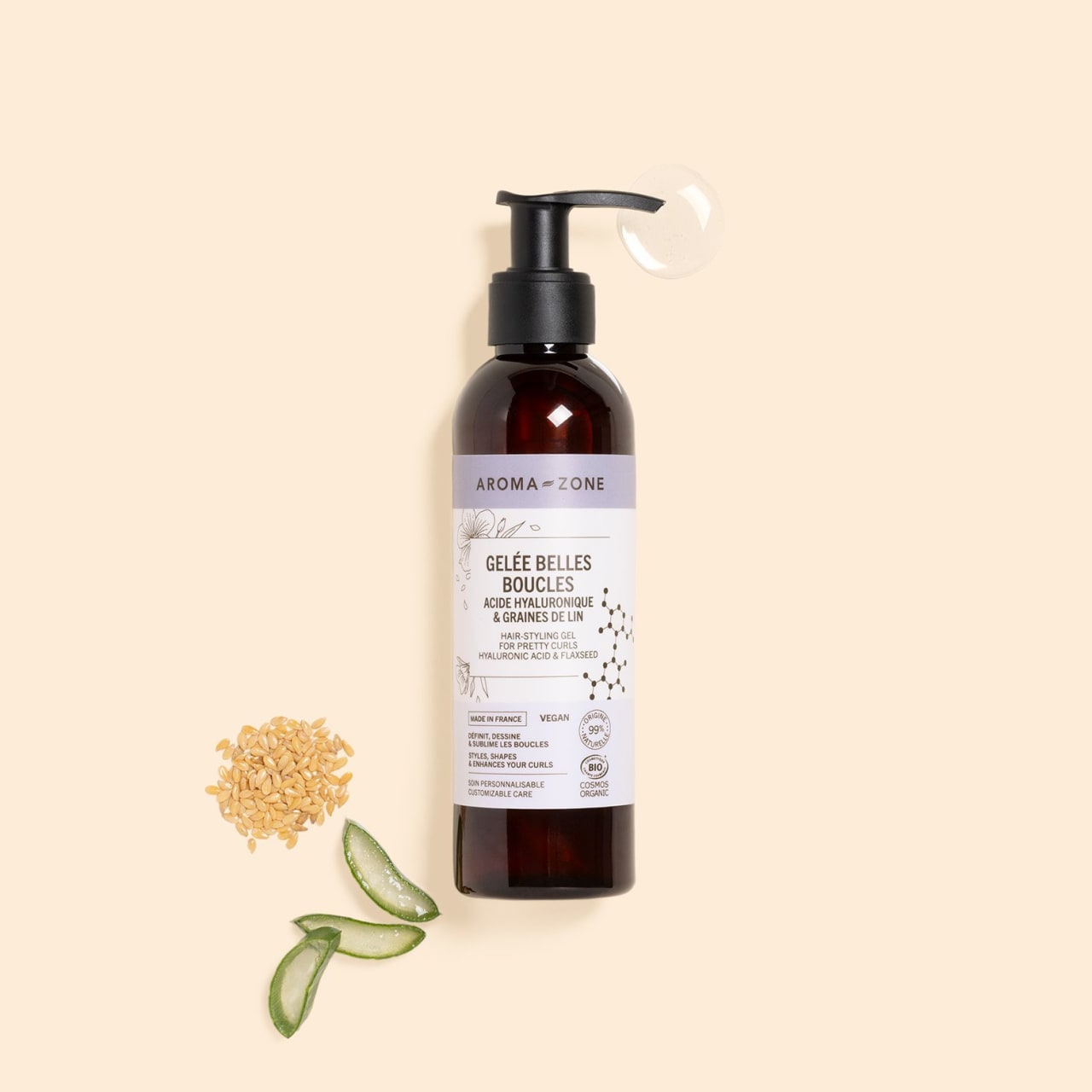
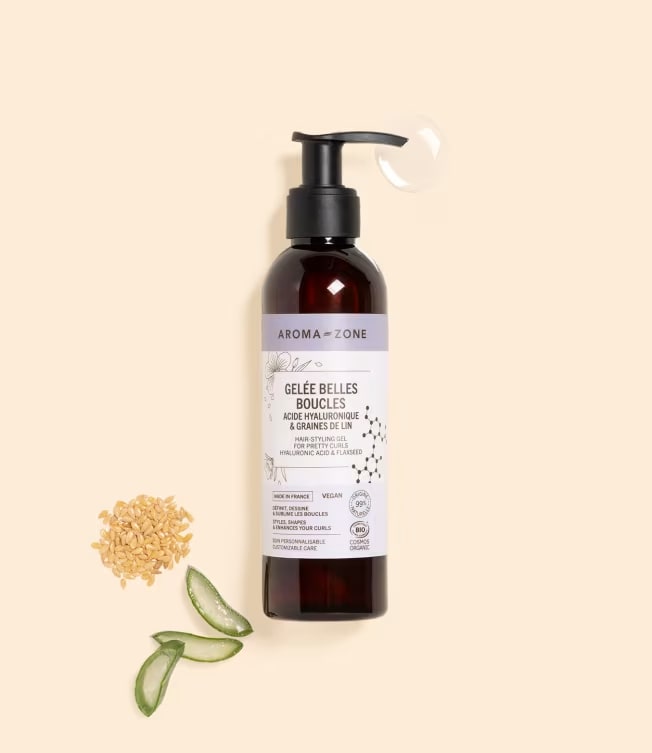
Hyaluronic acid and linseed ‘Beautiful Curls’ gel

FAQ

What is the difference between phytic acid and EDTA, two chelating agents used in cosmetics?

Phytic acid is a naturally occurring chelating agent derived from plant sources, whereas EDTA is synthetic. Both help to stabilise formulations by limiting certain interactions between ingredients. Phytic acid is the preferred choice in natural cosmetics.

Does phytic acid affect the final texture of the product (consistency, colour, stability)?

Yes, indirectly. By limiting certain interactions between ingredients, it helps to preserve the stability of the formula, maintain a consistent texture and prevent changes in appearance over time.

Are there any contraindications to the cosmetic use of phytic acid?

Phytic acid has no contraindications for cosmetic use at standard concentrations. It is well tolerated and suitable for most skin types, including sensitive skin.

As with any active ingredient exfoliant, it is recommended that the frequency of use be adapted to the skin’s sensitivity and that contact with the eyes be avoided.

Spotlight on our specialist editor, Marion Alves De Oliveira

Marion is a Doctor of Pharmacy, naturopath, and life coach. After twelve years in the cosmetics industry, she now guides her clients toward holistic balance and a more mindful lifestyle, drawing on her expertise in sustainable food practices. As the creator of a podcast, she shares her insights to promote a philosophy of living that respects both health and the environment.

Bibliography

1

SKINCARE, The Skin, an Aroma-Zone publication by La Plage

2

Graf E., Empson K.L., Eaton J.W. (1987). Phytic acid: a natural antioxidant. Journal of Biological Chemistry.

3

4

Narayanaswamy, Radhakrishnan & Me, Norhaizan. (2018). Phytic acid (myo-inositol hexaphosphate)—a promising pharmaceutical agent: A review. Asian Journal of Pharmaceutical and Clinical Research. 11. 42. 10.22159/ajpcr.2018.v11i11.27843.

5

Zajdel A, Wilczok A, Węglarz L, Dzierżewicz Z. Phytic acid inhibits lipid peroxidation in vitro. Biomed Res Int. 2013;2013:147307. doi: 10.1155/2013/147307. Epub 24 October 2013. PMID: 24260736; PMCID: PMC3821898.