Aroma-Zone Astaxanthin active ingredient

RADIANCE-BOOSTING REGENERATING ANTIOXIDANT


A powerful solution against oxidative stress


A carotenoid active ingredient extracted from microalgae, astaxanthin possesses unmatched antioxidant properties to protect the skin from the effects of oxidative stress. Astaxanthin helps protect cells from damage caused by the sun, stress, and tobacco on the skin.


Reading time: 0 min.

Astaxanthin Aroma-Zone profile

INCI Name : Haematococcus Pluvialis Extract

NATURAL / SYNTHETIC : Naturally derived active ingredient

VEGAN - CERTIFICATIONS

BIOCHEMICAL COMPOSITION

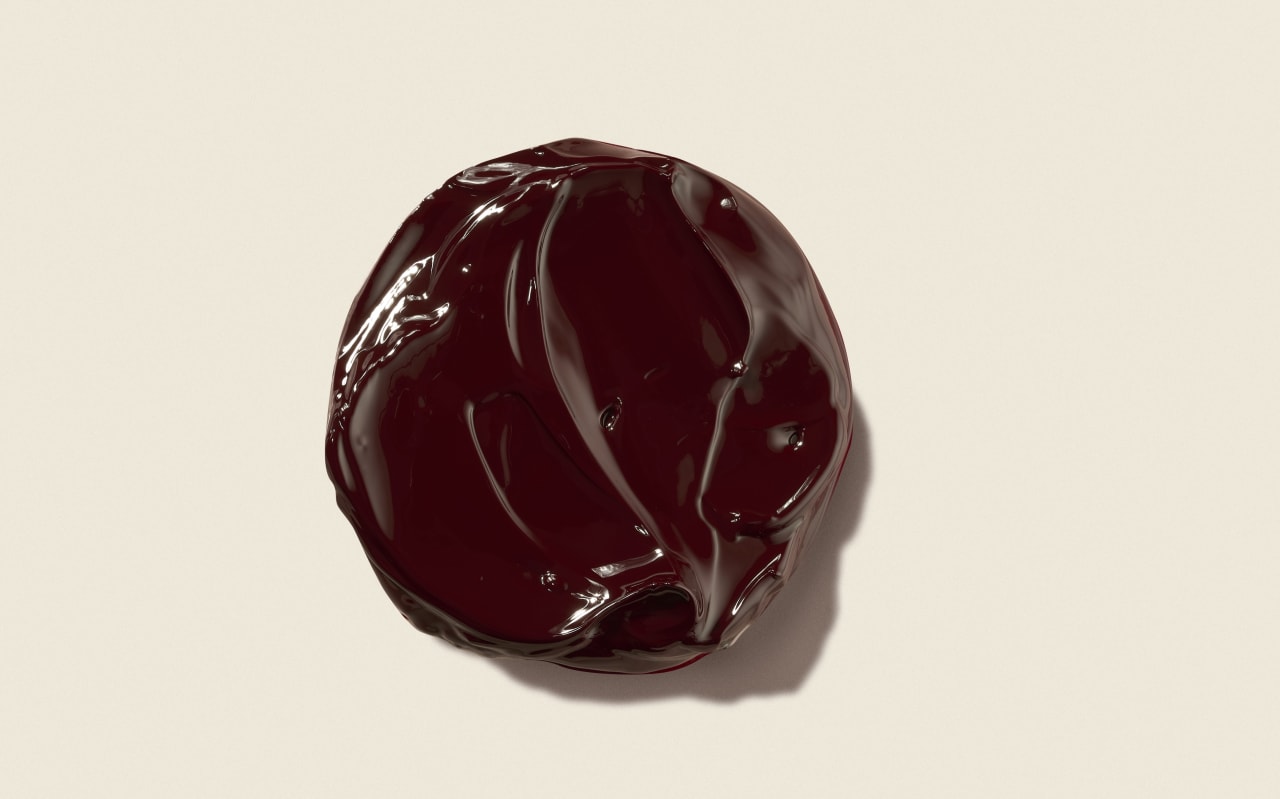
Astaxanthin is a carotenoid, a family of pigments widely found in plants, algae, and certain animals. Intense red in its pure form, it gives salt marsh microalgae their characteristic color. Fat-soluble (soluble in fats), it has the ability to integrate into cell membranes to protect them.

TRACEABILITY & SUSTAINABILITY

The astaxanthin used by Aroma-Zone is derived from microalgae cultivated in bioreactors and extracted using supercritical CO2, an eco-friendly process that avoids solvent extraction.
Astaxanthin : what effect does it have on the skin?

Astaxanthin is one of the most powerful natural antioxidants : it is 770 times more potent than Coenzyme Q10! This property allows astaxanthin to protect the skin from the effects of oxidative stress, which plays a major role in skin aging and is exacerbated by exposure to environmental factors such as the sun, pollution, or tobacco. By combating these factors, astaxanthin helps the skin maintain firmness and elasticity while preventing the appearance of wrinkles.

Astaxanthin : scientifically proven efficiency

A study combining topical and oral Astaxanthin treatment demonstrated its effectiveness in reducing wrinkles and evening out skin tone after 8 weeks. The participants’ skin elasticity was also improved.

Skin tolerance

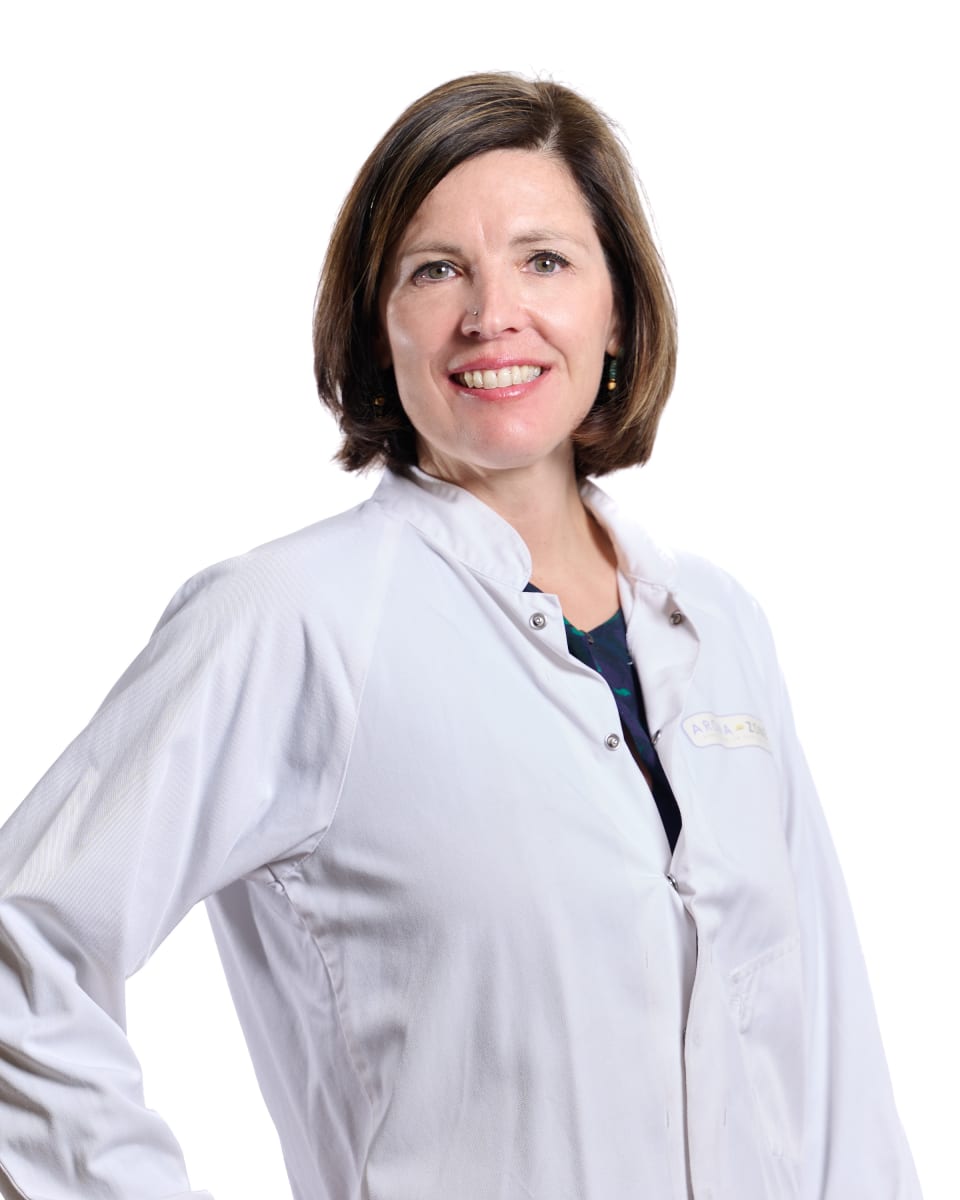
A note from Adeline Nalin, our Head Pharmacist and Toxicologist at Aroma-Zone

“Astaxanthin inhibits the secretion of inflammatory cytokines from keratinocytes and reduces the production of metalloproteinases (particularly MMP-1), which are involved in cellular aging (due to UVB exposure). These mechanisms support skin structure by maintaining collagen and elastin, thereby giving astaxanthin excellent skin tolerance. Thus, the astaxanthin present in our 10% Vitamin C & Astaxanthin Concentrated Serumhas been tested on cell models, which confirm optimal tolerance (regarding eye and skin irritation and skin sensitization). Furthermore, the finished product has undergone clinical testing confirming very good skin tolerability.”

Adeline Nalin - Head Pharmacist and Toxicologist

A safe ingredient for your health

A note from our Aroma-Zone Toxicologist

“Astaxanthin is unequivocally a safe molecule for all skin types.”

Adeline Nalin - Head Pharmacist and Toxicologist

A note from the Dermatologist


“Astaxanthin is an antioxidant that protects against free radicals linked to external aggressors such as pollution and UV rays. It is therefore a top choice for anti-aging, helping to combat the effects of photoaging and improve the skin’s elasticity and radiance. To reap all its benefits, use it regularly, preferably in the morning under your moisturizer, especially during periods of sun exposure or when your skin feels dull or tired.”


Dr. Dima Haidar - Dermatologist


Formulation focus with the Aroma-Zone R&D laboratory

Astaxanthin is a naturally carotenoid-rich molecule with a characteristic orange color and is fat-soluble. Extracted from microalgae grown in bioreactors, it is distinguished by its exceptional antioxidant power (770 times greater than that of coenzyme Q10). Unlike certain antioxidants that can become pro-oxidants at certain concentrations, astaxanthin retains its antioxidant activity regardless of the dose.

Incorporating this molecule into the 10% Vitamin C & Astaxanthin Concentrated Serum, formulated on a water-based foundation to accommodate Vitamin C, presented a significant technical challenge : it was necessary to incorporate a fat-soluble active ingredient while maintaining an aqueous gel texture. The laboratory thus developed a process to keep astaxanthin in suspension in a stable and homogeneous manner, without phase separation. This formulation approach ensures a high-performance serum, combining a vitamin-enriched aqueous phase with a highly effective lipophilic antioxidant.

For which skin types ?

All skin types, sun-exposed skin, first signs of aging, mature skin.

What issues does this address ?

Oxidative stress, photoaging, loss of firmness and elasticity, wrinkles and fine lines.

What Astaxanthin does for the skin

  • Protects the skin against oxidative stress damage

  • Combats the effects of photoaging

  • Improves skin elasticity

  • Reduces the depth of wrinkles.

Astaxanthin : an essential ingredient for the skin

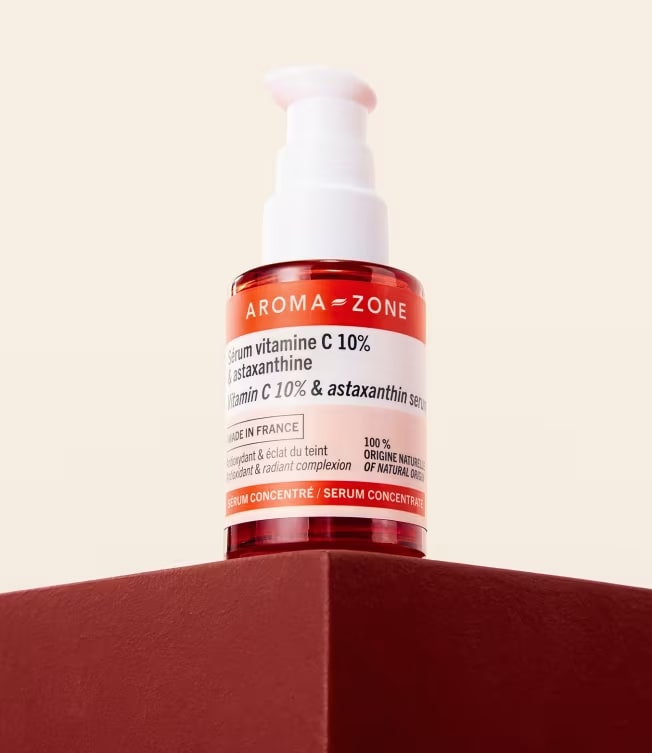
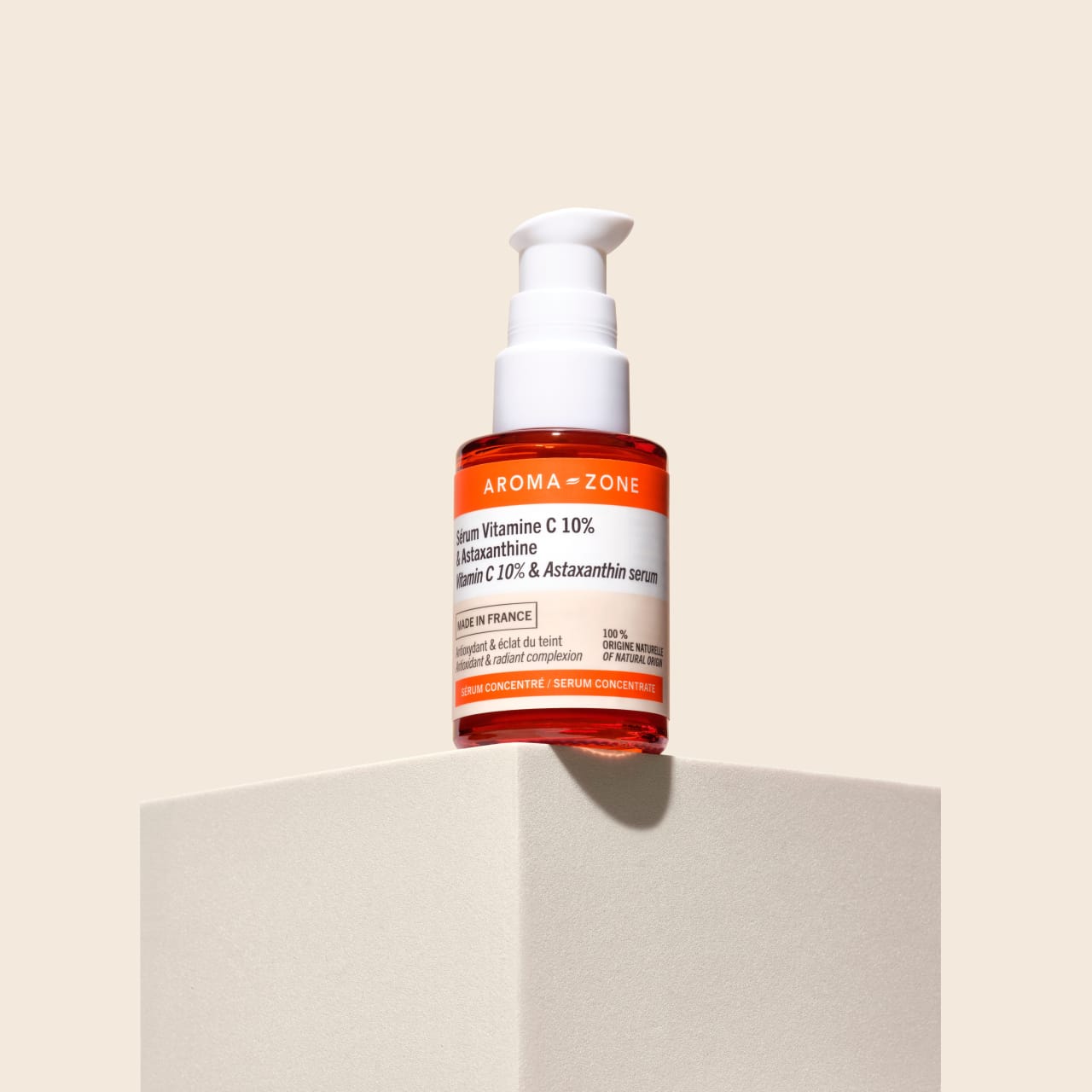
10% Vitamin C & Astaxanthin Concentrated Serum

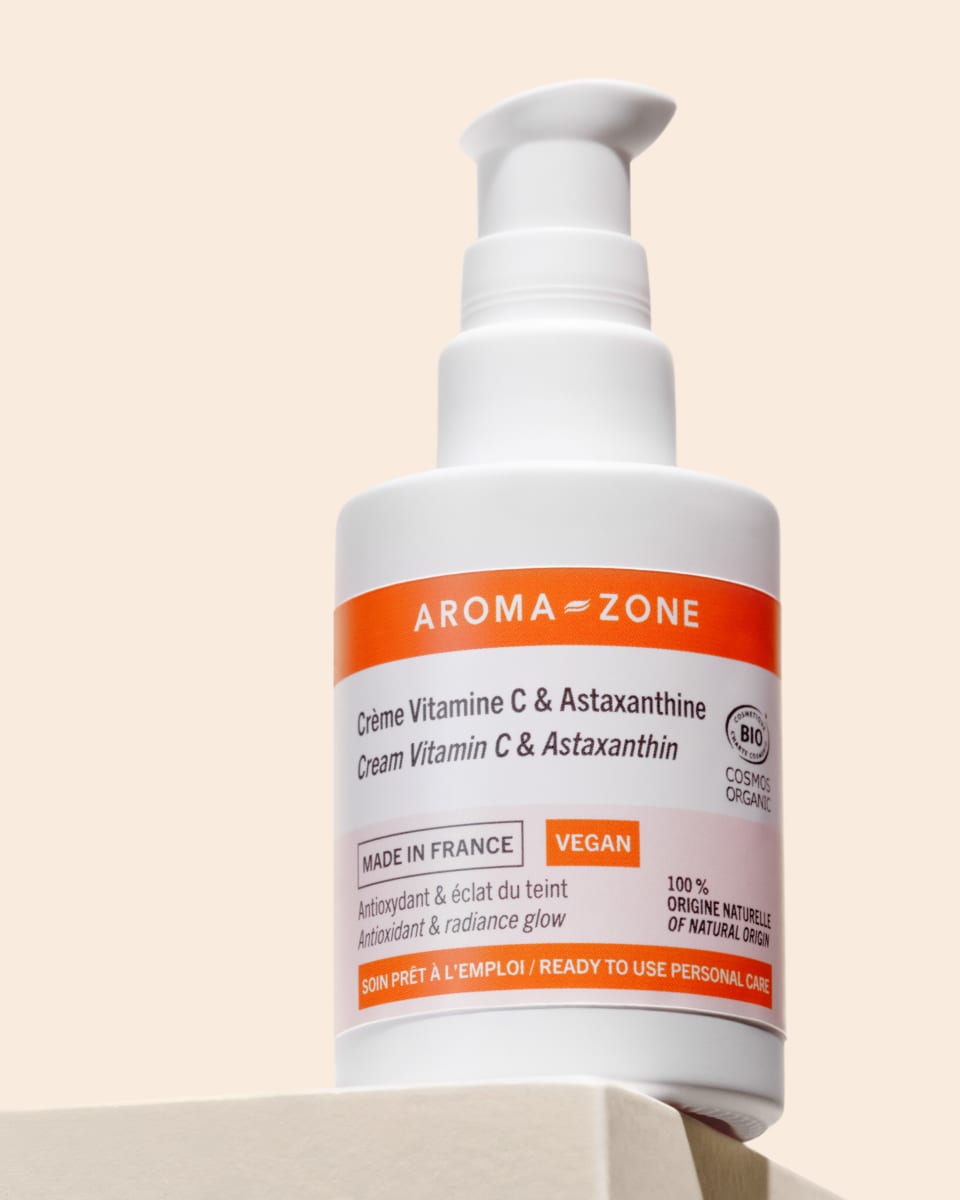
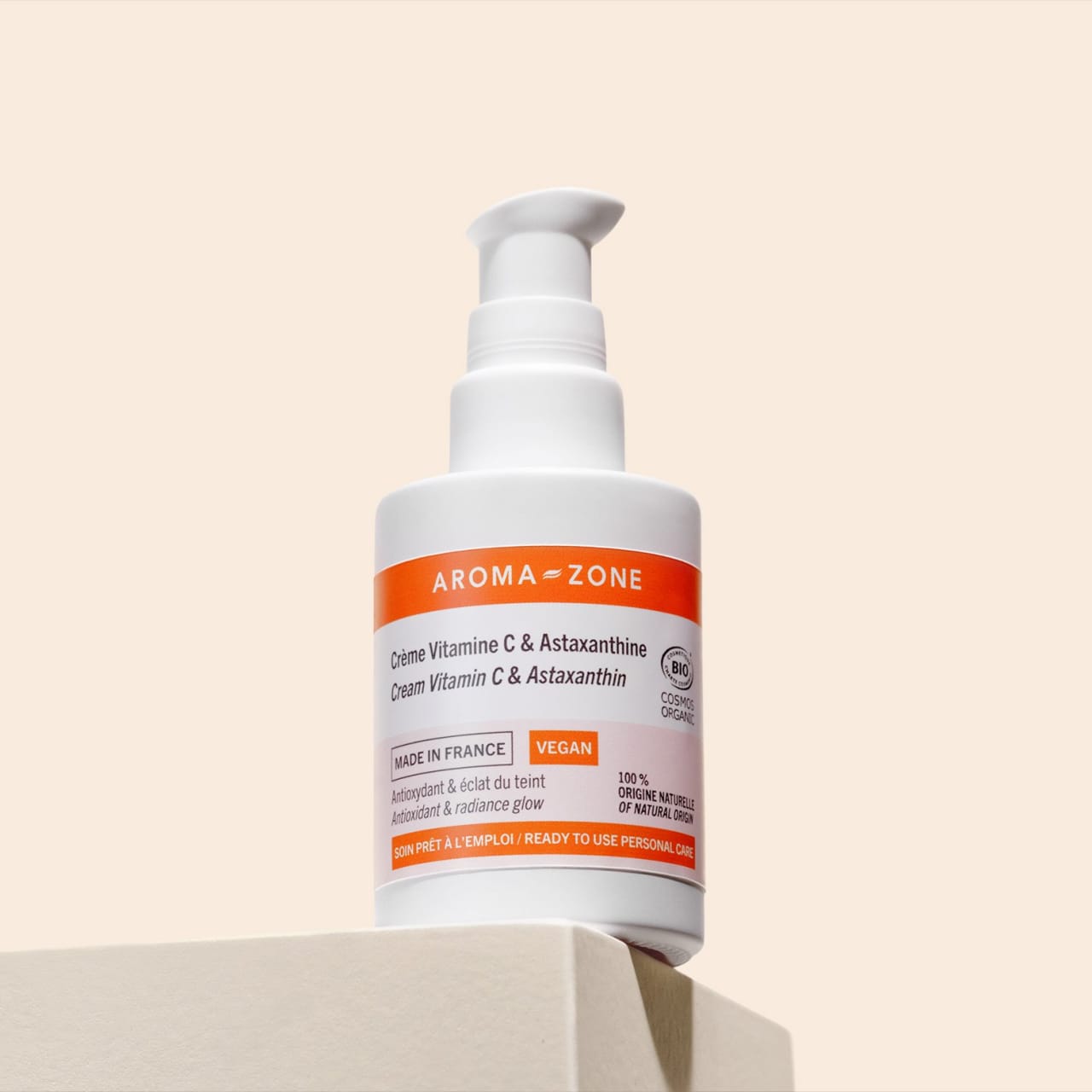
Organic Vitamin C & Astaxanthin Cream

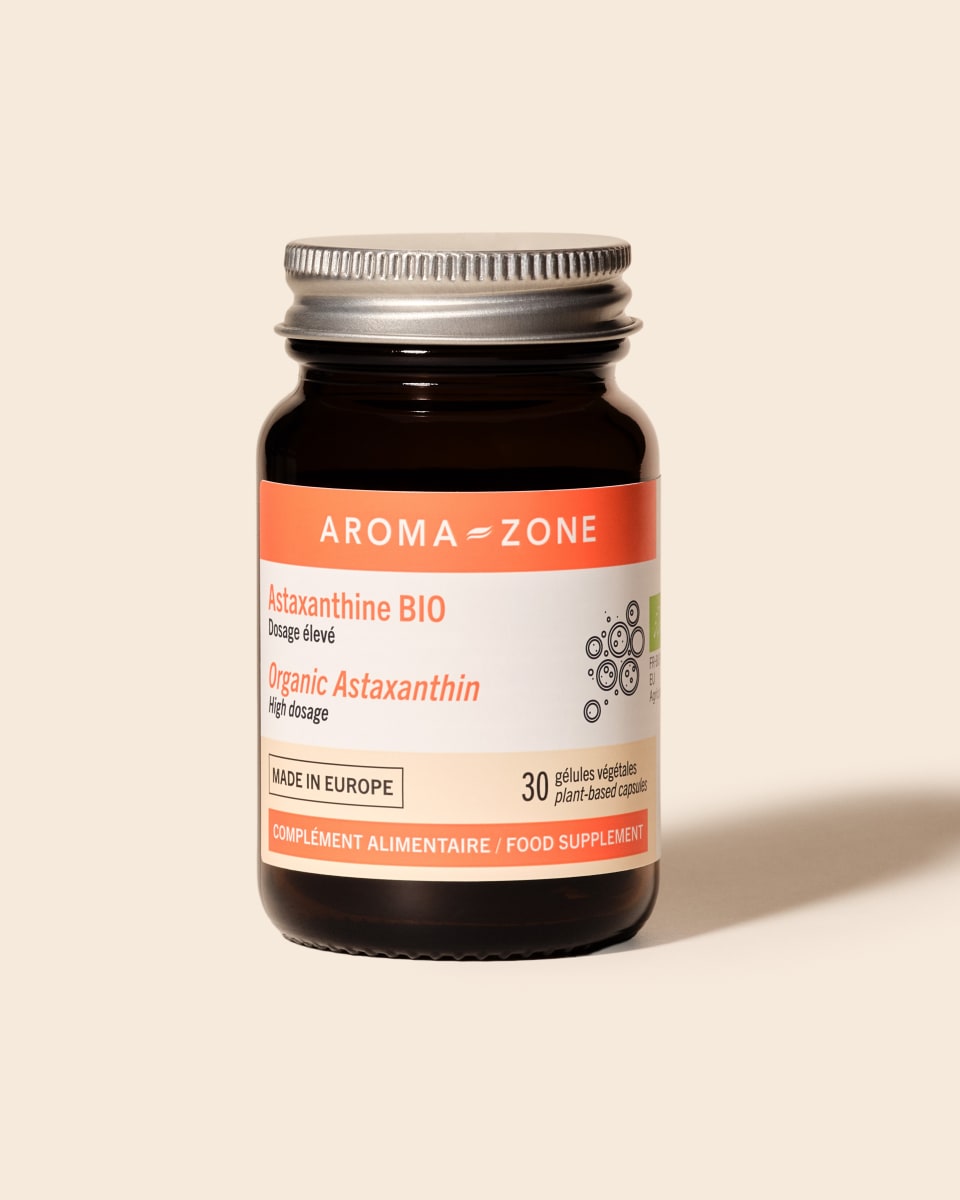
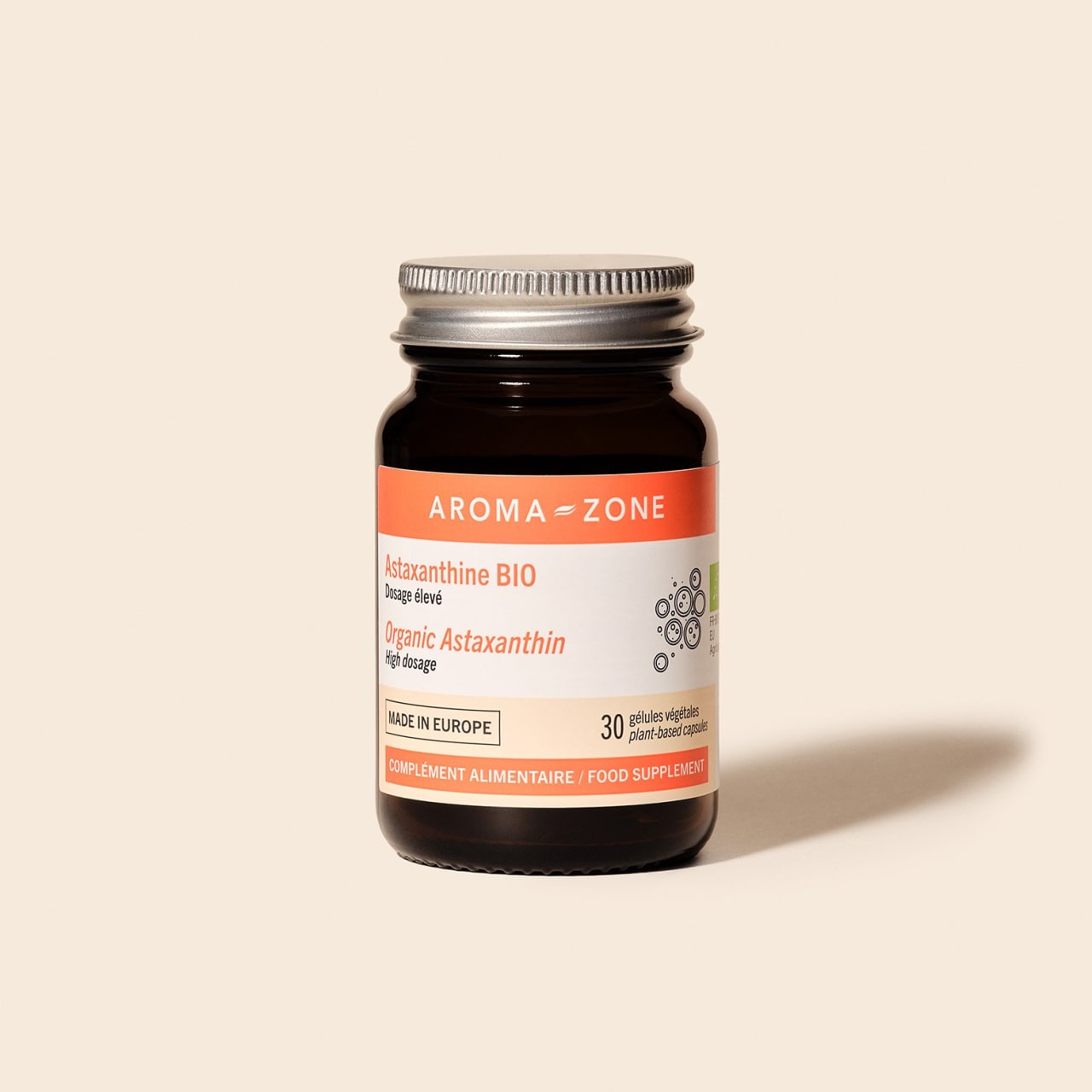
Organic Astaxanthin - 30 capsules - Dietary supplement

FAQ

What is the impact of oxidative stress on skin aging?

Exposure to environmental factors causes the accumulation of free radicals in the skin. These highly reactive species are responsible for chain oxidation reactions in cellular components. Key components of the skin matrix, such as collagen and elastin, are then damaged. The skin becomes thinner and sags, and wrinkles form. A significant factor: UV exposure is believed to account for 80% of skin aging.

Where does the astaxanthin in dietary supplements come from?

The astaxanthin used by Aroma-Zone is derived from microalgae cultivated in bioreactors and extracted using supercritical CO2, an eco-friendly alternative to solvent extraction.

What are the benefits of Astaxanthin as a dietary supplement?

Astaxanthin is recognized as one of the most powerful natural antioxidants. It is particularly valued for helping to combat oxidative stress, especially after sun exposure, by helping to neutralize free radicals generated by UV rays.

As a dietary supplement, astaxanthin is used to help preserve the skin’s beauty from within. Thanks to its powerful antioxidant properties, it helps combat oxidative stress, particularly after sun exposure, by helping to neutralize free radicals generated by UV rays. It can help maintain skin elasticity and support skin that is exposed to the sun or prone to premature aging.

Astaxanthin is also attracting interest in the context of sports nutrition, where it is being studied to help better manage free radicals produced during intense physical exercise and support endurance.

It is also often included in supplements designed to support eye health and visual comfort.

Finally, it supports overall well-being and helps maintain metabolic balance as we age.

What is the impact of astaxanthin on fibroblasts and the synthesis of collagen and elastin?

Astaxanthin acts as a modulator of oxidative stress in fibroblasts, the cells responsible for producing collagen and elastin. By neutralizing free radicals and limiting certain inflammatory mediators, it helps preserve the integrity of these cells and maintain their ability to synthesize collagen and elastin.

Astaxanthin also helps reduce the expression of metalloproteinases, enzymes that degrade collagen during UV exposure, thereby promoting the protection of the extracellular matrix. By supporting the cellular environment of fibroblasts, it helps maintain the skin’s firmness, elasticity, and improved resistance to external aggressors.

Spotlight on our specialist editor, Marion Alves De Oliveira

Marion is a Doctor of Pharmacy, naturopath, and life coach. After twelve years in the cosmetics industry, she now guides her clients toward holistic balance and a more mindful lifestyle, drawing on her expertise in sustainable food practices. As the creator of a podcast, she shares her insights to promote a philosophy of living that respects both health and the environment.

Bibliography

1

SKIN CARE, The Skin, an Aroma-Zone publication by La Plage

2

Davinelli, S.; Nielsen, M. E.; Scapagnini, G. Astaxanthin in Skin Health, Repair, and Disease: A Comprehensive Review. Nutrients 2018, 10 (4), 522.

3

Tominaga, K.; Hongo, N.; Karato, M.; Yamashita, E. Cosmetic Benefits of Astaxanthin on Human Subjects. Acta Biochim Pol 2012, 59 (1), 43–47.

4

Yamashita, E. Extensive Bioactivity of Astaxanthin from Haematococcus Pluvialis in Humans. Adv Exp Med Biol 2021, 1261, 249–259.

5

Zhou X, Cao Q, Orfila C, Zhao J, Zhang L.. Systematic Review and Meta-Analysis on the Effects of Astaxanthin on Human Skin Ageing. Nutrients.

6

Régnier, Philippe et al. “Astaxanthin from Haematococcus pluvialis Prevents Oxidative Stress on Human Endothelial Cells without Toxicity.” Marine Drugs vol. 13, no. 5, pp. 2857–74. 7 May 2015,

doi:10.3390/md13052857

7

Djordjevic B, Baralic I, Kotur-Stevuljevic J, Stefanovic A, Ivanisevic J, Radivojevic N, Andjelkovic M, Dikic N.J Effect of astaxanthin supplementation on muscle damage and oxidative stress markers in elite young soccer players.

8

Aoi W, Maoka T, Abe R, Fujishita M, Tominaga K. J Clin Biochem Nutr. Comparison of the effect of non-esterified and esterified astaxanthins on endurance performance in mice.

9

Tian L, Wen Y, Li S, Zhang P, Wang Y, Wang J, Cao K, Du L, Wang N, Jie Y. Benefits and Safety of Astaxanthin in the Treatment of Mild-To-Moderate Dry Eye Disease. Front Nutr.