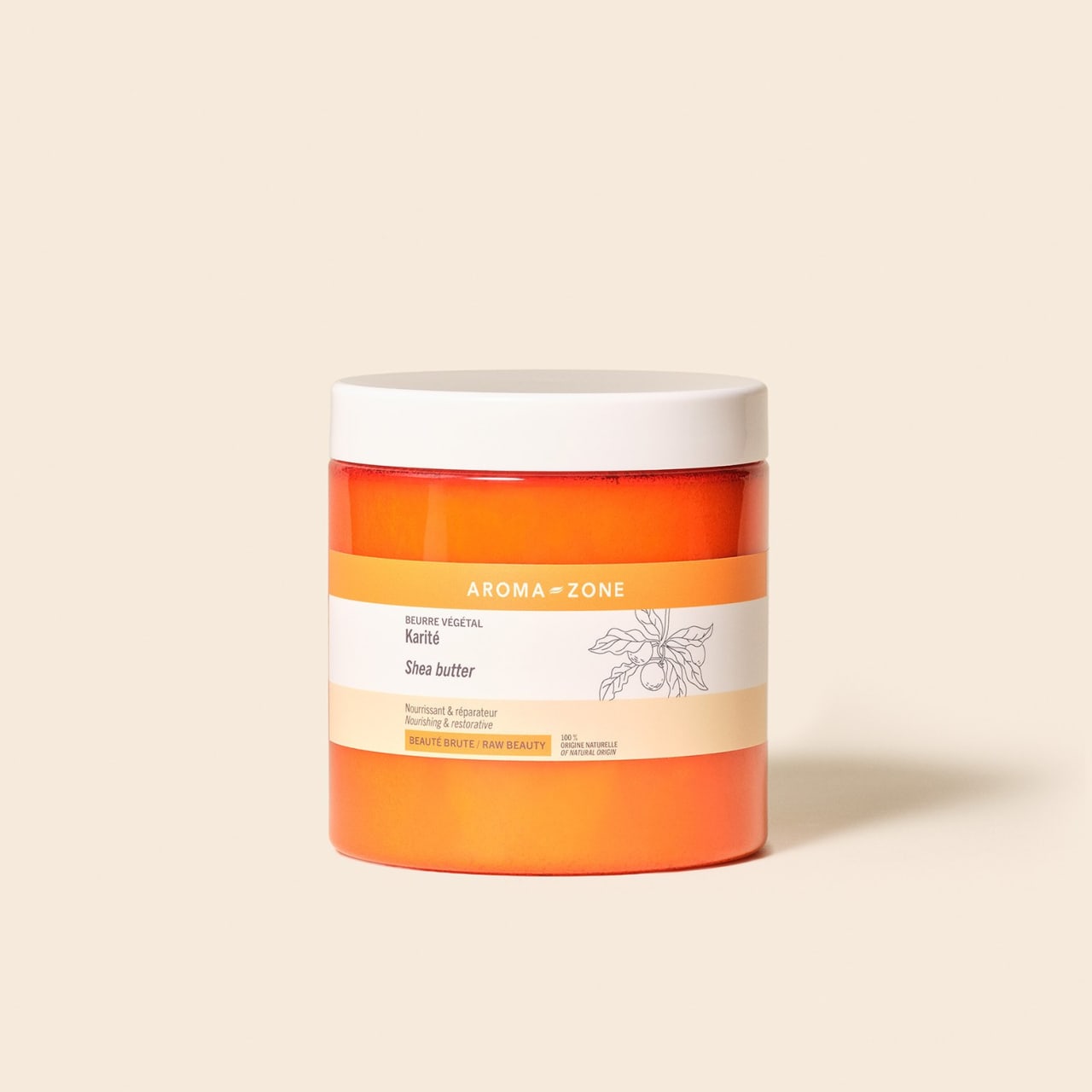
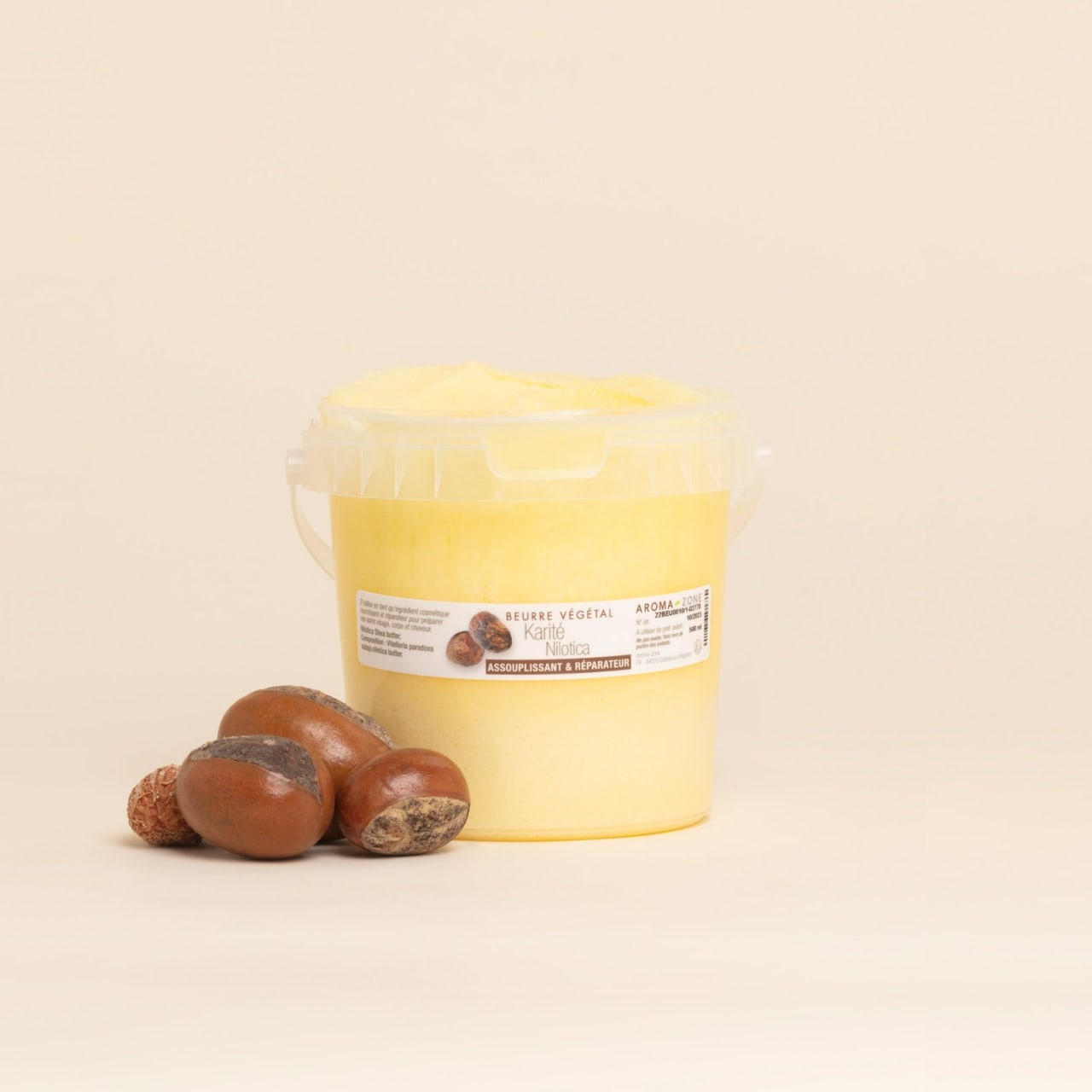
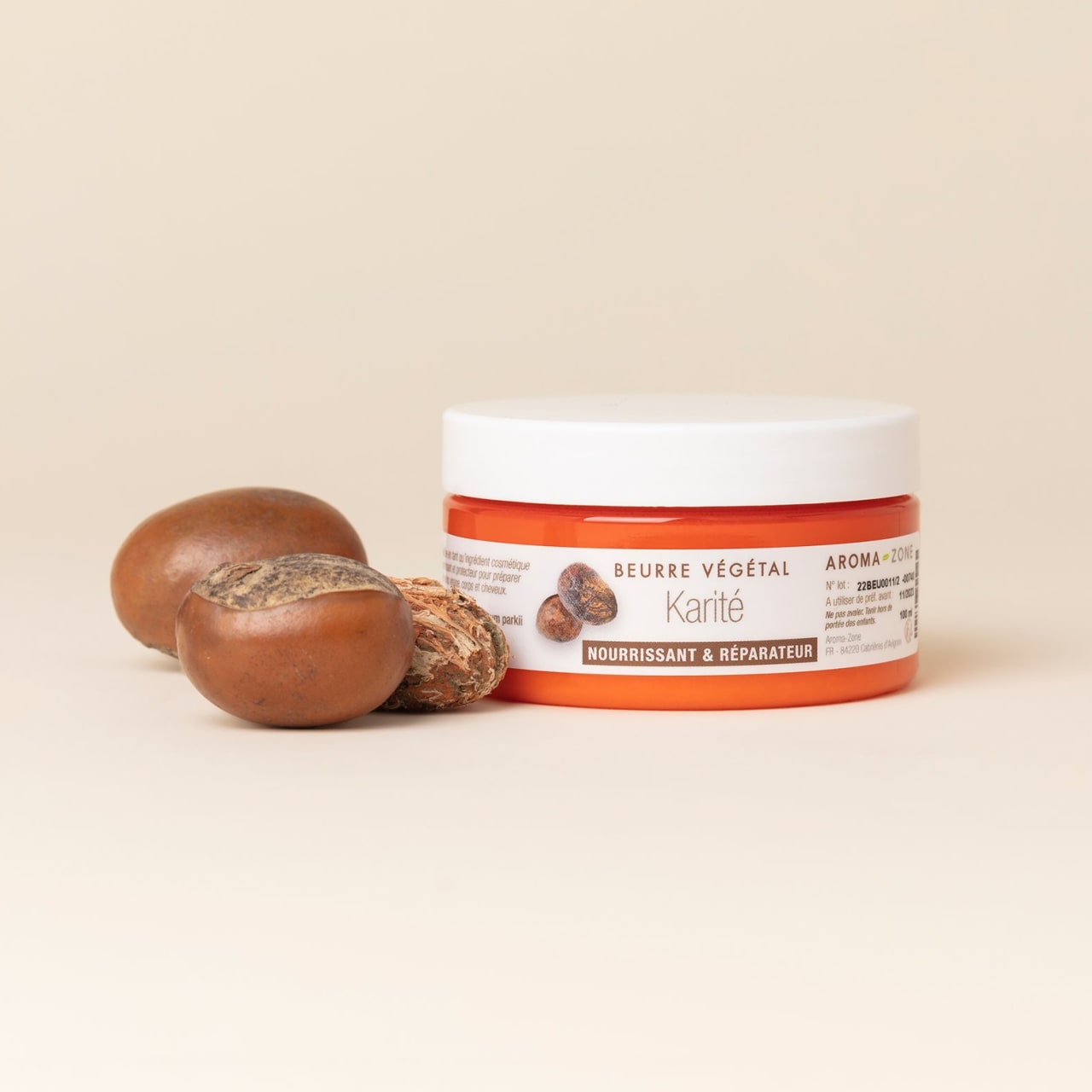
Aroma-Zone Shea Butter

NOURISHING REPAIRING PROTECTIVE


Here is the plant-based butter preferred for damaged, dry, and dehydrated skin. Both protective and repairing, it is a complete skincare solution in itself, transforming cracked skin into soft, velvety skin. It is found in many cream and balm formulas for its nourishing and emollient properties, ideal for caring for dry, atopic-prone, and sensitive skin.


Reading time: 0 min.

Shea Butter Aroma-Zone profile

INCI Name : Butyrospermum Parkii butter

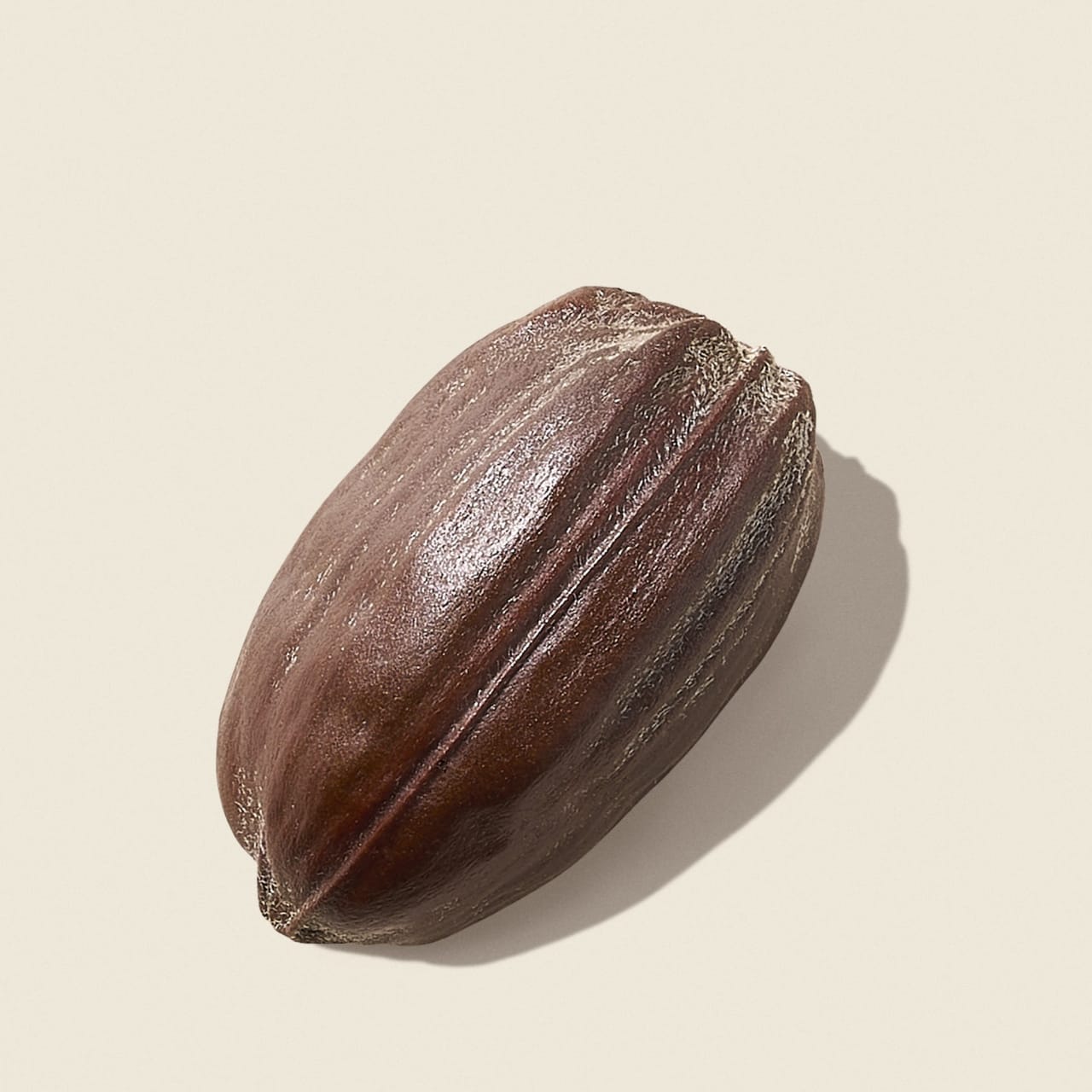
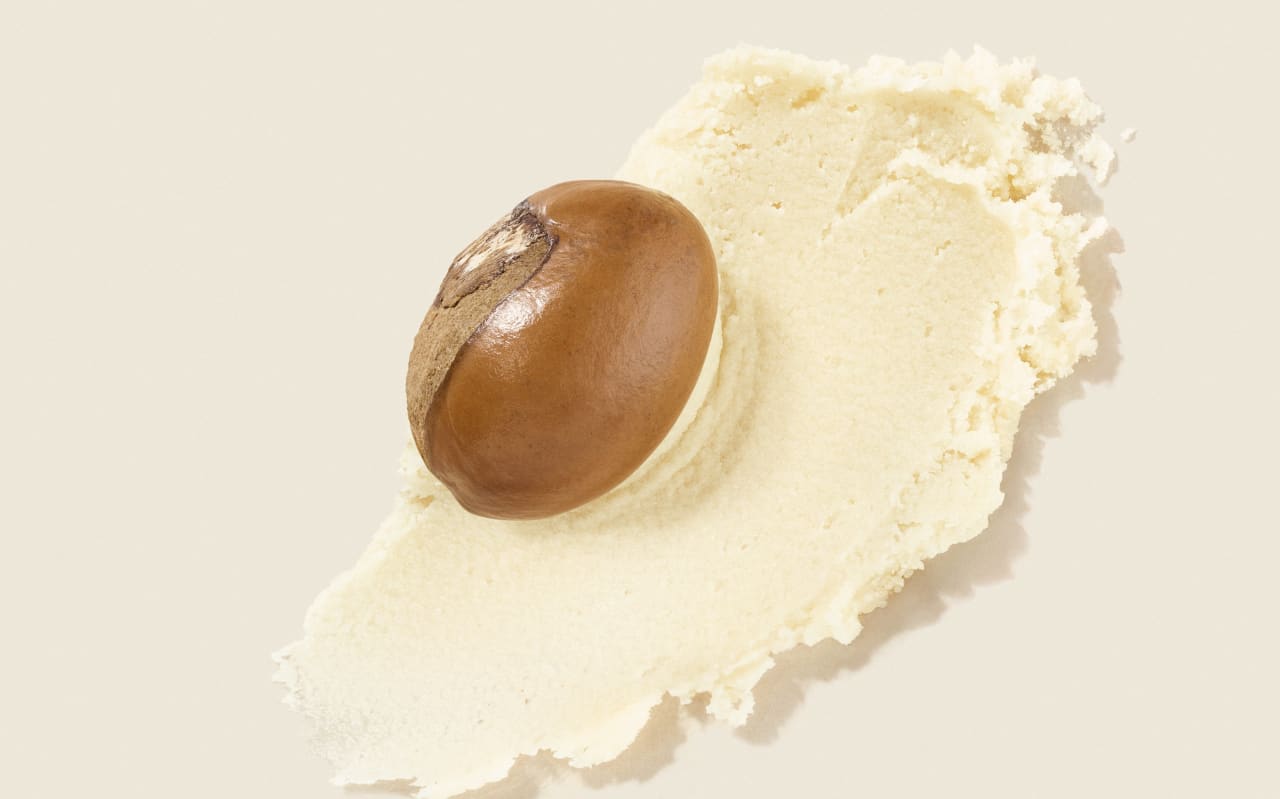
Part of the plant used : Nuts; shea nuts contain approximately 60% butter

VEGAN

METHOD OF EXTRACTION

Churning in water, mechanical pressing at low temperature, or solvent extraction. This butter is available in raw (unscented) or refined form, for a more neutral scent and color. The Shea butter offered by Aroma-Zone is obtained through mechanical pressing.

BIOCHEMICAL COMPOSITION

  • Fatty acid triglycerides : → including saturated fatty acids : stearic acid (36–50% of fatty acids), palmitic acid (3–8% of fatty acids) → of which unsaturated fatty acids : oleic acid (omega-9, 40–50% of fatty acids), linoleic acid (omega-6, 4–8% of fatty acids)

  • Phytosterols

  • Other bioactive compounds : triterpenes (alpha-amyrin, beta-amyrin, lupeol, butyrospermol)

 ITS ACTIVE MOLECULES

Shea butter contains a higher proportion of saturated fatty acids (stearic acid and palmitic acid) than vegetable oils. Its balanced blend of saturated and unsaturated fatty acids gives it a texture that is both firm and creamy, which softens the skin and protects it from dehydration. Highly emollient, shea butter also nourishes and moisturizes dry and brittle hair.

It is rich in triterpene alcohols (alpha-amyrin, beta-amyrin, lupeol, butyrospermol). These compounds have anti-inflammatory properties and inhibit enzymes that break down collagen and elastin, which are responsible for skin firmness and elasticity, respectively. They give shea butter its soothing, regenerating, and anti-aging properties. The skin becomes firmer and more elastic, and irritation is reduced.

Shea Butter : scientifically proven efficiency

To relieve the symptoms of atopic dermatitis, a cream containing shea butter has proven to be just as effective as a cream containing ceramides at moisturizing the skin and reducing irritation.

Skin tolerance

A note from Adeline Nalin, our Head Pharmacist and Toxicologist at Aroma-Zone

“Refined organic shea butter is very well tolerated by the skin, even on sensitive or fragile skin. It is not classified as an irritant or sensitizer under CLP regulations, and its cosmetic use is considered safe.

The refining process produces a stable, neutral butter by removing impurities and traces of plant proteins (including those similar to latex), thereby reducing the risk of allergic reactions in sensitive individuals.”

Adeline Nalin - Head Pharmacist and Toxicologist

A plant extract safe for your health

A note from our Aroma-Zone Toxicologist

"Refined organic shea butter is a safe and well-tolerated active ingredient: non-irritating, non-sensitizing, and non-comedogenic. Its purity and plant-based origin make it a gentle alternative to synthetic emollients, respecting both the skin and the environment."

Adeline Nalin - Head Pharmacist and Toxicologist

A note from the Phytotherapist


“We simply can’t do without it—it’s such a welcome relief for intense dryness. This butter acts as a restorative balm on split ends of dry and/or frizzy hair, at the corners of the lips for chapped lips, on scabs, elbows, heels, and any very dry area that no other skincare oil could have soothed—reach for it! Traditionally used to soothe the itchy symptoms of psoriasis or eczema, it complements an oat oil treatment.”


Caroline Gayet - Phytotherapist

Formulation focus with the Aroma-Zone R&D laboratory

At Aroma-Zone, two types of shea butter are used : raw shea butter, and Nilotica shea butter, a variety that is naturally softer and melts more easily. They differ in their fatty acid composition.

The main challenge faced by formulators concerns themanagement of heating and cooling. When melted, shea butter becomes completely liquid. But as it cools, its structure can recrystallize heterogeneously, forming small grains in the final texture. These grains pose no health risk: they are simply related to the natural crystallization of fatty acids. However, from a sensory perspective, they can affect the smoothness or uniformity desired in the final product.

The laboratory’s task is therefore to perfectly control the temperature curves and identify the correct cooling rate.

These parameters are essential because natural ingredients, such as raw shea butter or Nilotica, react strongly to temperature fluctuations, unlike certain industrial waxes that remain much more stable.

Finding the balance between naturalness and sensory stability is one of the major challenges in formulation. Each batch must therefore be processed with precision to ensure a butter that is melt-in-the-mouth, homogeneous, and pleasant to use, while remaining true to the richness of the raw material.

For which skin types ?

It is suitable for all skin types : dry skin, dehydrated skin, sensitive and reactive skin, mature skin, and damaged skin.

What issues does this address ?

Dry skin, dehydration, tightness and irritation, redness, loss of firmness and elasticity, wrinkles and fine lines.

What Shea Butter does for the skin

  • Promotes skin regeneration

  • Nourishes, softens, and soothes the skin

  • Protects it from dehydration

  • Supports healing

  • Reduces irritation, tightness, and redness

  • Preserves skin elasticity.

Shea Butter : an essential ingredient for the skin

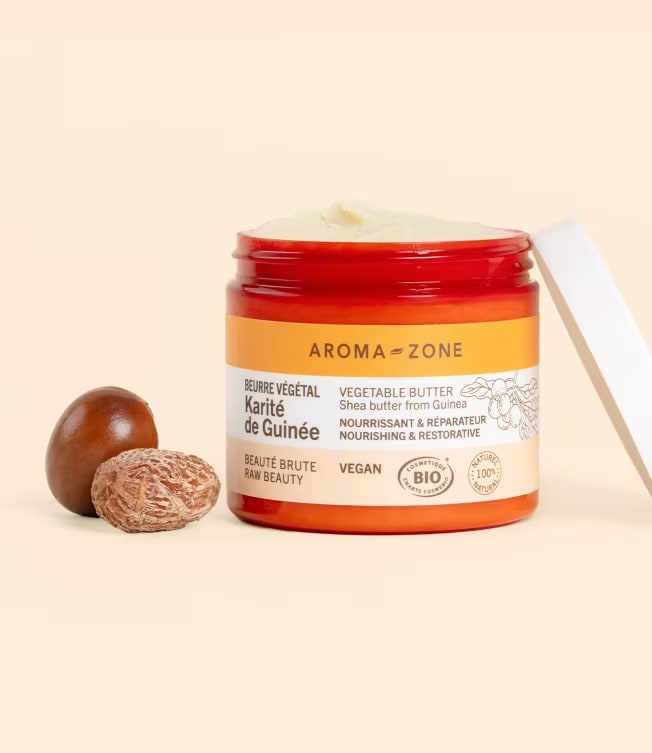
Organic Guinean Shea Butter

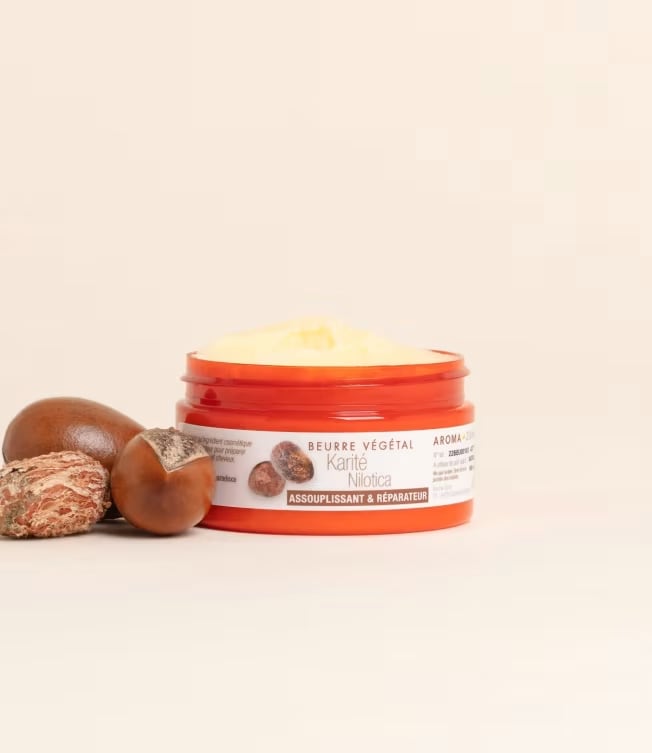
Raw Nilotica Shea Butter

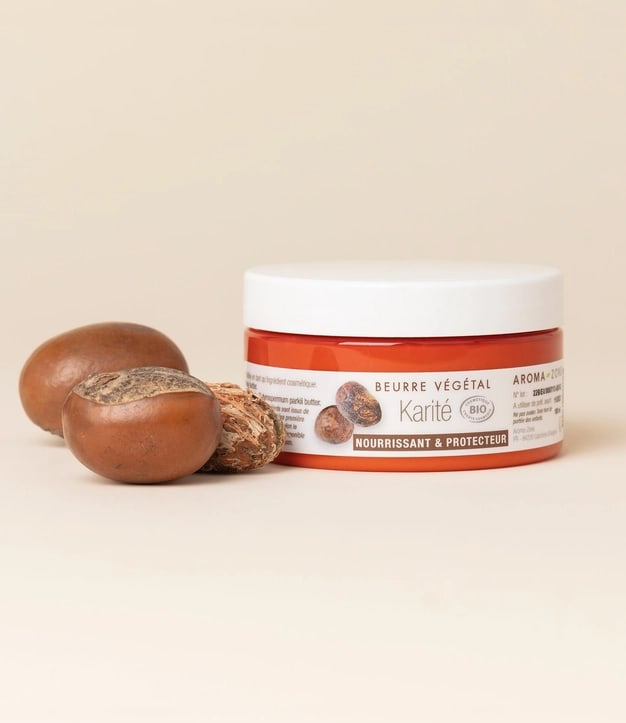
Organic Raw Shea Butter

Precautions

Shea butter naturally contains a type of plant-based latex and should therefore be avoided if you have a latex allergy.

FAQ

Is it okay to apply shea butter to the face?

It can be applied to the face, provided the amount is adjusted to your skin type. Highly nourishing, it is particularly suitable for dry, dehydrated, or sensitive skin, which it effectively soothes and softens. Normal to combination skin can also use it occasionally on dry areas, in small amounts. Although it is non-comedogenic, oily or acne-prone skin should apply it sparingly and opt for lighter textures to avoid excess sebum.

What is the difference between raw, unrefined, and refined shea butter?

Raw or unrefined shea butter has not been processed: it retains its color, natural scent, and, most importantly, all of its nourishing and protective properties. Its texture remains creamy, and it is often sourced from sustainable and fair-trade supply chains.

Refined shea butter, on the other hand, is purified to be more neutral in color and scent. It is more uniform but loses some of its natural active ingredients. In short, the raw version prioritizes richness and naturalness, while the refined version focuses on neutrality and consistency.

What are the criteria for identifying high-quality shea butter?

Choosing the best shea butter depends on several factors, including its quality, purity, and origin. Here are a few things to consider when selecting the perfect shea butter for you.

  1. Quality and purity: Opt for unrefined and untreated shea butter, as it retains all its skin-beneficial properties. If possible, look for certified organic products, which guarantee environmentally friendly production and high ethical standards

  2. Origin: Choose shea butter from sustainable and fair-trade sources, preferably from women’s cooperatives in West Africa. These cooperatives support local communities and provide fair working conditions for shea producers

  3. Texture and scent: High-quality shea butter has a smooth, creamy texture, free of lumps or impurities. It also has a very mild, characteristic nutty scent, which attests to its purity and freshness. Some shea butters that have been heavily processed or scented may have lost some of their natural benefits. When it is of high quality and used properly, shea butter can be a valuable beauty ally. Feel free to try different butters and explore their textures to find the one that suits you best.

Why is shea butter so stable despite its plant-based origin?

Shea butter is naturally stable thanks to its high content of fatty acids and unsaponifiable components, which give it good resistance to oxidation. Unlike some more sensitive plant oils, its semi-solid structure protects its active compounds and limits rancidity, allowing it to be stored for a long time without spoiling.

Spotlight on our specialist editor, Delphine Duc.

Delphine DUC, a biological engineer specializing in cosmetology, has been passionate about the field of cosmetics for nearly 10 years. I started making my own homemade cosmetics using Aroma Zone products to address my skin concerns, then decided to train as a cosmetologist, and finally to create a custom-made cosmetics brand to address everyone’s unique skin concerns.

Bibliography

1

SKINCARE, The Skin, an Aroma-Zone publication by La Plage

2

Alvarez, A. M. R.; Rodríguez, M. L. G. Lipids in Pharmaceutical and Cosmetic Preparations. Grasas y Aceites 2000, 51 (1–2), 74–96.

3

Andersson, A.-C.; Alander, J. Shea Butter Extract for Bioactive Skin Care. Cosmetics & Toiletries 2015.

4

Ashidi, J. S.; Awokoya, O. O.; Sanusi, A. S.; Feyisola, R. T.; Okechukwu, O. C.; Senjobi, C. T.

5

Krist, S. Vegetable Fats and Oils; Springer Nature, 2020.

6

Sivapiromrat, P.; Kamanamool, N.; Udompataikul, M. The Journal of the Medical Association of Thailand (J Med Assoc Thai).

Journal of the Medical Association of Thailand 2021, 1172–1178.