
Unlike dryness, dehydration is a skin condition. It is a temporary state that can affect all skin types. It is therefore possible to have dehydrated oily skin, dehydrated combination skin, dehydrated normal skin and dehydrated dry skin. And unlike skin type, which remains fairly stable, this condition comes and goes. Dehydrated skin is skin that no longer retains enough water on its surface, specifically in the stratum corneum. This outermost layer of skin plays a key role in regulating transepidermal water loss (TEWL or PIE), through the combined action of lipids and hygroscopic substances (NMF). If this barrier no longer functions properly, too much water evaporates. This reduction in the stratum corneum’s moisture levels affects both the appearance and comfort of your skin. It is therefore the combination of visual indicators and mechanical signals that will help you determine whether your skin is genuinely thirsty, as well as distinguish between dull skin and dehydrated skin.
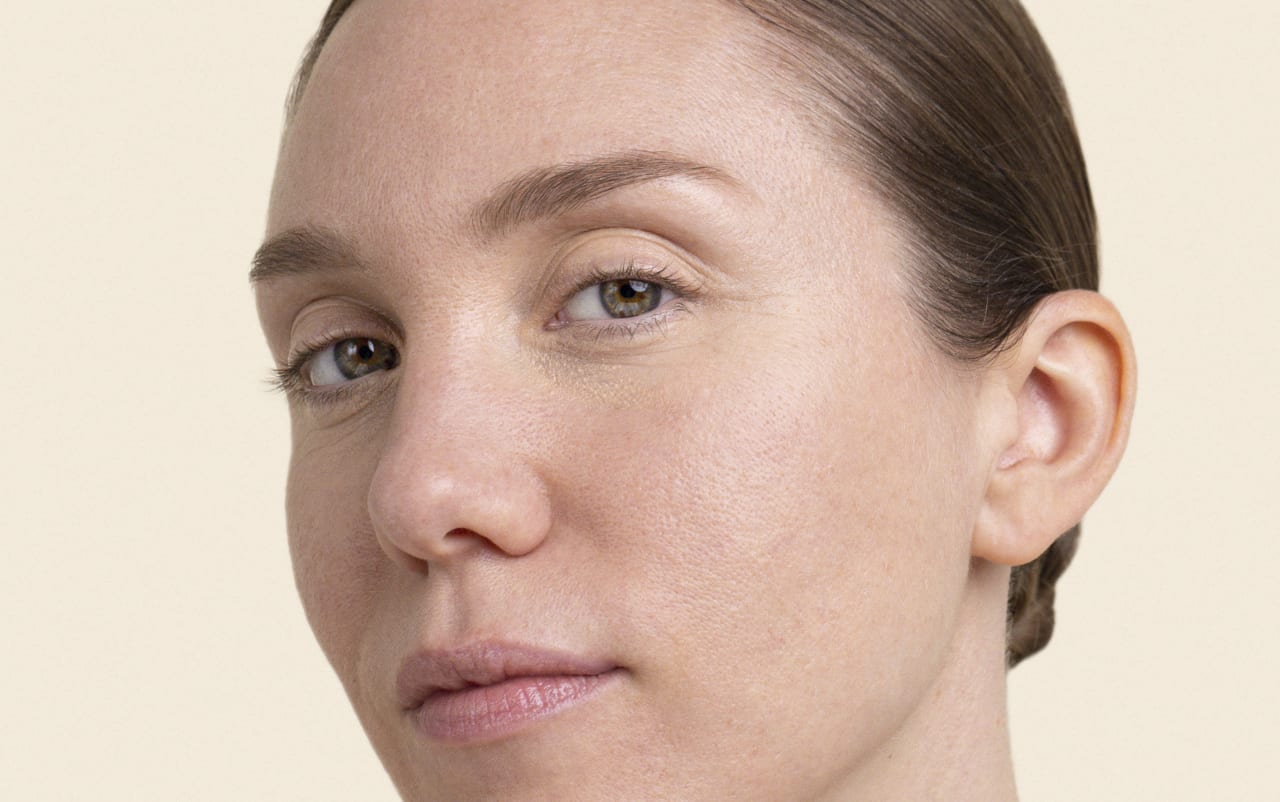
What’s the difference between dull and dehydrated skin?
Published on: Friday, April 03, 2026, Updated on: Tuesday, October 13, 2026
The difference between dull skin and dehydrated skin can be difficult to spot. These are, in fact, two conditions that share common underlying mechanisms. However, the cosmetic solutions are radically different. Knowing how to distinguish between a temporary lack of radiance and genuine dehydration is crucial for choosing the right products and seeing rapid improvement. A boost of hydration or a boost of radiance? We’ll guide you through the steps that will hit the mark.
Contents
Related products
Nourishing
Protective
£7.50
250 ml
Moisturising
Plumping
£6.50
30 ml
3 options
Plumping
Moisturising
£10.00
50 ml
Cleansing
Exfoliating
£8.00
30 g
Anti-ageing
Radiant complexion
£10.00
50 ml
Sun protection
£15.00
75 g
What is dehydrated skin?
CONCLUSION: Dehydrated skin is skin that is temporarily lacking in water in the stratum corneum, as a result of a weakened skin barrier.
And what about dull skin?
Dull skin, just like dehydrated skin, is not a specific skin type. Once again, this is a temporary condition that can affect any skin type, from oily skin to dry skin. However, it is dry skin that most often appears dull, for reasons that are both structural (lipid deficiency) and optical (altered light reflection). This dullness is linked to a reduction in the skin’s specular component. In other words: the skin’s surface is no longer able to reflect the light it receives properly. Once again, the cause lies in the stratum corneum. Very often, this is due to an accumulation of dead cells that alters the micro-relief, resulting in less uniform light reflection. This hyperkeratinisation of the skin is most noticeable visually, as your complexion takes on a grey and opaque appearance. In the long term, it can also affect your skin’s physiological balance and blur the distinction between dull skin and dehydrated skin. Other factors may also come into play, such as skin glycation. This is a biochemical process that alters skin proteins, particularly keratin on the skin’s surface. It generates advanced glycation end products (AGEs) which dull the complexion and give it a waxy, yellowish tinge (1). Reduced microcirculation also contributes to a dull complexion. It is often associated with ageing and can be stimulated by mechanical exfoliation.
CONCLUSION: Dull skin is skin that has temporarily lost some of its ability to reflect light, as a result of a reduction in cell renewal.
Dull complexion vs. dehydrated skin: what signs should I look out for to tell them apart?
Visual signs
Fine lines are one of the main tell-tale signs of dehydration. They form fine lines on the skin’s surface, giving it a creased appearance, particularly when making facial expressions (smiling, frowning, etc.). This phenomenon stems directly from the loss of thickness and flexibility affecting the stratum corneum as it loses moisture. This is what helps to accentuate the skin’s micro-relief; replenishing moisture, on the other hand, will help to plump it up. Another clue, which may this time explain the difficulty in distinguishing between dull skin and dehydrated skin, is the loss of radiance. The less hydrated the skin is, the less it is able to absorb and diffuse light. This is because the impairment of its barrier alters the organisation and structure of its stratum corneum. It therefore loses some of its translucency, giving it a more matt, dull or ashen appearance. Dull skin, by definition, is particularly prone to this loss of translucency. Light struggles to circulate and diffuse within the skin, giving it a flat appearance. It displays greyish or sometimes slightly yellowish undertones (2) due to the oxidation of substances (sebum, proteins) that have not been properly eliminated through the process of desquamation. The result: instead of being reflected, light is scattered more haphazardly in all directions.
Sensory indicators
Dehydration is accompanied by a tight, tugging sensation which tends to intensify after cleansing. Applying moisturisers can provide some comfort, but this relief tends to wear off as the day goes on. Similarly, if you run your hand over your face and your skin feels rough or flaky, it is probably dehydrated. If it is simply a lack of radiance, you won’t feel any discomfort. It’s more likely that the feel of your skin will tip you off. If it feels grainy to the touch, this may be a sign that a thickening of the stratum corneum is preventing your skin from reflecting light properly. However, this is a clue that can be difficult to pick up on.
CONCLUSION: Dehydrated skin is easily recognised by recurring feelings of discomfort, particularly tightness, whereas dull skin generally remains comfortable.
Can dehydrated skin also be dull?
Yes, this is actually a very common phenomenon, as the moisture content of the skin’s surface influences its optical and structural properties. If the water content of the stratum corneum decreases, the skin’s ability to transmit and diffuse light also decreases. The same mechanisms are at work in the case of dull skin. The stratum corneum becomes disorganised due to a lack of interstitial fluid, resulting in a less uniform surface which negatively affects the refractive index. This drop in surface moisture also hinders the propagation of light through the tissues, which scatter it more without being able to retain it.
CONCLUSION: A dull complexion can also be a sign of skin dehydration. In this case, using moisturising and lipid-replenishing skincare products will help restore the complexion’s radiance.
The differences between dull and dehydrated skin at a glance
Criterion
|
Skin condition |
Wrinkles and fine lines
| Dehydrated skin Everywhere: new lines appear temporarily or existing wrinkles become deeper. Dull skin No direct link. |
Skin surface
| Dehydrated skin Rougher, flaky, grainy, almost powdery to the touch. Dull skin A superficial thickening that can make it feel rougher to the touch |
Mechanical characteristics
| Dehydrated skin Loss of elasticity, skin that appears less plump, with possible slight sagging. Dull skin No direct link. |
Radiance
| Dehydrated skin Very often reduced. Dull skin More widespread; a perceived loss of radiance; the skin appears to be covered by a dull, opaque film. |
Complexion
| Dehydrated skin No direct link. Dull skin Appears grey or yellow, with areas of shadow that make the complexion look less even. |
How should I adapt my skincare routine accordingly?
If you have dehydrated skin
Cleansing: as gentle as possible to preserve the skin’s surface lipids (avoid controversial surfactants).
Moisturising: a priority, using humectants to hydrate the stratum corneum and film-forming agents to limit transepidermal water loss.
Lipid replenishment: essential for strengthening the skin barrier and improving its permeability to trans-epidermal water loss.
Antioxidant protection: no more important than usual.
Exfoliation: should be reduced (using only very gentle active ingredients) or suspended until the skin regains optimal moisture balance.
If you have dull skin
Cleansing: stick to your usual routine, simply taking care not to make it any ‘stronger’ than normal.
Moisturising: always important to prevent dehydration from making your complexion look even duller.
Lipid replenishment: possible in cases of dryness, but not strictly necessary if the skin lacks radiance.
Antioxidant protection: essential to prevent yellowing linked to glycoxidation (when glycation and oxidation feed into one another) (3).
Exfoliation: fundamental for stimulating cell renewal, smoothing the skin’s surface and improving microcirculation.
Insights from our dermatologist
A word from the dermatologist
"Dull skin is synonymous with a lack of radiance. It is a subjective assessment, and there are many potential causes, which are often interrelated: pigmentation issues, surface irregularities (skin texture), a greyish complexion or pigmentation issues. Dehydrated skin is, above all, uncomfortable, with a tight, tugging sensation. The skin’s micro-relief is pronounced and the skin reflects less light."
Dr Reyhan Amode, dermatologist and member of the Aroma-Zone College of Dermatologists
Dehydration: our natural selection
Your aim: to help your stratum corneum retain moisture by providing it with humectants, and to strengthen your skin’s barrier function by providing it with biomimetic lipids.
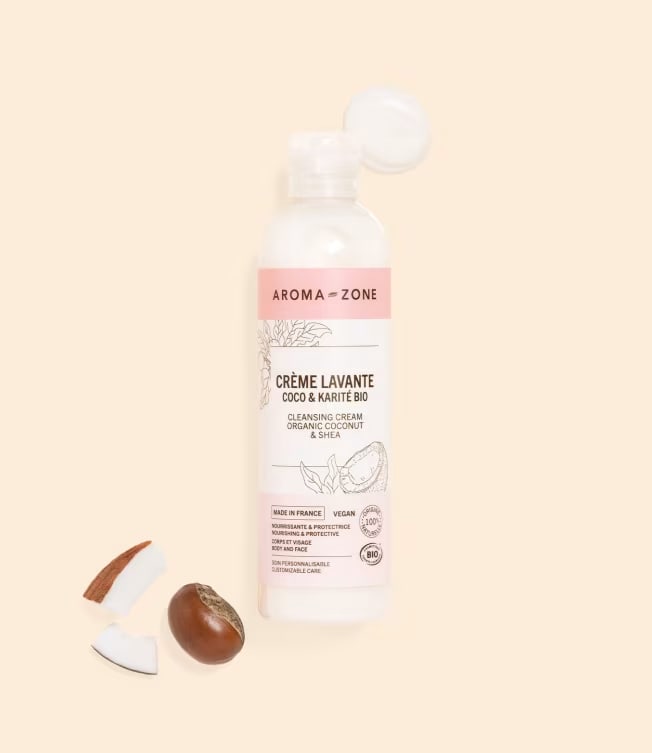
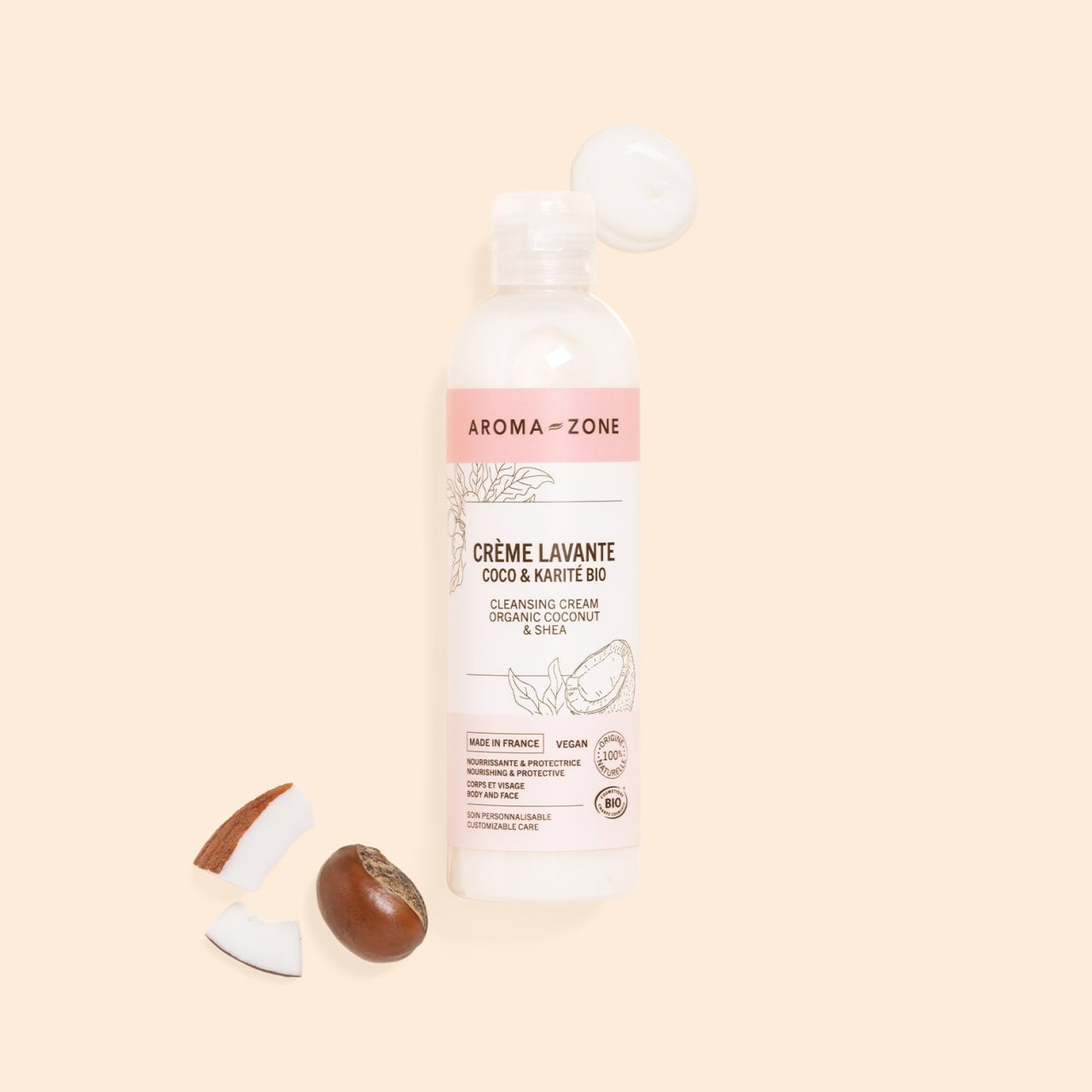
Coconut & Shea Cleansing Cream.
Formulated without sulphate-based surfactants or fragrance, it cleanses the skin whilst preserving its hydrolipidic film and surface pH. Ideal for dehydrated, dry or sensitive skin, its creamy texture produces a fine lather that leaves the skin feeling supple and comfortable, without any tightness. 100% naturally derived ingredients, certified organic, vegan, made in France.
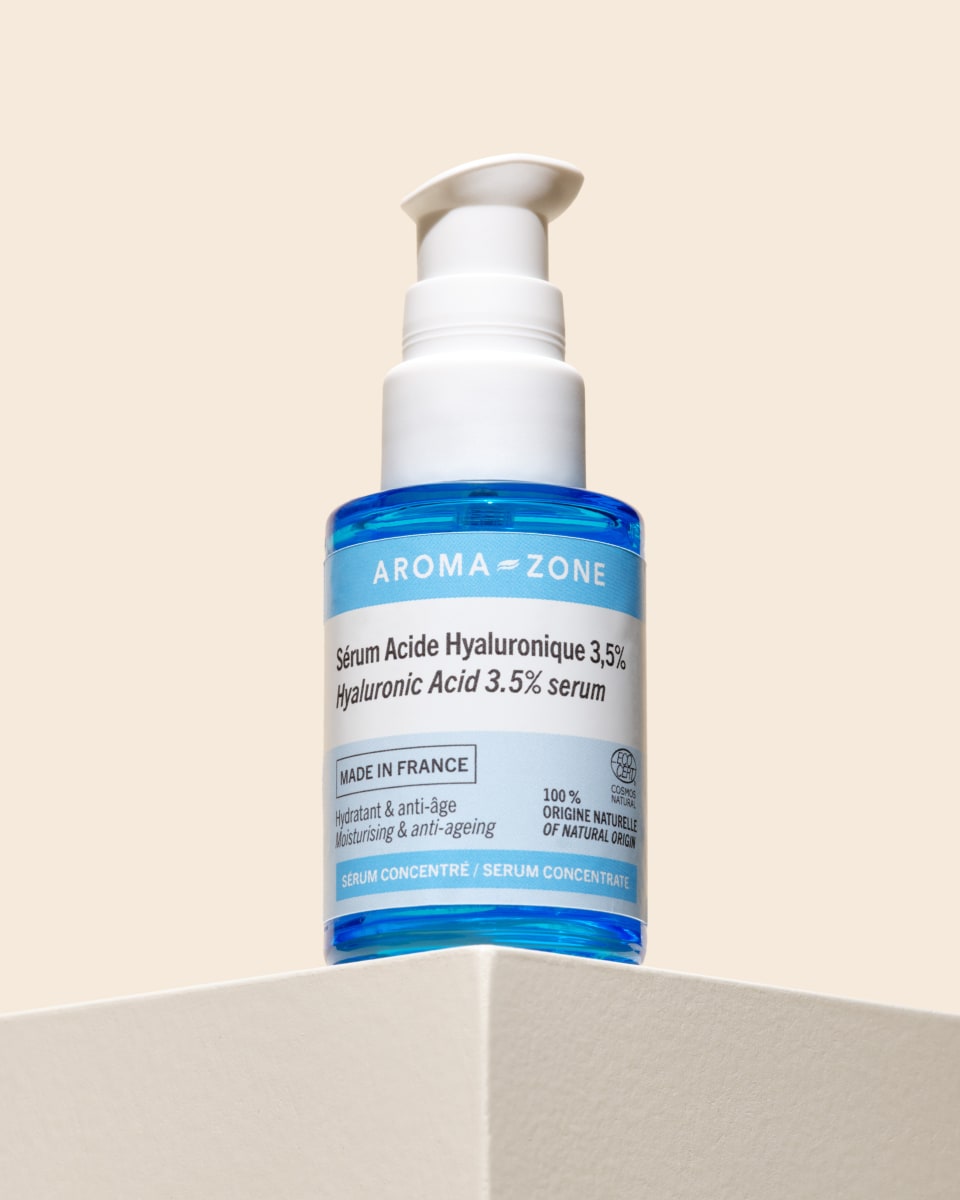
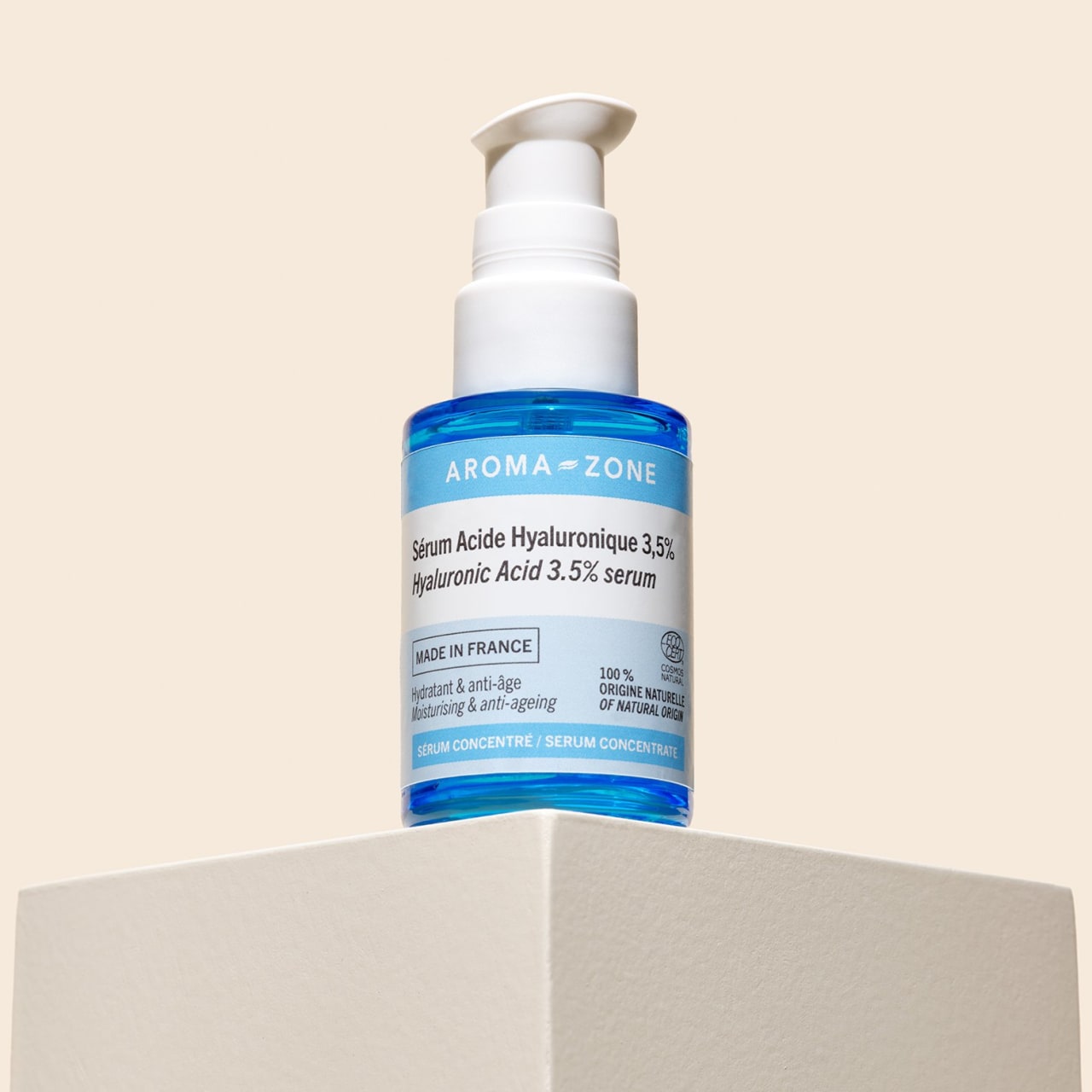
3.5% Concentrated Hyaluronic Acid Serum
This is one of the most concentrated serums on the market: 3.5 per cent hyaluronic acid, compared to an average of 0.1 to 1 per cent. This active ingredient, renowned for its moisturising and slightly film-forming properties, helps to provide intense, long-lasting hydration for up to 6 hours after application, whilst smoothing out the appearance of wrinkles. Dermatologically tested formula, 100 per cent natural ingredients, vegan, made in France, refillable bottle.
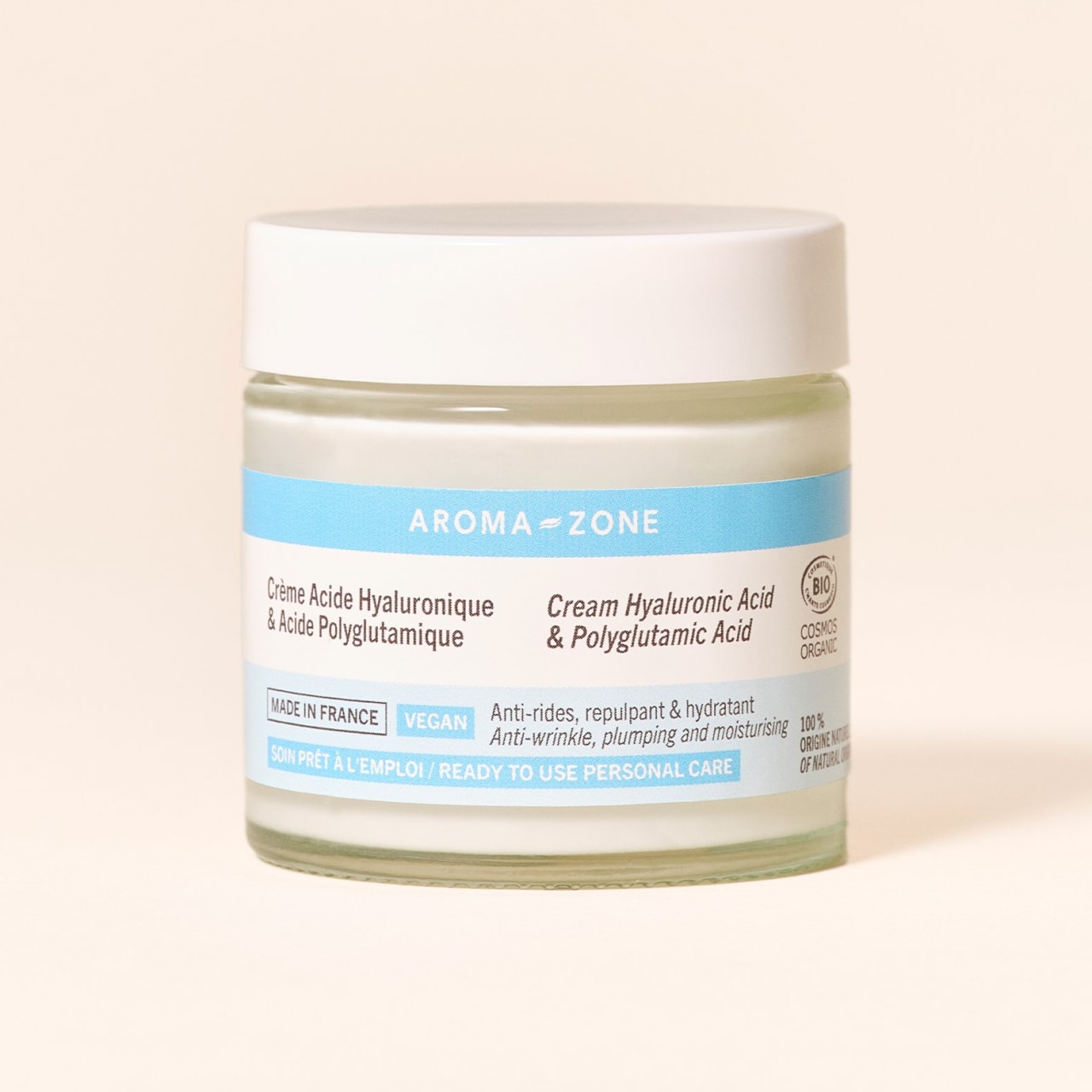
Hyaluronic Acid & Polyglutamic Acid Cream
Proven effectiveness: +74% immediate hydration, 48 hours of guaranteed hydration. Ideal for dehydrated and/or mature skin, this day and night cream reduces the discomfort associated with dehydration thanks to its rich, non-greasy texture. Its innovative blend of active ingredients hydrates, smooths and restores the skin barrier. Dermatologically tested, certified organic, vegan and made in France.
Dull complexion: our natural selection
Your goal: to stimulate cell renewal in your skin by exfoliating regularly but gently, and to smooth your skin’s surface with moisturising products.
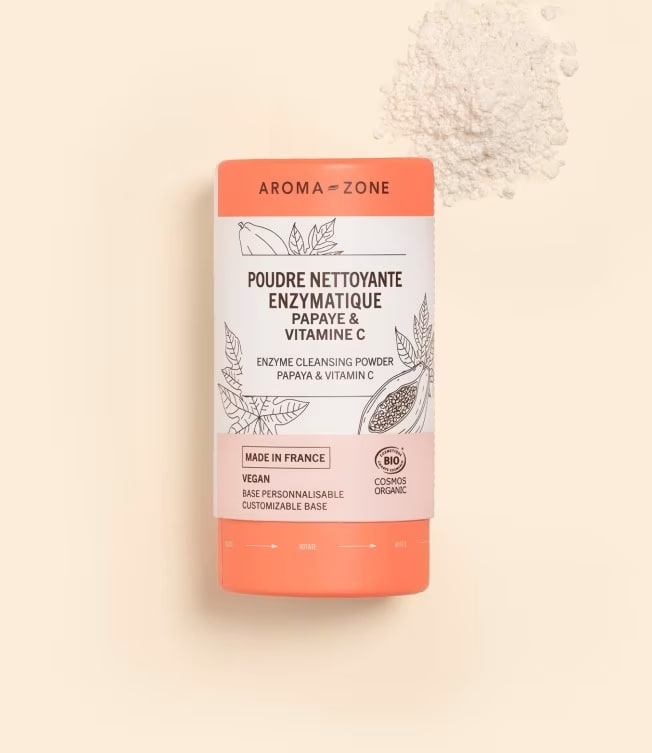
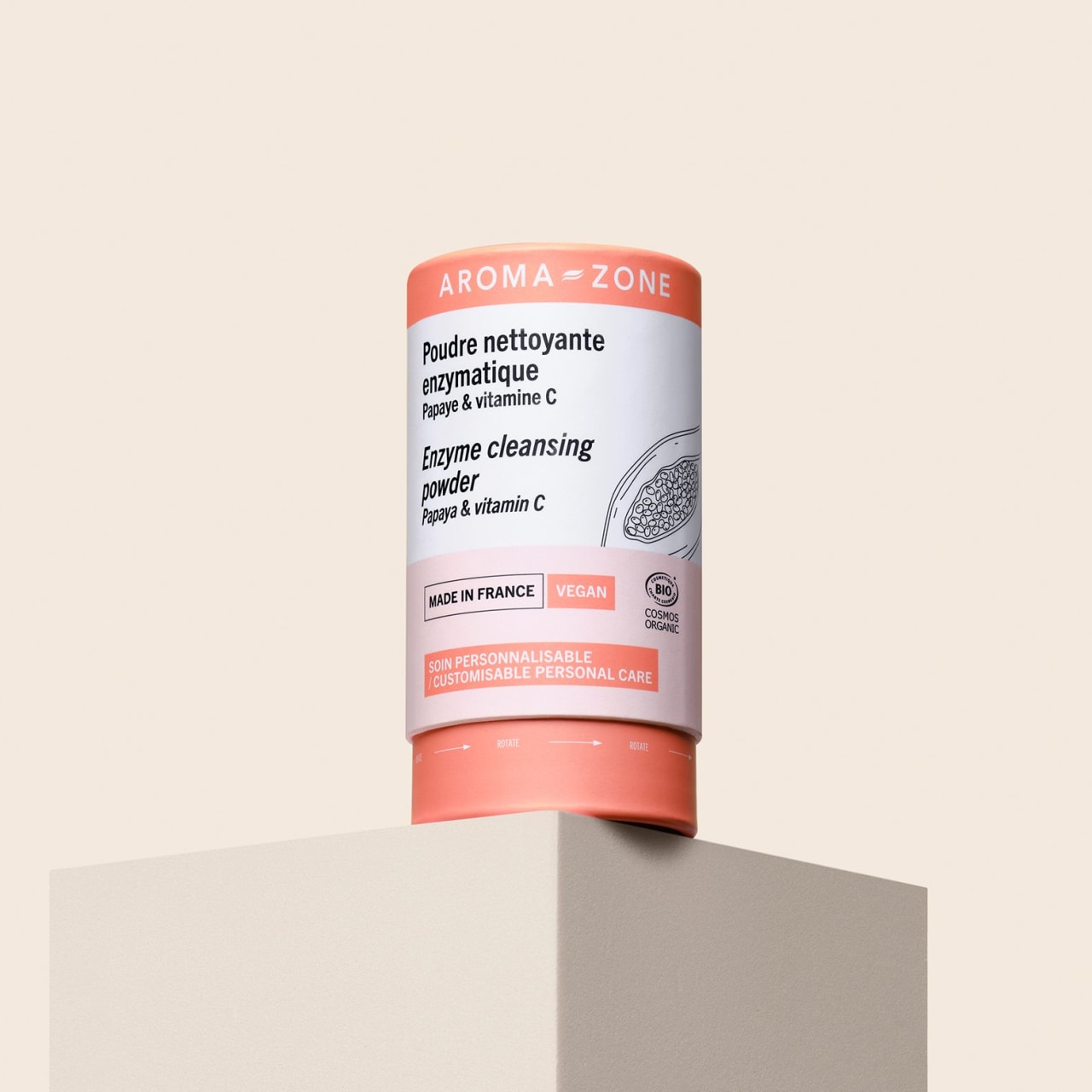
Papaya & Vitamin C Enzymatic Cleansing Powder.
It contains enzymes that gently exfoliate the skin without any grains. On contact with water, it transforms into a creamy foam that refines the skin’s texture and reveals its radiance. Use it as part of your daily cleansing routine and leave it on for 1 to 3 minutes 2 to 3 times a week for a more intense exfoliation. Dermatologically tested formula, 100% naturally derived ingredients, certified organic, vegan, made in France.
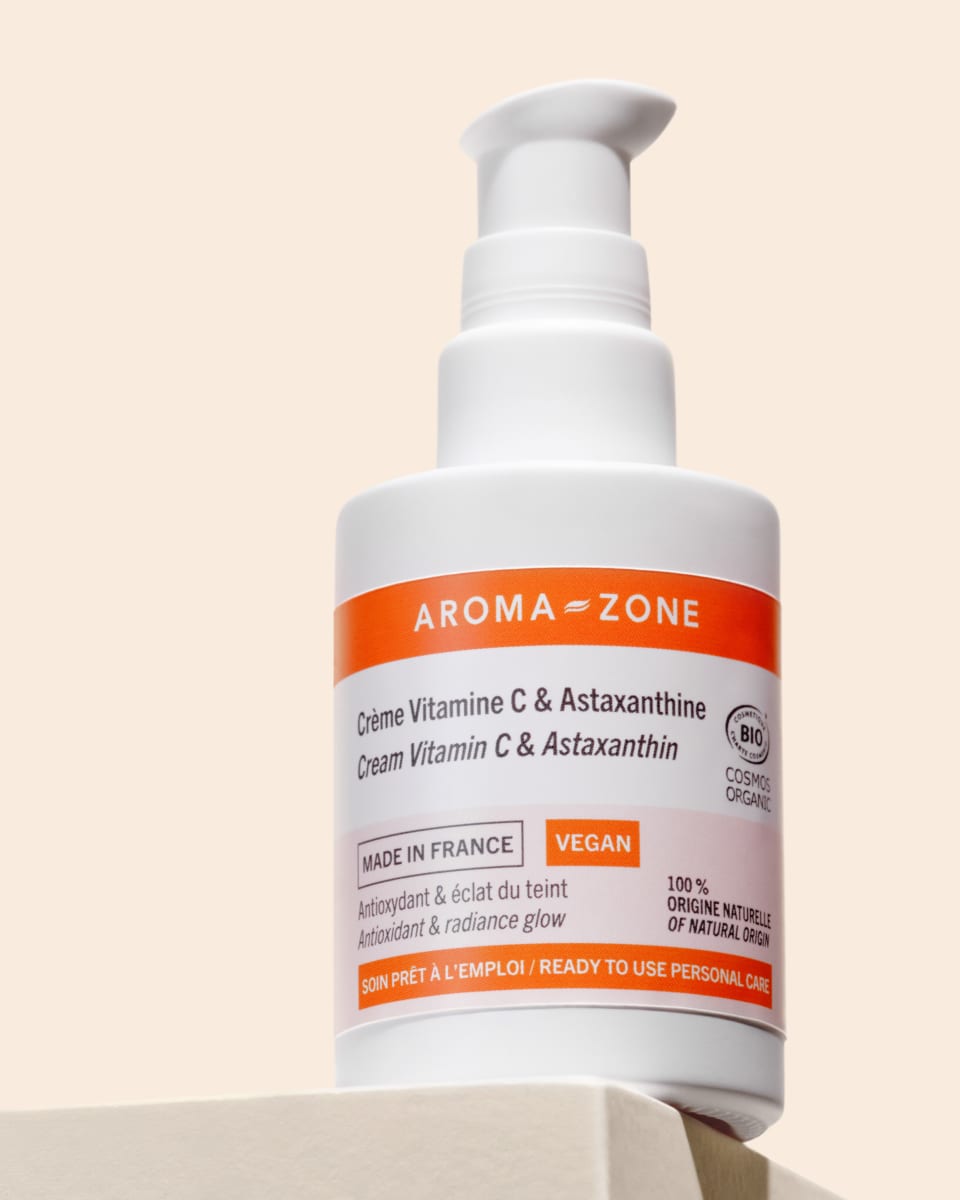
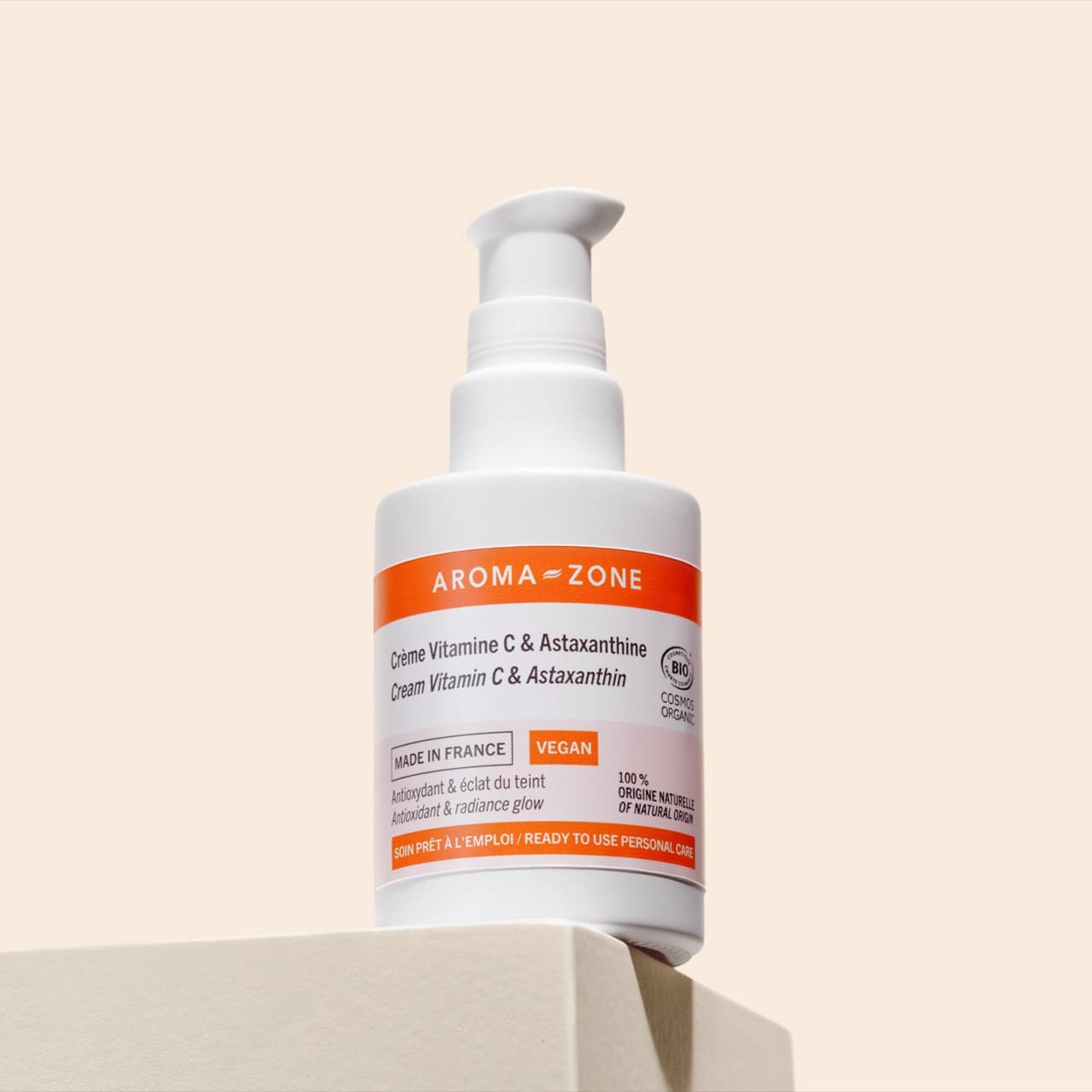
Organic Vitamin C & Astaxanthin Cream
Proven effectiveness: skin is twice as radiant, with a healthier and more rested appearance. Naturally tinted, it leaves the skin looking brighter and revitalised from the moment it is applied. Enriched with powerful antioxidants, it supports the skin’s natural regeneration and defence mechanisms against environmental stressors. Suitable for sensitive skin, made with 100% naturally derived ingredients, certified organic, vegan and made in France.
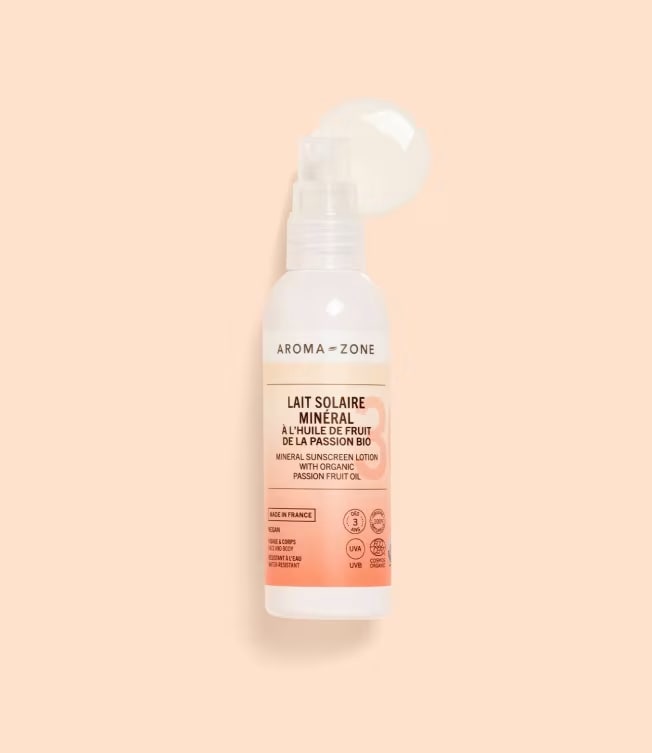
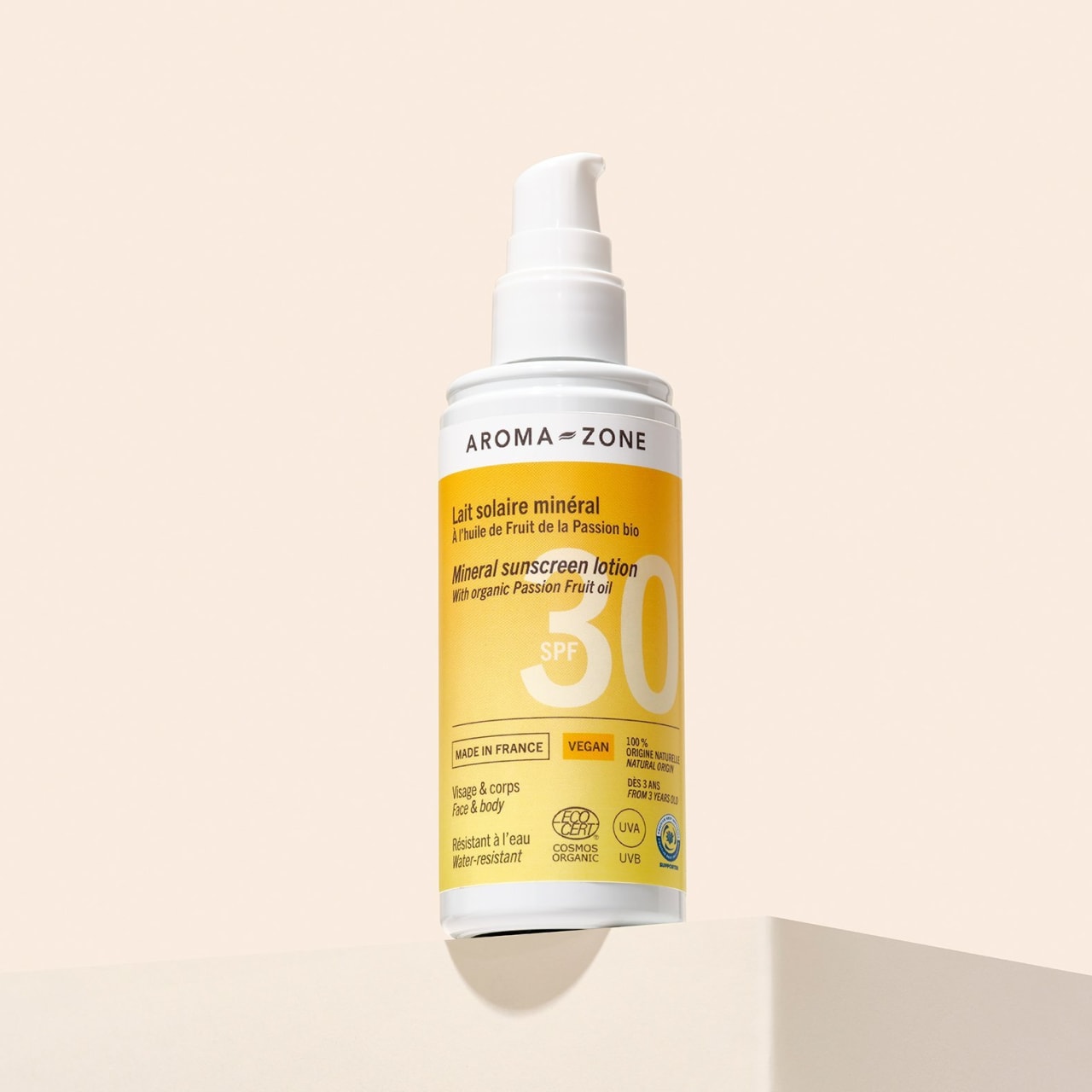
Mineral Sun Milk SPF 30
Thanks to its 100% zinc oxide mineral filter, it offers protection against UVA and UVB rays in a light, milky texture that is water-resistant, leaves no white residue and has a non-sticky finish. Suitable for all skin tones, it leaves an invisible finish and allows you to apply make-up easily over it. Dermatologically tested formula, 100 per cent naturally derived ingredients, certified organic, vegan, made in France.
Precautions
Treat your dehydrated skin gently: higher-than-normal skin permeability often goes hand in hand with increased sensitivity and feelings of discomfort. So take the time to test every new product you introduce into your routine. Wait 48 hours after the patch test to check for any adverse reactions. Although it is less vulnerable than dehydrated skin, dull skin will not appreciate being over-exfoliated either. Stick to a reasonable exfoliation frequency and do not rub too hard if you are using exfoliating beads (mechanical exfoliation). Skin that’s been over-exfoliated will eventually become dehydrated and develop other problems beyond simply losing its radiance.
Expert advice
Our lifestyle can also affect our skin’s radiance and hydration. Among the bad habits it would be best to get rid of once and for all are: smoking, which has a dual negative effect. It accelerates dehydration and visibly dulls the complexion.
Focus on Our Writer: Hélène Betoux

Hélène Betoux is a French beauty journalist specialising in web media. Every day she writes tips, advice, and guides to help consumers choose the right beauty products. With a strong interest in natural, organic, and clean cosmetics, she analyses and shares trends and innovations in the sector.
Bibliography
Pageon H. Reaction of glycation and human skin: the effects on the skin and its components, reconstructed skin as a model. Pathol Biol (Paris). June 2010;58(3):226–31. doi: 10.1016/j.patbio.2009.09.009. Epub 5 November 2009. PMID: 19896301.
Nurani, Alif Meem et al. Development of a method for evaluating skin dullness: A mathematical model explaining dullness through the colour, optical properties and microtopography of the skin. Skin Research and Technology: Official Journal of the International Society for Bioengineering and the Skin (ISBS) [and] the International Society for Digital Imaging of Skin (ISDIS) [and] the International Society for Skin Imaging (ISSI) vol. 29, no. 7 (2023): e13407. doi:10.1111/srt.13407
Gkogkolou, Paraskevi, and Markus Böhm. “Advanced glycation end products: Key players in skin ageing?” Dermato-endocrinology vol. 4, no. 3 (2012): 259–70. doi:10.4161/derm.22028

Frequently Asked Questions
Associated tip
Face care tips


