
No, it is definitely not just a feeling. Scientific research proves that the loss of radiance associated with skin ageing is a biological reality. At first glance, the notion of skin radiance may seem vague, abstract, or even entirely subjective. However, science has proven that the concepts of radiance and a dull complexion are not merely a matter of individual judgement. On the contrary, it is a variable comprising various parameters that can be measured using sophisticated instrumental methods. And it is on this basis that studies – notably a landmark 2023 study by a Japanese team (1) – have confirmed that: yes, a dull complexion does indeed increase biologically with age.
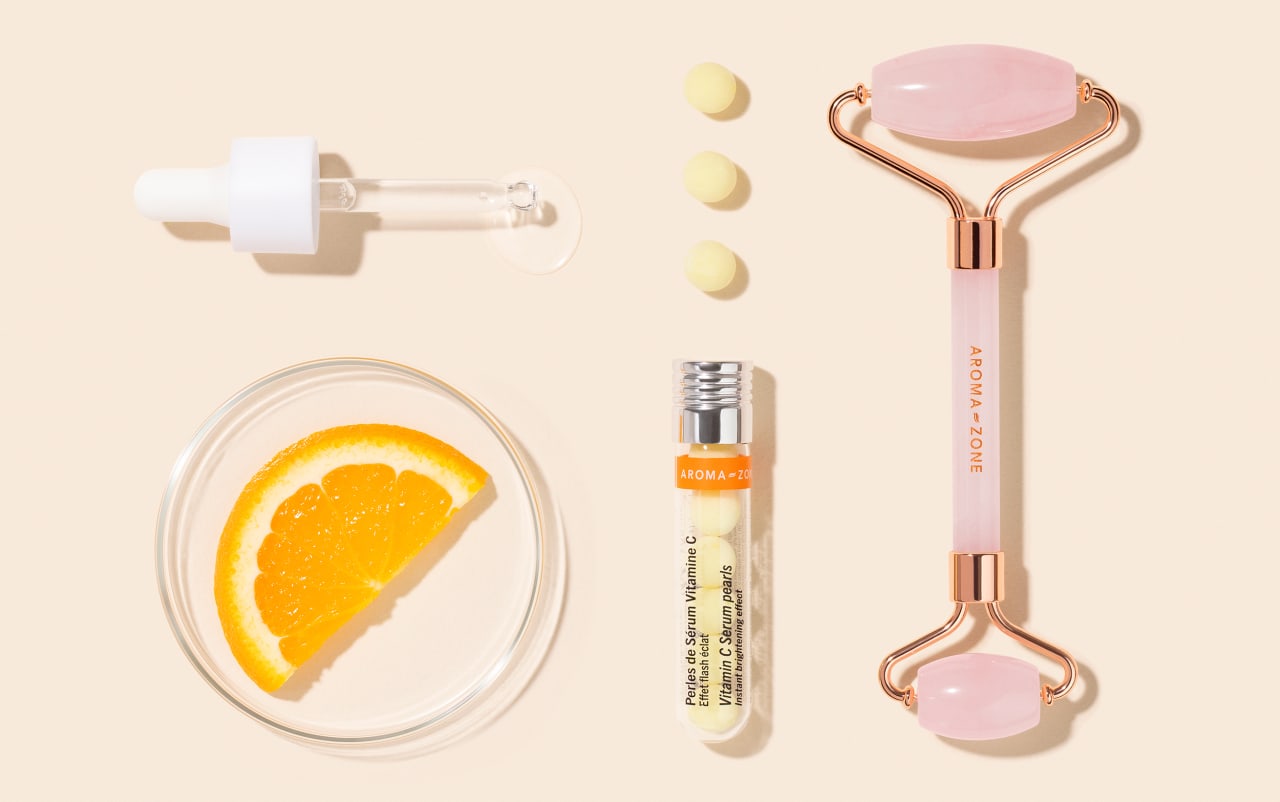
Does the skin lose its radiance with age – myth or reality?
Published on: Wednesday, April 01, 2026, Updated on: Monday, October 12, 2026
Skin ageing brings with it a host of profound changes, the effects of which are visible right down to the skin’s surface, particularly in terms of radiance. Often perceived as a subjective aesthetic quality, the skin’s radiance is in fact the result of complex mechanisms, at the intersection of biology and optical properties, which science has sought to elucidate. It is this scientific evidence that we present here, alongside best practices to help your mature skin maintain a luminous and even complexion.
Contents
Related products
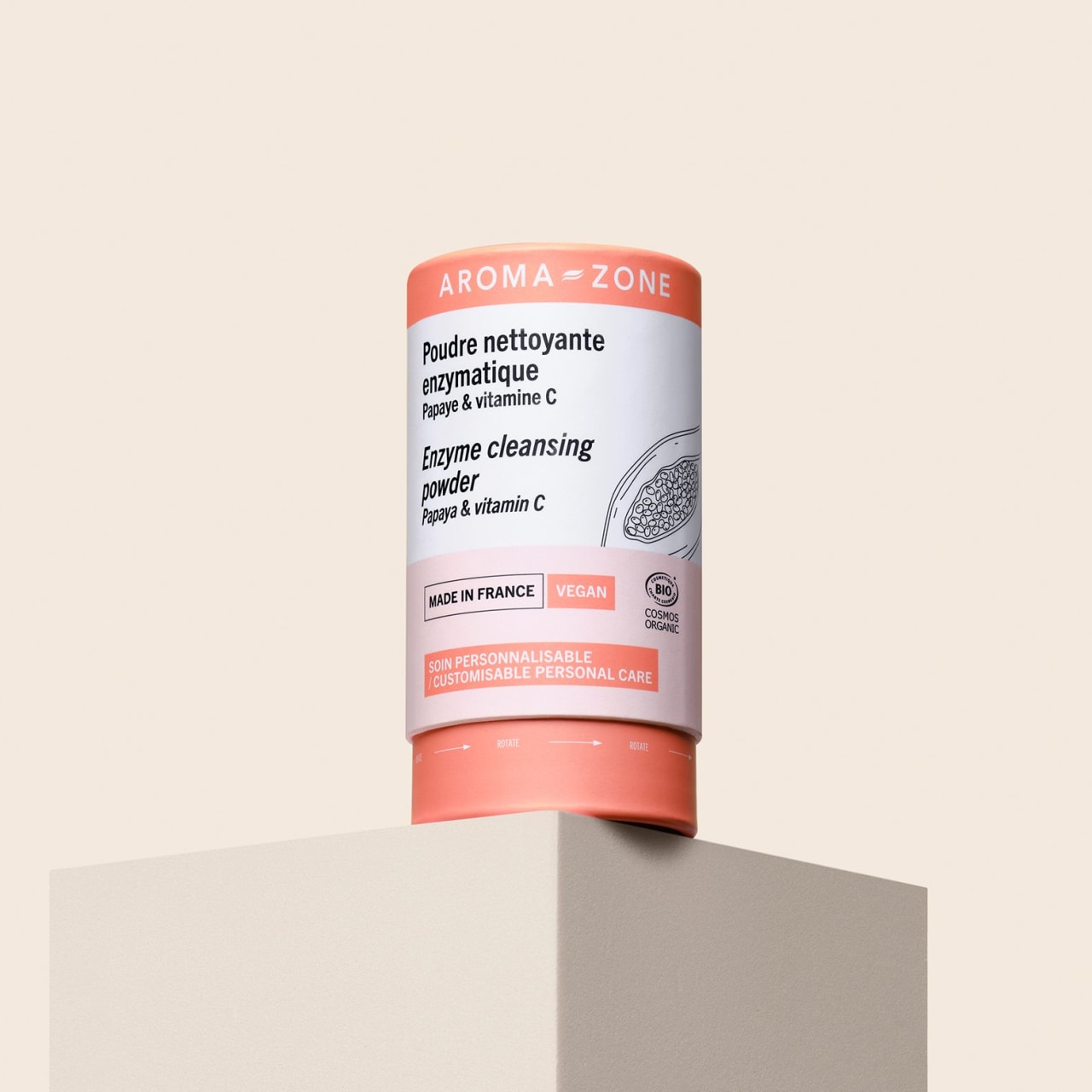
Papaya & Vitamin C Enzyme Cleansing Powder
Cleansing
Exfoliating
£8.00
30 g
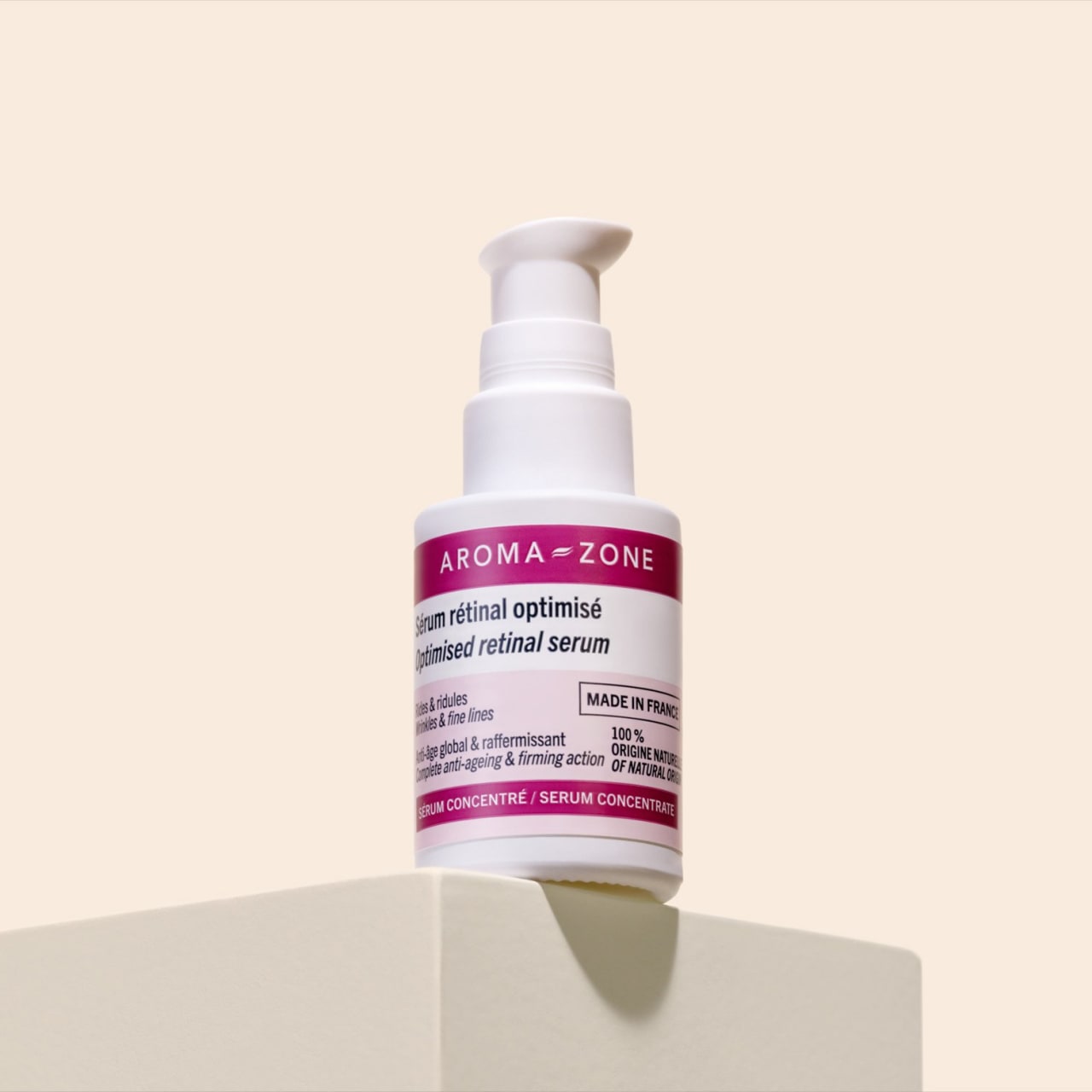
Optimised Retinal Serum
Anti-ageing
Anti-wrinkle
£9.00
30 ml
2 options
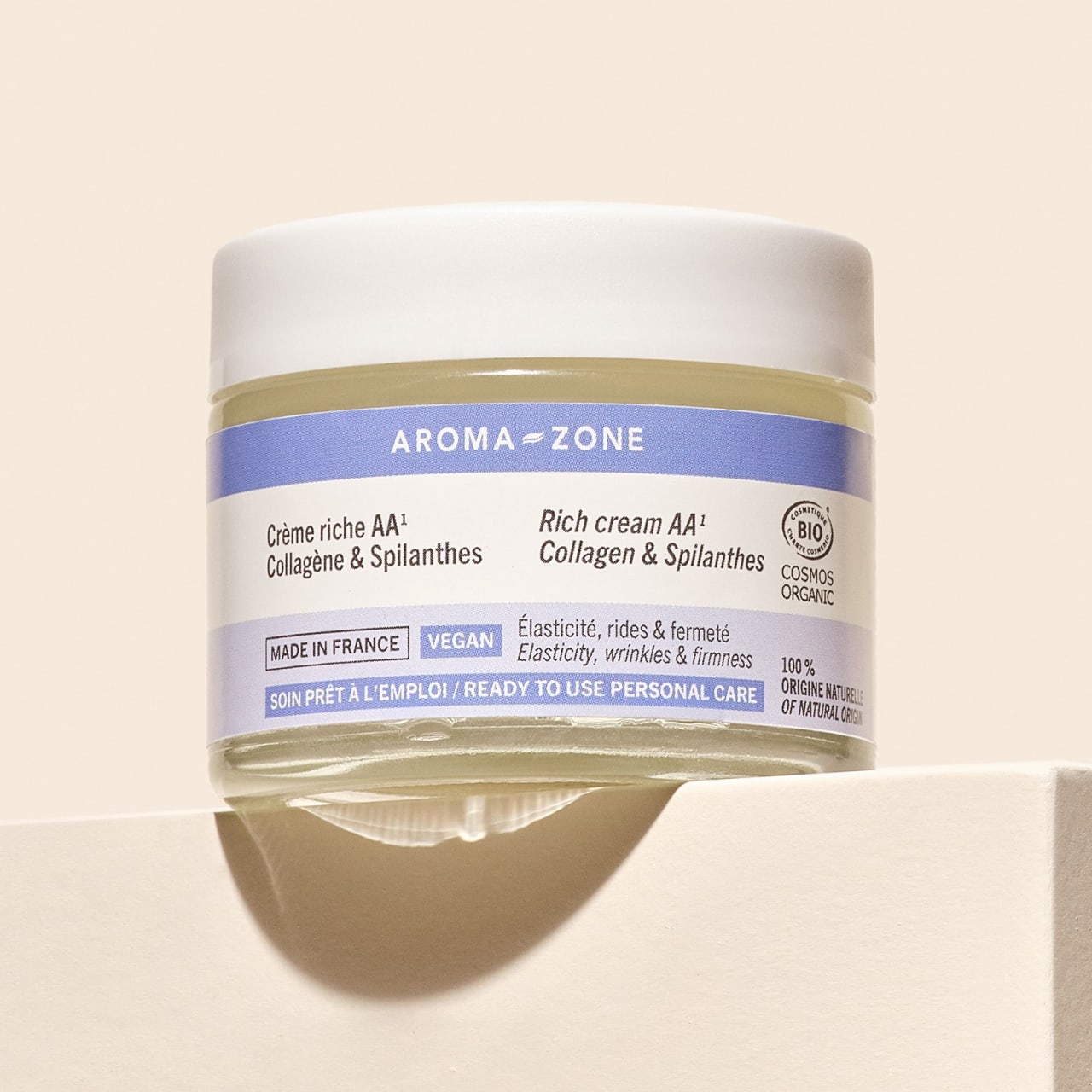
Vegan Collagen & Spilanthes Rich Cream
Smoothing
Anti-ageing
£12.00
50 ml
2 options

Resveratrol & Grape Seed OPC - 60 Capsules
Anti-ageing
£19.00
23.2 g
In brief
It is scientifically proven that the skin loses its radiance with age, due to interdependent and multidimensional mechanisms
Fortunately, this gradual loss of radiance can be partially halted through the use of good skincare practices applied to the skin’s surface
These mainly involve moisturising the stratum corneum, smoothing out rough patches, evening out the complexion and preventing the effects of oxidative stress.
My mature skin seems to be looking increasingly dull: is it just my imagination?
Factors associated with radiance
|
Measurable criteria
|
Optical variables
|
It is possible to measure the light reflected by the skin by breaking it down into three physical criteria: diffusion, reflection and specular component (3). The higher these scores, the more radiant the skin is considered to be. Another, more recent study also identifies a further specific component: surface gloss (“skin gloss”) to determine the skin’s radiance (4). The skin’s translucency also plays a key role, as a reduction in translucency dulls the complexion (1).
|
Condition of the skin’s surface
|
Microphotography techniques confirm that skin roughness affects the skin’s radiance. Thus, changes in the stratum corneum, such as cellular alterations (2) or visible pilosebaceous openings (‘pores’), result in irregular light scattering. This, in turn, leads to a loss of radiance and a dull complexion (1).
|
Colourimetry
|
The level and distribution of melanin (the pigment responsible for skin colour and brown spots, for example) can affect the radiance of the complexion, particularly through yellowing. Vascularisation is another factor to be taken into account, as redness is associated with a reduction in the evenness of the complexion and its ability to reflect light (5).
|
How does skin ageing reduce the radiance of the complexion?
Skin ageing causes biological and biophysical changes that directly affect the factors associated with radiance. Changes in the skin’s structure, function and composition affect the smoothness of its surface, its optical uniformity and its. Unfortunately, the combination of these factors leads to a loss of skin radiance, which is positively correlated with age. This is a multidimensional dulling of the skin, linked to interdependent phenomena.
Skin changes
|
Effects on skin radiance
|
Changes to the skin’s deep structure: reduced collagen synthesis and degradation of the extracellular matrix.
|
The disruption of the dermis’s architecture reduces the number of interfaces capable of reflecting light, resulting in more heterogeneous light scattering.
|
Changes to the skin’s surface: a slowdown in cell renewal.
|
The build-up of dead cells in the stratum corneum increases roughness, which impairs the skin’s ability to reflect light properly.
|
Changes in colour: more erratic melanin production (brown spots, white spots), yellowing.
|
The complexion appears less even, with greater localised contrast, and is therefore less radiant. This phenomenon is even more pronounced when photo-induced ageing (sun damage) combines with physiological ageing.
|
Changes in biochemical interactions: accumulation of damage linked to oxidative stress.
|
The alteration of cellular lipids, proteins and DNA leads to dysfunctions that alter the optical properties of tissues, in particular their ability to absorb and scatter light.
|
Changes in water balance: thinning of the hydrolipid film, increased skin dryness.
|
Because it produces less sebum, the skin loses some of its specular reflection. Drier and more dehydrated, it also appears more matt and, consequently, less radiant.
|
Changes in blood flow: a reduction in cutaneous microcirculation.
|
The skin receives fewer nutrients and less oxygen. This phenomenon makes the complexion appear less ‘fresh’.
|
Is it possible to maintain a radiant complexion as you age?
Yes, and that’s the good news in this feature. Admittedly, ageing does affect the skin’s radiance through biological processes whose existence is undeniable. Nevertheless, research shows that it is possible to preserve, or even enhance, the radiance of mature skin . Certain studies, including one from 2025 examining the effects of oral supplementation (6), confirm that the radiance of the complexion is not a fixed measure, but rather depends on factors, some of which are variable and can be partially modulated. In fact, it is entirely possible to capitalise on the plasticity of certain skin parameters considered to be more or less ‘correctable’ in order to reconcile ageing with a radiant complexion.
Below are the factors you can most easily influence, according to science:
Moisture balance: apply moisturising formulas (serums, creams) to increase the water content of the upper layers of your epidermis. The result: a smoother surface that enhances specular reflection. Examples of active ingredients: niacinamide, hyaluronic acid
Skin tone: use active ingredients that combat dark spots, such as those that target melanin transfer and melanosome activity. This gives you the best chance of achieving an even complexion that also looks more radiant. Examples of active ingredients: niacinamide (7), vitamin C
The skin’s surface: incorporate exfoliating products into your skincare routine to reduce roughness, whilst simultaneously stimulating epidermal cell renewal and collagen production. This ‘new skin’ effect is known to restore radiance very quickly. Examples of active ingredients: retinal, AHAs
Biochemical interactions: opt for skincare products with antioxidant properties to preserve your skin’s visual and structural balance. With skin that is better equipped to combat oxidative stress, your complexion should gradually become more radiant. Examples of active ingredients: vitamin C, vitamin E.
Our conclusion, based on the scientific literature
Myth or reality?
It is indeed a well-documented fact: yes, the skin gradually loses its radiance as we age. This is a biological phenomenon based on measurable variables, such as optical properties, roughness and colourimetry.
What is true
The loss of radiance is both a clinical sign and a perceptible marker of skin ageing
The skin becomes increasingly dull as we age, in response to profound changes that alter its physical and biological characteristics
Restoring a radiant complexion is one of the main concerns for mature skin, on a par with wrinkles and dark spots, to which radiance is closely linked.
What is incorrect
A dull complexion is not merely a subjective phenomenon that varies according to individual perception
Age-related loss of radiance is not necessarily irreversible: it is possible to partially halt it by targeting some of its contributing factors.
Food for thought
Common expressions such as ‘looking a bit pale’, ‘looking glum’ or ‘looking washed out’ highlight the prominent role that a radiant complexion plays in our human interactions. Associated in the collective imagination with health, youth and beauty, the quest for radiance stems largely from a social construct, and it is legitimate to question the possible underlying cognitive biases. Beyond purely aesthetic criteria – and given that science suggests that radiance itself is a shifting criterion – this opens up the possibility of redefining the very notion of radiance by attributing a similar dynamic to the term itself. Rather than speaking of a generic ‘glow’, would it not be more relevant to consider ‘glow’ according to specific criteria, particularly those related to age? Consequently, the description of ‘radiant skin’ would be understood according to different criteria at the age of 20… and at the age of 60. For whilst cosmetics can help to modulate or partially improve the radiance of mature skin by acting on its correctable parameters, no formula can restore a youthful glow to skin that has already weathered the trials of time. Rather than dreaming of promises watered down by marketing rhetoric, it seems wiser to set realistic and motivating goals. Maintaining skin that feels comfortable and is sufficiently protected to age gracefully, with a balance of harmony and vitality: this is perhaps the finest radiance that mature skin can achieve.
Our natural skincare products to maintain the radiance of mature skin
Maintaining the radiance of mature skin requires a multi-pronged approach. We recommend focusing your skincare routine on protection, hydration, exfoliation, evening out skin tone and dermal restructuring. It may also be beneficial to enhance the effects of your topical skincare products by combining them with a suitable dietary supplement.
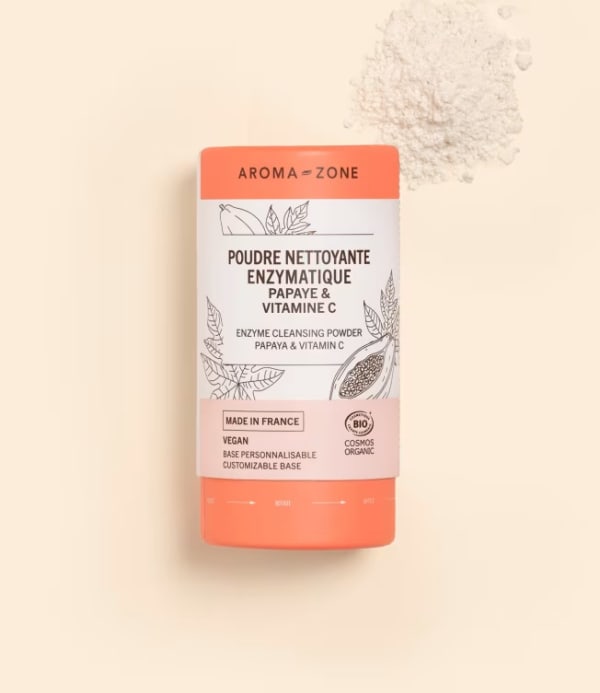
Papaya & Vitamin C Enzymatic Cleansing Powder
On contact with water, this powder transforms into a creamy foam to cleanse and exfoliate the skin’s surface without the use of grains. It is enriched with vitamin C for an instant healthy glow and radiance, whilst minimising the risk of skin irritation. Dermatologically tested, 100% naturally derived ingredients, certified organic, vegan (free from animal-derived ingredients), made in France.
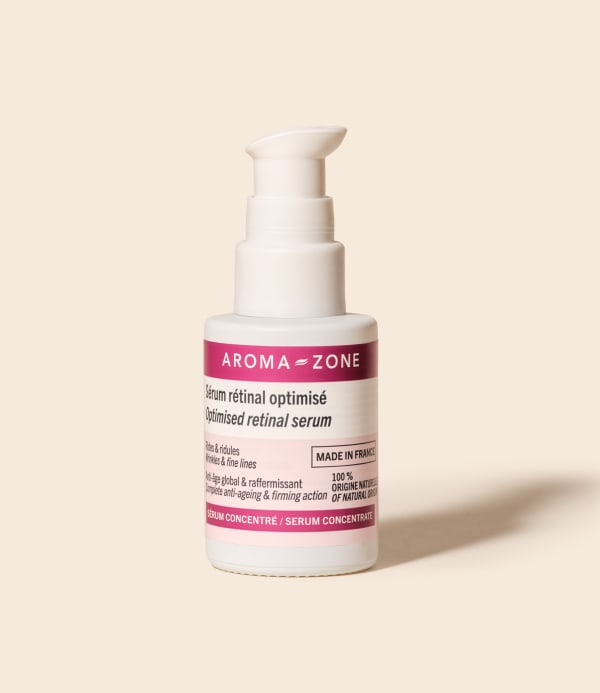
Optimised Retinal Concentrated Face Serum.
Designed as a comprehensive anti-ageing treatment, this serum helps to brighten the complexion and reduce the appearance of dark spots, whilst firming the skin’s appearance and targeting fine lines and wrinkles. Its soft, fluid and lightweight texture is suitable for all skin types, even sensitive skin. Dermatologically tested, 100% naturally derived ingredients, vegan, made in France.
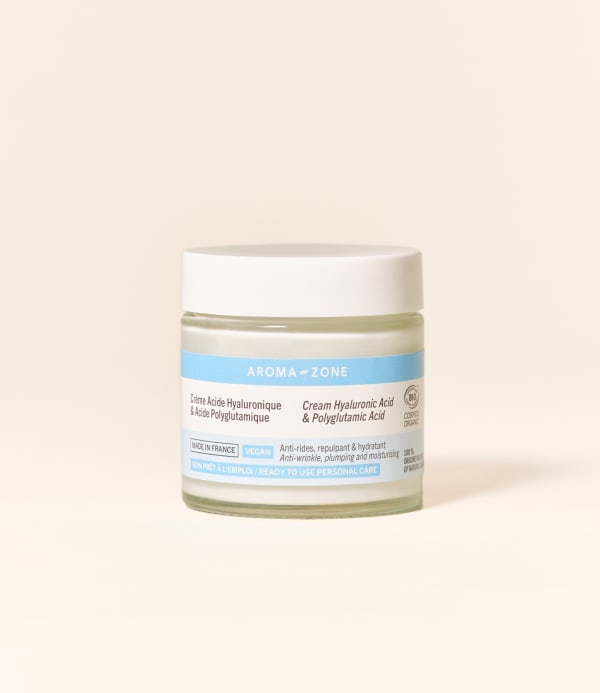
Rich Vegan Collagen & Spilanthes Cream
Designed for mature skin, this moisturiser offers proven effectiveness against eight signs of ageing: loss of radiance, firmness, elasticity and density; uneven skin tone; wrinkles; sagging skin; and dryness. A velvety texture that absorbs quickly, leaving no greasy residue. Ideal for use under make-up. 100% naturally derived ingredients, certified organic, vegan, made in France.
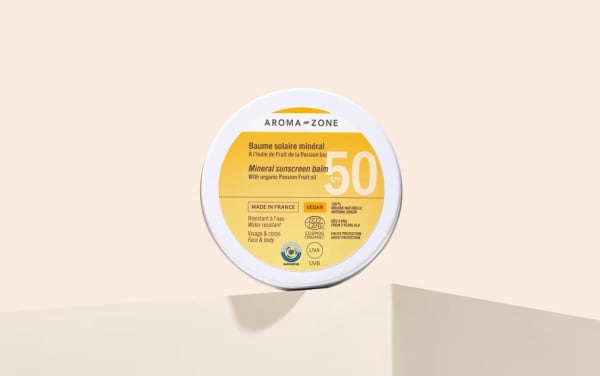
Mineral Sun Balm SPF 50
Sun protection is essential for preserving the radiance and wellbeing of mature skin, whilst preventing the appearance of dark spots that can dull the complexion. This balm has the advantage of a melt-in-the-skin yet non-greasy texture that glides easily onto the skin, leaving it supple and soft. Formulated with a mineral filter, it can be used on both the face and body. Dermatologically tested, 100% natural ingredients, certified organic, vegan, made in France.
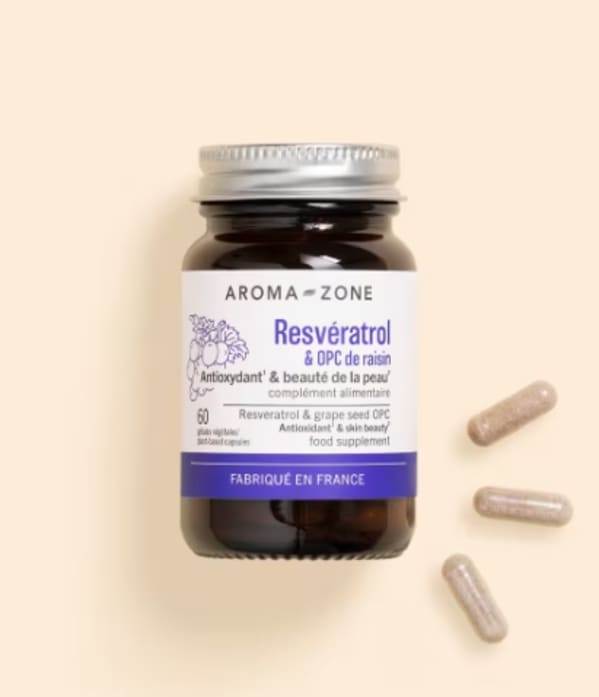
Resveratrol & Grape OPCs
We recommend taking this formula as a 1- to 3-month course of treatment, which can be repeated several times throughout the year. It combines Veri-te™ Trans-resveratrol, grape seed extract standardised to 75% oligo-proanthocyanidins, and vitamin C derived from acerola. Thanks to its high concentration of antioxidants, it provides the skin with comprehensive anti-ageing benefits, in particular by combating the effects of oxidative stress. Dosage: 2 capsules per day. Not a substitute for a varied and balanced diet and a healthy lifestyle. Do not exceed the recommended daily dose. For adults only. Not recommended for pregnant or breastfeeding women, or for people taking medication.
Precautions
Mature skin is more sensitive than it was in youth, partly due to the thinning and weakening of its hydrolipidic film. This is why it may react negatively if exposed to formulations that are too harsh for it. Take particular care when using products containing vitamin C, retinoids or exfoliating active ingredients, such as fruit acids. Feel free to introduce them gradually into your routine by slowly increasing the frequency of use and the dosage if your skin seems to tolerate them. If you use retinol or exfoliating skincare products (always in the evening), always apply a high-factor sun cream the following day. Finally, take care not to layer active ingredients without first ensuring they are compatible. Some formulations designed to improve and even out the complexion can be potent and contain active ingredients that are best handled with care.
Our expert’s view
A word from the dermatologist
“Does lifestyle have a greater impact on the skin’s radiance than age itself? Fair skin that suffers damage from natural or artificial ultraviolet radiation develops spots, known as solar lentigines, which are markers of exposure. These are accompanied, to varying degrees, by changes in the dermis such as solar elastosis, which causes so-called ‘citrus-peel’ skin, with deep, diamond-shaped wrinkles. Smoking contributes to this appearance and increases the risk of cysts and blackheads. It is therefore not so much age that alters the “radiance of the complexion” but rather extrinsic factors: UV exposure, lifestyle and smoking.”
Dr Reyhan Amode, dermatologist and member of the Aroma-Zone College of Dermatologists
Spotlight on our editor: Hélène Betoux

Hélène Betoux is a French beauty journalist specializing in online media. She writes daily tips, advice, and guides to help consumers choose the right beauty products. Passionate about natural, organic, and "clean" cosmetics, she always keeps an eye on industry trends and innovations, which she loves to analyze and share.
Bibliography
Nurani AM, Kikuchi K, Iino M, Shirasugi Y, Sonoki A, Fujimura T, Hasegawa K, Shibata T. Development of a method for evaluating skin dullness: A mathematical model explaining dullness by the colour, optical properties, and microtopography of the skin.
Skin Res Technol. July 2023;29(7):e13407. doi: 10.1111/srt.13407. PMID: 37522508; PMCID: PMC10337531.
Matsubara, A.; Omotezako, T.; Xu, Y.; Evdokiou, A.; Li, L.; Zhao, W.; Braga, C.P.; Swift, D.; Nagasawa, H.; Byrd, J.I.; et al. Insights from biophotonic imaging and biochemical analysis on cellular and molecular alterations exhibited in dull skin.
Cosmetics 2024, 11, 219. https://doi.org/10.3390/cosmetics11060219
Petitjean A, Sainthillier JM, Mac-Mary S, Muret P, Closs B, Gharbi T, Humbert P. Skin radiance: how to quantify? Validation of an optical method.
Skin Res Technol. 2007 Feb;13(1):2–8. doi: 10.1111/j.1600-0846.2006.00174.x. PMID: 17250525.
Ezerskaia A, Ras A, Bloemen P, Pereira SF, Urbach HP, Varghese B. High-sensitivity optical measurement of skin gloss.
Biomed Opt Express. 7 August 2017;8(9):3981–3992. doi: 10.1364/BOE.8.003981. PMID: 29026683; PMCID: PMC5611917.
Roessle, Alena, and Martina Kerscher. “Objectification of Skin Glow: In Vivo Evaluation of 300 Women in Relation to Age.”
Journal of Cosmetic Dermatology vol. 24 Suppl 4, Suppl 4 (2025): e70373. doi:10.1111/jocd.70373
Grier-Welch, A.M., Vance, A.Y., Alamdari, N. et al. Efficacy of an Oral Skincare Supplement on Skin Ageing: A 12-Week Randomised, Double-Blind, Placebo-Controlled Trial.
Dermatol Ther (Heidelb) 15, 3689–3702 (2025). https://doi.org/10.1007/s13555-025-01556-2
Boo, Yong Chool. “Mechanistic Basis and Clinical Evidence for the Applications of Nicotinamide (Niacinamide) to Control Skin Ageing and Pigmentation.”
Antioxidants (Basel, Switzerland) vol. 10, no. 8, 1315. 21 Aug. 2021, doi:10.3390/antiox10081315



