The skin does not function like a mirror: it is neither flat nor perfectly reflective. On its surface, light is both absorbed and scattered, depending on the condition of the stratum corneum, the evenness of the skin’s texture, the level of hydration, and the presence of sebum or dead skin cells. When the skin’s surface is uneven, light scatters in a disorderly manner. The build-up of corneocytes (the cells that make up the outermost layer of the epidermis), micro-reliefs and roughness disrupt its diffusion, which can give the complexion a duller or less defined appearance (4). Conversely, a smoother surface allows for a more uniform diffusion of light. The complexion then appears more radiant, not because the skin reflects more light, but because the light is better distributed across its surface. This is a perceptual optical effect, rather than a deep structural change in the skin (3).
Does exfoliating your skin make it reflect light better – myth or reality?
Published on: Wednesday, February 25, 2026, Updated on: Monday, October 12, 2026
The promise of a luminous complexion, ‘glowy’ skin, and renewed radiance… Exfoliating treatments are often presented as essential allies for fresh-looking skin. But behind these promises, what is actually happening on the skin’s surface? Does this impression correspond to scientific reality? If so, under what conditions? To get to the bottom of this, we’ve compared common misconceptions on the subject with current scientific evidence.
Contents
Related products
Cleansing
Exfoliating
£8.00
30 g
Exfoliating
Peeling effect
£8.00
30 ml
4 options
In brief
By smoothing the skin’s surface and promoting a more even diffusion of light, regular exfoliation can help restore radiance to the complexion.
However, this effect is subjective and depends on how often you exfoliate and whether you maintain the skin’s natural balance.
How does the skin interact with light?
What impact does exfoliation have on the skin’s radiance?
Dead skin cells naturally accumulate on the skin’s surface. When physiological desquamation – the natural process by which the skin sheds these cells – slows down with age (5), due to dehydration or certain environmental stressors, the skin’s surface becomes less even and the complexion may appear duller. This is because radiance depends not only on light, but also on the evenness of the skin. An uneven stratum corneum diffuses light less evenly, which affects the perceived clarity and luminosity of the complexion. This is where exfoliation comes into play. By removing dead surface cells, it temporarily evens out the stratum corneum without altering the skin’s deeper structure (6). The skin’s texture then appears smoother and softer, and light is diffused more evenly. The result: skin that appears visually brighter, clearer and more radiant. In reality, the light is simply distributed more evenly across its surface (4).
How often should you exfoliate your skin to maintain its radiance?
The ideal frequency depends on your skin type and the exfoliation method used. As a general rule, gentle exfoliation once or twice a week is enough to smooth the skin’s surface and allow the skin to reflect light. The key is to monitor how your skin reacts and adjust the frequency according to its sensitivity, the seasons and the rest of your skincare routine.
Are all exfoliation methods equally effective at enhancing radiance?
Not all exfoliation methods work in the same way on the skin’s surface. Their impact on radiance depends both on their mechanism of action and on how well the skin tolerates them (2):
Type of exfoliation | Result achieved |
Mechanical exfoliation | Removes dead skin cells through friction, providing an immediately noticeable smoothing and brightening effect, provided it is carried out gently and only occasionally. |
Chemical exfoliation (AHA, BHA) | Helps the skin gradually shed dead cells without scrubbing, contributing to a more even texture and a more uniform, radiant complexion over time. |
Enzymatic exfoliation | Works gently on dead skin cells without irritating sensitive skin, for a less immediate but more long-lasting radiance. |
When the skin is sensitive or reactive, non-abrasive methods are generally better tolerated, as they minimise surface micro-irritations that can dull the skin’s radiance (2).
Which exfoliation method is best for which skin type?
Normal to combination skin types can opt for gentle mechanical exfoliation, used occasionally. Skin prone to blemishes often benefits from mild, non-abrasive chemical exfoliants. Sensitive skin should opt for very gentle enzymatic or chemical exfoliants, used at intervals, to preserve the balance of the skin barrier.
Can exfoliating too often make your skin look dull?
Your skin may look clearer and more radiant immediately after exfoliation… only to become red, dry and uncomfortable in the days that follow. An immediate effect does not always guarantee a lasting benefit in terms of radiance. When done too frequently, exfoliation can lead to excessive thinning of the stratum corneum, impair the skin’s barrier function and cause premature ageing (5). This weakening promotes dehydration and the appearance of redness or micro-irritations that are sometimes invisible to the naked eye. In some cases, it can also accentuate blemishes or uneven skin tone, with pigmentation spots or symptoms of acne (1). In the medium term, the skin becomes more sensitive and less even in appearance: a sign of imbalance rather than good health.
Our conclusion, based on the scientific literature
Myth or reality?
Reality, but only partly. By smoothing the skin’s surface and making the skin texture more even, exfoliation does indeed promote a more uniform reflection of light, which results in skin that appears more radiant.
What is true
Regular, gentle and sensible exfoliation: smooths the skin’s surface, improves light diffusion, and facilitates the penetration of moisturising and antioxidant agents, which indirectly helps to enhance the skin’s radiance.
What is false
Exfoliation does not make the skin ‘shine’ in a physical sense; it does not act at a deep level. On the contrary, excessive exfoliation – whether in terms of frequency, strength or the amount of rubbing – can actually diminish the skin’s radiance. The effectiveness of exfoliation also depends on a comprehensive, regular and tailored skincare routine, combining proven active ingredients with essential practices such as moisturising, sun protection, quality sleep and stress management.
Food for thought
The concept of ‘glowing skin’ has relatively recently emerged as an aesthetic ideal, fuelled by photography, digital filters and so-called ‘glow’ make-up trends, popularised in particular by K-beauty (7). In this context, exfoliation is often presented as a shortcut to this visual ideal. However, this quest for permanent radiance raises questions about our relationship with the skin’s natural rhythm. Should we smooth and even out the skin at any cost? Perhaps this issue deserves to be considered with greater nuance, so that the pursuit of radiance forms part of an approach that respects the skin’s balance and its biological mechanisms.
Our natural exfoliants to enhance your complexion’s radiance
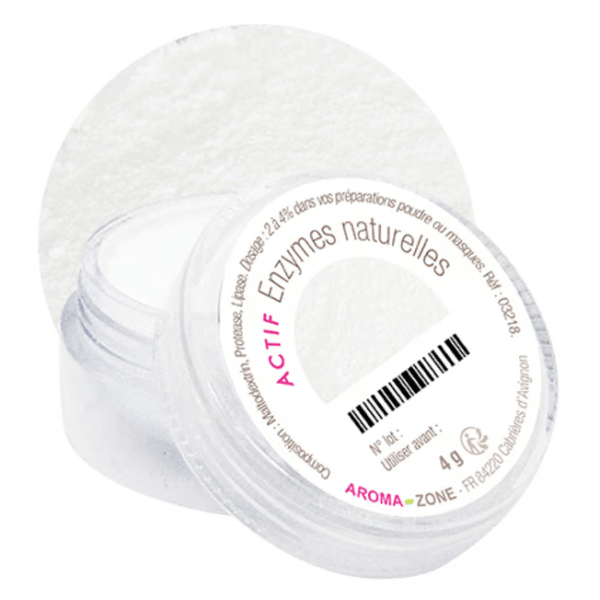
Active natural enzymes: effectively remove dead skin cells, eliminate impurities without causing irritation and restore radiance to dull skin. Add to your powder scrubs, powder cleansers or ‘quick’ face masks, using 2–4 per cent of the total weight of your mixture.
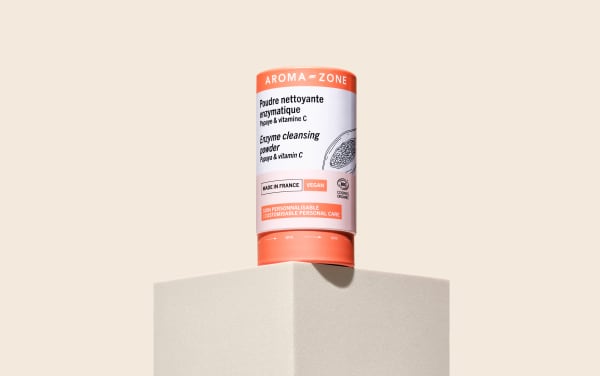
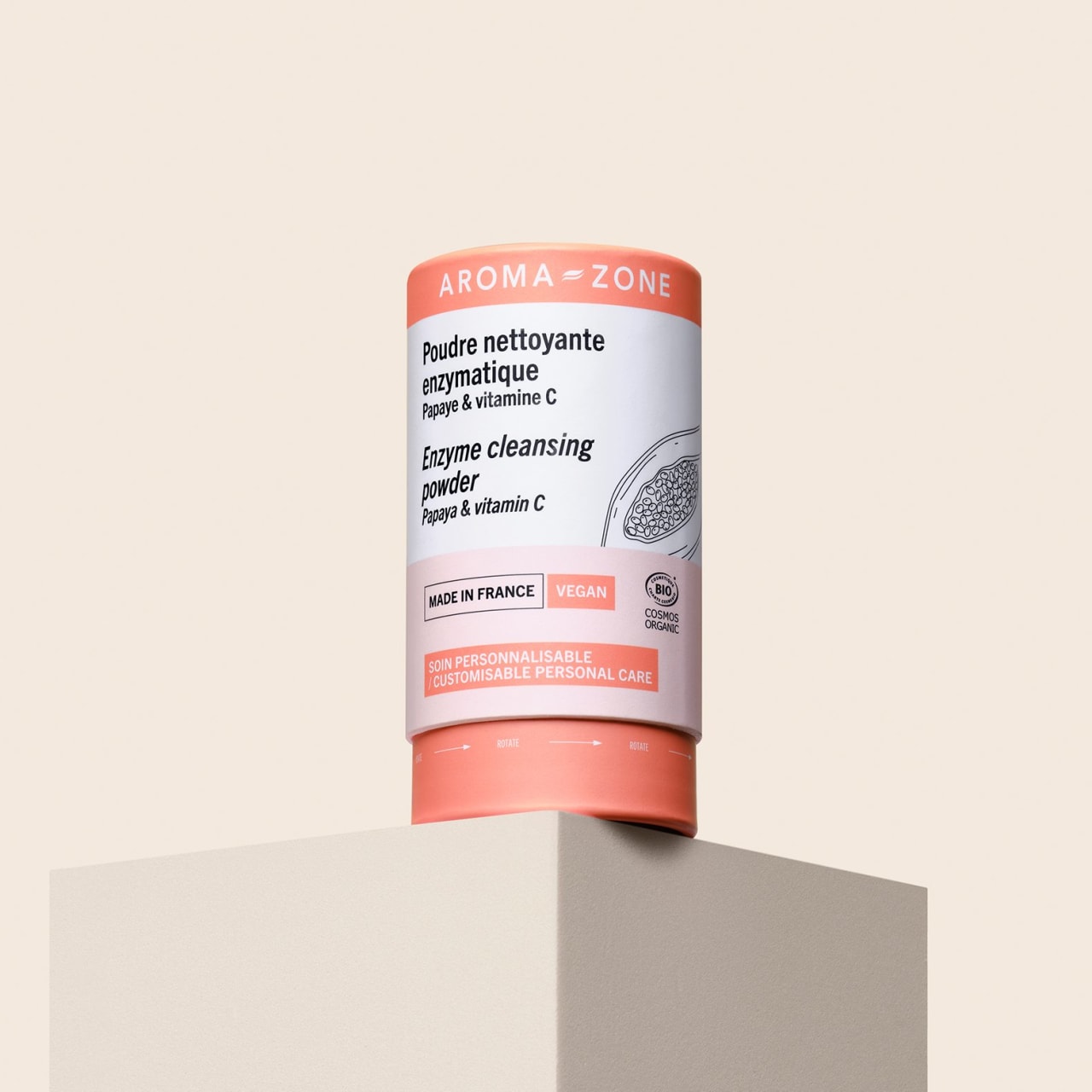
Papaya & Vitamin C Enzymatic Cleansing Powder: unclogs pores and refines skin texture through a grain-free enzymatic exfoliation that is gentle on even the most delicate skin. Rich in antioxidant vitamin C, it boosts radiance and evens out the complexion.
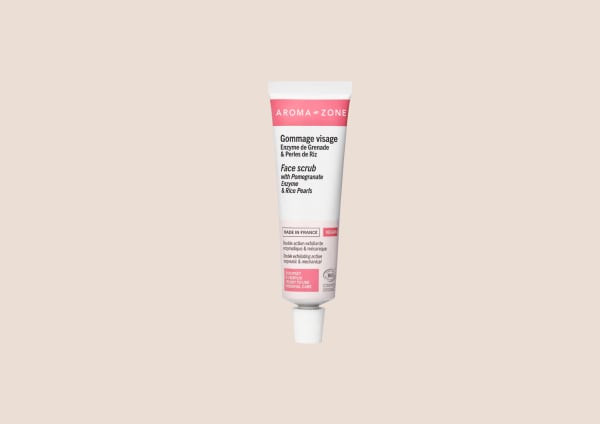
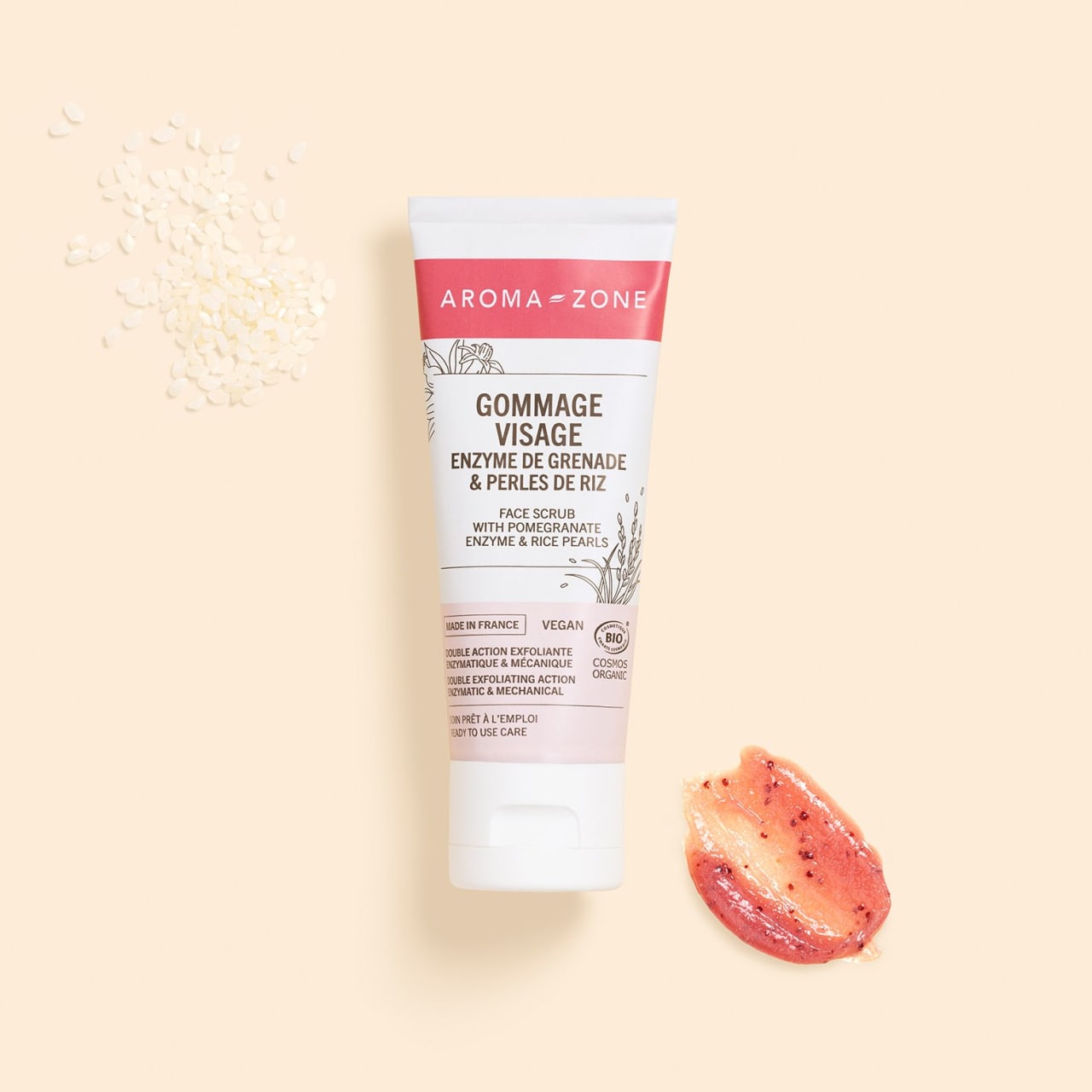
Pomegranate Enzyme & Rice Pearl Facial Scrub: combines mechanical exfoliation with an enzymatic peel, removes dead skin cells and impurities, leaving the skin velvety soft, smooth and radiant.
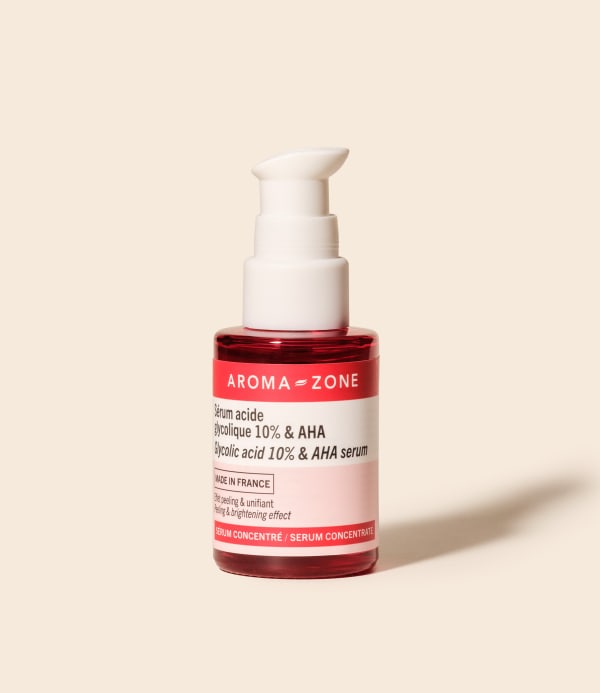
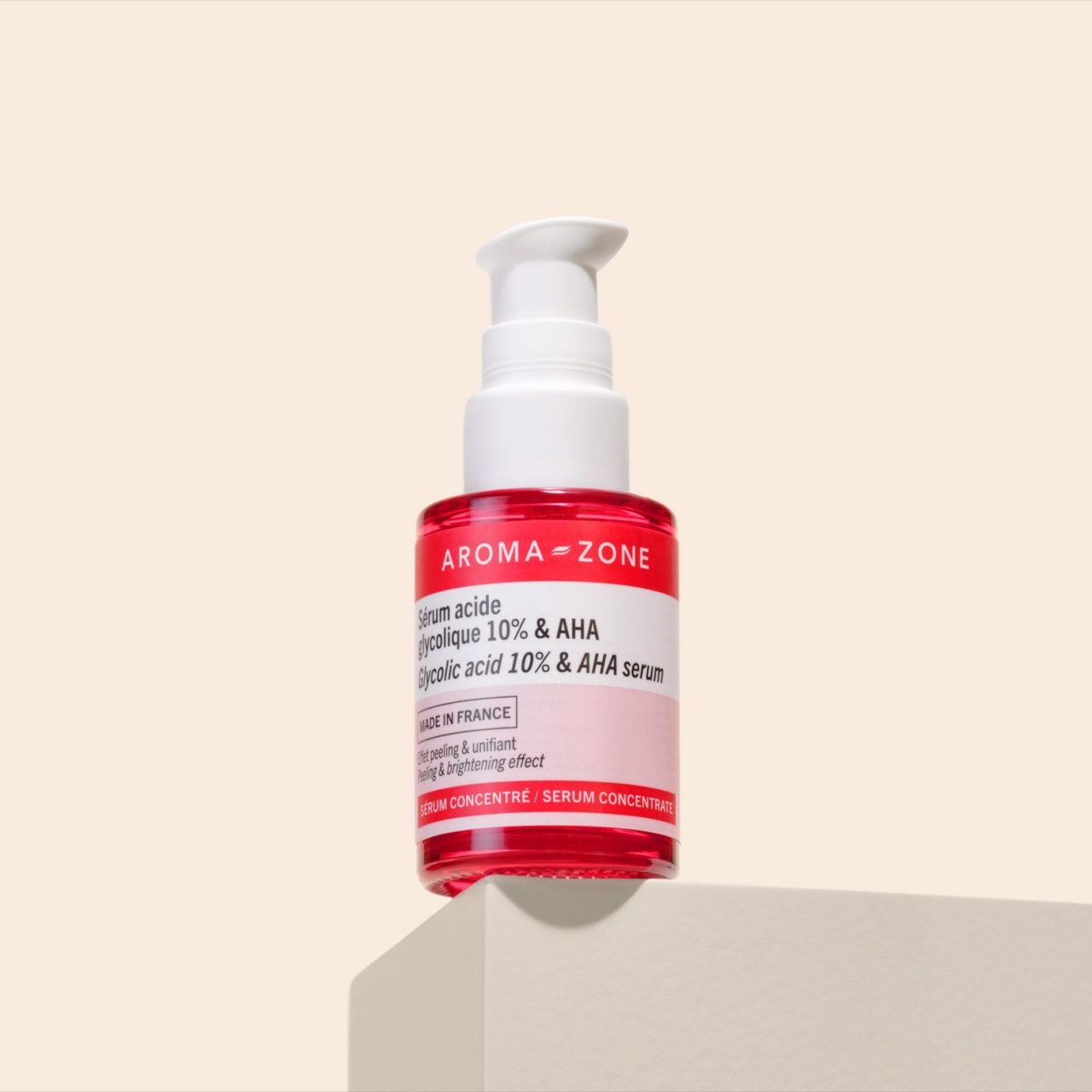
10% Glycolic Acid & AHA Concentrated Serum: used as an intensive 2- to 3-week treatment, this serum removes dead skin cells and stimulates skin renewal, for a radiant, even complexion. Apply in the evening only, and remember to use sun protection the following morning throughout the duration of the treatment.
Precautions
Exfoliation is most effective when carried out at the recommended frequency and whilst paying close attention to how your skin reacts. It is best incorporated into a routine that includes appropriate moisturising, to maintain skin comfort. After exfoliation, sun protection is also recommended, as the skin may be more sensitive to external irritants.
Expert advice
Observing your skin over several weeks allows you to distinguish between an immediate, often temporary effect and a more lasting improvement in texture and radiance. The frequency and type of exfoliation should be tailored to your skin type: skin prone to blemishes can benefit from gentle, regular exfoliation, whilst sensitive skin is better suited to less frequent, friction-free methods (1). In all cases, adjusting your routine as the seasons change remains essential for maintaining the skin’s balance. In summer, it is advisable to space out exfoliation sessions and opt for gentle, natural exfoliants.
Spotlight on Our Writer: Louise Hourcade

After graduating from ESCP Business School in 2020, Louise began her career as a writer in 2021. Today, she writes a newsletter where she shares cultural recommendations and more personal articles, such as dating apps, therapy, and career guidance. She also writes for the media, brands and agencies on subjects such as well-being, mental health, culture, and society.
Bibliography
Dermatologists’ perspectives on daily gentle exfoliation for sensitive and oily/acne-prone skin
Insights from a national survey, Cosmoderma https://cosmoderma.org/dermatologists-perspectives-on-daily-gentle-exfoliation-for-sensitive-and-oily-acne-prone-skin-insights-from-a-national-survey/
Behalpade S, Gajbhiye S. Review article
Skin care with exfoliation process. Int J Curr Sci (IJCSPUB). 2022;12:372. https://rjpn.org/ijcspub/papers/IJCSP22B1150.pdf
DeHaven, C. (2015)
Mechanisms of exfoliation. Science of Skincare. https://isclinical.com.my/wp-content/uploads/2016/06/WhitePaper_MechanismsOfExfoliation_Jan2015_1_.pdf
Pan, L., & Petermann, C
(2022). Skincare: The Path to Beautiful Skin. Albin Michel. https://books.google.com/books?hl=fr&lr=&id=sWyXEAAAQBAJ&oi=fnd&pg=PA3&dq=exfoliation+de+la+peau&ots=Yvkwz2AMlE&sig=l0AXe3bHNNK5gJC5GqbJpQUQPSI
Skin ageing and topical rejuvenation strategies Open Access, Tamara W Griffiths, Rachel E B Watson, Abigail K Langton
https://academic.oup.com/bjd/article/189/Supplement_1/i17/7333865
How to safely exfoliate at home, American Academy of Dermatology
https://www.aad.org/public/everyday-care/skin-care-secrets/routine/safely-exfoliate-at-home
From skincare to surgery – South Korea’s influence in beauty and health tourism
https://www.researchgate.net/publication/388996626_From_skincare_to_surgery_-_South_Korea%27s_influence_in_beauty_and_health_tourism