
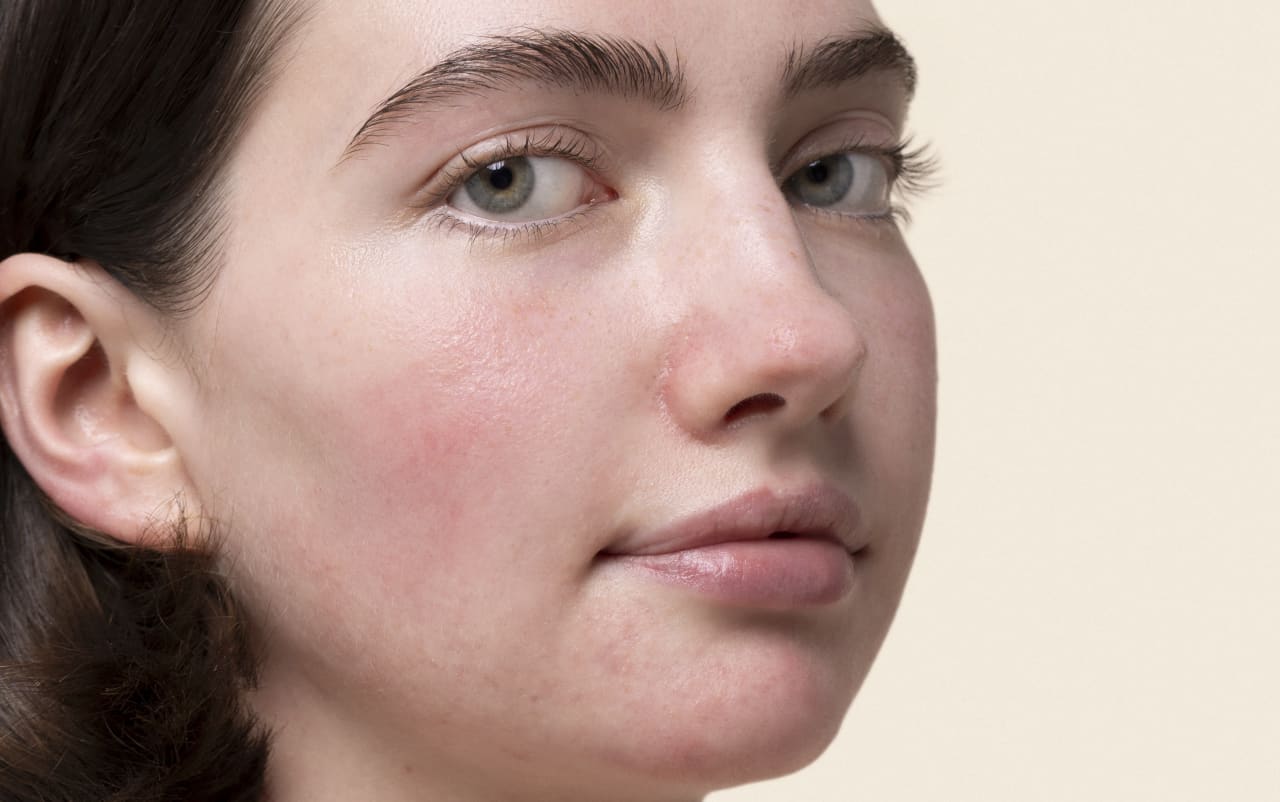
What mistakes should you avoid in your anti-dryness skincare routine?
Published on: Thursday, October 01, 2026, Updated on: Tuesday, October 13, 2026
Delicate and fragile despite its beauty, dry skin presents a paradox: whilst it craves skincare to maintain its comfort, it can suddenly become unable to tolerate even a single product overnight. This is why certain mistakes made as part of an anti-dryness skincare routine can quickly tip the balance in the wrong direction. Nourishing your dry skin isn’t enough if, at the same time, you subject it to practices that go against its delicate nature. To help you maintain comfort and suppleness day in, day out, we’ve compiled a list of all those little, often underestimated irritants that risk exacerbating its imbalances. Instead, we suggest a simple, gentle routine based on respecting and repairing the skin barrier.
Contents
Related products
Makeup remover
Nourishing
£9.00
100 ml
Cleansing
Makeup remover
£10.00
80 ml
Soothing
Anti-ageing
£13.00
100 ml
Moisturising
Plumping
£6.50
30 ml
3 options
Anti-blemishes
Purifying
£5.50
50 g
In brief
The main mistakes in an anti-dryness skincare routine occur during the key step of cleansing, which is the most delicate for dry skin.
Consistent application and gentle skincare are essential for helping dry skin feel more comfortable.
The whole point of a routine for dry skin centres on the skin barrier; the aim is not just to moisturise it, but to maintain its overall integrity.
Which skincare mistakes make dry skin worse?
The main mistakes are those that exacerbate dehydration by stripping the stratum corneum of its natural oils or by failing to follow a regular routine.
Cleansing your skin with unsuitable products is probably the number one mistake to avoid in a facial skincare routine designed to combat dryness. The nature of the cleansing products used seems even more important than the frequency of cleansing. Research shows, in particular, that the type of surfactant used and the pH of the formula have a real impact on skin dryness (4).
Using water that is too hot for prolonged periods is also not recommended for dry skin, whether on the face or the body. Hot water accelerates dehydration, intensifies redness and alters the pH of the skin’s surface (6), with these effects potentially occurring as early as 37 °C (7).
Over-exfoliating is a third mistake. The problem is not exfoliation itself, but its frequency or intensity, especially if it forms part of a routine that is already irritating. Mechanical exfoliation, in particular, is known to weaken the skin’s barrier function (8).
Not using moisturiser often enough is another underestimated mistake. Unlike the first mistake we’ve discussed, a study shows that applying moisturiser regularly is more effective at reducing skin dryness than choosing a specific formula (10), although rich, occlusive creams are still preferable.
Finally, using too many sensitising active ingredients can worsen the overall condition of dry skin. Retinoids, for example, list xerosis amongst their adverse effects (11). The use of multiple irritating agents or perfumed skincare products also contributes to problems of skin dryness (12).
You may be making these mistakes if:
Tightness : your dry skin consistently feels tight after cleansing
Worsening condition : your skin’s condition seems to be getting worse despite following a skincare routine
Persistent discomfort: your discomfort persists even when you use moisturisers.
Why is cleansing such a delicate process for dry skin?
Cleansing and the surfactants traditionally used in cleansers create further imbalance in dry skin, the effects of which are cumulative.
Why does cleansing too often or too vigorously dry out the skin?
Most of the mistakes to avoid in an anti-dryness skincare routine centre on the key step of make-up removal and cleansing. The whole point of this preliminary step is to remove impurities and oils (sebum, sun filters, make-up) that coat the skin. In dry skin, which is already characterised by a fragile lipid balance, there is a risk that cleansers will strip away what little protective lipids remain and further weaken the skin barrier. The more this barrier is compromised, the faster moisture escapes and the more severe the dryness becomes.
Furthermore, the effects of inappropriate cleansing are cumulative. Even slightly aggressive cleansing, provided it remains an occasional occurrence within a routine, causes temporary discomfort that the skin can still manage to repair. However, the skin’s recovery may take longer and be more complicated if a daily routine subjects it to several simultaneous stresses, such as double cleansing, harsh surfactants, exfoliants and rinsing with hot water (5).
Which harsh ingredients dry out the skin on the face?
Among the culprits behind this phenomenon are surfactants. These are ingredients capable of dissolving oils, which give your cleansers their cleansing power. However, some of them, when used repeatedly or in high concentrations, can disrupt the lipid phase of the stratum corneum and, in doing so, increase skin permeability.
There is a tendency to summarise this disruption as lipid stripping; in reality, however, this process remains selective and moderate (1). The worsening of dryness actually stems from several simultaneous mechanisms: surface ‘degreasing’, but also, at a deeper level when surfactants penetrate the structure of the stratum corneum, an overall disruption of the lipid matrix, resulting in particular from changes in the composition of these lipids (2).
Rest assured: just because you have dry skin does not mean you have to ban all surfactants from your skincare routine. Two surfactants can behave very differently on the skin, even within the same family known to be particularly harsh, such as the anionic group (3). Some surfactants are gentle enough to cleanse dry skin effectively whilst minimising damage to its fragile lipid barrier.
What is the best way to moisturise your face?
Before you even think about moisturising, the priority is to do everything possible to prevent an increase in insensible water loss and to preserve what remains of the lipids in the skin barrier.
Opt for a gentle cleanser that produces little lather, formulated with mild surfactants and used with lukewarm water. Cleansers containing emollients in their formula are also a good option for removing impurities without disrupting the balance of the stratum corneum (13). When drying, act immediately – without allowing the water to evaporate on its own – by gently patting the skin with a towel (rather than rubbing).
Make moisturising the centrepiece of your routine, tailoring the type of formula, the amount and the frequency of application to the actual needs of your dry skin (apply generously and more than twice a day if necessary). Where possible, choose moisturisers that combine humectants, emollients, occlusive agents and biomimetic lipids to address several mechanisms associated with dry skin.
Prioritise a skincare routine that is gentle on the skin, favouring simplicity over excessive layering. As dryness and sensitivity are linked, it is best to stick to basic steps and well-formulated products, free from sensitising additives. Even when adapting your skincare routine, it is essential to remain attentive to your skin’s responses so that you can adjust in real time to any signs of imbalance.
Key points to remember for adopting beneficial skincare practices:
Back to basics: the daily aim is to preserve, moisturise and protect.
Minimalism : gentleness and simplicity take precedence over trends and artificiality.
Personalisation : your skin’s reactions guide your choice of skincare routine.
See also: Why does my skin remain dry despite using a moisturiser?
Our recommended products
Remove make-up and cleanse without drying out the skin
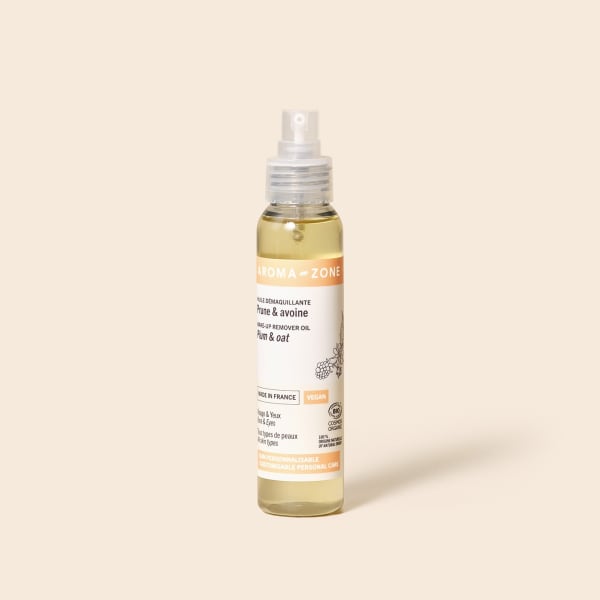
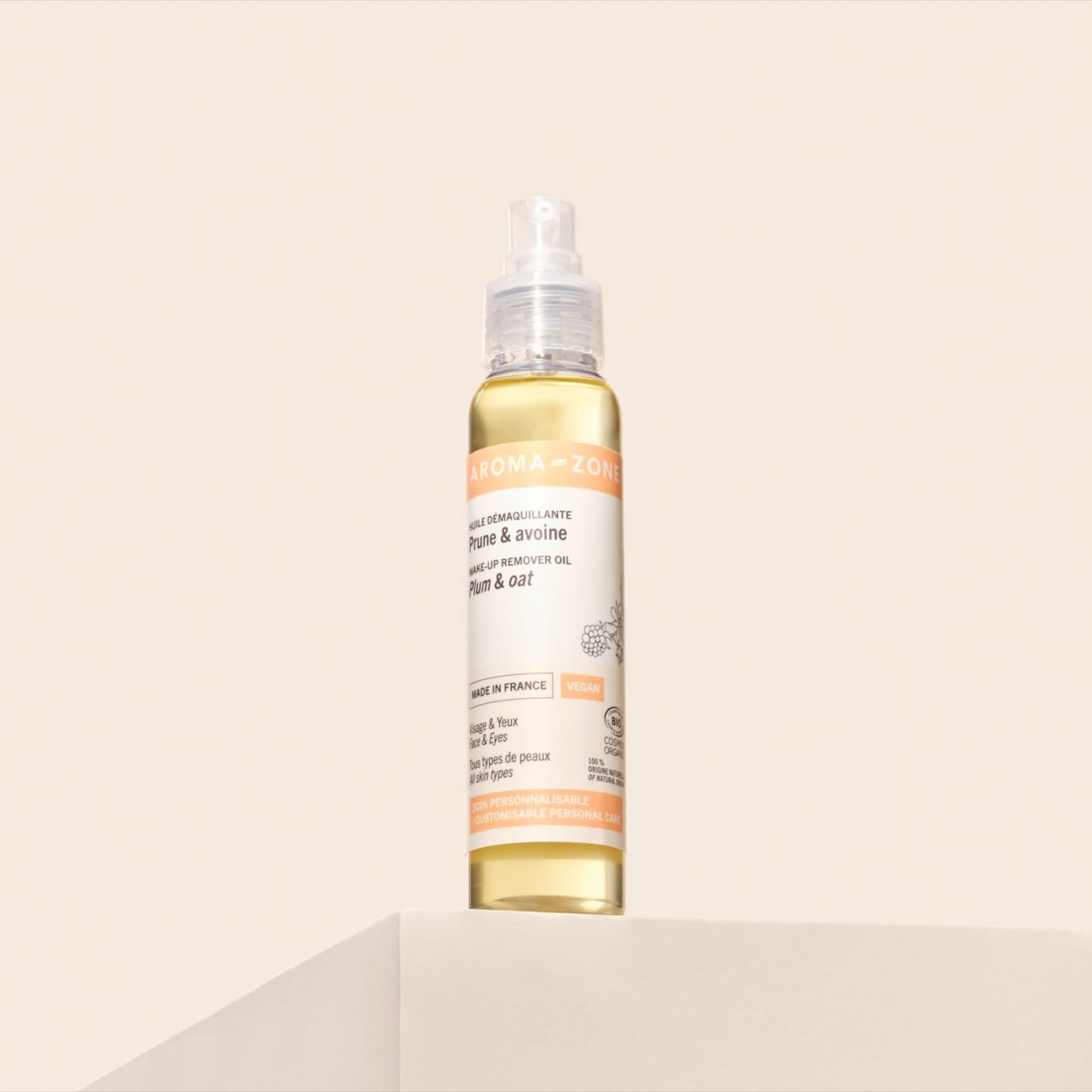
Plum & Oat Cleansing Oil : Its minimalist formula, containing four precious oils, effectively removes make-up whilst nourishing the skin for optimal comfort. Striking the perfect balance between effectiveness and gentleness, it removes even waterproof make-up from the face, eyes and lips without damaging the skin’s hydrolipidic film. Fragrance-free and free from essential oils.
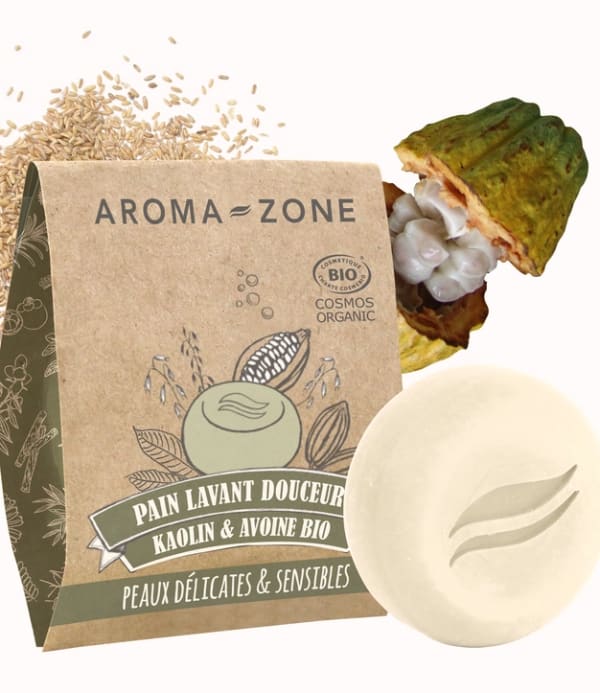
Gentle Soap-Free Cleansing Bar with Organic Kaolin & Oats : Formulated without soap, this cleanser is based on an innovative, patented formula containing gentle cleansing agents that respect the skin’s hydrolipidic film. Designed for sensitive skin, it is enriched with nourishing and softening active ingredients to cleanse the skin without drying it out, leaving it feeling velvety soft. Physiological pH.
Discover the Gentle Soap-Free Cleansing Bar with Organic Kaolin & Oats
Improving surface hydration
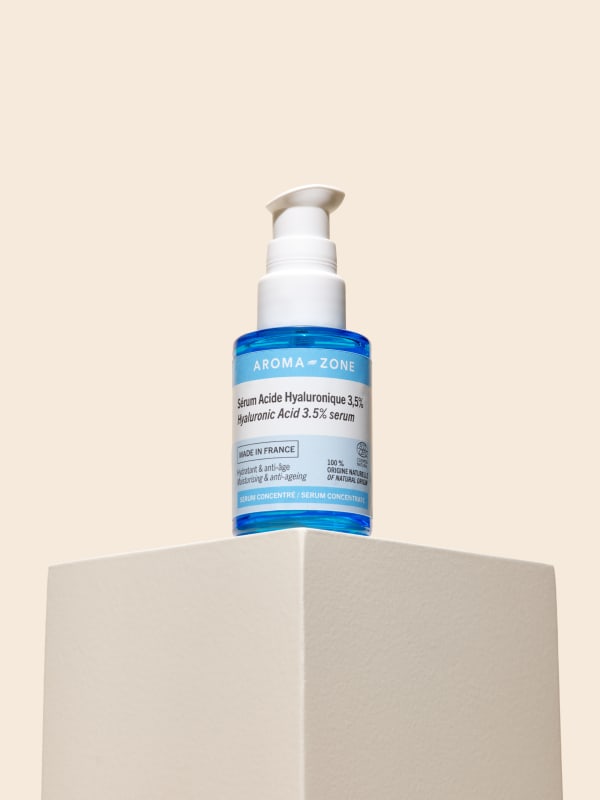
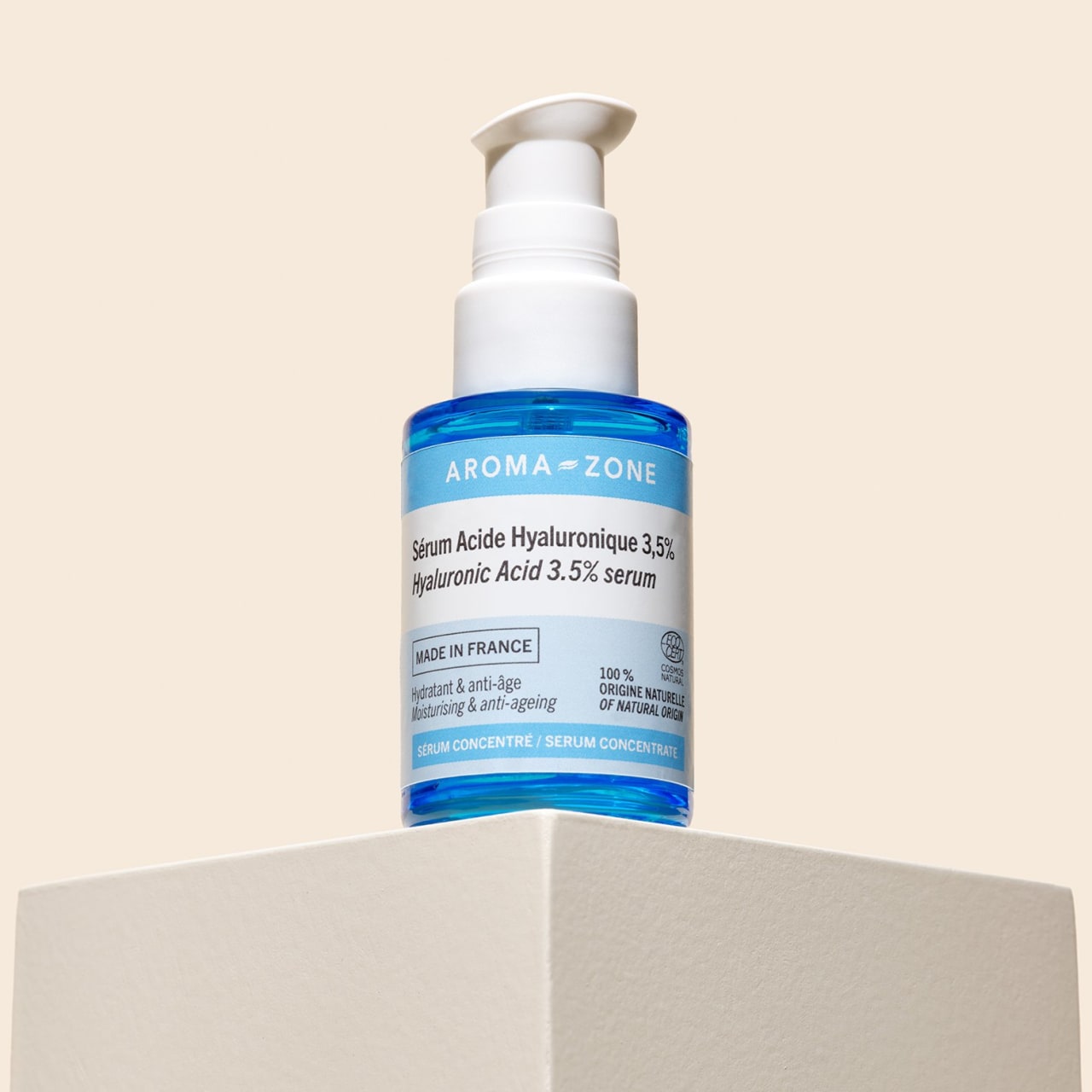
3.5% Concentrated Hyaluronic Acid Serum: Acting as both a moisturiser and an anti-ageing treatment, it helps improve skin elasticity and smooth out the appearance of wrinkles. Suitable for all skin types, its gel-like texture absorbs quickly and leaves the skin feeling comfortable, without causing any tightness. Alcohol-free.
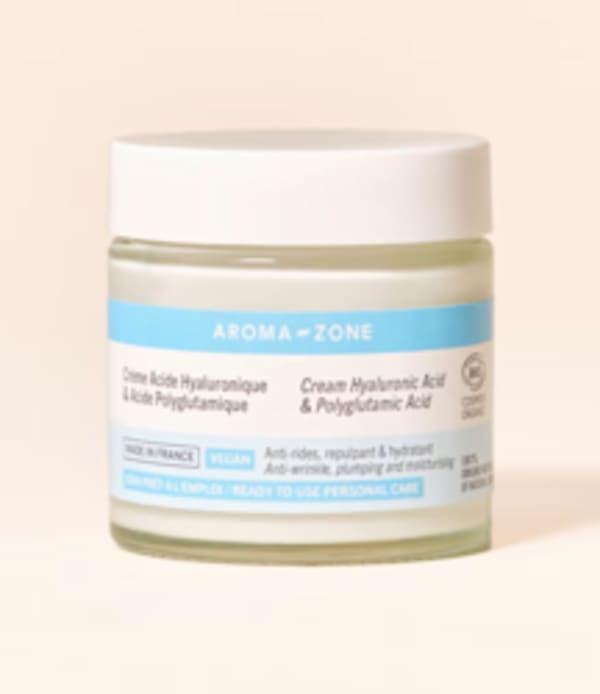
Hyaluronic Acid & Polyglutamic Acid Cream: Effective against dryness and tightness, it provides immediate hydration that lasts for up to 48 hours after application. Its enhanced moisturising action gives a ‘baby-soft skin’ effect with a rich, creamy texture that instantly protects the skin barrier, without leaving the skin feeling greasy.
Strengthen the hydrolipidic film
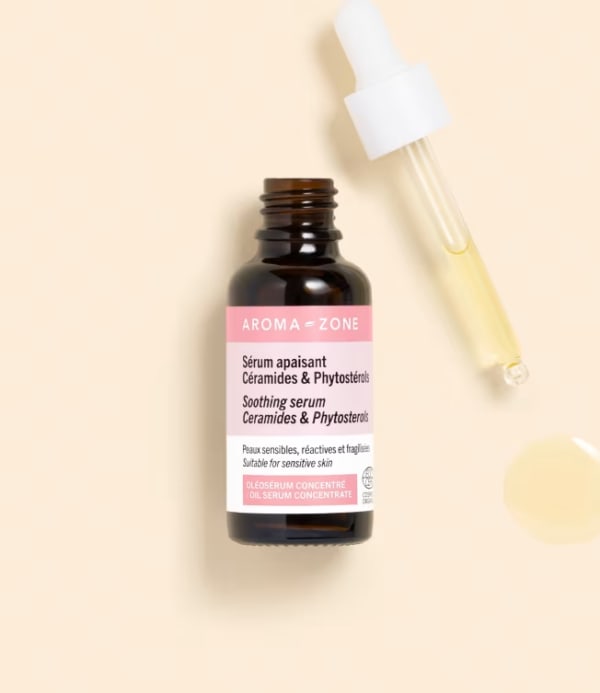
Soothing Ceramides & Phytosterols Oil Serum: This high-tolerance skincare product is ideal for dry to very dry skin, as well as for reactive skin. Formulated with biomimetic active ingredients, it combines lipid-replenishing and protective properties that strengthen the skin barrier whilst instantly soothing redness, tightness and itching. Non-comedogenic.
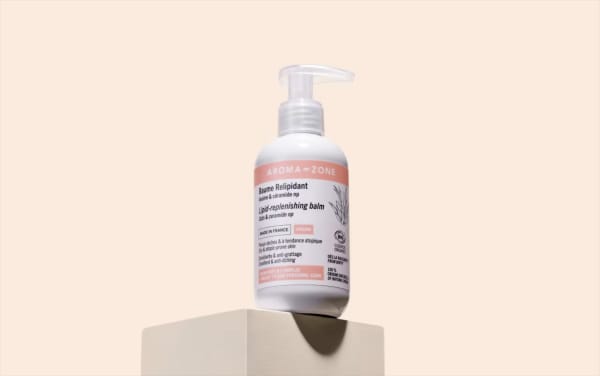
Oat & Ceramide NP Lipid-Restoring Balm: 2 Formulated with 35 per cent lipid-restoring nourishing complex, it has been proven effective at reducing dryness, soothing redness and discomfort, and repairing the skin barrier. Its fluid, enveloping texture is ideal for providing enhanced protection for dry and demanding skin. Suitable for use on the face and body.
A dermatologist’s advice
Physical factors tend to exacerbate the discomfort of dry skin: wind, cold, repeated contact with water, and friction. As for cleansing, it should be gentle (non-detergent, without exfoliation), and carried out at an appropriate frequency (generally once a day, to be adjusted according to individual circumstances and activities).
Dr Reyhan Amode, dermatologist and member of the Aroma-Zone College of Dermatologists
Precautions
Mistakes in an anti-dryness skincare routine are fairly easy to spot. Even if you haven’t made any of the mistakes listed in this guide, the fact that your skin is red, flaky or stinging is an important warning sign. It means that something in your routine isn’t right for your skin. If the problem persists even after you’ve stopped the step or product in question, we advise you to consult a dermatologist to rule out the possibility of dermatitis.
Expert advice
Soap and volatile alcohols, whilst they may be beneficial in other circumstances, should be avoided for dry skin. Just make sure you don’t confuse the two: a superfatted soap can be perfectly acceptable (as the extra fat helps to counteract the stripping effect of soaping), whilst fatty alcohols (such as cetearyl alcohol) are beneficial thanks to their emollient properties.
Spotlight on Our Writer, Hélène Betoux

Hélène Betoux is a French beauty journalist specialising in digital media. She writes practical tips, advice and guides to help readers choose the right beauty products. Passionate about natural, organic and clean beauty, she explores the latest trends and innovations in the industry.
Bibliography
Froebe, C L et al. “Stratum corneum lipid removal by surfactants: relation to in vivo irritation.” Dermatologica vol. 181,4 (1990): 277–83. doi:10.1159/000247822
Fulmer, A W, and G J Kramer. “Stratum corneum lipid abnormalities in surfactant-induced dry scaly skin.” The Journal of Investigative Dermatology vol. 86, no. 5 (1986): 598–602. doi:10.1111/1523-1747.ep12355351
Kawasaki, Y et al. “Electron resonance studies on the influence of anionic surfactants on human skin.” Dermatology (Basel, Switzerland) vol. 194,3 (1997): 238–42. doi:10.1159/000246110
Ananthapadmanabhan, K P et al. “Cleansing without compromise: the impact of cleansers on the skin barrier and the technology of mild cleansing.” Dermatologic Therapy vol. 17 Suppl 1 (2004): 16–25. doi:10.1111/j.1396-0296.2004.04s1002.x
Grunewald, A M et al. “Damage to the skin caused by repetitive washing.” Contact Dermatitis vol. 32, no. 4 (1995): 225–32. doi:10.1111/j.1600-0536.1995.tb00673.x
Herrero-Fernandez, Manuel et al. “Impact of Water Exposure and Temperature Changes on Skin Barrier Function.” Journal of Clinical Medicine vol. 11, no. 2, 298. 7 Jan. 2022, doi:10.3390/jcm11020298
Davies, Mark A. “Cleansing-induced changes in skin measured by in vivo confocal Raman spectroscopy.” *Skin Research and Technology: Official Journal of the International Society for Bioengineering and the Skin (ISBS) [and] the International Society for Digital Imaging of Skin (ISDIS) [and] the International Society for Skin Imaging (ISSI)*, vol. 26, no. 1 (2020): 30–38. doi:10.1111/srt.12760
Kikuchi, Kenji et al. “Vulnerability of the skin barrier to mechanical rubbing.” International Journal of Pharmaceutics vol. 587 (2020): 119708. doi:10.1016/j.ijpharm.2020.119708
Appa, Y. “Retinoid therapy: compatible skin care.” Skin Pharmacology and Applied Skin Physiology vol. 12,3 (1999): 111–9. doi:10.1159/000029864
Shim, J H et al. “Moisturisers are effective in the treatment of xerosis regardless of their specific formulation: results from a prospective, randomised, double-blind controlled trial.” Journal of the European Academy of Dermatology and Venereology: JEADV vol. 30,2 (2016): 276–81. doi:10.1111/jdv.13472
Narsa, Angga Cipta et al. “A Comprehensive Review of the Strategies to Reduce Retinoid-Induced Skin Irritation in Topical Formulations.” Dermatology Research and Practice vol. 2024 5551774. 17 Aug. 2024, doi:10.1155/2024/5551774
Johansen, Jeanne D. “Fragrance contact allergy: a clinical review.” American Journal of Clinical Dermatology vol. 4, no. 11 (2003): 789–98. doi:10.2165/00128071-200304110-00006
Subramanyan, Kumar. “Role of mild cleansing in the management of patient skin.” Dermatologic Therapy vol. 17 Suppl 1 (2004): 26–34. doi:10.1111/j.1396-0296.2004.04s1003.x

Frequently Asked Questions
Associated tips
Beauty Tips
Face care tips


