
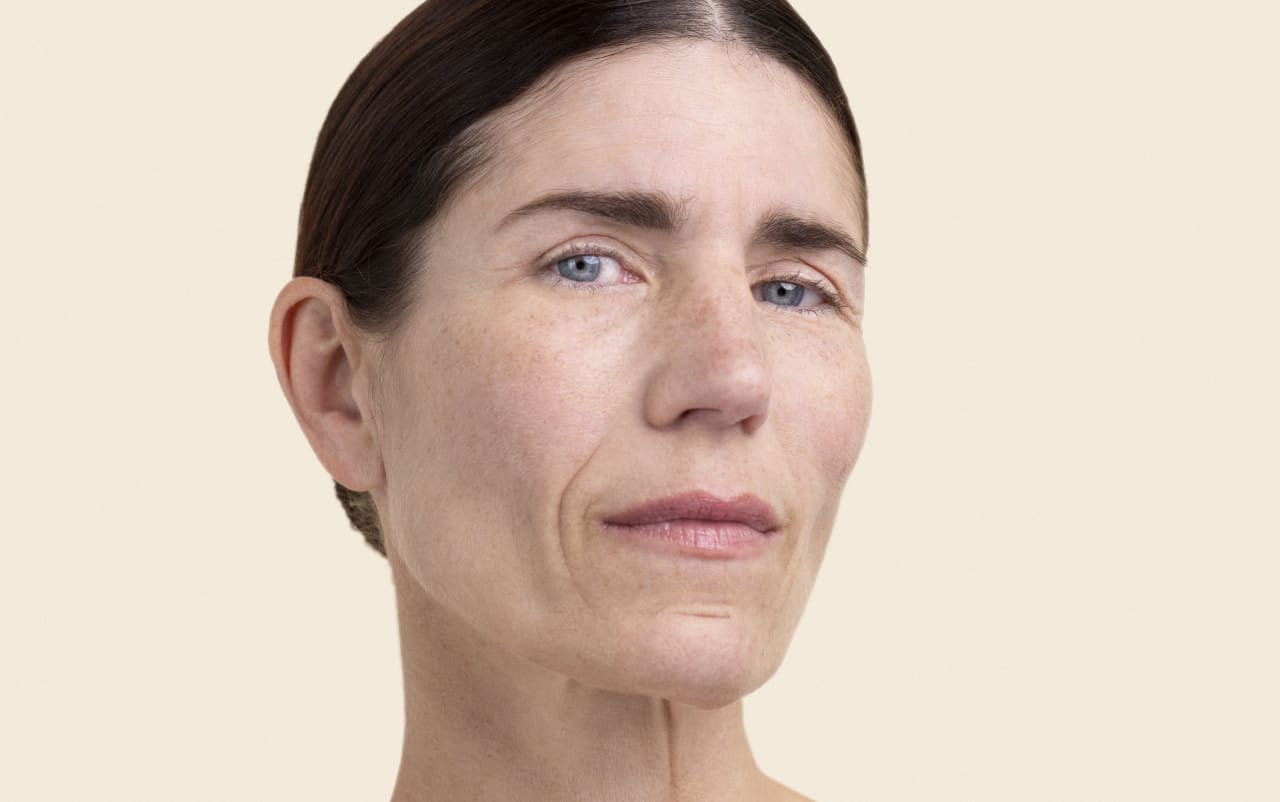
Why does my skin remain dry even though I use a moisturiser?
Published on: Wednesday, September 02, 2026, Updated on: Friday, October 09, 2026
If your skin remains dry despite using a moisturiser, listen to it: it’s trying to tell you that it’s not comfortable. Something in your skincare routine must be contributing to or exacerbating its imbalance. Quite often, paradoxically enough, it is your moisturiser itself that is to blame. Not because it’s ineffective, not expensive enough or too basic, but because it doesn’t provide your skin barrier with what it really needs. There’s no need to change your moisturiser every other day or pile on active ingredients; a consistent, minimalist approach is far more effective for managing dry skin with ease. Here are our answers to the questions you’re asking, backed up by the latest findings from dermatological research.
Contents
Related products
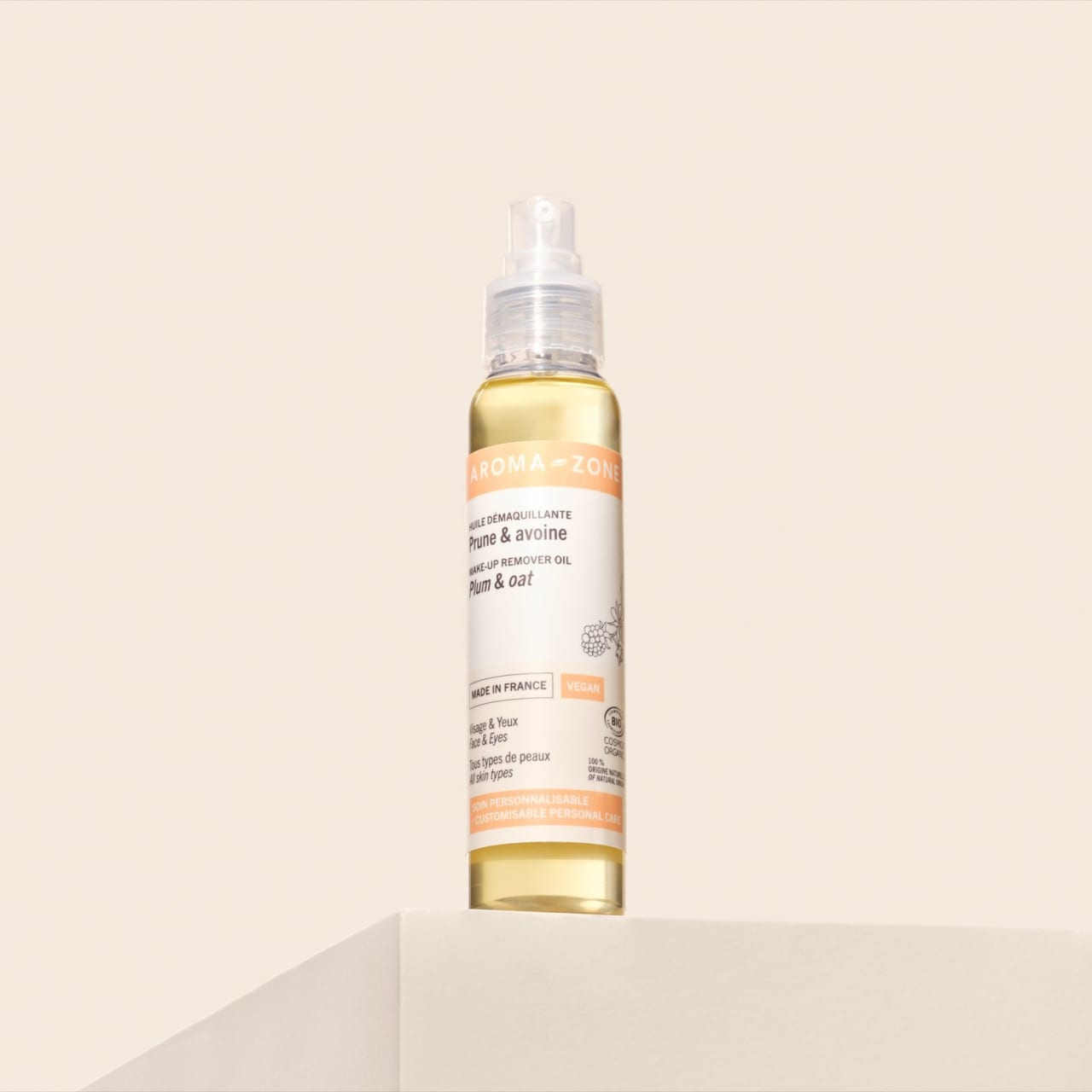
Plum & Oat Make-Up Remover Oil
Makeup remover
Nourishing
£9.00
100 ml
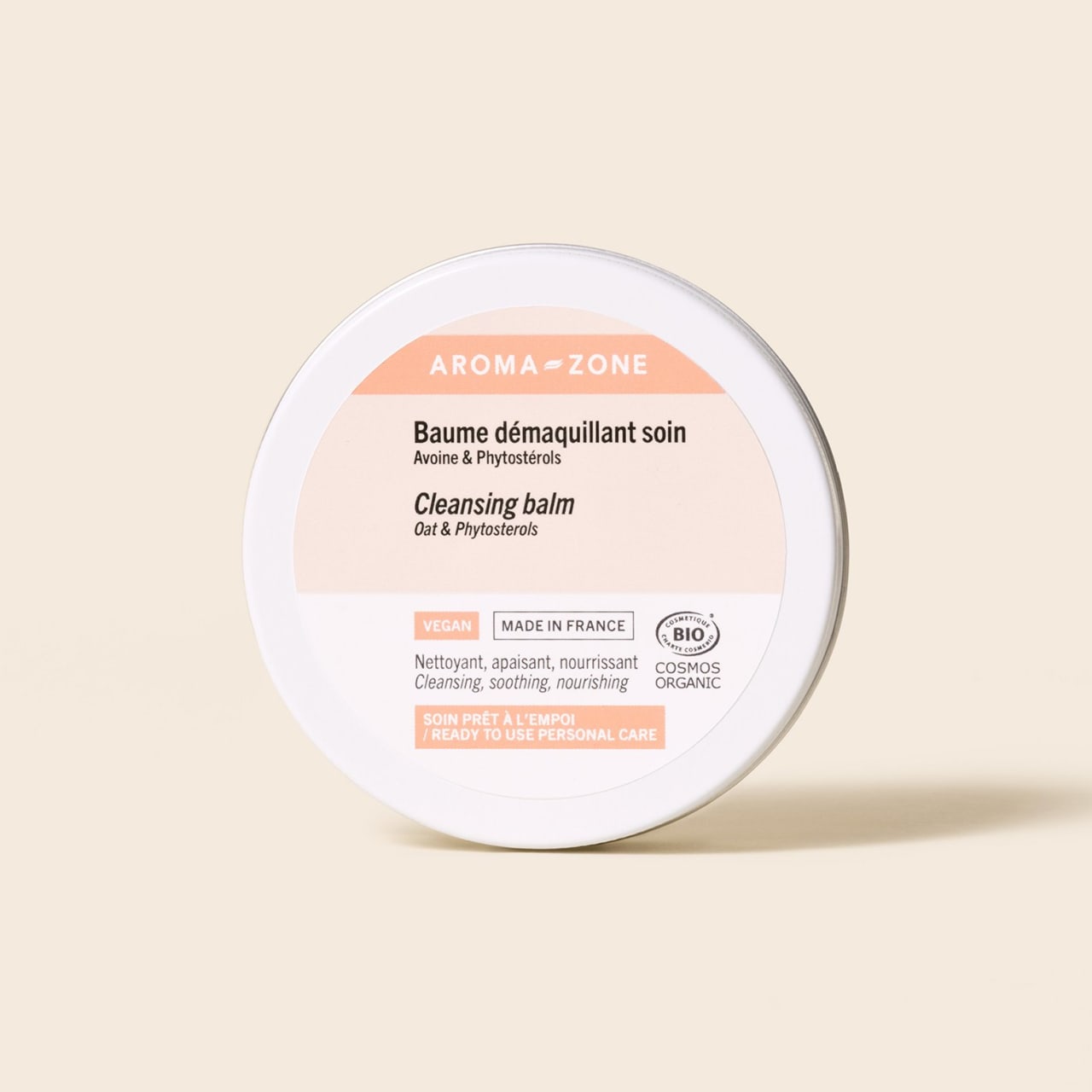
Oat & Phytosterols Makeup Removing Balm
Cleansing
Makeup remover
£10.00
80 ml
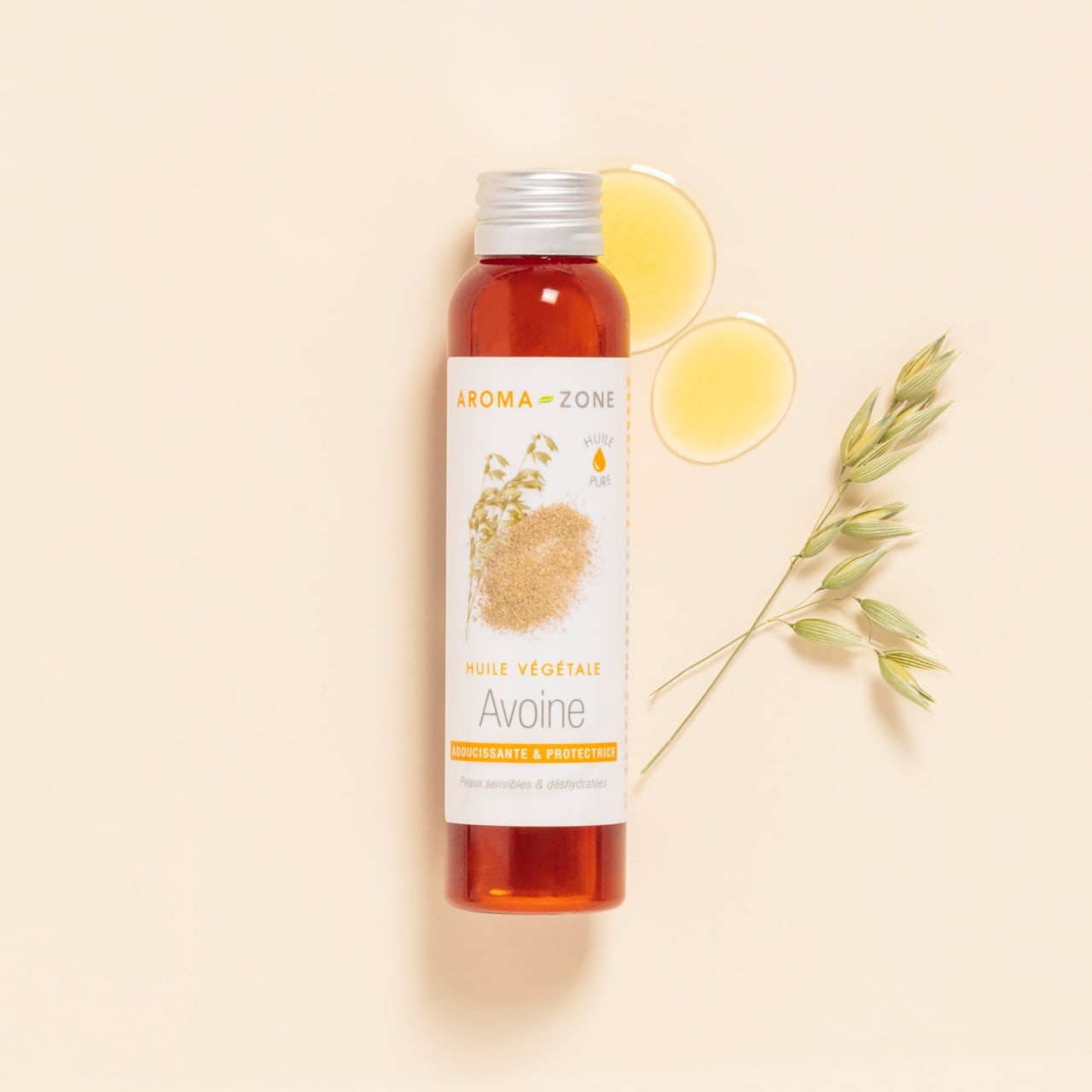
Oat Oil
Soothing
Anti-ageing
£13.00
100 ml
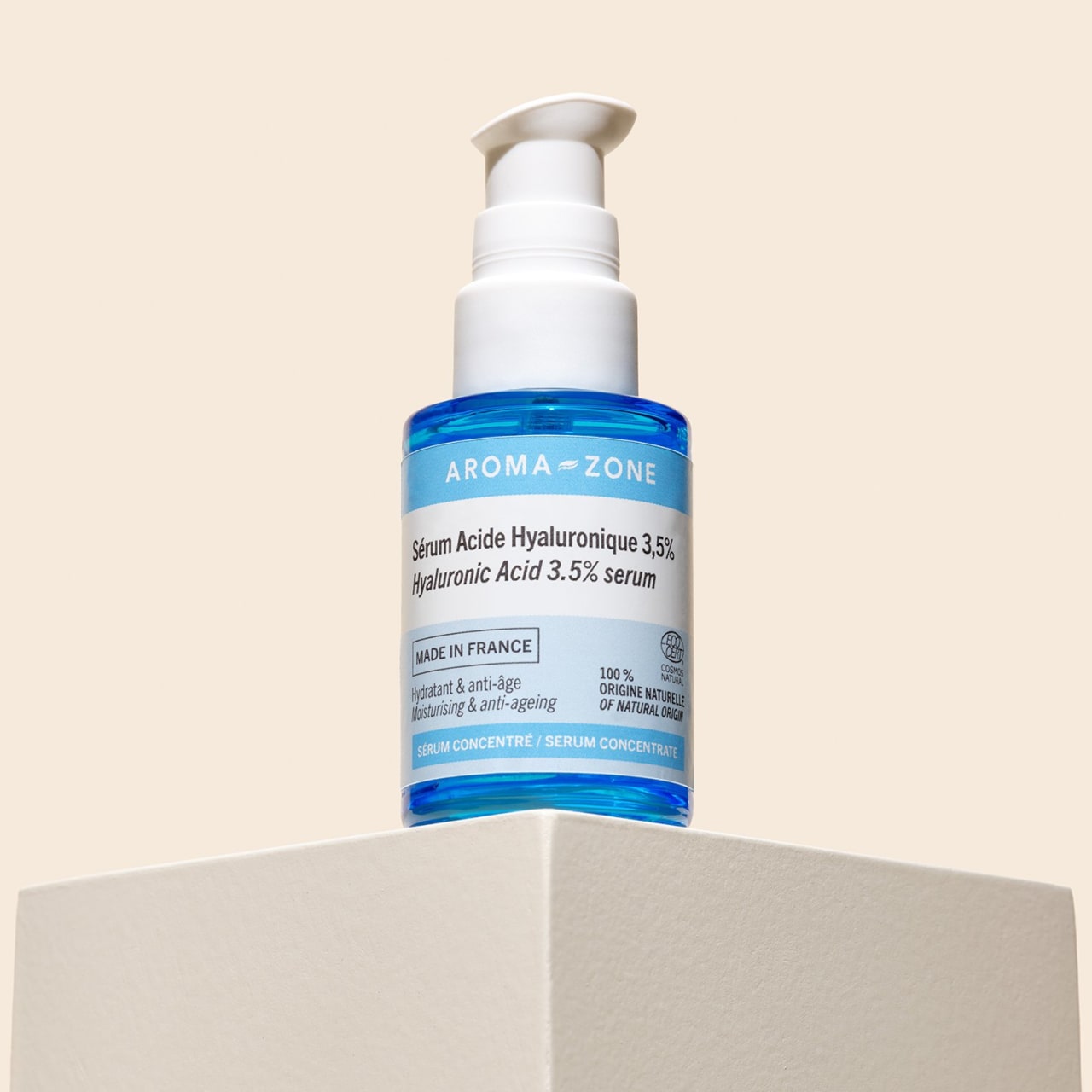
Hyaluronic Acid 3.5% Serum
Moisturising
Plumping
£6.50
30 ml
4 options
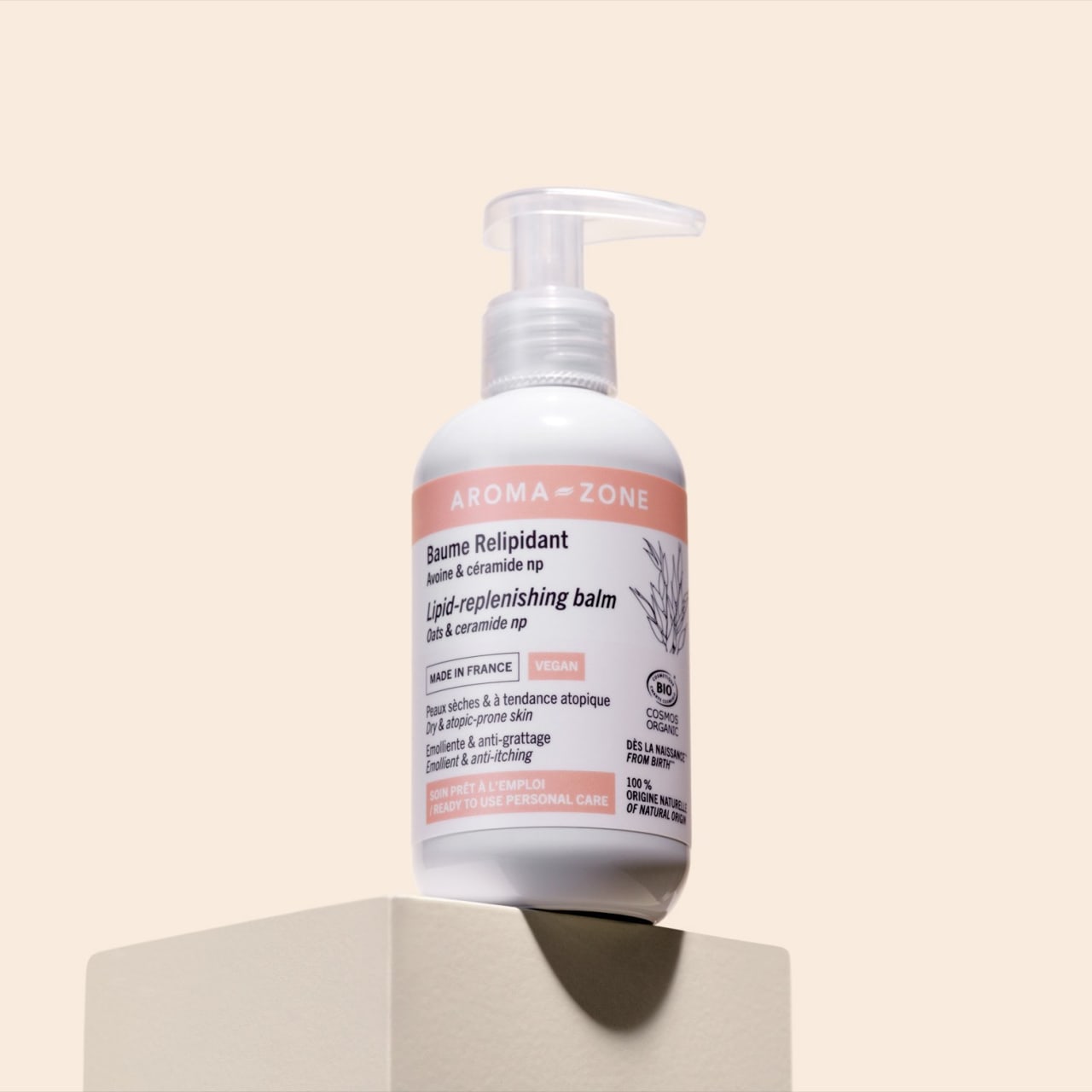
Lipid-Replenishing Balm With Oats & Ceramide NP
Repairing
Nourishing
£12.00
200 ml
In brief
Skin that remains dry despite the use of a moisturiser is skin whose needs are not being fully met.
It is essential to choose a cream that offers a good balance of humectants, emollients and occlusives to strengthen the skin’s protective barrier.
Diet and internal hydration can play a role in skin dryness, although this is sometimes overestimated.
How can I tell the difference between a lack of lipids and a lack of moisture, even though I’m using a moisturiser?
As dry skin can also be dehydrated, it is more useful to focus on the nature and persistence of skin discomfort.
To put it simply, we tend to say that dehydrated skin lacks water and that dry skin lacks lipids. In reality, it can be quite difficult to draw a clear distinction between the two, as dryness and dehydration are based on similar mechanisms. It’s even possible for both conditions to coexist on your skin: in this case, it would be both dry and dehydrated (1).
Does your skin seem to ‘drink up’ your moisturiser? That’s not quite enough of a clue to make a definitive judgement. A moisturiser contains ingredients that can benefit both dehydrated AND dry skin. So, rather than focusing on the distinction between xerosis (dry skin) and a lack of water, we advise you to turn your attention to how your skin feels.
Signs to look out for when you apply your cream
A moisturiser can be a useful tool for identifying any signs of damage to the skin barrier.
If applying your usual cream causes irritation, a burning sensation or itching, your skin barrier is probably damaged. Products specifically designed for dry skin, which provide more intensive care, will be more suitable for you. However, it may be necessary to rule out the possibility of a deeper skin imbalance by consulting a dermatologist first (2).
Skincare products for dry skin will also be more suitable if you feel rough patches, small flakes of dead skin or even cracks beneath your fingers. Skin that is simply dehydrated is generally free from these characteristics. It often looks a little dull and creased. This does not prevent it from feeling slightly tight and uncomfortable, even if it looks shiny.
Good to know: Dehydration is a temporary condition that can affect any skin type, and may come and go depending on skincare routines and the seasons. Dry skin, on the other hand, is often a condition present from birth. The recurring nature of these discomforts requires a real ability to adapt.
What could be the causes of persistent dry skin despite using skincare products?
The formula of your cream isn’t right for you
Lightweight formulas, such as oil-in-water types or those low in occlusive and emollient agents, are often insufficient for dry to very dry skin.
If your skin remains dry despite using a moisturiser, it may simply be that the moisturiser isn’t right for you, or is no longer suitable. A cream is an emulsion that works thanks to the complementary action of its ingredients, including humectants (which attract and retain water in the stratum corneum), emollients (which fill the intercellular spaces) and occlusives (which reduce water loss). The drier your skin appears, the more it needs emollients and occlusives (3).
The presence of humectants remains important in your cream, but it is preferable for it to contain a sufficient amount of lipid components to restore your skin’s barrier function. For very dry skin, dermatologists even recommend water-in-oil formulations (such as cold creams, which are often thick but very effective at reducing the PIE) (3). The majority of creams on the market are oil-in-water formulations, which are lighter and more sensorial.
Good to know: your skin changes with the seasons and as you get older; its moisturising needs naturally change with it. A moisturiser that suited your skin two years ago may no longer be suitable today, as ageing skin tends to become drier (4). Similarly, a moisturiser that provides sufficient coverage in summer may prove too light for winter: you may then feel that your skin remains dry despite using your moisturiser.
Your other skincare products are cancelling out the benefits of your moisturiser
Dry skin can lose moisture more quickly than the cream can retain it due to inconsistencies in your skincare routine.
Of course, your moisturiser is the cornerstone of your skincare routine. However, don’t forget that most of the other products you apply every day can also have an impact on how dry your skin feels. How? By further weakening that skin barrier that you’re trying, as best you can, to ‘repair’ with your day cream and night cream. In this case, it’s not the effectiveness of your moisturiser that’s the issue, but the rest of your skincare routine.
The cleansing stage is probably the trickiest. Certain surfactants found in foaming cleansers disrupt the lipid balance of the stratum corneum. This is a criticism often levelled at traditional soaps, which are also known to disrupt the pH of the skin’s surface (5). As well as the product itself, your technique matters too. Rubbing your skin too hard or rinsing it with water that’s too hot can exacerbate the dryness you’re trying to alleviate.
Extra tip: certain potentially irritating active ingredients can also make the problem worse, and not just in your cleansers. Check that your current lotion, serum or even your cream doesn’t contain any; if it does, this might explain why your skin still feels so dry despite your moisturising routine.
Can diet and internal hydration play a role?
Why is my skin dry even though I’m moisturising it?
It is more effective to use a topical moisturiser than to increase your water intake to reduce dry skin.
Drinking water is, of course, the key to keeping your skin properly hydrated. Your body stores water in your dermis, from where it gradually rises to hydrate the upper layers. When it reaches the stratum corneum, it is normally bound by substances that act like water magnets, whilst the skin’s lipids slow down its natural evaporation.
If this protective barrier no longer functions properly – as is the case with dry skin – then the absorbed water is bound to evaporate very quickly. This is why drinking water is essential, but it is not enough on its own to guarantee perfectly hydrated and comfortable skin.
If you do not drink enough during the day, you can indeed try to increase your fluid intake: a 2018 study suggests this is a worthwhile effort in cases of dry skin, although the evidence remains very limited (6). The most effective way to moisturise remains the application of a cream (7).
Which deficiency causes dry skin?
Persistent dryness is sometimes the result of a deficiency in omega-6, vitamin A, zinc or protein.
There are many nutritional deficiencies that can lead to skin problems such as dryness or dehydration. However, the fact that your skin remains dry despite using a moisturiser does not automatically mean you have a deficiency. It is one possibility amongst many that may be worth exploring with a doctor.
Scientific literature links a deficiency in essential fatty acids in particular to an impairment of the skin’s barrier function, characterised by the presence of flakes and increased transepidermal water loss. Linoleic acid (an omega-6 fatty acid, found in walnuts and in grape seed and safflower oils) is one of the most frequently cited (8). Rest assured: this type of deficiency remains very rare.
It may also be due to a deficiency in vitamin A (9) or protein. Once again, these are observed only in exceptional cases, mainly in instances of malabsorption and malnutrition.
In older people, some researchers have also linked xerosis to zinc deficiency (10).
A dermatologist’s advice
What signs should make you suspect that dry skin isn’t just down to a lack of moisture?
"There are several possible reasons:
Over-cleansing. Dry skin should be cleansed with a gentle, non-detergent cleanser, such as a superfatted soap bar.
Irritation, which manifests as redness and fine flaking accompanying the dryness.
An unsuitable cream formulation. A moisturiser should contain water-retaining ingredients such as hyaluronic acid and fatty acids that limit water loss.
It should be noted that, sometimes, the ‘cream’ formulation can feel uncomfortable: in such cases, it is possible to separate the water-based and oil-based phases by applying a serum followed by an oil or balm.”
Dr Reyhan Amode, dermatologist and member of the Aroma-Zone College of Dermatologists
Which moisturising products should I use to keep my skin soft and comfortable?
The following selection focuses on a balanced combination of humectants and lipid-replenishing agents, which are essential for supporting the skin barrier in dry skin. Gentleness is also key, with a nourishing cleanser that respects the lipid balance of the skin’s surface.
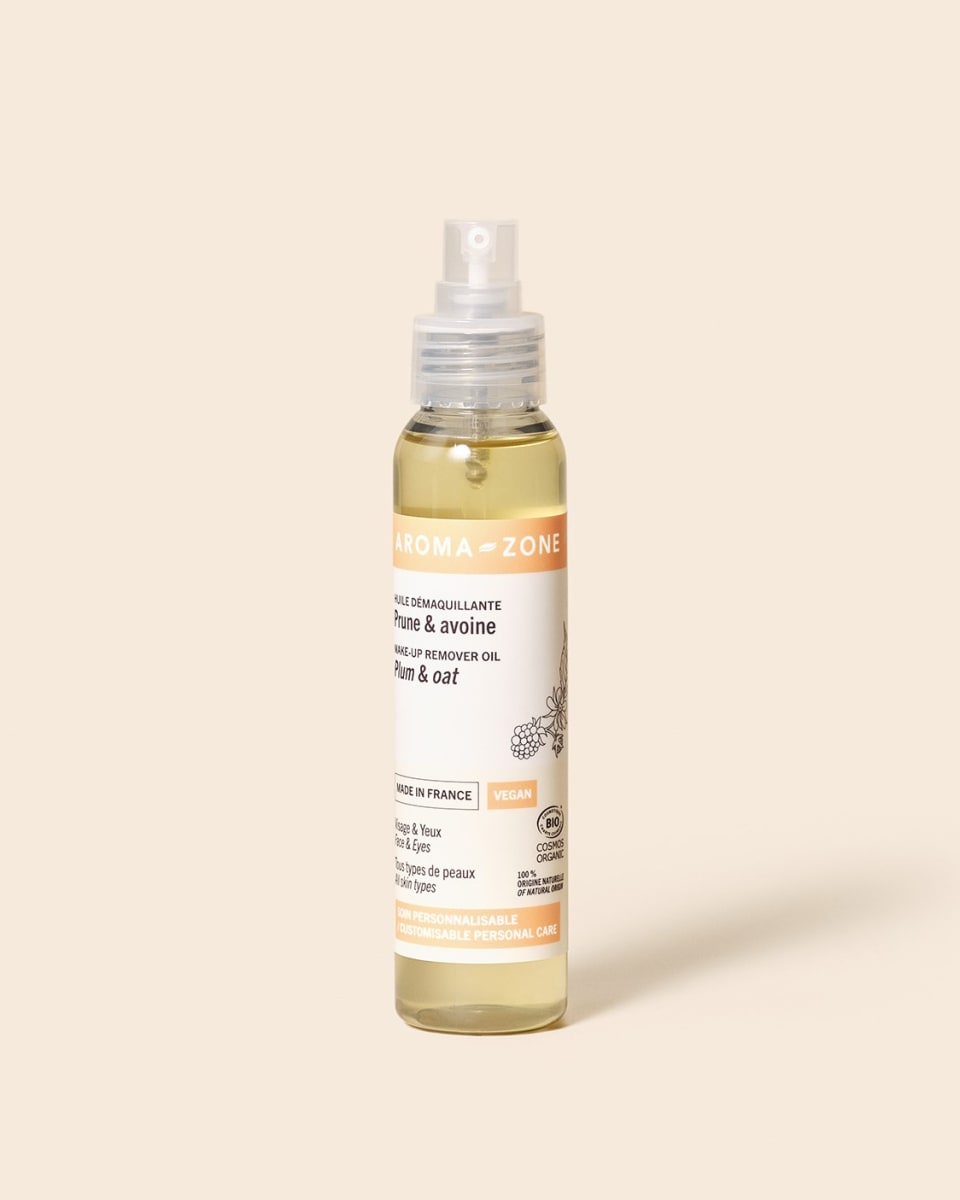
Product spotlight: Plum & Oat Cleansing Oil
A true 3-in-1 treatment, it removes make-up, cleanses and nourishes in a single step. Use it in the morning to revitalise your skin and in the evening to remove the day’s impurities. Its minimalist formula preserves the skin’s precious hydrolipidic film.
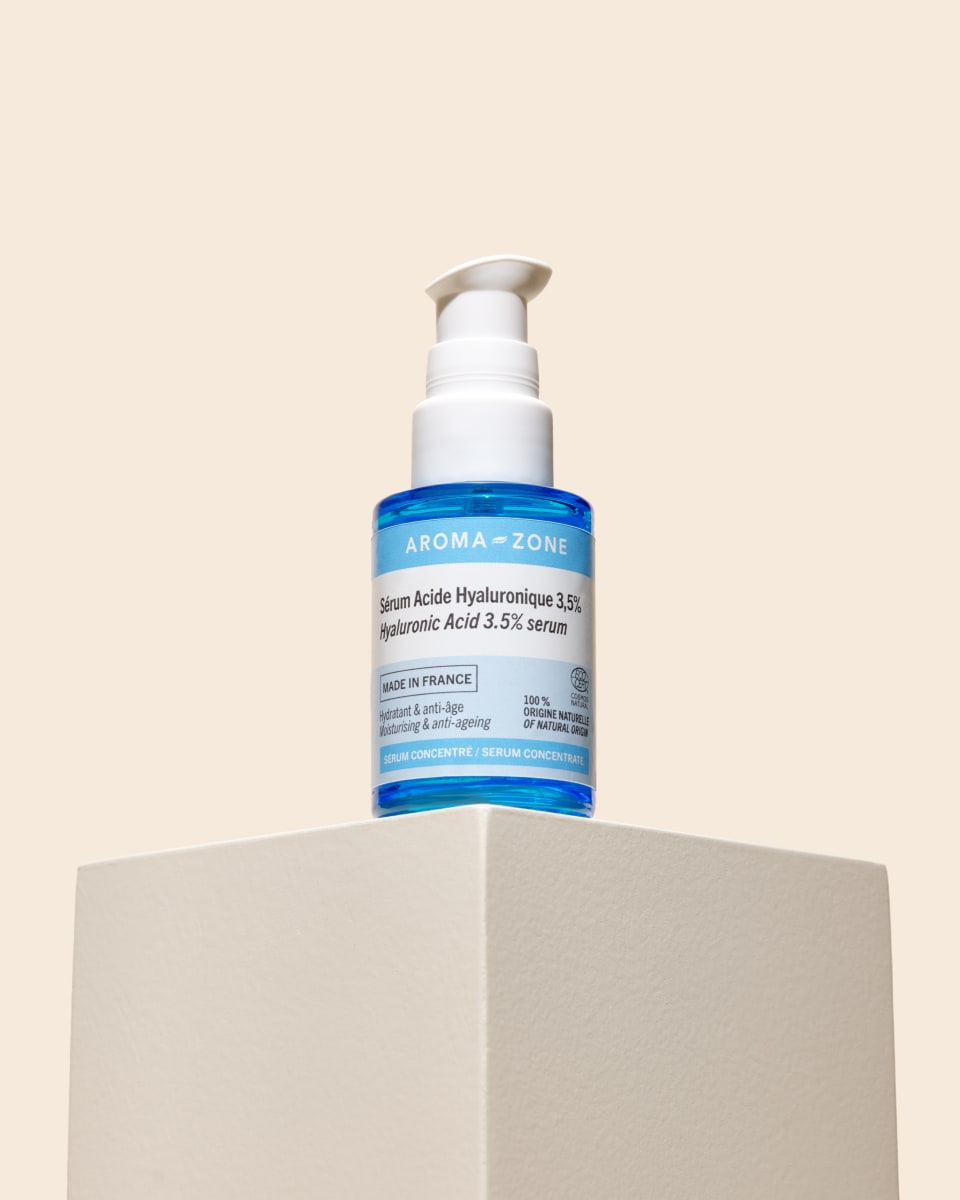
Product spotlight: 3.5% concentrated hyaluronic acid serum
A treatment highly concentrated in moisturising active ingredients, ideal for applying under your moisturiser to maximise moisture retention. Suitable for all skin types, it absorbs quickly without causing any tightness.
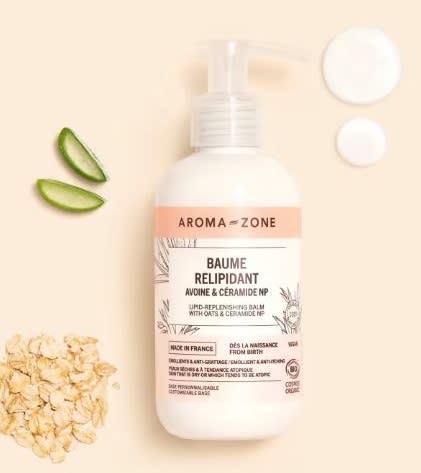
Product spotlight: Oat & Ceramide NP Lipid-Restoring Balm
Suitable for use on the face and body, this high-tolerance moisturiser helps to reduce dryness and associated discomfort. Its formula, enriched with 35% nourishing lipid-replenishing complex, strengthens the skin’s barrier, leaving it feeling soft and velvety.
Discover our complete minimalist ‘anti-dryness’ routine too
Precautions
Persistent dryness despite using moisturisers can sometimes be an early sign of a skin condition. For example, xerosis is one of the clinical signs of psoriasis and atopic dermatitis. If you have any doubts, it is best to consult a dermatologist.
Expert advice
Try to make applying your moisturiser part of your daily routine to avoid forgetting it. Consistency is key if you want long-lasting results for your dry skin and to improve your skin’s comfort.
Focus on Our Writer: Hélène Betoux

Hélène Betoux is a French beauty journalist specialising in web media. Every day she writes tips, advice, and guides to help consumers choose the right beauty products. With a strong interest in natural, organic, and clean cosmetics, she analyses and shares trends and innovations in the sector.
Bibliography
Choi JY, Kim EJ, Jang SI, Kim AR, Lee TJ, Lee HK. A new technique for evaluating the severity of heel xerosis and the effects of moisturiser on heel skin dryness. Skin Res Technol. November 2018;24(4):557–561.
doi: 10.1111/srt.12466. Epub 1 March 2018. PMID: 29498116.
Dry skin: signs and symptoms, American Academy of Dermatology Association,
https://www.aad.org/public/diseases/a-z/dry-skin-symptoms [online, accessed 31/08/2026]
Augustin M, Wilsmann-Theis D, Körber A, Kerscher M, Itschert G, Dippel M, Staubach P. Diagnosis and treatment of xerosis cutis – a position paper. J Dtsch Dermatol Ges. November 2019;17 Suppl 7:3–33.
doi: 10.1111/ddg.13906. PMID: 31738016.
Kottner J, Lichterfeld A, Blume-Peytavi U. Maintaining skin integrity in the elderly: a systematic review. Br J Dermatol. 2013 Sep;169(3):528–42.
doi: 10.1111/bjd.12469. PMID: 23773110.
Mijaljica D, Spada F, Harrison IP. Skin Cleansing without or with Compromise: Soaps and Syndets. Molecules. 21 March 2022;27(6):2010.
doi: 10.3390/molecules27062010. PMID: 35335373; PMCID: PMC8954092.
Akdeniz M, Tomova-Simitchieva T, Dobos G, Blume-Peytavi U, Kottner J. Does dietary fluid intake affect skin hydration in healthy humans? A systematic literature review. Skin Res Technol. August 2018;24(3):459–465.
doi: 10.1111/srt.12454. Epub 2 February 2018. PMID: 29392767.
Seol JE, Cho GJ, Jang SH, Ahn SW, Hong SM, Park SH, Kim H. Effect of the amount of daily water intake and use of moisturiser on skin barrier function in healthy female participants. Ann Dermatol. 2024 Jun;36(3):145-150.
doi: 10.5021/ad.23.067. PMID: 38816975; PMCID: PMC11148315.
Ziboh VA, Cho Y, Mani I, Xi S. Biological significance of essential fatty acids, prostanoids and lipoxygenase-derived monohydroxy fatty acids in the skin. Arch Pharm Res. Dec 2002;25(6):747–58.
doi: 10.1007/BF02976988. PMID: 12510822.
Wong CY, Chu DH. Cutaneous signs of nutritional disorders. Int J Womens Dermatol. 22 September 2021;7(5Part A):647–652.
doi: 10.1016/j.ijwd.2021.09.003. PMID: 35024418; PMCID: PMC8721081.
Ooi K. Onset Mechanism and Pharmaceutical Management of Dry Skin. Biol Pharm Bull. 2021;44(8):1037–1043.
doi: 10.1248/bpb.b21-00150. PMID: 34334489.

Frequently Asked Questions
Associated tip
Nutrition tips


