
Our tips for fading dark circles under the eyes

Our tips for fading dark circles under the eyes


By Hélène Betoux

Published on: Friday, November 17, 2023, Updated on: Thursday, October 29, 2026

Often linked to hereditary overproduction of melanin, dark circles have an unfortunate tendency to make our eyes look tired. To reassure you, know that you’re not alone: many women (often those with darker skin tones or mixed heritage) are affected. The good news is that there are several natural solutions to reduce the appearance of your dark circles. Ingredients such as caffeine and helichrysum can help you restore a fresher, more rested eye contour. Also consider incorporating a few good habits into your beauty routine, such as sunscreen and an eye contour massage. Goal: a naturally radiant look: let’s get started!

Contents

Related products

What causes dark circles under the eyes?

An unhealthy lifestyle, the leading cause of dark circles

  • Lack of sleep: A body that hasn’t rested properly isn’t able to fully perform all its physiological functions. This also affects venous and lymphatic circulation, which eventually slows down and leads to dark, brown, or blue under-eye circles.

  • Excessive coffee consumption: all those cups of coffee you drink to “wake yourself up” throughout the day can make your existing dark circles more pronounced. Simply because caffeine is a psychoactive substance: it can therefore disrupt your sleep.

  • Excessive alcohol consumption: Alcohol abuse has inflammatory effects that affect the entire body. The sensitive area around the eyes also bears the brunt of this. Alcohol is known to accelerate skin ageing.

Read also: how to care for my eye area naturally.

Other factors contributing to hyperpigmentation around the eyes

The mechanism behind the appearance of dark circles stems from multiple causes. It may even be a combination of several factors, making their origin harder to pinpoint! Here are a few to help you understand the source of the issue. Don’t forget to discuss any theories you have with a doctor to get a diagnosis.

  • Liver, kidneys, intestines: these three organs are responsible for eliminating waste from your body. When they’re not functioning properly, this waste can accumulate around the eye area. This makes the area look duller and darker, and sometimes puffy.

  • Deficiencies: Iron deficiency (iron-deficiency anaemia) tends to reduce the blood’s oxygen supply. If you are a woman, you are more prone to this (due to menstruation). People with a B12 deficiency also seem more likely to develop dark circles.   

  • Genetic predisposition: While some types of dark circles appear almost overnight following a decline in health, others unfortunately have a genetic origin. They often manifest as a result of skin ageing.
Why do we get dark circles?

The science behind dark circles

When we talk about dark circles, we often think of vascular dark circles. These are bluish or purplish circles that appear as a result of slowed blood and lymphatic microcirculation around the eye area. This phenomenon causes a buildup of waste products and pigments on the lower eyelid. The blood and lymphatic vessels become engorged with all the substances that haven’t been properly eliminated. Since the skin in this area of the face is very thin, the resulting discolouration shows through. It gives the skin a pink, blue or purple appearance, depending on your skin tone.

But these aren’t the only types of dark circles that exist! In fact, the factors contributing to dark circles can vary significantly.

Dark circles: why not blue or purple?

Therefore, don’t confuse vascular dark circles with pigmented dark circles. The latter often result from a hereditary condition that causes a localised accumulation of melanin (hyperpigmentation). Once again, it is because of the thinness of the skin that these clusters are visible to the naked eye. They are much closer in colour to brown than to blue, somewhat like pigment spots. These types of dark circles are more common in olive and mixed-race skin tones.

Good to know: If you have dark skin, it can be difficult to distinguish vascular dark circles from true brown dark circles. Take the time to examine them in front of a mirror.

How can you reduce dark circles naturally?

Our favorite natural ingredients for a radiant look

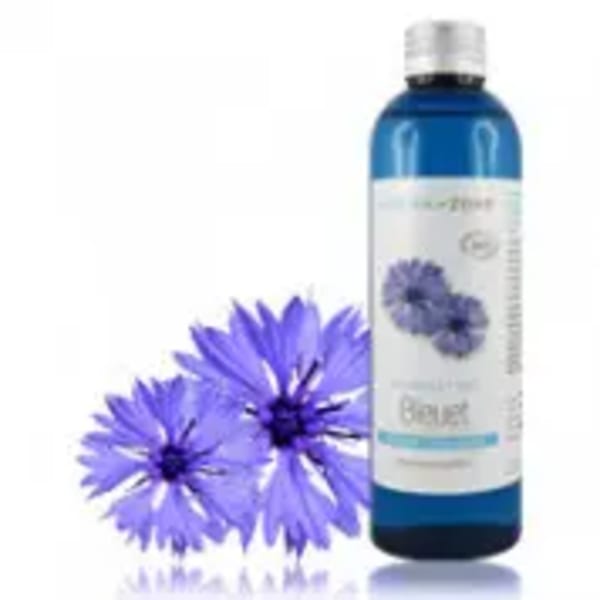
Cornflower water: refreshing, it provides an instant cooling effect and immediate soothing relief for tired eyes. It is commonly used to relieve minor discomforts around the eyes and brighten the complexion.

Usage: as compresses on the eyes or as an ingredient in your homemade skincare products.

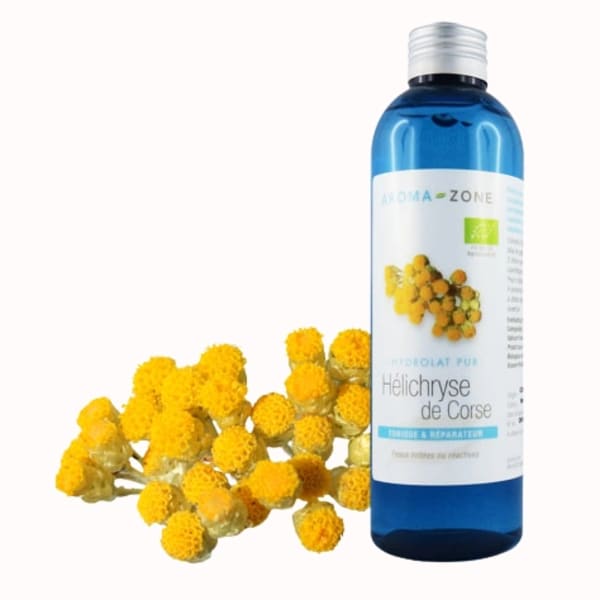
Italian Helichrysum Hydrosol: this is another name for Immortelle. This hydrosol, with its delicately spicy scent, is a precious skin tonic. It is traditionally used to reduce the appearance of dark or bluish circles and puffiness under the eyes.  

Usage: as compresses on the eyes or as an ingredient in your homemade skincare products.

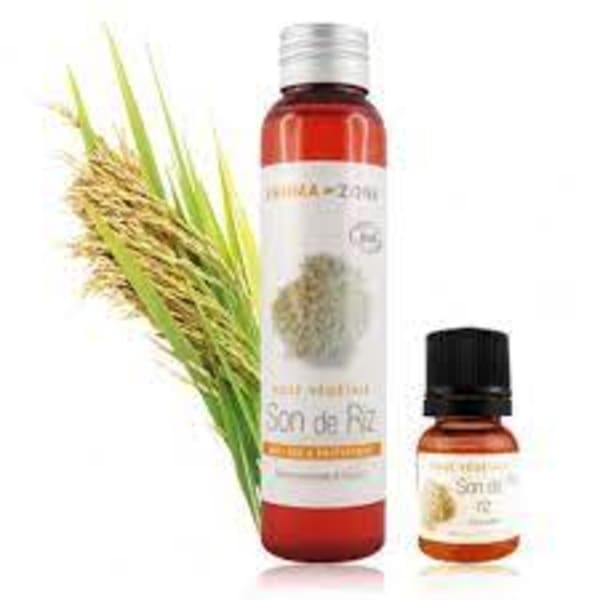
Rice Bran Oil: It’s known for protecting the skin from oxidative stress (a factor in accelerated skin ageing). It is also effective at reducing the appearance of dark circles and other signs of fatigue under the eyes (puffiness).

Usage: mixed with aloe vera gel to create a quick-acting water-based gel.

Butcher’s broom extract: also known as “Fragon,” it’s a key active ingredient for promoting healthy circulation. Its toning properties make it an excellent ally for reducing all types of visible dark circles. It also effectively addresses puffiness and redness.

Usage: as an active ingredient in your eye patch or dark circle serum formula.

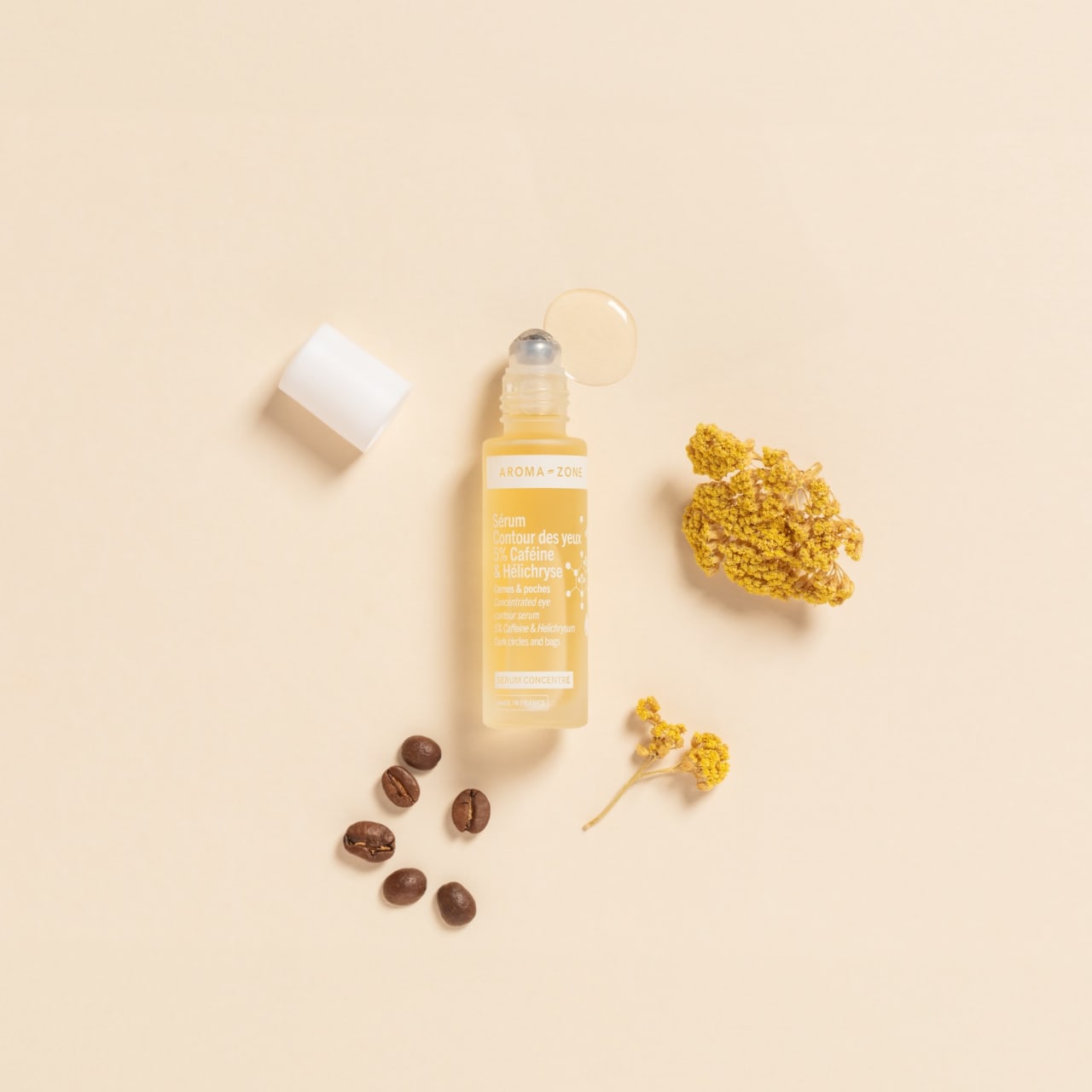
Spotlight on our 5% Caffeine & Helichrysum Eye Serum

This concentrated serum targets the appearance of dark circles and puffiness with an immediate tightening effect. It contains 5% caffeine, an active ingredient known for its decongestant effects (puffiness) and its benefits for blood circulation (dark circles). It is combined with plumping hyaluronic acid to both brighten and smooth the eye area. It is also enriched with extracts of Helichrysum and wild ginger, known for strengthening blood capillaries and regulating melanogenesis (the production of melanin, which causes dark circles). Its roll-on applicator allows you to apply the formula with a gentle massage, leaving your eyes looking fresher and more rested, without any greasy or sticky residue. Apply morning and night, just before your face cream.

Discover our concentrated eye contour serum

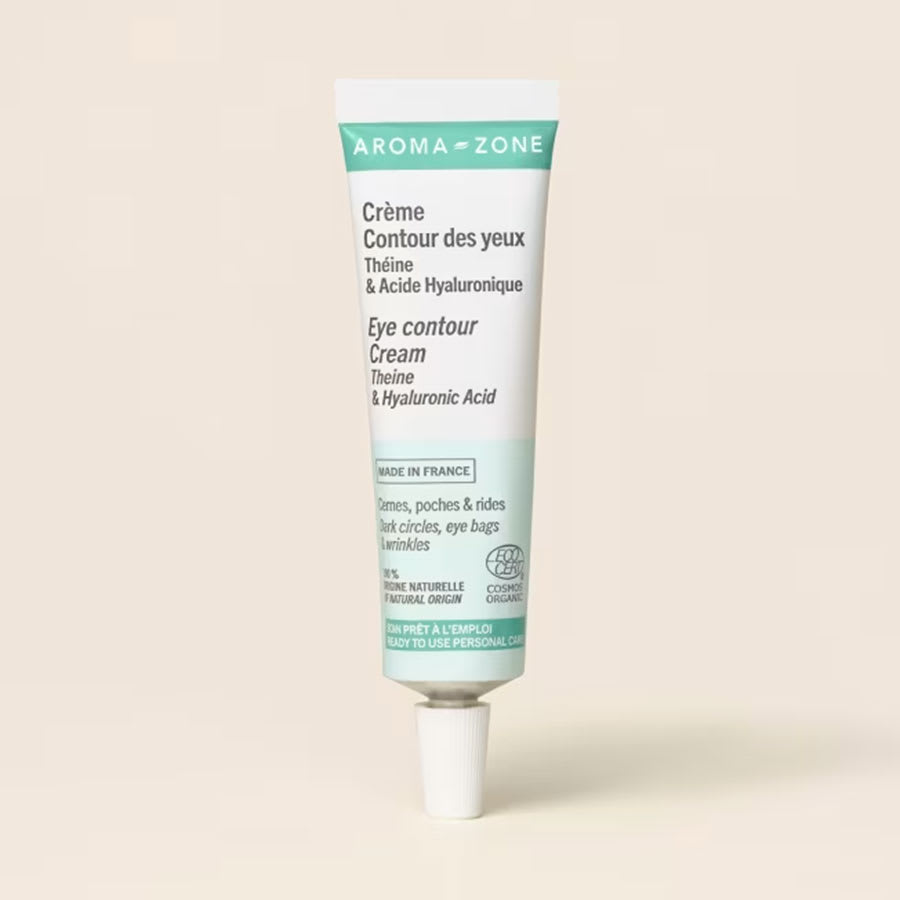
eye-contour-cream-theine-hyaluronic-acid-mc

Even more tips to get rid of dark circles (or almost!)

Essential steps to incorporate into your beauty routine

  • Protect your skin from the sun. Its rays can accentuate the appearance of your dark circles over time. Wear sunglasses to shield this part of your face from the sun’s rays. Also apply a sunscreen suitable for the sensitive eye area.

  • Massage your dark circles. Get into the habit of massaging your eye area when you apply your cream. This stimulation of the tissues can help improve microcirculation and drain waste accumulated on the lower eyelid.

  • Take advantage of the benefits of cold. Cryotherapy is one of the most popular treatments for combating dark circles and fine lines. You can try this at home. For example, place a metal spoon in the fridge before applying it to the eye area. Also, keep your facial mists or creams in the fridge for a refreshing, ice-cold effect.

  • And of course, get enough sleep ! This is undoubtedly one of the simplest (and most enjoyable) ways to reduce the appearance of dark circles under the eyes. Aim for an average of 8 hours of sleep for an adult.

Spotlight on our rose quartz massage roller

Rose Quartz Facial Roller

This massage tool comes with two tips: a large one for the broader areas of the face, and a small one for harder-to-reach spots. It’s this small tip that you can use to massage the delicate eye area. Simply roll it from the inner corner of the eye to the outer corner, focusing on the dark circles under the lower eyelid. Use it over an anti-dark circle cream or serum for a gentler massage.

Discover our Rose Quartz facial roller (+ its cotton pouch)

How to conceal dark circles?

If your dark circles bother you on a daily basis, don’t hesitate to use a tinted concealer to hide them. This type of product is applied under your foundation to even out your complexion in specific areas. If you have black, brown, or dark under-eye circles, opt for a concealer in a peachy shade. The darker your skin, the more you should opt for a dark orange shade. If you have black skin, don’t hesitate to choose a product with a red undertone.

Our recipes for treatments and creams to combat dark or blue under-eye circles

Spotlight on Our Writer, Hélène Betoux

Hélène Betoux is a French beauty journalist specialising in digital media. She writes practical tips, advice and guides to help readers choose the right beauty products. Passionate about natural, organic and clean beauty, she explores the latest trends and innovations in the industry.

Bibliography