Ingredients without scales
1
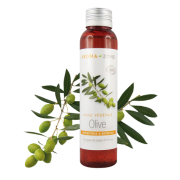
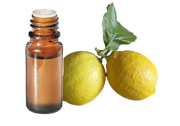
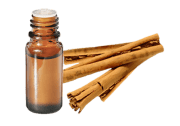
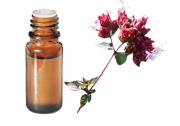
Place all the ingredients in a dropper bottle.
2
Close the bottle and shake.
3
Fill the size 0 capsules with the oil mixture using the dropper pipette.
Intestinal transit is a major concern for many people, with almost 48% suffering from daily digestive problems (Ifop, 2017). Diarrhoea is one of the most common complaints, causing discomfort and embarrassment. Diarrhoea is multi-factorial and can have a variety of causes, which it is essential to identify in order to treat it effectively. In this article, discover the causes of diarrhoea and the natural remedies that can relieve these symptoms.

Diarrhoea is characterised by the emission of soft to liquid stools, more frequent than usual. This abnormal transit may be accompanied by bloating, intestinal gas, headaches and abdominal cramps of varying intensity.
It indicates a lack of water reabsorption in the large intestine (or colon): the water is then evacuated with the stools, dissolving them. It can also signal an acceleration in transit, preventing the digestive process from running smoothly. These phenomena can have many causes.
Please note: Diarrhoea is considered acute if it lasts a few days at most, and chronic if it persists for more than a month.
Imbalance in intestinal flora
Bacterial or viral infections such as gastroenteritis can lead to a proliferation of harmful bacteria in the intestines, upsetting the natural balance of intestinal flora.
Similarly, taking medicines, particularly antibiotics, designed to inhibit the growth of pathogenic bacteria during infections, can also affect the good bacteria present in the intestines. These good bacteria are essential for maintaining regular transit and ensuring healthy digestion. By altering this balance, antibiotics can cause digestive disorders such as diarrhoea and other intestinal problems.
Stress or emotional shock
Intense stress (such as before an exam or after an emotional shock) can affect the digestive system, causing diarrhoea due to the release of stress hormones such as cortisol and adrenaline, which can upset the digestive balance.
The presence of intestinal parasites
These parasites are generally transmitted by ingesting contaminated food or water. Amoebae and pinworms in particular can cause a variety of digestive problems, including diarrhoea, abdominal pain and bloating.
Diarrhoea may be accompanied by:
Nausea and vomiting: In response to a viral or bacterial infection, or by the presence of toxins in the digestive system.
Abdominal cramps and bloating: often due to inflammation or irritation of the intestines.
Fever and chills: Fever is the body's response to an infection, usually when a bacterium or virus is present. Chills occur when the body tries to regulate its temperature, increasing internal heat to fight the infection.
Please note: The vast majority of diarrhoea is benign. An episode of diarrhoea generally disappears spontaneously within 24-48 hours.
Although most cases of diarrhoea are benign, the main risk is dehydration. So when you have diarrhoea, you should regularly check for the following signs: weakness and irritability, thirst, frequent urination with dark urine, sunken eyes, feeling unwell, etc.
This is why we try to stop the phenomenon as quickly as possible, particularly in children, while at the same time providing water and nutrients to effectively rehydrate the body.
Once the water loss has been stemmed and the body has been rehydrated as it should be, the cause must not be overlooked, if it has been identified, and the intestinal flora must be rebalanced in the medium term.
Any very heavy diarrhoea associated with a high fever, significant weight loss, severe abdominal pain or even the presence of blood in the stools should prompt you to consult a doctor as soon as possible to determine the cause. If the diarrhoea lasts for more than a few days, you should also consult a doctor. A stool analysis (coproculture) and a blood test may then be prescribed, as well as a colonoscopy if necessary.
Please note: Diarrhoea in infants, elderly or during pregnancy is an emergency requiring immediate medical attention.
Plants
Psyllium: Psyllium has the property of absorbing excess water in the intestines, making it an invaluable aid against diarrhoea. Consume 1 to 3 tablespoons of blond psyllium a day in a large glass of water.
Purple Loosestrife: Astringent and intestinal antiseptic, this anti-diarrhoea plant can be taken as an infusion (flowering tops) at a rate of 30 grams per litre of water. Drink ½ litre a day. This plant is not recommended during pregnancy or while breastfeeding.
Bramble: Bramble's anti-viral and astringent properties make it a good anti-diarrhoea remedy in the form of infusions, 3 cups a day between meals. It is very mild, and one of its major advantages is that it can be used during pregnancy and by children.
Dried bilberry: A decoction of dried bilberry fruit has strong astringent properties. Use around 50 grams of dried fruit for a medium saucepan of cold water, bring to the boil and then leave to infuse over a low heat for 45 minutes.
Lacto-fermented foods
Kefir: Kefir (made from water or fermented milk) contains several strains of beneficial bacteria, which help to regulate intestinal transit and restore microbiotic balance.
Plain yoghurt (unpasteurised): Yoghurt containing live cultures, such as Lactobacillus acidophilus, can help rebalance the intestinal flora and encourage the growth of good bacteria in the intestines, reducing the effects of diarrhoea.
Kimchi: This fermented Korean vegetable contains beneficial lactic acid bacteria, such as Lactobacillus plantarum, which promote intestinal health.
Pickles (fermented cucumber, onion and carrot): contain probiotics that help regenerate the intestinal flora after diarrhoea.
Our natural solutions

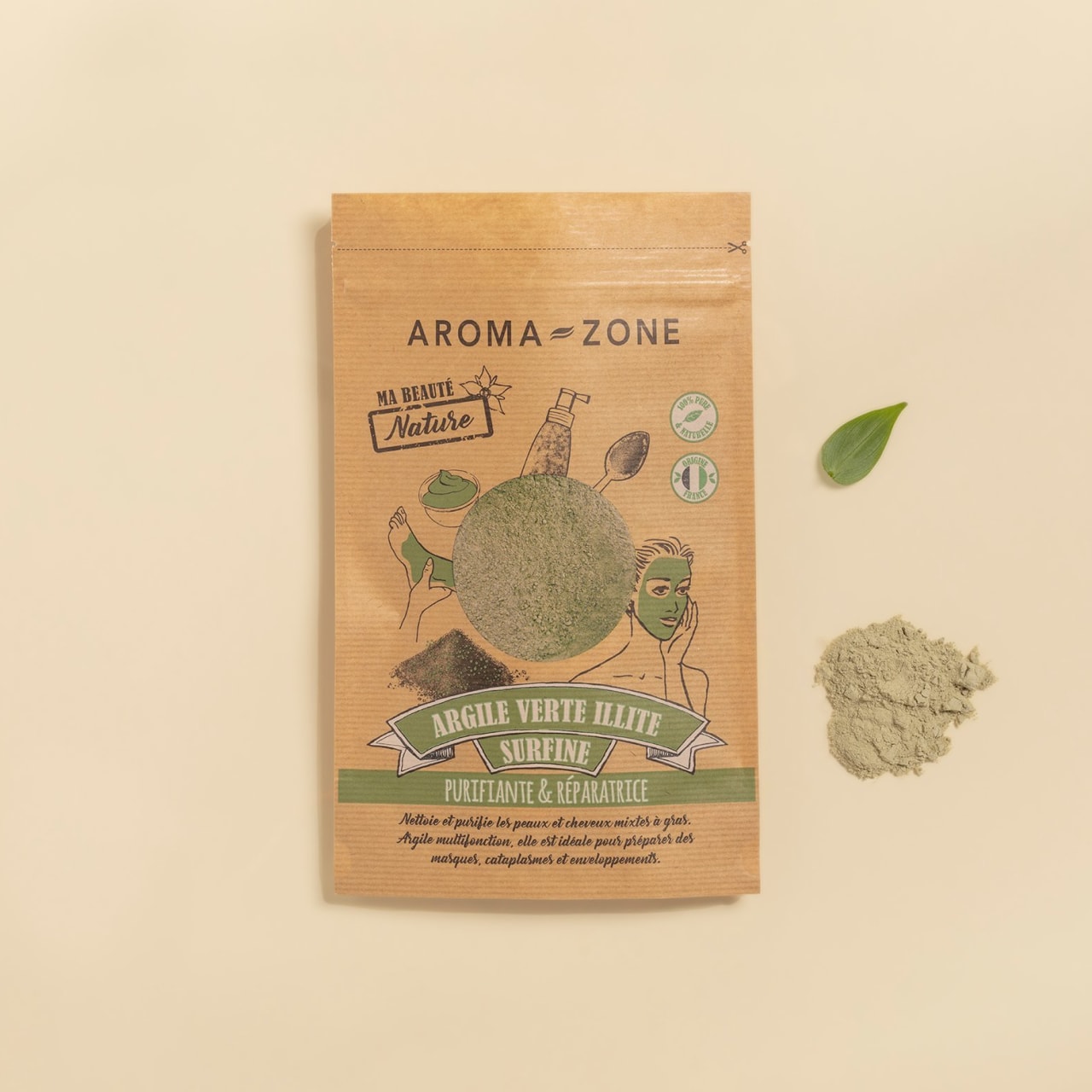
Plant-derived activated charcoal
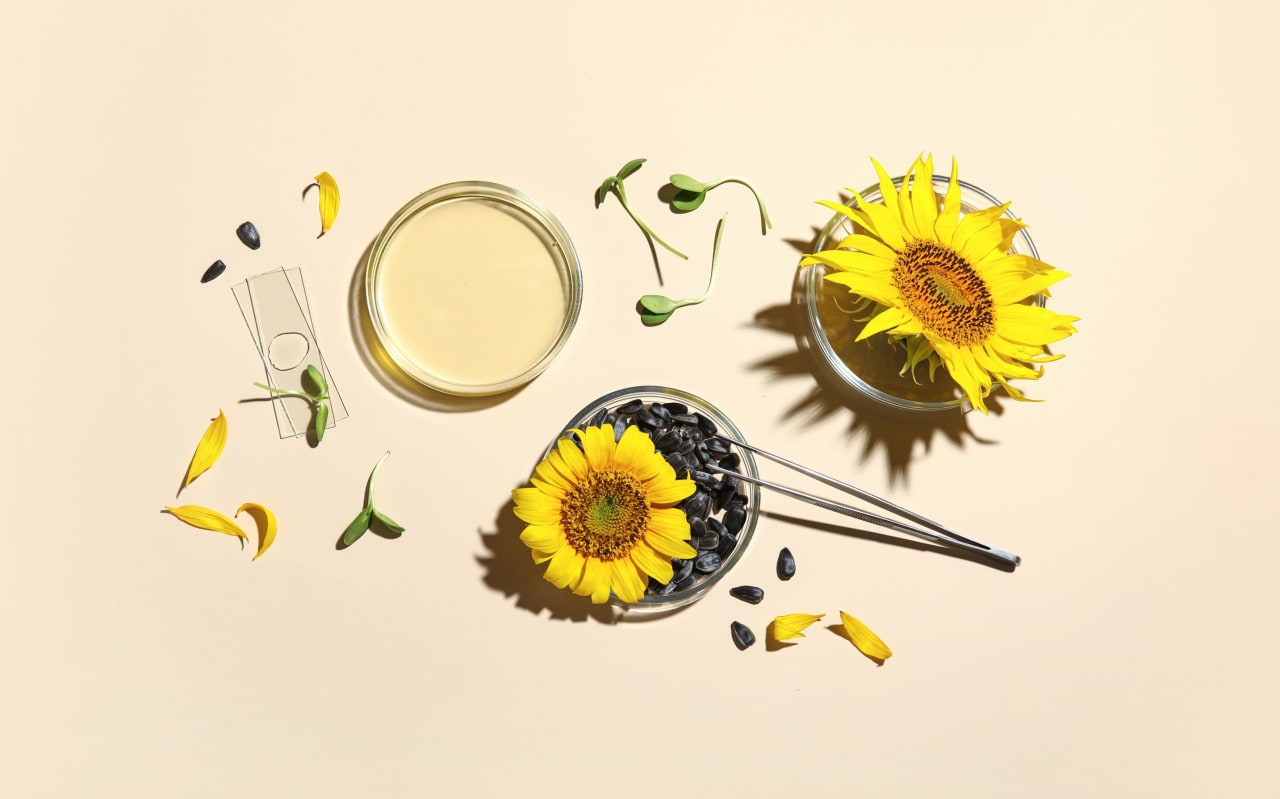
Plant-derived activated charcoal is a tried and tested treatment for diarrhoea. It is highly absorbent, helping to trap toxins while reducing bloating and intestinal gas. We generally recommend taking 1 teaspoon to 1 tablespoon of plant-derived activated charcoal dispersed in a glass of water orally before each meal, as soon as the first symptoms appear.

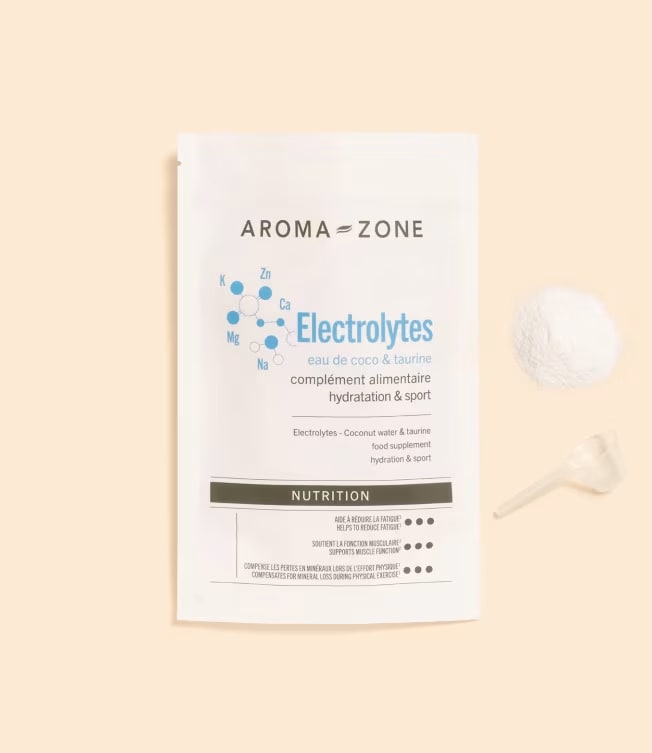
Electrolyte powder
Electrolytes have no effect on diarrhoea as such, but they do help maintain an optimal level of hydration. In fact, rehydration with electrolyte solutions helps avoid complications such as severe dehydration, which can occur after diarrhoea and can lead to symptoms such as dizziness or intense fatigue.
Enriched with Coconut Water and Taurine, this powdered electrolyte drink provides you with the optimum dose of minerals to help you stay hydrated during exercise or on a daily basis. It combines Magnesium, Potassium, Calcium and Zinc to restore electrolyte balance, helping in particular to reduce fatigue.

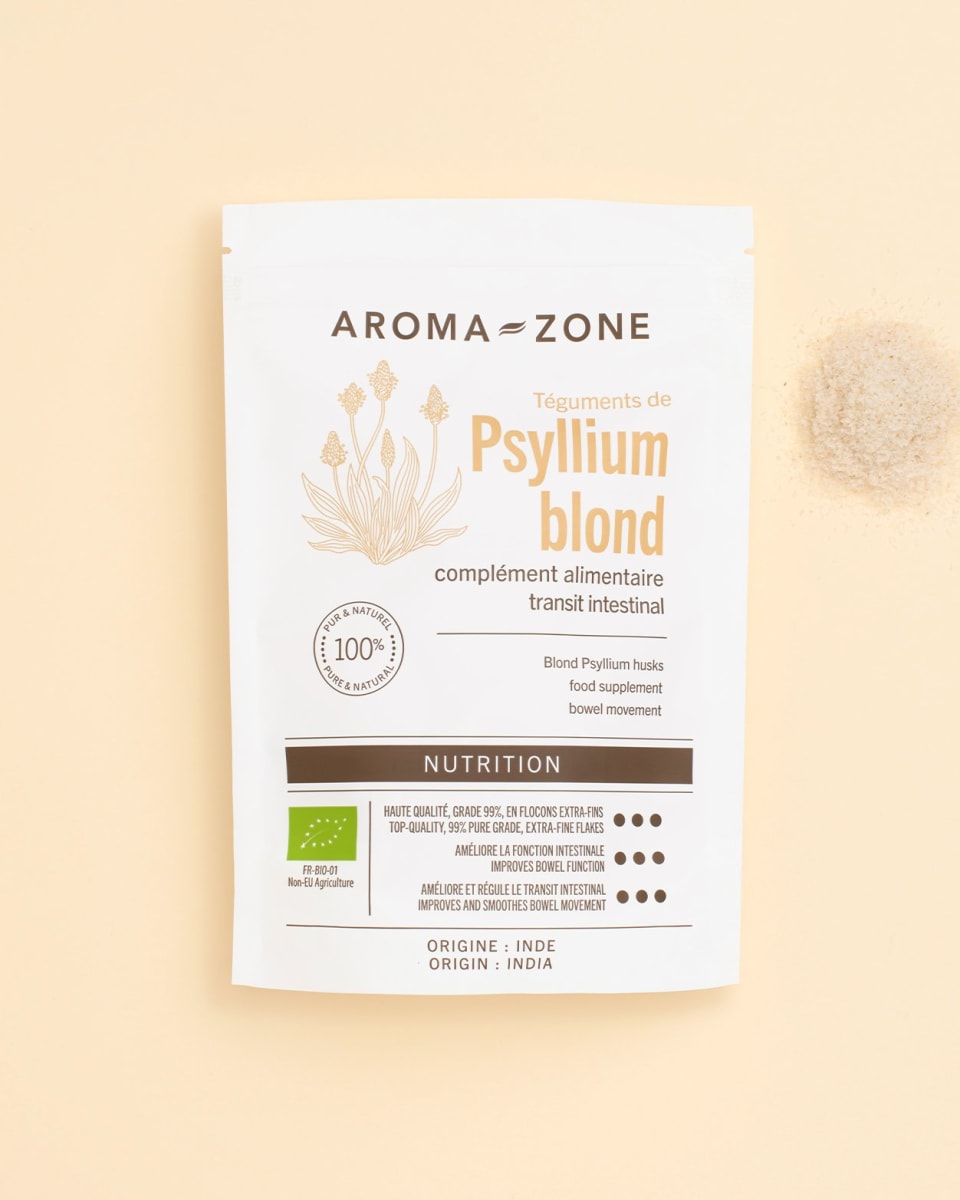
ORGANIC blond psyllium
ORGANIC blond psyllium of the highest quality, 99% grade. Also known as Ispaghul, the husk of Blond Psyllium is rich in fibre and mucilage, which swells on contact with water. Known to support healthy intestinal function, its gentle mechanical action helps regulate intestinal transit, whether too slow or too fast.
Stay as hydrated as possible: when you have diarrhoea, your body becomes dehydrated more quickly. Drink 2 litres of water a day, if possible of good quality (spring water, filtered tap water). When travelling, buy bottled mineral water and make sure it is well sealed.
Adjusting your diet: An episode of diarrhoea is generally accompanied by a loss of appetite. However, it's important to adapt your diet. Favour foods such as rice, bananas and lean meats.
Don't forget exotic fruits such as papaya seeds (it's advisable to swallow them without chewing), which are rich in digestive enzymes.
Apply a hot water bottle to your abdomen: the heat helps relax the muscles and relieve abdominal cramps.
A course of probiotics at a distance from the symptoms can also help reseed the intestinal flora to prevent recurrence.

sos turista capsules
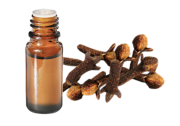
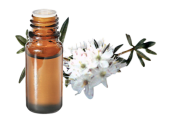
Ingredients without scales
1
Place all the ingredients in a dropper bottle.
2
Close the bottle and shake.
3
Fill the size 0 capsules with the oil mixture using the dropper pipette.

Charcoal detox capsules
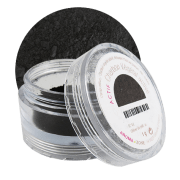
Ingredients with scales
1
Using the capsule filler, fill the size 00 capsules with the plant-derived charcoal powder.
If the diarrhoea persists for more than 48 hours or if signs of dehydration appear, such as intense thirst or a feeling of weakness and dizziness, it is advisable to consult a health professional.
Finally, beware of self-medication. You should seek medical advice before taking any medication.
Do you have a question about your stools? They may seem a bit soft, but can they really be described as diarrhoea? It's not always easy to self-assess your bowel movements.
To make things clearer, you can refer to the visual scale developed by the University of Bristol and originally published in 1997 in the Scandinavian Journal of Gastroenterology.
By answering this simple questionnaire, we can talk about diarrhoea from type 5 upwards.
If you recognise yourself in types 5 to 7 on a recurring basis, don't hesitate to contact your doctor or a gastroenterologist.
Is diarrhoea contagious?
Diarrhoea itself is not contagious, but the infections that cause it, such as viruses or bacteria, can be contagious. It is therefore important to take appropriate hygiene measures, such as washing your hands regularly to prevent transmission.
How does diarrhoea affect the absorption of nutrients?
Yes, because it reduces the time food spends in the digestive tract. In the case of chronic diarrhoea, it is important to ensure that it does not cause a vitamin or nutrient deficiency.
What should I do if I have diarrhoea while taking the contraceptive pill?
The effectiveness of the contraceptive pill may be impaired, especially if the diarrhoea is severe or accompanied by vomiting. It is advisable to use an additional contraceptive method, such as a condom for the current cycle. If you have any doubts, consult your gynaecologist or doctor.
1
Government of Quebec. "Gastroenteritis."
[Québec.ca](https://www.quebec.ca/sante/problemes-de-sante/grippe-rhume-et-gastro/gastro-enterite) (consulted on 6 October 2024).
2
Institut Pasteur de Lille. "Diarrhées."
[Pasteur-Lille.fr](https://pasteur-lille.fr/centre-prevention-sante-longevite/vaccins-et-voyages/diarrhees/) (accessed on 6 October 2024).