Foot Baths for Ingrown Toenails: What Are the Benefits?

Foot Baths for Ingrown Toenails: What Are the Benefits?


By Louise Hourcade

Published on: Friday, March 21, 2025, Updated on: Thursday, October 29, 2026

A small problem, a big pain. An ingrown toenail can creep up quietly, but before long, every step can become agony. Redness, swelling, inflammation, and more are all signs that make everyday life a bit harder. Fortunately, natural ways can ease the pain and help prevent it from getting worse. A foot bath, in particular, can genuinely help. Used for centuries for its therapeutic benefits, it relaxes, cleanses, and supports healing. How do you use one properly? Which ingredients work best to boost its effectiveness? Let's take a look at its benefits and how to work it into your routine.

Contents

Related products

What are ingrown toenails?

An ingrown toenail, or onychocryptosis, occurs when the edge of the nail grows into the surrounding skin, causing painful inflammation. This problem mainly affects the toes, particularly the big toe, and can lead to infection if not treated properly.

Ingrown toenails can be classified into three stages:

  1. Mild stage: Tenderness and redness around the nail, with no visible infection.

  2. Moderate stage: Swelling and persistent pain, sometimes accompanied by a clear discharge.

  3. Advanced stage: Localised infection with pus, severe pain and difficulty walking.

If an ingrown toenail becomes too painful or becomes infected, we recommend that you consult a healthcare professional.
Why do I get ingrown toenails?

There are many causes of ingrown toenails and – the good news is – they’re often preventable. Here are the main factors that contribute to their development:

Incorrect nail cutting: Cutting a nail too short or rounding the corners increases the risk of ingrowth. It’s best to trim nails straight across, leaving a slight edge protruding from the skin.

Wearing unsuitable footwear: Shoes that are too tight or stiff compress the toes and encourage the nail to dig into the skin.

Excessive sweating and maceration: Excessive moisture softens the skin, making it more vulnerable to pressure from the nail.

Hereditary factors: Some people naturally have more curved toenails, which makes them more prone to ingrown toenails.

Repeated trauma: Frequent impact (intense exercise, shoes that are too tight) causes excessive pressure on the nail, causing it to dig into the skin.

Note: Good foot hygiene and taking the proper precautions will help you prevent these problems.

Ingrown toenails: symptoms and characteristics

An ingrown toenail presents with several symptoms, the severity of which varies depending on how the problem develops:

  • Pain localised at the edge of the nail, made worse by pressure or walking.

  • Redness and swelling of the skin around the nail.

  • A sensation of a foreign body under the nail.

  • Thickening of the skin near the affected area.

  • Pus-like discharge (in the event of infection).

In advanced cases, the inflammation may spread and require medical treatment.

What is a foot bath?

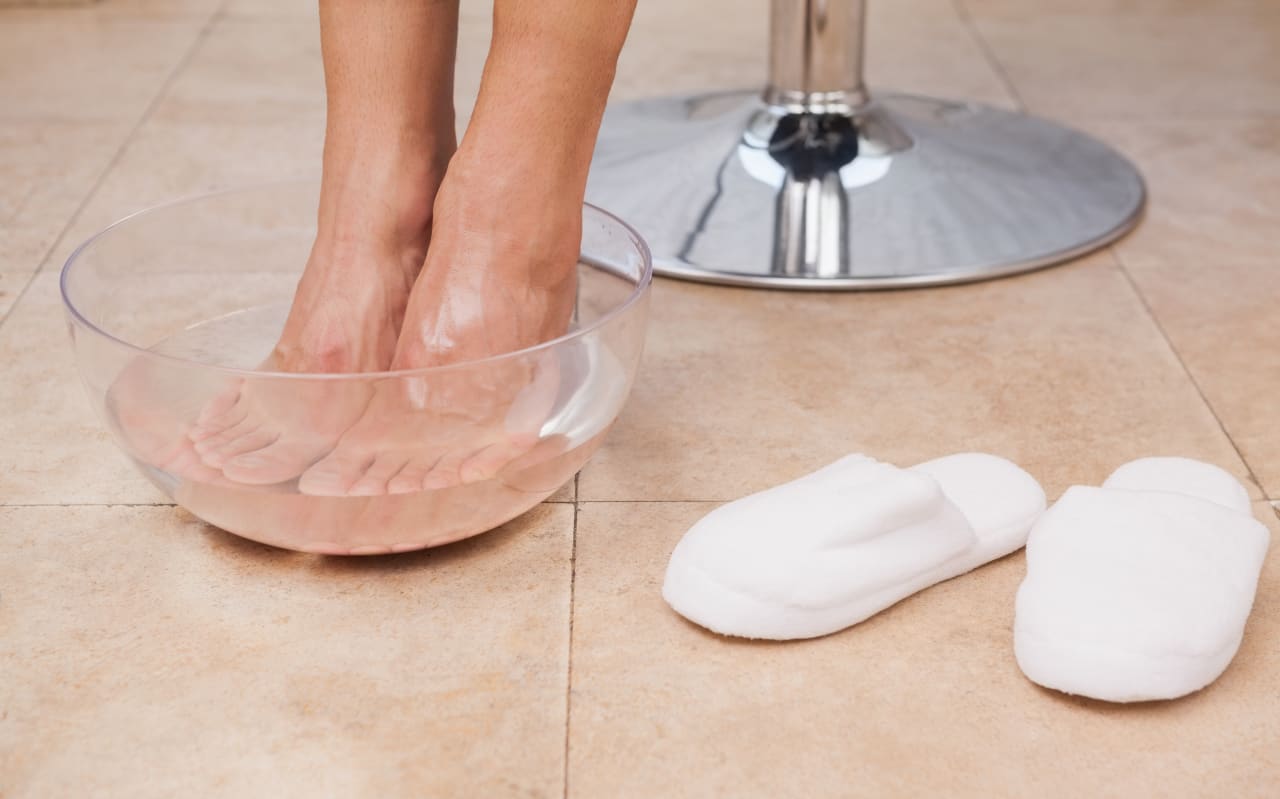
A foot bath is a natural treatment that involves immersing your feet in lukewarm water enriched with ingredients that have soothing and purifying properties. Practised for centuries, it is recognised for its benefits for blood circulation, muscle relaxation and skin regeneration. Used to treat ingrown toenails, a foot bath helps prepare the skin and the ingrown toenail for better healing. Combined with other local treatments, it reduces inflammation, minimises infection risk, and relieves pain.

Why soak an ingrown toenail?

A foot bath is an effective solution because, depending on its ingredients, it addresses all the discomfort caused by an ingrown toenail:

  1. Immediate relief: Warm water relaxes the skin and eases tension.

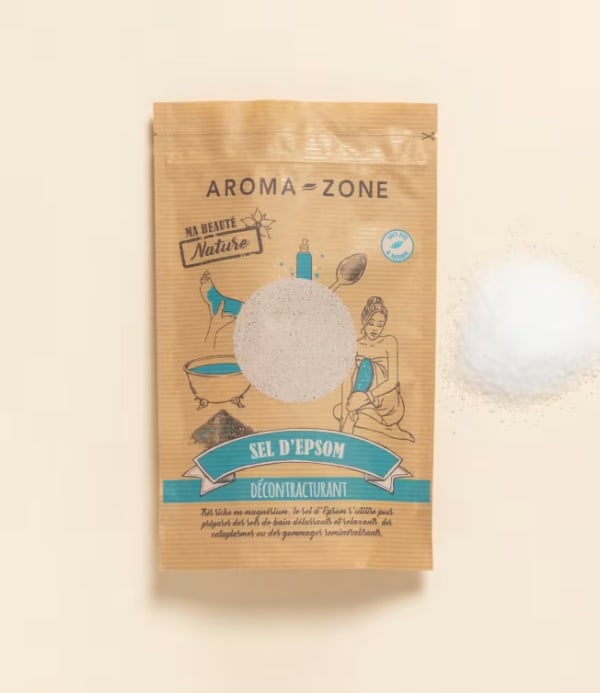
  2. Reduced inflammation: A foot bath with Epsom salt, which is rich in magnesium, has anti-inflammatory properties.

  3. Softens the skin: Softer skin makes it easier to gradually remove the ingrown toenail without causing any trauma.

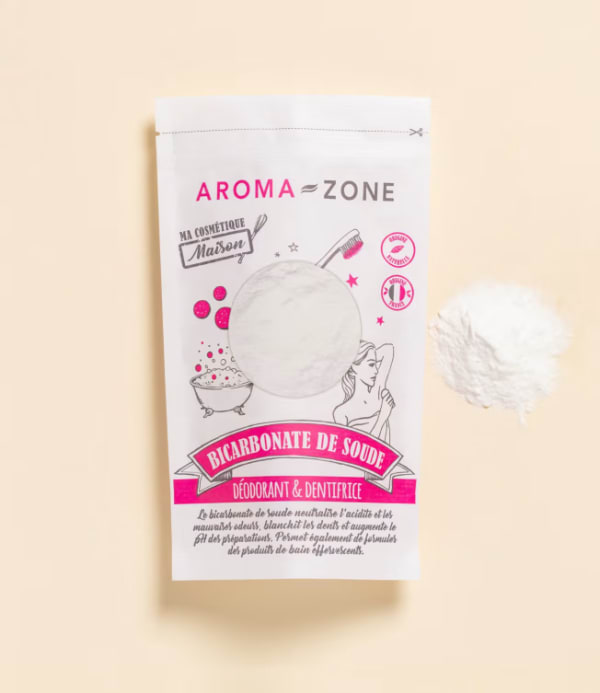
  4. Natural cleansing: Ingredients such as bicarbonate of soda and cider vinegar have antiseptic properties.

  5. Improved blood circulation: Good oxygenation of the tissues promotes faster healing.

How do you make a homemade foot bath for an ingrown toenail?

If you have an ingrown toenail, a foot bath is a daily ritual you can repeat until your symptoms improve. Discover an easy-to-follow guide you can try at home. 

What you’ll need:

  1. A basin filled with 3 to 4 litres of lukewarm water (around 37°C).

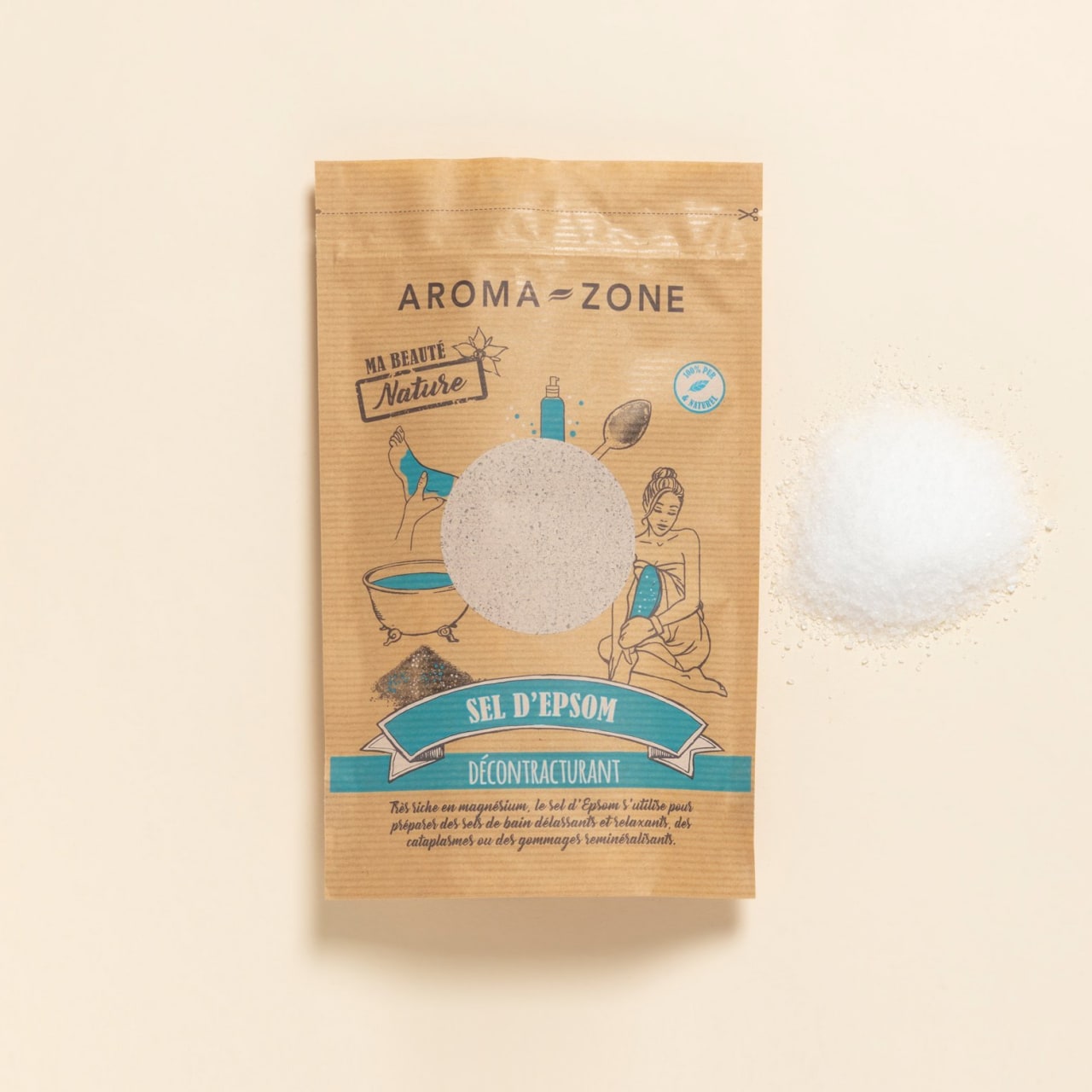
  2. 2 to 3 tablespoons of Epsom salt

  3. 3 tablespoons of cider vinegar, for its antibacterial properties

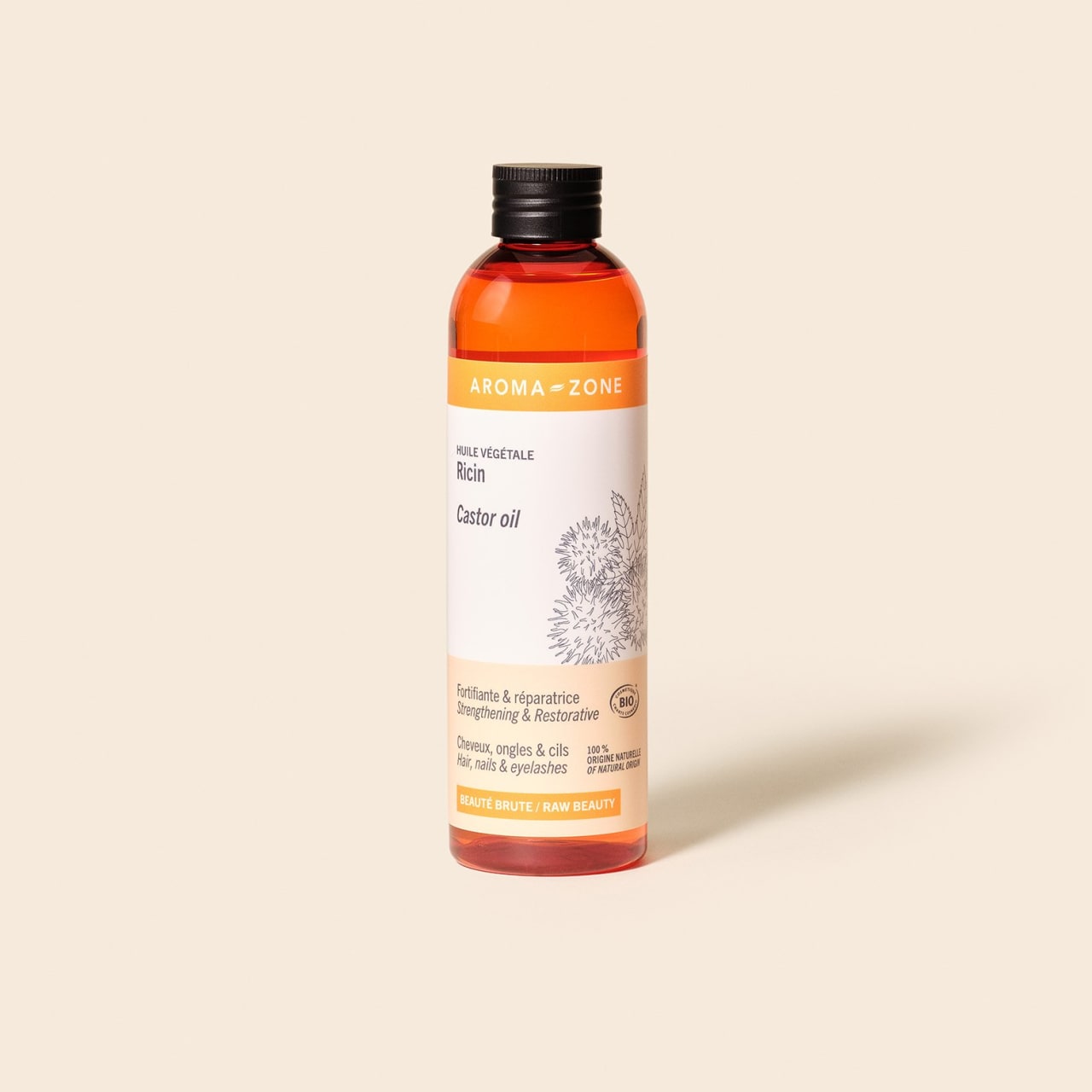
  4. A bottle of vegetable oil (castor, calendula or sweet almond) 

Steps to follow:

  1. Pour the ingredients into the water and mix well

  2. Soak your feet for 15 to 20 minutes

  3. Dry your feet thoroughly, paying particular attention to the area between the toes

  4. Apply a nourishing vegetable oil to and around the ingrown toenail


Discover more tips on how to make a foot soak an essential ritual.

How can you prevent ingrown toenails?

For an ingrown toenail, a foot soak isn’t the only remedy. A suitable care routine can prevent ingrown toenails and stop them from recurring. Here are a few key steps to keep your toenails healthy, whilst incorporating natural and organic care into your routine.

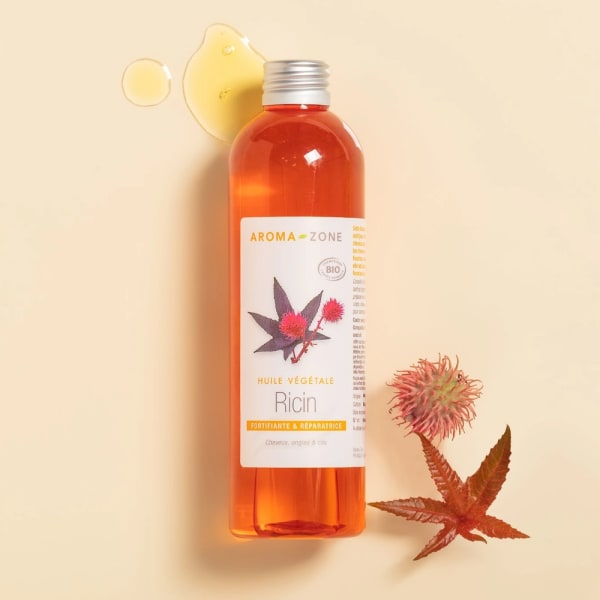
1. Trim your nails correctly: Trim your nails straight across, without rounding the corners, to prevent them from digging into the skin and causing ingrown nails. Use a glass nail file to smooth the edges and prevent snagging. After trimming, apply a few drops of castor oil around the nail to soften the skin and strengthen the nail. This oil deeply nourishes the skin and reduces the risk of the nail digging in further.

07 NEW Intense Nourishing Foot Cream 1250x730

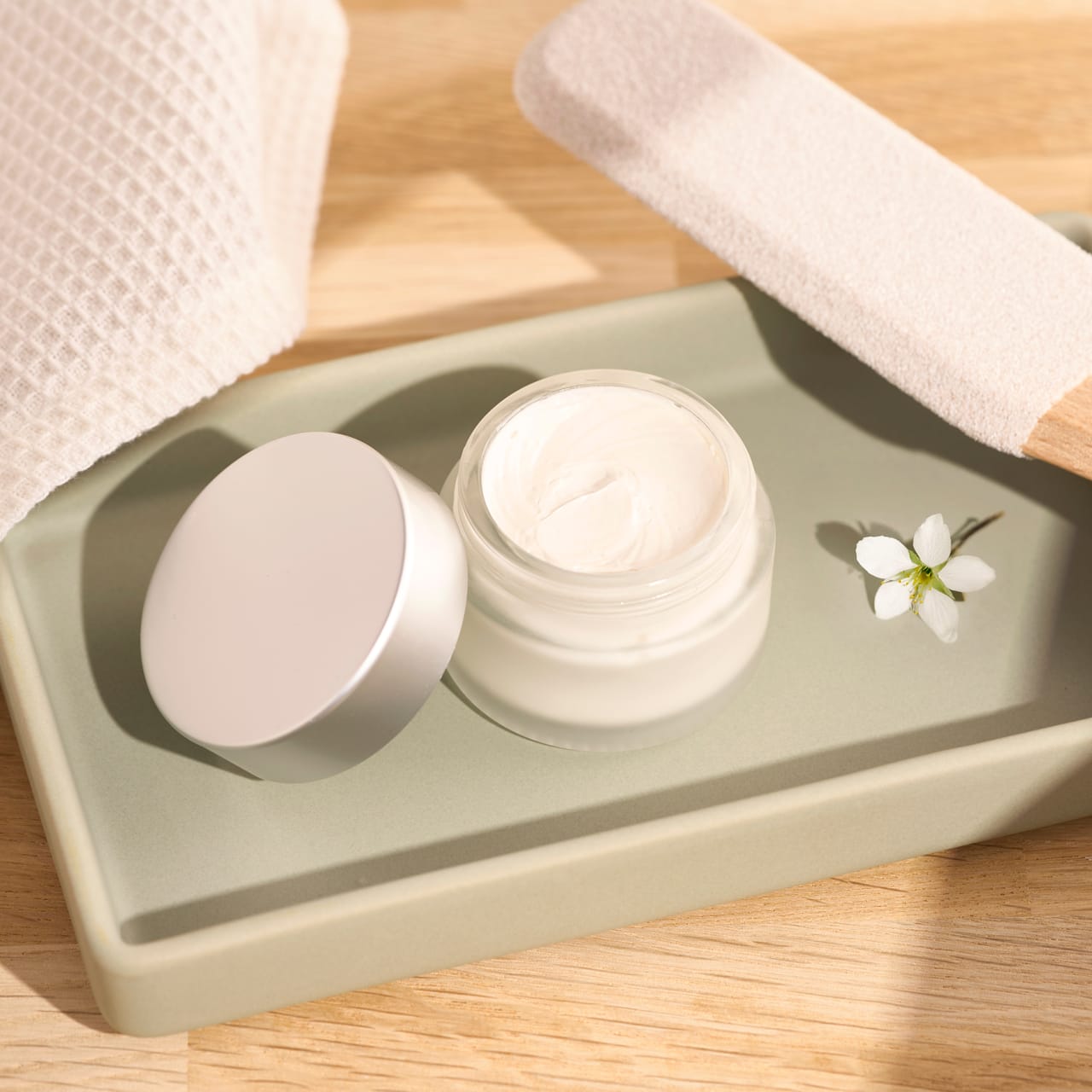
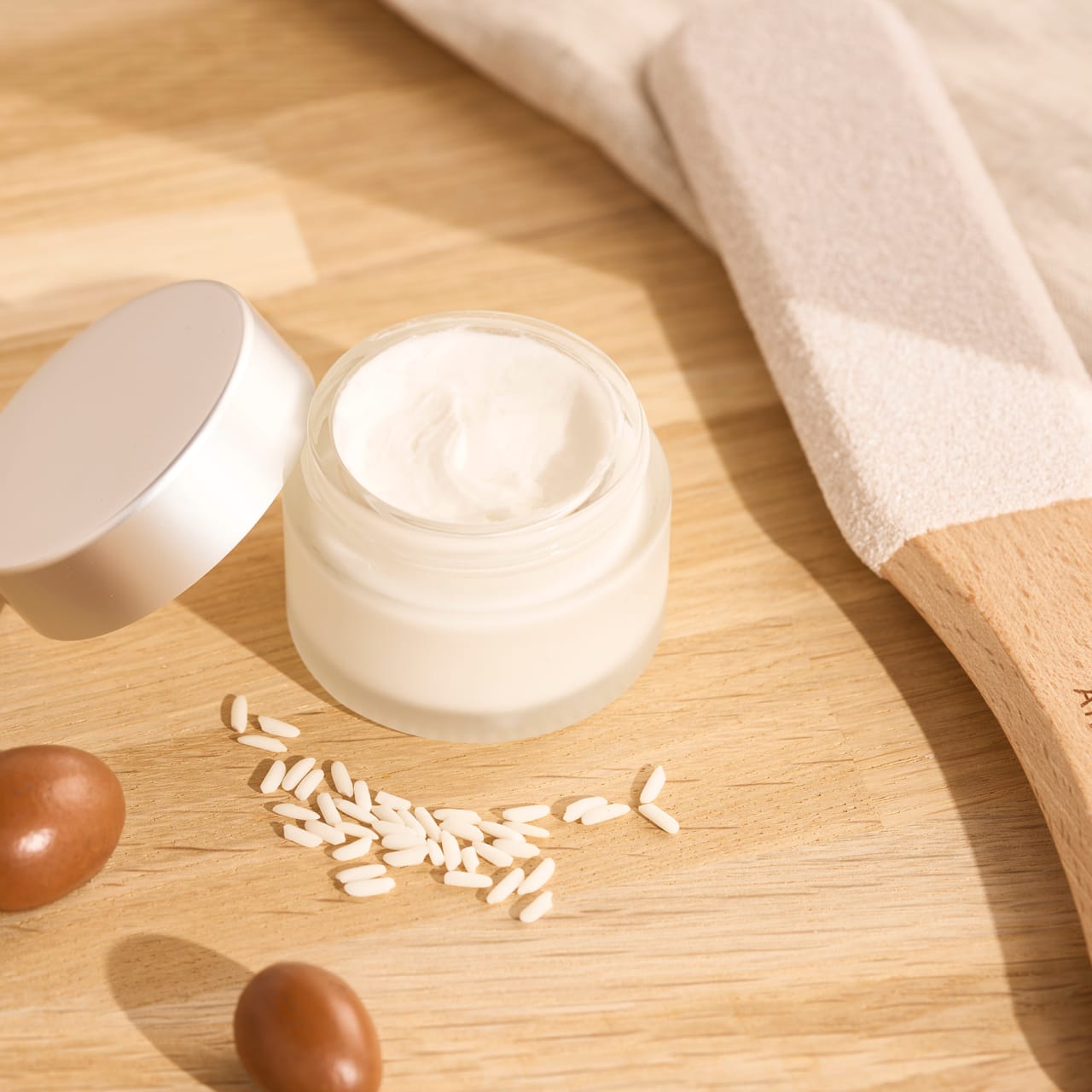
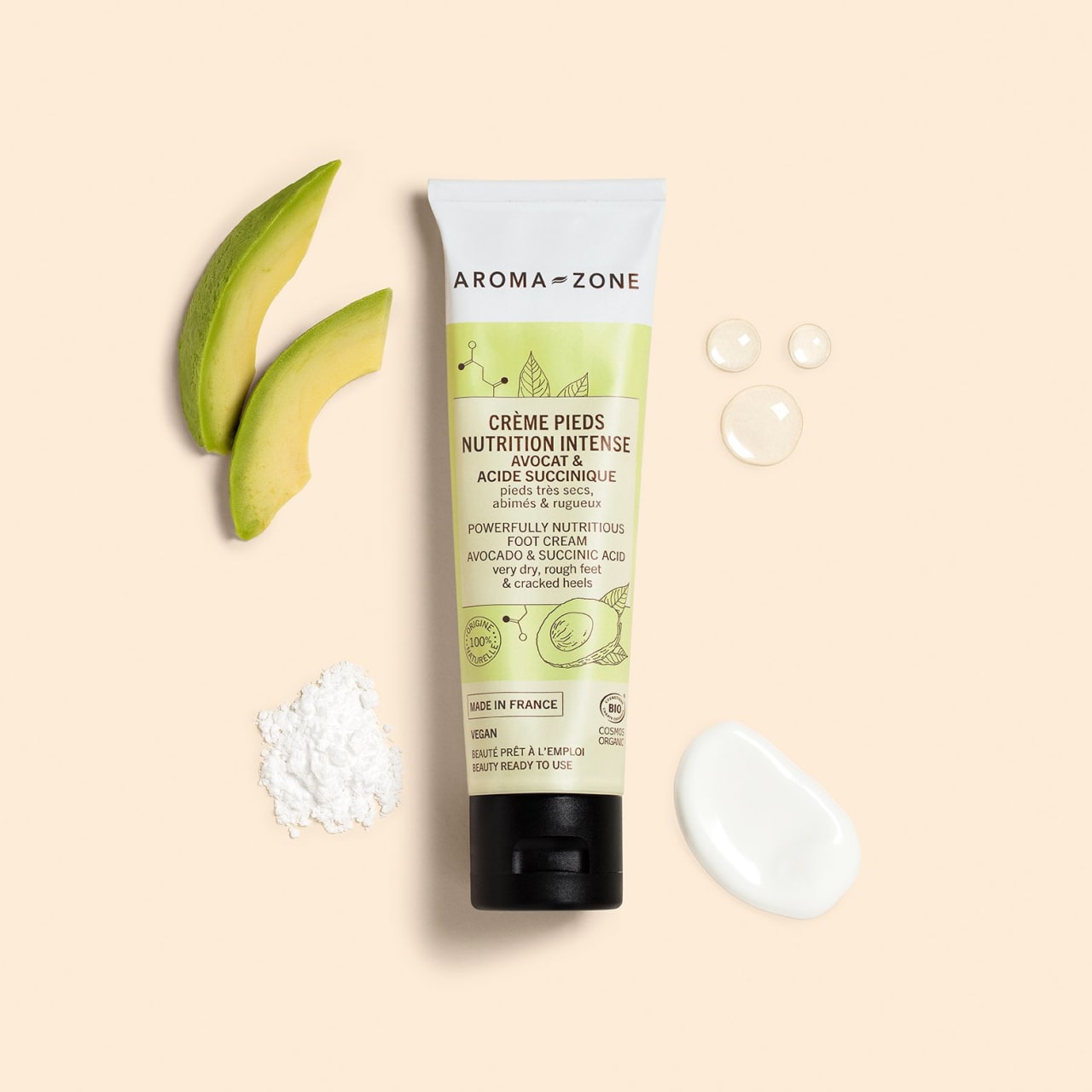
2. Moisturise and soften the skin: Well-moisturised skin reduces the risk of thickening and excessive pressure on the nail. Apply a nourishing cream daily to prevent dryness and callus formation. For an extra-nourishing treatment, try our Foot Cream – Avocado & Succinic Acid, which gently exfoliates, nourishes and protects hard-working feet. It helps prevent calluses and provides immediate relief for dry, cracked feet.

3. Choose suitable footwear: Shoes that are too tight put excessive pressure on the toes, increasing the risk of ingrown toenails. Opt for wide, flexible shoes made from natural materials for better breathability. If you sweat heavily, sprinkle a little bicarbonate of soda or cornflour into your shoes to reduce moisture and prevent maceration. Constantly damp skin is more prone to infections and irritation.

Epsom salt

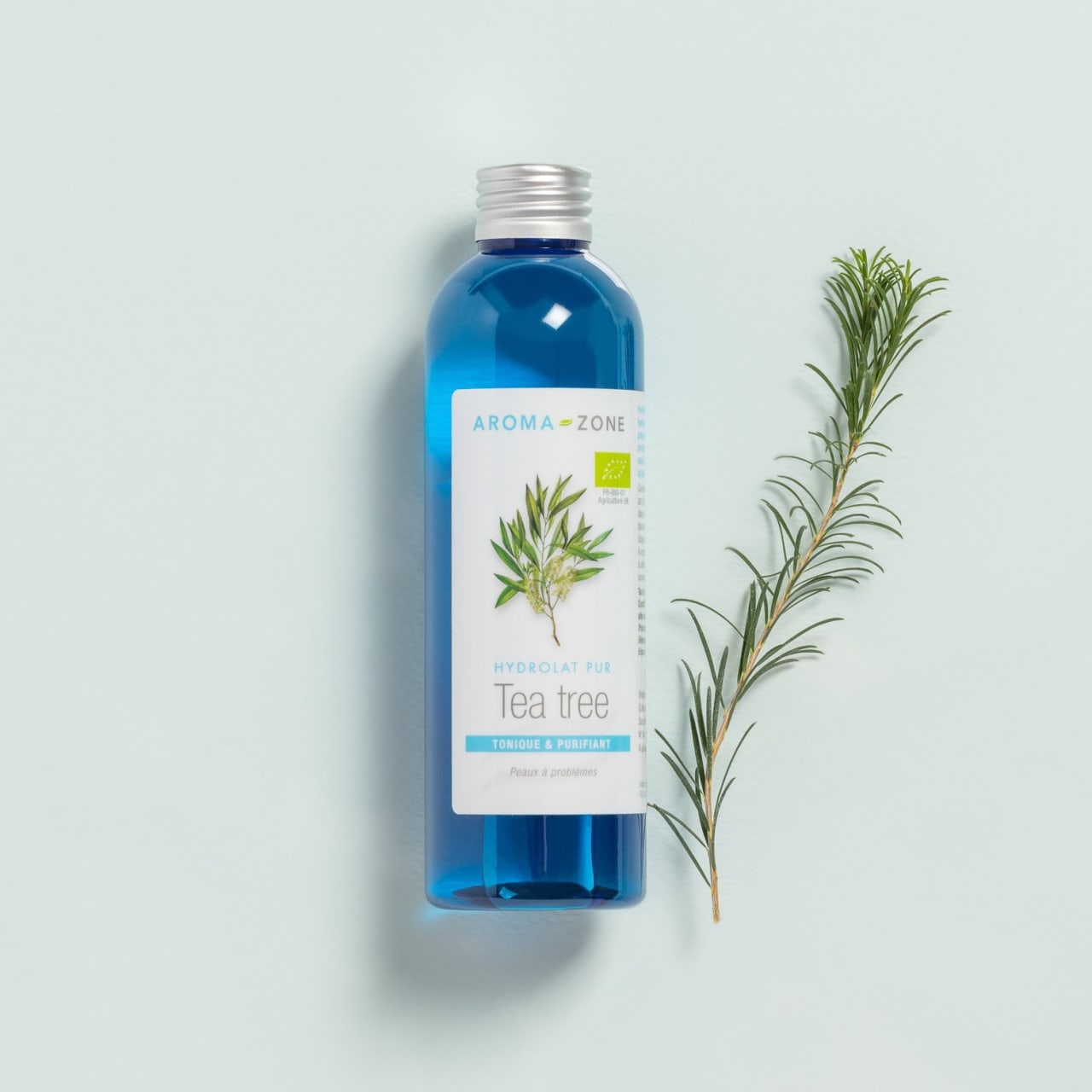
4. Have foot baths regularly: Once a week, soak your feet in a warm, soothing bath to cleanse the area around the ingrown toenail and prevent inflammation. Add some Epsom salt, renowned for its remineralising and relaxing properties. For an enhanced purifying effect, also add a few spoonfuls of Organic Tea Tree Hydrosol, which has antibacterial and antifungal properties ideal for preventing infections.

Organic Aloe Vera Gel

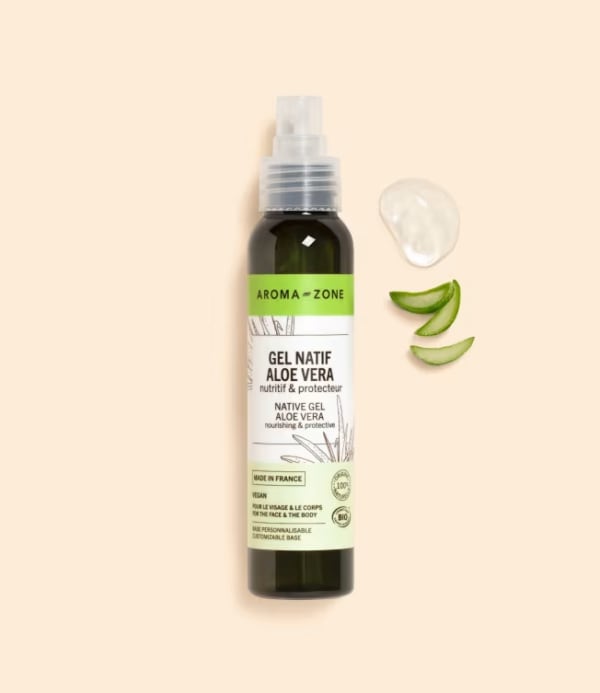
5. Protect your feet from injury: If you take part in sports that put a lot of strain on your feet (running, hiking, dancing), make sure you choose your shoes carefully and wear organic cotton socks, which help wick away moisture more effectively. After a busy day, remember to apply some Aloe Vera gel to your feet to soothe, moisturise and speed up skin regeneration. For an even more refreshing effect, keep your gel in the fridge before applying it.

By adopting these simple steps and incorporating suitable care products, you can significantly reduce the risk of ingrown toenails whilst looking after your feet naturally.

Recipes

Precautions for use

Never attempt to remove a deeply ingrown toenail yourself.

Avoid baths that are too hot, as these could worsen the inflammation.

Consult a podiatrist if you experience persistent pain or signs of infection.

Expert advice

After the foot soak, slip a small piece of cotton wool under the nail edge to help it gradually straighten and reduce pressure on the skin. You can soak it in St John’s wort oil or diluted tea tree essential oil, both of which have anti-inflammatory and antiseptic properties. If the pain persists or gets worse after a few days, it’s best to see a podiatrist to avoid complications! 

Spotlight on Our Writer: Louise Hourcade

After graduating from ESCP Business School in 2020, Louise began her career as a writer in 2021. Today, she writes a newsletter where she shares cultural recommendations and more personal articles, such as dating apps, therapy, and career guidance. She also writes for media outlets, brands and agencies on subjects such as well-being, mental health, culture, and society.

Bibliography

  1. Lipsky, B.A., et al. (2012). Management of Foot Infections.

    Clinical Infectious Diseases, 54, 132–139.

  2. Baran, R., & Maibach, H.I. (2019).

    Textbook of Nail Disorders. Springer.

  3. National Institute of Podiatry. (2021).

    Podiatry and foot care.

  4. French Association of Foot Surgery.

    (2023). Ingrown toenails.

  5. Futura Sciences. (2023).

    Ingrown toenails: what causes them?

Frequently Asked Questions

Frequently Asked Questions