Vitamins and Minerals for Stronger Nails

Vitamins and Minerals for Stronger Nails


By Stéphanie Le Guillou

Published on: Tuesday, October 08, 2024, Updated on: Wednesday, October 28, 2026

Beautiful nails can reflect good overall health. Fingernails often face external stresses that can make them brittle, soft, or ridged. To keep nails strong and healthy, it helps to understand the role that vitamins and minerals play in their growth and strength.

Contents

Related products

What Are Vitamins and Minerals?

Vitamins and minerals play a vital role in the body's optimal functioning; each has specific functions and is found in various foods.

Fat-Soluble Vitamins Include Vitamins A, D, E and K

  • Vitamin A is essential for eye health, the immune system and reproduction. It is found in carrots, spinach and dairy products.

  • Vitamin D, obtained mainly through exposure to sunlight, is vital for bone health and calcium absorption; it is also found in oily fish and eggs.

  • Vitamin E, a powerful antioxidant, protects cells from damage and is found in vegetable oils, nuts and seeds.

  • Vitamin K is crucial for blood clotting and bone health; it is found in green leafy vegetables and certain fruits.

Water-Soluble Vitamins Include Vitamins B and C

  • The B-complex vitamins, including B12, B6, riboflavin, niacin and folate, are vital for energy, the formation of red blood cells and brain function. These nutrients are found in whole grains, pulses, meat and dairy products.

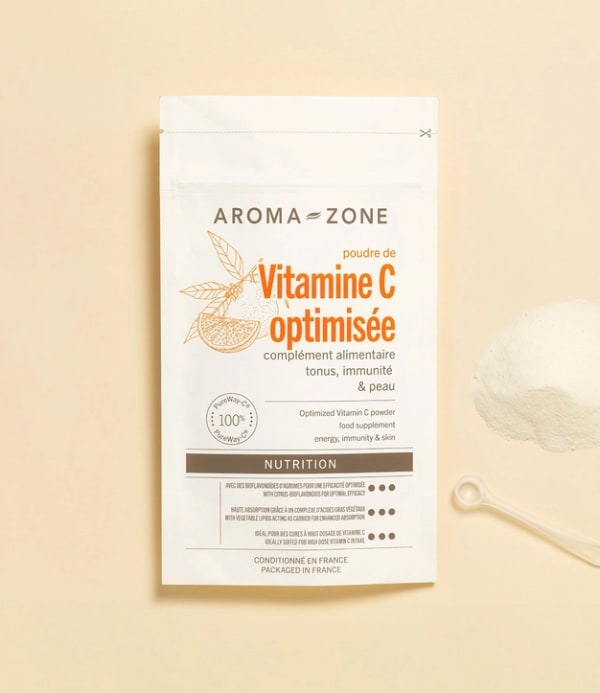
  • Vitamin C, which is essential for collagen synthesis, immunity and as an antioxidant, is abundant in fresh fruit and vegetables such as oranges and peppers.

Essential Minerals

  • Among the essential minerals, calcium and magnesium support bone structure and muscle function; they are found in dairy products and green vegetables.

  • Iron, which is essential for oxygen transport, is abundant in red meat, pulses and certain dried fruits.

  • Zinc, which is important for wound healing and the immune system, can be found in meat, seafood and nuts.

Daily requirements vary by age, gender, and state of health, but a balanced diet generally provides the amounts needed to maintain good health.

What are Nails Made of?

Nails are mainly made up of keratin, a natural protein rich in sulphur-containing amino acids. Keratin gives nails their strength and resilience. Healthy nails therefore result from an adequate intake of amino acids and essential nutrients that promote healthy growth.
What Are the Signs of Damaged Nails?

Damaged nails often signal internal imbalances or poor habits. They show several telltale signs of declining health and appearance. Here are the most common characteristics of unhealthy nails.

Brittle nails: Brittle nails split or break easily at the slightest impact. They lack strength and may indicate a deficiency in vitamins and essential nutrients such as vitamin B6, vitamin E, zinc and silicon. These trace elements play a crucial role in forming keratin, the natural protein that gives nails strength and elasticity.

Soft nails: Soft nails are flexible and lack firmness. They can bend without breaking, which often signals a deficiency in amino acids and biotin (vitamin B8). A balanced diet rich in protein and B vitamins is essential for strengthening nail structure.

Ridged nails: The ridges on the nails appear as vertical or horizontal lines. These ridged nails may result from disrupted cell renewal or a deficiency in vitamins and minerals. Skin and nail cells require adequate nutrients to regenerate properly. A lack of vitamin E and zinc can contribute to this problem.

Splitting nails: When nails separate into layers, this is called splitting nails. This phenomenon is often linked to external factors, such as using harsh products or frequently coming into contact with water without protection. It may also signal a keratin deficiency caused by a lack of essential vitamins and dietary supplements.

Slowed nail growth: Slower-than-normal nail growth may indicate that the body is not getting enough nutrients for nail growth. Vitamin deficiencies, particularly biotin and vitamin B6, as well as low zinc, can slow nail regeneration.

Dull and discoloured nails: Nails that lose their natural shine and become dull or discoloured may signal vitamin and mineral deficiencies. A balanced diet rich in whole grains, brewer’s yeast, and olive oil can help restore the beauty of your nails by providing the necessary nutrients.

By recognising these signs, you can take appropriate action to improve your fingernail health. Adopting good habits, such as eating a balanced diet and taking suitable dietary supplements, can help strengthen your nails from within and restore them to a strong, healthy and beautiful condition.

What causes damaged nails?

Several factors can contribute to poor nail health:

Vitamin deficiency

In particular, a deficiency in vitamins B6, B8 (biotin) and B12 can affect nail growth, making nails soft and brittle. Similarly, a deficiency in essential minerals such as zinc, silicon and other trace elements compromises nail strength, as these nutrients are essential for the production of keratin, the natural protein that makes up nails.

Bad habits

Such as excessive use of harsh chemicals, prolonged unprotected contact with water or biting one’s fingernails can damage skin cells and disrupt cell renewal.

An inadequate balanced diet

A diet low in foods rich in essential nutrients such as whole grains, brewer’s yeast or olive oil, affects the body and the health of the nails. Without a sufficient intake of amino acids, vitamins and minerals, the nails cannot strengthen from within.

Looking After Your Nails Naturally

You can strengthen your nails with natural methods and certain lifestyle changes.

bourrache

What to do about brittle nails?

To combat brittle nails, it is recommended that you regularly apply warm olive oil to your nails. Olive oil is rich in vitamin E, which moisturises and nourishes keratin, thereby promoting strong nails.

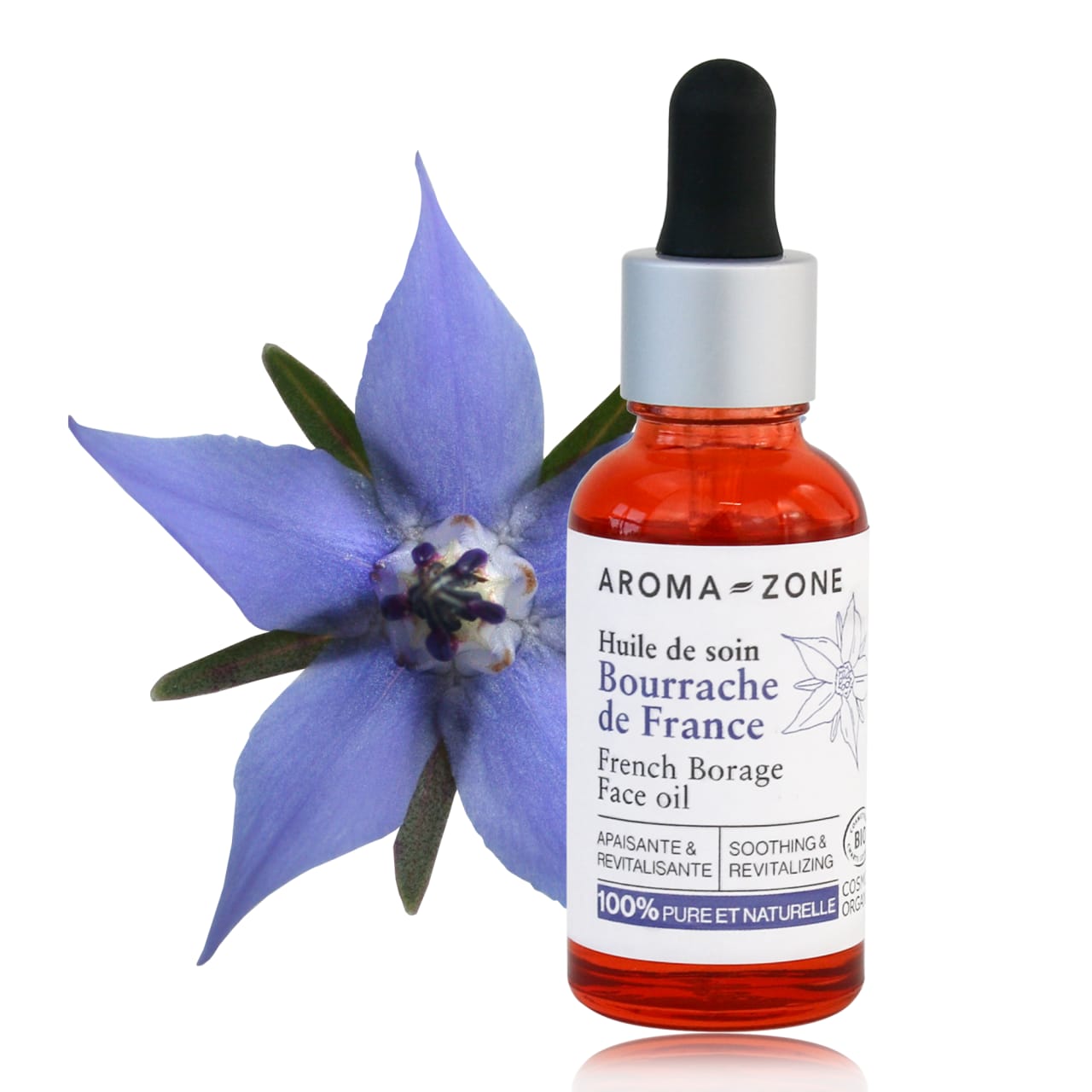
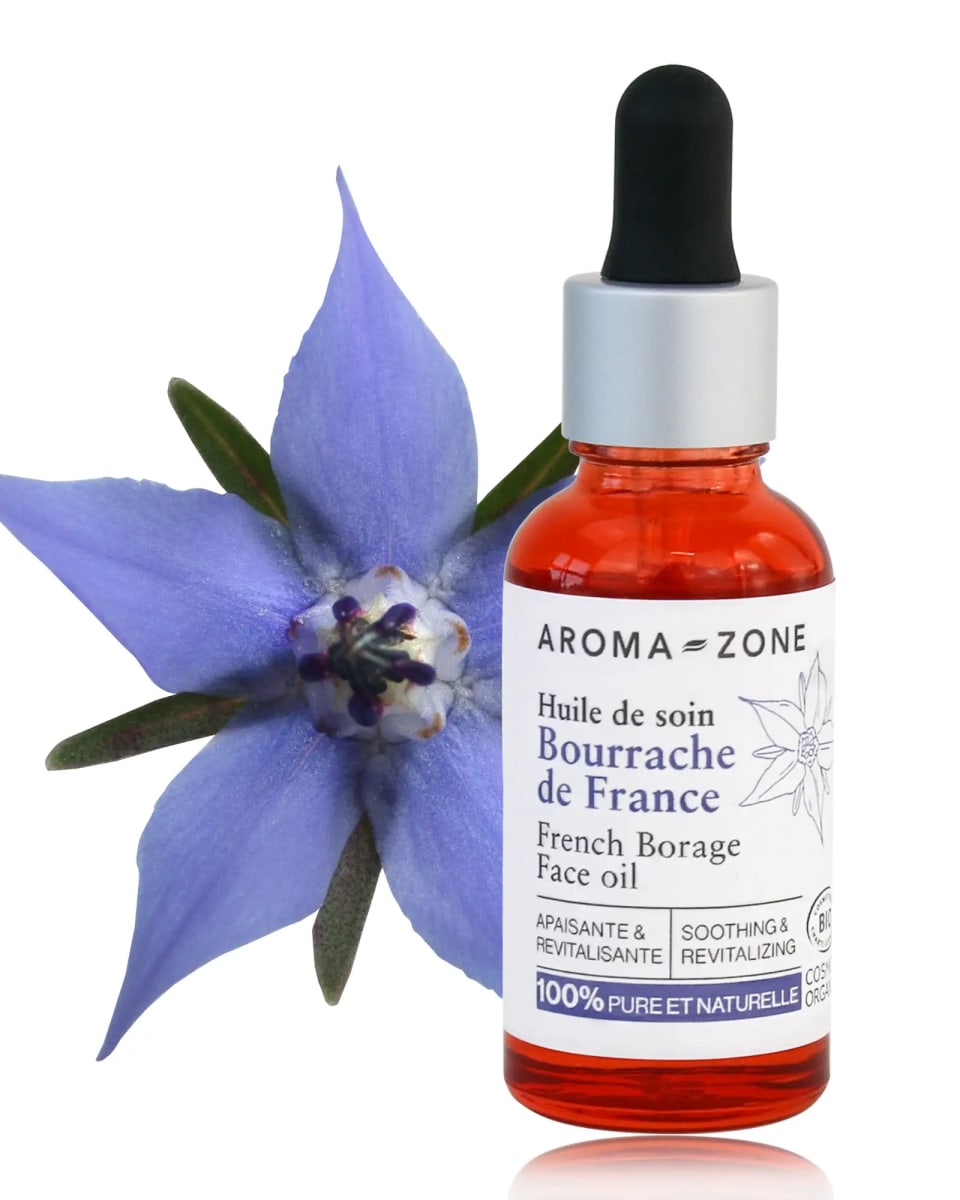
What’s more, olive oil can be combined with lemon juice to enhance its effect. Bourrache de France Organic Care Oil is also popular for treating soft or brittle nails.

Discover our Organic French Borage Care Oil

Repairing nail & cuticle treatment with precious cacay oil

How to prevent ridged nails?

Ridged nails can be a sign of a vitamin or amino acid deficiency. A diet rich in whole grains, green vegetables and dried fruit can improve their appearance.

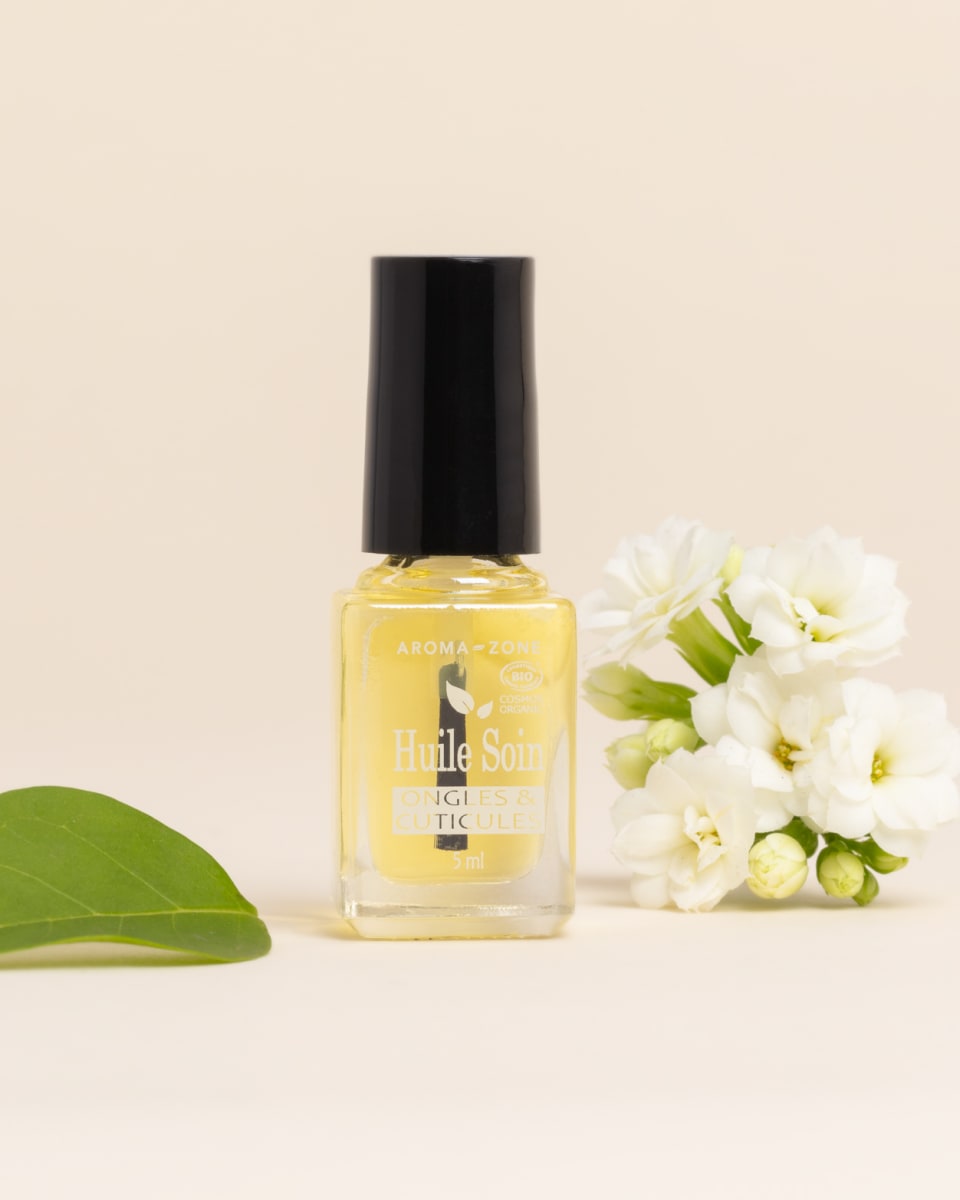
Applying specific products containing trace elements can also help. Nail and cuticle care oil strengthens ridged nails.

Discover our Nail & Cuticle Care Oil

How to prevent split nails?

To prevent your nails from splitting, it is essential to moisturise them regularly and protect them from damage.

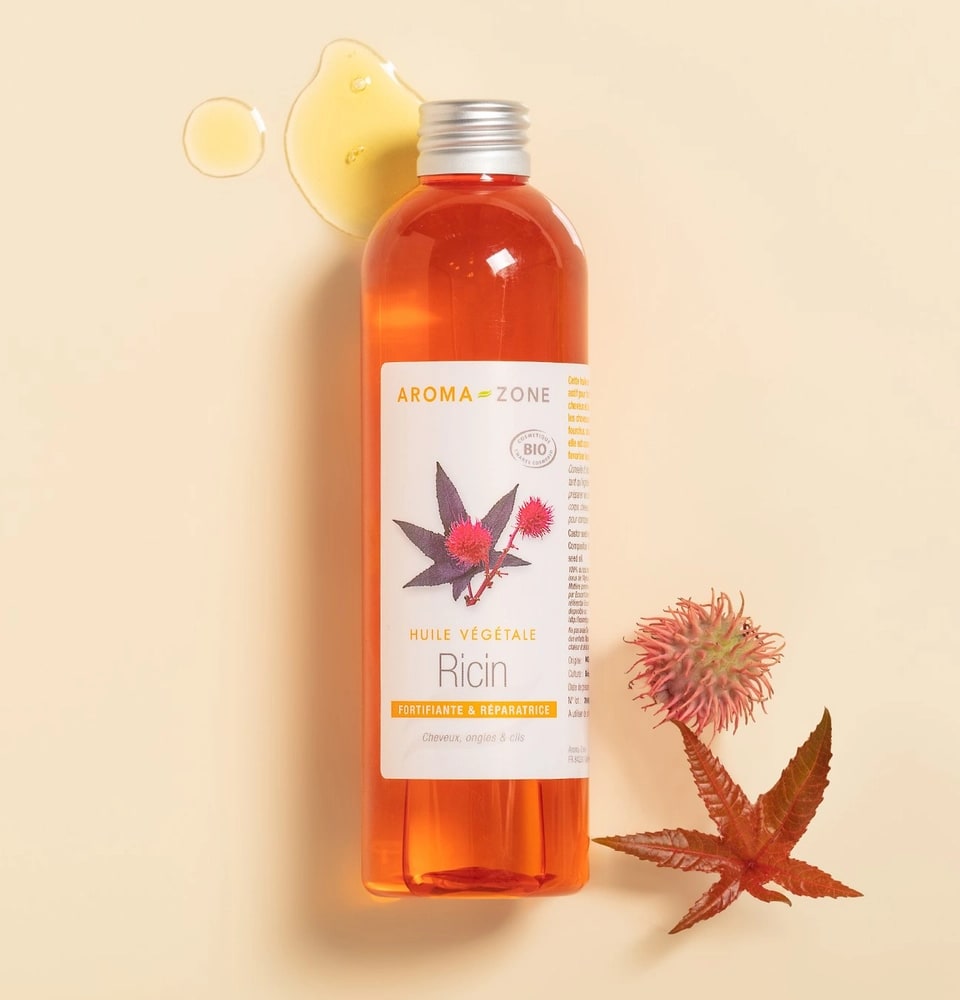
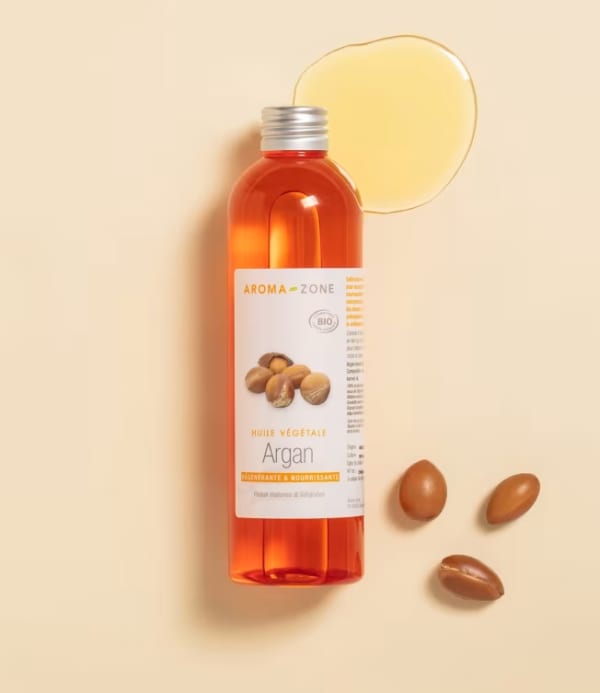
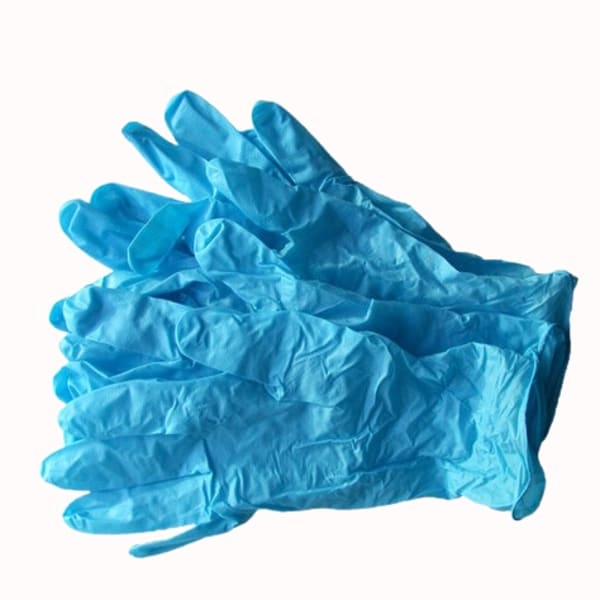
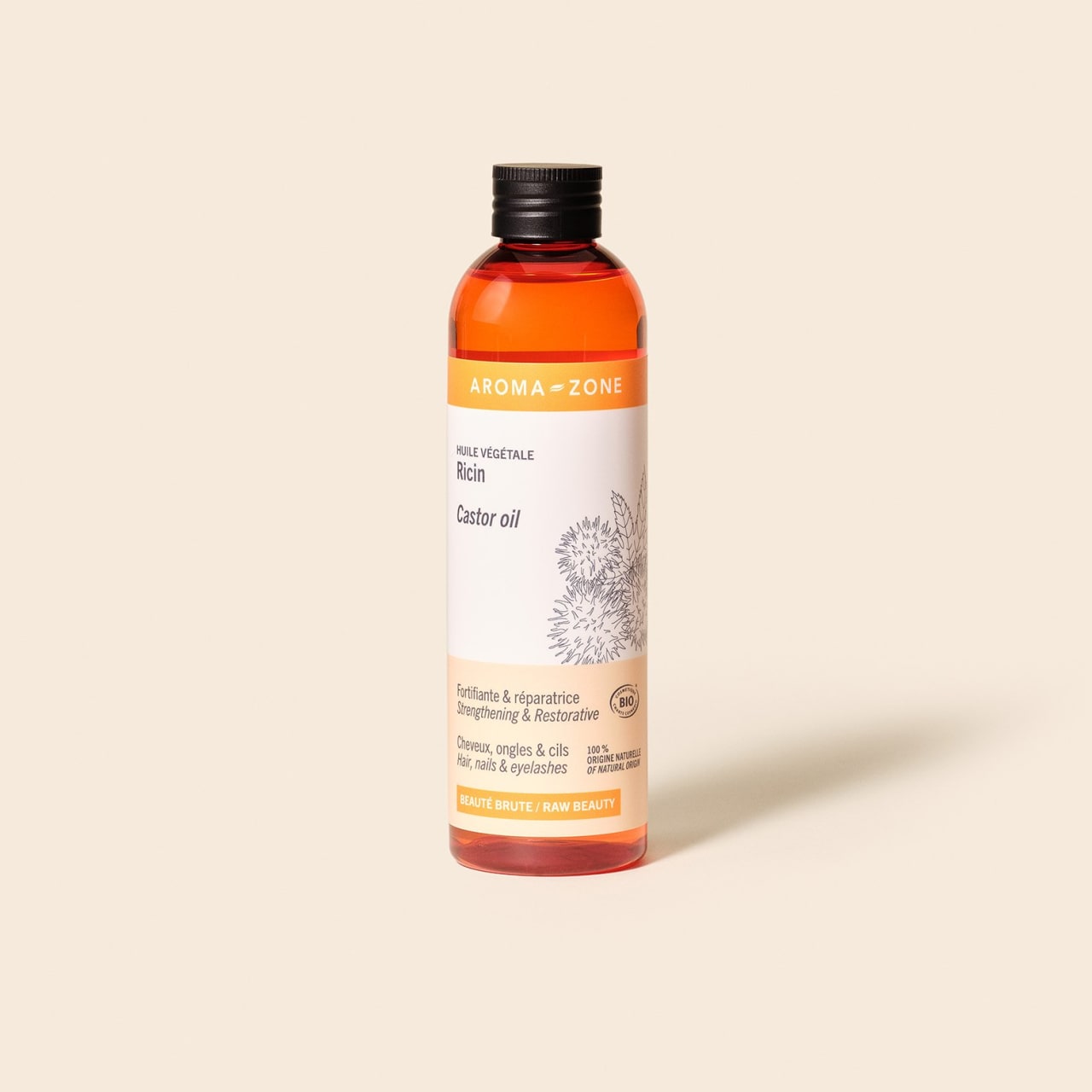
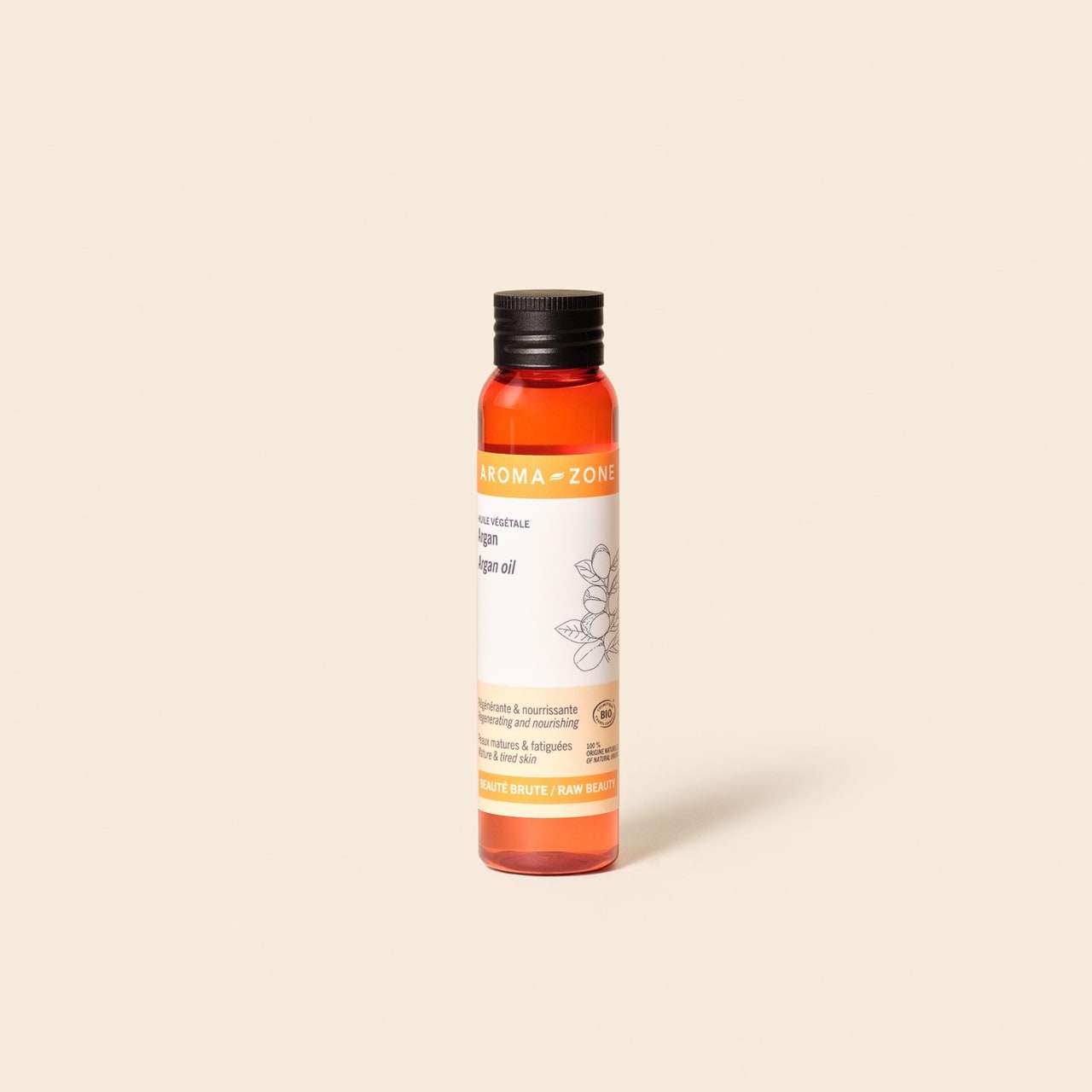
Wearing gloves whilst doing household chores and applying nourishing oils, such as castor oil or argan oil, can strengthen your nails.

Adopting a nail care routine promotes healthy, strong nails.

Discover our Organic Castor Oil

Which foods or dietary supplements should you choose to achieve beautiful nails?

A balanced diet is the key to nourishing your nails from within. Foods rich in biotin (vitamin B8), such as brewer’s yeast, eggs and pulses, promote nail growth.

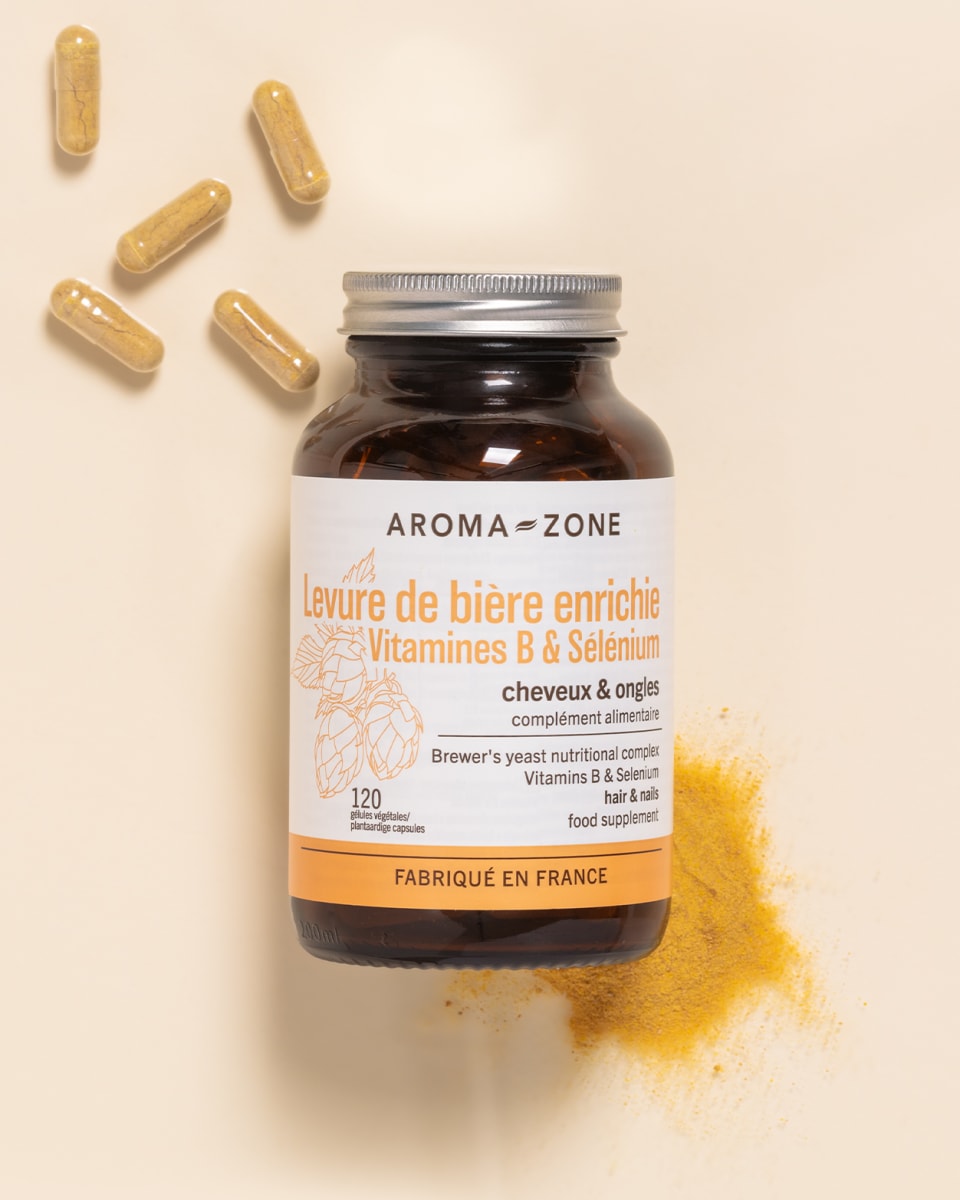
Dietary supplements containing brewer’s yeast are particularly effective at strengthening nails. Brewer’s yeast is rich in B vitamins, particularly biotin, which stimulates nail growth. Incorporating brewer’s yeast into your diet can therefore help you achieve beautiful nails.

Discover our Enriched Brewer’s Yeast 120 capsules – Dietary supplement

Zinc, found in seafood and red meat, contributes to keratin production. Silicon, found in whole grains and certain vegetables, strengthens the structure of the nails.

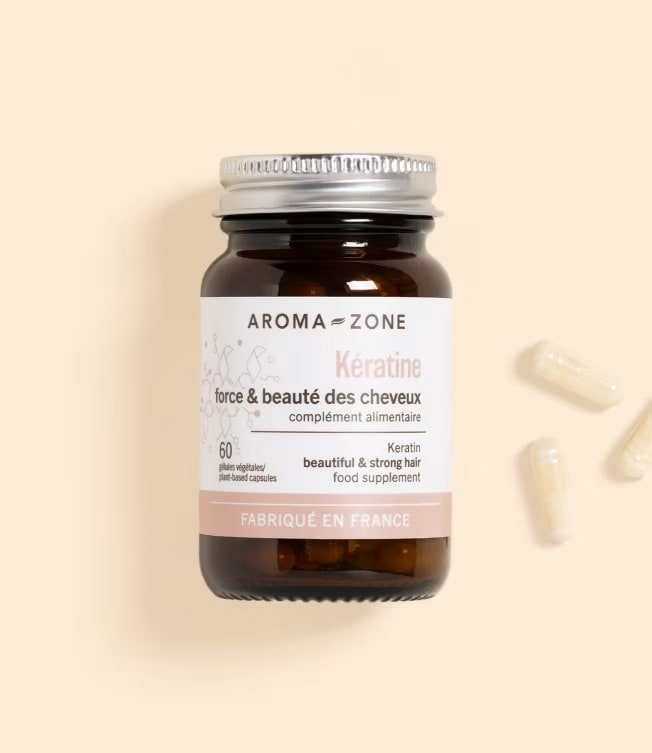
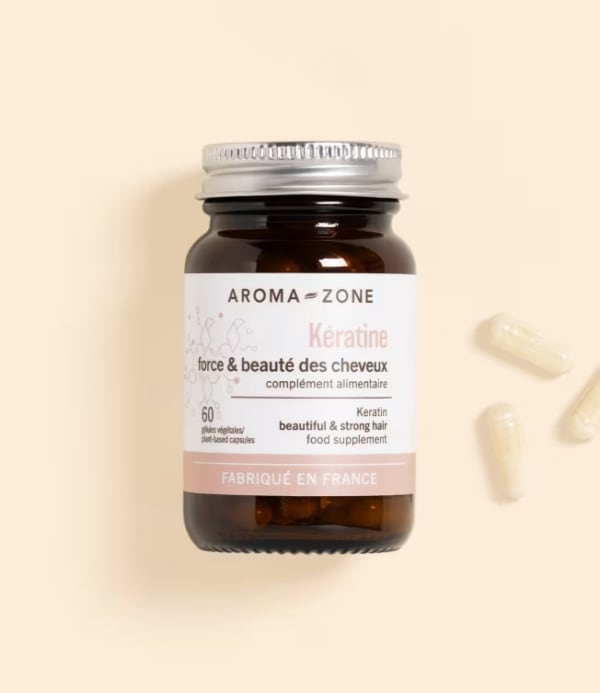
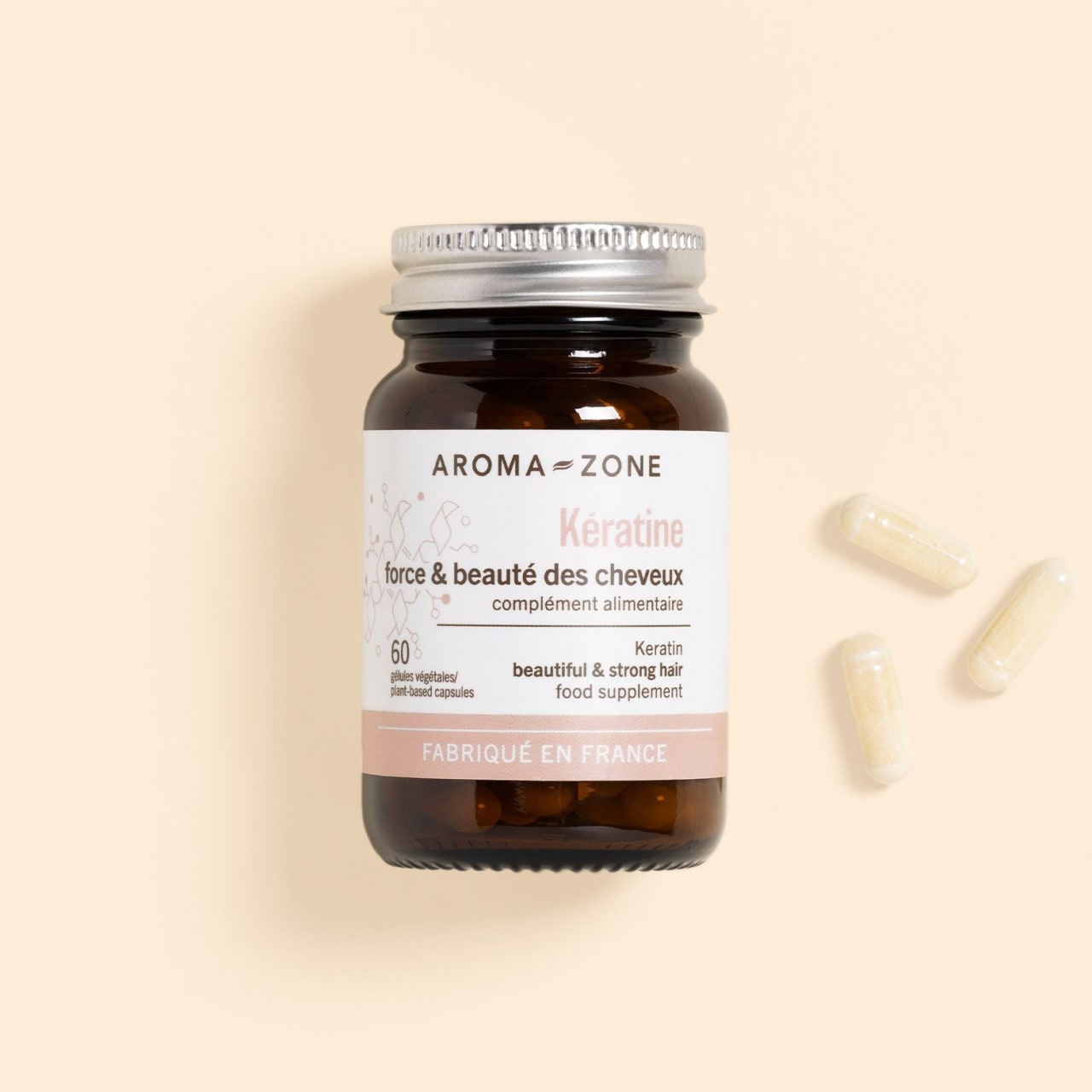
Furthermore, keratin reduces the tendency for nails to break and improves their hardness and strength. As an added bonus, it also enhances the appearance of your nails by making their colour and texture more even.

Discover our Keratin – 60 capsules – Food supplement

What Natural Beauty Ritual Can Help You Look After Your Nails?

To keep your nails looking beautiful and healthy, here is a suggested natural nail care routine.

  • Use nail oil regularly, such as argan oil or jojoba, massaging each nail to stimulate circulation and moisturise the cuticles, which prevents them from drying out and splitting.

catalogue_equipment-protection-hygiene_set-of-5-pairs-of-gloves_1
  • Wear gloves when gardening, cleaning and during any activity involving chemicals. This protects your nails from external damage and prevents them from becoming brittle.

  • Consider keratin supplements, as part of a varied and balanced diet. These supplements can help to strengthen the structure of the nail.

Nude pink nail varnish
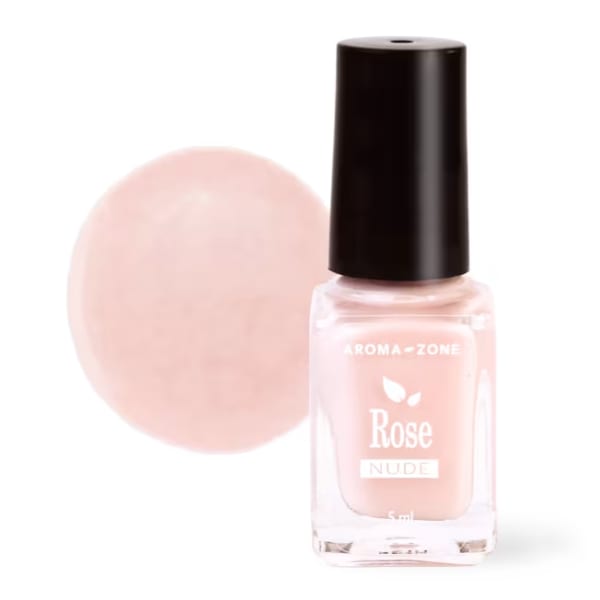
  • Choose nourishing nail varnishes. Opt for varnishes enriched with vitamins or natural oils to enhance the appearance of your nails whilst nourishing them.

Damaged Nails: Precautions to Take

Practise good hygiene to prevent infections. Clean your nails regularly and avoid biting them or cutting your cuticles, as this can cause micro-trauma. Good hygiene promotes nail growth and keeps nails looking healthy. If your nails are damaged despite following this advice, please do not hesitate to consult your doctor.

Expert Advice

To maintain nail health, take certain precautions. Avoid harsh products and wear gloves when using detergents or solvents. Limit your use of nail varnish and removers containing harmful substances, as these can dry out your nails and disrupt cell renewal. Choose specialised products free of harsh ingredients to keep your nails healthy.

Meet Our Expert Writer: Stéphanie Le Guillou

Stéphanie is a pharmacist (since 2010) and holds a PhD in molecular biology (since 2012). Passionate about writing, she has produced medical content for nearly 15 years. Her goal is to make information accessible and easy to understand, without ever sacrificing scientific accuracy.

Bibliography

  1. ANSES. Nutritional references for vitamins and minerals. April 2021.

    https://www.anses.fr/fr/content/les-r%C3%A9f%C3%A9rences-nutritionnelles-en-vitamines-et-min%C3%A9raux

Frequently Asked Questions

Frequently Asked Questions