Biotin: what are its benefits?

Biotin: what are its benefits?


By Delphine Duc

Published on: Monday, August 18, 2025, Updated on: Friday, November 13, 2026

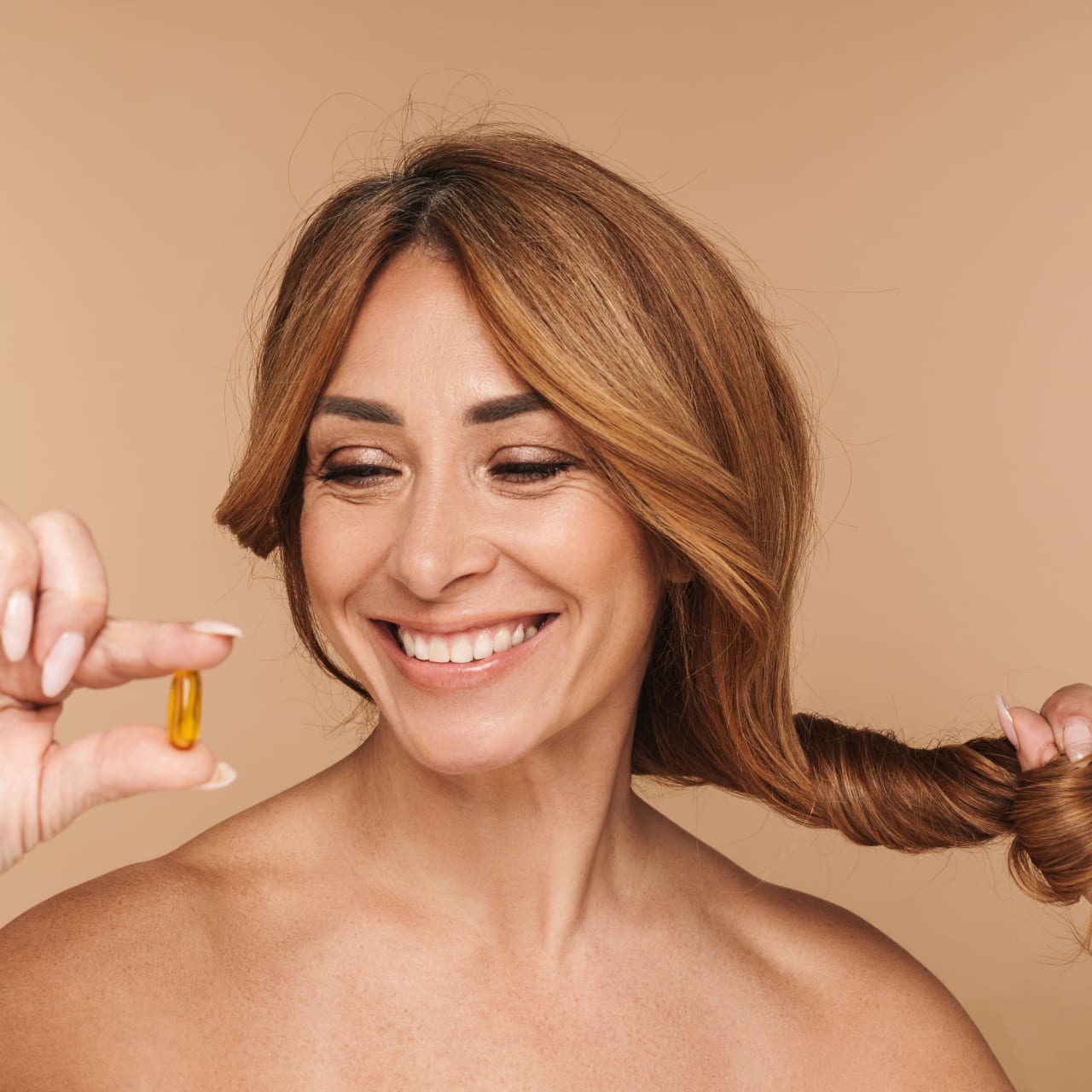
Biotin, also known as vitamin B8 or vitamin H, is a micronutrient essential for the proper functioning of our bodies. Known for its benefits for the health of hair, nails and skin, it also plays a key role in energy metabolism. Where does it come from, how does it work, and what are its real benefits? Find out everything about biotin and how to incorporate it effectively into your routine.

Contents

Related products

What is biotin and what is its role?

Biotin is a water-soluble B-complex vitamin. Chemically, it consists of an imidazolidone ring fused to a tetrahydrothiophene ring. Its INCI name is Biotin.

It is also known by the following names:

  • Vitamin B8 (France, Europe)

  • Vitamin H (Haut means ‘skin’ in German)

In the body, biotin:

  • Plays a role in the synthesis of fatty acids.

  • Plays a part in the metabolism of carbohydrates and amino acids.

  • Plays a role in energy production.

  • Helps maintain healthy skin, hair and nails

Why take it?

Biotin is essential for the proper functioning of many bodily processes. Although it can be synthesised by gut bacteria, a regular dietary intake or targeted supplementation may be necessary to fully reap the benefits of biotin, both for beauty and overall vitality.

For healthy hair

Among biotin’s best-known benefits, its role in hair health is central. Biotin promotes the synthesis of keratin, a protein that forms the structure of the hair. If there is a deficiency, hair often becomes finer, more brittle or duller. A course of biotin helps to maintain stronger, shinier and visibly revitalised hair.

To strengthen your nails

People prone to brittle or soft nails may benefit from biotin supplementation. Several studies have shown an improvement in nail thickness, hardness and strength after a few weeks. These benefits of biotin on the keratin structure of the nails make it a sought-after active ingredient in strengthening care products.

For balanced, radiant skin

Biotin is involved in cell renewal and the maintenance of an effective skin barrier. It helps regulate the skin’s natural moisture levels and prevent certain signs of skin imbalance such as dryness, redness or a dull complexion. The effects of biotin on the skin are particularly valued in radiance-boosting treatments and anti-fatigue skincare.

To support vitality and metabolism

Biotin is an essential cofactor for several enzymes involved in energy metabolism. It helps convert carbohydrates, fats and proteins into energy that cells can use. By promoting this conversion, biotin helps reduce fatigue and supports cognitive and muscular functions. The benefits of biotin therefore go far beyond mere aesthetic considerations.

In certain specific situations

Ensuring an adequate intake of biotin can be particularly important in certain cases:

  • Pregnancy and breastfeeding: requirements are higher to support development and compensate for losses through breast milk.

  • Ageing: intestinal absorption may decrease, increasing the risk of deficiency.

  • Restrictive diets: in the case of an unbalanced diet or a strict vegan diet, natural sources of biotin may become insufficient.

What are the benefits of biotin?

Scientifically speaking, there are several proven benefits of biotin: 

For healthy hair

Biotin promotes the production of keratin, a protein essential for the structure and strength of hair. An optimal intake helps to maintain thicker, shiny and resilient hair. It also supports the health of hair follicles, which helps to improve the overall quality and vitality of the hair.

For stronger nails

By strengthening the keratin in your nails, biotin helps reduce their brittleness and tendency to split. Studies show that regular supplementation increases the hardness and thickness of nails, resulting in visibly well-groomed hands and less brittle nails.

For balanced, radiant skin

Biotin supports cell renewal and helps maintain an effective skin barrier. It therefore helps keep the skin supple, well-hydrated and radiant. When taken in sufficient quantities, it can reduce feelings of dryness and improve the skin’s comfort in the face of external stressors.

For optimal energy metabolism

As a coenzyme, biotin plays a key role in converting nutrients into usable energy. It is involved in gluconeogenesis, fatty acid synthesis and amino acid metabolism. This helps to support vitality and reduce fatigue associated with an unbalanced diet.

Where can you find it in your diet?

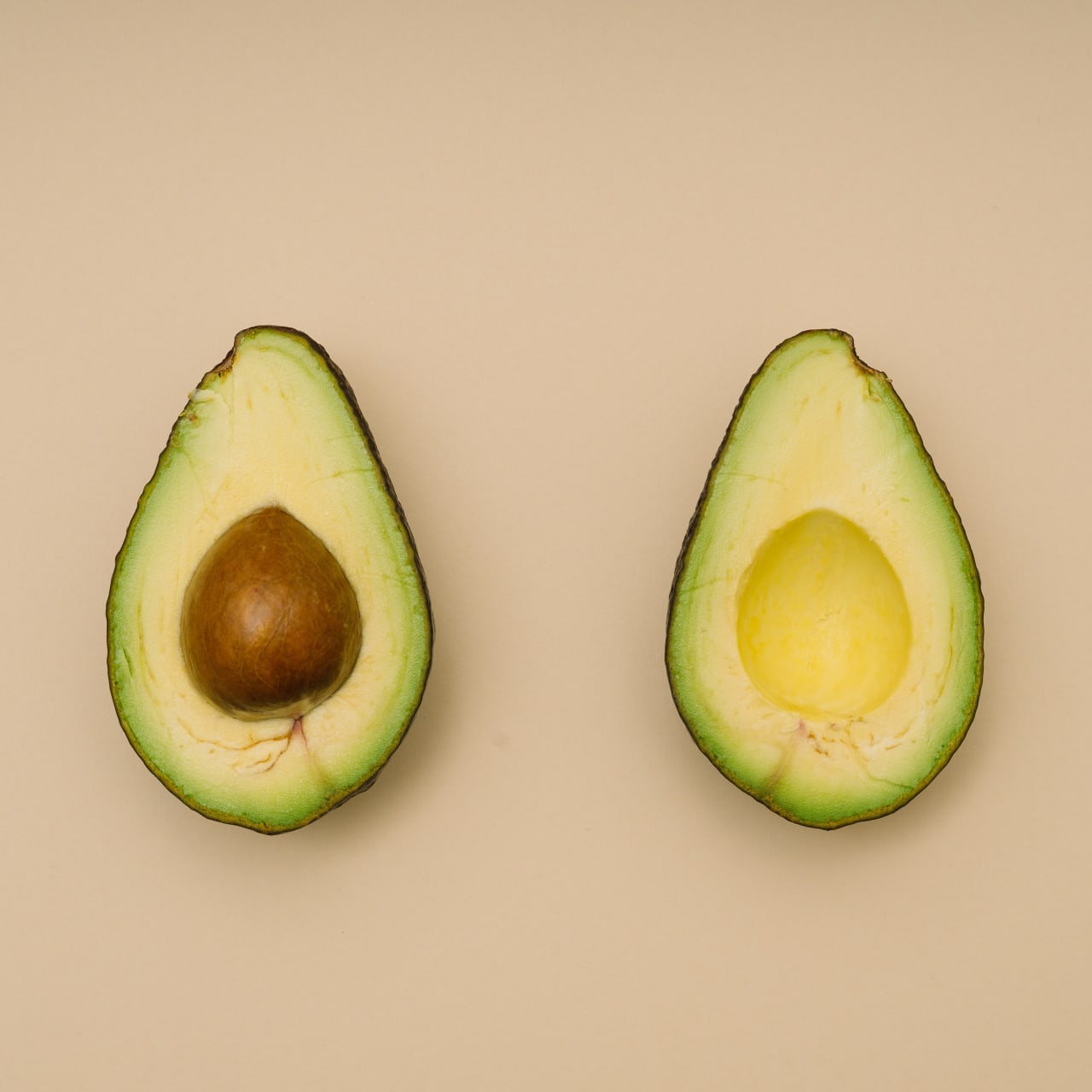
Foods rich in biotin:

  • Cooked eggs (yolk)

  • Liver and offal

  • Walnuts, almonds, hazelnuts

  • Sunflower seeds

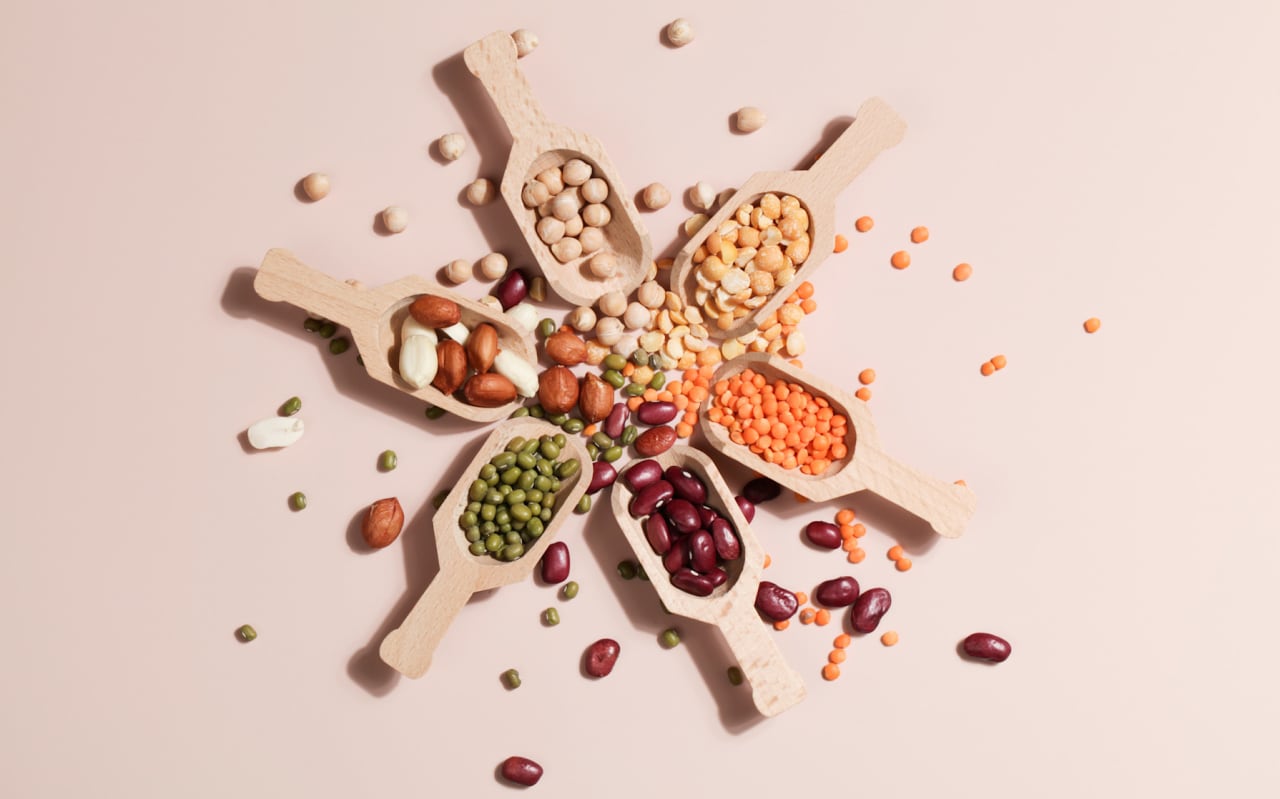
  • Pulses

  • Wholemeal cereals

  • Oily fish

With a balanced diet, we therefore generally get enough biotin!

Tip: opt for gentle cooking methods to preserve biotin.

How should you take biotin?

The effectiveness of biotin depends as much on the dose as on how it is incorporated into your routine. Here’s how to optimise your intake to get the most out of biotin’s benefits, whether as a short course of treatment or as part of a balanced diet.

Through diet

Natural biotin is found in many foods: eggs (cooked), liver, yeast, pulses, oilseeds, whole grains, oily fish… A varied diet is generally sufficient to meet your needs, but certain habits or digestive disorders can impair its absorption.

There are numerous benefits to obtaining biotin through your diet: improved bioavailability, a gradual effect and overall support for your metabolism.

As a dietary supplement

If you’re experiencing hair loss, brittle nails or unbalanced skin, a biotin treatment can boost your intake. It is available in the form of capsules, tablets, powder or as part of multi-nutrient complexes.

These concentrated formulas enable you to rapidly increase your intake and reap the benefits of biotin in a targeted way, particularly for aesthetic concerns.

What is the recommended dosage?

According to EFSA recommendations, the adequate intake (AI) of biotin is set at 40 µg per day for adults.

  • This value also applies to pregnant women.

  • Breastfeeding women should aim for 45 µg/day, due to losses via breast milk.

Tolerance is generally excellent, but it is best not to exceed the recommended doses without specialist advice.

When should you take it?

To maximise absorption, biotin should be taken in the morning on an empty stomach, with a large glass of water. This routine allows for better absorption in the digestive system and reduces interactions with other nutrients.

In what form?

Biotin is often combined with other B vitamins (B5, B6, B12), zinc or plant-based keratin. These synergies enhance its effects, particularly on the skin, hair and nails. Choosing a well-balanced formula maximises its effects whilst respecting the body’s physiological balance.

What dietary routine should you follow when taking biotin?

To combat hair loss, for example, here is the ideal routine to follow: 

In the morning

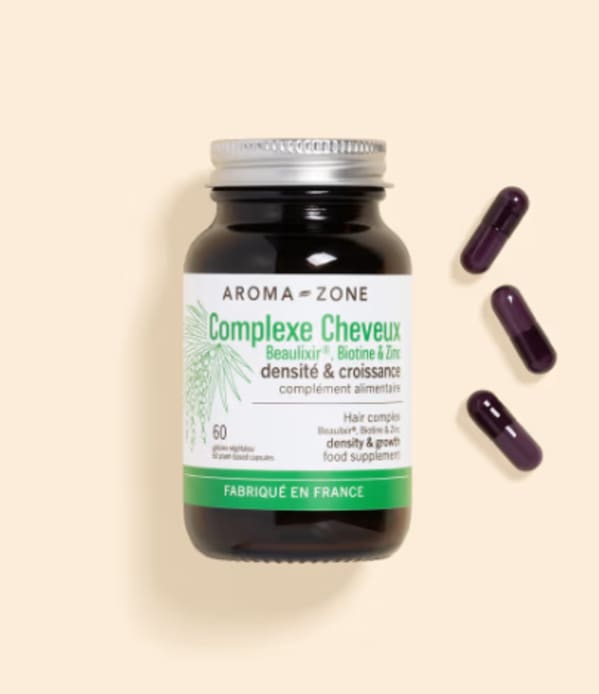
Hair Complex – 60 capsules

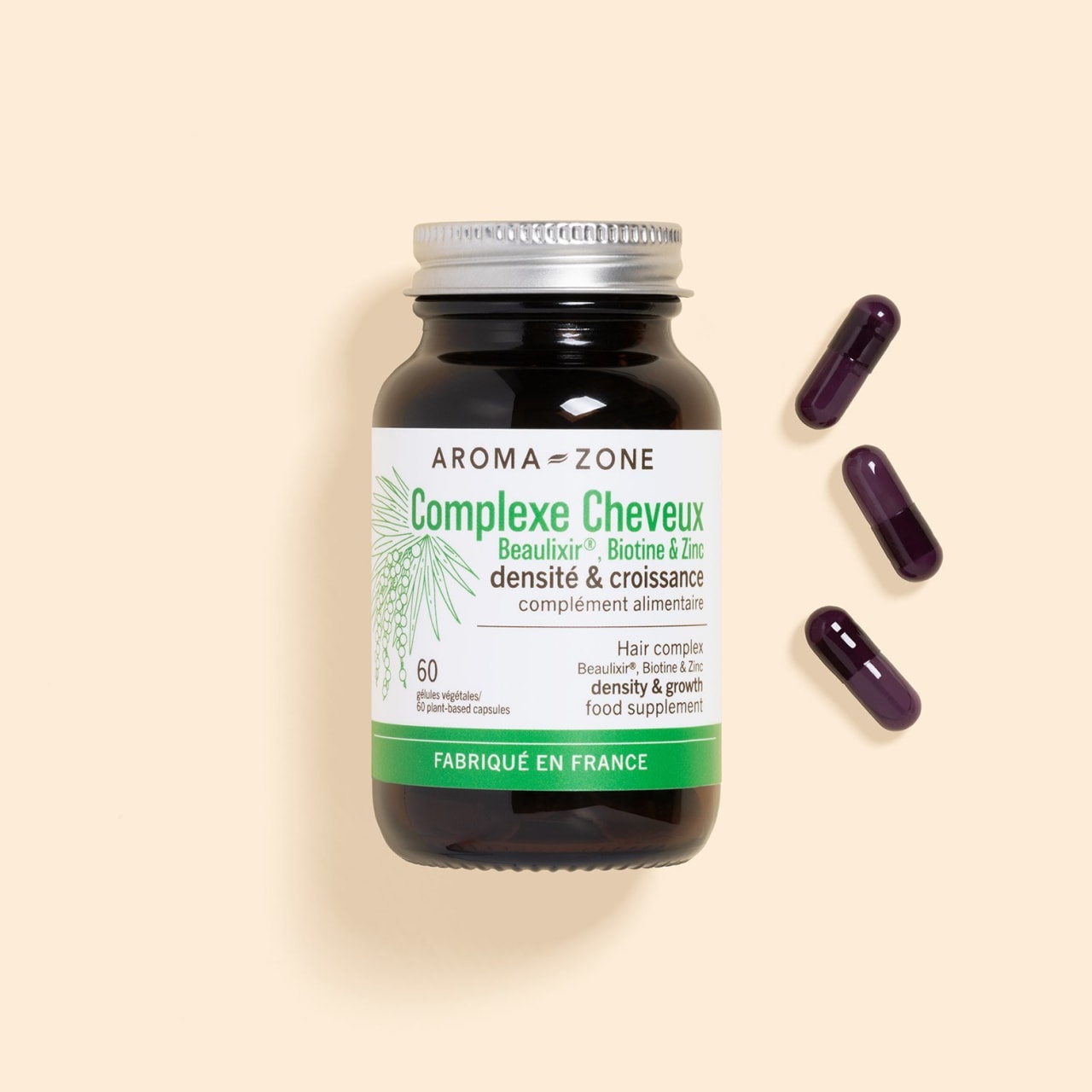
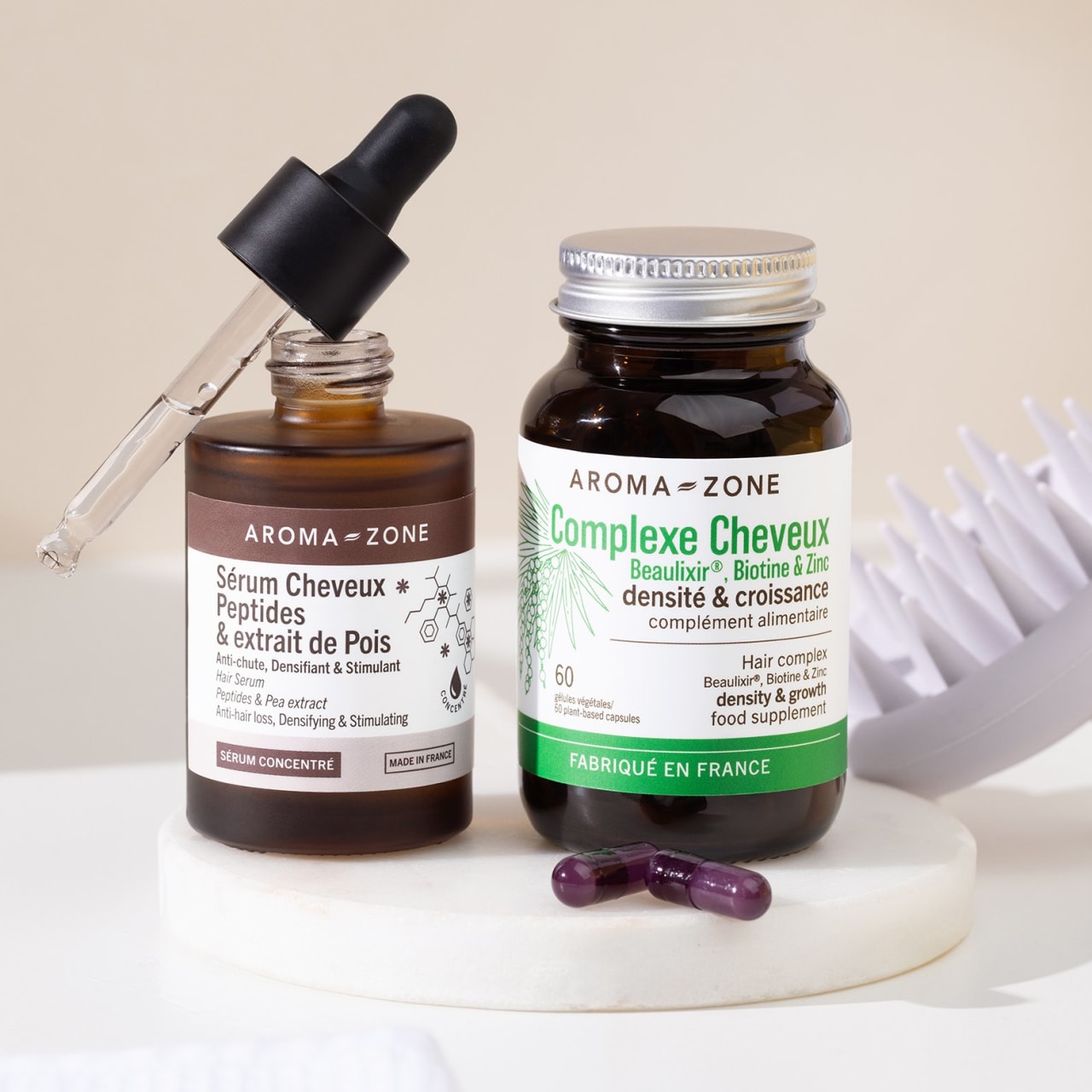
Before breakfast (on an empty stomach), take two capsules of our Hair Complex: Formulated with the active ingredient Beaulixir®, which has been clinically proven to reduce hair loss and improve the appearance of the hair. It contains oily extracts of saw palmetto, borage, linseed, wheat and rye, as well as pine bark phytosterols, which work in synergy with zinc and natural biotin (vitamin B8) to strengthen the hair fibre.

In the evening

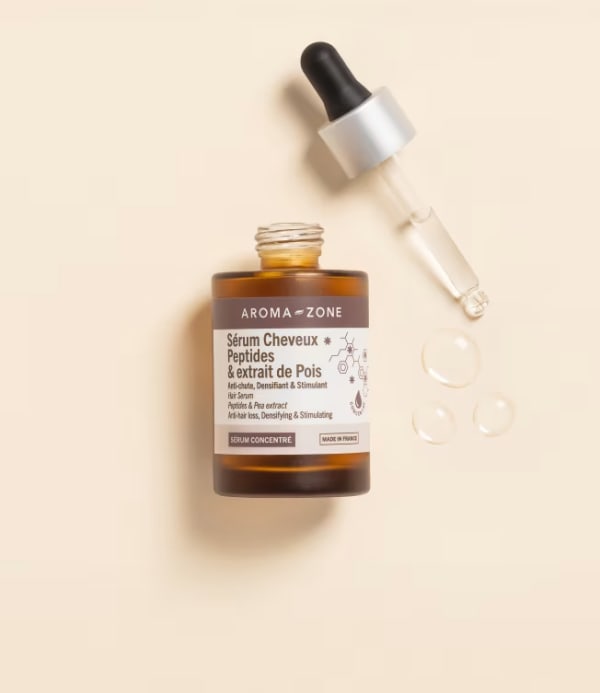
Anti-hair loss hair serum with peptides and pea extract

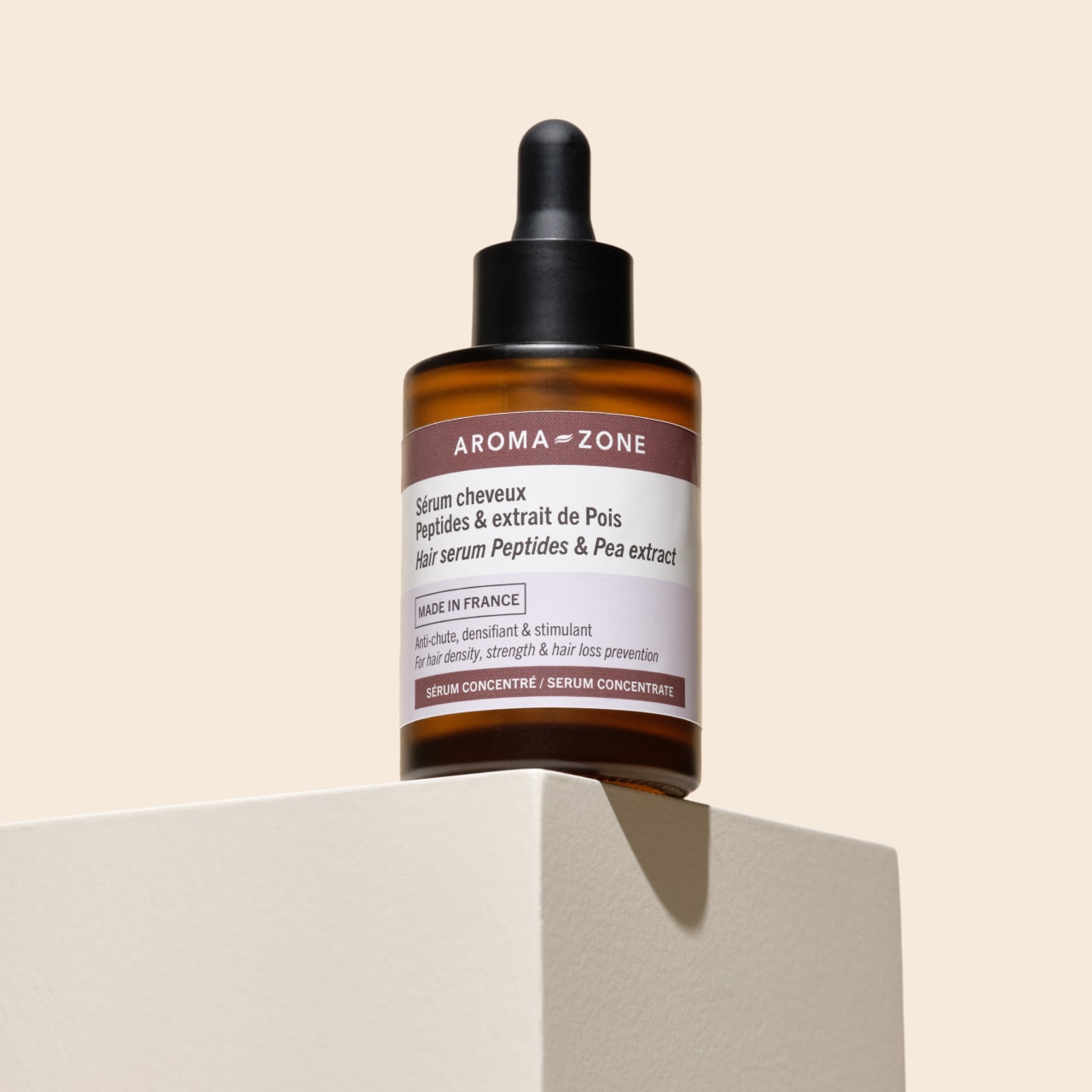
Before going to bed, start by using our Anti-Hair Loss Hair Serum: This leave-in hair serum combines peptides with pea and red clover extracts to thicken and strengthen hair right from the root. It prolongs the growth phase, promotes hair anchoring and slows down chronic hair loss – whether androgenic, stress-related, caused by deficiencies, hormones or seasonal changes. It contains Biotinoyl Tripeptide-1 (a combination of biotin and the GHK peptide).

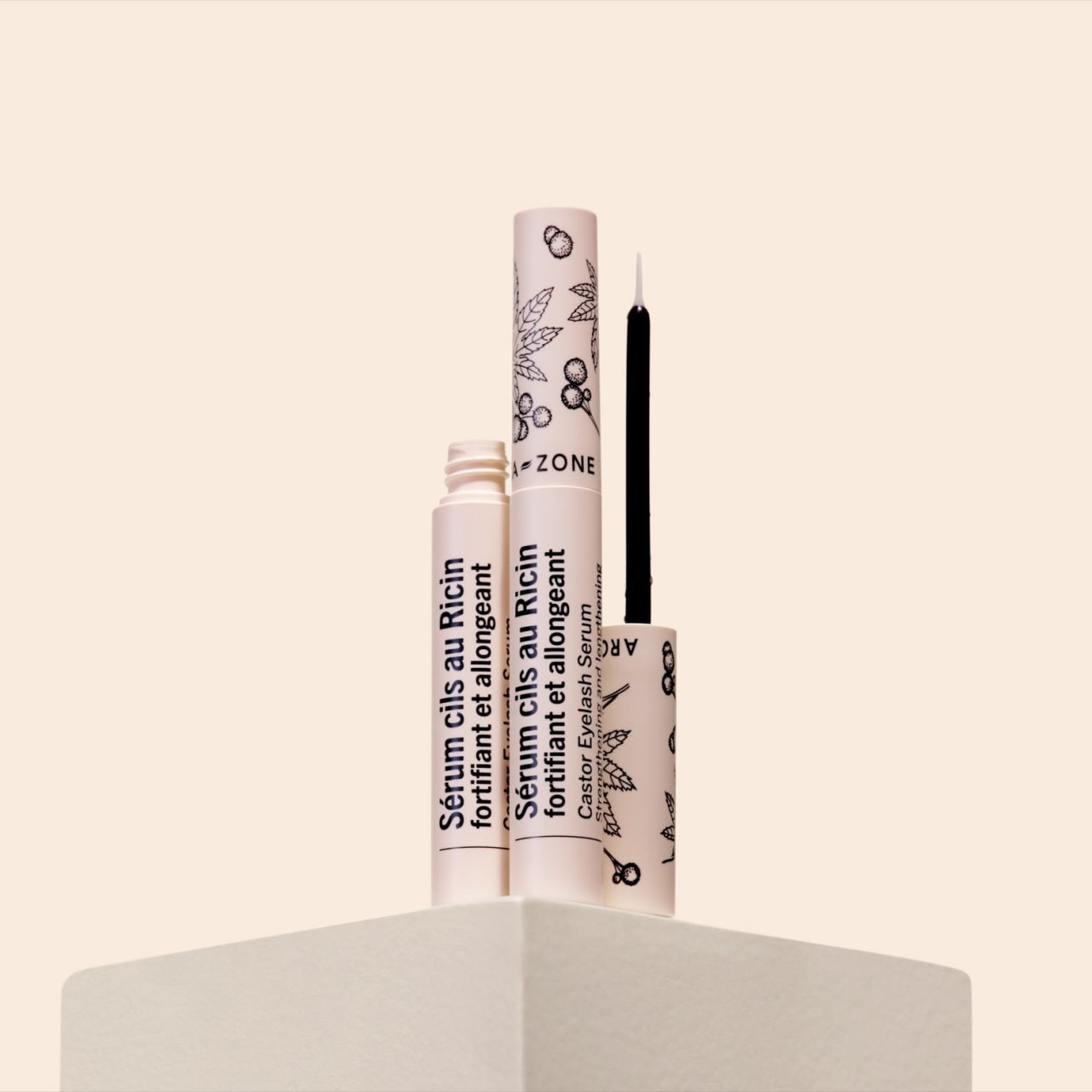
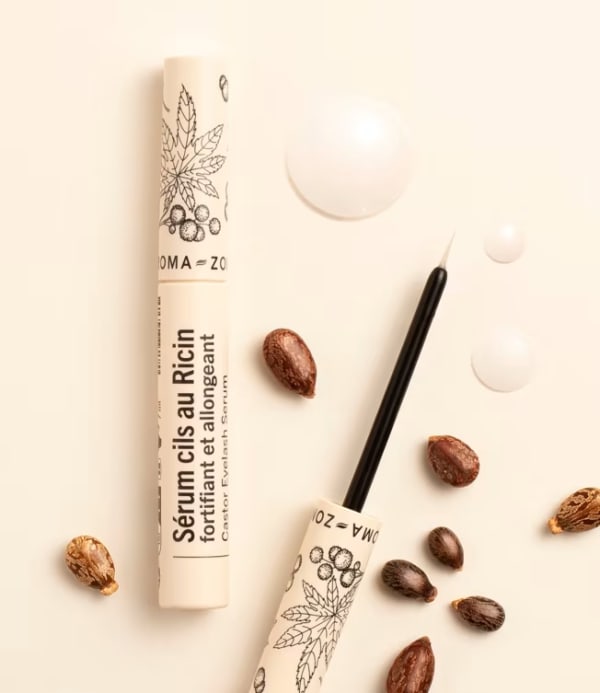
Organic Castor Oil Eyelash Strengthening Serum

Next, to achieve a similar effect on your eyelashes, you can apply our Organic Castor Oil Strengthening Eyelash Serum: This strengthening serum restores volume, length and density to your eyelashes, without any artificial additives. Its formula combines Biotinoyl Tripeptide-1 (a combination of biotin and GHK peptide), pea shoot extract, organic castor oil and panthenol, all known to stimulate growth and strengthen eyelashes.

Homemade recipes

We do not stock biotin as a pure ingredient, but only as part of ready-to-use products such as those featured in the anti-hair loss routine. However, to achieve some of its benefits, you can make your own homemade recipes using other ingredients. Here are two examples of recipes to try at home: 

  • Fortifying anti-hair loss shampoo with nettle: This anti-hair loss shampoo is formulated with nettle, which tones the scalp and stimulates hair growth. Apply to wet hair. Massage your scalp for a few seconds, then rinse with clean water.

  • Strengthening nail roll-on: Used every evening and massaged into the area around the nail, this oil offers the nourishing and strengthening properties of castor and camellia plant oils. Ideal for keeping your nails and cuticles in top condition!

Contraindications / precautions for use

Biotin is generally well tolerated, but certain precautions are necessary:

  • Stick to the recommended doses: the EFSA sets the adequate intake at 40 µg/day for adults. Supplements containing higher doses should only be taken on professional advice.

  • Pregnant/breastfeeding women: medical advice is recommended before taking supplements, so that doses can be tailored to specific needs.

  • Interference with medical tests: at high doses, biotin may interfere with certain blood tests, particularly those for hormones or heart function.

  • Possible digestive effects: rare, but high doses may cause minor discomfort (bloating, mild diarrhoea).

  • Medical supervision: if you are taking medication or have a chronic condition, it is advisable to seek the advice of a healthcare professional.

Expert advice

"Combine biotin with a balanced diet rich in protein and essential fatty acids. The benefits for the health of your hair and nails are often noticeable after 2 to 3 months."

Spotlight on our expert writer: Delphine Duc

Delphine Duc 02.jpg

Delphine DUC, a biological engineer specialising in cosmetology, has been passionate about the field of cosmetics for almost 10 years. She started making her own cosmetics using Aroma Zone products to tackle her skin problems, then decided to train as a cosmetologist and finally to create a bespoke cosmetics brand to address everyone’s individual skin concerns.

Bibliography

  1. Colombo VE, Gerber F, Bronhofer M, Floersheim GL. Treatment of brittle fingernails and onychoschizia with biotin: scanning electron microscopy. J Am Acad Dermatol. 1990;23(6 Pt 1):1127-32.

  2. EFSA Panel on Dietetic Products, Nutrition and Allergies (NDA). Scientific Opinion on Dietary Reference Values for biotin. EFSA Journal. 2014;12(2):3580.

  3. Mock DM. Biotin: From nutrition to therapeutics. J Nutr. 2017;147(8):1487–1492.

  4. Pacheco-Alvarez D, Solórzano-Vargas RS, León-Del-Río A. Biotin in metabolism and its relationship to human disease. Arch Med Res. 2002;33(5):439-47.

  5. Trüeb RM. Serum biotin levels in women complaining of hair loss. Int J Trichology. 2016;8(2):73–77.

  6. Zempleni J, Wijeratne SS, Hassan YI. Biotin. Expert Rev Endocrinol Metab. 2008;3(6):715-724.

Frequently Asked Questions

Frequently Asked Questions

Associated tips