
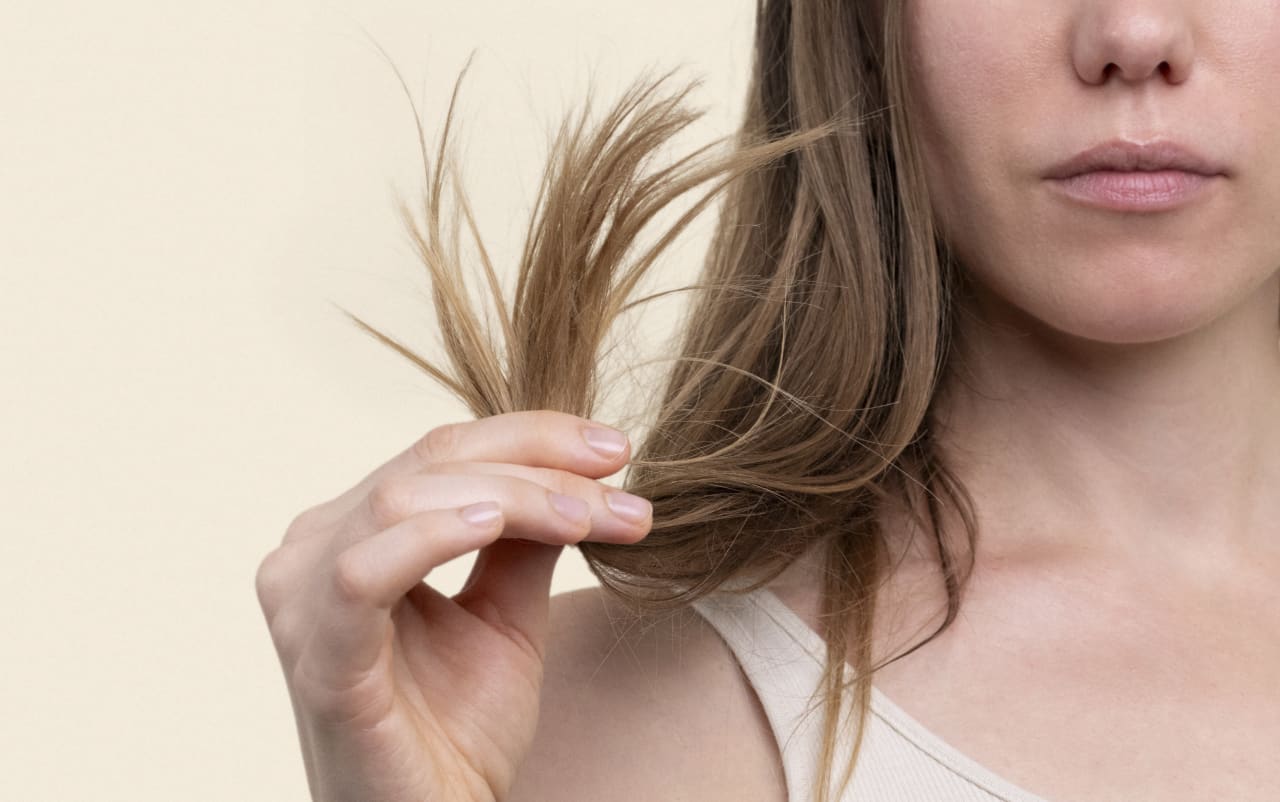
Does cutting your hair make it stronger – is it a real boost?
Published on: Monday, September 08, 2025, Updated on: Tuesday, October 13, 2026
It’s not uncommon to hear the theory that regularly trimming the ends gives your hair a boost by strengthening it. But between popular beliefs, marketing claims and scientific evidence, one question remains: can you really make your hair stronger by cutting it? This article aims to separate fact from fiction, in the light of the latest research in trichology.
Contents
Related products
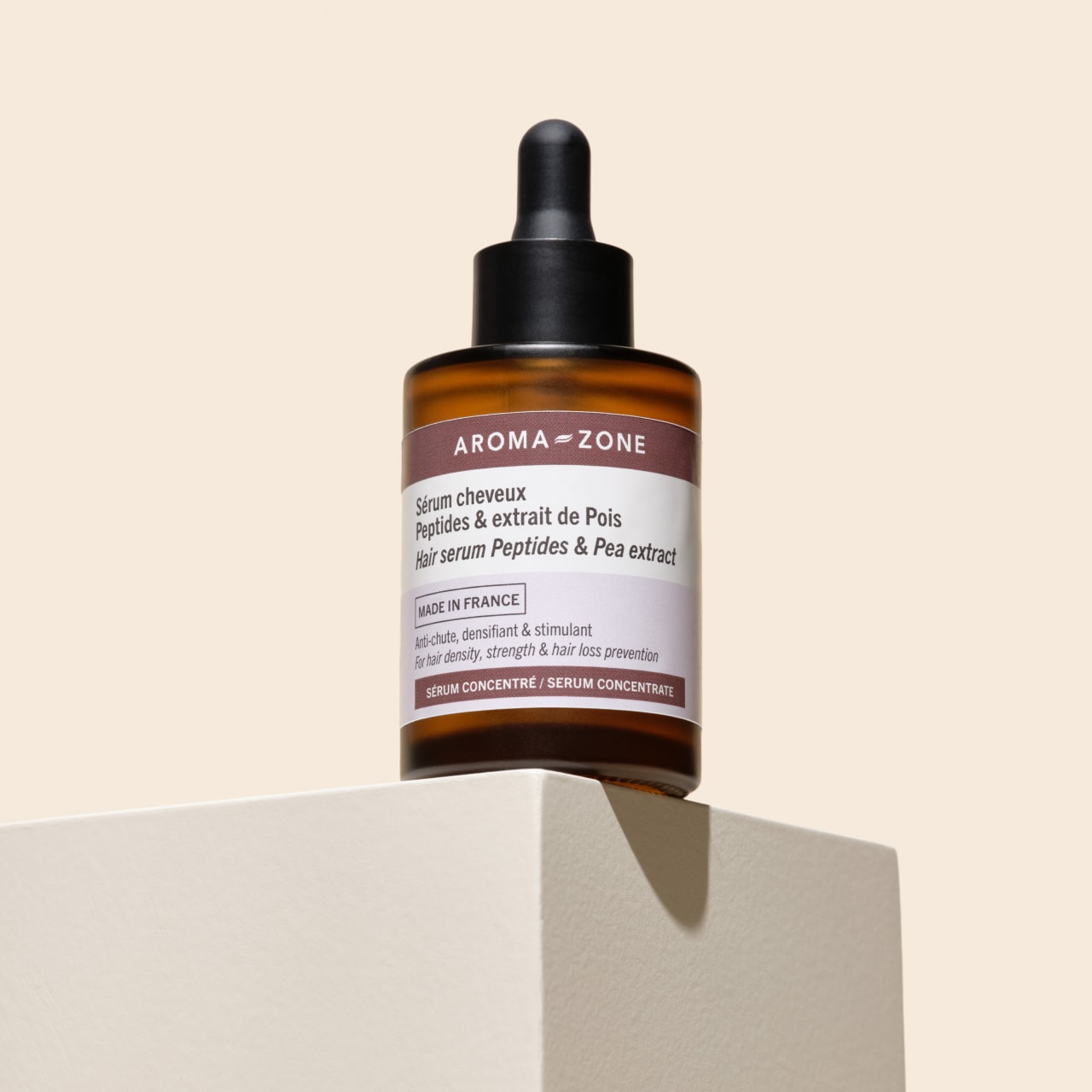
Anti-hair loss
£12.50
50 ml
2 options
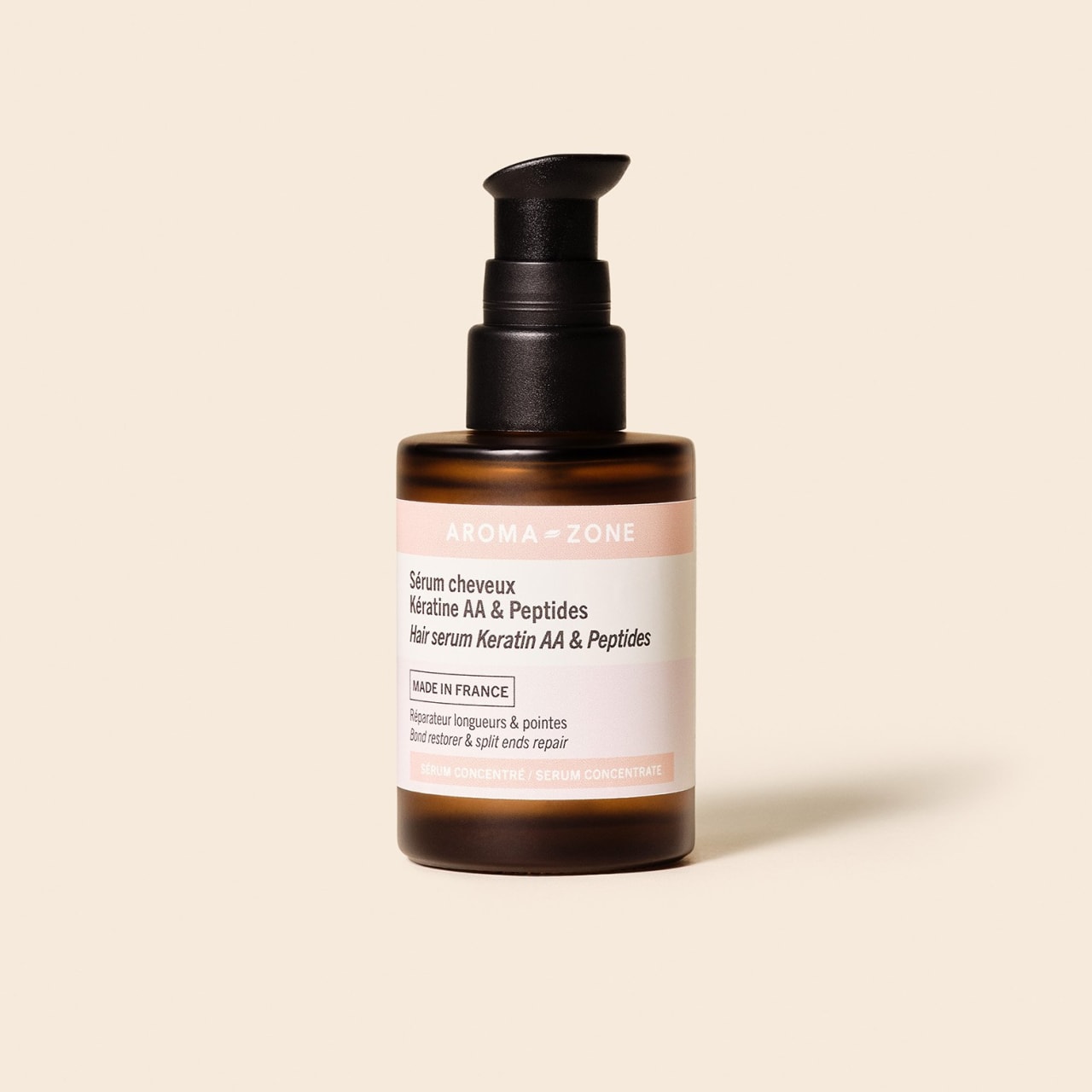
Hair strengthening
£12.50
50 ml
Repairing
Hair strengthening
£11.00
250 ml
Hair strengthening
Nourishing
£13.00
200 ml
£10.85
£15.50
500 ml
3 options
Nourishing
Hair conditioner
£12.50
500 ml
In brief
By removing the damaged parts of the cuticle, regularly trimming the ends helps to minimise breakage, temporarily giving the hair a stronger and thicker appearance.
However, trimming, just like the treatments applied to the lengths, does not biologically repair dead hair fibres.
Does cutting your hair really make it stronger, or is it just a myth?
Trimming the ends regularly removes damaged sections, which can make the hair look thicker, but it has no biological effect on the strengthening of the hair shafts, which are, by their very nature, dead fibres.
An experimental biomechanical study carried out in a laboratory demonstrates the mechanisms behind the formation of split ends: they form on the surface of healthy hair or within the fibre in the case of weakened cuticles, and tend to spread and travel upwards along the hair shaft (1). These processes are exacerbated by ageing, bleaching, friction, brushing and chemical treatments (2).
What are the benefits of having your hair cut?
A targeted trim, particularly at the ends, can help prevent breakage from getting worse. By removing weak, split, coarse and tangle-prone sections, the hair appears smoother and thicker, and its mechanical strength is improved (3, 4). However, the visible part of the hair is a dead keratinised fibre. The living part, on the other hand, is located in the hair follicle, beneath the scalp, where hair growth takes place. Consequently, cutting split ends does not, strictly speaking, affect the biological strength of the hair, as it does not act on the root (1, 2). However, removing the damaged sections helps to preserve the length of the hair, which can give the impression of stronger, denser, thicker and smoother hair, without actually affecting its actual growth, density or thickness (1, 3).
Split ends, breakage, damaged ends: does a haircut really repair the hair?
In practice, it is better to trim the ends as soon as they appear damaged, and to have regular, light trims rather than infrequent, drastic ones, to maintain healthy hair. This should be combined with gentle styling techniques, temperatures and hair care to avoid damaging the hair fibre (5).
Conversely, are there any cutting mistakes that make breakage worse?
Generally speaking, cutting mistakes that lead to increased breakage are linked to actions or techniques that cause friction and tension on hair strands that are already fragile.
Not trimming the ends regularly | If you go longer than 8 to 12 weeks without a trim, split ends may develop and the hair shaft may become brittle. |
Cutting too little of the damaged ends | If split ends remain after the trim, they may travel up the hair shaft and cause further breakage. |
Using aggressive cutting techniques | Using a razor on the hair or employing the thinning technique (with a razor or scissors) in a sudden, abrupt motion can create tension and damage the hair shaft. |
Using poorly maintained tools | Cutting with blunt and/or dirty scissors tends to crush the hair shaft rather than cutting it cleanly, which weakens it. |
Brushing or combing the hair too vigorously | Vigorous detangling with a brush or comb, in preparation for a trim, can create friction and tension that lead to breakage. |
Post-cut care: are the claims made by hair-strengthening products exaggerated?
Strengthening treatments cannot biologically repair dead hair fibres, but they can temporarily moisturise and coat the lengths to give them a smoother surface.
According to a randomised, double-blind, placebo-controlled clinical trial, a perceived improvement in hair loss, density and scalp health can be observed after 24 weeks of using a shampoo and leave-in treatment containing active ingredients such as antioxidants, barrier agents, caffeine and panthenol… The benefits are noticeable but relate primarily to the condition of the scalp and hair loss (6). However, ex vivo studies (which cannot be precisely extrapolated to real-life conditions) on hair fibres damaged by bleaching do show partial restoration of structure and improved mechanical strength following the application of certain active ingredients such as glycerine and coconut oil (7).
The marketing claims of hair care products purporting to strengthen, fortify or repair the hair fibre are exaggerated in biological terms, as these active ingredients cannot regenerate a hair that has emerged from the follicle (and is therefore dead) in the same way as living tissue (6, 7, 8). By providing better lubrication, reducing friction, and sometimes improving the surface strength of damaged hair, these products do not affect the hair’s internal strength but do help to minimise breakage, give the hair a smoother appearance and make it easier to style. It is worth bearing in mind that these effects are often partial, conditional and reversible once use of the product is discontinued (6, 7, 8).
Our conclusion, based on the scientific literature
Myth or reality?
Fact, but only partly. Having your hair cut regularly doesn’t biologically strengthen the hair fibres, but it does help give the impression of a boost by removing the damaged parts.
What it actually does
Reduces and prevents breakage
Gives the temporary impression of stronger, denser, thicker hair
Temporarily improves the mechanical strength of the hair strands
What it doesn’t do
Does not act on the hair follicle and does not repair the hair fibres in a biological sense
Does not actually affect hair growth, density or thickness.
Regular trimming of the ends helps maintain the health of the hair shafts, but this must be combined with a comprehensive routine tailored to each hair type, taking into account any nutritional deficiencies and the condition of the scalp.
Food for thought
Whilst dermatologists have been studying scalp conditions and alopecia since the 19th century, the rise of modern trichology, research into hair follicles and, more recently, the scalp microbiome, suggest we should take greater care of our scalps, even in the absence of any medical condition. A trend analysis published in 2025 reports that the global scalp care market is projected to grow at a Compound Annual Growth Rate (CAGR) of 7.1 per cent until 2030, exceeding the growth rate of the broader hair care market, estimated at 6.4 per cent (10).
In line with a trend towards skinification, hair health is now considered holistically, starting from the root – and therefore the living part of the hair – to act deeply on the hair follicles rather than focusing solely on the appearance of the visible lengths. A more comprehensive, and not merely cosmetic, approach to hair care.
Our best natural hair care products
To strengthen your hair, we offer a selection of natural, targeted solutions, formulated with active ingredients recognised for their effectiveness:
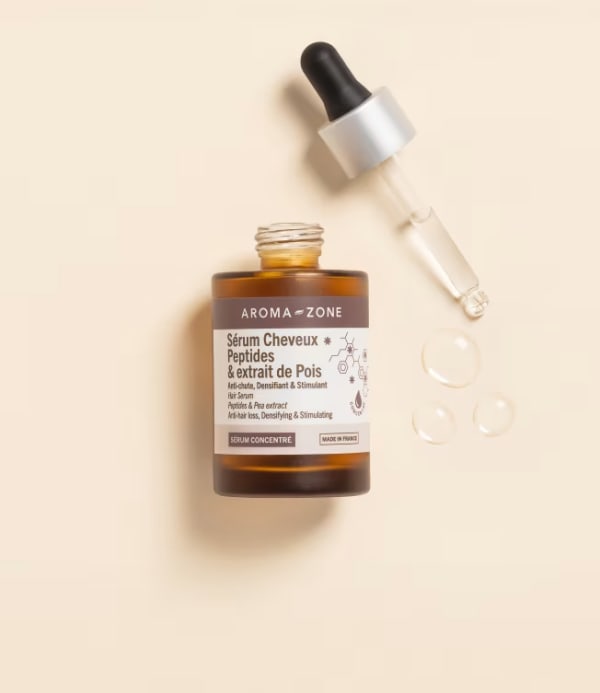
Anti-hair loss hair serum with peptides & pea extract: a combination of peptides, pea extracts and red clover that thickens and strengthens hair right from the root.
Discover the Peptide & Pea Extract Anti-Hair Loss Hair Serum
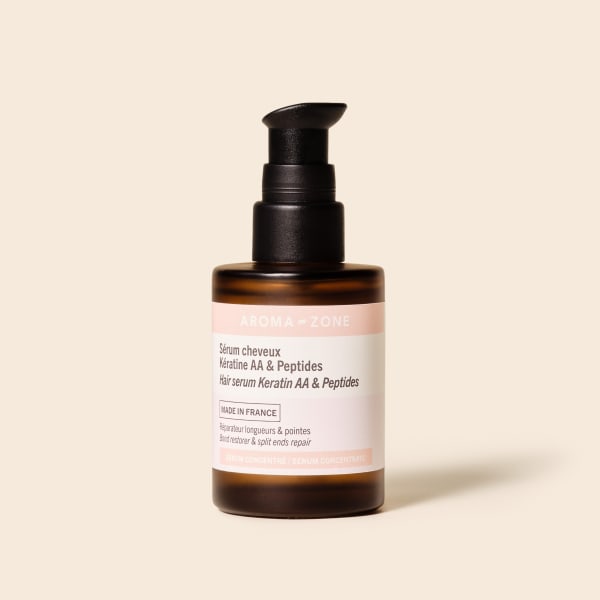
Keratin AA & Peptides Hair Serum : strengthens the hair fibre thanks to a complex of amino acids and biomimetic keratin peptides.
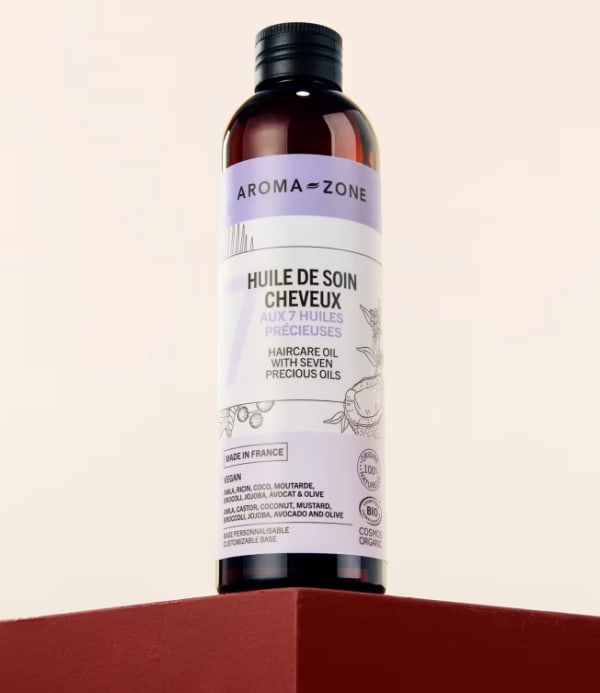
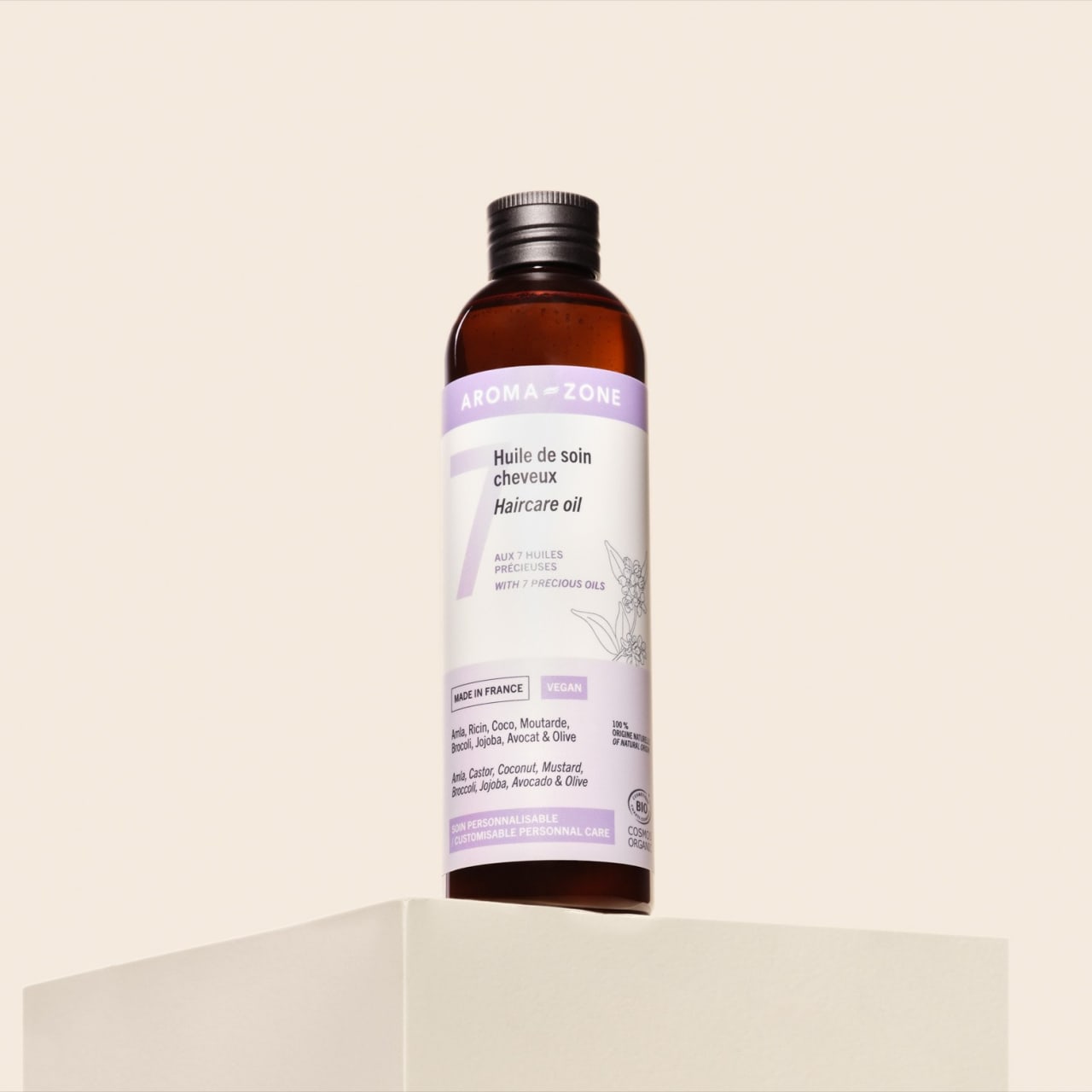
Hair Care Oil: strengthens, nourishes and repairs hair thanks to a blend of 7 plant-based oils (castor, coconut, amla, etc.) and an organic oil macerate.
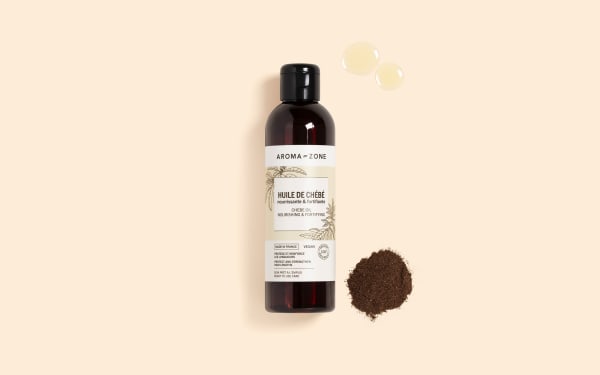
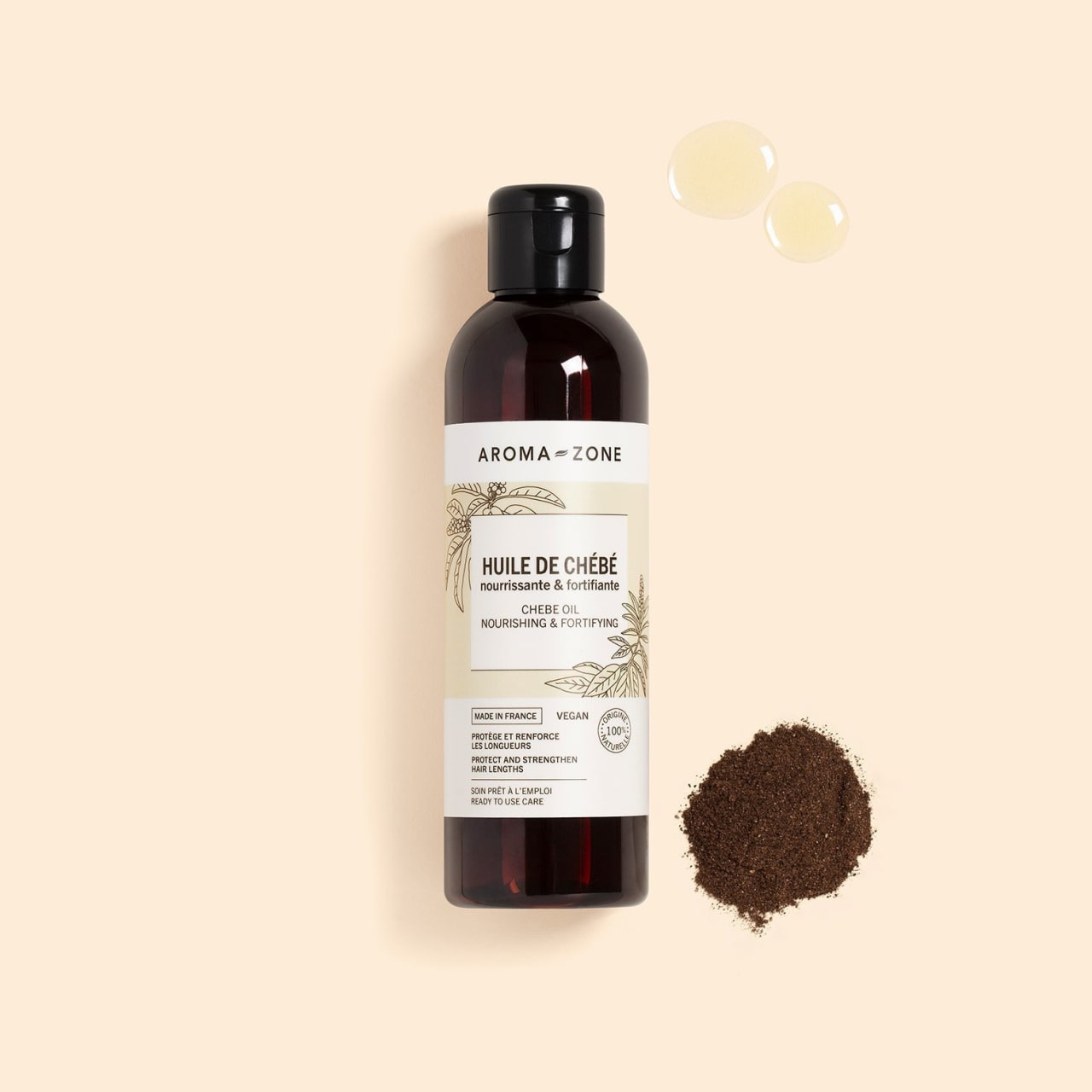
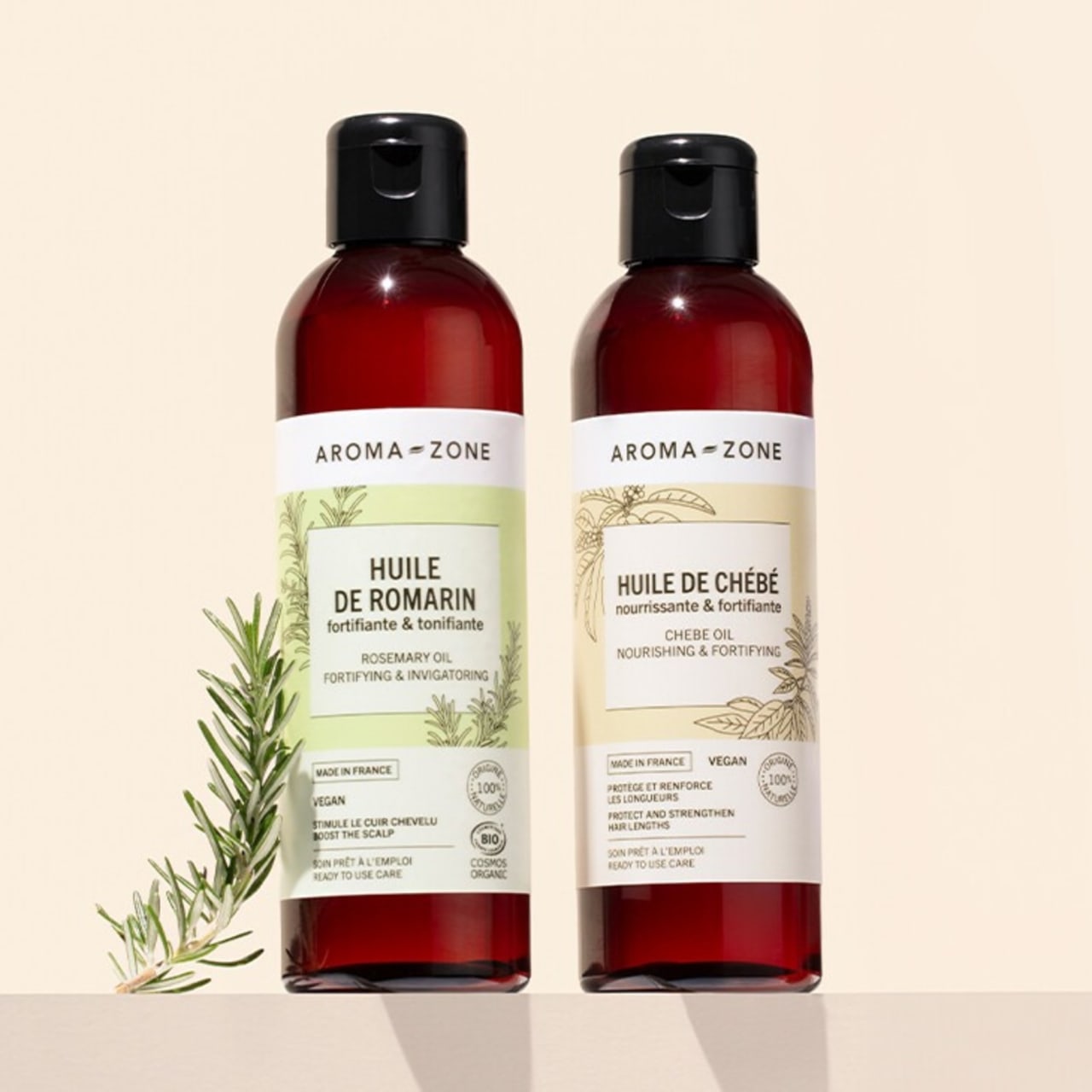
Chébé Oil: Chébé oil combined with organic castor oil and organic olive oil to nourish, protect and strengthen the hair shafts and combat breakage.
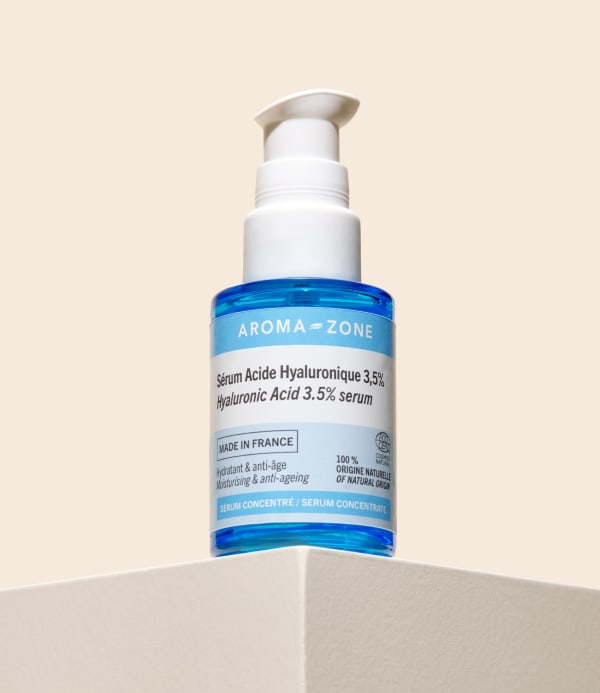
3.5% Concentrated Hyaluronic Acid Serum : one of the most concentrated 100% naturally sourced hyaluronic acid serums on the market, to be applied to damp hair to coat, protect and moisturise it.
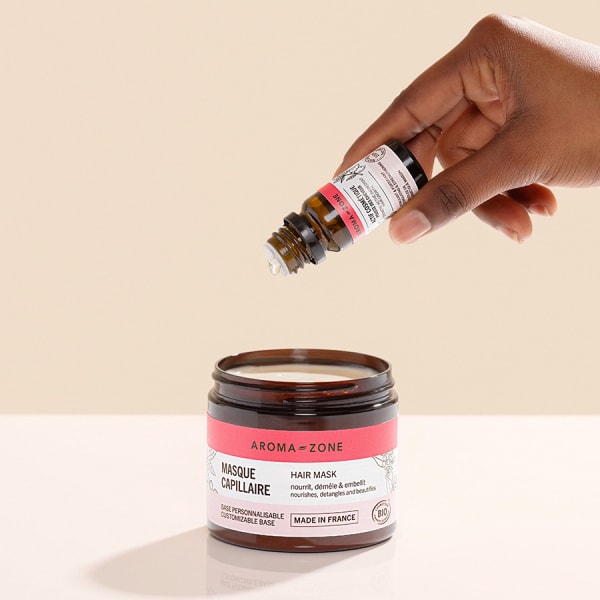
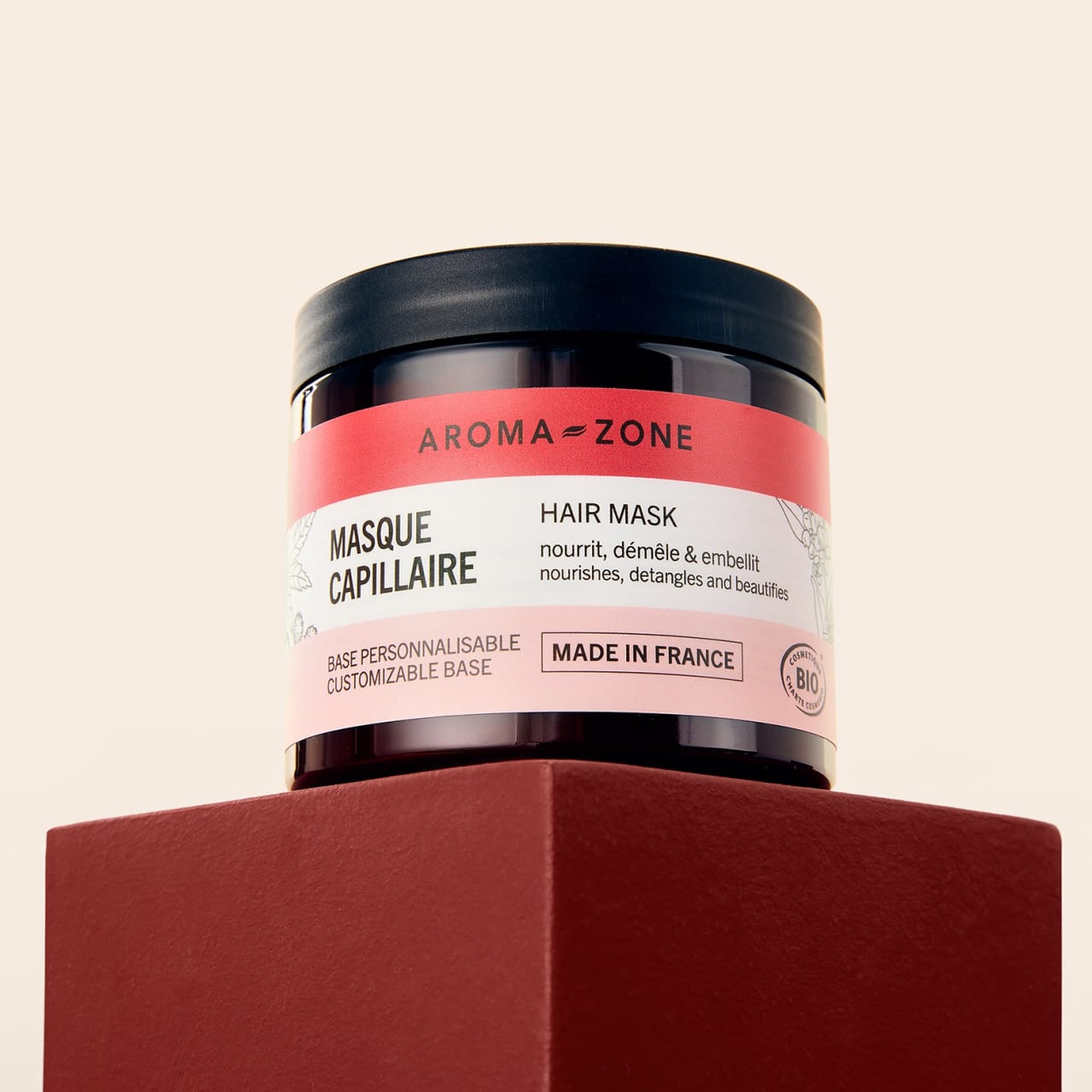
Hair mask: Whether used as a mask or conditioner, it leaves hair supple and soft; as a leave-in treatment, it coats, nourishes and enhances the mid-lengths and ends.
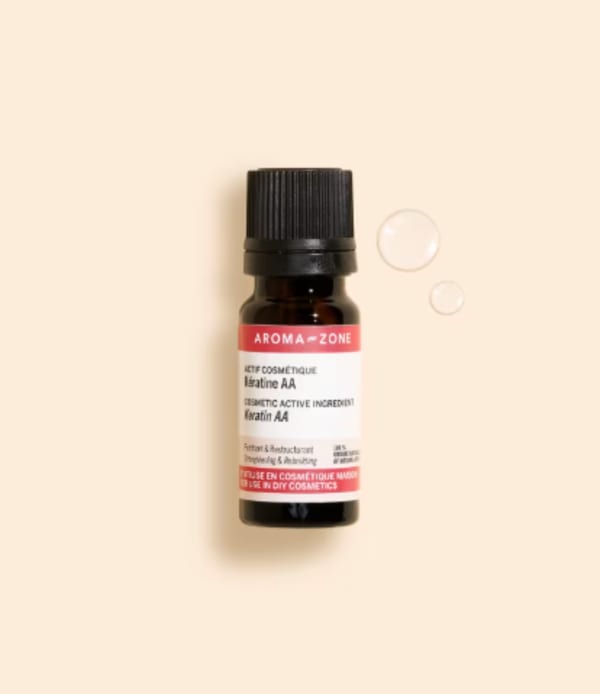
Keratin AA cosmetic active ingredient : amino acids derived from biofermentation that mimic natural keratin to strengthen the hair fibre, help seal the cuticles and improve the hair’s resistance to breakage. Recommended dosage: 1–5 per cent in DIY hair care products.
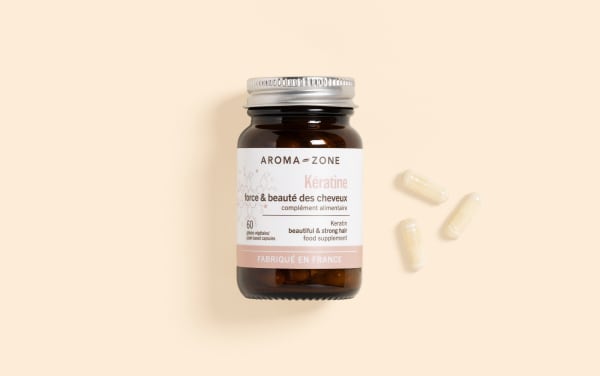
Keratin dietary supplement : a patented active ingredient, Cynatine HNS®, with efficacy proven by clinical studies, which improves the strength, quality and shine of hair. 2 capsules a day, to be swallowed with a glass of water. For adults only; not recommended for pregnant or breastfeeding women.
The trichologist’s opinion
“At what stage of damage to the hair fibre does a haircut become the only truly effective solution? A haircut becomes necessary when a clear distinction appears between healthy hair and damaged hair. This distinction is usually clear-cut: healthy hair is supple and soft to the touch, whilst damaged hair appears coarser, has lost its suppleness and has a more uneven texture, often appearing puffier. Another sign is the appearance of split ends, which can spread along the hair shaft and accelerate its deterioration. Finally, when tangles become very severe and detangling remains difficult despite the use of conditioner or suitable hair care products, this also indicates advanced damage to the hair shaft.”
Dalila Belmokhtar, Doctor of Pharmacy and trichologist @dalilahairscience
Precautions
Carry out a patch test on the inside of your elbow before using a new active ingredient or product for the first time. Wait 48 hours to check there is no skin reaction before applying it more widely.
Expert advice
To maintain your hair’s length, you need to take gentle care of it every day: avoid tight hairstyles, keep the hairdryer on the lowest possible heat setting, sleep on a silk or satin pillowcase, detangle your hair when it’s dry, or apply a detangling product to wet hair beforehand to lubricate the hair shaft and avoid pulling on knots… A comprehensive routine that ultimately helps reduce breakage!
Spotlight on our editor Vanessa Houpert
Vanessa HOUPERT, who holds a Master’s degree in cultural journalism from the Sorbonne Nouvelle University (Paris 3), has been working as a journalist, copywriter and editorial consultant for media organisations and brands for over 10 years. Inspired by all things related to beauty, good living and wellbeing, her holistic approach to consumer trends enables her to analyse the times.
Bibliography
Taylor et al. The biomechanics of splitting hairs, PubMed, 2024.
https://pubmed.ncbi.nlm.nih.gov/39081627/
Takahashi et al. Age-dependent changes in damage processes of hair cuticle, PubMed, 2015.
https://pubmed.ncbi.nlm.nih.gov/25580990/
Camacho-Bragado et al. Understanding breakage in curly hair, PubMed, 2015.
https://pubmed.ncbi.nlm.nih.gov/26207659/
Breakspear et al. Cuticle – Designed by nature for the sake of the hair, PubMed, 2022.
https://pubmed.ncbi.nlm.nih.gov/35478184/
McMichael 1. Hair breakage in normal and weathered hair: focus on the Black patient, PubMed, 2007.
https://pubmed.ncbi.nlm.nih.gov/18004289/
Davis et al. Scalp application of antioxidants improves scalp condition and reduces hair shedding in a 24-week randomised, double-blind, placebo-controlled clinical trial, PubMed, 2021.
https://pubmed.ncbi.nlm.nih.gov/34424558/
Mauricio et al. A Morphological Study of Restoration of Damaged Hair Fibre With Chemical Treatments Using Microscopy Techniques, PubMed, 2026.
https://pubmed.ncbi.nlm.nih.gov/42011044/
Qu et al. Improving the Mechanical Properties of Damaged Hair Using Low-Molecular Weight Hyaluronate, PubMed, 2022.
https://pubmed.ncbi.nlm.nih.gov/36431803/
Labedzka et al. An ex vivo comparative study of the tensile strengthening effect of active ingredients on heavily bleached hair, UAL, 2014.
https://ualresearchonline.arts.ac.uk/id/eprint/8358/1/141002_IFSCC_Paris_2014_Maria_and_Sophie.pdf
Seppic. Scalp care market: key trends for the future.
https://www.seppic.com/fr-BE/article/soins-du-cuir-chevelu-tendances

Frequently Asked Questions
Associated tips
Hair care tips
Hair care tips
Hair care tips


