Dietary supplements to help you through the postnatal period

Dietary supplements to help you through the postnatal period


By Laetitia De Rosa

Published on: Tuesday, January 20, 2026, Updated on: Friday, October 30, 2026

The postpartum period is a time of significant upheaval, marked by a new physical and emotional balance following childbirth. Between fitful nights and increased demands, the body is under particular strain, especially if you are breastfeeding. While dietary supplements are no substitute for a rich and varied diet, they provide valuable support in addressing certain deficiencies and restoring energy levels. A clear understanding of the challenges of this period enables you to adopt a natural and targeted approach, in line with your medical advice.

Contents

Related products

The postpartum period: what is it?

The postpartum period refers to the time that begins immediately after birth and lasts for several weeks, or even several months. It is a time of transition during which the body begins a gradual return to its pre-pregnancy physiological balance, whilst adapting to new rhythms of life. This phase does not follow a linear path and can be experienced very differently depending on the individual and their circumstances.

Biologically speaking, the postpartum period is characterised by significant hormonal changes, notably the gradual decline in pregnancy hormones and the establishment of mechanisms related to lactation if the mother is breastfeeding. At the same time, tissues that have been strained during pregnancy and childbirth begin the process of healing and recovery. This period is also accompanied by increased utilisation of nutritional reserves, particularly in terms of energy, protein and certain micronutrients.

Emotionally and psychologically, the postpartum period often represents a phase of intense adjustment. Fatigue linked to changes in routine, the experience of new parenthood and hormonal fluctuations can affect mood, concentration and mental alertness. The intensity of these feelings varies greatly from person to person and may change over the course of several weeks, depending on factors such as support from loved ones, living environment, diet and general state of health.

What are the main challenges of the postnatal period?

The challenges of the postnatal period are many and closely interlinked:

  • Physical recovery: the body needs time to recover from pregnancy and childbirth, particularly at the muscular, hormonal and tissue levels. This phase involves a gradual return to normal activities and paying particular attention to signs of fatigue.

  • Emotional balance: hormonal fluctuations and new routines can affect mood and mental well-being. The family environment and support from those around you play a major role in this adjustment phase.

  • Nutritional support: it may become more difficult to meet certain nutritional requirements, particularly when breastfeeding or experiencing persistent fatigue, making your daily diet all the more crucial.

In this context, diet forms the main foundation of nutritional intake. Dietary supplements may sometimes be considered as occasional support, but they are no substitute for a varied diet or medical care.
Dietary supplements and the postpartum period: what’s the link?

A dietary supplement is defined as a concentrated source of nutrients or substances with a physiological effect, intended to supplement the diet as part of normal consumption. It can take various forms (capsules, powders, liquids, tablets) and form part of a nutritional support programme, without replacing a varied and balanced diet.

In the postpartum context, the potential benefits of supplements lie in the ability of certain micronutrients, fatty acids or plant extracts to contribute to the body’s normal functioning, particularly in relation to energy metabolism, nervous system function, emotional balance and the management of fatigue. These supplements may be considered when nutritional requirements increase or when diet alone does not always provide all the recommended intakes.

However, requirements vary greatly depending on individual circumstances: type of delivery, level of fatigue, quality of diet, general state of health, and whether or not the woman is breastfeeding. The postpartum or postnatal period also requires particular care when choosing active ingredients, as some may be inadvisable or require specific precautions. Any supplementation must therefore be well-considered, limited in duration and approved by a healthcare professional, to ensure a suitable and safe approach.

Which dietary supplements can help support during the postpartum period?

There is no dietary supplement ‘specifically designed’ for the postpartum period in the regulatory sense. However, certain active ingredients may be considered to support general wellbeing during this time, provided that you follow the product information leaflets, take note of any contraindications and adhere to the recommendations of healthcare professionals, particularly if you are breastfeeding.

Promoting relaxation and coping with stress

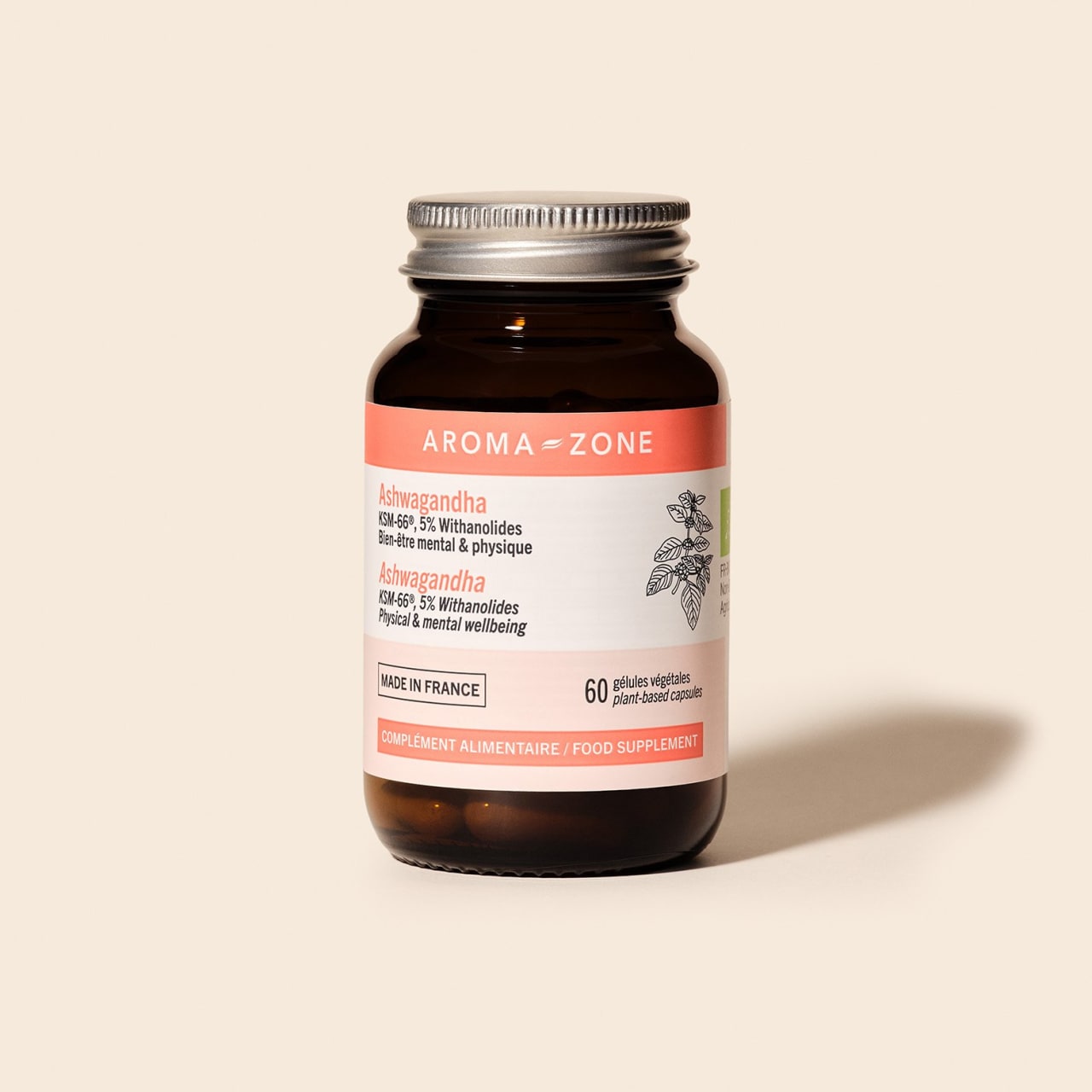
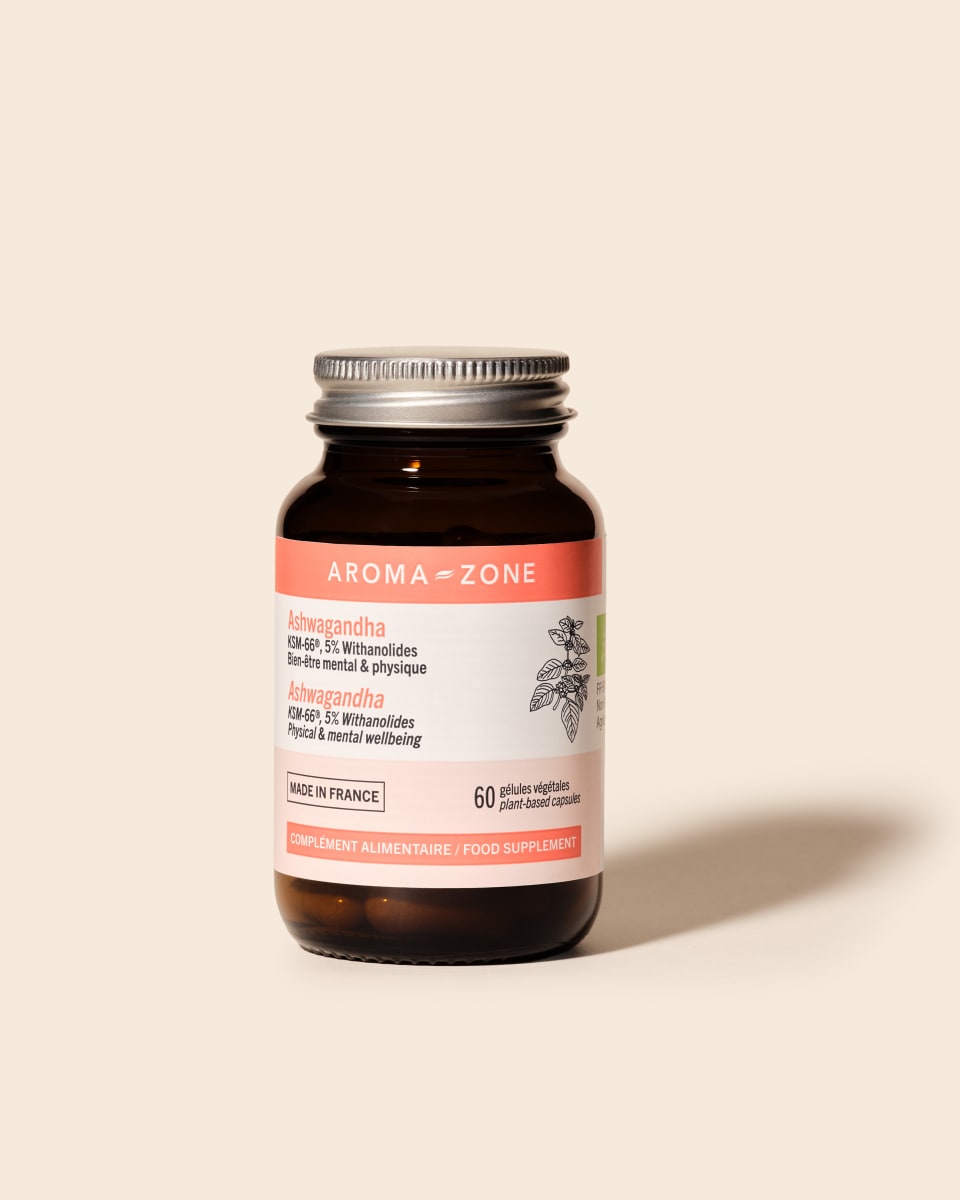
Ashwagandha Organic Dietary Supplement, 60 capsules

Organic Ashwagandha

Stemming from the Ayurvedic tradition, Ashwagandha is recognised for its adaptogenic properties – that is, its ability to help the body adapt more effectively to situations of physical and mental stress. The patented KSM-66® extract, standardised for withanolides, is valued for its role in maintaining emotional balance, vitality and resilience to everyday stress. In the postnatal period, this active ingredient may be considered as a means of supporting general wellbeing, particularly during periods of fatigue and changes in routine. However, its use must be supervised: Ashwagandha is not recommended in cases of thyroid disorders or while breastfeeding without medical advice.

Discover Organic Ashwagandha

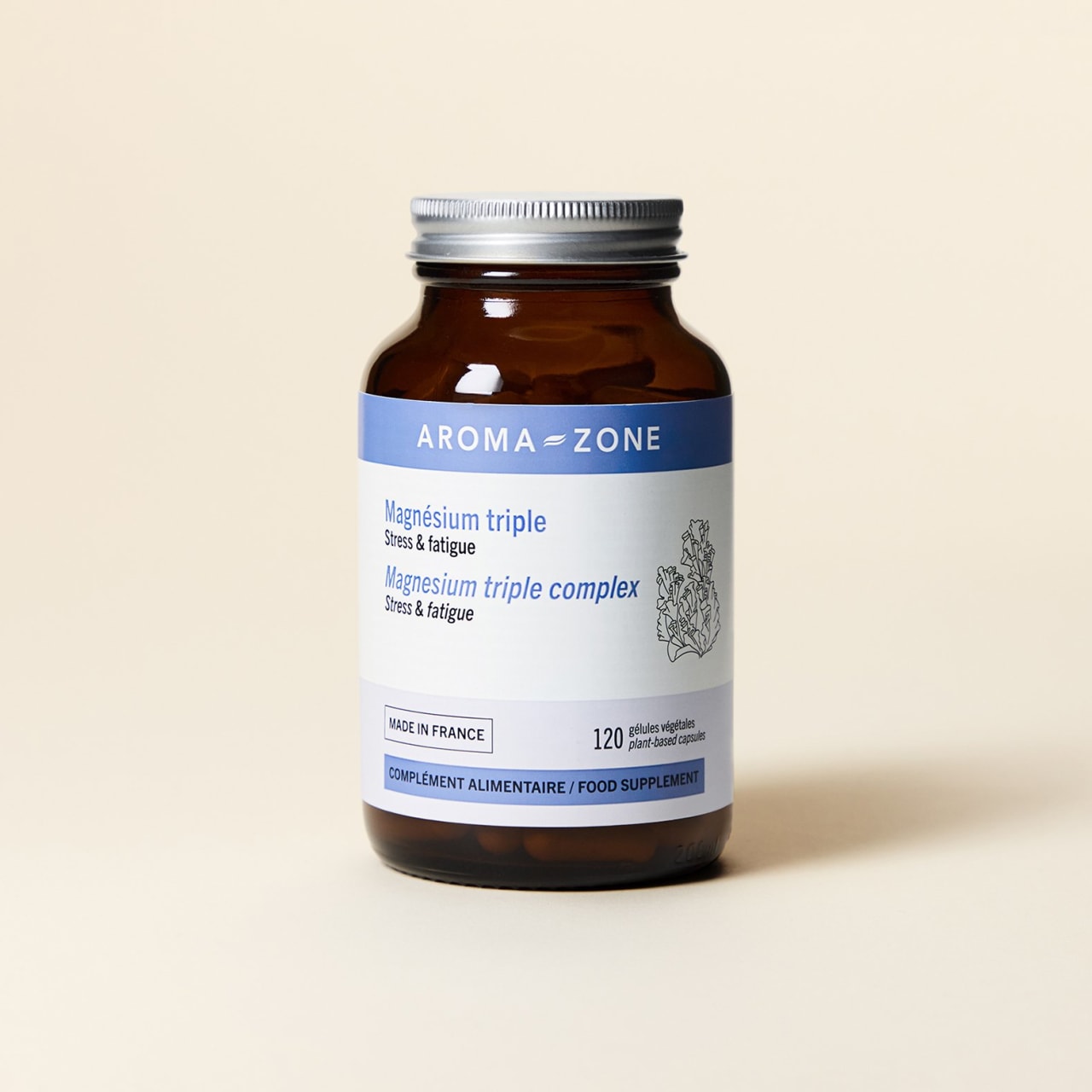
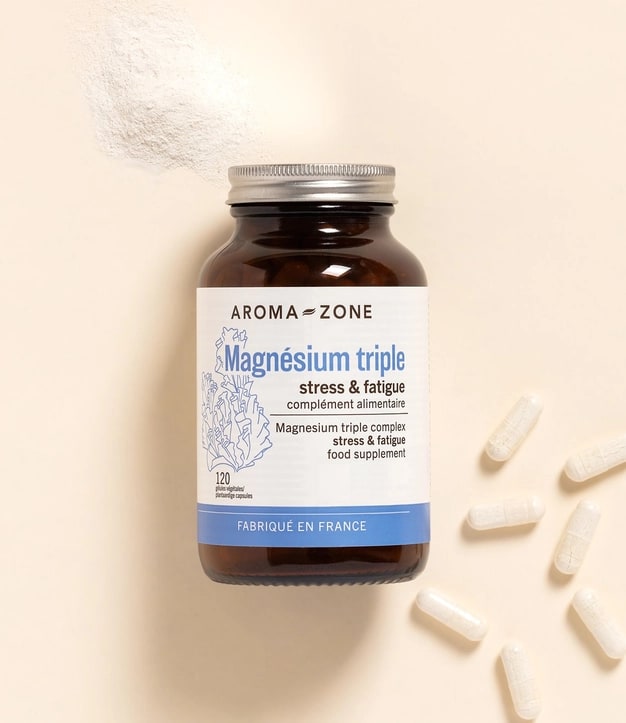
Triple magnesium

Triple Magnesium

This formula combines three sources of magnesium to optimise the intake and absorption of this mineral. It contributes to the normal functioning of the nervous system, helps reduce fatigue and supports normal muscle function. During the postpartum period, which is characterised by changes in routine and increased physical demands on the body, this type of supplement may be considered when dietary intake does not always meet daily requirements. Adherence to the recommended daily intakes remains essential to avoid any excess, particularly when taken in combination with other supplements.

Discover Magnesium Triple

Supporting energy metabolism

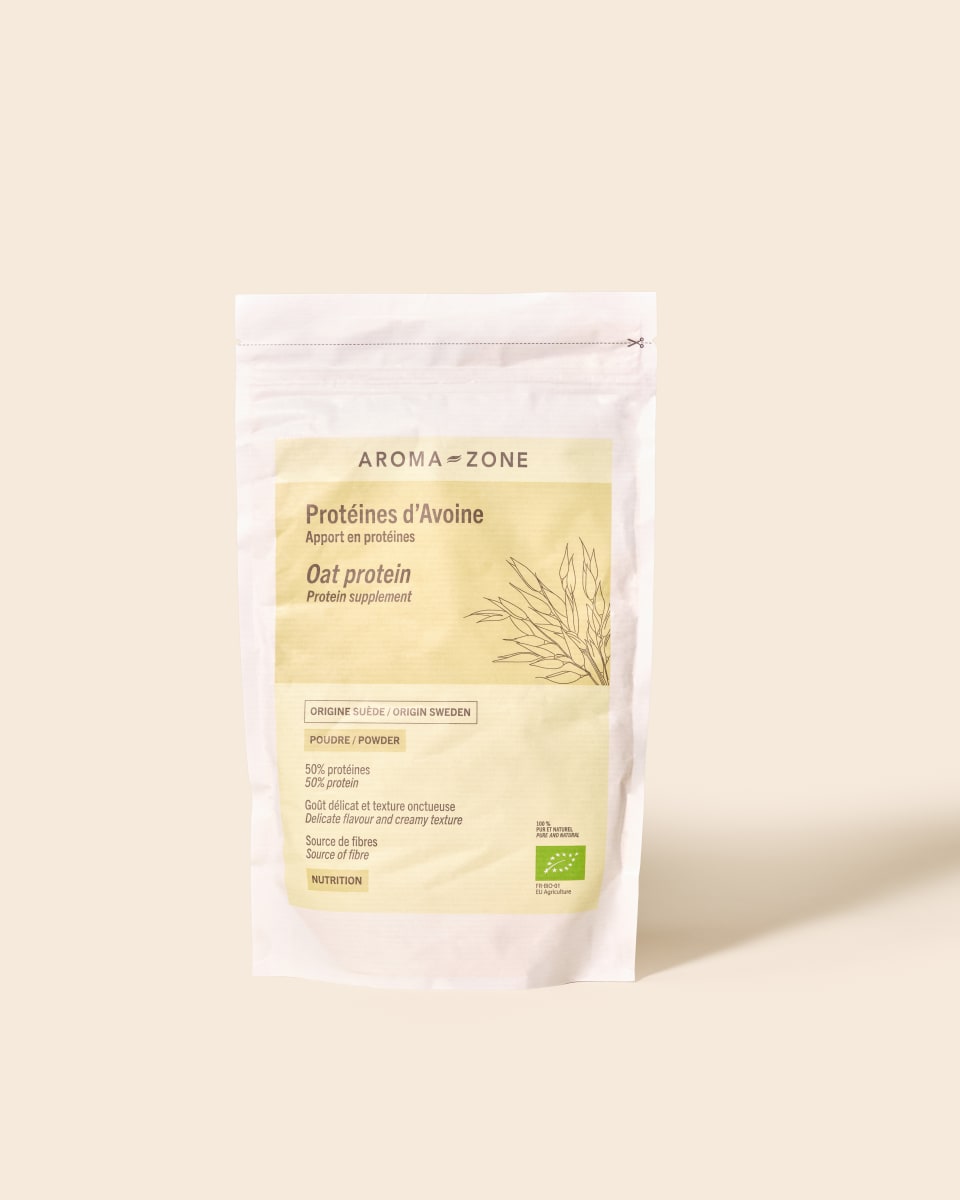
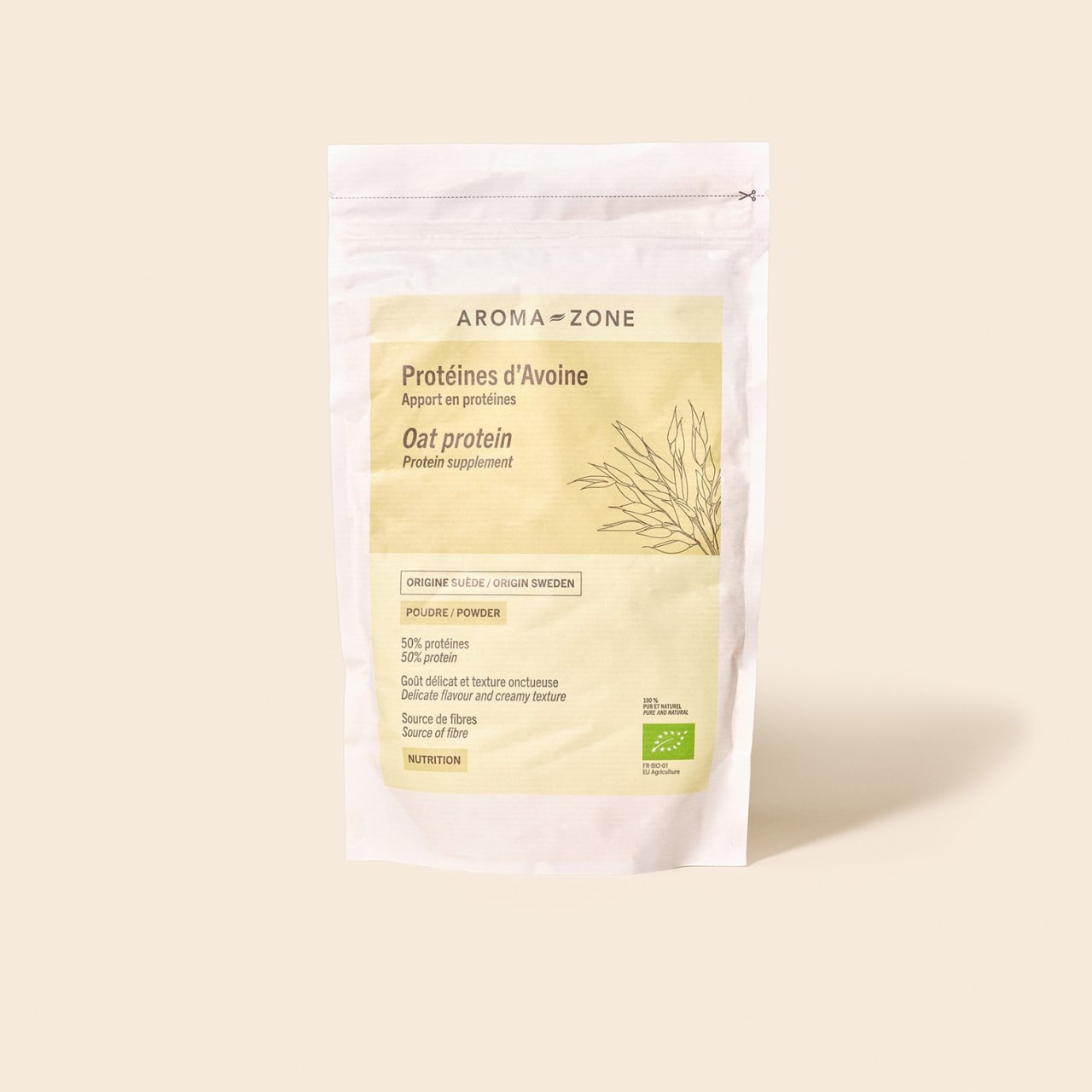
Organic_Oat_Protein

Organic Oat Protein

Made from organic oat bran sourced in Europe, this powder stands out for its high content of plant-based protein (at least 50 per cent) and its creamy texture, with a mild, comforting flavour. A good source of fibre, it blends easily into shakes, smoothies, breakfasts or other dishes, and can also be used to replace some of the flour in certain recipes. During the postnatal period, when protein requirements may be higher and meals are not always eaten at regular times, this type of product can help to simply boost everyday meals with plant-based protein, while ensuring an overall balanced diet.

Discover Organic Oat Protein

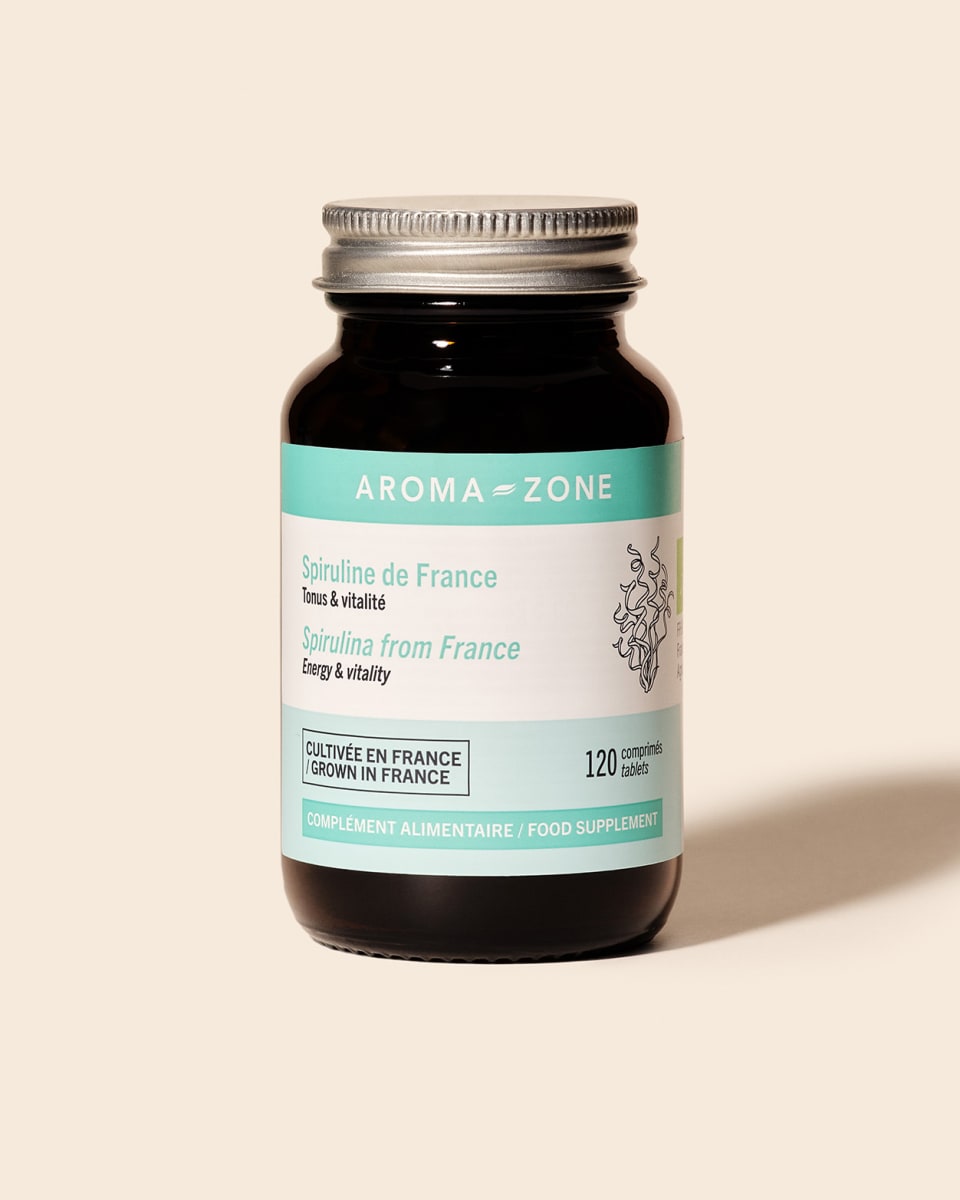
Spirulina_France_Organic_-_Dietary_supplement

Organic French Spirulina – 120 tablets

Grown in France and cold-pressed without additives, this spirulina is prized for its high nutritional quality and high phycocyanin content, an antioxidant naturally present in the algae. Very rich in protein, it is also a source of iron and vitamin B12, nutrients that contribute to normal energy metabolism and help reduce fatigue. During the postnatal period, it may be considered to supplement nutritional intake, particularly in cases of temporary fatigue or when the diet does not always meet all nutritional requirements. It should be taken in moderation, particularly when other sources of iron or supplements are already included in the diet.

Discover Spiruline France BIO – 120 tablets

Supporting emotional balance

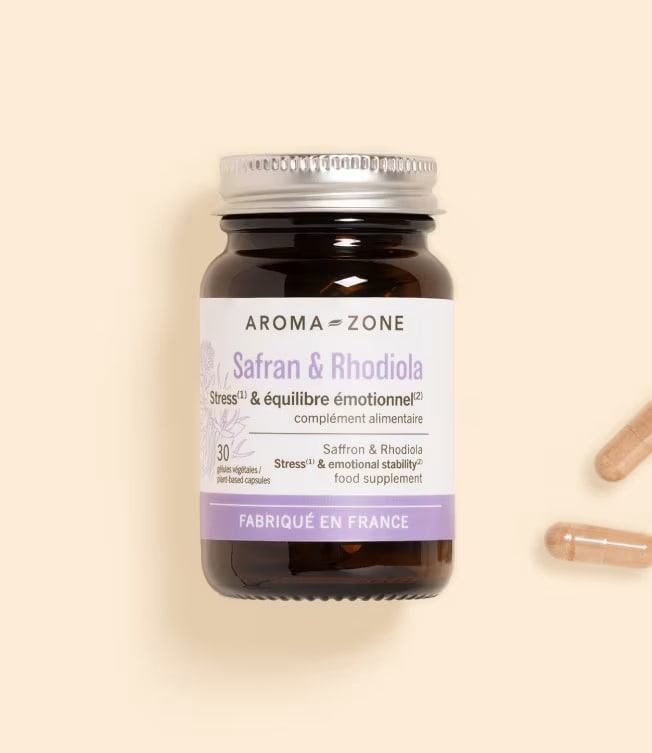
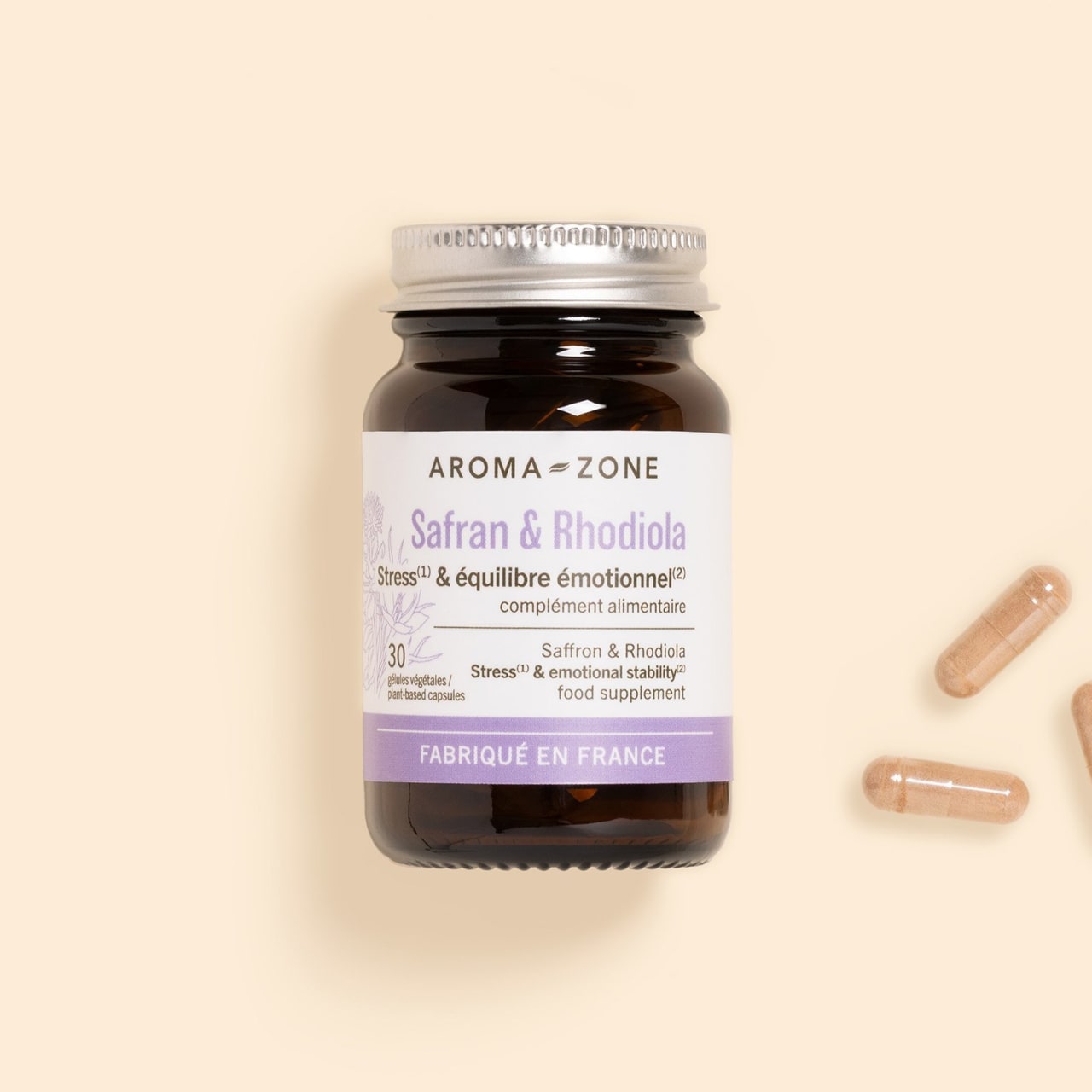
Saffron & Rhodiola – 30 capsules – Dietary supplement

Saffron & Rhodiola

This supplement combines two patented plant extracts recognised for their effect on emotional balance and the body’s response to stress. Safr’Inside™ saffron, which has been clinically studied, is valued for its role in maintaining a positive mood and promoting nervous system relaxation, whilst Rhodiolife® rhodiola, an adaptogenic plant, helps the body adapt to mental and physical stress. During the postpartum period, which is often characterised by emotional fluctuations and increased mental strain, this combination may be considered to support mental wellbeing, alongside a balanced lifestyle and professional support where necessary.

Discover Saffron & Rhodiola

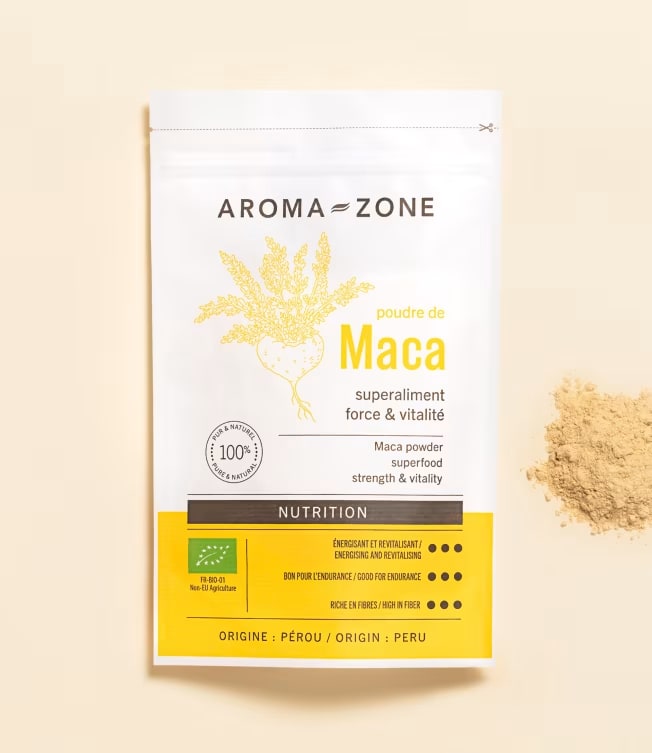
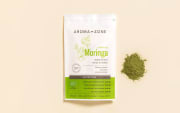
Organic Maca Powder

Organic Maca Powder

Maca, an adaptogenic plant native to Peru, is traditionally used for its fortifying and invigorating properties. Valued for its ability to support the body’s overall resilience and provide a boost in cases of temporary fatigue, it is also recommended to support stamina and vitality in everyday life. A 100% pure powder, with a mild, slightly caramelised flavour, blends easily into yoghurts, smoothies, porridge or homemade dishes. During the postnatal period, it may be considered to help manage periods of low energy and changes in routine, as a complement to a varied diet. It should be used in moderation, particularly in specific circumstances or when taken alongside other supplements.

Discover Organic Maca Powder

Maintaining nutritional balance

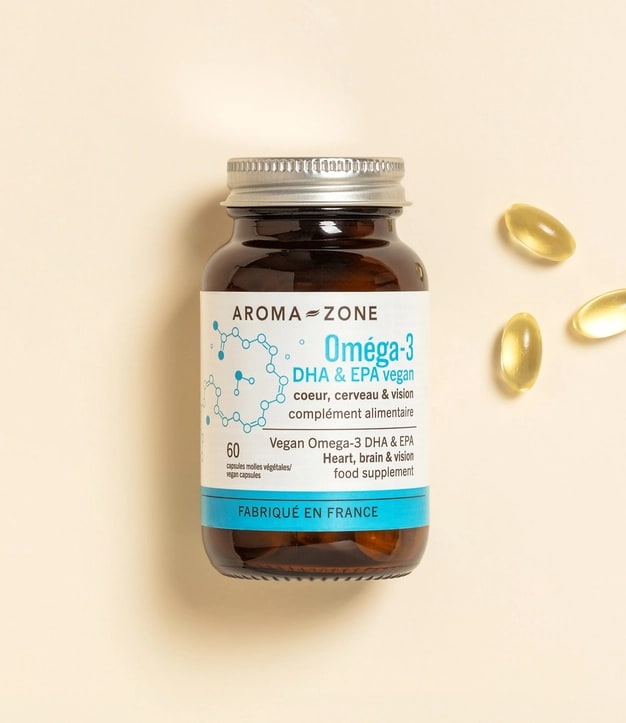
Vegan Omega-3

These omega-3s are extracted from the microalgae Schizochytrium sp. and are characterised by their high content of DHA and EPA in the form of triglycerides, which are recognised for their high bioavailability. Produced in Europe using a patented process, the algae oil used is valued for its quality and resistance to oxidation. DHA contributes to normal brain function and the maintenance of normal vision, while both DHA and EPA contribute to normal heart function. During the postnatal period, particularly when breastfeeding or where fish consumption is limited, this type of supplement may be considered to help ensure a balanced intake of essential fatty acids. It should be taken in moderation and in accordance with the product’s instructions, particularly when combined with other sources of omega-3.

Discover Vegan Omega-3 capsules

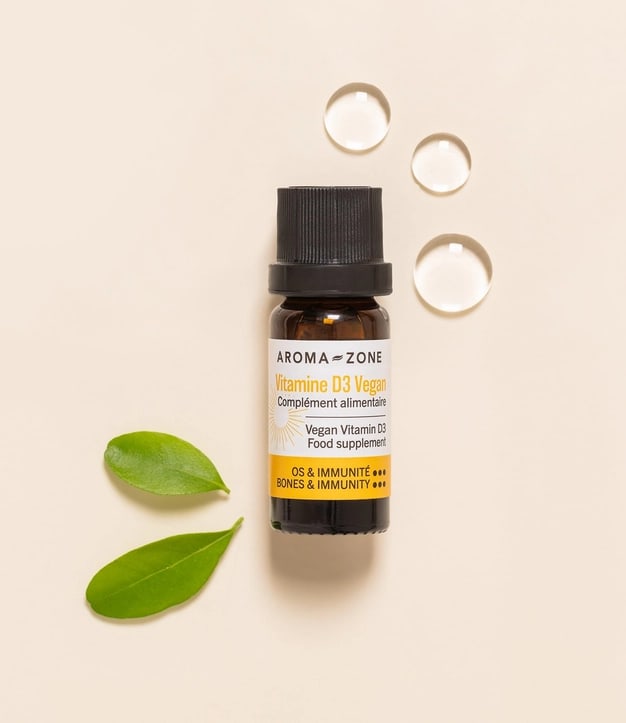
Vegan Vitamin D3

This naturally sourced, 100% vegan Vitamin D3 is derived from algae and is available in the form of cholecalciferol, recognised as being the form best absorbed by the body. Presented in liquid form in an MCT coconut oil base, it allows for simple and adjustable dosing by the drop, without any unnecessary additives. Vitamin D contributes to the normal functioning of the immune system, the maintenance of normal bones and muscle function, and the absorption of calcium and phosphorus. During the postpartum period, when exposure to sunlight may be limited and nutritional needs are changing, this type of supplement may be considered to support Vitamin D intake, particularly for those who are breastfeeding or spend most of their time indoors. It should be taken in accordance with the dosages indicated on the product, particularly when taken in combination with other supplements.

Discover Vegan Vitamin D3

Which products should you choose to make your postpartum period easier?

  1. Adjusting your diet: prioritise varied meals, including high-quality proteins, seasonal fruit and vegetables, as well as sources of iron, calcium and essential fatty acids. A balanced diet helps to ensure adequate nutritional intake during this period.

  2. Staying well-hydrated: drinking water regularly is particularly important, especially while breastfeeding, to meet the body’s fluid requirements.

  3. Ensure you get enough rest: breaking up sleep where possible and accepting help from those around you helps to manage fatigue more effectively and promotes recovery.

  4. Incorporate sensible supplementation: consider taking dietary supplements only where a specific need has been identified, for a limited period and following approval by a healthcare professional.

This approach allows dietary supplements to be incorporated into a holistic strategy, supporting a varied diet and appropriate guidance.

Our homemade recipes to support the postnatal period

These savoury and sweet recipes combine natural ingredients to contribute to a varied nutritional intake and support a balanced daily diet. When incorporated regularly into meals, they provide sources of plant-based protein, fibre and micronutrients, whilst remaining simple to prepare and tailored to individual needs during this period:

Precautions for use

The postpartum period, and even more so breastfeeding, requires particular caution when it comes to dietary supplements. Certain active ingredients may interact with medication, while certain herbs are not recommended during breastfeeding or in the case of specific medical conditions. Adhering to recommended dosages and duration of use is essential to minimise the risk of adverse effects. If in doubt, it is advisable to seek advice from a healthcare professional before taking any supplements.

Expert advice

The postnatal period is a time of intense recovery during which the body and mind seek a new balance. Dietary supplements can provide a real boost, provided they form part of a healthy lifestyle based on rest, a balanced diet and appropriate medical care. By focusing on your actual needs, you’ll experience this transition with greater peace of mind and more energy.

Spotlight on Our Specialist Writer, Laetitia de Rosa

Laetitia de Rosa 3.jpg

Laetitia is an editorial communications consultant specialising in beauty and wellness content. Passionate about natural cosmetics, she works with brands that share her vision of authentic and responsible beauty. Always on the lookout for the latest developments, she enjoys analysing trends and innovations in the sector.

Bibliography

  1. Aparicio, E., Jardí, C., Bedmar, C., Pallejà, M., Basora, J., & Arija, V., et al. (2020).

    Nutrient intake during pregnancy and post-partum: ECLIPSES Study. Nutrients DOI: 10.3390/nu12051325

  2. Ghaedrahmati, M., & Alipour, Z. (2024), The association between postpartum depression and nutrition and dietary patterns: Systematic review, Iranian Journal of Nursing and Midwifery Research

    DOI: 10.4103/ijnmr.ijnmr_163_22

  3. Rupanagunta, G. P., Nandave, M., Rawat, D., Upadhyay, J., Rashid, S., & Ansari, M. N. (2023), Postpartum depression: Aetiology, pathogenesis and the role of nutrients and dietary supplements in prevention and management, Saudi Pharmaceutical Journal

    https://doi.org/10.1016/j.jsps.2023.05.008

Frequently Asked Questions

Frequently Asked Questions