What are the benefits of sesame oil for hair?

What are the benefits of sesame oil for hair?


By Hélène Betoux

Published on: Monday, July 29, 2024, Updated on: Tuesday, October 27, 2026

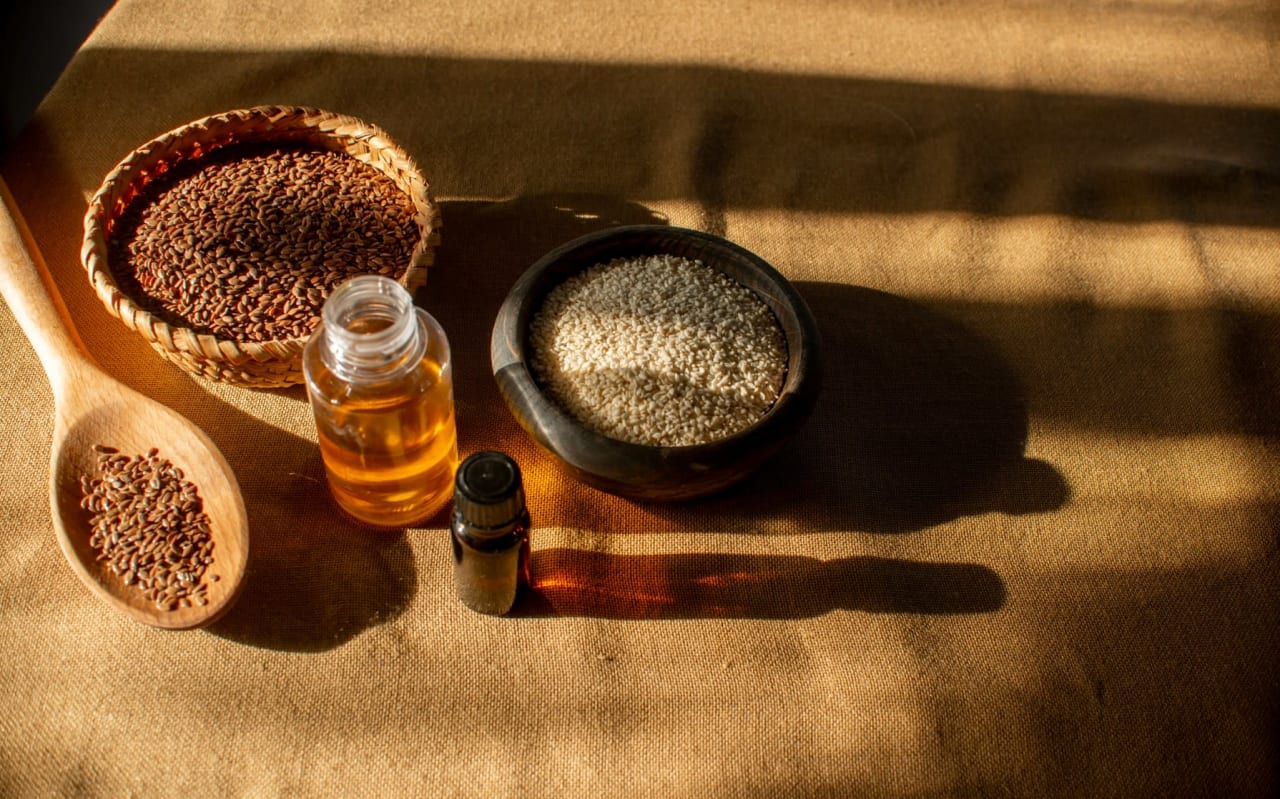
Did you know that sesame is one of the oldest plants cultivated by humans? It's also the source of a delicious vegetable oil, one that's just as good for your hair as it is for your taste buds! Sesame oil has a genuinely interesting phytochemical composition for caring for dry, curly, white or coloured hair. It's actually one of the star ingredients in snake oil, a Middle Eastern hair beauty secret, whose recipe we share with you below!

Contents

Related products

What is sesame oil?

Sesame oil is a plant-based fatty substance extracted from the seeds of Sesamum indicum. This small oilseed plant is one of the oldest known to humankind. Today, it is grown primarily in Africa and Asia. China and India are the largest producers. Its fruits—the famous sesame seeds—contain nearly 50% oil.

This vegetable oil is highly versatile. It is used in particular in cosmetics, cooking, and pharmacology. It is also a cornerstone of Ayurvedic medicine. It is recommended for therapeutic body massage, eye care, or as a mouthwash. It is also the basis of Saundarya, an Indian beauty ritual rooted in plants and holistic principles.

Is sesame oil good for your hair?

Sesame seed oil is a natural ingredient ideal for caring for your hair. It contains almost as much oleic acid (omega-9) as linoleic acid (omega-6). These fatty acids play an important role in hair health. They nourish the hair and protect it from dehydration. They enhance its shine, suppleness, and softness.

It also has the advantage of containing active ingredients unique to it: sesamine, sesamolin, sesamol, and sesaminol. These compounds belong to the lignan family. They act as natural antioxidants. They are therefore highly effective at protecting hair from external aggressors and the effects of oxidative stress (yellowing, dryness, etc.).

What are its hair benefits?

For dry hair

Sesame oil stands out for its high content of fatty acids, particularly oleic acid. Since oleic acid is also a component of the sebum that flows from our scalp down to the ends of our hair, it has a natural affinity with the hair shaft. This biocompatibility helps form a thin protective film on the hair’s surface to improve its impermeability. As a result, the hair allows less water to pass through to the outside environment. Properly nourished, it appears less dry and damaged, more supple and shiny, as if fortified.

Suggested use: Apply as an oil treatment to the scalp and hair lengths, cover with plastic wrap, and leave on before shampooing.

For Curly and Coily Hair Types

Textured hair tends to lack natural protective oils, as they cannot flow properly along the entire length of the curl. As a result, it is overexposed to dryness. All plant-based oils are generally a good choice for trying to compensate for this lipid deficiency through external application. Sesame oil is no exception to the rule, with an added benefit: its high content of sebum-like oleic acid, as mentioned in the previous paragraph. Its protective effect can also be useful for preventing frizz.

Suggested use: As a finishing oil, to define curls and lock in moisture.

For grey hair

Oxidative stress can cause grey hair to yellow, but it can also accelerate hair greying (= canities). Rich in antioxidants, sesame seed oil is therefore a valuable ally in protecting silver hair from external aggressors. Although it cannot repigment the hair, it essentially helps preserve its even lustre. Furthermore, a 2015 Thai study suggests that sesame's key active ingredient, sesamin, could stimulate melanin synthesis (your natural pigment!) and, as a result, help prevent greying.

Suggested use: As a mask, mixed, for example, with shea butter or murumuru butter.

For coloured hair

Coloured hair needs very gentle care that protects its damaged hair fibre without causing the colour to fade. Vegetable oils generally seem to check both these boxes, while also having the advantage of being raw, 100% active, and naturally derived products. In addition, sesame oil offers an interesting antioxidant effect. Antioxidants can preserve the vibrancy of the colour and prevent it from fading prematurely, especially when exposed to UV rays. Sesame oil could therefore provide coloured hair with protection that is as subtle as it is effective.

Suggested use: As a daily serum, for example before going outdoors.

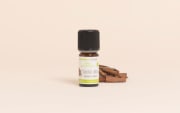
Spotlight on our Sesame Oil

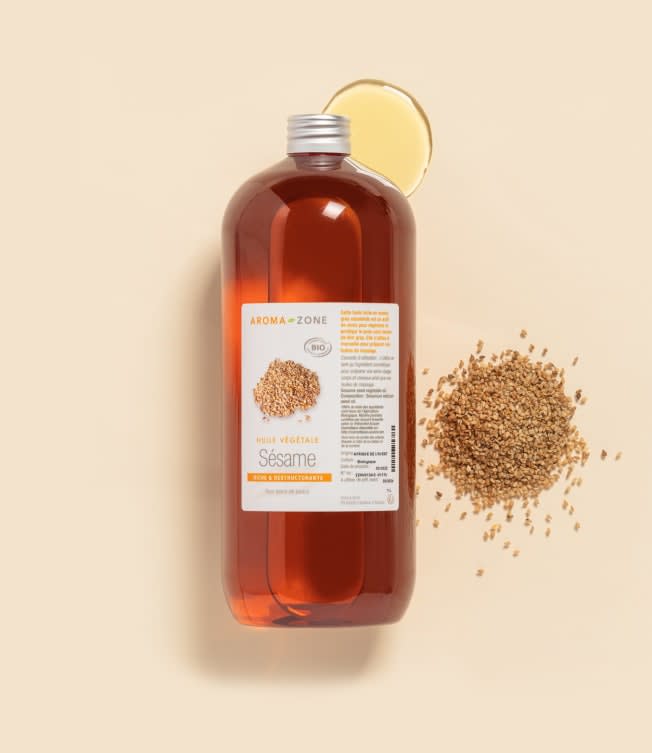
This vegetable oil, rich in essential fatty acids, adds restructuring and softening properties to your hair care products and massage oils without leaving a greasy film. Rich in antioxidants, it's a real asset in making homemade anti-ageing cosmetics.

Discover our Organic Sesame Oil

What are the benefits of sesame oil for hair?

  • It is nourishing: Its high fatty acid content allows it to envelop the hair in a nourishing veil. It thus protects it from external aggressors, particularly dehydration, which leaves hair looking dull, coarse, and split-ended.

  • It is antioxidant: The active compounds present in its unsaponifiables have beneficial properties in combating the effects of free radicals. It helps prevent oxidative stress, which is often responsible for premature ageing of the hair’s appearance.

  • It enhances beauty: In line with the two previous properties, sesame oil is known to soften the hair and restore its shine. Thanks to its excellent penetrating power, it improves the overall appearance of the hair without leaving a greasy finish.

Which plant-based oils are most effective for hair?

You can use pure sesame oil on your hair, or combine it with other plant oils. Why create your own blend? To tailor the benefits of your treatment and target your specific hair concerns. Here are a few oils that work particularly well with sesame.

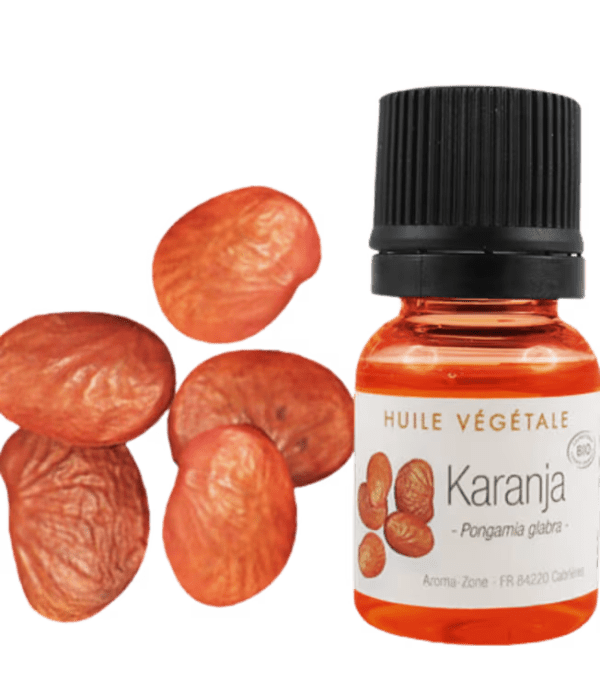
Organic Karanja Oil

Organic Karanja Oil

For coloured hair: This exceptionally active oil is a source of flavonoids, powerful plant-based antioxidants. It helps preserve colour integrity and maintain shine, especially when exposed to the sun.

Discover our Organic Karanja Oil

Organic Piqui Vegetable Oil

For frizzy hair: Very popular in Brazil, it is traditionally used for its smoothing and softening properties. It helps define curls while reducing frizz, with a fruity scent.

Discover our Organic Piqui Vegetable Oil

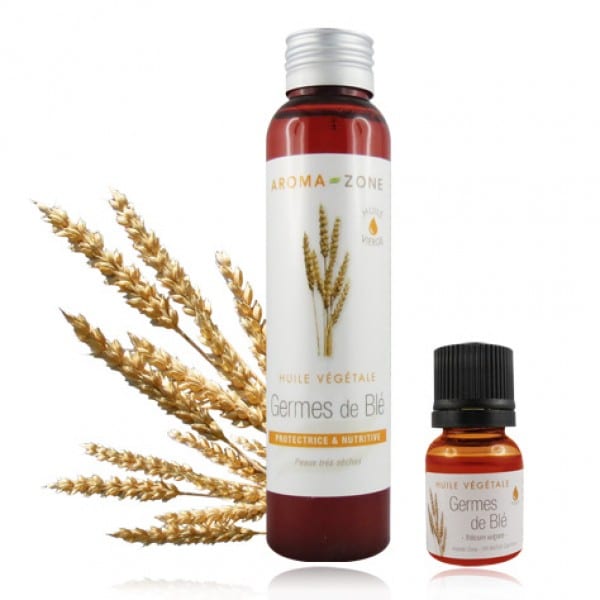
Wheat Germ Oil

For white or grey hair: It is intensely nourishing, which helps reduce hair breakage, a common issue with canities (greying). Best used as an oil treatment, as it is quite thick.

Discover our Wheat Germ Oil

00318-HV-coco-BIO-10-uJFSR0H4.avif

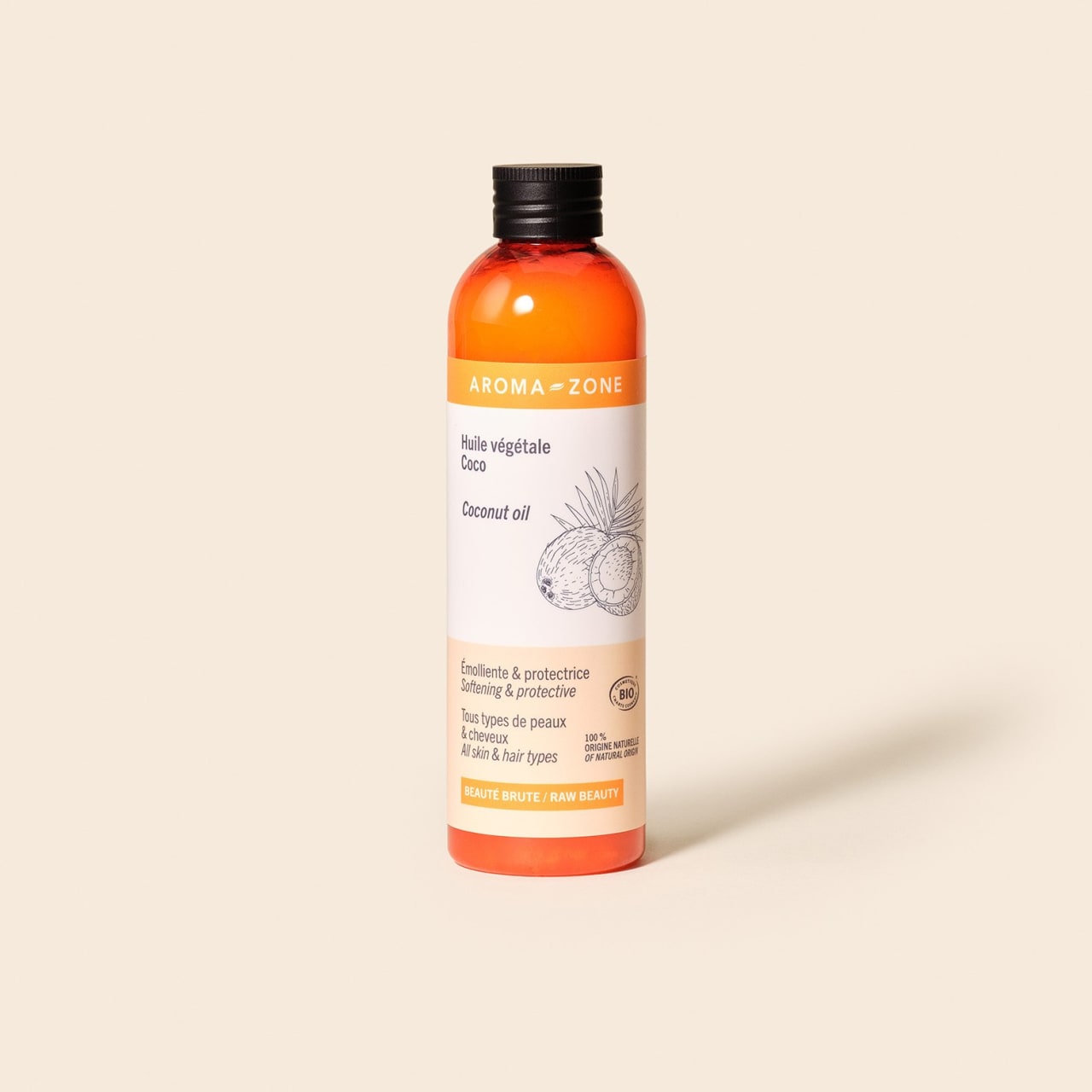
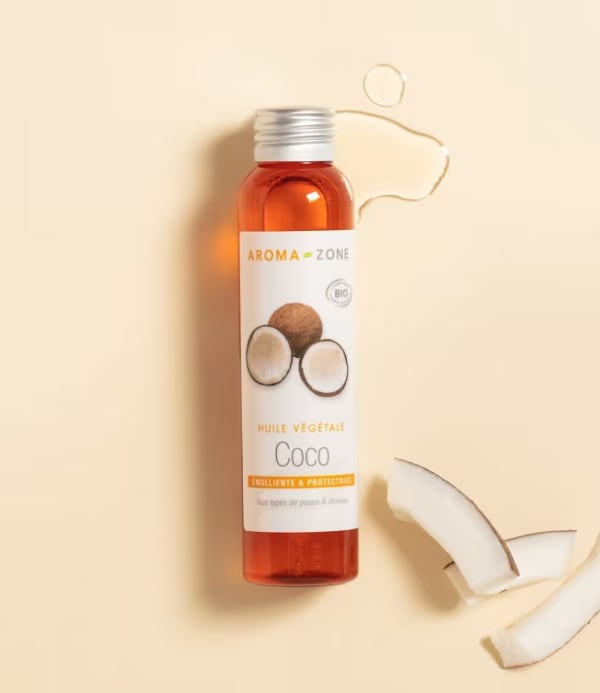
Organic Coconut Oil

For dry hair: A must-have in natural cosmetics, it nourishes the hair and smooths the hair shaft. It enhances hair shine and gives it a stronger, more vibrant appearance. Bonus: its exotic, heavenly scent.

Discover Organic Coconut Oil

Routine: How to use sesame seed oil on your hair?

  1. Perform an oil treatment. Take one tablespoon of organic sesame oil. Massage it into your scalp to stimulate blood microcirculation. Spread the oil along the lengths of your hair if they are very dry or damaged. Leave it on for at least 30 minutes, preferably under plastic wrap, a treatment cap, a towel, or a heated hood.

  2. Wash your hair with a shampoo suited to your hair type. The nourishing & repairing solid shampoo is ideal for dry, damaged, or curly hair. Wet it and rub it into the roots of your (wet) hair. Distribute the lather throughout your hair. Rinse and repeat if there is still an oily film from the oil treatment.

  3. Follow up with a conditioner. For damaged hair with split ends, use our nourishing & detangling solid conditioner. Gently work it through your hair lengths and split ends, then wait 5 minutes. Rinse and dry your hair as usual.

Tip

Once your hair is dry, apply 2 to 3 drops of sesame oil to the lengths to nourish, tame, and add shine. Rub the oil thoroughly between your palms first to make it easier to distribute through your hair.

Our Homemade Hair Care Recipes Featuring Sesamum Indicum Oil

Sesame Oil: What Are the Recommendations?

Sesame oil may cause allergic reactions in people allergic to sesame or tree nuts. It contains several allergens, including sesamol, sesamolin, and sesamin. Avoid using it if you think you may be affected. If in doubt, consult your doctor.

Always test a new product or recipe on a small, hidden area of skin before use. Wait 48 hours to observe any reaction. 

Some products or ingredients mentioned in this content may have precautions and restrictions on use. Please consult our product data sheets.

Expert tip

Some manufacturers roast sesame seeds before pressing them to extract their oil. This produces toasted sesame oil, which is delicious on salads, noodles, or Middle Eastern dishes. For your hair care routine, opt for an unroasted oil, as roasting alters the seed’s active compounds. Also make sure the oil you choose is virgin and cold-pressed. This ensures you get the highest cosmetic quality for caring for your hair.

Spotlight on our writer, Hélène Betoux

HELENE-modified_0.webp

Hélène Betoux is a French beauty journalist specialising in online media. She writes daily tips, recommendations and guides to help consumers choose the beauty products best suited to their needs. A firm advocate of natural, organic and ‘clean’ cosmetics, she closely follows trends and innovations in the sector, which she enjoys analysing and sharing.

Bibliography

  1. Warra, A.A. Sesame (Sesamum indicum L.) Seed Oil: Methods of Extraction and Its Prospects in the Cosmetic Industry: A Review.

    Bayero Journal of Pure and Applied Sciences, 4(2): 164–168.

  2. T.S.Mohamed Saleem et al. Phytopharmacological review of Sesamum indicum Linn.

    NPAIJ, December 2009, 5(4), 184-190.

  3. Jiradej Manosroi et al., 5α-Reductase inhibition and melanogenesis activity of sesamin from sesame seeds for hair cosmetics.

    Chiang Mai Journal of Science, July 2015, 42(3):669-680.

Frequently Asked Questions

Frequently Asked Questions