How to Naturally Remove Yellow Tones from White Hair?

How to Naturally Remove Yellow Tones from White Hair?


By Laura Almeras

Published on: Thursday, December 14, 2023, Updated on: Friday, October 30, 2026

In everyday life, having good self-esteem can help us move forward, and confidence sometimes has to do with how we look. So it's completely natural to want to remove yellow tones from white hair, though it's by no means essential (what matters most is feeling good in your own skin). Whether your hair is coloured, salt and pepper, blonde or white, keeping it healthy matters. But if you have white or very light blonde hair, you'll know how tricky it can be to maintain a bright, vibrant colour while avoiding those yellow tones. You don't necessarily need to commit to demanding, expensive routines. There are simple, natural solutions available. Here are our tips for tackling yellowing hair.

Contents

Related products

Why might you need to remove yellow tones from white hair?

The yellowing of white hair results from a complex combination of several factors. Before considering how to remove yellow tones from white hair, it's essential to understand why they gradually turned yellow.

What is the chemical process behind yellowing hair?

White hair is devoid of melanin pigments, which are responsible for hair’s natural colour. But even without melanin, hair is prone to colour changes due to its unique structure.

The yellowing of hair is caused by the breakdown of an amino acid called "tryptophan". This breakdown process leads to the formation of a family of molecules known as "kynurenines". These are responsible for the unwanted yellow discolouration observed on the surface of the hair.

Tryptophan is an essential amino acid that is present within the hair's structure itself. But when it undergoes a degradation process, under the influence of various external factors such as sun exposure, the use of hair products, or ageing, it transforms into kynurenines. As a result of this breakdown, kynurenines deposit yellow pigments on the hair shaft and alter the hair's natural colour as well as its whiteness.

What factors contribute to hair yellowing?

  • Sun exposure: The sun’s ultraviolet rays accelerate the oxidation process in white hair, thereby promoting yellowing.

  • Inappropriate hair care products: Some shampoos, conditioners, and other hair care products contain oxidising agents or ingredients that can cause yellowing. These remain in the hair, giving it a more or less permanent yellowish tint.

  • Air pollution: Particles in the air, such as industrial emissions or fine particulate matter, can settle on the hair and contribute to this breakdown of tryptophan.

  • Intrinsic ageing: The natural ageing process of gray hair is accompanied by structural changes. The cuticle, the outer layer that protects the hair, becomes more porous over time. This increased porosity makes the hair more sensitive to external influences and increases the risk of yellowing.
How can you prevent grey hair from turning yellow?

Choosing the Right Hair Care Products

Make sure you're choosing shampoos and treatments suited to your hair's needs. The products you use play a key role in preventing white hair from turning yellow. Look for shampoos and treatments specifically formulated for white hair. These often contain hydrating agents and purple anti-yellowing pigments that help maintain the beauty and whiteness of your hair.

It's also worth choosing gentler formulas, free from potentially harsh sulphates and silicones that could damage the hair's structure. Hydrating products are essential too, as well-hydrated hair is less prone to external damage, such as yellowing and pollution exposure.

Use anti-yellowing hair care products

The first (and simplest) step to remove yellow tones from white hair? Incorporate products specifically designed to neutralise yellow tones into your hair care routine. These treatments, often formulated with purple or blue pigments, help neutralise unwanted tones and maintain the natural colour of white hair.

Choose anti-yellowing treatments and masks that help keep your hair shiny and soft. Regular use of these products boosts protection against yellowing while improving your hair's overall texture. Be careful, however, when using an anti-yellowing shampoo: alternate it with a gentle shampoo to avoid drying out your hair.

Minimise exposure to triggers

Don't overlook the importance of good sun protection for your hair. Prolonged sun exposure could cause your white hair to turn yellow much faster than expected. Before going out in the sun, apply hair products containing a UV filter. Note that wearing hats or scarves offers additional protection against the harmful effects of UV rays, in addition to giving you a very unique look.

Also take precautions against air pollution. Air pollution can exacerbate the yellowing of your grey hair. Rinse your hair regularly to remove residue that builds up on your cuticle every time you go out, especially in the city. Using detoxifying hair masks or scrubs can also help prevent the buildup of harmful substances on your hair.

How can you quickly remove yellow tones from white hair?

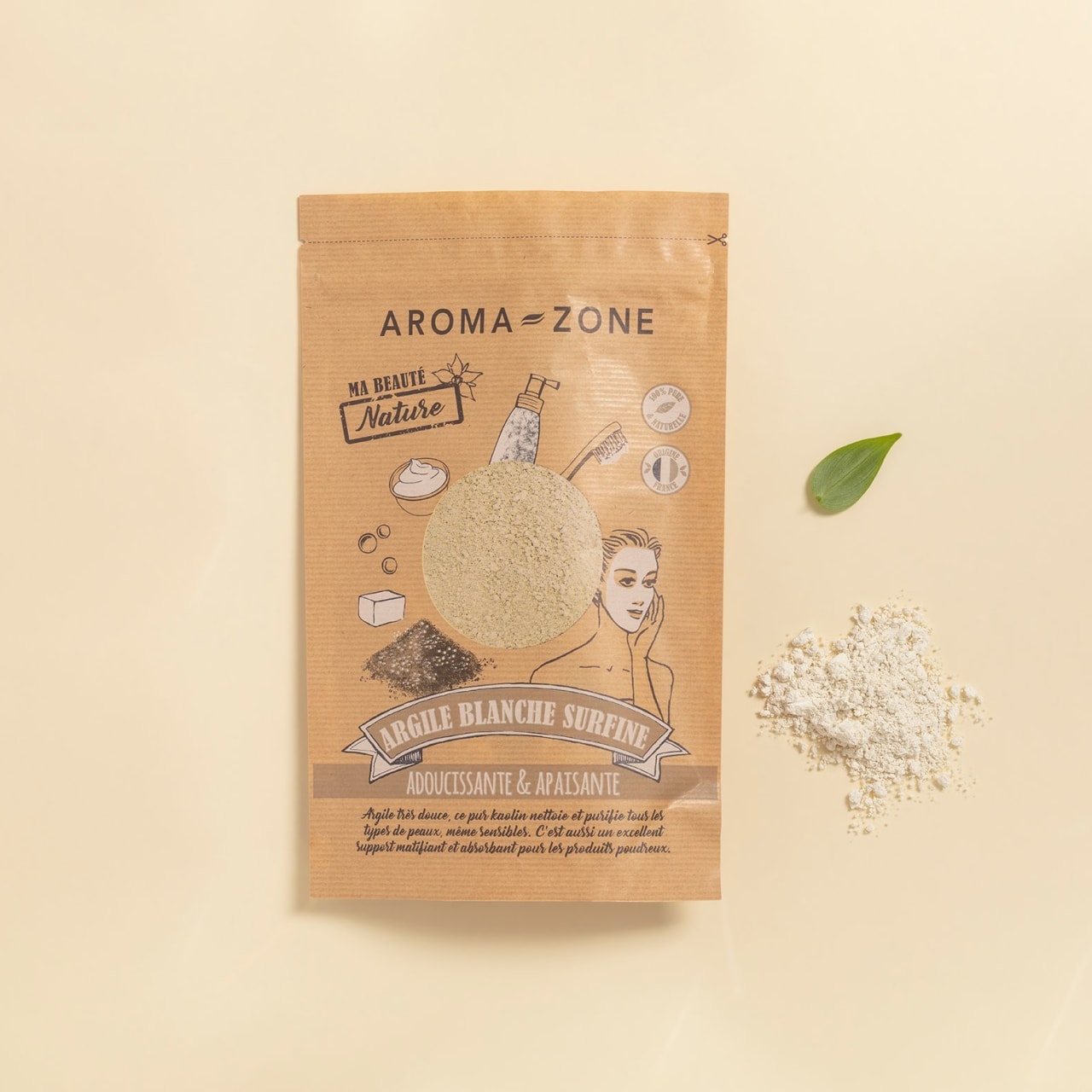
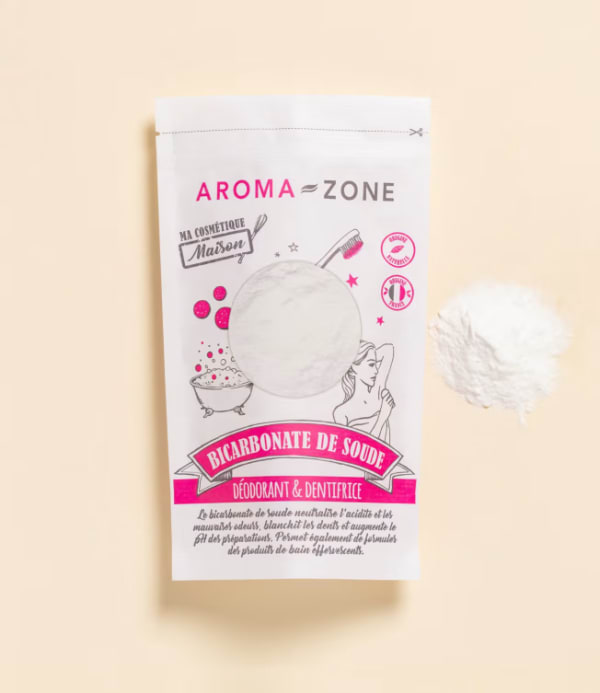
1. Make a homemade anti-yellowing mask. To do this, you can use baking soda. For example, we recommend mixing a small amount into your regular conditioner and letting it sit on your hair for a few minutes. That said, keep in mind that baking soda can sometimes dry out your hair. Another option for removing yellowing from grey hair is white clay (kaolin). This can help eliminate certain residues and toxins responsible for yellowing. Again, mix it directly into your conditioner, adding a little vegetable oil if needed to thin out its texture.

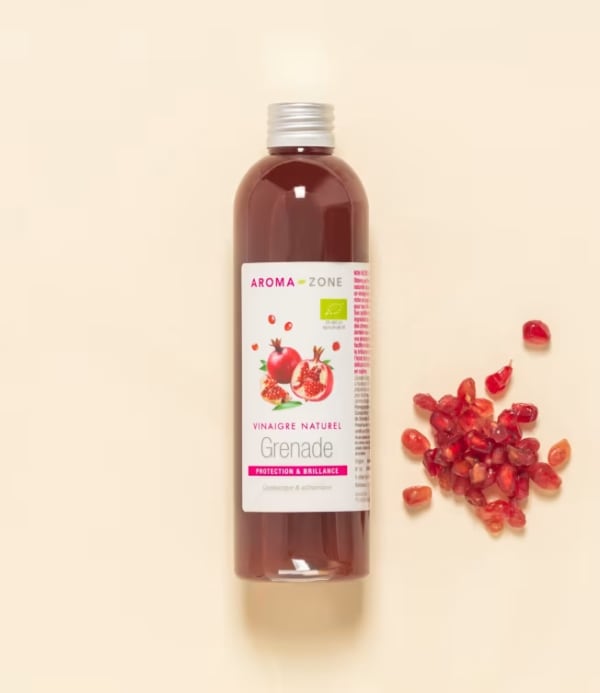
2. Use a vinegar rinse. Thanks to their naturally acidic pH, vinegars are known to be effective at removing yellow tones from white hair. You can use natural organic pomegranate vinegar, which is ideal for protecting coloured hair thanks to its high antioxidant content. Use the correct concentration of vinegar in your rinse water (2 tablespoons of vinegar per 500ml of water) to minimise the risk of hair dryness.

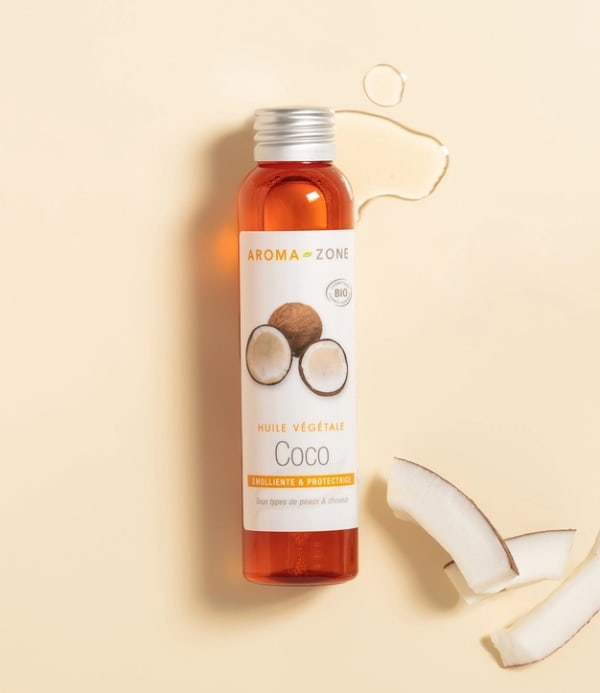
3. Use an oil treatment to combat yellow tones. Look specifically for organic coconut oil. It has the advantage of nourishing and smoothing the hair shaft, as well as helping to reduce yellow tones in grey hair. To create your radiance-boosting oil treatment, apply a small amount of vegetable oil to your hair lengths before shampooing. Leave it on for several hours before washing your hair as usual (two consecutive shampoos may be necessary to remove any oily residue).

Finding the Perfect Hair Colour for Grey Hair: A Practical Guide

When it comes to hair colour to neutralise yellowing, we recommend opting for hair dyes specifically designed for white hair. You can also consult a hairstylist to determine the ideal shade and avoid using a dye that’s too harsh.

Preferably choose hair colour products enriched with purple or blue pigments. These shades complement yellow and therefore help neutralise unwanted tones. Apply the colour carefully following the product instructions to achieve an even and natural result.

Want to cover your grey hair naturally while evening out yellow tones? Check out henna and Ayurvedic powders. These colouring powders can, for example, lighten your grey hair and give it a beautiful golden sheen.

Does lifestyle have an impact on the appearance of yellow tones?

Yes, absolutely! Certain internal or external habits can force you to touch up your white hair very regularly to maintain a luminous colour. To avoid the vicious cycle of yellowing, here are a few easy tips to incorporate into your daily routine.

  1. Keep your hair hydrated. Maintaining proper hydration is an essential step in preventing yellowing, especially for grey hair, which is more sensitive to external aggressors. Well-hydrated, non-porous hair is more resilient and less vulnerable to factors that cause yellowing. To achieve this, use conditioners and hair masks regularly: they’ll help keep your grey hair looking healthy. Conversely, avoid using products formulated with alcohol, which is known to be drying. 

  2. Eat a balanced diet. Healthy eating habits and a balanced lifestyle can make a surprisingly significant contribution to the health of your hair. When it comes to your diet, load up on foods rich in vitamins, particularly vitamins A, C, and E, as well as minerals such as zinc and iron. Make sure to consume enough protein: it’s the building block of the famous keratin that makes up your hair.

  3. Maintain healthy habits. Limit your tobacco and alcohol consumption, as they can make your hair dull and dry. Also try to manage your stress, which can also affect hair quality. Relaxation techniques, such as yoga or meditation, can be beneficial.

Precautions

Don't leave your anti-yellowing treatments on for too long. While they're enriched with purple pigments that neutralise yellow tones, leaving them on your white hair for too long can cause purple tones to appear. This is especially true if your hair is damaged and porous, you'll end up with new, equally unwanted tones.

As with all homemade hair treatments, don't forget to test your anti-yellowing treatments for grey hair before applying them to your scalp. Apply a small amount of the product to a hidden area of skin and check for any abnormal reactions.

Expert Advice

For quick, personalised results on your yellowed white hair, don't hesitate to visit a hair salon. Techniques like corrective highlights are highly effective for neutralising yellowing and restoring your hair's natural shine.

Spotlight on Our Writer, Laura Almeras

The_Luuxx_Photographer_-_Pro_Shoot_Laura-15.jpg

Laura is a health, beauty and lifestyle writer. Passionate about travel and gastronomy, she shares all her nutritional advice on how to combine pleasure with well-being. Through her articles, she is committed to providing you with meaningful information and practical advice to nourish your body and mind.

Bibliography

  1. Emeline Sovadrevna, 14 Commandments for Caring for Your Hair Naturally,

    Fernand Lanore, 2016.

Frequently Asked Questions

Frequently Asked Questions

Associated tip