Want to know everything about the benefits of sesame seeds?

While we often use them as a garnish on our burger buns, sesame seeds are actually much more than that. They were even the first plant to be pressed into oil in Asia and Africa. As a source of energy, their nutritional density is exceptional and they offer numerous benefits. Discover all the benefits of sesame seeds, their uses, and how to incorporate them into your daily diet.

Reading time: 0 min.

What are sesame seeds?

The origins of the plant

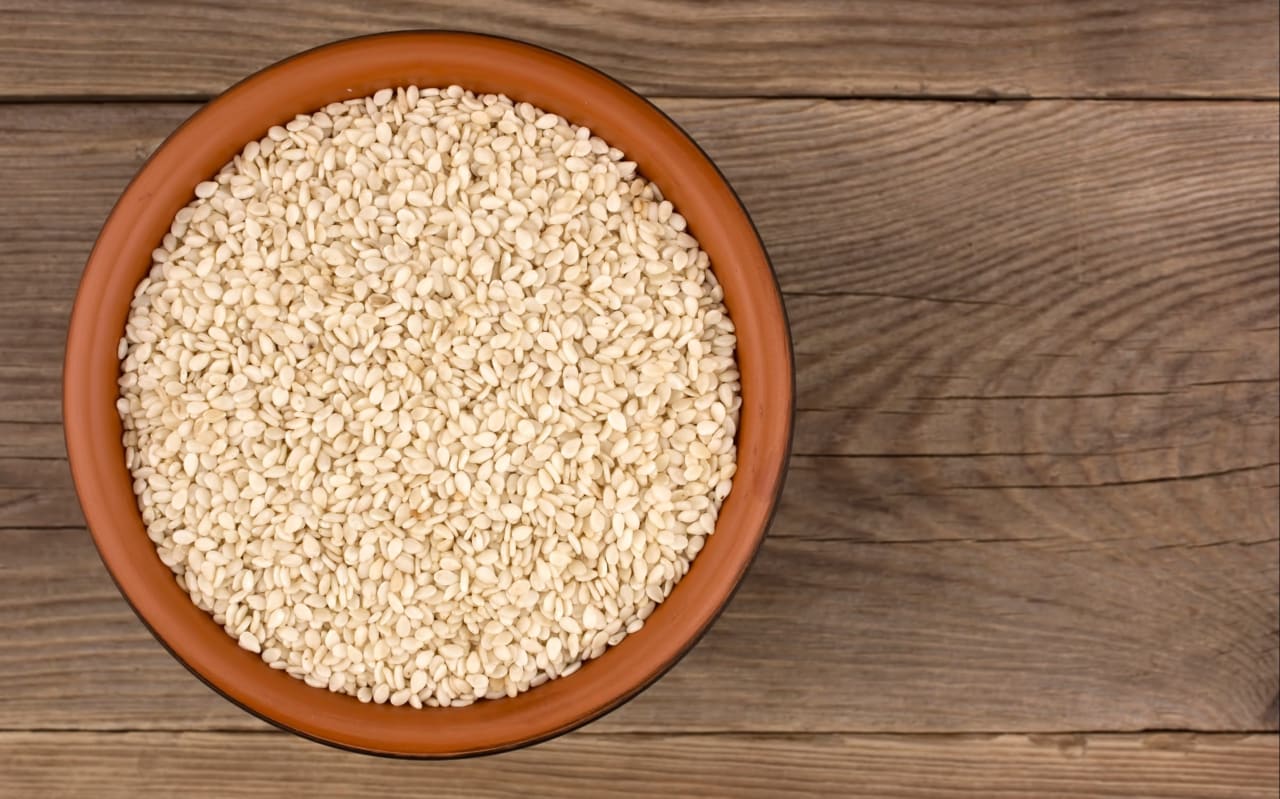
Small, flat, and oval-shaped, measuring about 2 to 4 mm long, sesame seeds come in several colours, ranging from golden blond to deep black. They come from the plant named Sesamum indicum, which belongs to the Pedaliaceae family and is native to India. It grows and is also cultivated in various African countries. Its pretty flowers are white or pink, bell-shaped, and can contain up to 200 seeds. 

Sesame has long been prized for its health benefits and flavour. With its subtle nutty taste, it is used all over the world. In Middle Eastern dishes and desserts, as well as Asian and African recipes, many dishes highlight its flavour and take advantage of its nutritional benefits.

Calories and Nutritional Composition

Here are the average nutritional values of sesame seeds:

Their high content of unsaturated fatty acids and micronutrients makes them a top choice for nutrition enthusiasts.

How much sesame should you eat per day?

To enjoy their nutritional benefits without overdoing it, the recommended daily intake of sesame seeds is 15 to 30 g, or about 1 to 2 tablespoons. Depending on individual needs and health goals, the appropriate portion should be tailored to each person.

Why eat sesame seeds?

For more healthy fats

Although they consist of an average of 50% fat, these seeds are highly recommended for their beneficial plant-based fats. Their content of unsaturated fatty acids is particularly high and breaks down roughly as follows: 20 g of omega-9 and 20 g divided between omega-6 and omega-3 per 100 g, with very few saturated fatty acids. This is what makes it an ideal oil—mild and fragrant—perfect for seasoning our favourite dishes, for massages, and for supporting our cardiovascular system.

For their plant-based protein

Not only are they abundant, but they’re also high-quality. In fact, the proteins in sesame seeds, although plant-based, are very easily absorbed. They’re considered complete because they contain all nine essential amino acids, making them a perfect fit for a vegan diet. For athletes, they also provide an extra daily protein boost to meet muscle needs.

For their antioxidants

Sesame seeds are a valuable source of antioxidants, particularly due to the presence of lignans (such as sesamin and sesamol), phytosterols, vitamin E, and selenium. These compounds help neutralise free radicals, which are responsible for premature cell ageing and certain chronic diseases.

For their high fibre content

Sesame seeds are naturally rich in dietary fibre, which is essential for proper digestive function. Fibre helps regulate bowel movements, prevent constipation, and maintain a lasting feeling of fullness. It also contributes to weight management and metabolic health by stabilising blood sugar levels.

For their vitamins

First, rich in B vitamins such as B1, B3, B6, and B9 (or folate), sesame supports numerous functions: energy metabolism, muscle function, the synthesis of certain antibodies and hemoglobin, cognitive abilities... It is also a source of vitamin E (tocopherol), which is particularly antioxidant, protects the heart, and regulates blood circulation.

For their minerals

Sesame seeds contain trace minerals essential for the body:

  • Calcium and phosphorus: to strengthen bones and teeth

  • Magnesium: essential for optimal nervous system function, combating fatigue, muscle contraction, and bone and dental health

  • Iron: sesame is one of the richest plant sources. This mineral is necessary for the production of hemoglobin and helps reduce fatigue

For their low glycemic index

With a glycemic index of 15, sesame is one of the most filling foods. With less than 25 g of sugar per 100 g, along with fibre, protein, and healthy fats, these seeds are one of the best low glycemic index foods.

Discover our feature: What are the best low-glycemic-index foods?

The benefits of sesame seeds

Sesame seeds offer numerous health benefits, whether for the heart, bones, or skin. Here are some of their advantages: 

  • Preservation of muscle mass

  • Increasing HDL (good cholesterol) and lowering LDL (bad cholesterol)

  • Increased satiety

  • Regulation of blood sugar levels

  • Prevention of diabetes

  • Supports digestive health

  • Protects bone health

  • Supports the nervous system

  • Relief from stress and anxiety

  • Reduces menopausal symptoms

  • Skin and hair care

  • Boosts the immune system

  • Protection of skin and eye health

  • Anti-ageing

How should you eat sesame seeds?

There are many ways to incorporate sesame seeds into your daily diet. Here are a few ideas:

  1. Raw for a nutrient boost: When unprocessed, sesame seeds retain all their nutritional properties. They’re perfect for topping homemade bread or a bagel, but also for adding to a smoothie or plain yoghurt. They provide B vitamins and zinc, ideal for boosting your daily vitality. 

  2. Simply toasted to sprinkle on your dishes: A quick toss in a dry pan for a few minutes is all it takes to transform these little seeds into a delicate seasoning. You don’t need to add anything to the pan—it should be “dry.” Whether in salads, soups, or roasted vegetables, they enhance any recipe! They can also elevate smoothies and yogurt, paired withflax or chia seeds rich in omega-3.

  3. As a seasoning to replace table salt: Made up of 90–95% toasted sesame seeds and 5–10% fleur de sel, gomasio originated in Japan. It adds flavour to all dishes and helps reduce consumption of traditional table salt. Today, other regions of the world have developed their own recipes (such as the Breton version) and adopted it. 

  4. Pureed: tahini: Tahini, arich and creamy sesame paste, is an ingredient you should try right away. Widely used in Middle Eastern cuisine for the famous hummus, it pairs just as well in savoury sauces to accompany vegetables or fish as it does in creative desserts. This flavourful sesame paste is packed with essential fatty acids and plant-based protein. Add it to your salad dressings or use it to add a creamy touch to your homemade cakes.

  5. Delicious sesame seed cookies: They add crunch and exquisite flavour, as well as dietary fibre and unsaturated fats, making them ideal for a tasty and healthy snack. You can mix them directly into the dough (cookies, chocolate brownies...) or simply sprinkle them on top for a crispy finish right out of the oven.

  6. As cooking oil or for making your own skincare products: Rich in antioxidants and essential fatty acids, it contributes to healthy and delicious cooking. It is also gentle and delicate for our skincare routines and ideal for deeply nourishing and repairing the skin and hair.

What is the recommended dosage? What are the recommended daily intakes?

A small amount of sesame seeds is enough to provide a good dose of plant-based dietary fibre, protein, calcium, iron, and much more. Since they are also very high in calories, it’s best to consume them in moderation. For daily use, 1 to 3 teaspoons of sesame seeds (15 to 30 g) per day are recommended. This is a reasonable daily intake that is ideal for balancing your diet and can be adjusted according to your needs.

Precautions for use

Sesame is included in the list of 14 priority allergens that must be listed on nutrition labels. Sesame seeds and products containing them should therefore be avoided by people with allergies. For people allergic to tree nuts and peanuts, the likelihood of developing a sesame allergy is very high. In children in particular, it is reportedly 6 to 10 times more common. It is therefore advisable to exercise caution regarding the consumption of sesame and its various forms, such as vegetable oil, if you have an allergy to other oilseeds.

For pregnant women, breastfeeding women, and people on hormone-dependent treatments, it is best to seek medical advice before regularly consuming sesame seeds.

Expert tip

Choosing Between Black and White Sesame Seeds

Black sesame seeds are said to be even richer in nutrients like calcium and lignans than golden and white sesame seeds. It’s also a matter of taste, so of course, choose the one you like best. Opt for seeds from organic farming, and if possible, choose unhulled seeds. Whole sesame seeds are also a good option for getting the most out of their benefits.

Learn more

What are the benefits of sesame seeds?

Thanks to their exceptional nutritional profile, they offer numerous health benefits. From bone health and immune function to blood pressure regulation, sesame seeds are also a source of protective antioxidants. They are among the foods known for their anti-inflammatory and anti-ageing properties.

How to use sesame seeds in cooking?

So delicious, sesame seeds can be used in the kitchen in various ways:

  • As a paste: they are ground into a thick paste called tahini. It is the main ingredient in the famous hummus.

  • Sprinkled on dishes, toasted, or plain: they enhance burger buns, bagels, or baguettes, seed mixes, sushi, grilled vegetables, cookies, Middle Eastern pastries, or fruit salads for added crunch.

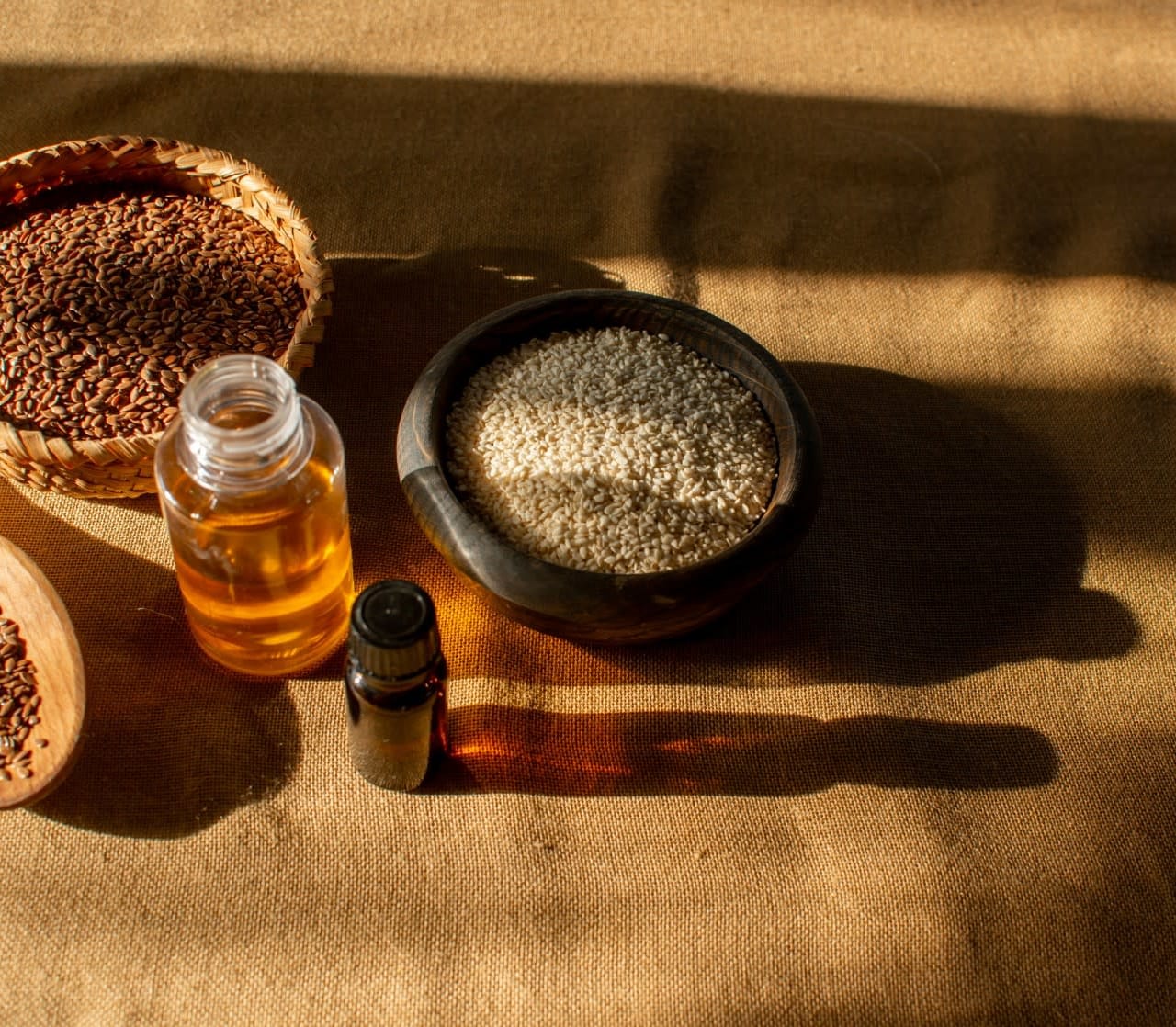
  • As oil: pressed from sesame seeds, it is an aromatic oil commonly used in Asian cuisine for marinades, sauces, or stir-fries.

  • As a condiment: highly prized in Japan, gomasio—made from toasted sesame seeds—is used as a flavoured and healthier alternative to table salt.

Spotlight on our nutrition writer, Raquel Barros

Passionate about nutrition and wellbeing, it was above all her love of good food and a desire to share that led Raquel to make dietetics her career. A graduate with a BTS qualification and specialising in sports nutrition, it was whilst working in various pharmaceutical laboratories that she discovered the world of natural solutions (dietary supplements, oligotherapy, etc.). In recent years, she has added nutritional counselling and writing articles to her repertoire, helping to satisfy both the taste buds and the thirst for knowledge of those who need it. Women’s health, anti-inflammatory diets, sport and balanced nutrition are, amongst others, her favourite topics.

Bibliography

1

ANSES - CIQUAL Food Composition Table

2

Antihyperlipidemic Effect of Sesame (Sesamum indicum L.) Protein Isolate, Normal and High Cholesterol Diet - Journal of Food Science, 2010

3

The 100 Best Foods for Your Health and the Planet, by Laurent Chevallier - Fayard, 2009

4

Lin TK, Zhong L, Santiago JL. : Anti-Inflammatory and Skin Barrier Repair Effects of Topical Application of Some Plant Oils, 2017

5

Lisa M. Stutius, William J. Sheehan, Pitud Rangsithienchai, Apinya Bharmanee, Jordan E. Scott, Michael C. Young, Anahita Dioun, Lynda C. Schneider, Wanda Phipatanakul - Characterizing the Relationship Between Sesame, Coconut, and Nut Allergy in Children. Pediatr Allergy Immunol, 2010