
Phytosterols: Which Foods Should You Eat?
Published on: Monday, June 30, 2025, Updated on: Monday, October 05, 2026
Fatigue, high cholesterol, dull skin: could the answer be on your plate? Naturally found in plants, phytosterols can help support your health. Discover how to work them into your everyday diet and make the most of their benefits for cardiovascular and skin health.
Contents
Related products
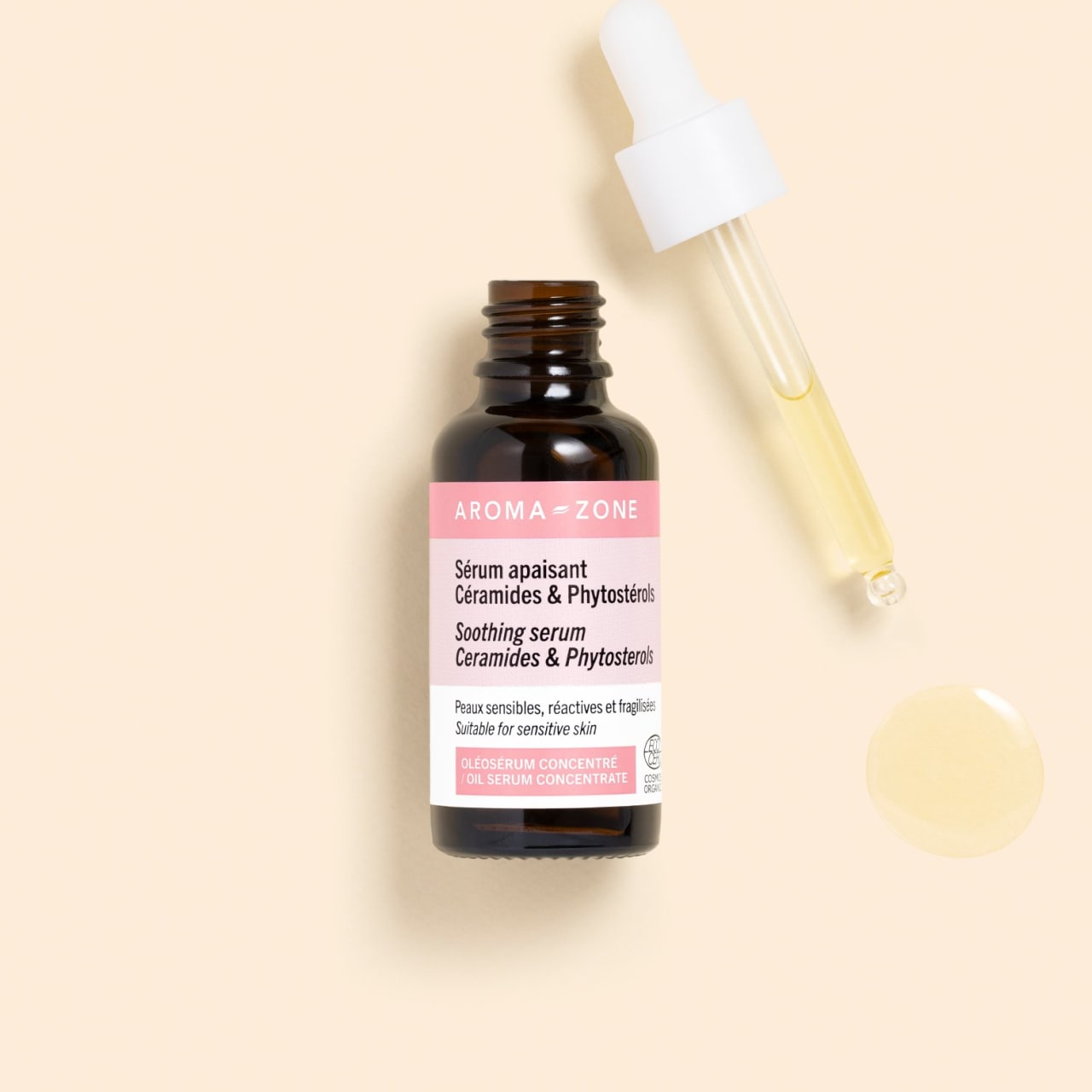
Soothing
Protective
£9.00
30 ml
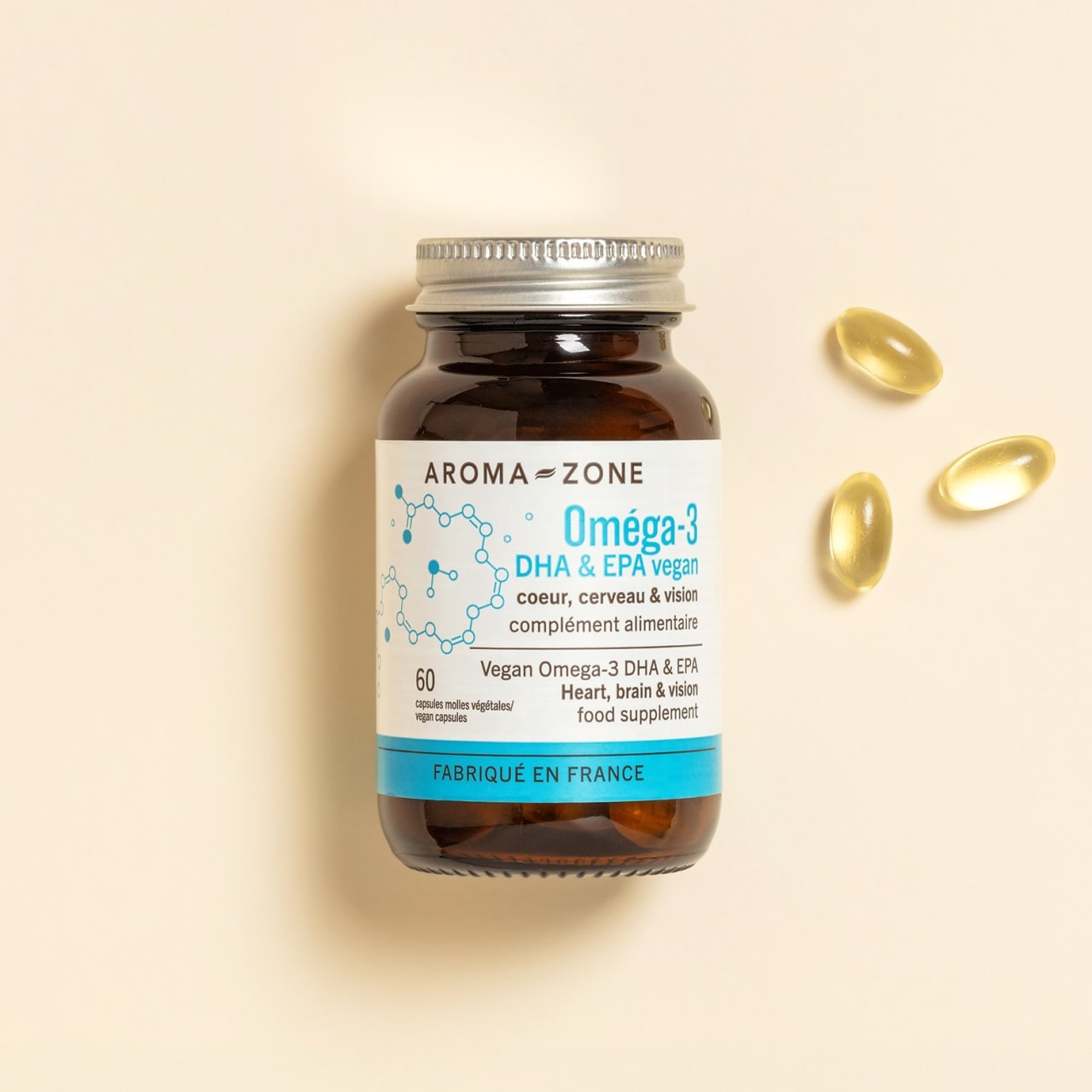
Heart
Vision
£20.00
article
£4.50
5 ml
What Are Their Benefits?
Foods rich in phytosterols are known to promote:
Lowering LDL cholesterol: By replacing cholesterol in intestinal micelles, phytosterols limit its absorption and help eliminate it
Support for cardiovascular health: Thanks to their cholesterol-lowering effect, they help prevent atherosclerosis and cardiovascular events
Anti-inflammatory effect: Some research suggests that phytosterols play a modulatory role in chronic inflammation, particularly in the context of metabolic syndrome
Cellular protection: Their antioxidant properties help to limit oxidative stress and preserve the integrity of cell membranes
Certain skin benefits: When used topically, phytosterols are recognised for their soothing, restorative and moisturising properties on sensitive or mature skin.
To find out more about the benefits, see our feature: Phytosterol: What are its benefits?

Spotlight on Our Naturopathic Writer: Christine Barris

After completing a Master’s degree in Management, Christine spent 20 years working for leading companies in the food supplement and natural cosmetics sectors. She then turned her passion for nature into a career. Today, she practises naturopathy for people and animals, as well as sophrology, and mentors aspiring naturopaths and sophrologists at various schools.
Bibliography

Frequently Asked Questions
Associated tip
Nutrition tips


