
Kale: what are its benefits?

Kale: what are its benefits?


By Raquel Barros

Published on: Tuesday, March 11, 2025, Updated on: Thursday, October 08, 2026

Kale is currently establishing itself as a health ally with a host of benefits. Rich in vitamins, minerals and antioxidants, this leafy vegetable appeals for its crunch and exceptional nutritional density. Whether for its detoxifying properties, weight-loss benefits or its protective and anti-ageing effects, it deserves a prominent place in a balanced diet. Find out why this ancient vegetable is a real treasure for your health and how to incorporate it into your wellness routine!

Contents

Related products

What is kale?

Its origins

Also known as curly kale, kale is an ancient variety of cabbage with crinkled leaves that are dark green or purple in colour. Particularly hardy, it is grown in the Mediterranean region from September to March. The first frosts even mellow its bitterness. Over 2,000 years ago, this hardy vegetable was already being eaten, particularly in Europe. Having fallen somewhat out of favour, it gave way to other cabbages from the same family for centuries: broccoli, Romanesco broccoli, cauliflower… In the 2000s, it made a major comeback as a ‘trendy’ vegetable, particularly in North America.  Its crunchy texture, slightly peppery flavour and the many health benefits of kale have won over the United States, much to our delight. Today, it has established itself as a true superfood, all over the world. On market stalls, you can find several varieties of kale, each with its own distinctive characteristics: the most popular, with curly leaves, Curly kale; Lacinato kale, or Tuscan kale, with flat, dark leaves; and Red Russian kale, recognisable by its purple stems and milder flavour. The good news is that it’s just as good raw as it is cooked: kale juice for a detox drink, raw in a salad, or cooked in a soup or as a side dish. In short, in the kitchen, it offers a wide range of options, making it easy to incorporate into your daily diet.

The nutritional value of kale per 100 g

Although low in calories, it nevertheless contains a remarkable concentration of nutrients:

Nutrients

Average content

Energy

49 kcal

Protein

4.3 g

Carbohydrates

8.8 g

Of which sugars

2.3 g

Dietary fibre

3.6 g

Fat

0.9 g

Of which polyunsaturated fatty acids

0.7 g

Of which omega-3 (ALA)

0.2 g

Water

84 g

Vitamin A (beta-carotene)

681 µg (85% of the RDA)

Vitamin C

120 mg (150% of the RDA)

Vitamin K (K1)

817 µg (1090% of the RDA)

Vitamin B9 (folate)

141 µg (35% of the RDA)

Calcium

150 mg (15% of the RDA)

Magnesium

47 mg (12% of the RDA)

Potassium

491 mg (14% of the RDA)

Iron

1.5 mg (10% of the RDA)

Zinc

0.4 mg (4% of the RDA)

Antioxidants and phytonutrients polyphenols, flavonoids, carotenoids, sulphur-containing compounds

Found in large quantities

Why should you eat kale?

With its incredible nutritional density, kale offers a whole host of benefits: here are all the good reasons to include it in today’s menu.

To top up on essential vitamins and minerals

With four times more vitamin C than spinach, as well as vitamin K, kale is also a source of plant-based calcium and non-haem iron. This nutritional profile can help meet many dietary needs for those avoiding dairy products, as well as vegetarians and vegans. It is also beneficial for athletes.

For better digestion thanks to its fibre

With nearly 4 g of fibre per 100 g, kale promotes regular bowel movements and supports the diversity of the gut microbiota. By promoting optimal digestion and supporting the immune system, the fibres make this prebiotic vegetable particularly filling.

For its natural detoxifying effect

It is one of the vegetables richest in sulphur-containing compounds, such as sulforaphane, which boosts various liver detoxification enzymes. By promoting the elimination of toxins, it helps to lighten the body’s load and protect the liver. Thanks to its low calorie content and its satiating effect due to its fibre content, kale helps regulate blood sugar levels and prevent cravings. Its natural appetite-suppressing effect makes it a key ally in a balanced diet and weight management.

For bone health and muscle mass

Rich in plant-based protein, it is an excellent option for optimising daily intake. The presence of calcium, vitamins K and C also helps to naturally stimulate the production of collagen and protect bone health.

To look after your health

Kale is rich in potassium, a key mineral for regulating blood pressure and reducing the risk of stroke. Its omega-3s and polyphenols also have protective effects on blood vessels and the cardiovascular system, and help reduce inflammation. Thanks to its high content of flavonoids (quercetin, kaempferol), carotenoids (beta-carotene, lutein) and sulforaphane, it helps to neutralise the free radicals responsible for cellular ageing and certain chronic conditions. Its antioxidant potential also plays a key role in the prevention of neurodegenerative disorders.

How should it be used?

To make the most of kale’s benefits, mix things up:

  1. In salad: eat it raw after removing the stalks and massaging the leaves with a drizzle of olive oil and lemon juice to tenderise them

  2. In a smoothie: blend it with fruit (apple, pear, berries) and plant-based milk for a boost of vitamins and antioxidants

  3. As crispy chips : bake them in the oven with a little olive oil and spices for a healthy, tasty snack

  4. In soups and stews: add it at the end of cooking to preserve its nutrients and enjoy its texture

  5. Pan-fried: fry it with garlic and spices for a tasty side dish

  6. In stews: add it to stews, curries or vegetable stir-fries to boost your recipes’ fibre and mineral content

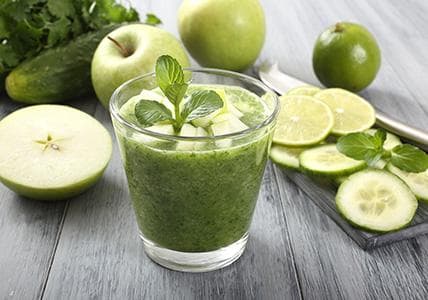
  7. In a detox juice: combine it with cucumber, ginger and lemon for a revitalising drink

  8. In omelettes or quiches: mix it with eggs or pastry for added nutrients and a splash of colour.

Precautions for use

Although rich in nutrients, kale contains goitrogens, which can interfere with thyroid function if consumed in excess, as well as oxalates, which may contribute to kidney stones in people who are predisposed to them.

Spotlight on our nutrition and dietetics specialist, Raquel Barros

RAQUEL.jpg

Passionate about nutrition and well-being, Raquel has made dietetics her profession, mainly out of a love for food and sharing her expertise. After graduating with a BTS and specialising in sports nutrition, it was working for a number of pharmaceutical laboratories that introduced her to the world of natural solutions (food supplements, oligotherapy, etc.). For a number of years now, she has been contributing nutritional guidance and writing articles to answer the questions of those looking for flavoursome solutions and further knowledge. Women's health, anti-inflammatory food, sport and a balanced diet are just some of her favourite subjects.

Bibliography

  1. Elżbieta Sikora, Izabela Bodziarczyk, Composition and antioxidant activity of kale (Brassica oleracea L. var. acephala) raw and cooked

    Acta Sci Pol Technol Aliment (2012)

  2. The Big Book of Superfoods, by Catherine Dupin and Sophie Lacoste

    Eyrolles, 2019

Frequently Asked Questions

Frequently Asked Questions