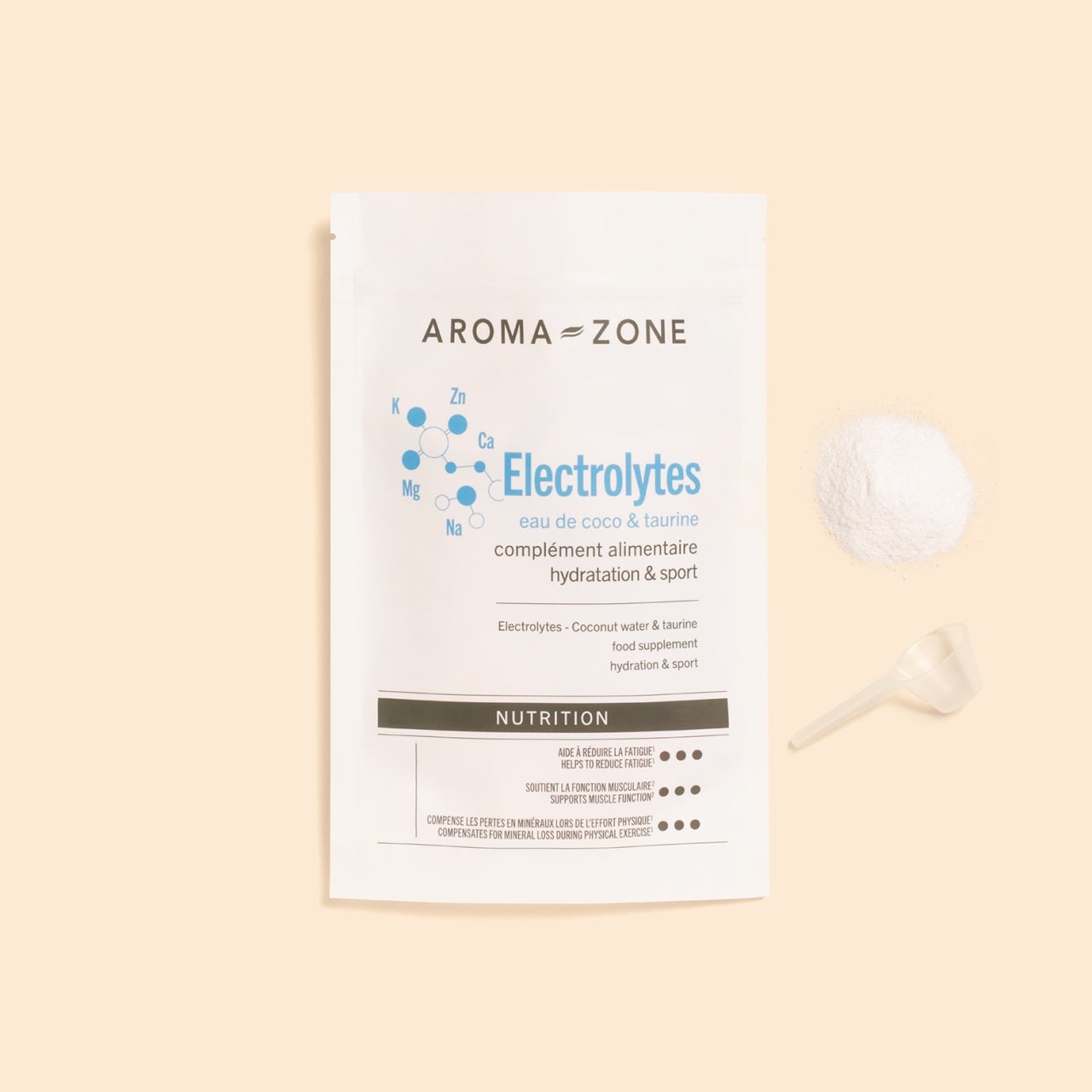



Daily consumption of electrolytes may be considered when dietary intake is insufficient or in cases of increased needs, such as during regular physical activity, extreme heat, or heavy sweating. However, it is essential to follow the recommended dosages and adjust intake to individual needs. A balanced diet remains the best daily source of electrolytes; supplementation should be considered as a complement to, not a replacement for, a balanced diet.
Why drink electrolytes?
You may have heard of electrolytes, but do you really know what they are and what role they play in our health? It’s important to know that these electrically charged minerals are involved in various essential functions of our body. Find out why it’s recommended to drink electrolytes, what benefits they can provide, and how to make the most of all their benefits.

The role of electrolytes in the body
Electrolytes are minerals: sodium, potassium, calcium, magnesium, and chloride. What makes them unique is their ability to acquire an electrical charge when they come into contact with a fluid in the body, such as water or blood. This is why they’re called electrolytes, and it’s what allows them to transmit electrical signals throughout the body—signals that are essential for numerous physiological functions.
It is difficult to estimate our electrolyte needs because they can vary depending on age, gender, physical activity, and outdoor temperature. Furthermore, electrolytes interact with one another, and a deficiency in one can limit the absorption of another. However, it is generally accepted that sodium intake should be limited, while potassium needs are typically well met by a balanced and varied diet, as are those for Calcium, except for children and pregnant or breastfeeding women, who have higher needs. As for Magnesium, it is estimated that about 70% of the population is deficient, which is partly explained by the fact that stress not only increases requirements but also causes this mineral to be lost through urine. Stress can also lead to excessive sweating, which promotes mineral loss, and since we are increasingly stressed, most of us are deficient in magnesium.
Learn more about electrolytes
The benefits of electrolytes?
They all play a role in essential bodily functions. Beyond their specific roles, electrolytes are essential for maintaining optimal hydration, as they enable water to be properly absorbed, distributed, and retained by cells. Let’s take a closer look at the specific roles of each one.
Sodium (Na+): Rich in minerals, it plays a role in regulating blood volume and blood pressure. It also facilitates effective communication between the brain and the rest of the body through the nerve impulses it transmits. Sodium is a key electrolyte for hydration, as it helps retain water in the body and compensate for losses due to sweating.
Potassium (K+): It helps maintain fluid and electrolyte balance and is essential for the proper functioning of the muscular and nervous systems. It plays a role in transmitting nerve signals between the brain and the muscles. It also contributes to the proper distribution of water within cells, thereby supporting effective cellular hydration.
Calcium (Ca2+): A key mineral,it is well known for its essential role in bone and tooth structure and contributes to muscle contractions. It is also involved in certain cellular signaling mechanisms related to water and electrolyte balance.
Magnesium (Mg2+): It plays a role in bone and tooth structure and is involved in numerous functions such as energy production, muscle function (notably preventing cramps), and nerve function. It is an essential mineral during times of stress as it helps regulate mood and reduce fatigue. When combined with other electrolytes, it helps improve exercise tolerance and maintain more stable hydration.
Chloride (Cl-): It helps maintain the body’s fluid balance and plays an essential role in digestion by contributing to the production of hydrochloric acid in the stomach, which breaks down nutrients into smaller molecules that are more easily absorbed by the body. It works in synergy with sodium to regulate fluid exchange between the body’s compartments.
In general:
Electrolytes facilitate the transport of glucose to cells, support ATP synthesis (the energy molecule), and help reduce muscle cramps. Without electrolytes, water alone is less effectively absorbed: they are therefore essential during physical exertion or in hot weather, and aid physical performance and recovery. They also help maintain a healthy fluid balance between brain cells and act as antioxidants. This helps preserve concentration and memory functions, which are particularly compromised in the summer by UV rays and dehydration.
Did you know? Electrolyte intake also helps maintain skin elasticity and suppleness (in addition to proper hydration). In the summer, this can help reduce the appearance of fine lines caused by dryness and oxidative stress from sun exposure.
Why drink electrolytes for optimal hydration?
Electrolyte drinks provide electrolytes, of course, but also water, since it’s the combination of the two that helps maintain proper hydration in the body. These drinks also offer other benefits:
Better absorption of electrolytes by the body: because they are already dissolved in the drink. This helps restore the body’s water and electrolyte balance more quickly, which can be particularly beneficial after an intense workout or in hot weather.
More precise dosing: which can be an advantage for athletes whose needs are greater and sometimes more specific in order to support their performance.
An incentive to drink more: since these drinks usually taste good, which can encourage those who are reluctant to drink—such as children or the elderly—to consume enough water to stay properly hydrated.
Discover our tips for staying properly hydrated.

Spotlight on our Electrolytes Powder Dietary Supplement
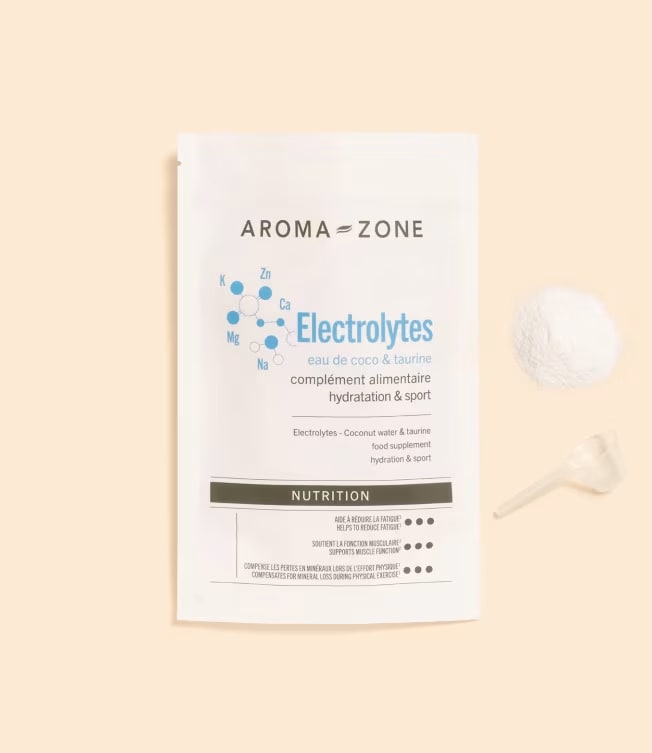
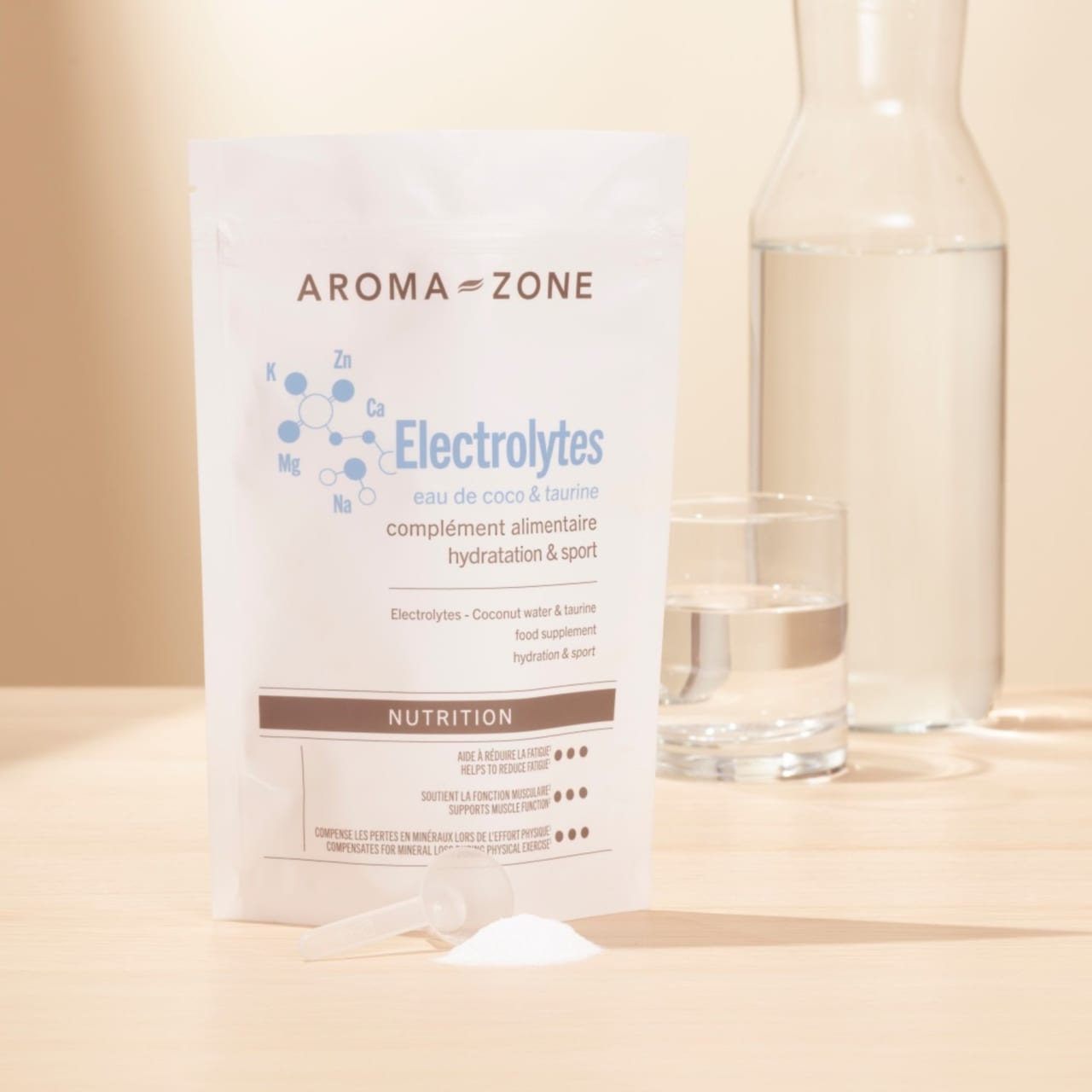
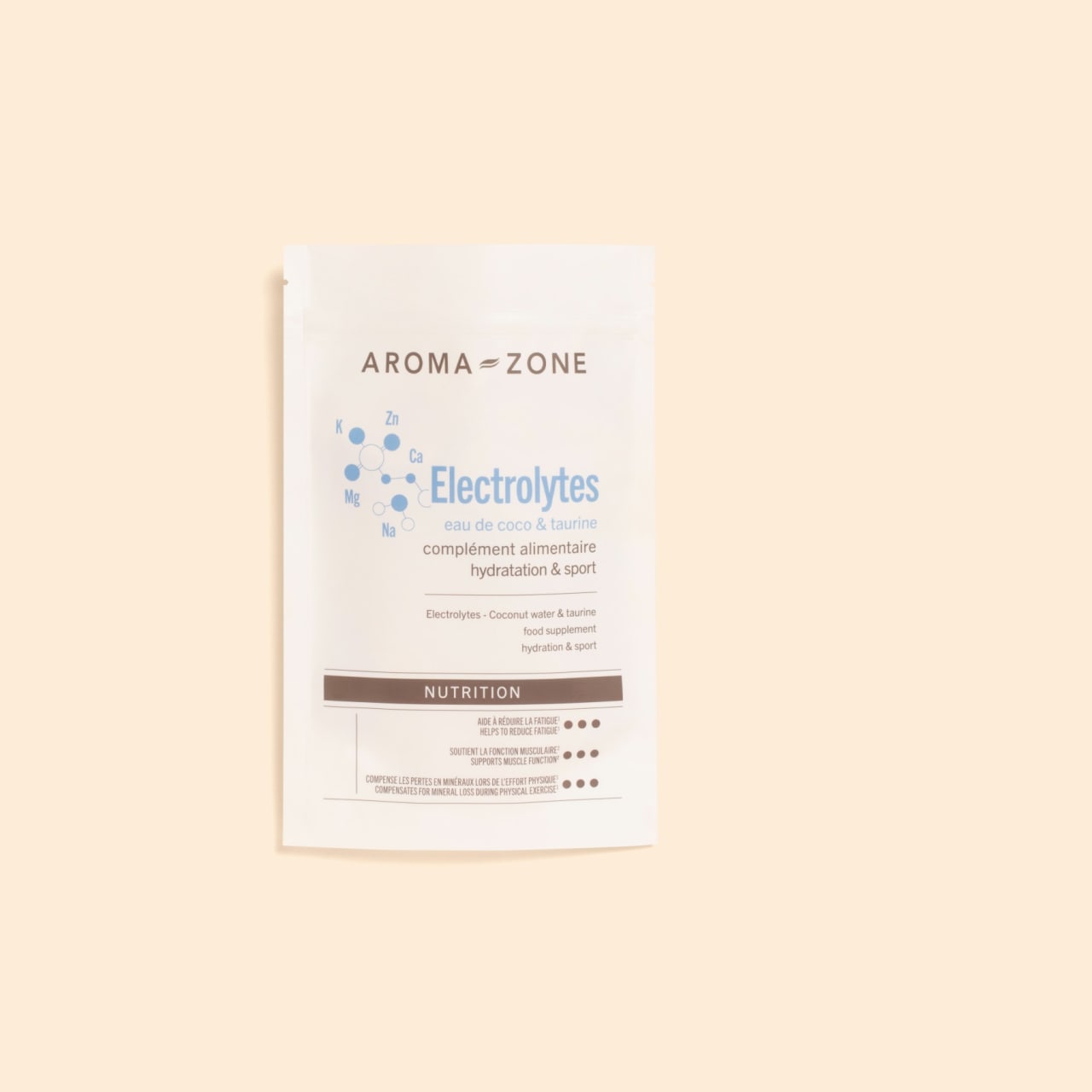
This electrolyte powder allows you to prepare a drink specifically designed to restore electrolyte balance and maintain proper hydration levels in the body. It contains essential electrolytes: Magnesium, Potassium, Calcium, and Zinc, as well as coconut water and taurine. This combination helps maintain optimal physical performance and keeps you well-hydrated despite the heat or during physical activity. Our electrolyte powder contains only the essentials—no added flavours or sweeteners—and allows you to prepare a healthy, re-balancing, and hydrating drink.
When should you drink electrolytes?
Electrolytes can be consumed occasionally or on a more regular basis, depending on the body’s needs and the situation. They are particularly useful in situations where water and mineral loss is significant.
During physical exertion, especially during and after a workout, sweating leads to a loss of water and electrolytes that must be replenished. A drink enriched with electrolytes helps maintain proper hydration and supports recovery.
During periods of intense heat, sweating increases to regulate body temperature. This natural mechanism is accompanied by increased electrolyte loss, which can contribute to fatigue or dehydration. Proper hydration, including electrolytes, helps maintain the body’s fluid balance throughout the day.
In daily life, particularly in the morning upon waking, electrolytes can help restore proper hydration levels after a night’s sleep and maintain them throughout the day, especially for active individuals or those exposed to heat.
For athletes: during and after a workout, to compensate for water and electrolyte loss due to sweating.
In cases of significant fluid loss, such as during diarrhoea, vomiting, or fever, the body loses more water and minerals. In these situations, a beverage containing electrolytes can aid rehydration and promote better recovery, in addition to appropriate medical care.
How should you consume dissolvable electrolytes?
Simply mix the electrolyte powder into half a liter or a litre of water, depending on your preference. You can drink this throughout the day or as needed when you have an increased need for hydration—such as during physical activity or in hot weather.
You can also drink mineral-rich water, which helps replenish your body’s electrolytes. However, the dosage is less precise than in electrolyte drinks, which are better suited to more specific and targeted needs, particularly for athletes.
Coconut water is a beverage naturally rich in electrolytes such as potassium, magnesium, and sodium. Refreshing, it is a healthy alternative for rehydration after exercise or during hot weather.
How can you incorporate electrolytes into your diet?
A balanced and varied diet provides a diverse range of electrolytes. Here are some of the main food sources for each one:
Sodium (Na+) Table salt, meats, cheeses
Potassium (K+) Bananas, avocados, leafy green vegetables (spinach), legumes (lentils, chickpeas, red beans)
Calcium (Ca2+) Dairy products, leafy green vegetables, almonds, walnuts
Magnesium (Mg2+) Seeds, nuts, leafy green vegetables, whole grains (wheat, rice), dried bananas
Chloride (Cl-) Table salt, seafood, dairy products
Precautions for use
Moderate consumption of electrolytes poses no particular risk to healthy individuals. However, it is still recommended to follow certain guidelines:
Follow dosage instructions: It is advisable to strictly adhere to the amounts indicated on the labels of electrolyte drinks, as they may vary depending on each brand’s specific formulations.
Recommendations for certain groups of people : For pregnant and breastfeeding women, children, and people with certain medical conditions such as kidney problems, it is recommended to seek medical advice before taking electrolyte supplements.
Learn about the recommended diet for kidney health.
Expert tip
Although a balanced and varied diet generally provides sufficient electrolytes, it may be beneficial to consume electrolyte drinks in cases of increased water and mineral loss due to excessive sweating: hot weather, physical activity, trips to the mountains where the air is drier...
Learn more about sweating.
Learn more

Is it good to take electrolytes every day?

Is it good to take electrolytes every day?

Electrolyte drinks vs. isotonic drinks: what’s the difference?

Electrolyte drinks vs. isotonic drinks: what’s the difference?
Both are beverages recommended for athletes to enhance their physical performance and recovery.
An isotonic drink consists of a concentrate of dissolved elements whose composition is similar to that of blood plasma. This drink helps balance the loss of minerals and nutrients that occurs during exercise. Electrolyte drinks are better suited for the recovery phase. The main difference between the two is the carbohydrate content of isotonic drinks. Isotonic drinks are therefore generally recommended for long sessions (such as running) because the carbohydrates in these drinks, in the form of fast-acting sugar, provide sustained energy over time. They are also a good choice during intense exercises that consume large amounts of energy.

How can you tell if your body is deficient in electrolytes?

How can you tell if your body is deficient in electrolytes?
Certain signs may indicate an electrolyte deficiency: fatigue for no apparent reason, dizziness, headaches, and muscle cramps. These symptoms are common in cases of electrolyte loss and dehydration. However, they cannot necessarily be attributed to mineral deficiencies and may have other causes. It is therefore important to consult a doctor if you have any doubts or if these symptoms persist.

What are the effects of electrolytes?

What are the effects of electrolytes?
Electrolytes play a role in numerous bodily functions, and their effects are wide-ranging. Not all of these effects are immediately apparent, but among the most notable are increased energy, improved recovery and concentration, and, overall, greater well-being.

Why consume electrolytes in the summer?

Why consume electrolytes in the summer?
In the summer, heat leads to increased sweating, a natural mechanism for regulating body temperature. But this loss of water is also accompanied by a significant loss of electrolytes, which must be replenished to prevent dehydration. Proper hydration, supported by electrolytes, not only helps stabilise fluid levels in the body but also promotes the absorption of water and nutrients by cells. Drinking electrolytes during hot weather or after heavy sweating (from exercise, prolonged exposure to heat, or travel) is therefore a beneficial habit for the body… and for the mind!
Spotlight on Christine Barris, Naturopath, Sophrologist and trainer

After a Master's degree in Management, followed by 20 years working for well-known companies in the food supplement and natural cosmetics sectors, I decided to turn my passion for nature into my profession. I now practise human and animal naturopathy, as well as sophrology. I also coach future naturopaths and sophrologists at various schools.
Bibliography
1
Shrimanker I, Bhattarai S. Electrolytes. 2023 Jul 24. In: StatPearls [Internet]. Treasure Island (FL): StatPearls Publishing; 2025 Jan–. PMID: 31082167.
2
Nutritional Reference Values for Vitamins and Minerals, ANSES, February 21, 2025.