Minerals are essential chemical elements that the human body cannot produce on its own and must obtain through diet. Electrolytes are a subset of minerals consisting of seven elements. They differ from other minerals in that they dissolve in water: they conduct electricity by dissociating into cations (positively charged) or anions (negative charge). They are crucial within cells and throughout the body for maintaining fluid balance, transmitting electrical signals in the nervous system, and enabling muscle contraction, including that of the heart. Their balance is therefore essential and specific.
How do you know if you’re low on electrolytes?
Published on: Thursday, September 05, 2024, Updated on: Wednesday, October 21, 2026
Well-known in the world of sports, we think it's about time electrolytes are better understood by the general public. Especially since, in certain situations, an electrolyte deficiency is indeed possible. Discover the symptoms that may indicate an electrolyte imbalance and, above all, how to prevent electrolyte deficiency through a healthy lifestyle.
Contents
Related products
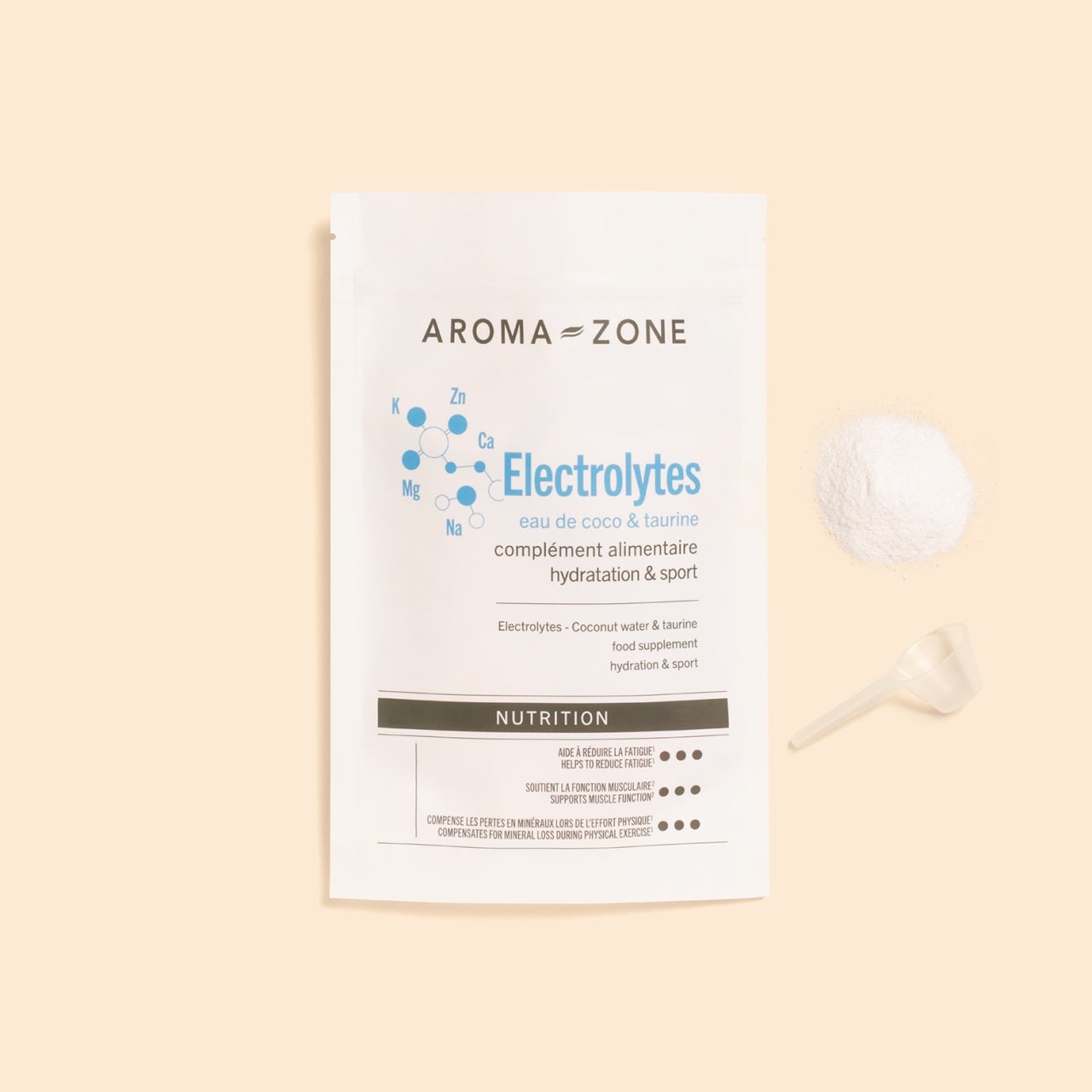
Electrolyte Powder
Moisturising
Sport
£16.00
200 g
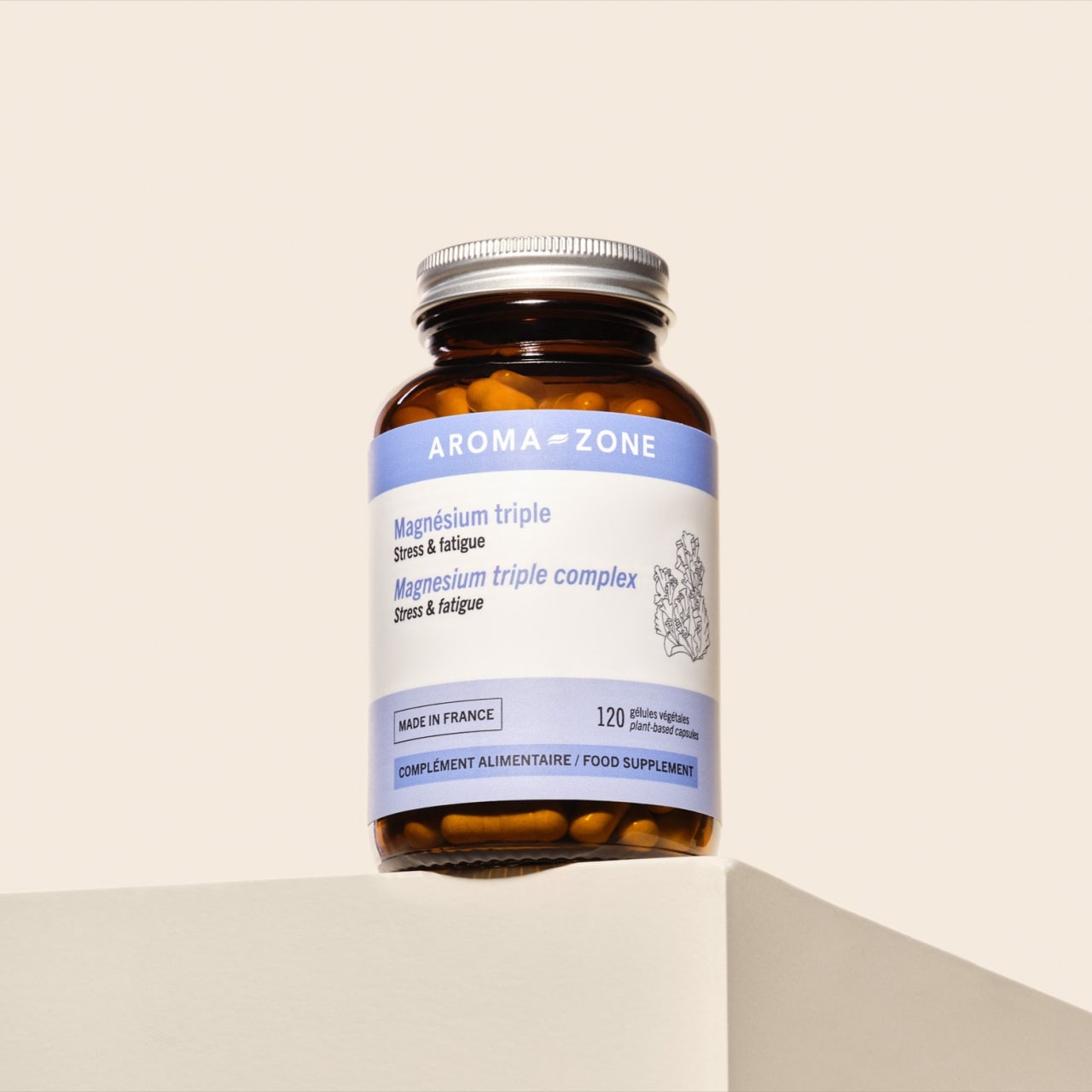
Triple Magnesium Complex - 120 Capsules
Vitality
Stress
£15.00
article
Electrolytes: what are they?
The different blood electrolytes and their roles
Sodium (Na+): essential for fluid balance and the transmission of nerve impulses.
Potassium (K+): plays a key role in heart function and muscle contraction.
Calcium (Ca2+): necessary for muscle contraction, blood clotting, and nerve transmission. It requires vitamin D for proper absorption.
Magnesium (Mg2+): It participates in over 300 enzymatic reactions in the body, particularly those that produce energy, combat temporary fatigue, and balance the nervous system.
Chlorine (Cl-): important for maintaining acid-base balance.
Phosphorus or phosphates (PO4-): essential for ATP production, energy metabolism, and bone formation.
Bicarbonates (HCO3-): help maintain acid-base balance.
What are the benefits of electrolytes?
Electrolytes play a significant role in fluid balance, physical performance, and overall well-being.
Electrolytes such as sodium and potassium help maintain proper water balance in the body and optimal muscle function during physical activity. A sufficient intake of electrolytes can prevent muscle cramps and delay muscle fatigue, which is often caused by dehydration or an electrolyte imbalance. Electrolyte-rich beverages are often used to rehydrate the body by replenishing mineral losses caused by sweating.
Potassium and magnesium contribute to nerve conduction and heart contraction, thereby supporting normal heart function. Working together, electrolytes play a role in bone formation, mineralisation, and protection. They also help maintain the body’s acid-base balance.
How do you know if you’re low on electrolytes?
Symptoms
An electrolyte deficiency can manifest through various signs. Below are the most common ones to watch for:
Fatigue and general weakness: A lack of electrolytes can lead to feelings of fatigue and muscle weakness, even without intense physical exertion.
Muscle cramps and spasms: Cramps, especially at night, can be a sign of an electrolyte deficiency, particularly in potassium, calcium, or magnesium. Tingling in the fingers can also be a symptom.
Irregular heart rhythm: Electrolytes play a crucial role in regulating the heart’s rhythm. An imbalance can cause palpitations or arrhythmias.
Confusion and cognitive impairment: The brain relies on proper electrolyte balance to function correctly. An imbalance can lead to symptoms such as confusion, nervous system disorders (nervousness), or difficulty concentrating.
Headaches and dizziness: dehydration combined with an electrolyte imbalance can cause headaches, dizziness, or even fainting.
If in doubt, don’t hesitate to consult your primary care physician, who can confirm an electrolyte deficiency through blood tests by measuring the levels of these substances in the blood. Commonly tested electrolytes include sodium, potassium, calcium, and magnesium.
Possible causes of an electrolyte imbalance
Special attention should be paid to athletes during intense exercise or in cases of extreme heat. Exercise causes greater losses of electrically charged minerals. Heavy consumption of coffee or alcohol, or an unbalanced diet, can also lead to increased electrolyte needs. Certain medications, such as diuretics, can cause mineral deficiencies by disrupting their proper absorption by the body. Certain medical conditions also make individuals more susceptible to electrolyte imbalances. Finally, both overhydration and dehydration disrupt electrolyte balance.
Focus on Aroma-Zone’s powdered electrolytes
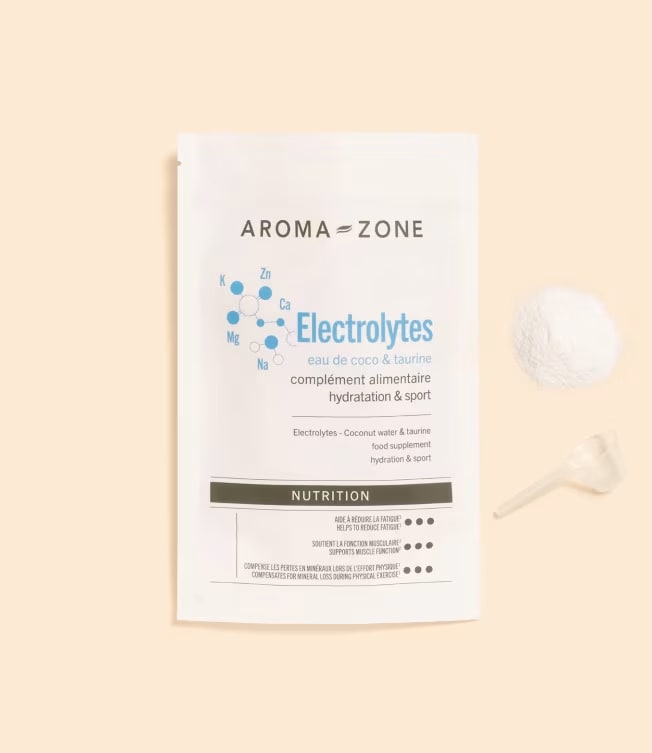
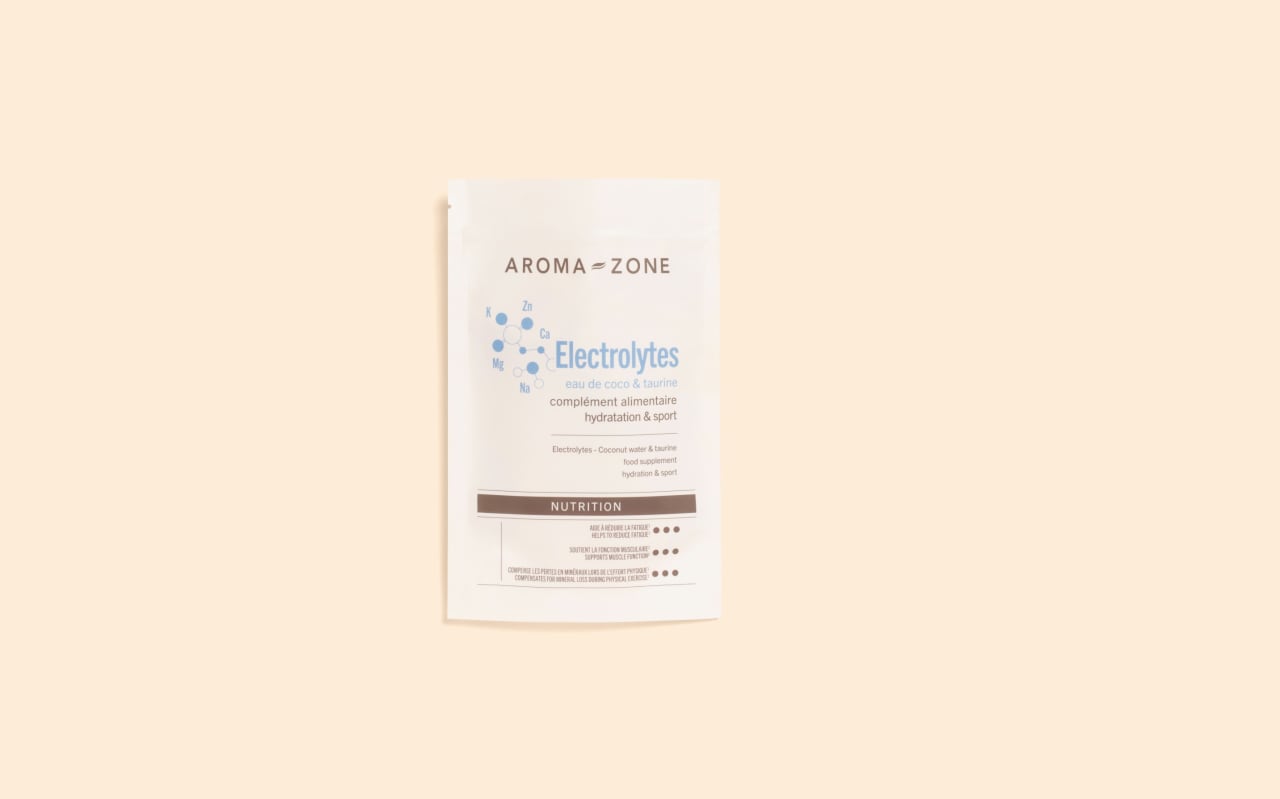
Our electrolyte-rich drink is an ideal solution for those looking to maintain or restore their electrolyte balance and reduce feelings of fatigue. Made with natural ingredients and free of artificial additives, this drink is particularly useful during intense workouts, in hot weather, or when you feel the first signs of dehydration.
How can you prevent an electrolyte deficiency?
Stay properly hydrated: Make sure to drink 1.5 to 2 litres of water per day. Vary your intake from time to time or after exercise by drinking sparkling water, which is often richer in bicarbonates, magnesium, and sodium.
Choose to regularly consume nutrient-rich foods such as fruits (bananas, which are rich in potassium, for example), vegetables (green vegetables), berries (blueberries, goji berries, cranberries...), seaweed (spirulina), seeds (chia, flax, etc.), and nuts (walnuts, almonds, etc.)
If you drink several cups of coffee a day, avoid having them with meals and snacks
When drinking alcohol, remember to stay hydrated by drinking water between drinks and the day after the party as well
Use table salt in moderation and use herbs, spices, and seasonings to add more flavour to your recipes
Turn to our electrolyte-rich drink during your sports activities. For exercise lasting longer than 1.5 hours, it is recommended to drink it in small sips before, during, and after. It is also useful for everyone on an occasional basis, in cases of dehydration or extreme heat.
When trying to lose weight, avoid overly restricting your diet and opt for natural sugars.
Precautions
This powdered electrolyte drink is intended for adults only. It is not suitable for pregnant or breastfeeding women, or for the elderly or those with kidney disease (such as kidney stones) without medical advice. Finally, it is not a substitute for a balanced and varied diet.
Directions for use and dosage
Pour one measuring spoon (approximately 4.2 g of powder) into 500 ml to 1 litre of water, then mix thoroughly until completely dissolved. For athletes, it is recommended to drink this beverage during physical exertion as well as during the recovery phase. It can also be consumed throughout the day to support electrolyte balance, particularly in hot weather or during intense activity. One sachet (doypack) provides enough for about a month and a half, depending on frequency of use.
Expert advice
Hormonal changes have a significant impact on electrolyte balance. Three minerals are often affected: sodium, potassium, and calcium. Talk to your doctor if necessary so they can perform a hormonal evaluation.
Spotlight on our nutrition writer, Raquel Barros

Raquel was always passionate about nutrition and well-being, and it was above all her love of good food and desire to share her knowledge that led her to pursue a career in dietetics. A graduate with a BTS qualification specialising in sports nutrition, she discovered the world of natural solutions, including dietary supplements and oligotherapy, while working in various pharmaceutical laboratories. In recent years, she has expanded her work to include nutritional counselling and article writing, combining her interest in nutrition with her passion for sharing knowledge. Women’s health, anti-inflammatory diets, sport, and balanced nutrition are among her favourite topics.
Bibliography
WHO - Hydration and health
EFSA - Dietary Reference Values
INSERM (French National Institute of Health and Medical Research) - The Impact of Hormones on Health