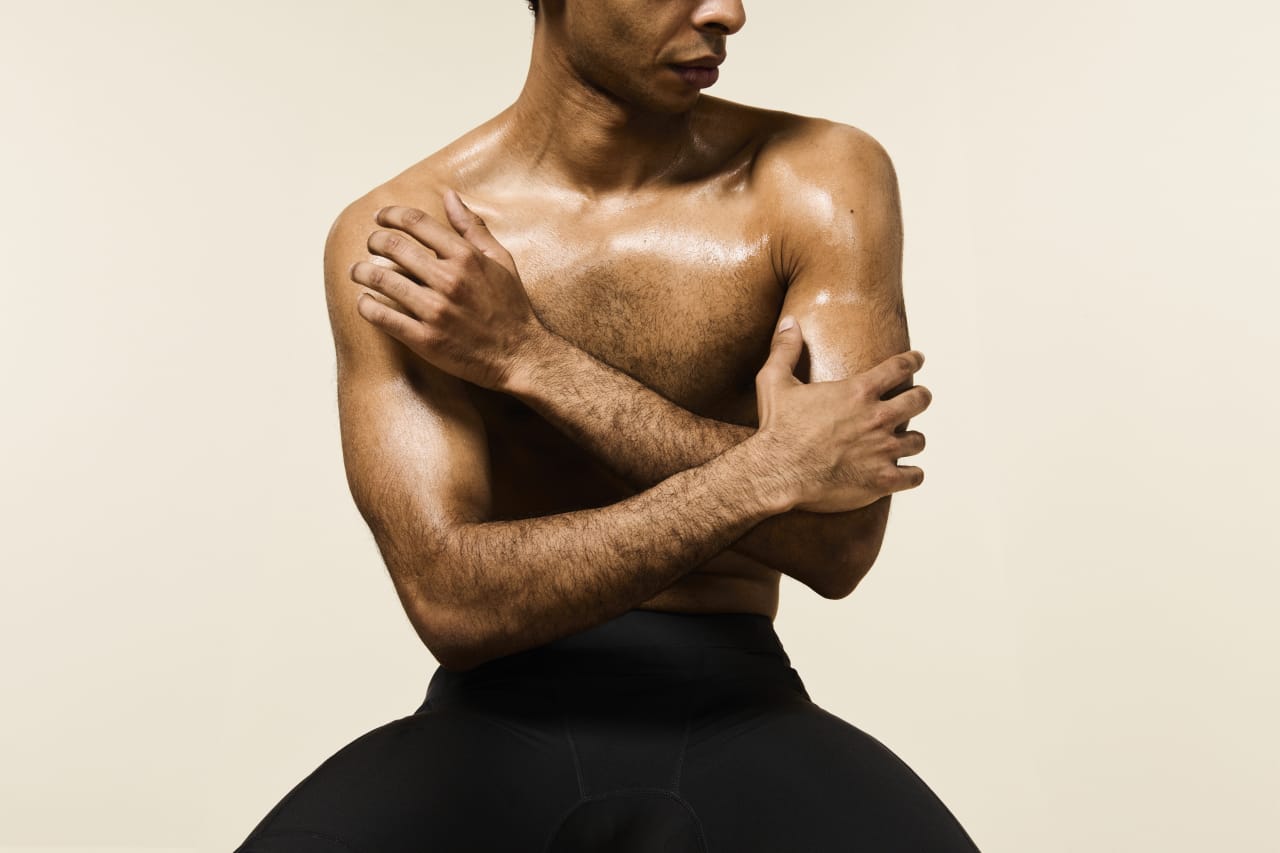




Thermoregulation Requires a Great Deal of Energy
To maintain a stable core temperature of around 37°C, the body has to work extremely hard in hot weather. Peripheral vasodilation helps dissipate heat through the skin, while sweating cools the body. But these mechanisms require a high energy expenditure, leading to rapid physical fatigue. The body draws on its reserves to cope with this thermal overload, which explains the sluggishness or heaviness you may feel during several days of a heatwave.
Silent Dehydration Causes Deep-Seated Fatigue
Even if you don’t necessarily feel thirsty, the body loses between 1 and 2.5 litres of water every day through sweating. When you don't replace this loss, dehydration sets in: fatigue, headaches, dizziness, and a drop in blood pressure can occur.
Slower Digestion Drains Your Energy
In summer, particularly during a heatwave, the body slows down its digestive processes to conserve energy. This slowdown causes bloating, nausea, or even a loss of appetite. As a result, the body can no longer use nutrients properly, which worsens fatigue.